Mykonos Nightlife Guide: Everything You Need to Know Before You Go
Mykonos has one of Europe's most legendary party scenes, from clifftop superclubs to sun-soaked beach raves and intimate cocktail bars in Chora's whitewashed alleys. This guide covers the best venues, realistic prices, seasonal timing, and the honest trade-offs so you can plan a night out that actually matches your expectations.
Tickets & tours
Live prices and dates from our booking partner. If you book, we may earn a commission at no extra cost to you.
TL;DR
- Mykonos nightlife peaks between late June and August, when the island's population swells from roughly 10,000 residents to tens of thousands of visitors.
- The main party zones are Paradise Beach, Super Paradise Beach, Paraga, Psarou, and the narrow lanes of Mykonos Town (Chora).
- Expect club entry fees of around €10-€20 and cocktails starting at €10, rising significantly at luxury beach clubs.
- Cavo Paradiso, Scorpios, Nammos, and Tropicana are the headline venues, each with a distinct crowd and vibe.
- May and late September offer nightlife with far fewer crowds and lower prices, but bigger DJ events don't start until late June.
Why Mykonos Nightlife Is in a League of Its Own
Mykonos nightlife has been drawing pleasure-seekers since the 1950s, when the island became a refuge for artists, free spirits, and eventually the international jet set. Long before the era of superstar DJs and Instagrammable beach clubs, Mykonos had already built a reputation as one of the Mediterranean's most permissive and welcoming destinations. That history matters because the scene today didn't emerge overnight — it's the product of decades of evolution. For context on what the island offers beyond the clubs, see things to do in Mykonos.
What separates Mykonos from other Mediterranean party destinations is the combination of scale and quality. You can go from an afternoon sunbed at a luxury beach club to a midnight set from a world-class DJ without leaving the same stretch of coastline. The island also has one of Europe's oldest and most established LGBTQ+ scenes, with gay bars and inclusive venues operating openly since the 1970s. That culture of acceptance runs through the whole nightlife ecosystem, making Mykonos feel genuinely welcoming regardless of who you are or who you're with.
ℹ️ Good to know
Mykonos is not exclusively a party destination. The island also offers quiet villages like Ano Mera, cultural attractions, and some of the Aegean's best beaches. The nightlife is intense in peak season, but it's possible to stay on Mykonos and avoid it almost entirely if that's your preference.
The Main Nightlife Zones: Where the Action Happens
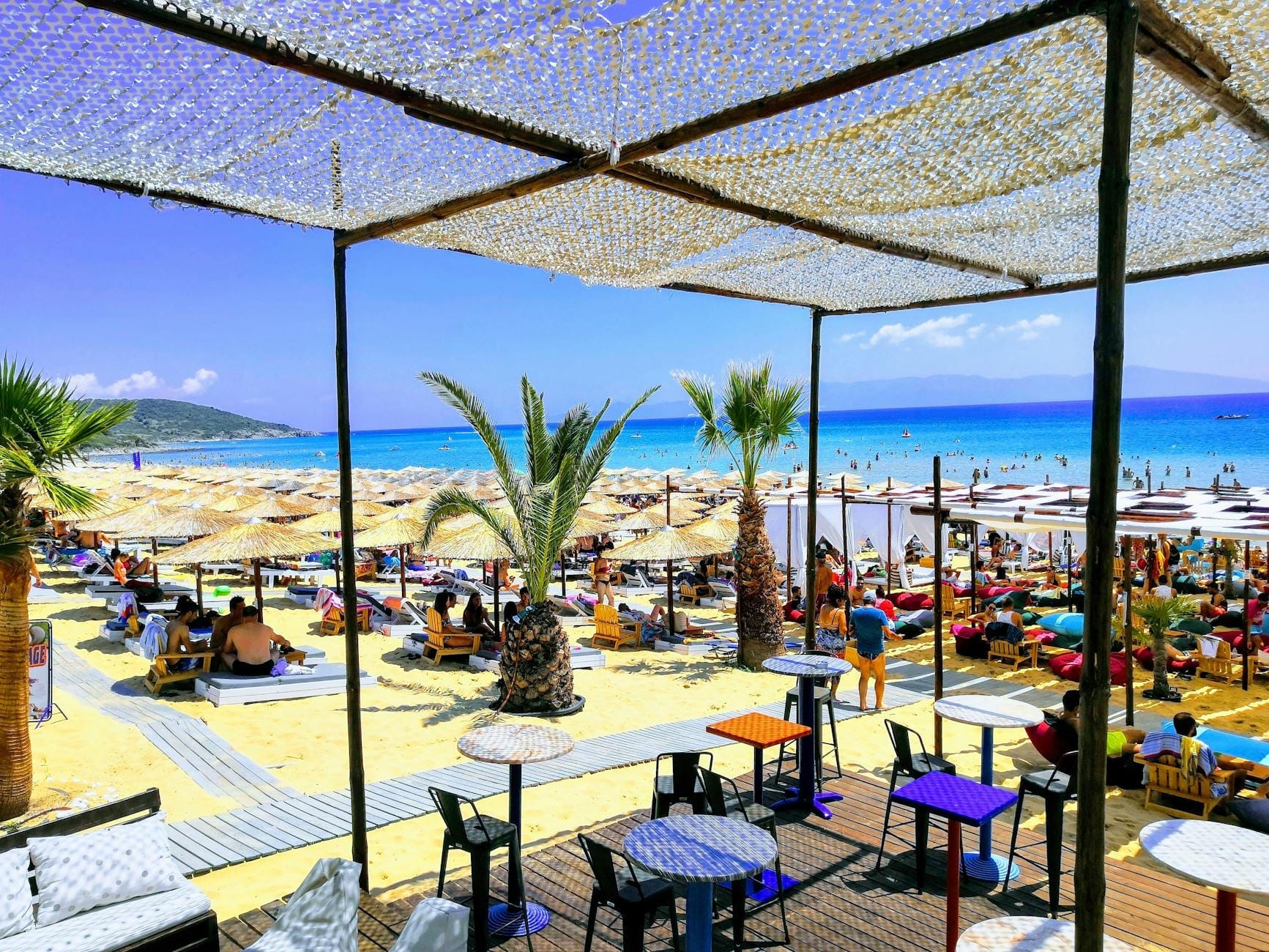
Mykonos nightlife concentrates in two distinct environments: the beach clubs along the southern coast and the bar-and-club strip inside Mykonos Town. They operate on different schedules and attract somewhat different crowds, and understanding this split will help you plan your nights more effectively.
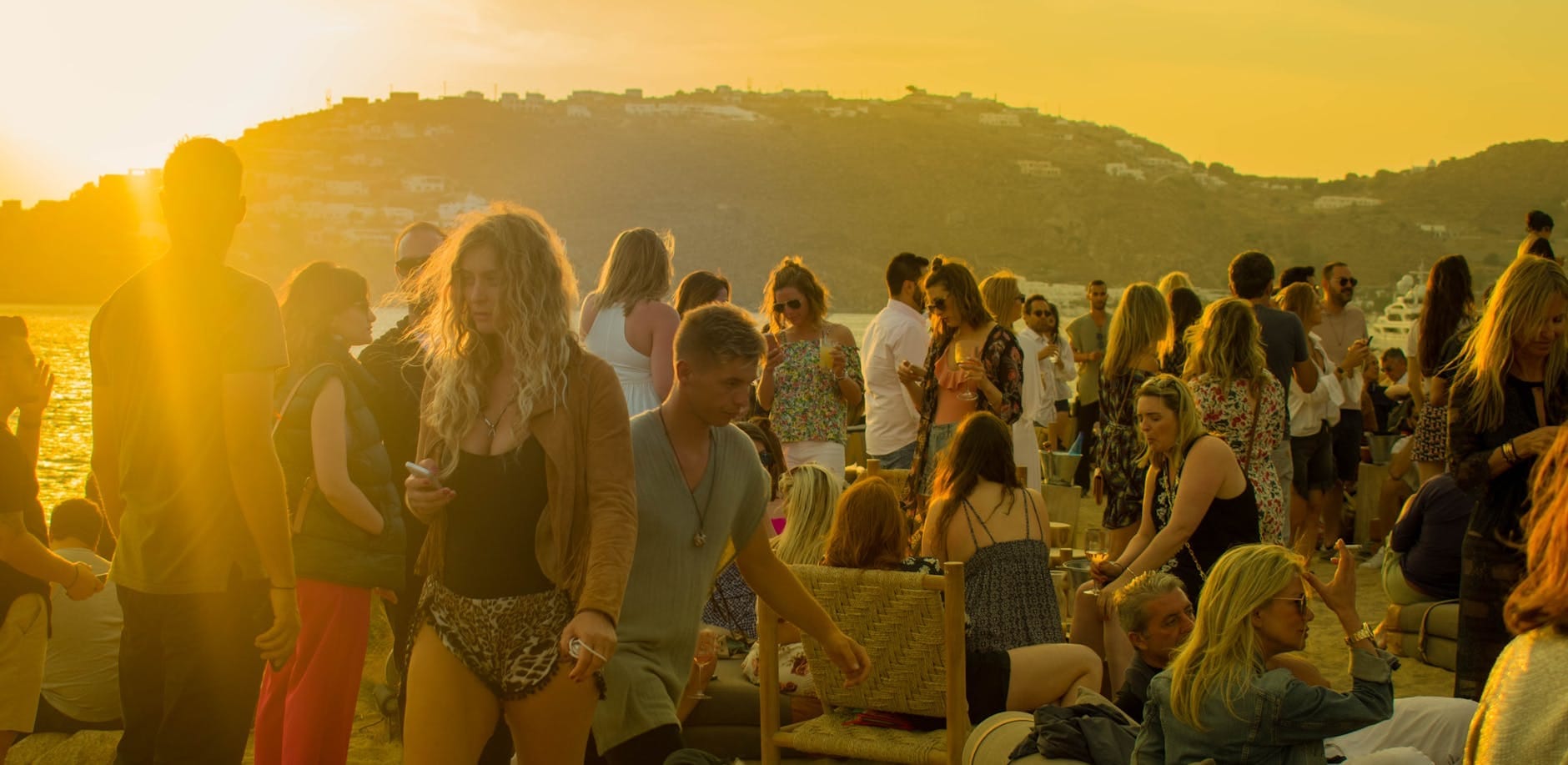
- Paradise and Super Paradise Beach The spiritual home of Mykonos beach party culture. Tropicana at Paradise Beach is one of the island's oldest clubs, running parties from late afternoon into the early hours. Super Paradise has a long history as an LGBTQ+-friendly beach with its own bar scene. Both beaches are roughly 5-6 km from Mykonos Town and accessible by bus or water taxi.
- Paraga Beach (Scorpios) Scorpios has become one of the most talked-about venues in the Mediterranean, blending a bohemian aesthetic with high-end crowd curation. It's less about thumping techno and more about curated musical journeys at sunset. Tables fill up fast; reservations are essential in July and August.
- Psarou Beach (Nammos) Nammos is the island's flagship luxury beach club and restaurant, where a single bottle of Champagne can cost hundreds of euros. It attracts a high-net-worth international crowd and is worth knowing about even if you don't plan to spend — the people-watching alone is remarkable.
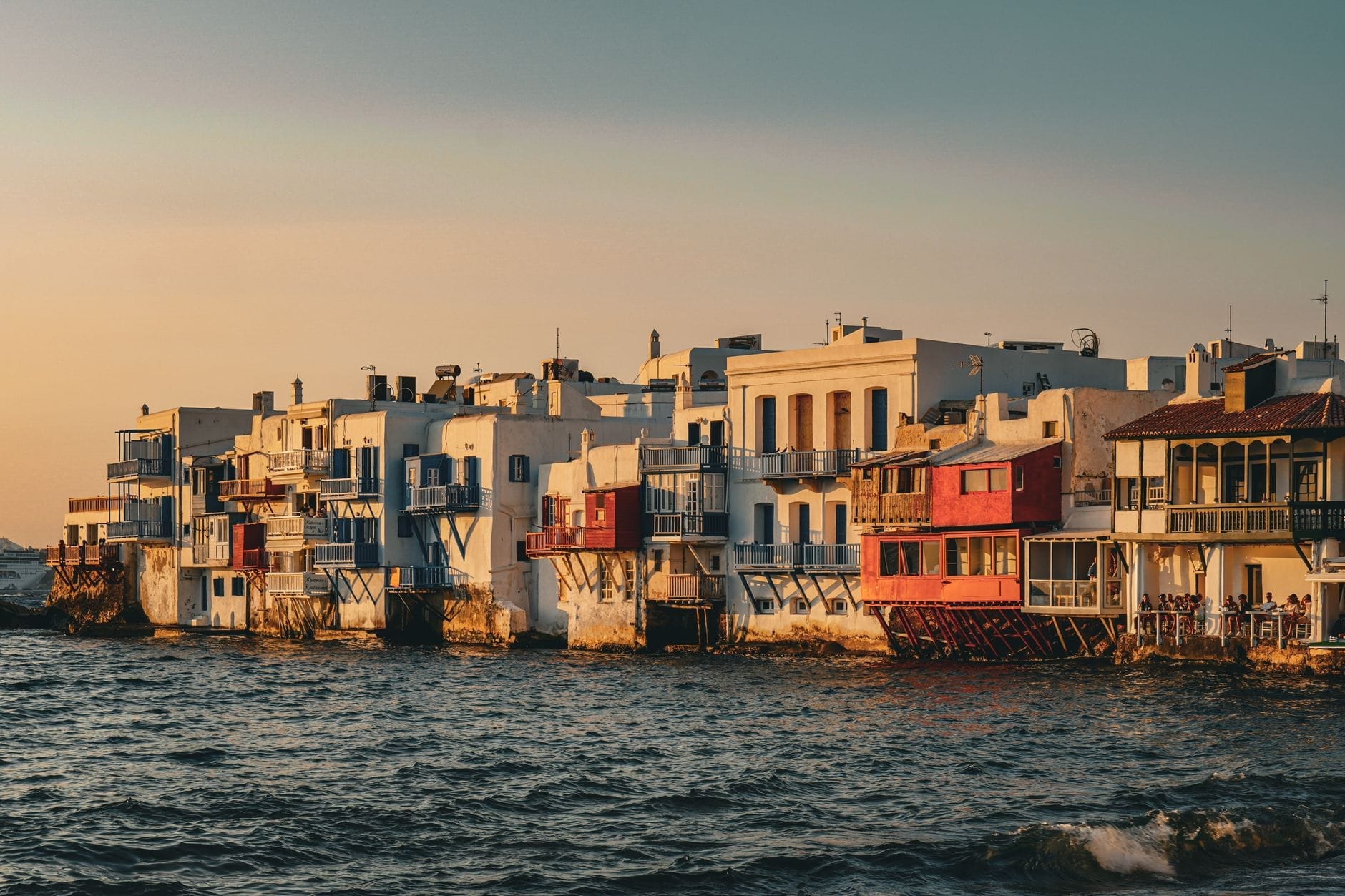
- Mykonos Town (Chora) The town's labyrinthine alleyways around Matogianni Street and the Little Venice waterfront are packed with cocktail bars, rooftop lounges, and smaller clubs. This zone comes alive after midnight when the beach clubs wind down, making it the natural second act of a long Mykonos night.
The clifftop venue that defines Mykonos for many visitors is Cavo Paradiso, a purpose-built open-air nightclub perched above Paradise Beach with capacity for around 3,000 people. It consistently books internationally recognized DJs across house, techno, and progressive genres, and remains one of the few venues in Greece that can genuinely compete with Ibiza's big clubs for lineup quality. Tickets typically sell out for headliner nights.
Prices, Bookings, and Avoiding the Tourist Traps
Mykonos is expensive by any European standard, and the nightlife scene is no exception. Understanding the pricing structure before you arrive helps you avoid unpleasant surprises. Entry fees for most clubs and beach parties run around €10-€20 per person for standard nights, though major DJ events at venues like Cavo Paradiso can push well above that. Cocktails start at around €10 at mid-range bars in Chora and can reach €20-€25 at luxury beach clubs. A bottle of spirits with table service at a premium venue typically starts at several hundred euros.
⚠️ What to skip
Avoid paying inflated prices at the door for major events. Most big-name DJ nights at Cavo Paradiso and other headline venues sell tickets online in advance, often at lower prices than walk-up rates. Check the official venue websites or platforms like Resident Advisor for event listings and pre-sale tickets. Buying from touts outside is never recommended.
Table reservations at beach clubs like Nammos or Scorpios should be made weeks in advance during July and August — sometimes longer for the most sought-after spots. For these venues, minimum spend requirements apply to tables, and they can be substantial. If a full table reservation is beyond budget, many of these clubs allow walk-in access to bar areas, which gives you the atmosphere without the minimum spend commitment. It's not a secret, just not widely advertised.
- Book major DJ nights at Cavo Paradiso directly via the venue's official site or Resident Advisor, not through third-party resellers.
- For beach clubs with table minimums, contact the venue directly by email in spring to check current pricing — rates change every season.
- GetYourGuide lists curated nightlife bar crawls and party experiences in Mykonos with instant booking — a good option if you want a guided introduction to the scene.
- Water taxis between Mykonos Town and the south-coast beaches run regularly in peak season and are far more practical than trying to find a taxi at 3 am.
- Many venues in Chora don't enforce a dress code, but the luxury beach clubs expect smart-casual at minimum in the evening. Flip-flops and beach cover-ups are fine at sundown; less so after midnight.
When to Go: Seasonal Timing and Crowd Patterns
The honest answer is that peak Mykonos nightlife runs from late June through August, and those weeks are genuinely exceptional but also genuinely crowded and expensive. If your priority is catching the biggest DJ lineups and the highest-energy beach parties, late July is the sweet spot. For a broader picture of seasonal trade-offs across the whole island, the best time to visit Mykonos guide breaks it down in detail.
Early May is worth considering if you want the scene without the chaos. The bars and clubs in Chora are open, the beach clubs are beginning to set up, and you'll find a more laid-back atmosphere overall. Expect fewer big international DJ events and some venues still in soft-launch mode, but also significantly lower accommodation prices and the ability to actually get a table without weeks of advance planning. Late September follows a similar pattern: the crowds thin out after Greek schools return in early September, but many venues stay open until mid-October.
✨ Pro tip
If you're visiting in June or September rather than peak July-August, focus your nightlife on Mykonos Town rather than the beach clubs. Chora maintains a strong bar and lounge scene throughout the extended season, while some of the more remote beach clubs operate on reduced schedules outside the peak weeks.
The timeline of a typical Mykonos night also deserves explanation. The beach clubs transition from daytime sunbed territory to full party mode around 4 pm, with energy building through sunset (roughly 8-9 pm in summer) and peaking from 10 pm to 2 am. Venues in Chora pick up around midnight and can run until 5 or 6 am. This means a full Mykonos night out rarely starts before 9 pm and often doesn't reach its peak for another three or four hours. Pacing yourself — and booking accommodation within easy reach of your planned venues — matters considerably.
The LGBTQ+ Scene and Inclusive Venues
Mykonos has one of the Mediterranean's most established LGBTQ+ nightlife scenes, with roots going back to the 1970s when the island became an early European destination where gay travelers could be openly themselves. That history is still visible today. Several bars in Mykonos Town have long-standing reputations as gay-friendly spaces, and Pride events draw significant crowds in summer. Most venues on the island are inclusive by default — the general atmosphere is tolerant and welcoming, which is one reason the island continues to attract a diverse international crowd.
The area around Little Venice and the lanes branching off Matogianni Street host the highest concentration of LGBTQ+-oriented bars. These tend to be more intimate cocktail-and-conversation spots rather than large clubs, which gives the Chora gay bar scene a social quality that's distinct from the big beach parties. For travelers focused specifically on LGBTQ+ travel in the Aegean, the Mykonos honeymoon guide also covers inclusive accommodation and experience options.
Practical Logistics: Getting Around After Dark
Getting between venues after midnight is one of the most underestimated challenges of a Mykonos night out. Taxis are limited in number and extremely difficult to find during peak hours — the island has a small permanent population of around 10,000, and the taxi fleet simply wasn't built for 50,000 summer visitors all trying to get home at 3 am. For more on island transport, see the getting around Mykonos guide.
- Water taxis from the Old Port run regularly to Paradise and Super Paradise Beach in peak season — faster and more reliable than road transport for south-coast venues.
- Many beach clubs run their own shuttle buses from Mykonos Town during high season; check with the specific venue when booking.
- Renting a scooter or ATV gives maximum flexibility but is only practical if someone in your group isn't drinking — roads between the beaches and town are winding and poorly lit.
- Pre-booking a private transfer back to your hotel for a specific time (say, 4 am) is expensive but removes the stress of hunting for a taxi after a long night.
- If staying near Paradise or Super Paradise, you're already close to Cavo Paradiso and Tropicana, which removes the transport problem entirely for those venues.
Accommodation choices directly affect how much you spend on nightlife logistics. Staying in Mykonos Town puts you within walking distance of every Chora bar and within water taxi range of the beach clubs. Staying near Paradise and Super Paradise makes the clifftop venues effortless but means a longer journey back into town for the late-night Chora scene. Neither choice is wrong — it depends on which part of the nightlife you prioritize. For broader accommodation context, the where to stay in Mykonos guide maps out all the main zones.
FAQ
When does nightlife in Mykonos peak?
The peak nightlife period runs from late June through August, with late July typically the highest-energy weeks. Beach clubs begin operating in May, but major international DJ events and full venue programming don't usually start until late June. By mid-September the scene thins out significantly, though Mykonos Town bars stay active until mid-October.
How much does a night out in Mykonos cost?
Budget at least €50-€80 per person for a moderate night out including entry and a few drinks at mid-range venues. At luxury beach clubs like Nammos or a headliner night at Cavo Paradiso, costs can easily reach €150-€300 per person or more, especially if you're at a table with a minimum spend. Mykonos is genuinely expensive — treating budget estimates from a few years ago as current is a common planning mistake.
Is Mykonos nightlife good for LGBTQ+ travelers?
Yes, and it has been for decades. Mykonos has one of the oldest openly gay-friendly nightlife scenes in Europe, with bars around Little Venice and Matogianni Street that have catered to LGBTQ+ travelers since the 1970s. The overall atmosphere across most venues is inclusive and welcoming.
Do I need to book tables at Mykonos beach clubs in advance?
For top venues like Nammos, Scorpios, and Cavo Paradiso in July and August, advance booking is close to essential — sometimes weeks in advance. Walk-in access to bar areas is often still possible even when tables are fully reserved, but for a seated experience at premium spots you should contact venues directly or use their official booking systems as early as possible.
Is Mykonos nightlife worth it if I'm not into big clubs?
Possibly yes. Mykonos Town has a genuinely diverse bar scene with rooftop cocktail lounges, wine bars, and smaller venues that are a long way from the Cavo Paradiso experience. The Little Venice waterfront in particular is atmospheric and sociable without being overwhelming. If large clubs aren't your preference, focus on Chora rather than the south-coast beach parties.
Tickets & tours
Live prices and dates from our booking partner. If you book, we may earn a commission at no extra cost to you.
Planning a trip? Discover personalized activities with the Nomado app.