Archaeological Museum of Delos: What to See, Know, and Expect Before You Go
Built on the excavation site itself, the Archaeological Museum of Delos houses sculptures, mosaics, pottery, and artifacts uncovered from one of the ancient world's most sacred islands. It is reached only by boat from Mykonos, and admission covers both the museum and the wider archaeological site.
Quick Facts
- Location
- Delos Island, Cyclades, Greece (accessible only by boat from Mykonos)
- Getting There
- Excursion boats depart from Mykonos Old Port; journey takes approximately 30 minutes
- Time Needed
- 1.5 to 3 hours for museum and site combined
- Cost
- Approx. €20 combined entry for archaeological site and museum (verify before visiting)
- Best for
- Ancient history enthusiasts, archaeology fans, cultural travelers
- Official website
- http://odysseus.culture.gr/h/3/eh355.jsp?obj_id=2371
What the Archaeological Museum of Delos Actually Is
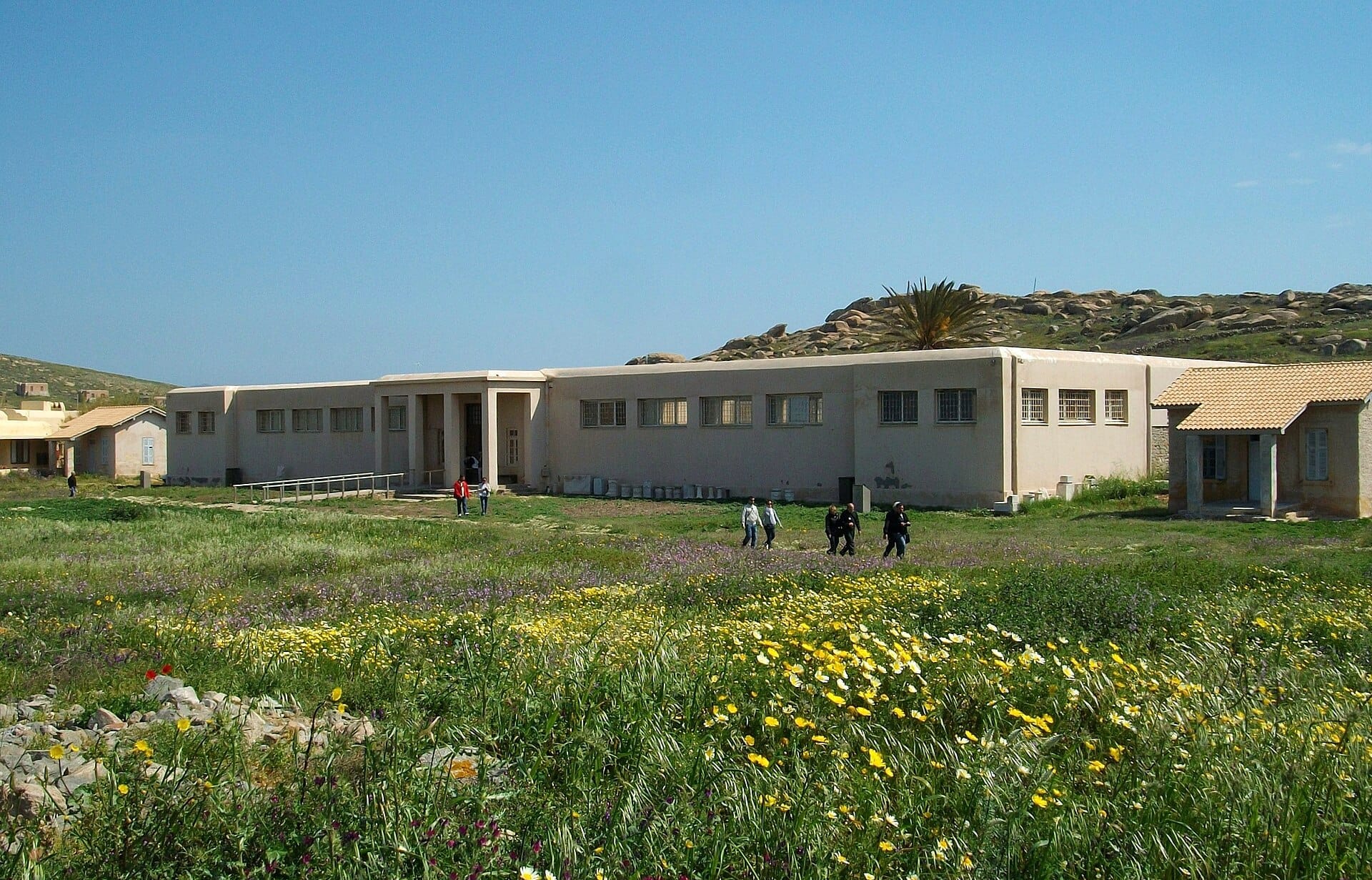
The Archaeological Museum of Delos is not a purpose-built city institution with climate-controlled galleries and café areas. It is a field museum, constructed directly on the excavation site of one of antiquity's most significant sacred islands, and it functions as a repository for thousands of objects that cannot be left exposed to the Aegean elements. The building itself dates to 1904, commissioned to house the growing volume of finds from excavations that began in 1872. It started with five rooms and was later expanded to nine.
That context matters before you visit. The museum is understated in scale compared to what surrounds it: the ruins of sanctuaries, colonnaded streets, and private houses that stretch across the uninhabited island. What the museum offers is the concentrated material evidence, the objects you cannot read from a distance: carved marble faces, painted ceramics, bronze figurines, inscriptions, and architectural fragments that anchor the site's two-thousand-year history into something you can examine up close.
ℹ️ Good to know
Admission to the Archaeological Museum of Delos is included in the general site entry ticket (approximately €20 as of recent visitor reports). There is no separate museum ticket. Verify current pricing at the official Ministry of Culture website before travel, as fees are subject to change.
Getting to Delos: The Boat Ride Is Part of the Experience
Delos is accessible only by boat, with no airport, no bridge, and no permanent residents. Excursion vessels depart from the Mykonos Old Port and the crossing takes roughly 30 minutes across open Aegean water. Boats typically run in the morning, with return departures in the early-to-mid afternoon, meaning your time on the island is defined by the ferry schedule rather than your own preference.
The crossing can be choppy, particularly in the afternoon when the meltemi wind picks up. Seasickness-prone travelers should take precautions and aim for the first morning departure when conditions tend to be calmer. There is no shelter on the boat beyond the cabin interior, and the sun is relentless in summer months. Bring water, sunscreen, and a hat regardless of how brief the crossing feels on a map.
Once you disembark at the small Delos pier, the main archaeological zone is a short, flat walk from the landing point. The museum is positioned within the site, so you will pass ruins before reaching its entrance. For a full understanding of how the day trip works, including boat schedules and what to combine with your visit, the day trip to Delos from Mykonos guide covers logistics in detail.
⚠️ What to skip
There is no shade on most of the Delos archaeological site. The museum building offers brief relief from the sun, but the overall visit involves significant time outdoors on exposed terrain. In July and August, midday temperatures regularly exceed 30°C. Wear closed-toe shoes, as the ground is uneven and stone paths become extremely hot by afternoon.
Tickets & tours
Live prices and dates from our booking partner. If you book, we may earn a commission at no extra cost to you.
Mykonos yacht cruise to Rhenia Island and guided tour of Delos
From 120 €Instant confirmationFree cancellationSunset sailing to Rhenia with Delos self-guided virtual tour
From 110 €Instant confirmationFree cancellationHalf-Day Mykonos, Delos and Rhenia Catamaran Cruise with Lunch
From 150 €Instant confirmationFree cancellationDelos Day Trip from Mykonos
From 76 €Instant confirmationFree cancellation
What You Will See Inside the Museum
The nine rooms of the Archaeological Museum of Delos hold sculpture, pottery, jewelry, bronze objects, glass, and inscriptions spanning roughly from the 9th century BCE through the Roman Imperial period. The collection reflects Delos's long role as a religious center, a commercial hub, and a meeting point for the ancient Mediterranean world.
Sculptural pieces are among the most visually striking elements: votive offerings, fragments of large-scale marble kouroi (standing male figures), and decorative architectural components from the island's sanctuaries. Delos was home to a major sanctuary dedicated to Apollo, and some of the finds relate directly to the religious activity that drew pilgrims from across the Greek world for centuries.
Pottery and ceramics illustrate the island's trading connections, with pieces from different regions of the ancient Mediterranean showing how Delos functioned as a commercial crossroads. Inscriptions, though less immediately accessible to non-specialists, document everything from property transactions to religious dedications. These complement what you can observe at the Sanctuary of Apollo and the Terrace of the Lions just outside the museum walls.
The labeling within the museum is present but varies in detail, and signage tends toward Greek and French more than English in some sections, reflecting the long French School stewardship of the excavations. Traveling with a printed guide or a well-researched app can help you contextualize what you are looking at.
How the Experience Changes by Time of Day
The museum opens at 08:00 from April through October and the first excursion boats from Mykonos arrive in the morning. The difference between arriving early and arriving mid-morning is significant. Early visitors have the site and museum nearly to themselves, the light is cooler, and the quality of natural illumination inside the museum rooms is better for examining detail without harsh overhead glare.
By late morning, particularly in peak summer months (July and August), organized tour groups begin arriving in waves. The museum's rooms are compact, and even moderate crowds can make close examination of individual pieces difficult. If you have any interest in spending genuine time with the collection rather than moving through it quickly, the first morning boat is not just preferable; it is the right choice.
Afternoon visits are constrained by the return boat schedule and, more importantly, by the heat. The outdoor site becomes genuinely uncomfortable after noon in summer. The museum itself offers relief, but its opening hours and the boat timetable mean afternoon-only visitors often feel rushed. The museum closes at 20:00 in season, but practical access is still determined by the ferry, not the posted hours.
Historical Context: Why Delos Matters
Delos is not just another Greek archaeological site. According to ancient tradition, it was the birthplace of Apollo and Artemis, making it one of the most sacred locations in the ancient Greek world. For centuries it was a major Panhellenic sanctuary, drawing delegations, offerings, and pilgrims from across the Aegean and beyond.
From the 2nd century BCE onward, the island also became one of the most important commercial ports in the eastern Mediterranean, particularly after Rome declared it a free port in 166 BCE. The population swelled to tens of thousands of merchants, traders, and slaves from across the known world. This combination of religious significance and commercial intensity produced an extraordinary concentration of wealth, dedications, and material culture, all of which ended abruptly when the island was sacked twice in the 1st century BCE and never fully recovered.
That layered history, sacred site, international trading hub, abandoned ghost island, is what makes the museum's collection so dense in meaning. The artifacts are not merely decorative; they are the material record of a place that once stood at the center of the ancient world. For a broader understanding of what else the island contains, the House of Dionysus with its famous mosaic floors sits within easy walking distance of the museum.
Practical Notes on Visiting
The museum is open from 1 April to 30 October, 08:00 to 20:00, and from 1 to 30 November, 08:00 to 16:00. It follows the same opening hours as the archaeological site. Outside these periods, the site closes entirely. There is no year-round access.
The terrain between the ferry pier and the museum is uneven, with stone paths, loose gravel, and sections that are not wheelchair-accessible. The Ministry of Culture notes that assistance dogs and therapy animals are permitted with appropriate documentation, but visitors with mobility limitations should research the site's conditions in advance, as the wider archaeological zone is challenging terrain beyond the museum building itself.
There is no café, restaurant, or food vendor on Delos beyond a basic kiosk near the landing area. Bring your own water, at least one litre per person in summer, and food if you plan a long visit. The combination of physical exertion, heat, and the lack of shade outside the museum means dehydration is a realistic concern, not an exaggeration. For context on what the full Mykonos-to-Delos excursion looks like, including how to fit it into a broader island itinerary, the things to do in Mykonos guide has useful context.
Photography Tips and Honest Limitations
Photography inside the museum is generally permitted for personal use, but always confirm at the entrance as policies can be updated. Flash photography damages pigment and surface detail on ancient objects and should be avoided regardless of whether it is explicitly prohibited.
Interior light in the museum rooms varies by gallery. Some spaces are well-lit by natural light through windows; others are darker and require a steady hand or higher ISO setting. Wide-angle lenses are impractical in the smaller rooms; a standard or short telephoto lens gives better results for individual objects.
Outdoor photography on the site is exceptional in the early morning when the angle of light rakes across carved marble and the island is quiet. The Terrace of the Lions, the Sacred Lake basin, and the sanctuary precinct all photograph well in that window. By midday the light flattens and the visual contrast with the pale limestone becomes harsh.
💡 Local tip
If you are visiting Delos primarily for the museum, plan at minimum two hours total for museum and immediate surroundings. If you want to walk the full site, including the residential quarters to the south, allow three to four hours and take the first morning boat. Trying to cover everything in a rushed afternoon visit is the most common regret among first-time visitors.
Insider Tips
- Take the first boat of the day from Mykonos Old Port, not just to beat the crowds but because the cooler morning air makes the outdoor sections of the site far more comfortable to navigate before entering the museum.
- The museum's collection is complemented by the National Archaeological Museum in Athens, which holds many of the most significant Delos finds removed in earlier excavation periods. If you visit Athens before or after Mykonos, look specifically for the Delos rooms.
- Label quality inside the museum is inconsistent. Download a PDF guide from the French School at Athens website or purchase a site guide from the small kiosk near the pier before entering, so you can identify key pieces without guesswork.
- The site map handed out at the entry point is minimal. Photograph it with your phone immediately so you can navigate without carrying it, as the paper deteriorates quickly in wind and heat.
- Free admission days exist, as noted by the Ministry of Culture, and typically fall on national holidays and specific cultural dates. Check the Ministry of Culture website in advance if timing your visit around these dates matters to you.
Who Is Archaeological Museum of Delos For?
- Travelers with a genuine interest in ancient Greek history and archaeology who want more than a surface-level ruin walk
- History-focused visitors using Mykonos as a base to explore the wider Cycladic and Aegean ancient world
- Photographers seeking early-morning light on ancient marble in an uncrowded setting
- Cultural travelers willing to accept basic facilities in exchange for access to a UNESCO World Heritage Site with extraordinary density of ancient finds
- Visitors who want to understand the material culture behind what they see in the outdoor site ruins
Nearby Attractions
Other things to see while in Delos Island:
- House of Dionysus
The House of Dionysus is one of the best-preserved Hellenistic residences in the Aegean, built in the 2nd century BC and named for its extraordinary courtyard mosaic depicting Dionysus riding a panther. Located in the Theatre Quarter of the Archaeological Site of Delos, it offers a rare glimpse into the private luxury of ancient Greek merchants and aristocrats. Access requires a boat crossing from Mykonos, making advance planning essential.
- Mount Kynthos
Rising 112 metres above the sacred island of Delos, Mount Kynthos is the highest point of this UNESCO World Heritage Site and one of the most historically charged viewpoints in the Aegean. The climb is short but rewarding, delivering panoramic island views alongside ancient sanctuary remains at the summit.
- Sanctuary of Apollo
The Sanctuary of Apollo on the island of Delos is one of the most important archaeological sites in Greece, a UNESCO World Heritage landmark accessible only by boat from Mykonos. Dating back at least to the 9th century BC, this open-air sanctuary sat at the religious and commercial center of the ancient Aegean world.
- Terrace of the Lions
The Terrace of the Lions is one of the most recognizable ancient monuments in the Aegean, a row of marble lion sculptures dedicated to Apollo by the Naxians around 600 BC. Located on the uninhabited island of Delos, accessible only by boat from Mykonos, the terrace anchors a UNESCO World Heritage site that rewards visitors willing to go beyond the postcard image.
Planning a trip? Discover personalized activities with the Nomado app.