3 Days in Mykonos: The Perfect Itinerary
Three days is exactly enough time to cover Mykonos properly — the labyrinthine alleys of Chora, the UNESCO ruins of Delos, the south-coast beach scene, and a genuine taste of the island's nightlife. This day-by-day itinerary gives you the structure, the practical details, and the honest advice to make it work.
Tickets & tours
Live prices and dates from our booking partner. If you book, we may earn a commission at no extra cost to you.
TL;DR
- Three days covers the core of Mykonos — Chora, Delos, and the south beaches — without feeling rushed, if you plan the sequence right.
- Stay in Mykonos Town (Chora) for walkability and the best access to buses, beaches, and the Old Port.
- Book the Delos boat trip and any beach club sunbeds at least a few days ahead in peak season (June–August).
- Shoulder season — May to early June and September to October — gives you the same sights with far smaller crowds. See the best time to visit Mykonos for a full seasonal breakdown.
- Mykonos is not only a party island — Delos, Ano Mera, and the northern beaches offer genuine cultural and quiet alternatives.
Before You Arrive: Logistics That Will Save You
Mykonos International Airport (IATA: JMK) sits just 4 km from Mykonos Town, which means getting into Chora is quick and cheap. A public bus connects the airport, the New Port at Tourlos, and the Fabrika bus terminal in town for around €2–3 per journey. Taxis cover the same route in under 10 minutes, though fares vary by season — verify current rates locally. If you're arriving by ferry, large vessels dock at the New Port (Tourlos), roughly 2 km north of Chora; smaller boats use the Old Port right in town.
The island has no rail or metro. Your main tools are the public bus network (cheap and reasonably frequent in season), taxis (plentiful but can be scarce late at night), water taxis between south-coast beaches (around €20 for a day pass from Platis Gialos), and rental ATVs or scooters for flexibility. Uber is not reliably available on the island — don't count on it.
⚠️ What to skip
In July and August, taxis disappear fast after midnight. If you're planning a late night out, arrange your return in advance or factor in a longer walk back to your accommodation. Chora is compact — most of it is walkable — but plan ahead rather than assume a cab will appear.
For accommodation, staying in Chora puts you within walking distance of restaurants, bars, the Old Port, and the main bus stops. Budget hotels and guesthouses exist in town but fill up fast. If price is a concern, Mykonos on a budget covers the realistic options. For full context on where different neighborhoods suit different travel styles, check the where to stay in Mykonos guide.
Day 1: Mykonos Town, Little Venice, and the Windmills
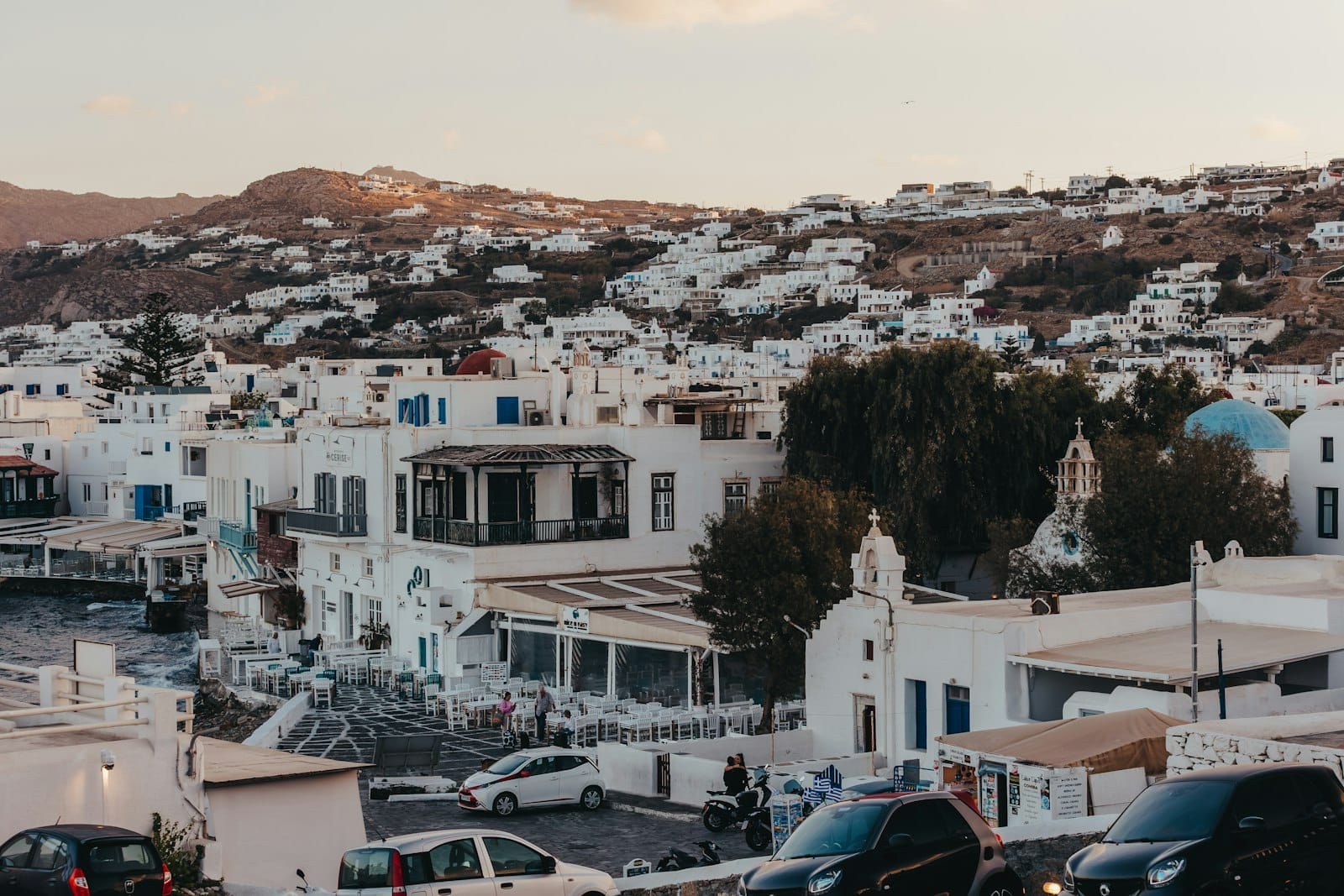
Spend your first day entirely in and around Chora — the island's main town. It sounds limiting until you realize how dense the place is. Start the morning at Manto Mavrogenous Square, the main square near the Old Port, where local cafes serve proper Greek coffee before the tourist crowds arrive. From there, wander into the old town along Matoyianni Street — the main commercial artery — and get deliberately lost in the surrounding lanes. The maze of whitewashed alleys was designed to confuse pirates, and it works on visitors too. That's the point.
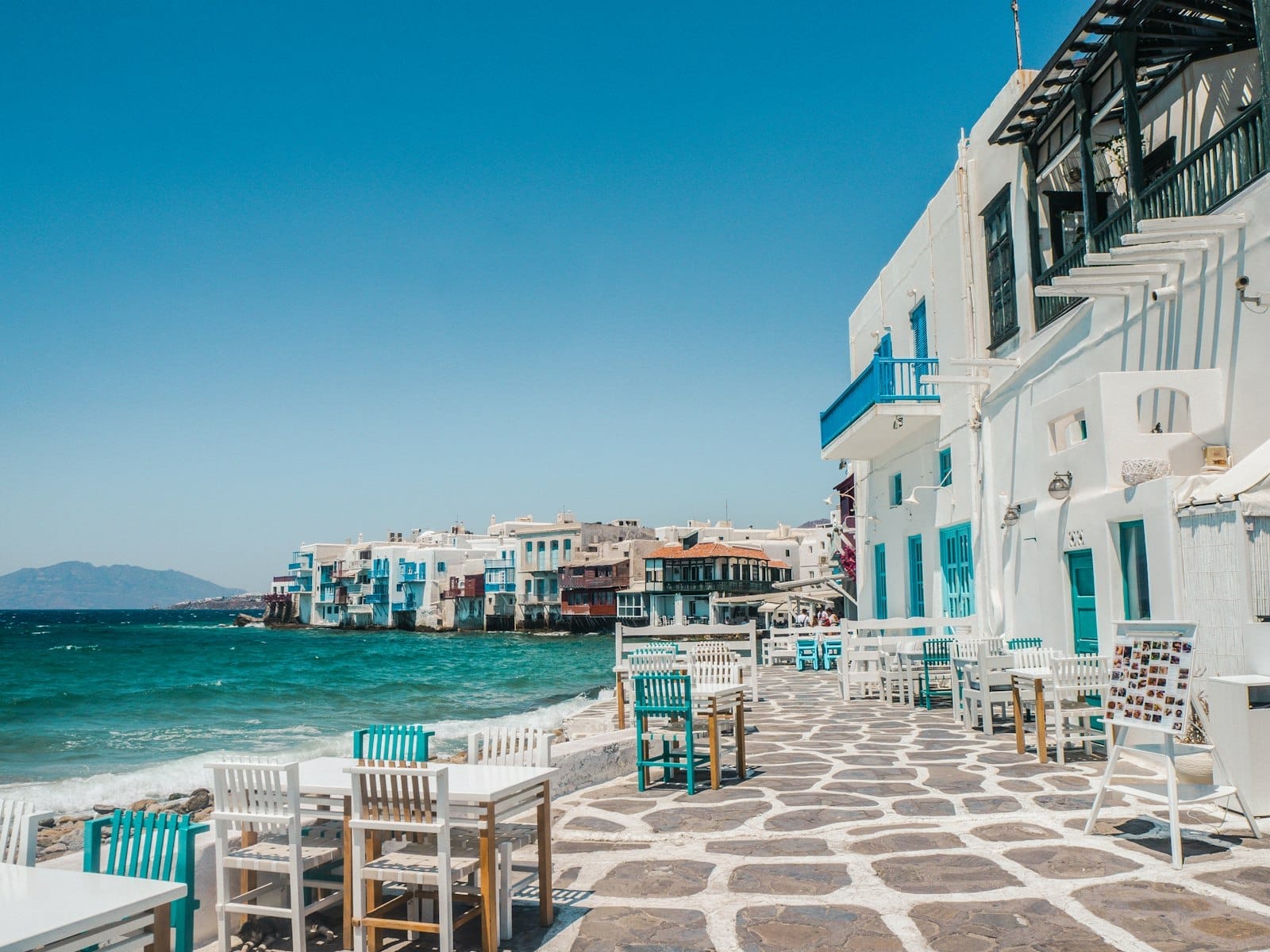
By late morning, work your way to Panagia Paraportiani, the asymmetric cluster of five chapels fused into one structure on the edge of the Kastro neighborhood. It's one of the most photographed buildings in the Cyclades — arrive before 10am to see it without crowds in the frame. Just below it, Little Venice lines the waterfront with old sea captains' houses whose balconies hang directly over the Aegean. This is the place to watch the sunset — ideally with a drink in hand — but it's worth visiting in the morning too when the light is clear and the area is quiet.
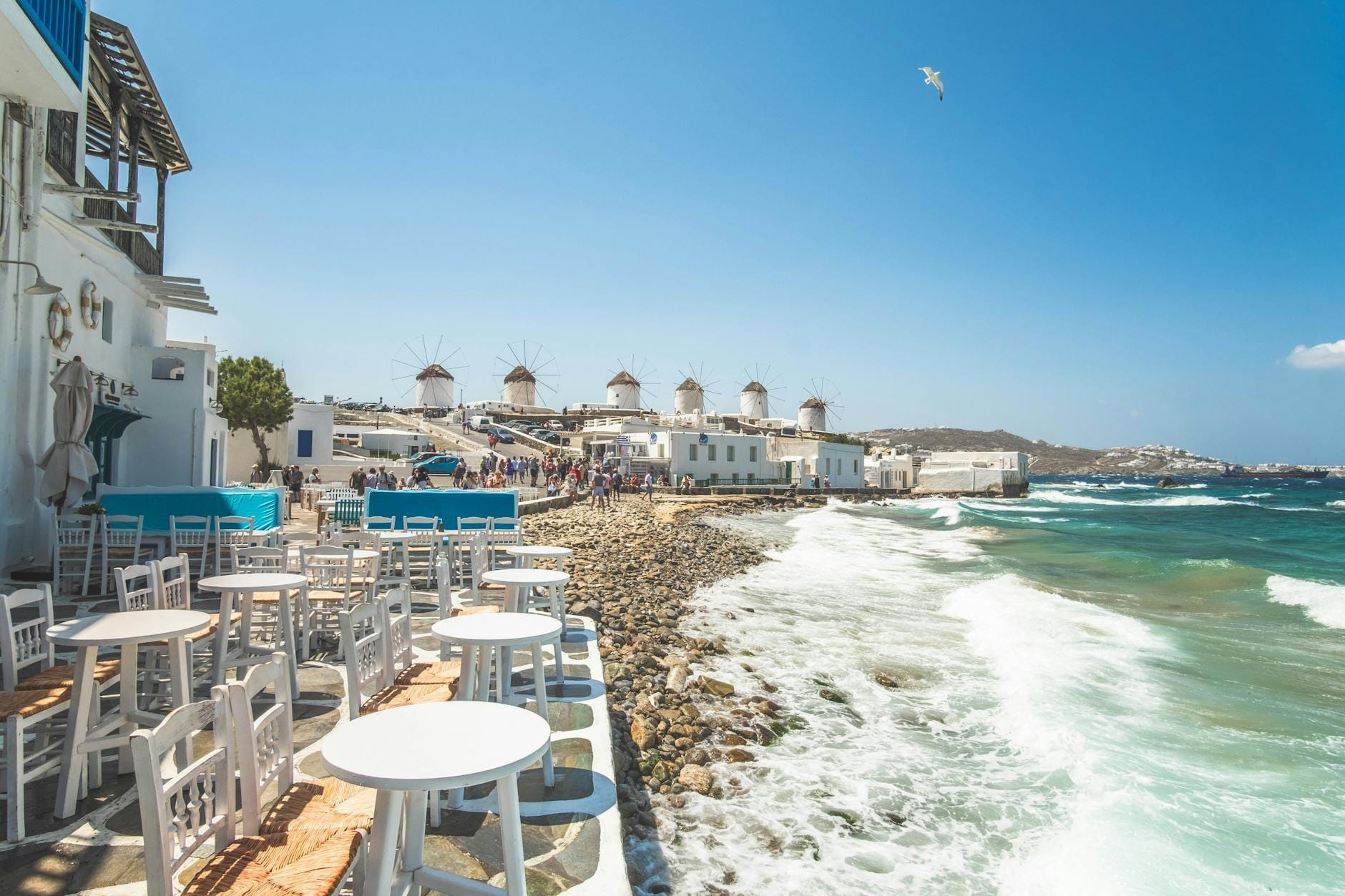
After lunch (eat inland, away from the waterfront, for better value), walk up to the Mykonos windmills on the Kato Mili hill. The row of 16th-century Venetian-built windmills is one of the island's defining images. Afternoon light hits them well. Spend the evening exploring Chora's backstreets, which come alive after 8pm with restaurants and bars. The Mykonos food guide has specific recommendations for dishes and tavernas worth seeking out.
💡 Local tip
Visit Panagia Paraportiani and Little Venice early morning or late afternoon. Midday in peak season, both spots are crowded enough to make photography frustrating and the experience noticeably less enjoyable.
Day 2: Delos — The UNESCO Day Trip You Should Not Skip
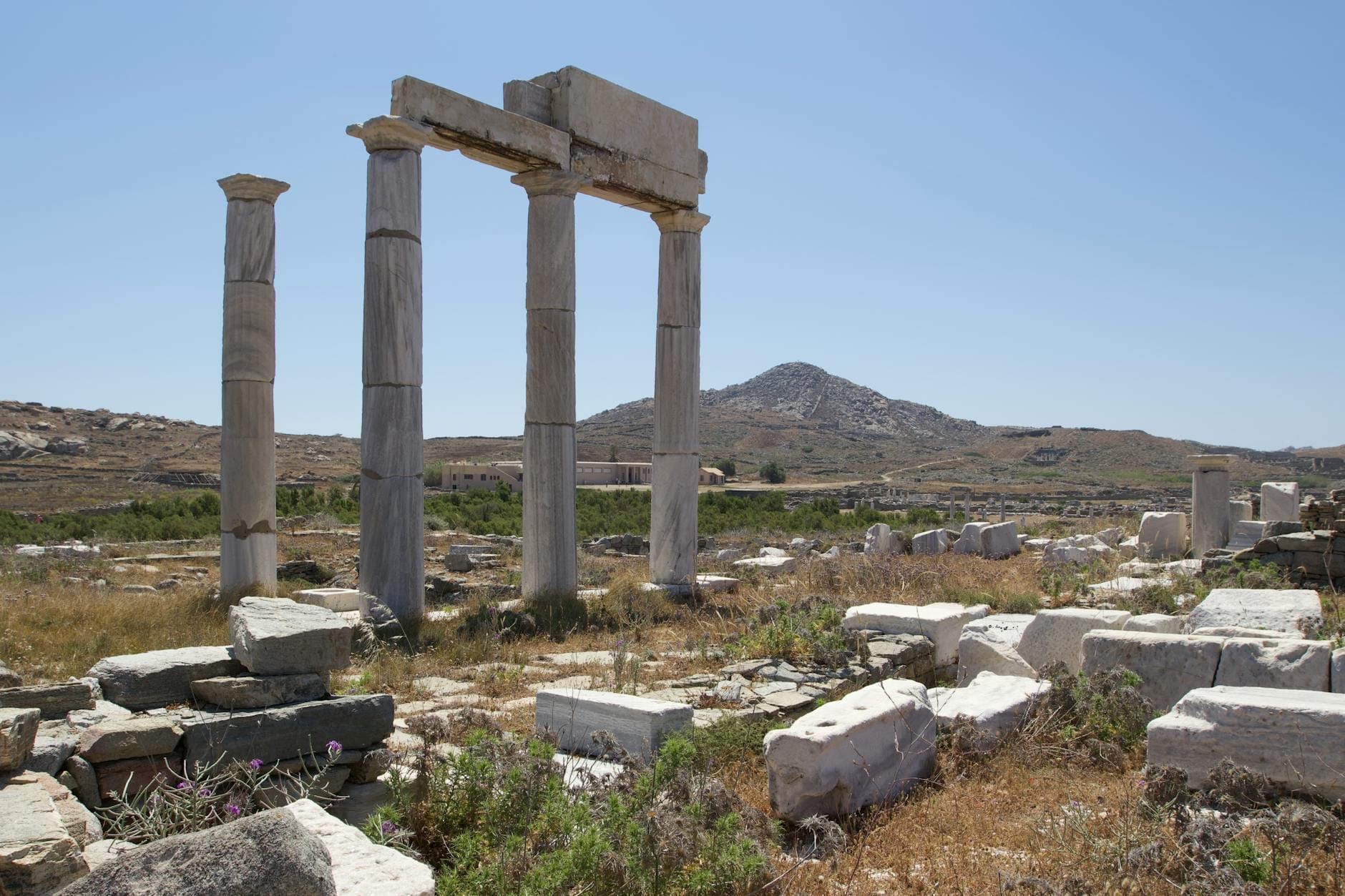
On Day 2, catch the morning boat to Delos from the Old Port. Boats typically depart around 9–10am and return by 1–2pm, making this a clean half-day excursion. Delos is one of the most significant archaeological sites in the entire Mediterranean — the mythological birthplace of Apollo and Artemis, and once a major religious and commercial hub of the ancient Greek world. The site is open seasonally (roughly April to October), and the ticket covers both the ruins and the on-site museum.
Highlights on the island include the Terrace of the Lions — a row of marble lions dating to around 600 BCE — and the Sanctuary of Apollo, the island's ancient religious center. The House of Dionysus contains some of the best-preserved ancient mosaics in Greece. Bring water, sun protection, and comfortable shoes — there is minimal shade and the terrain is uneven. Delos has no hotels, restaurants, or permanent population; everything closes when the last boat leaves.
✨ Pro tip
Book your Delos boat tickets at least a day ahead in July and August — morning departures sell out. The half-day format leaves your afternoon free for beaches. A guided tour adds real context to a site that can feel like a field of anonymous stones without it.
Back on Mykonos by early afternoon, head to the south coast for beach time. Platis GialosPlatis Gialos is the practical choice — organized, family-friendly, and the main hub for water taxis to other beaches. From there, water taxis connect to Paradise Beach and Super Paradise Beach further along the coast. A day pass on the water taxi runs around €20 and lets you hop between stops. The Mykonos beach clubs guide explains the sunbed reservation system and what to expect at each club.
Day 3: Northern Beaches, Ano Mera, and a Final Sunset
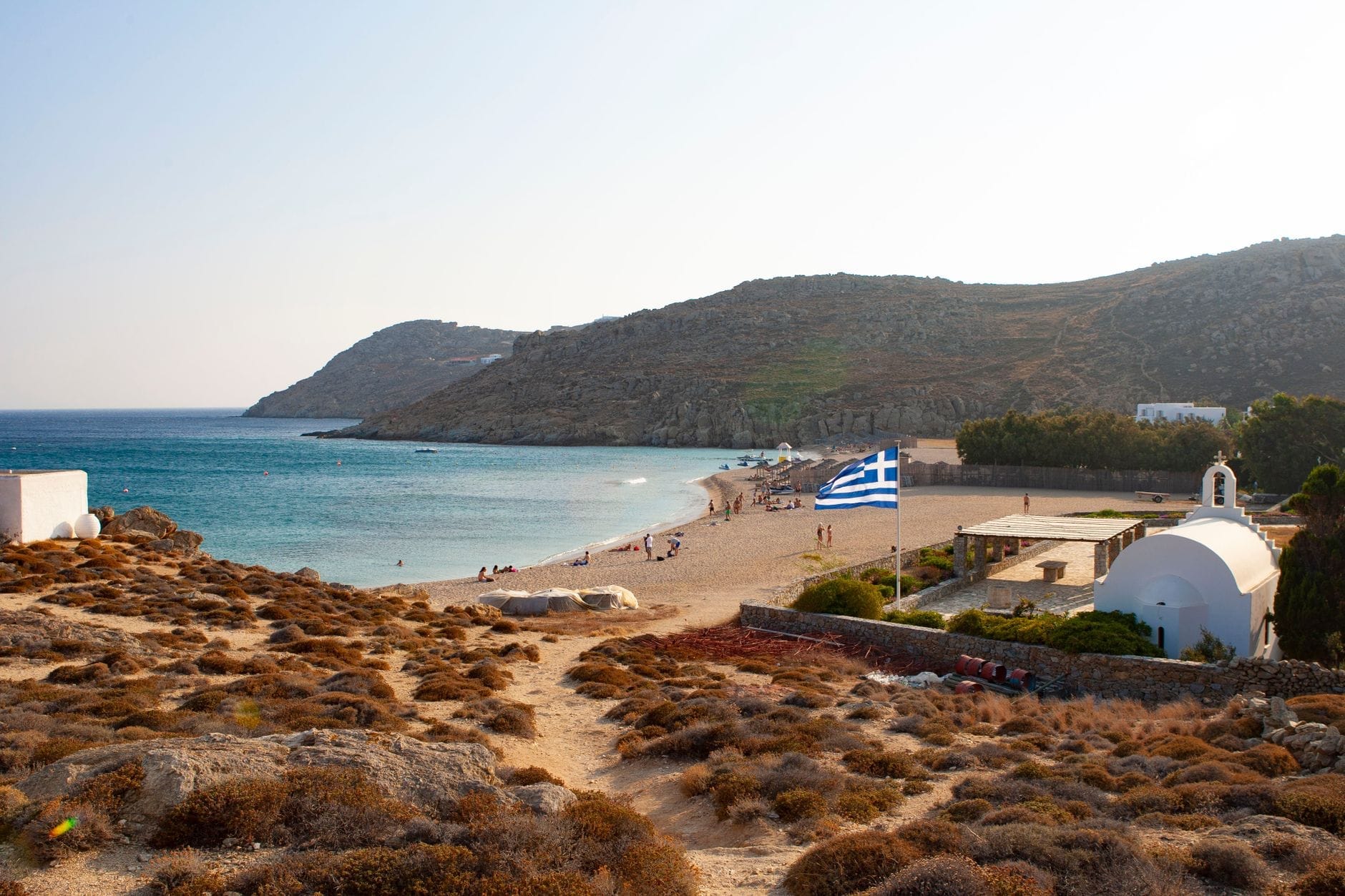
Day 3 is for the quieter, less-developed side of Mykonos. The northern and eastern coasts see a fraction of the tourist traffic that the south beaches attract. Agios SostisKalo Livadi is the best example: no sunbeds, no music, no facilities beyond a single taverna that closes when the food runs out. You bring your own towel and find your own patch of sand. It's a 20-minute drive from Chora, and worth every minute of the detour. Panormos Beach on the north coast offers a middle ground — calmer water, fewer crowds, and some basic sunbed service without the south-coast spectacle.
On the way back, stop in Ano Mera, the island's only significant inland village, about 8 km east of Chora. The central square has a handful of traditional tavernas serving proper Greek food at prices noticeably lower than Chora. The Monastery of Panagia Tourliani sits right on the square — it's open to visitors and worth a 20-minute stop. Dress modestly (covered shoulders and knees) to enter. Ano Mera gives you a sense of what Mykonos looked like before tourism reshaped the coastline.
For your final evening, return to Chora and revisit Little Venice for the sunset, then eat at a restaurant you didn't get to on Day 1. If nightlife is part of your trip, Mykonos has one of the best club scenes in the Mediterranean — but it starts late. Most venues don't fill up until after midnight. The Mykonos nightlife guide covers the key venues, the typical schedule, and what to expect at different points along the night.
What to Realistically Expect by Season
Mykonos operates on a sharp seasonal rhythm. The island is largely open from April through October, with a hard core of activity from mid-June to late August. In peak season, prices for accommodation, restaurants, and sunbeds are at their highest, beaches are packed by 11am, and the Chora alleys are shoulder-to-shoulder by evening. It's not unpleasant if you're prepared for it, but it is crowded.
- May to early June Warm enough to swim, far fewer crowds, lower accommodation prices, and all major attractions open. The best window for a relaxed 3-day visit.
- Mid-June to late August Peak season — maximum energy, maximum prices, maximum crowds. Book everything (accommodation, Delos tickets, beach club sunbeds, restaurants) weeks in advance. Water is warm and conditions are ideal.
- September to October Arguably the best balance on the island. Still warm, water temperatures remain high from summer, crowds thin noticeably after the first week of September, and prices drop. Some venues close in October.
- November to March Most of the island shuts down. A handful of year-round businesses remain open in Chora, but beach clubs, most hotels, and Delos itself are closed. Not a realistic window for a 3-day holiday itinerary.
Practical Tips That Actually Matter
- Tap water on Mykonos is generally not recommended for drinking due to the island's water constraints and reliance on desalination. Buy bottled water or bring a filtered bottle.
- Greece uses Type C and F plugs at 230V/50Hz. EU devices work without adapters; US and UK travelers need one.
- Tipping is customary but not mandatory — rounding up the bill or leaving 5–10% at restaurants is standard practice.
- The emergency number across Greece (and the EU) is 112.
- Religious sites including Panagia Paraportiani and the Monastery of Panagia Tourliani require covered shoulders and knees. A light scarf or shawl in your bag solves this instantly.
- English is widely spoken across Mykonos in all tourist-facing contexts. Greek phrases are appreciated but not necessary.
ℹ️ Good to know
Greece is part of the Schengen Area. EU and EEA nationals enter visa-free. Many other nationalities (including US, UK, Canadian, and Australian passport holders) can visit for up to 90 days in any 180-day period without a visa. Check current Schengen entry rules for your nationality before travel, as requirements can change.
For travelers wondering whether three days justifies the trip — or whether to compare Mykonos against other islands — the is Mykonos worth visiting guide addresses that honestly, and the Mykonos vs Santorini comparison breaks down the key differences if you're deciding between the two.
FAQ
Is 3 days enough time to see Mykonos?
Yes, for a first visit. Three days is sufficient to cover Mykonos Town (Chora), a half-day trip to Delos, the main south-coast beaches, and an evening of nightlife. You won't see every beach on the island, but you'll cover the highlights without feeling rushed. Four or five days allows a slower pace and more exploration of the quieter north and east coasts.
What is the best time of year for a 3-day trip to Mykonos?
May to early June and September to October offer the best combination of warm weather, swimmable sea temperatures, and manageable crowds. July and August are the busiest and most expensive months — ideal if you want the full party atmosphere, but require advance booking for almost everything.
How do I get between beaches in Mykonos?
Public buses connect Mykonos Town to Platis Gialos, Ornos, and Paradise Beach for around €2–3 per trip. From Platis Gialos, water taxis hop between the main south-coast beaches (Paraga, Paradise, Super Paradise) — a day pass costs around €20. For northern beaches like Agios Sostis or Panormos, a rental ATV or taxi is more practical.
Do I need to book the Delos trip in advance?
In July and August, yes — morning departures from the Old Port sell out. Book at least a day or two ahead, ideally more. In shoulder season (May–June, September–October), same-day booking is often possible but still worth arranging the evening before. Delos is closed from approximately November to March.
Is Mykonos suitable for travelers who aren't into nightlife?
Absolutely. Nightlife is one part of Mykonos, not the whole identity. Delos is a world-class archaeological site. Ano Mera is a quiet inland village. The northern beaches are calm and crowd-free. The town itself has excellent food, cultural history, and genuinely interesting architecture. You can have a full, rewarding 3-day trip without setting foot in a club.
Tickets & tours
Live prices and dates from our booking partner. If you book, we may earn a commission at no extra cost to you.
Planning a trip? Discover personalized activities with the Nomado app.