Islamic Art in Doha: The Best Museums, Architecture & Cultural Sites
Doha has quietly become one of the world's most compelling destinations for Islamic art and architecture. This guide covers the essential museums, mosques, historic forts, and cultural districts where centuries of Islamic heritage come alive.
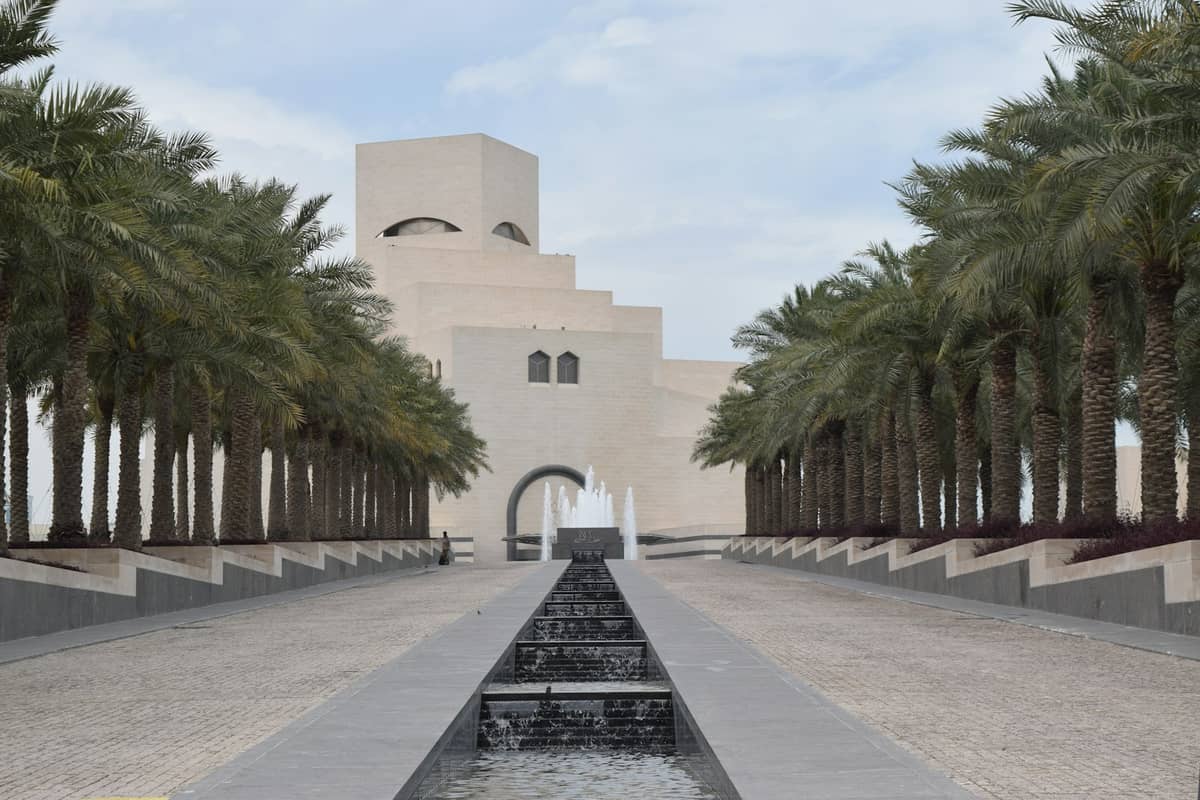
Few cities have invested as seriously in Islamic art and cultural heritage as Doha. The Doha Corniche alone frames two of the most architecturally ambitious museums in the world, while districts like Msheireb Downtown Doha and Katara Cultural Village layer living Islamic culture on top of world-class galleries and restored heritage buildings. Whether you have a single afternoon or a full week, this guide organises the best Islamic art and architecture in Doha so you can plan with confidence.
💡 Local tip
MIA is closed on Wednesdays. Plan your museum days around this, and always check official Qatar Museums pages for current hours, which change during Ramadan and public holidays.
World-Class Islamic Art Museums
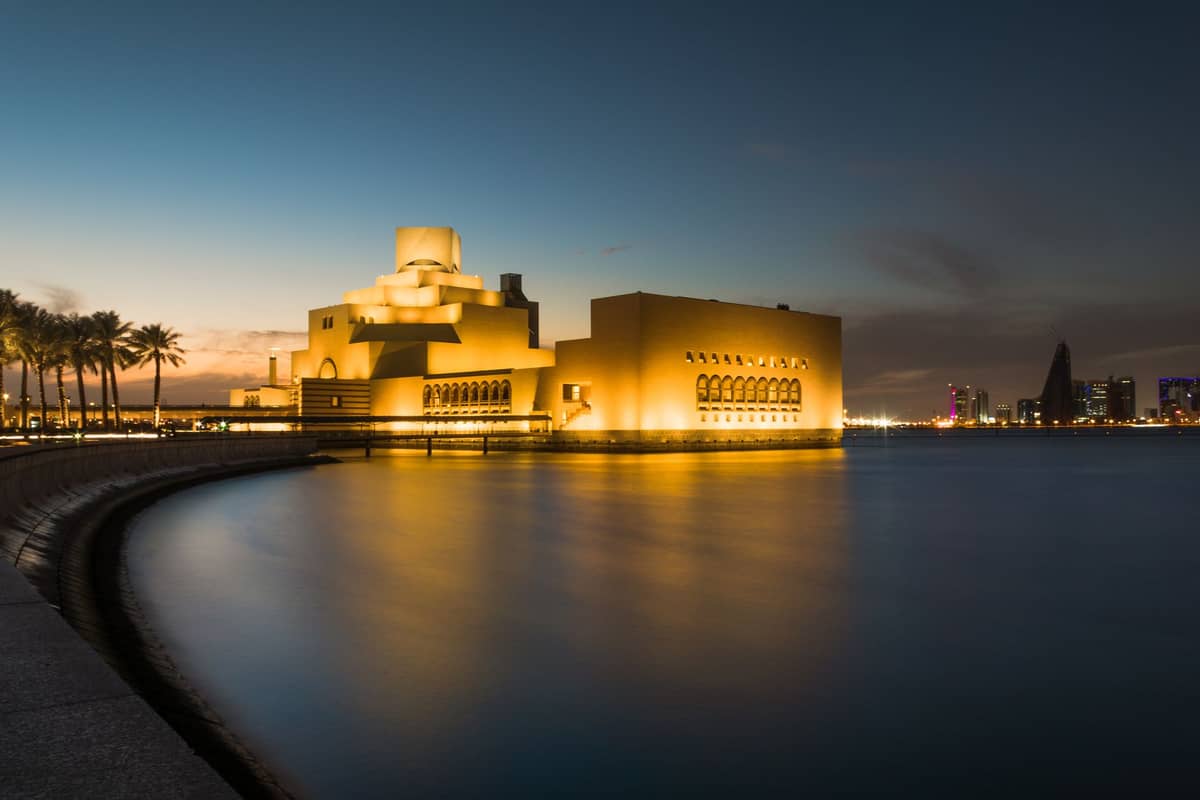
Doha's top museums form a genuinely global argument for the city as a centre of Islamic scholarship and collection. The best museums in Doha guide covers the full picture, but for Islamic art specifically, the three institutions below are non-negotiable.
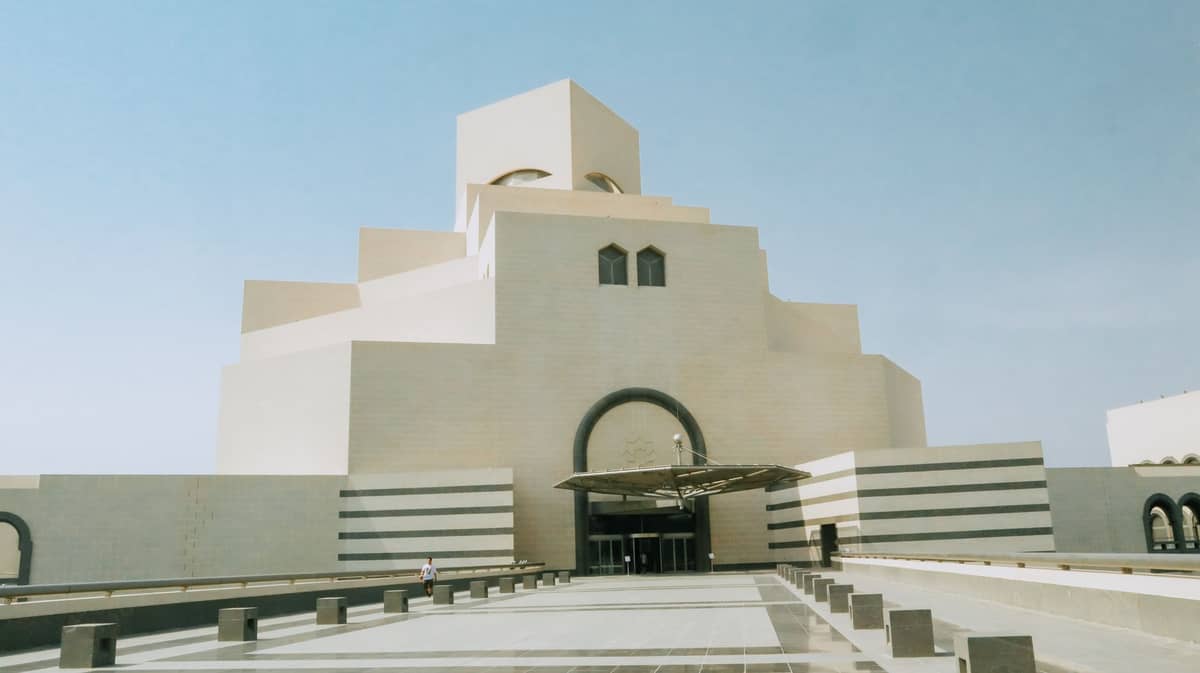
1. Explore 1,400 Years of Islamic Art at MIA
Designed by I.M. Pei on a purpose-built island, MIA holds one of the world's most comprehensive Islamic art collections. Plan at least two hours. Note: closed Wednesdays, and adult tickets are around QAR 100 for non-residents.
Explore1. Explore 1,400 Years of Islamic Art at MIA
Designed by I.M. Pei on a purpose-built island, MIA holds one of the world's most comprehensive Islamic art collections. Plan at least two hours. Note: closed Wednesdays, and adult tickets are around QAR 100 for non-residents.
Explore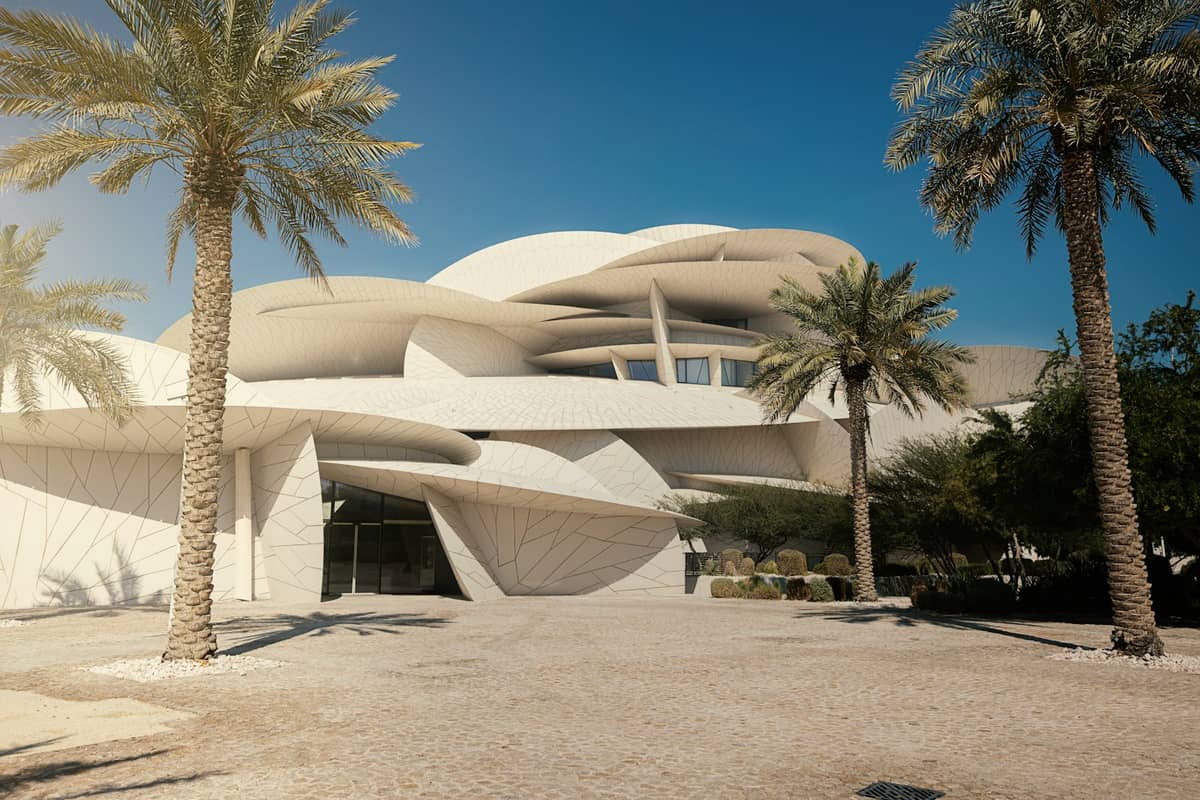
2. Understand Qatar's Islamic Heritage at the National Museum
Jean Nouvel's desert-rose building is itself a statement in Islamic architectural abstraction. Inside, the narrative spans Qatar's pre-Islamic origins through its Islamic trading history to the present, with exceptional material culture on display.
Explore2. Understand Qatar's Islamic Heritage at the National Museum
Jean Nouvel's desert-rose building is itself a statement in Islamic architectural abstraction. Inside, the narrative spans Qatar's pre-Islamic origins through its Islamic trading history to the present, with exceptional material culture on display.
Explore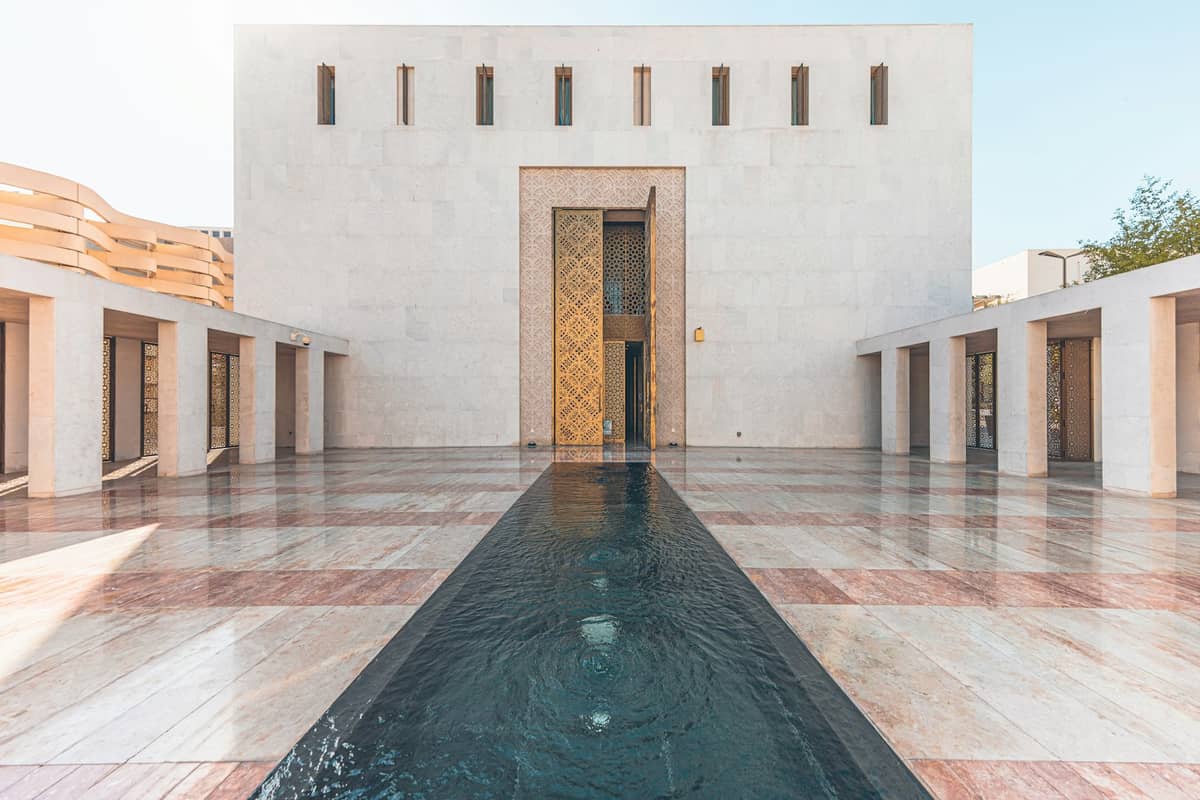
3. Trace Qatari Social History at Msheireb Museums
Four restored heritage houses in Msheireb Downtown explore how Islamic values shaped Doha's social fabric, urban form, and merchant culture. Free admission and genuinely deep content make this a standout. Check hours as Sundays are typically closed.
Explore3. Trace Qatari Social History at Msheireb Museums
Four restored heritage houses in Msheireb Downtown explore how Islamic values shaped Doha's social fabric, urban form, and merchant culture. Free admission and genuinely deep content make this a standout. Check hours as Sundays are typically closed.
Explore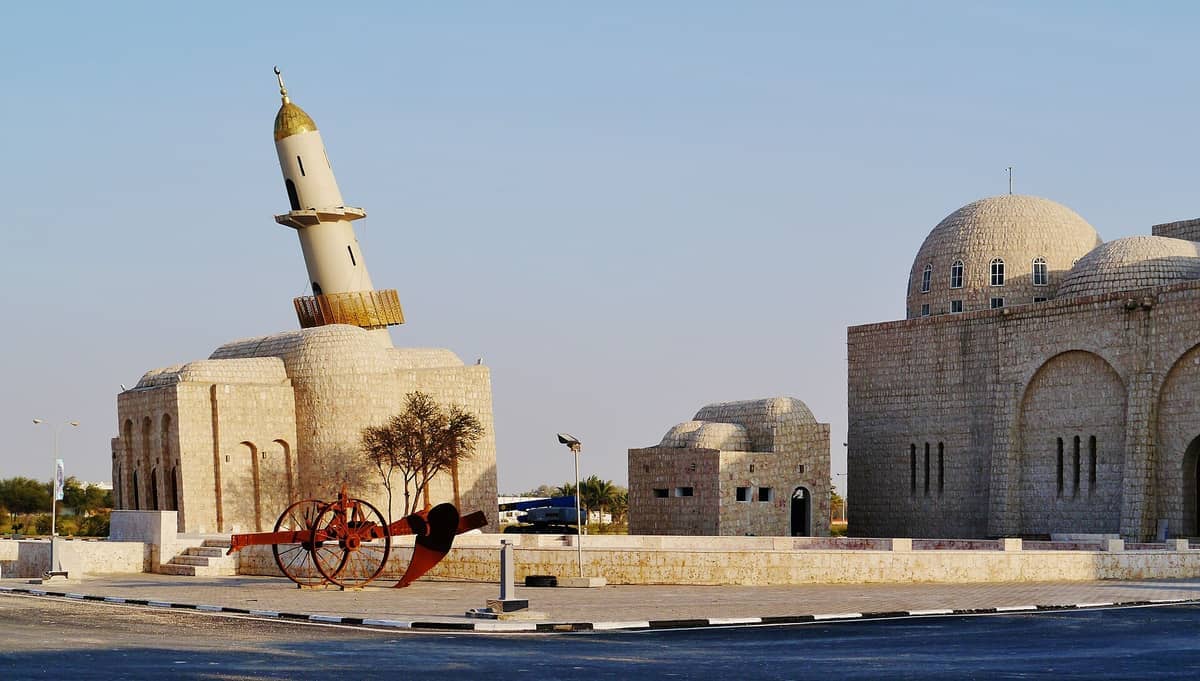
4. Discover Islamic Manuscripts at the Sheikh Faisal Museum
A private royal collection on Doha's outskirts spanning Islamic manuscripts, Quranic texts, coins, and traditional Gulf artefacts alongside vintage cars and curiosities. The Islamic heritage section alone justifies the trip out of the city centre.
Explore4. Discover Islamic Manuscripts at the Sheikh Faisal Museum
A private royal collection on Doha's outskirts spanning Islamic manuscripts, Quranic texts, coins, and traditional Gulf artefacts alongside vintage cars and curiosities. The Islamic heritage section alone justifies the trip out of the city centre.
Explore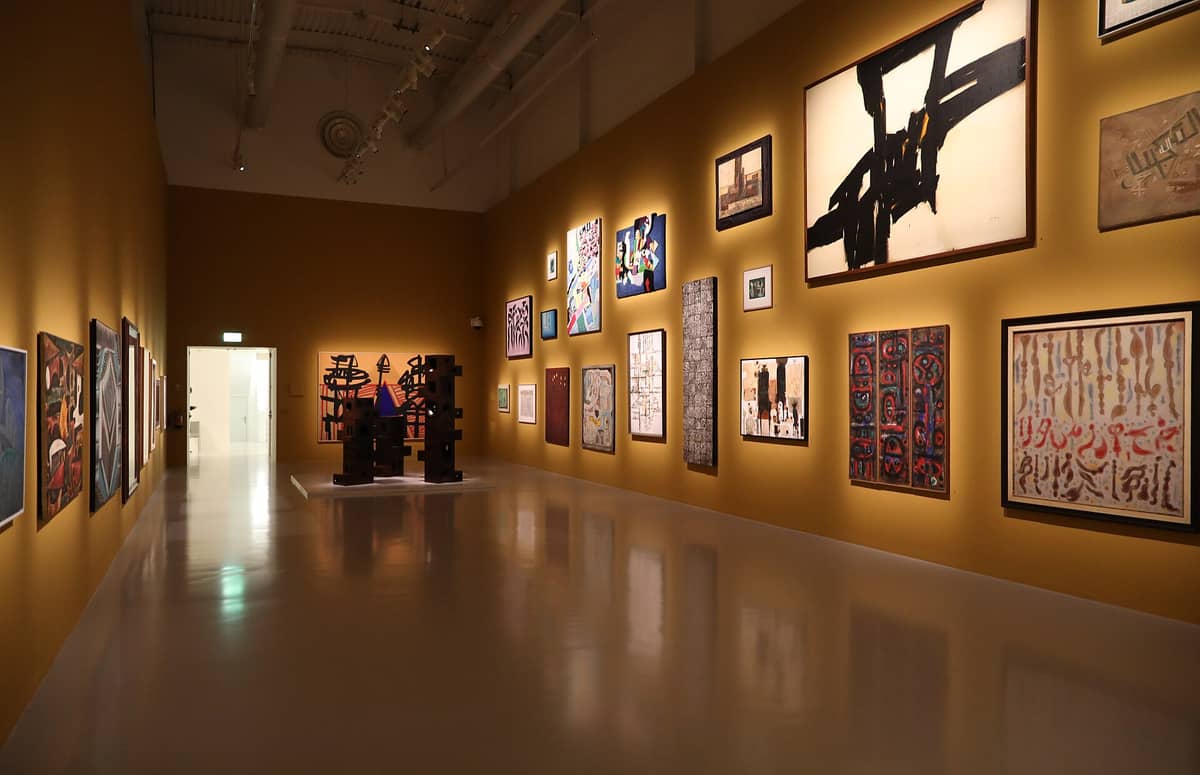
5. See How Contemporary Arab Artists Engage with Islamic Tradition at Mathaf
Mathaf holds over 9,000 works tracing modern Arab art, including many pieces that respond to or reinterpret Islamic visual language. Located in Education City, it adds a critical modern dimension to any Islamic art itinerary in Doha.
Explore5. See How Contemporary Arab Artists Engage with Islamic Tradition at Mathaf
Mathaf holds over 9,000 works tracing modern Arab art, including many pieces that respond to or reinterpret Islamic visual language. Located in Education City, it adds a critical modern dimension to any Islamic art itinerary in Doha.
ExploreMosques & Sacred Architecture
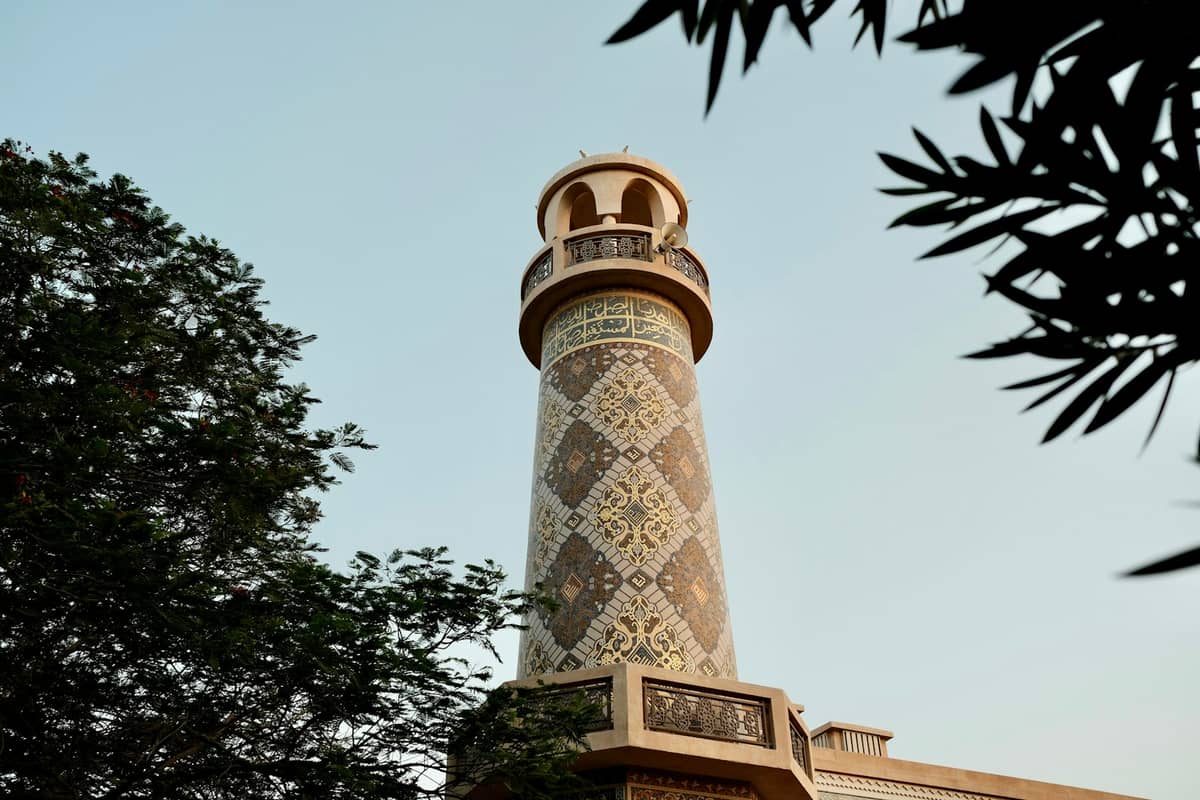
Doha's mosques range from the monumental national mosque to the intimate golden-domed jewel inside Katara Cultural Village. Several actively welcome non-Muslim visitors, which is rarer in the Gulf than many travellers expect.
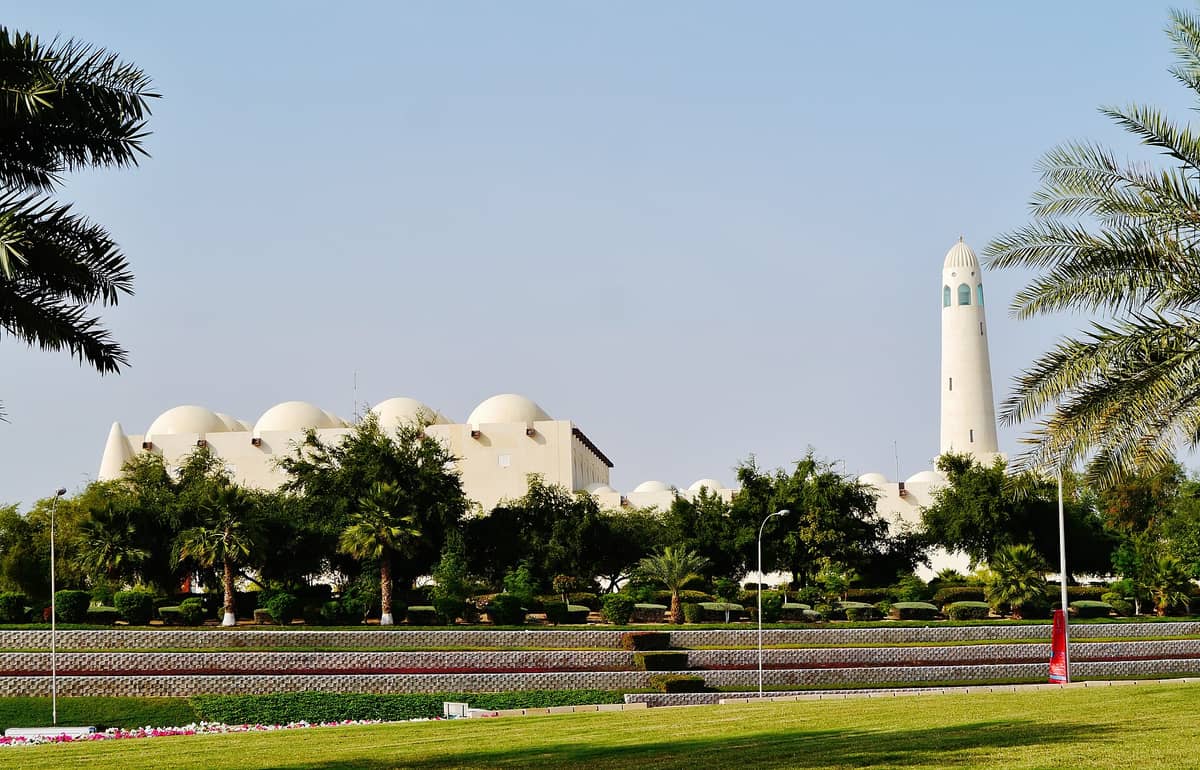
6. Visit Qatar's Grand Mosque, Open to Non-Muslim Visitors
Qatar's national mosque is striking in scale and genuinely welcoming to non-Muslims, a rarity in the Gulf. Guided tours are available and the interior is serene. Modest dress is required; abayas are provided at the entrance for those who need them.
Explore6. Visit Qatar's Grand Mosque, Open to Non-Muslim Visitors
Qatar's national mosque is striking in scale and genuinely welcoming to non-Muslims, a rarity in the Gulf. Guided tours are available and the interior is serene. Modest dress is required; abayas are provided at the entrance for those who need them.
Explore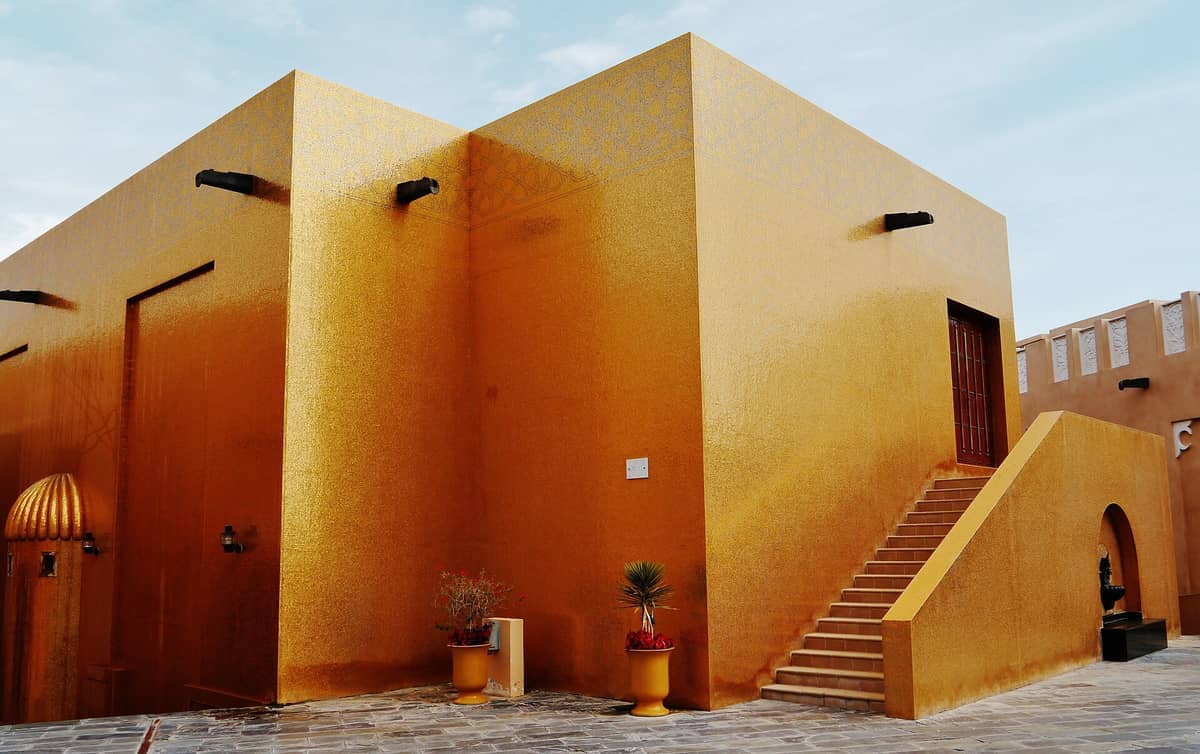
7. Photograph the Gold-Tiled Katara Mosque at Sunset
The Katara Golden Mosque's gold-tiled exterior is one of Doha's most photographed structures, and with good reason. The surrounding plaza is free to walk through, and the late-afternoon light on the tiles is exceptional. Dress conservatively to enter the grounds respectfully.
Explore7. Photograph the Gold-Tiled Katara Mosque at Sunset
The Katara Golden Mosque's gold-tiled exterior is one of Doha's most photographed structures, and with good reason. The surrounding plaza is free to walk through, and the late-afternoon light on the tiles is exceptional. Dress conservatively to enter the grounds respectfully.
ExploreHistoric Forts, Towers & Traditional Architecture
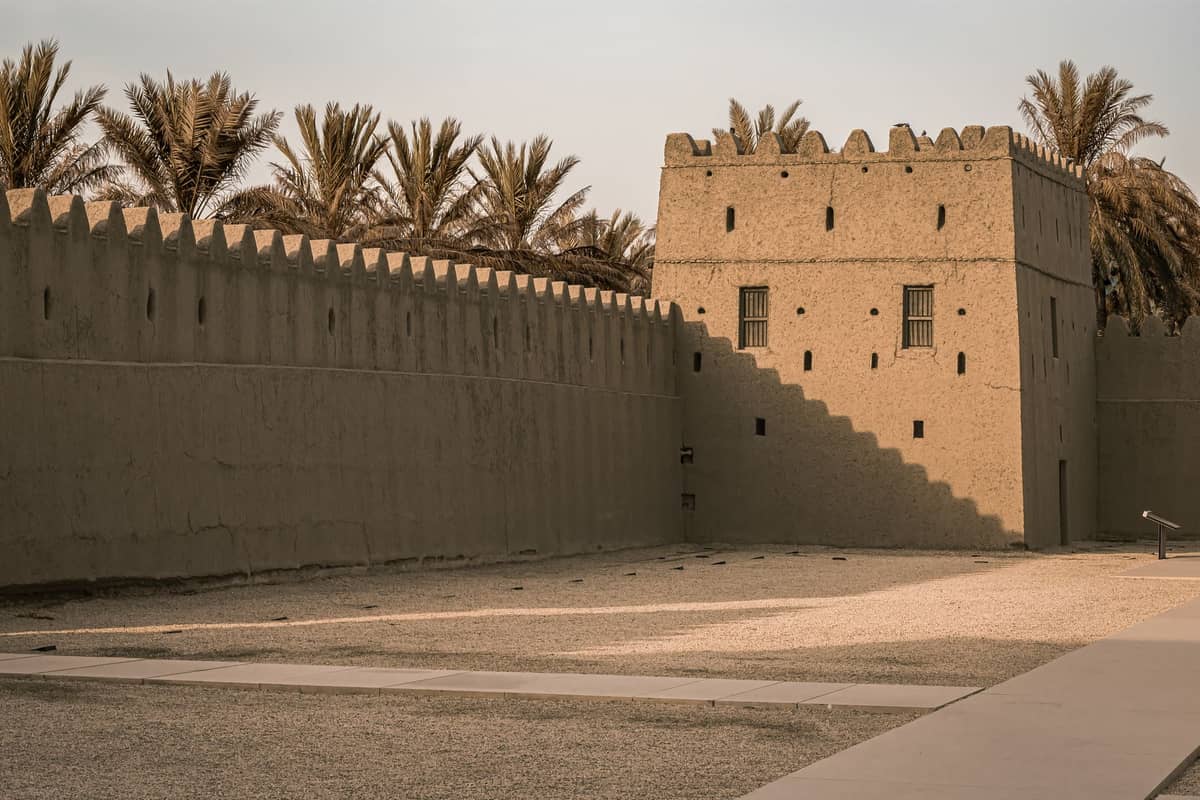
The built environment of pre-oil Qatar was shaped by Islamic defensive and domestic architectural traditions. Several restored examples survive, from the Souq Waqif neighbourhood to the remote ruins at Al Zubarah. The Doha photography guide covers the best angles at many of these sites.
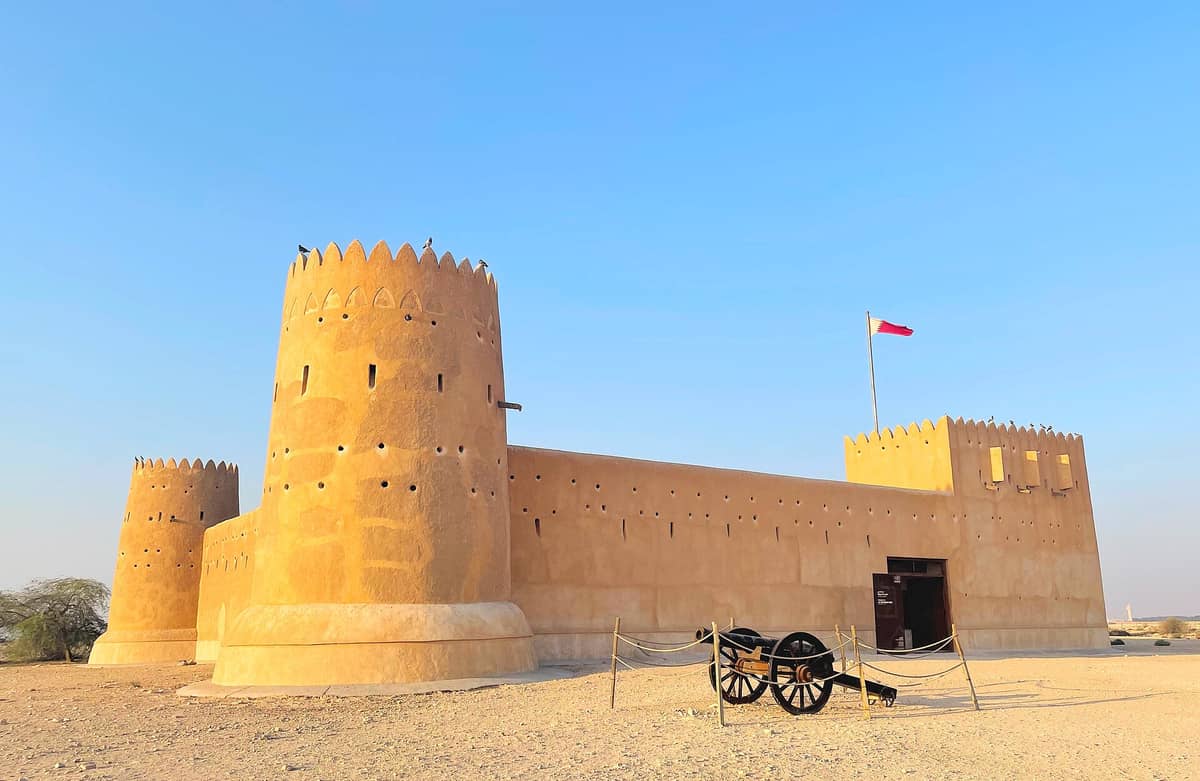
8. Walk Qatar's Only UNESCO World Heritage Site at Al Zubarah
Al Zubarah Fort anchors an 18th-century pearling town 100 km northwest of Doha, the only UNESCO World Heritage Site in Qatar. The surrounding ruins and desert landscape give genuine context to the Islamic trading civilisation that once flourished here. Free entry.
Explore8. Walk Qatar's Only UNESCO World Heritage Site at Al Zubarah
Al Zubarah Fort anchors an 18th-century pearling town 100 km northwest of Doha, the only UNESCO World Heritage Site in Qatar. The surrounding ruins and desert landscape give genuine context to the Islamic trading civilisation that once flourished here. Free entry.
Explore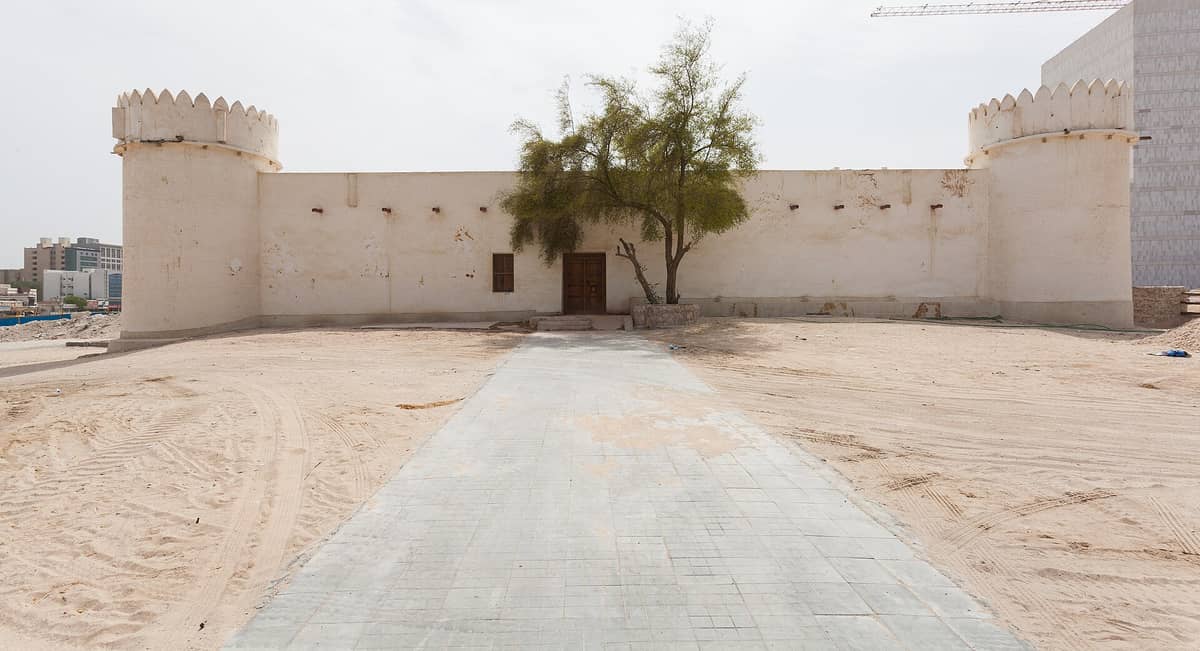
9. Step Inside Al Koot Fort, Doha's Ottoman-Era Fortification
Al Koot Fort stands steps from Souq Waqif and offers a compact but historically significant window into Ottoman-influenced Qatari defensive architecture. Free to enter and easy to combine with a morning in the souq district. Allow 30 minutes.
Explore9. Step Inside Al Koot Fort, Doha's Ottoman-Era Fortification
Al Koot Fort stands steps from Souq Waqif and offers a compact but historically significant window into Ottoman-influenced Qatari defensive architecture. Free to enter and easy to combine with a morning in the souq district. Allow 30 minutes.
Explore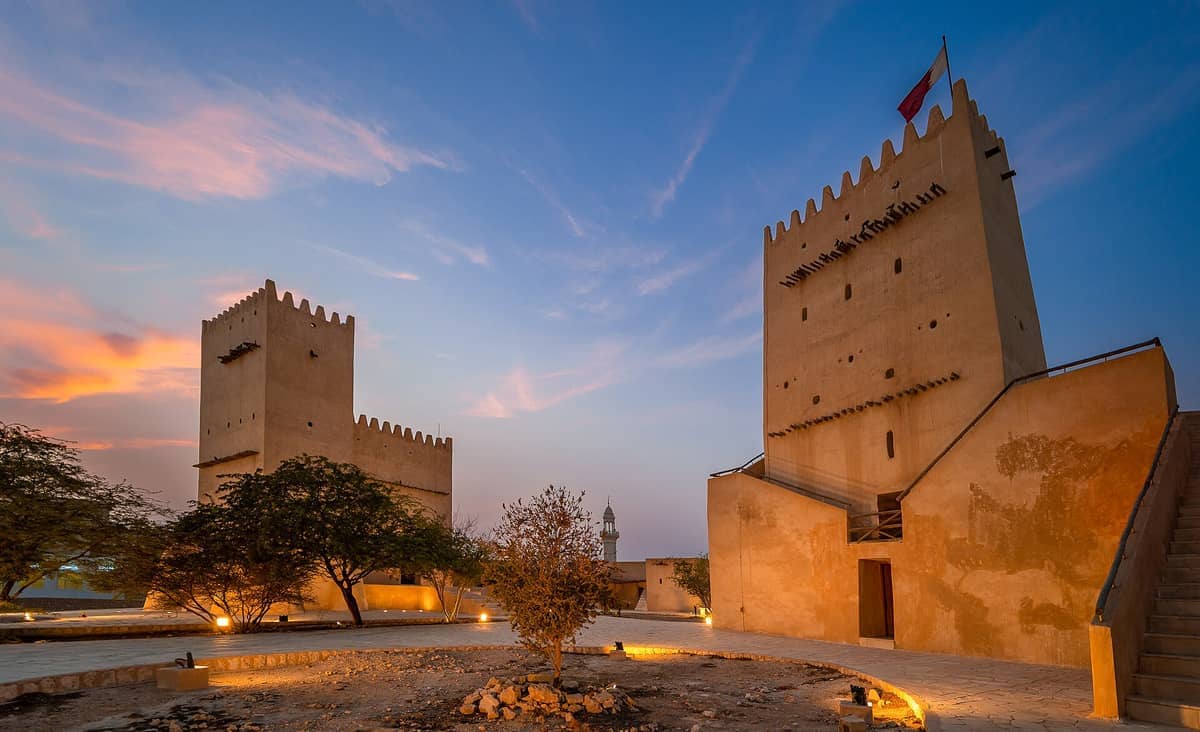
10. See the Barzan Watchtowers, Built from Coral Rock and Limestone
These restored 19th-century watchtowers in Umm Salal Mohammed, 22 km north of Doha, are among the finest examples of traditional Qatari defensive architecture still standing. Managed by Qatar Museums, entry is free. A short stop on any north-of-Doha loop.
Explore10. See the Barzan Watchtowers, Built from Coral Rock and Limestone
These restored 19th-century watchtowers in Umm Salal Mohammed, 22 km north of Doha, are among the finest examples of traditional Qatari defensive architecture still standing. Managed by Qatar Museums, entry is free. A short stop on any north-of-Doha loop.
Explore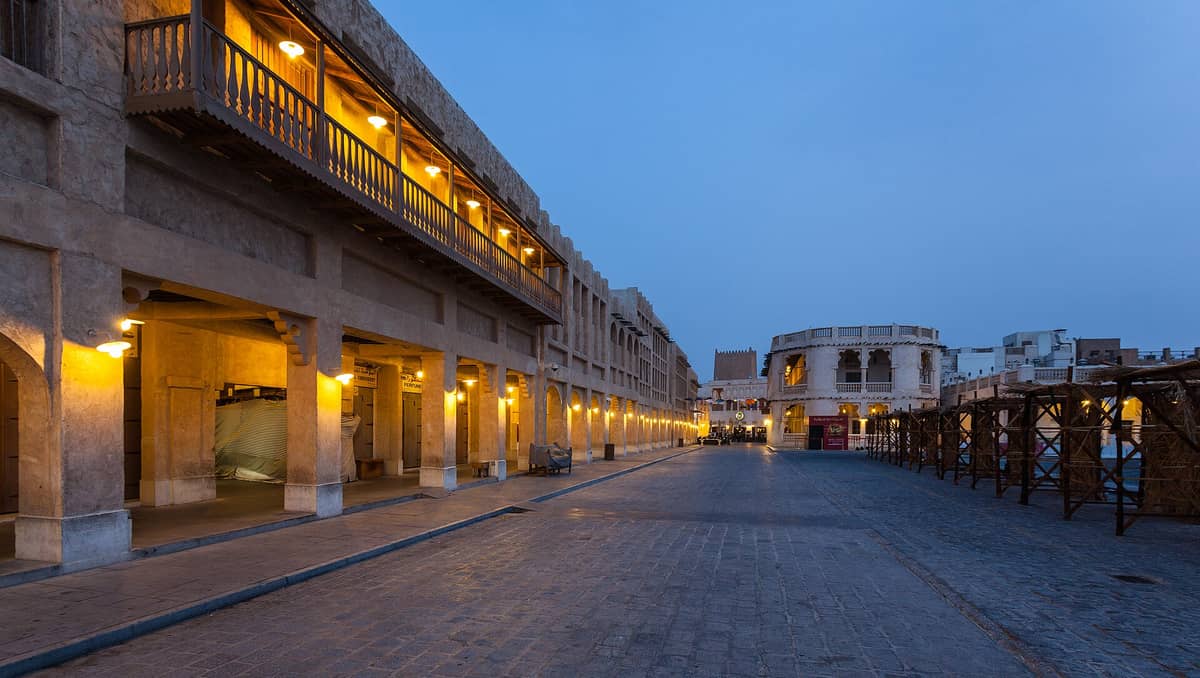
11. Wander the Restored Mud-Brick Alleyways of Souq Waqif
Souq Waqif's restored architecture faithfully recreates the traditional Islamic market form, with layered mud-brick facades, shaded corridors, and a working spice trade. Evenings, when lanterns illuminate the lanes, are the most atmospheric time to visit.
Explore11. Wander the Restored Mud-Brick Alleyways of Souq Waqif
Souq Waqif's restored architecture faithfully recreates the traditional Islamic market form, with layered mud-brick facades, shaded corridors, and a working spice trade. Evenings, when lanterns illuminate the lanes, are the most atmospheric time to visit.
Explore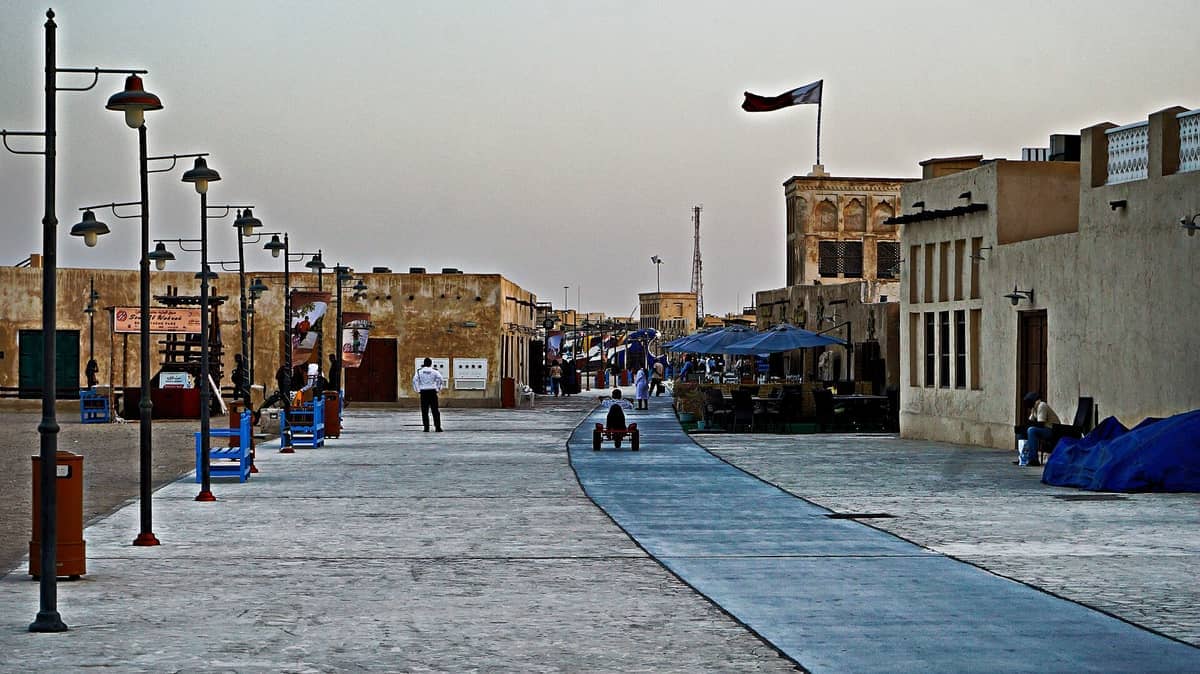
12. Explore the Smaller, More Authentic Souq Al Wakra South of Doha
Al Wakra's restored fishing-village souq features whitewashed traditional architecture and a peaceful seafront promenade. It sees far fewer visitors than Souq Waqif but offers a more complete sense of what an Islamic Gulf trading town actually looked and felt like.
Explore12. Explore the Smaller, More Authentic Souq Al Wakra South of Doha
Al Wakra's restored fishing-village souq features whitewashed traditional architecture and a peaceful seafront promenade. It sees far fewer visitors than Souq Waqif but offers a more complete sense of what an Islamic Gulf trading town actually looked and felt like.
ExploreIslamic Architecture in Cultural Districts
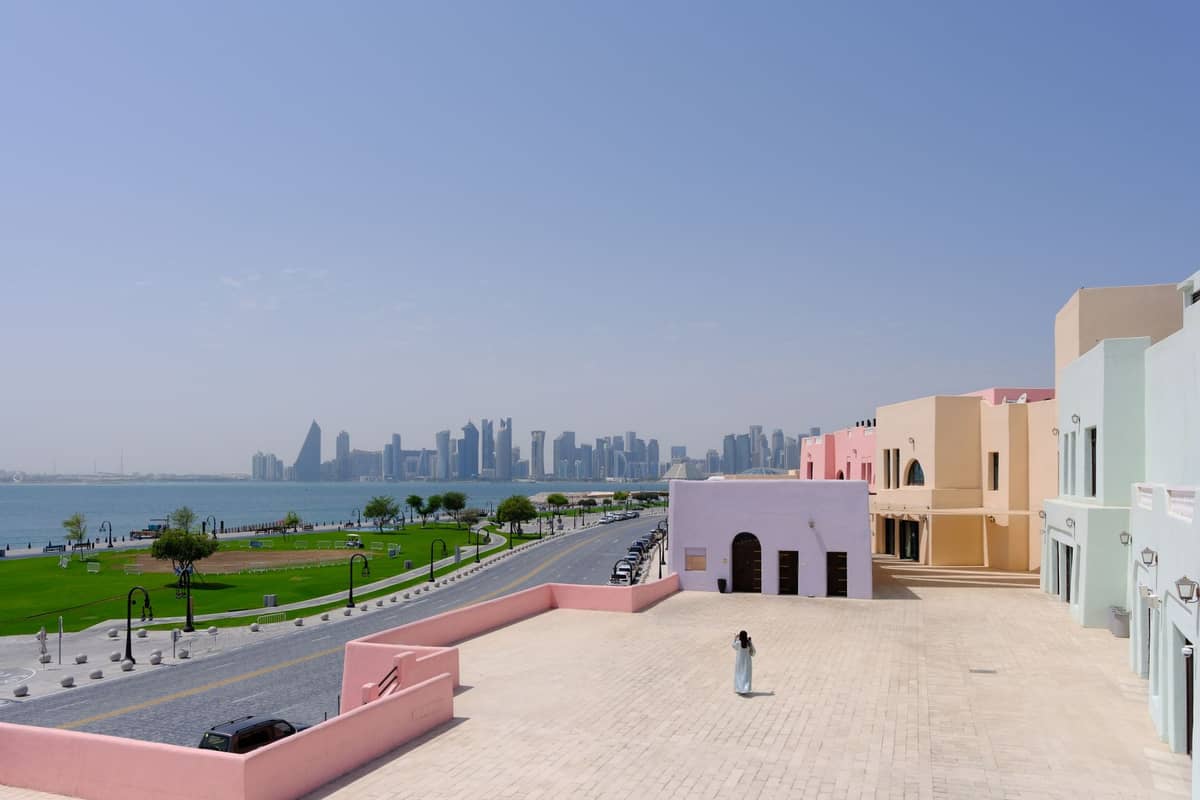
Contemporary Doha has embedded Islamic architectural references into its newest cultural infrastructure, from the amphitheatre at Katara to World Cup stadiums shaped by traditional objects. The World Cup stadiums guide goes deeper on those venues.
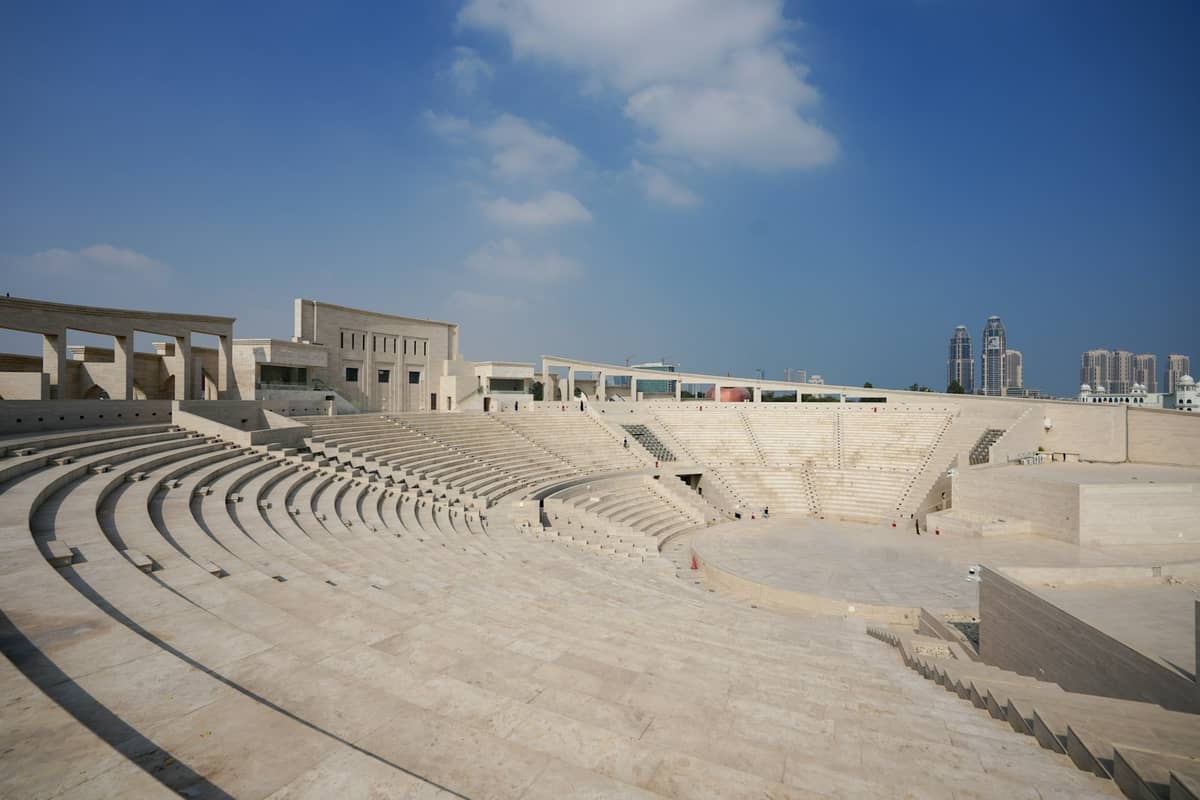
13. See How Greek and Islamic Architecture Merge at Katara Amphitheatre
Katara's open-air amphitheatre combines classical Greek theatre proportions with detailed Islamic geometric ornamentation on its facade and interiors. Free to walk through at any hour, it's also the main venue for Doha's major cultural festivals and outdoor performances.
Explore13. See How Greek and Islamic Architecture Merge at Katara Amphitheatre
Katara's open-air amphitheatre combines classical Greek theatre proportions with detailed Islamic geometric ornamentation on its facade and interiors. Free to walk through at any hour, it's also the main venue for Doha's major cultural festivals and outdoor performances.
Explore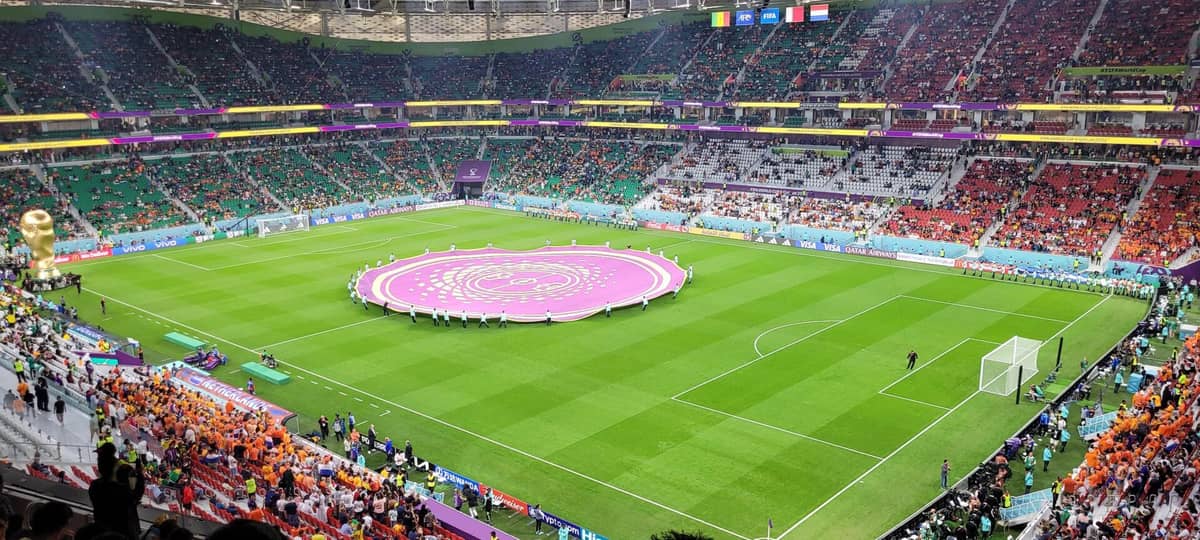
14. See How Qatar Translated the Gahfiya Cap into Stadium Architecture
Al Thumama's circular silhouette reinterprets the traditional woven gahfiya cap worn across the Arab world. Built for the 2022 World Cup and located 13 km south of central Doha, it's one of the most deliberate translations of Islamic material culture into contemporary sports architecture.
Explore14. See How Qatar Translated the Gahfiya Cap into Stadium Architecture
Al Thumama's circular silhouette reinterprets the traditional woven gahfiya cap worn across the Arab world. Built for the 2022 World Cup and located 13 km south of central Doha, it's one of the most deliberate translations of Islamic material culture into contemporary sports architecture.
Explore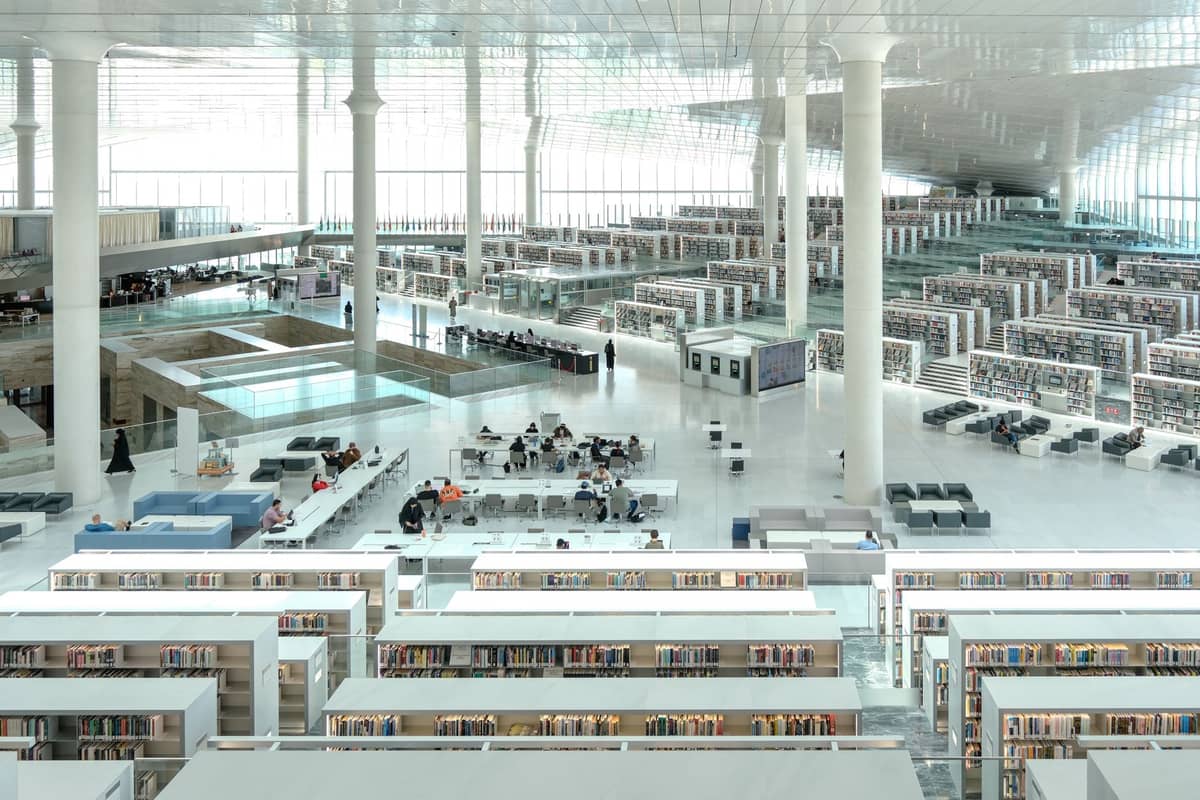
15. Visit the Qatar National Library's Rare Islamic Manuscript Collection
Rem Koolhaas's diamond-shaped building in Education City contains a sunken heritage section housing rare Arabic and Islamic manuscripts. The architecture is spectacular and access is generally open to visitors; the manuscript collection alone makes it worth the trip to Education City.
Explore15. Visit the Qatar National Library's Rare Islamic Manuscript Collection
Rem Koolhaas's diamond-shaped building in Education City contains a sunken heritage section housing rare Arabic and Islamic manuscripts. The architecture is spectacular and access is generally open to visitors; the manuscript collection alone makes it worth the trip to Education City.
ExploreFalconry, Markets & Living Islamic Traditions
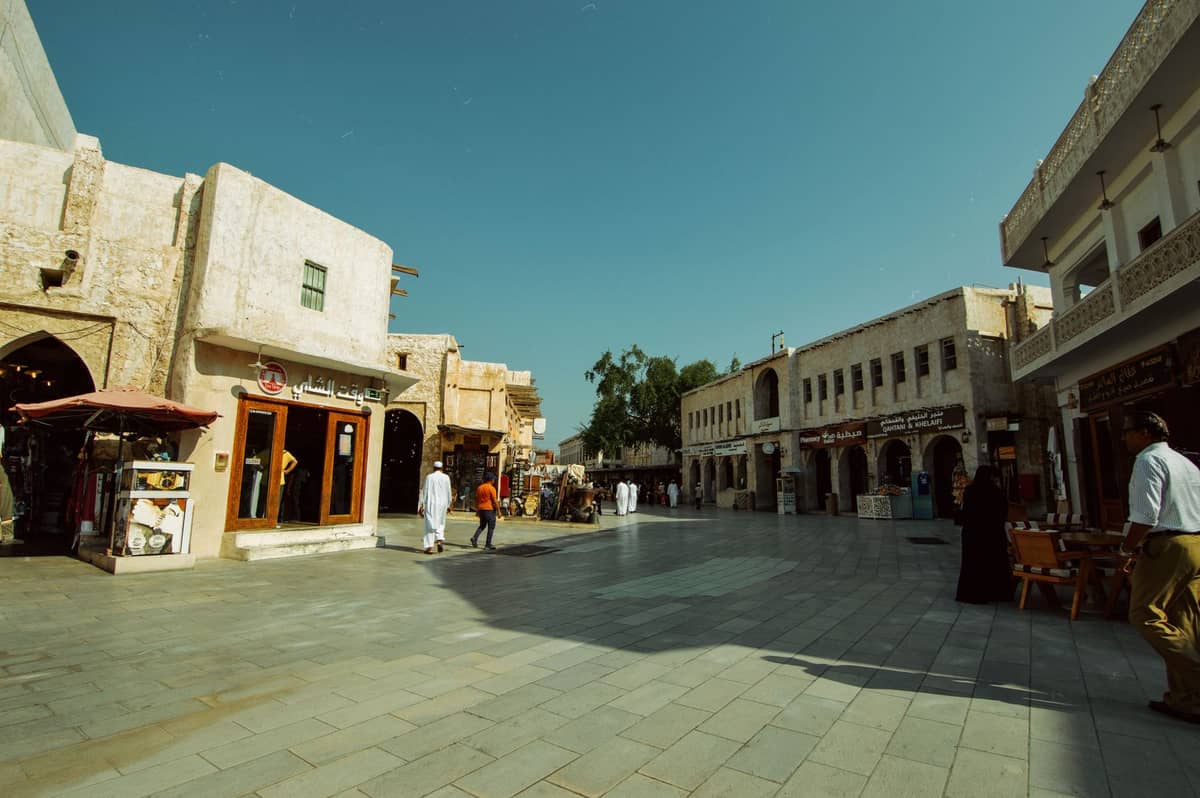
Islamic cultural heritage in Doha isn't only in museums. Falconry, Arabic calligraphy markets, and the rhythm of the traditional souq are living expressions of Islamic civilisation that visitors can engage with directly. The Doha falconry guide covers how to engage with this tradition properly.
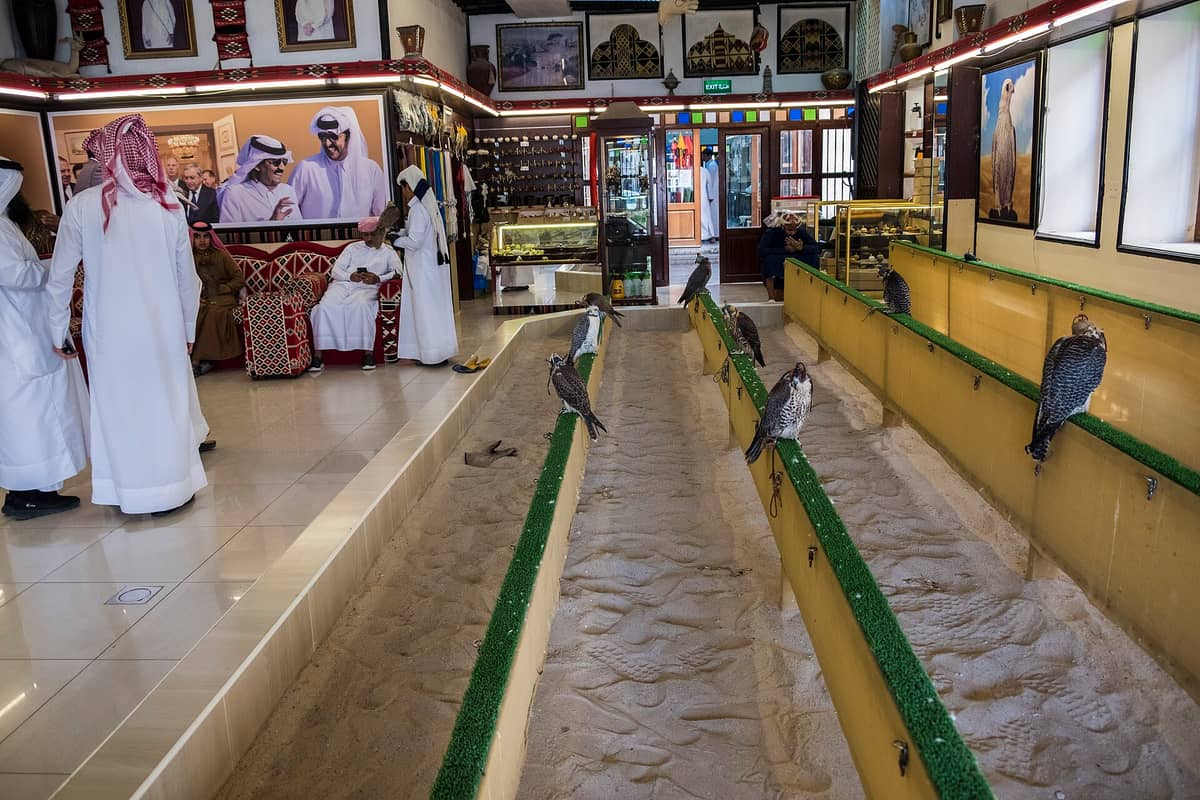
16. Witness Living Qatari Falconry Culture at the Falcon Souq
Falconry is a UNESCO Intangible Cultural Heritage, and Doha's Falcon Souq is the most accessible place to witness it firsthand. Prized birds, specialist equipment, and knowledgeable traders make this far more than a market stop. Allow at least an hour and come in the morning.
Explore16. Witness Living Qatari Falconry Culture at the Falcon Souq
Falconry is a UNESCO Intangible Cultural Heritage, and Doha's Falcon Souq is the most accessible place to witness it firsthand. Prized birds, specialist equipment, and knowledgeable traders make this far more than a market stop. Allow at least an hour and come in the morning.
Explore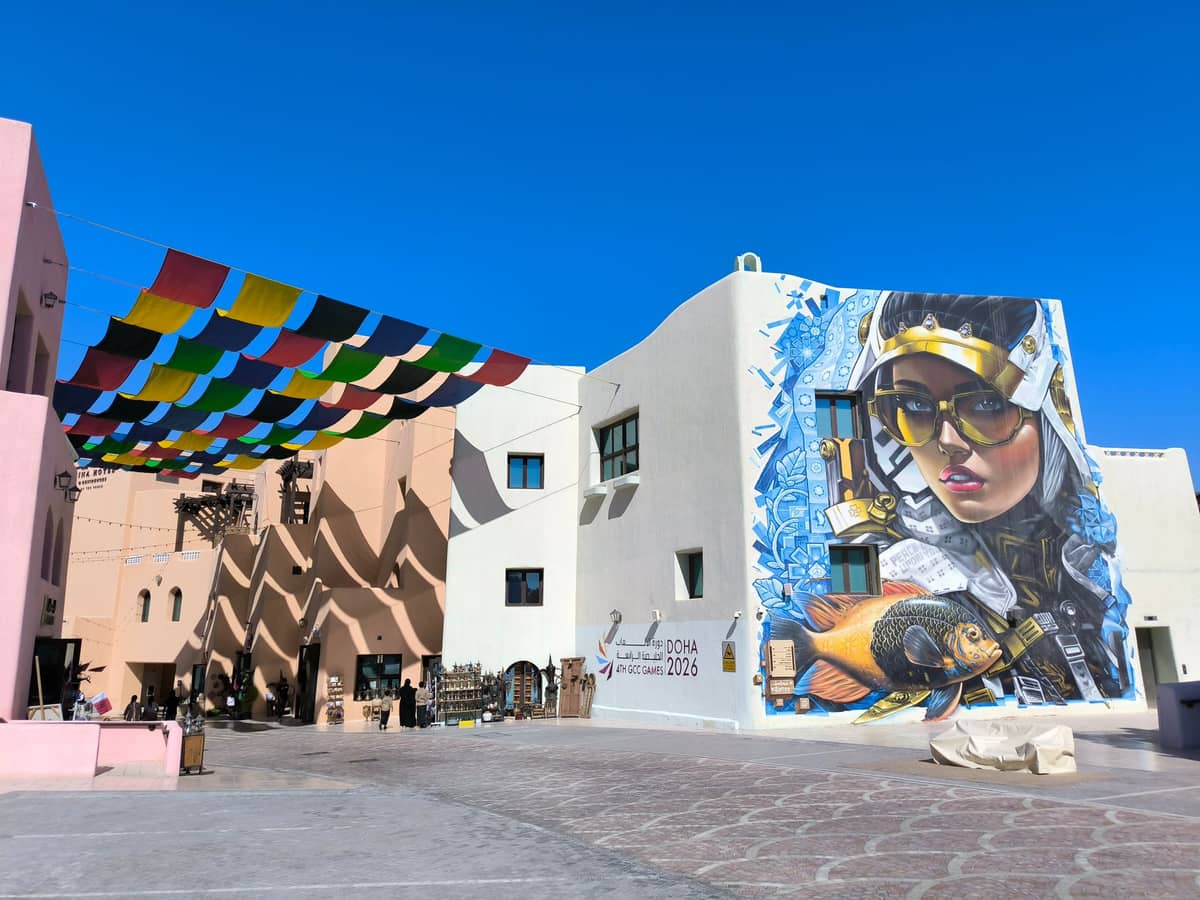
17. See How Doha's Artists Respond to Islamic Visual Culture at Fire Station
This converted fire station in Msheireb is Doha's most dynamic contemporary art space, regularly featuring Qatari and Arab artists working with Islamic geometry, calligraphy, and heritage themes in rotating exhibitions. Free to visit, with a good café on site.
Explore17. See How Doha's Artists Respond to Islamic Visual Culture at Fire Station
This converted fire station in Msheireb is Doha's most dynamic contemporary art space, regularly featuring Qatari and Arab artists working with Islamic geometry, calligraphy, and heritage themes in rotating exhibitions. Free to visit, with a good café on site.
Explore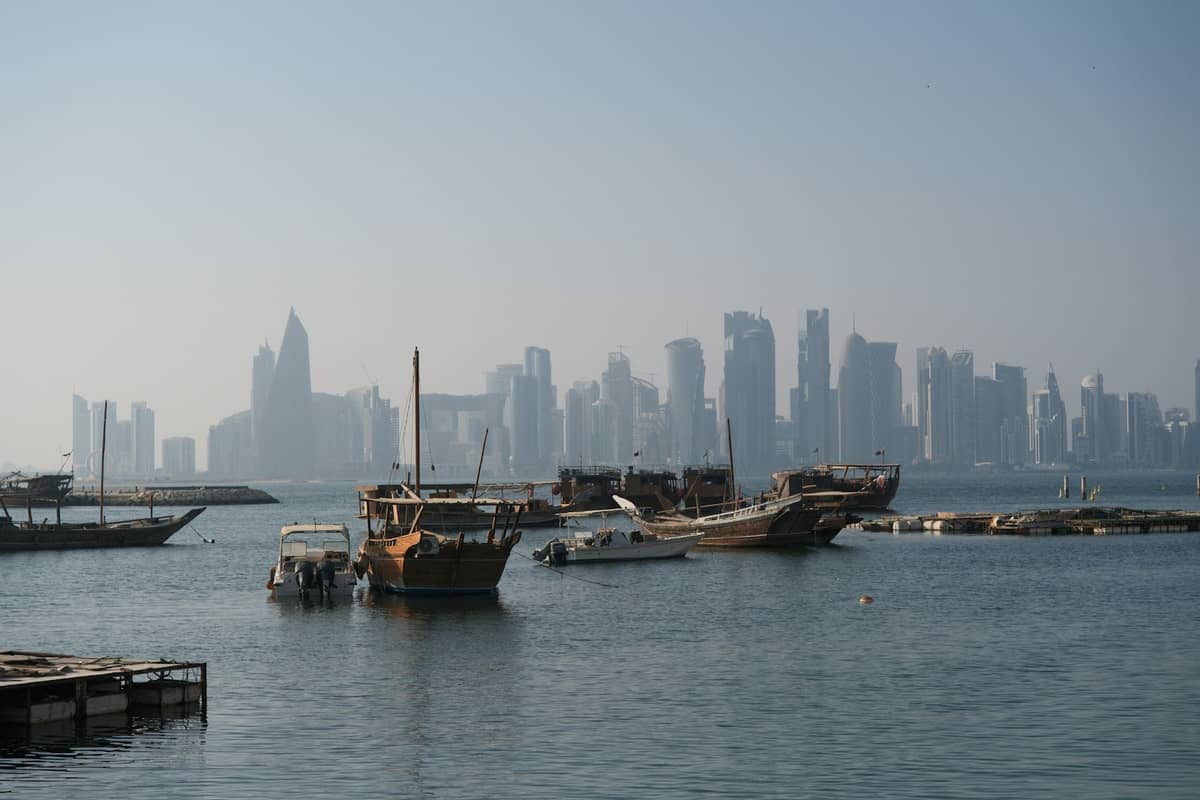
18. See Traditional Islamic Maritime Culture at Dhow Harbour
The Dhow Harbour along the Corniche keeps alive a craft tradition central to the Gulf's Islamic trading world. The hand-built wooden vessels moored here connect directly to the pearling and trade routes that shaped Doha before oil. Free to walk through at any hour.
Explore18. See Traditional Islamic Maritime Culture at Dhow Harbour
The Dhow Harbour along the Corniche keeps alive a craft tradition central to the Gulf's Islamic trading world. The hand-built wooden vessels moored here connect directly to the pearling and trade routes that shaped Doha before oil. Free to walk through at any hour.
Explore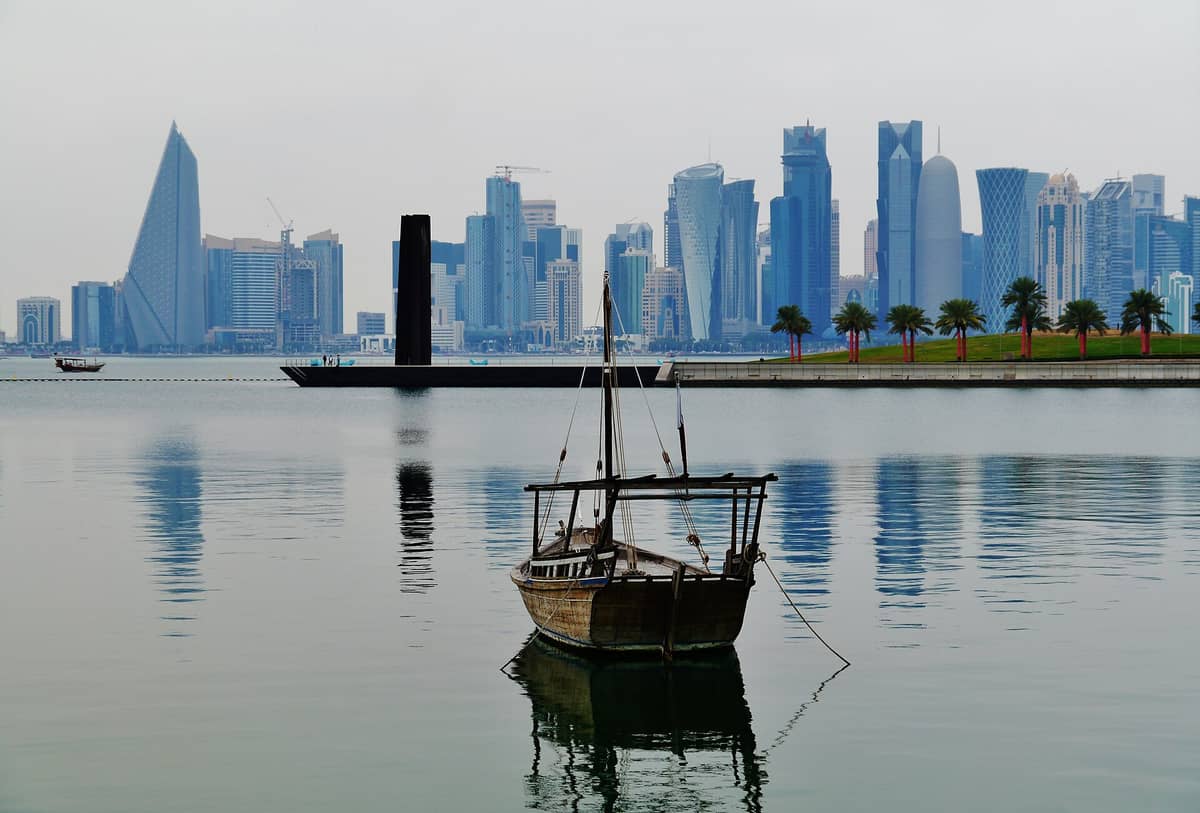
19. Walk MIA Park for the Best Views of the Museum's Iconic Exterior
Free, open 24 hours, and positioned directly beside MIA, this landscaped park offers the best unobstructed views of I.M. Pei's building from the outside. The West Bay skyline across the water makes this one of Doha's most rewarding spots at dawn or after dark.
Explore19. Walk MIA Park for the Best Views of the Museum's Iconic Exterior
Free, open 24 hours, and positioned directly beside MIA, this landscaped park offers the best unobstructed views of I.M. Pei's building from the outside. The West Bay skyline across the water makes this one of Doha's most rewarding spots at dawn or after dark.
ExploreFAQ
Can non-Muslims visit mosques in Doha?
Yes, several mosques in Doha welcome non-Muslim visitors, most notably the Grand Mosque (Imam Muhammad ibn Abd al-Wahhab Mosque), which offers guided tours. The Katara Golden Mosque grounds are also accessible. Modest dress is required at all sites, and abayas are typically provided at the Grand Mosque entrance.
Is the Museum of Islamic Art free to enter?
No. Non-resident adults are currently charged around QAR 50 for entry. Qatar and GCC residents, children under 16, and certain cardholders often enter free or at reduced rates. Always check the official Qatar Museums website before your visit, as pricing is updated periodically.
What day is MIA closed?
The Museum of Islamic Art is currently closed on Wednesdays. Typical hours on open days are 9:00–19:00 on Sunday, Monday, Tuesday, and Saturday, 9:00–21:00 on Thursdays, and 13:30–19:00 on Fridays. Hours change during Ramadan and public holidays, so verify via the official MIA website.
How many days do I need to cover Islamic art and architecture in Doha properly?
Two full days gives a solid foundation: one day for MIA and the National Museum of Qatar along the Corniche, and one day for Msheireb Museums, Souq Waqif, the Falcon Souq, and the Grand Mosque. Adding a half-day for Katara Cultural Village and another for the Sheikh Faisal Museum or Al Zubarah Fort rounds out a comprehensive itinerary.
What is the best time of year to visit Doha for Islamic art sites?
November through March offers the most comfortable outdoor conditions, with daytime temperatures generally in the mid-to-upper 20s°C, making it practical to combine outdoor sites like MIA Park, Barzan Towers, and Al Zubarah with indoor museum visits. Summer visits (May–September) are entirely viable but require planning around the extreme heat, with most exploration done indoors or in the early morning and evening.