Doha's FIFA World Cup Stadiums: A Complete Visitor Guide
Qatar's 2022 FIFA World Cup left behind eight architecturally extraordinary stadiums scattered across Doha and its surroundings. This guide covers every venue, how to visit each one, and what to see nearby to make the most of your trip.
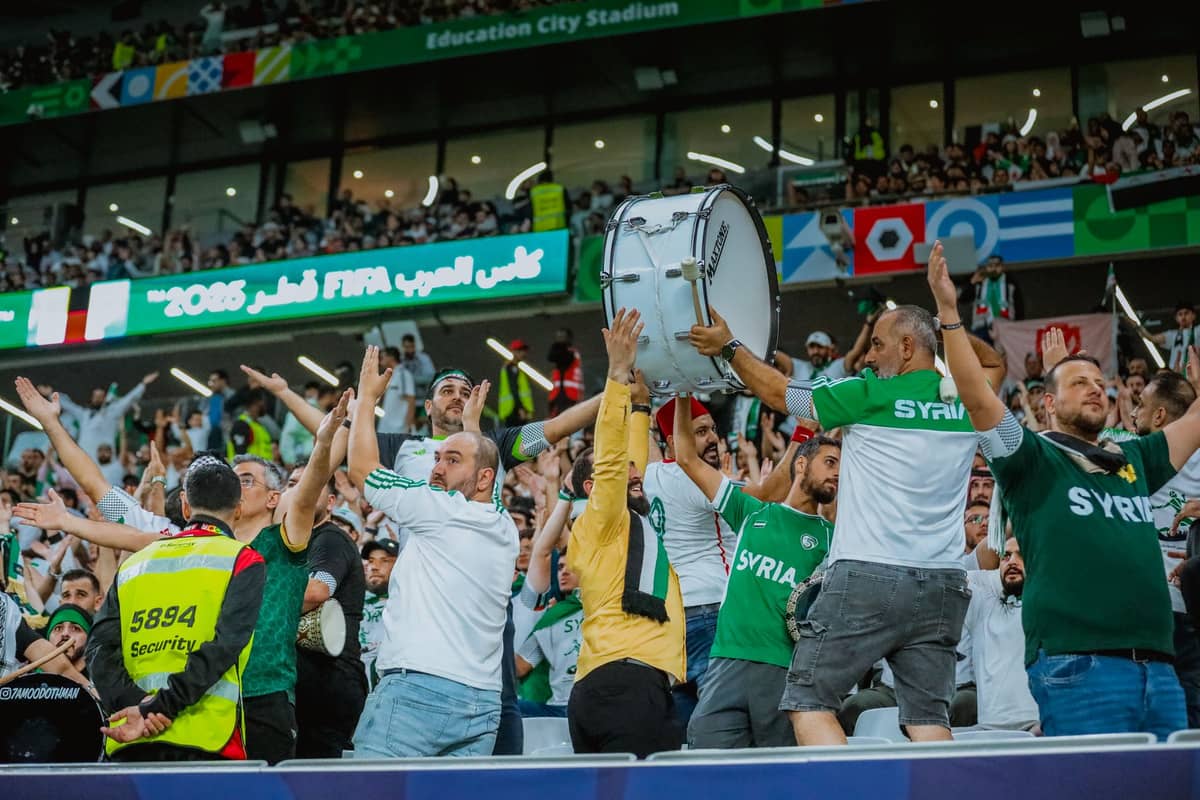
No World Cup in history produced a stadium collection quite like Qatar 2022. Eight venues were built or rebuilt across a country smaller than Connecticut, each with a distinct architectural identity rooted in Qatari culture. Most are within 30 minutes of central Doha by metro or taxi, making it genuinely possible to visit all of them in a single focused trip. The key thing to know before you go: stadiums are not freely open to walk-in visitors. Access requires either a ticketed sporting event, a pre-booked guided tour, or a city excursion that includes stadium stops. Some behind-the-scenes tours are time-limited, so check availability carefully before planning. For broader context on getting around between venues, see our guide on getting around Doha, and if you only have limited time, the 2-day Doha itinerary shows how to combine stadium visits with the city's other highlights.
✨ Pro tip
A one-day Doha Metro card gives unlimited metro and Lusail Tram travel and is the most efficient way to tick off multiple stadiums in a day. Buy it at any metro station.
The Flagship Venues
These are the two stadiums that defined Qatar's World Cup: the venue that hosted the final and the one that carries the tournament's deepest historical legacy. Both sit at opposite ends of the Doha Metro Red Line, making them logical anchors for any stadium day. Lusail Iconic Stadium is the centrepiece of the purpose-built Lusail City development, while Khalifa sits within the established sports district of Aspire Zone.
1. Tour the World Cup Final Venue at Lusail Iconic Stadium
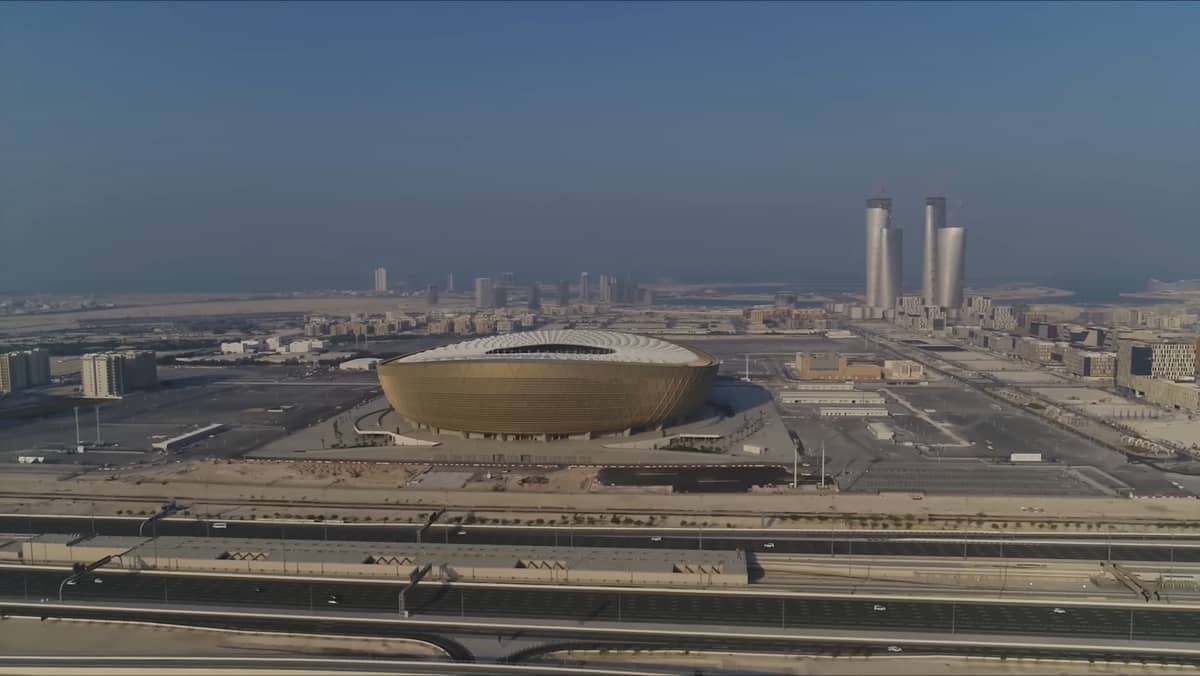
At 89,000 seats, this is the largest stadium in Qatar and the one that hosted the 2022 final. Qatar Airways Holidays runs behind-the-scenes tours (Wed–Sat, 17:00–18:30) with access to VIP lounges and player areas. Book well in advance, as places are limited to 20 per group.
Explore1. Tour the World Cup Final Venue at Lusail Iconic Stadium
At 89,000 seats, this is the largest stadium in Qatar and the one that hosted the 2022 final. Qatar Airways Holidays runs behind-the-scenes tours (Wed–Sat, 17:00–18:30) with access to VIP lounges and player areas. Book well in advance, as places are limited to 20 per group.
Explore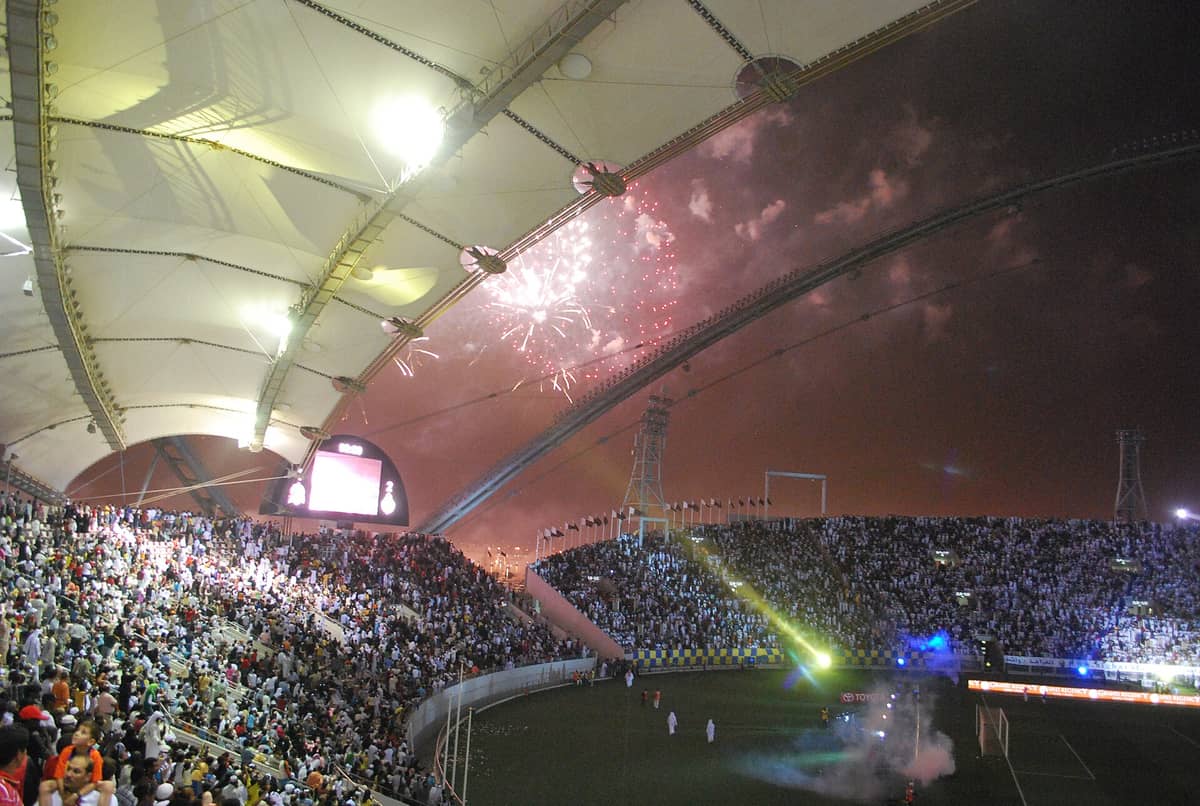
2. Explore Qatar's Most Historic Venue at Khalifa International Stadium
Qatar's oldest major stadium, fully rebuilt for 2022, hosted group stage and quarter-final matches. The 3-2-1 Qatar Olympic and Sports Museum inside the complex offers guided tours that include key stadium areas. Book through the museum's website for scheduled tour slots.
Explore2. Explore Qatar's Most Historic Venue at Khalifa International Stadium
Qatar's oldest major stadium, fully rebuilt for 2022, hosted group stage and quarter-final matches. The 3-2-1 Qatar Olympic and Sports Museum inside the complex offers guided tours that include key stadium areas. Book through the museum's website for scheduled tour slots.
ExploreArchitecturally Iconic Stadiums
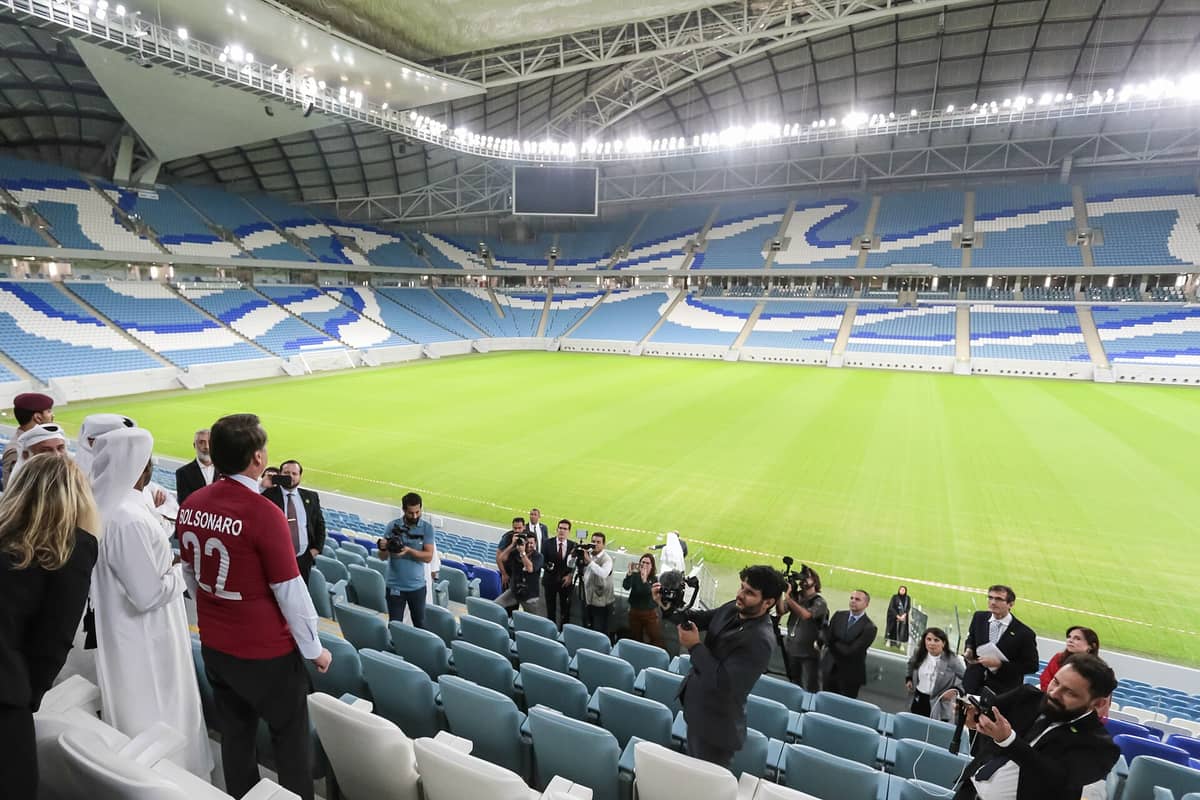
Three of the eight World Cup venues stand out as genuine works of architecture that deserve attention beyond their footballing function. Al Janoub, Al Thumama, and Education City Stadium each translate a specific element of Qatari or broader Arab culture into stadium form. Al Janoub is located near Al Wakra, a coastal town worth exploring for its own restored souq and seafront. The Education City Stadium sits on the Education City campus alongside some of Qatar's most remarkable library and museum architecture.
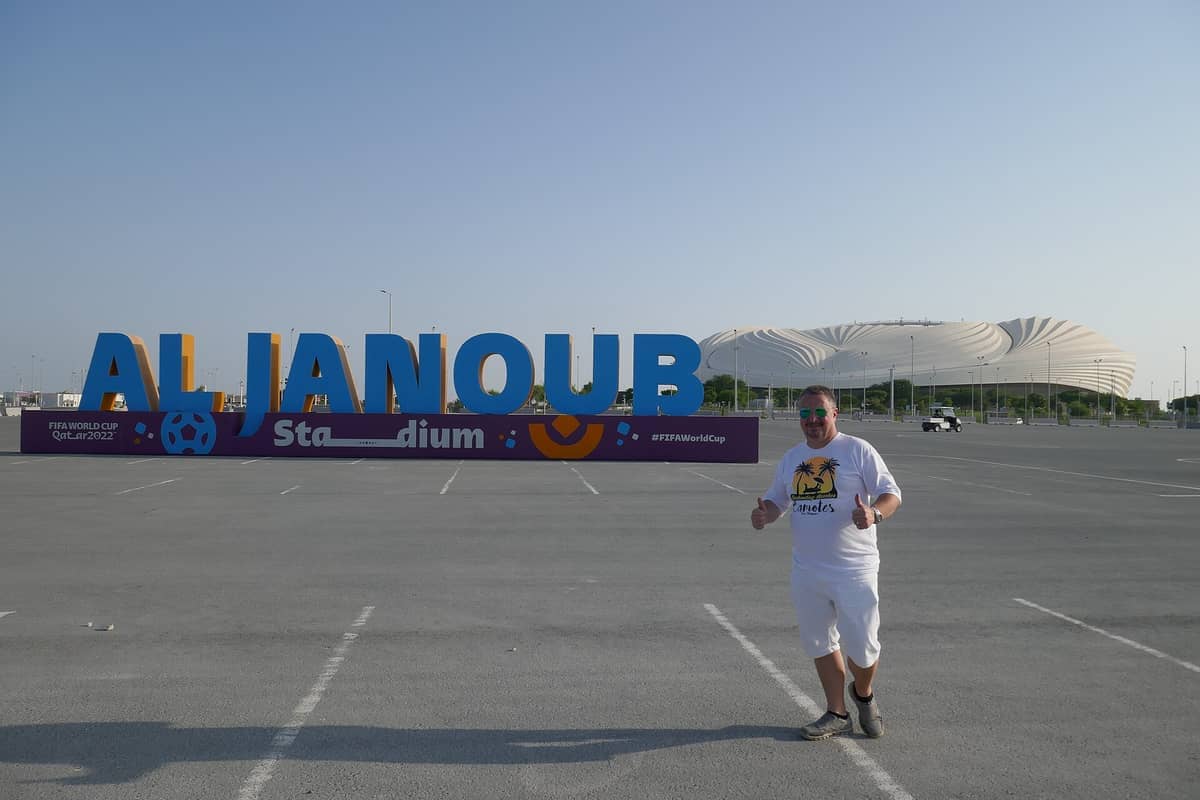
3. See Zaha Hadid's Dhow-Inspired Design at Al Janoub Stadium
Designed by Zaha Hadid Architects and shaped like the hull of a traditional dhow boat, Al Janoub is among the most graceful stadiums ever built. Located in Al Wakra, 20 km south of Doha, it's best visited alongside Souq Al Wakra for a half-day trip out of the city.
Explore3. See Zaha Hadid's Dhow-Inspired Design at Al Janoub Stadium
Designed by Zaha Hadid Architects and shaped like the hull of a traditional dhow boat, Al Janoub is among the most graceful stadiums ever built. Located in Al Wakra, 20 km south of Doha, it's best visited alongside Souq Al Wakra for a half-day trip out of the city.
Explore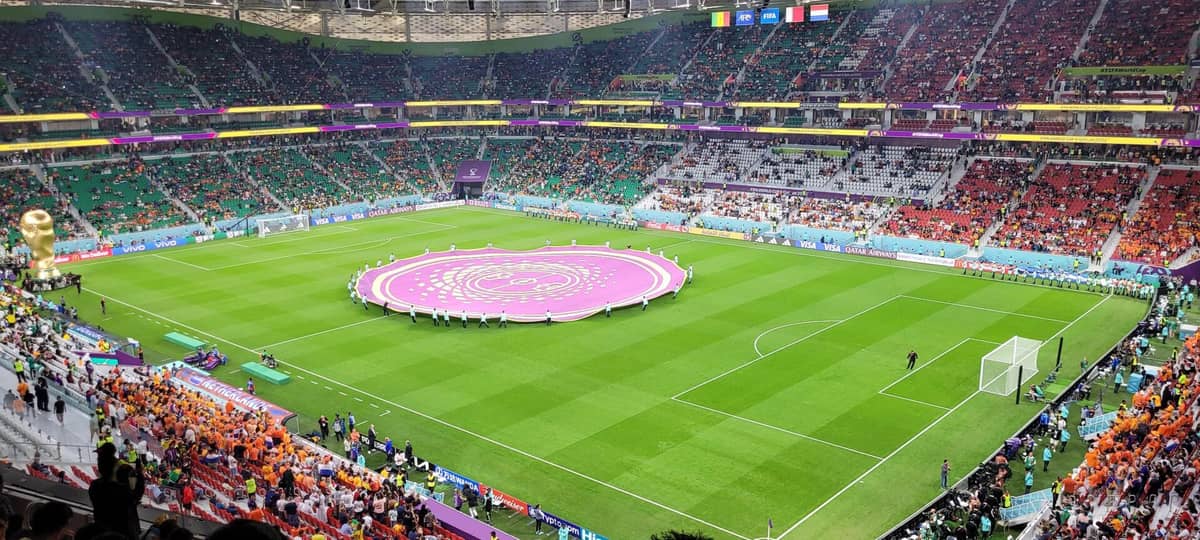
4. Spot the Gahfiya Silhouette at Al Thumama Stadium
Every curve of this stadium is modelled on the gahfiya, the traditional woven cap worn by men across the Arab world. The result is the most culturally specific design of the eight venues. Exterior photography from street level is possible; interior access requires a booked tour or event ticket.
Explore4. Spot the Gahfiya Silhouette at Al Thumama Stadium
Every curve of this stadium is modelled on the gahfiya, the traditional woven cap worn by men across the Arab world. The result is the most culturally specific design of the eight venues. Exterior photography from street level is possible; interior access requires a booked tour or event ticket.
Explore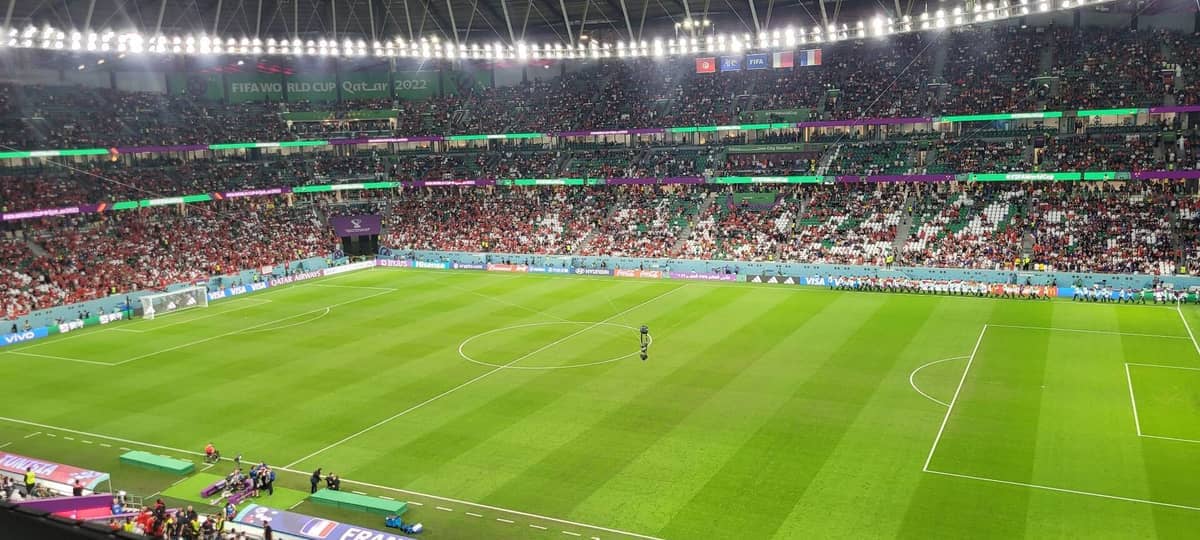
5. Watch the Diamond Facade Glow at Education City Stadium
The faceted exterior of this stadium shifts through colours at night, making it arguably the most photogenic of the eight venues after dark. It sits on the Education City campus, where you can also visit the Qatar National Library and Mathaf museum on the same trip.
Explore5. Watch the Diamond Facade Glow at Education City Stadium
The faceted exterior of this stadium shifts through colours at night, making it arguably the most photogenic of the eight venues after dark. It sits on the Education City campus, where you can also visit the Qatar National Library and Mathaf museum on the same trip.
ExploreThe Revolutionary Stadium
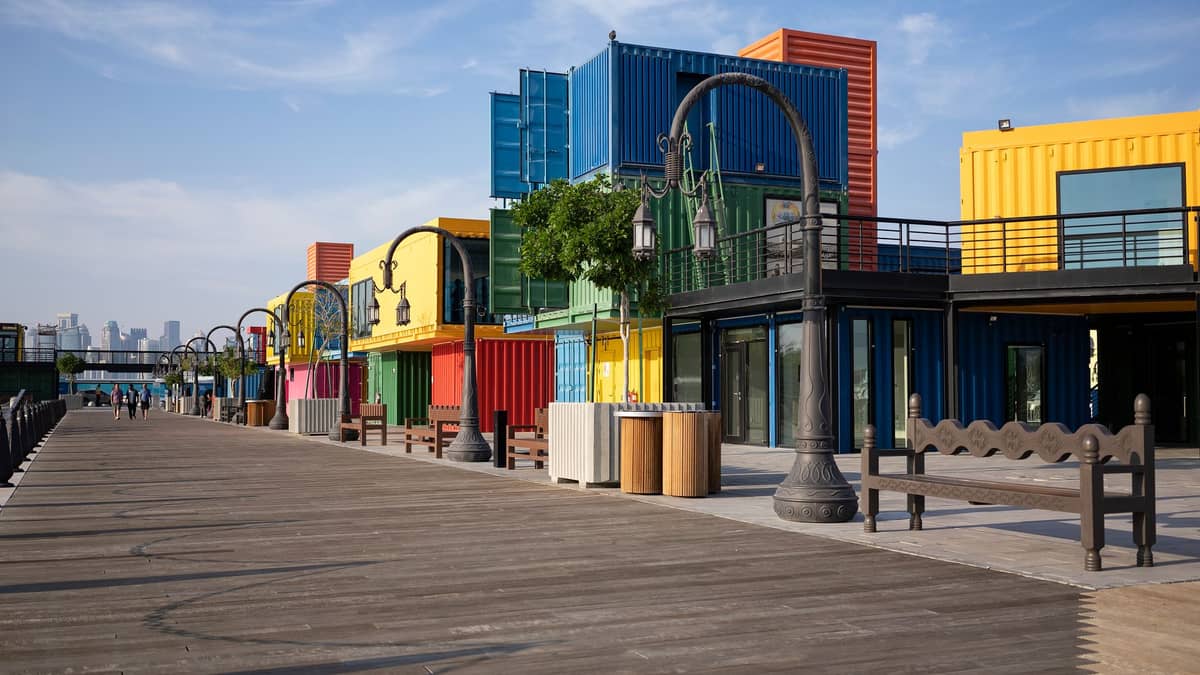
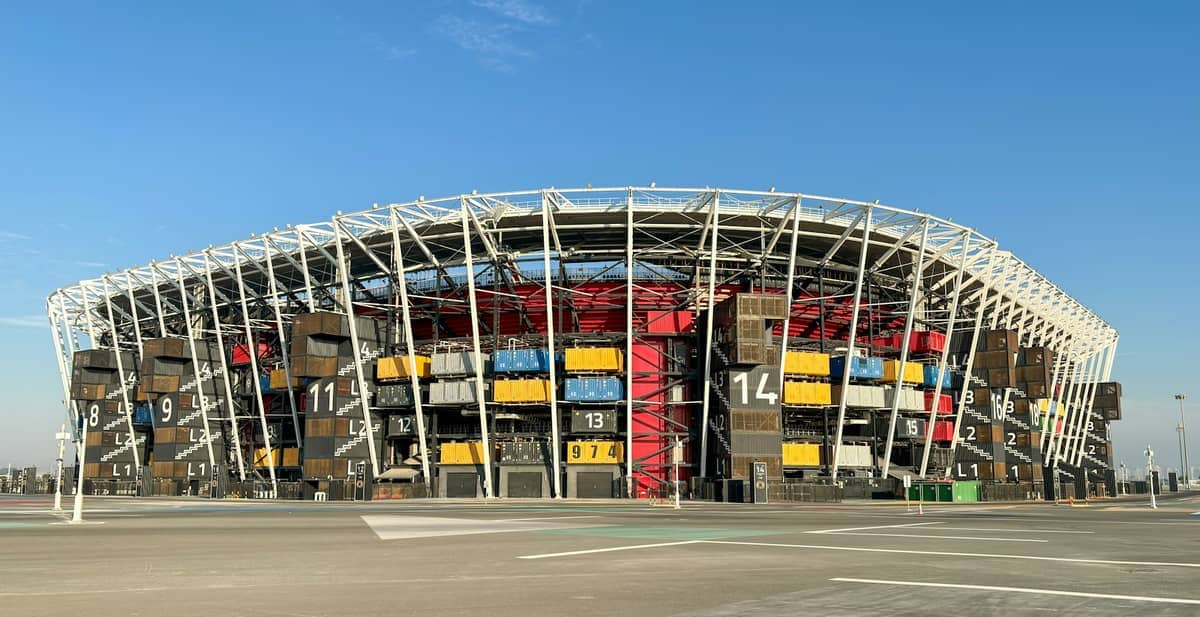
6. Visit the World's First Fully Demountable World Cup Stadium at Stadium 974
Built from 974 shipping containers, matching Qatar's international dialling code, this venue was designed from the start to be fully dismantled after the tournament. Its Corniche-adjacent location makes it easy to combine with a waterfront walk or visit to the nearby MIA Park.
Explore6. Visit the World's First Fully Demountable World Cup Stadium at Stadium 974
Built from 974 shipping containers, matching Qatar's international dialling code, this venue was designed from the start to be fully dismantled after the tournament. Its Corniche-adjacent location makes it easy to combine with a waterfront walk or visit to the nearby MIA Park.
Exploreℹ️ Good to know
Stadium 974 was designed to be fully demountable. As of 2026 it was still standing at Ras Abu Aboud and used for occasional events, but it is not a regular public attraction — check current access before planning a visit.
Museums & Attractions Near the Stadiums
The most rewarding stadium visits pair the architecture with nearby cultural experiences. Aspire Zone, which anchors Khalifa Stadium, is particularly rich in this regard. For photography lovers planning a full day around the stadiums, the Doha photography guide has specific tips on the best angles and times of day for each venue.
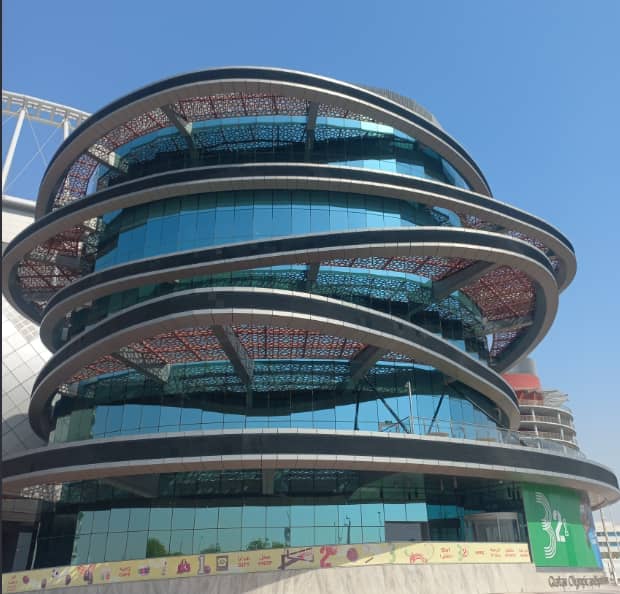
7. Discover Qatar's Sports Story at the 3-2-1 Olympic and Sports Museum
Located inside Khalifa Stadium, this is one of the world's most immersive sports museums, with Olympic history, interactive exhibits, and a strong focus on Qatar's own sporting journey. Allow 2-3 hours. The guided stadium tour departs from here, so it pairs naturally with a Khalifa visit.
Explore7. Discover Qatar's Sports Story at the 3-2-1 Olympic and Sports Museum
Located inside Khalifa Stadium, this is one of the world's most immersive sports museums, with Olympic history, interactive exhibits, and a strong focus on Qatar's own sporting journey. Allow 2-3 hours. The guided stadium tour departs from here, so it pairs naturally with a Khalifa visit.
Explore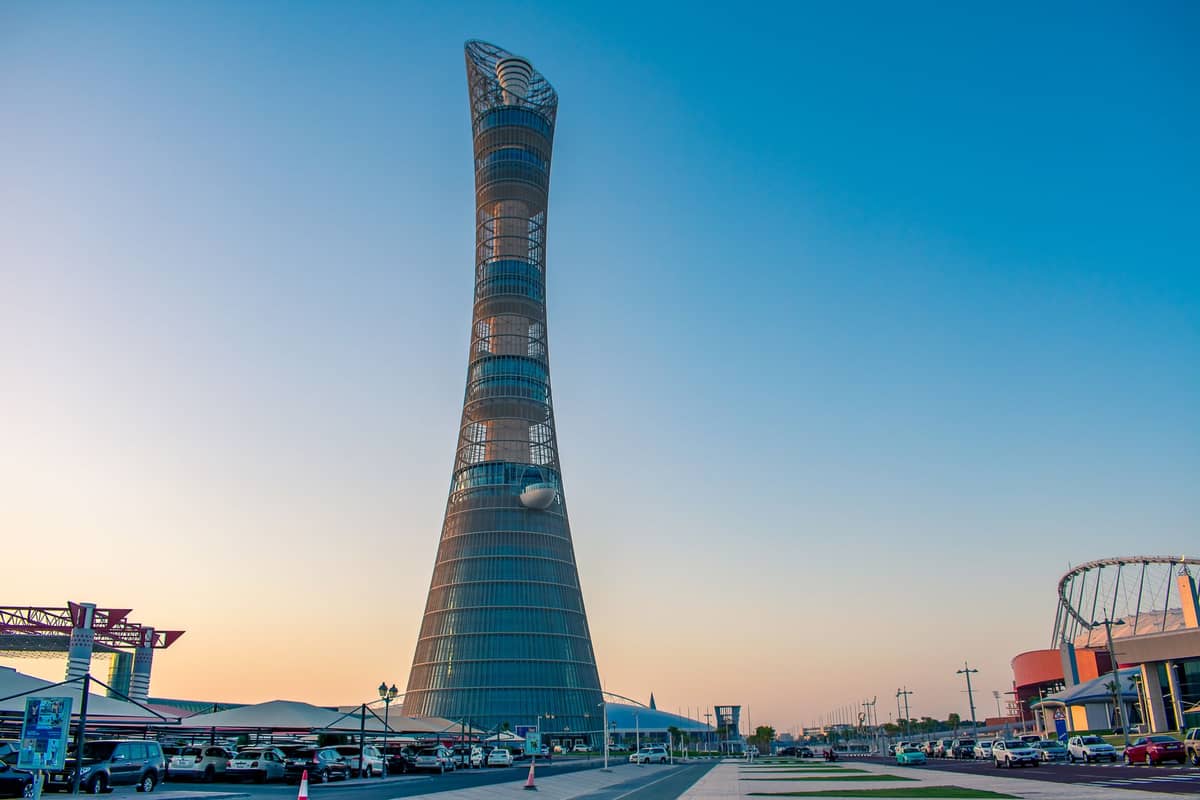
8. See the Full Aspire Zone from the Top of Aspire Tower
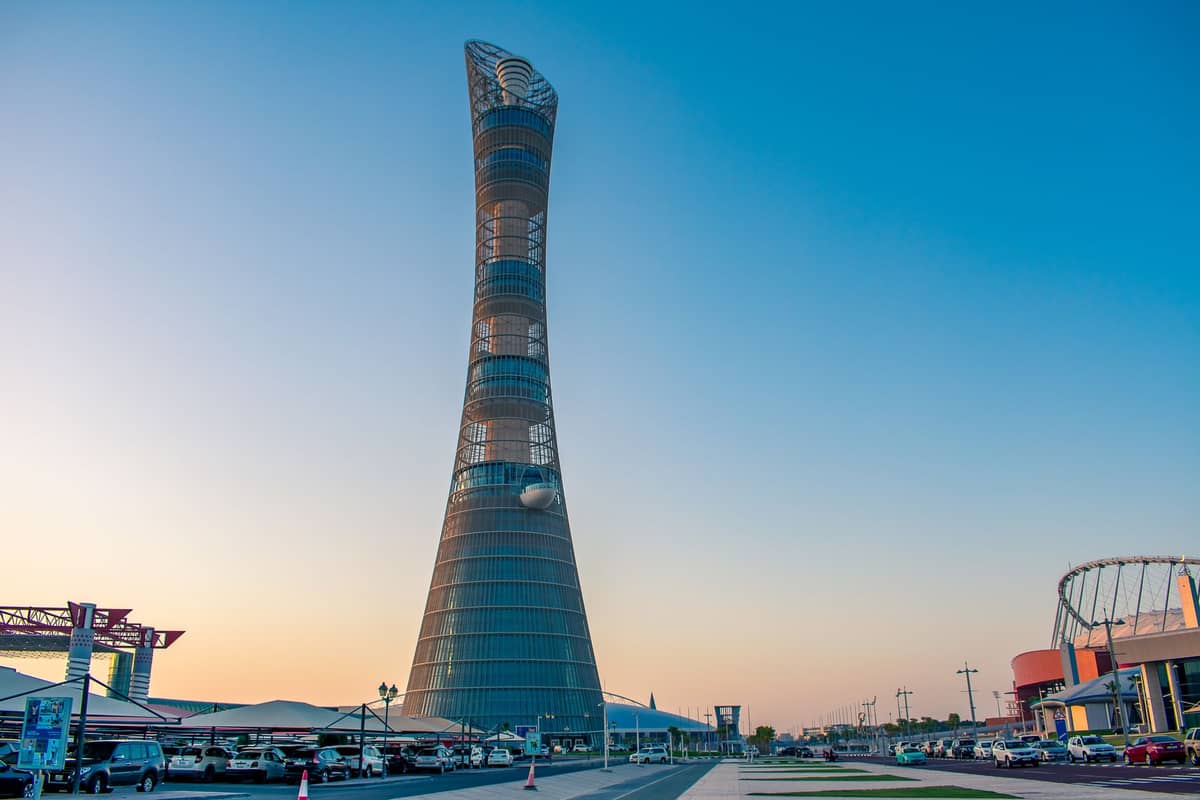
The 300-metre Torch Doha rises beside Khalifa Stadium and gives the clearest aerial perspective on the Aspire Zone sports complex. The hotel inside the tower offers the best viewpoint. Pair it with a walk through Aspire Park directly below for a complete picture of the district.
Explore8. See the Full Aspire Zone from the Top of Aspire Tower
The 300-metre Torch Doha rises beside Khalifa Stadium and gives the clearest aerial perspective on the Aspire Zone sports complex. The hotel inside the tower offers the best viewpoint. Pair it with a walk through Aspire Park directly below for a complete picture of the district.
Explore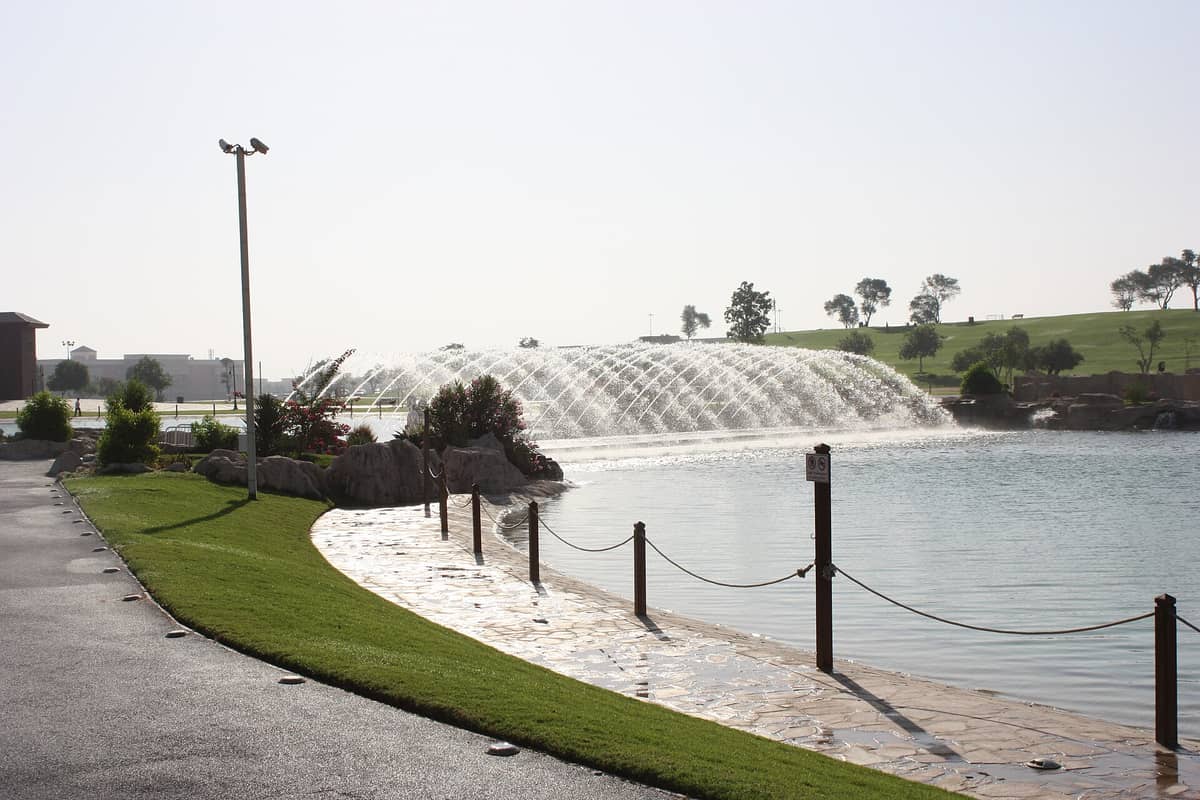
9. Walk Off the Stadium Tour in Aspire Park
Doha's largest park wraps around a lake beside Khalifa Stadium and Aspire Tower, making it the natural place to decompress after a stadium visit. Paddle boats are available on the lake, and the jogging track is popular in the early morning and evening when temperatures allow.
Explore9. Walk Off the Stadium Tour in Aspire Park
Doha's largest park wraps around a lake beside Khalifa Stadium and Aspire Tower, making it the natural place to decompress after a stadium visit. Paddle boats are available on the lake, and the jogging track is popular in the early morning and evening when temperatures allow.
Explore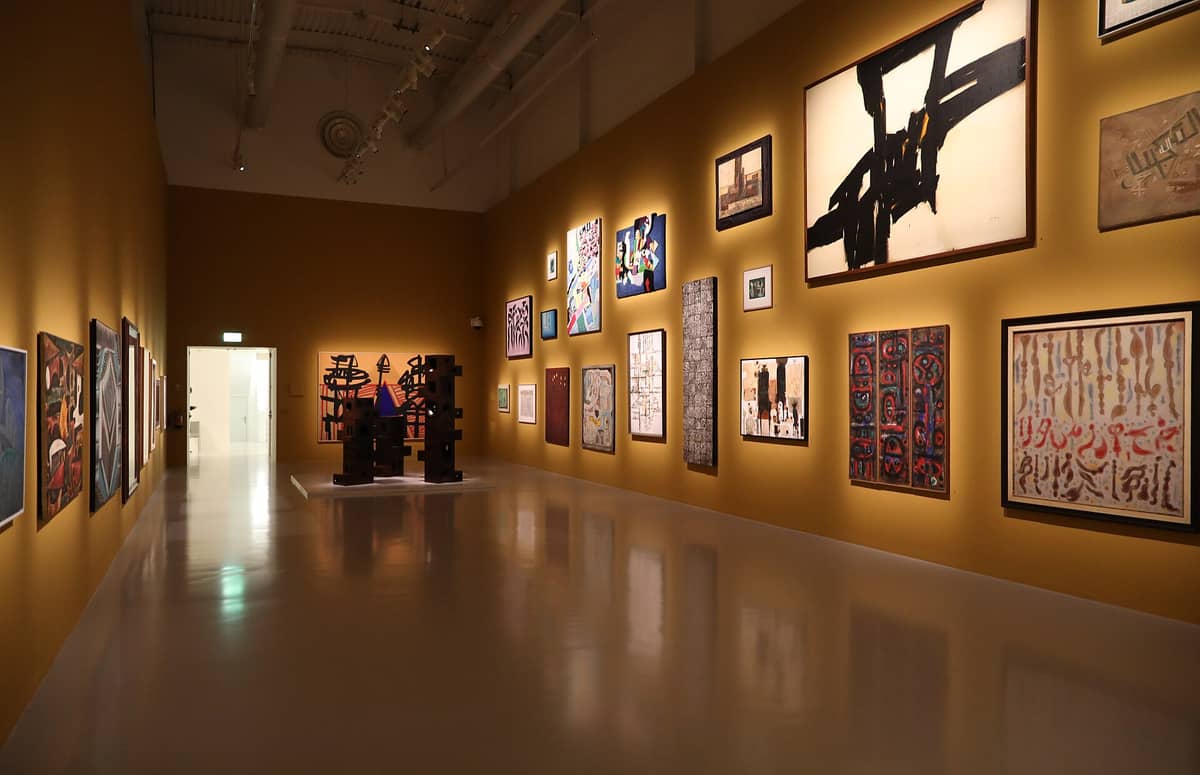
10. Add World-Class Arab Art to Your Education City Stadium Visit
Mathaf is the Arab world's leading modern art museum, housed on the Education City campus a short walk from the stadium. Its collection covers 20th and 21st century Arab artists in depth. Combining it with Education City Stadium makes for a genuinely rich half-day on campus.
Explore10. Add World-Class Arab Art to Your Education City Stadium Visit
Mathaf is the Arab world's leading modern art museum, housed on the Education City campus a short walk from the stadium. Its collection covers 20th and 21st century Arab artists in depth. Combining it with Education City Stadium makes for a genuinely rich half-day on campus.
Explore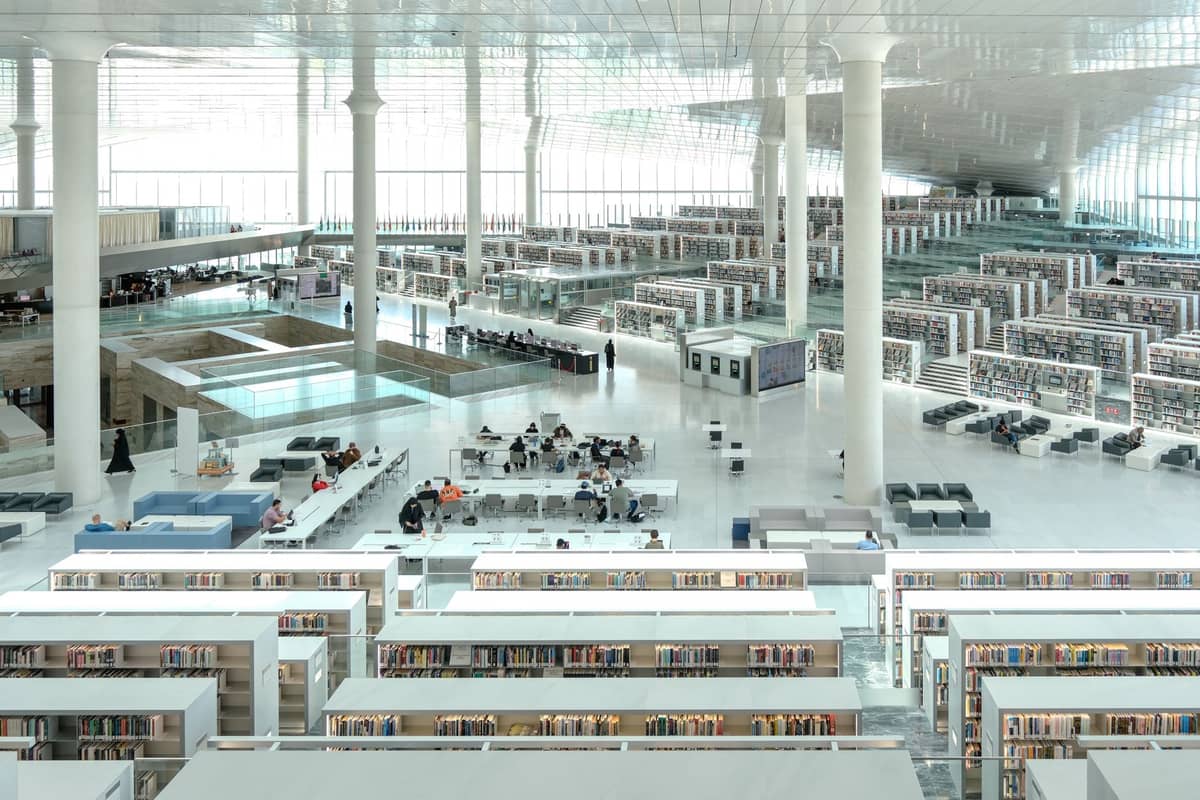
11. See Rem Koolhaas's Architectural Masterpiece Near Education City Stadium
The Qatar National Library, designed by OMA, is a diamond-shaped building with a sunken heritage section housing rare manuscripts. It's free to enter and sits minutes from Education City Stadium, making it an easy addition to any campus visit without adding significant travel time.
Explore11. See Rem Koolhaas's Architectural Masterpiece Near Education City Stadium
The Qatar National Library, designed by OMA, is a diamond-shaped building with a sunken heritage section housing rare manuscripts. It's free to enter and sits minutes from Education City Stadium, making it an easy addition to any campus visit without adding significant travel time.
Explore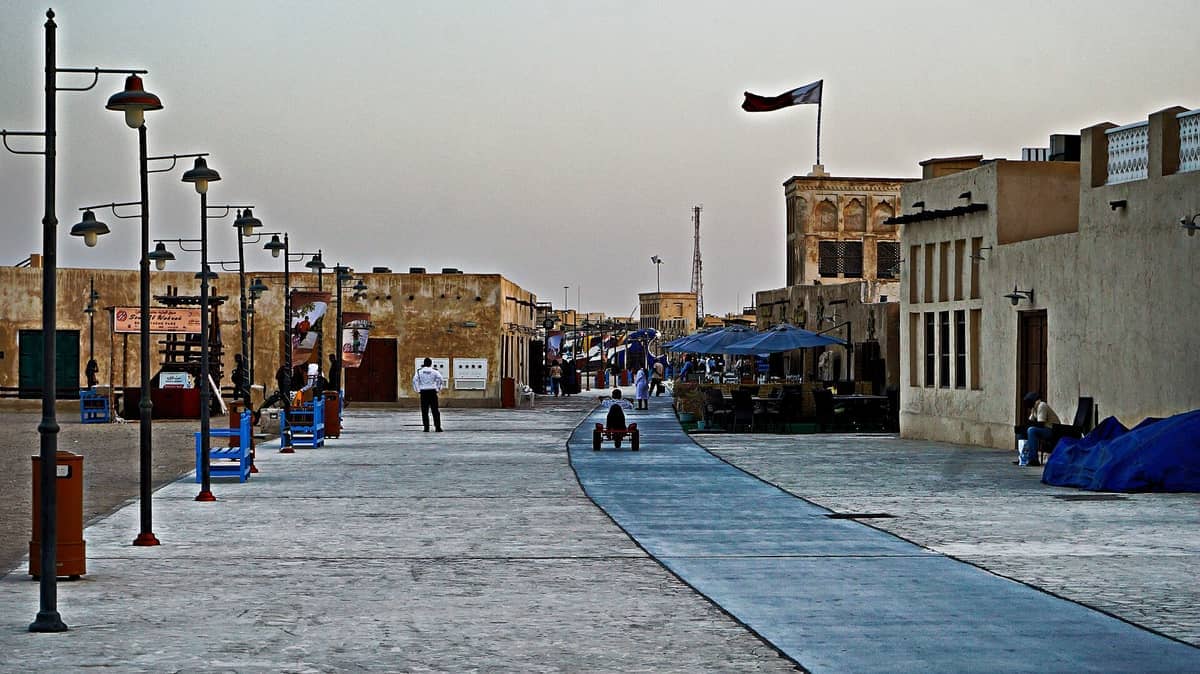
12. Explore Al Wakra's Restored Fishing Village Souq Near Al Janoub Stadium
After visiting Al Janoub Stadium, Souq Al Wakra is 10 minutes away on foot or by taxi. The whitewashed old market and seafront promenade feel more low-key than Souq Waqif, with local restaurants and an authentic atmosphere that reflects the town's pearl-diving heritage.
Explore12. Explore Al Wakra's Restored Fishing Village Souq Near Al Janoub Stadium
After visiting Al Janoub Stadium, Souq Al Wakra is 10 minutes away on foot or by taxi. The whitewashed old market and seafront promenade feel more low-key than Souq Waqif, with local restaurants and an authentic atmosphere that reflects the town's pearl-diving heritage.
Explore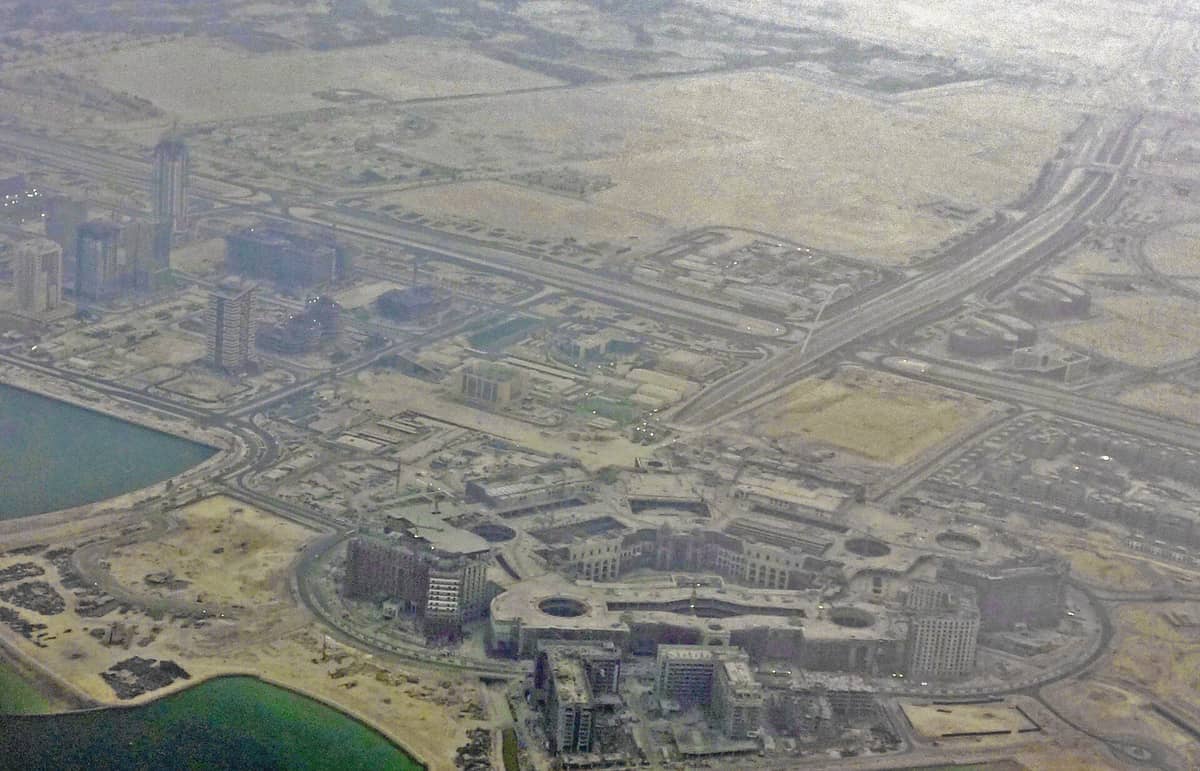
13. End Your Lusail Day at the Parisian-Inspired Place Vendôme Mall
Place Vendôme is Qatar's most ambitious mall development, with an indoor canal, luxury retail, and a waterpark, all within Lusail City near the stadium. It's the most convenient place to eat, cool down, or kill time if you're waiting for an evening stadium tour departure from Lusail.
Explore13. End Your Lusail Day at the Parisian-Inspired Place Vendôme Mall
Place Vendôme is Qatar's most ambitious mall development, with an indoor canal, luxury retail, and a waterpark, all within Lusail City near the stadium. It's the most convenient place to eat, cool down, or kill time if you're waiting for an evening stadium tour departure from Lusail.
ExploreWider Doha Highlights to Combine with Your Stadium Visit
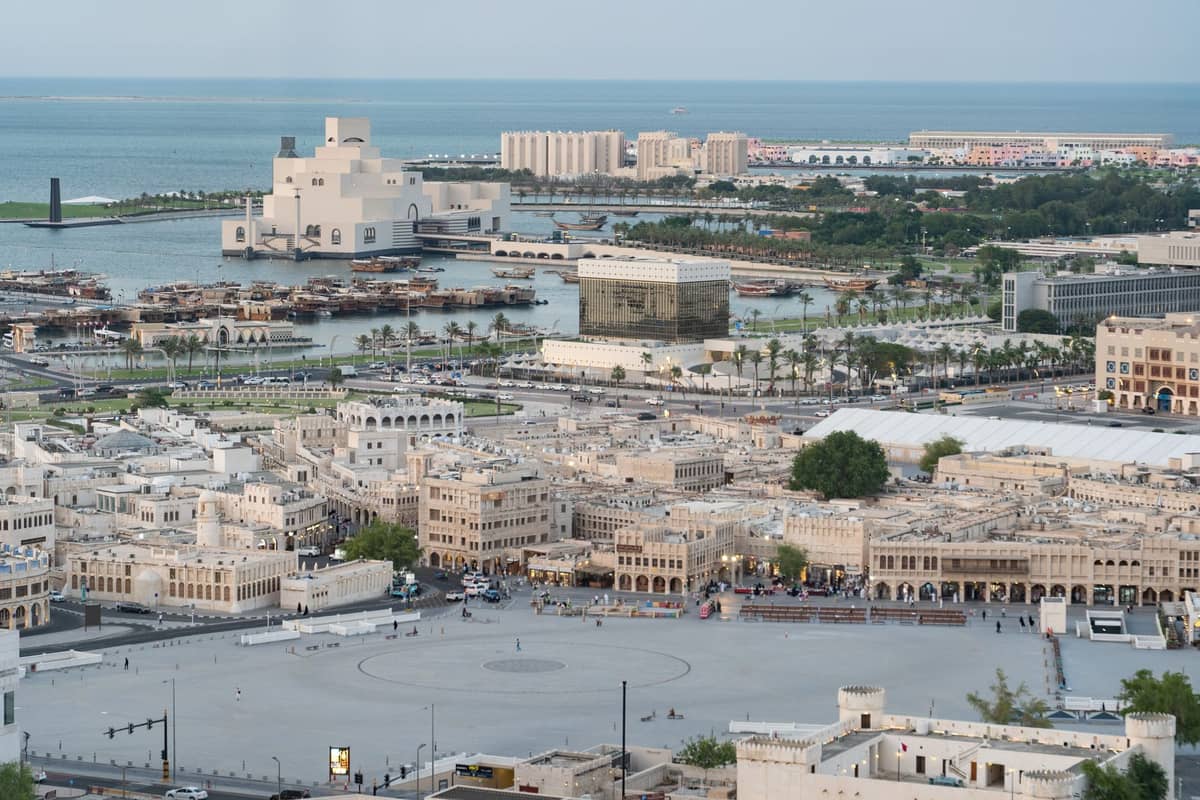
A stadium-focused trip to Doha works best when it's anchored around the city's other landmark attractions. The best museums in Doha are all within easy reach of the stadium circuit, and for visitors with more time, the first-timer's Doha guide provides a practical overview of the full city.
14. Visit One of the World's Greatest Islamic Art Collections at the MIA
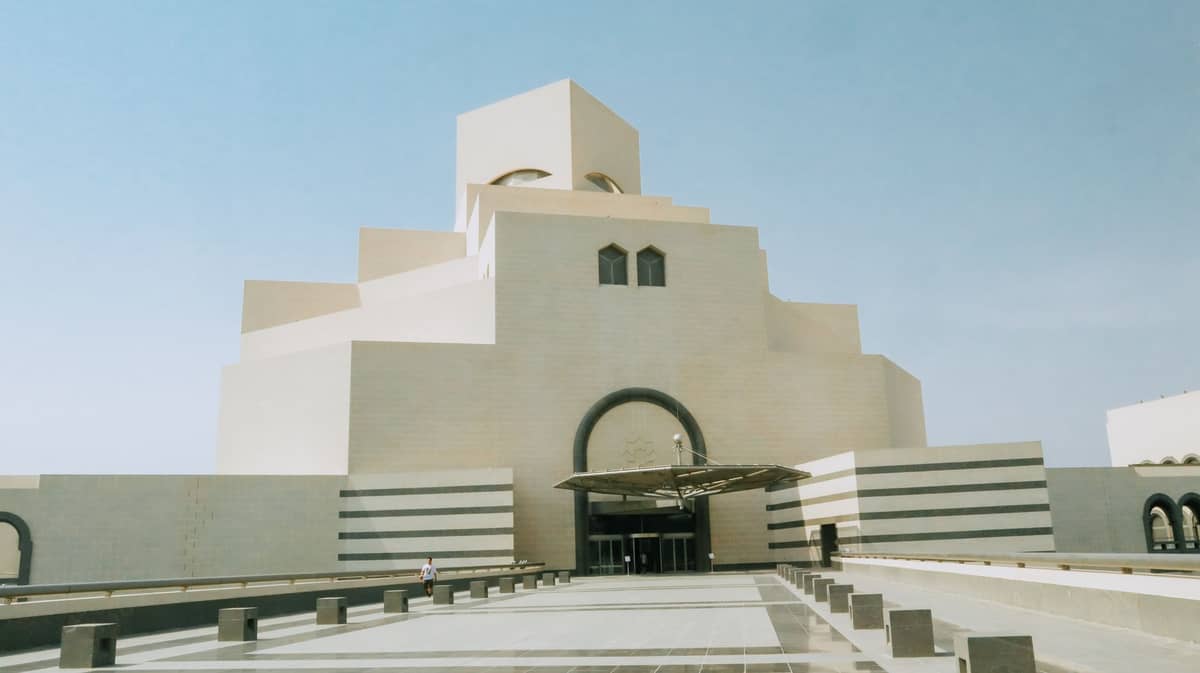
I.M. Pei's museum on its own island promontory in Doha Bay is Qatar's most important cultural institution. The collection spans 1,400 years and 40 countries. After Stadium 974, which sits on the nearby Corniche, the MIA is the obvious next stop and walkable in good weather.
Explore14. Visit One of the World's Greatest Islamic Art Collections at the MIA
I.M. Pei's museum on its own island promontory in Doha Bay is Qatar's most important cultural institution. The collection spans 1,400 years and 40 countries. After Stadium 974, which sits on the nearby Corniche, the MIA is the obvious next stop and walkable in good weather.
Explore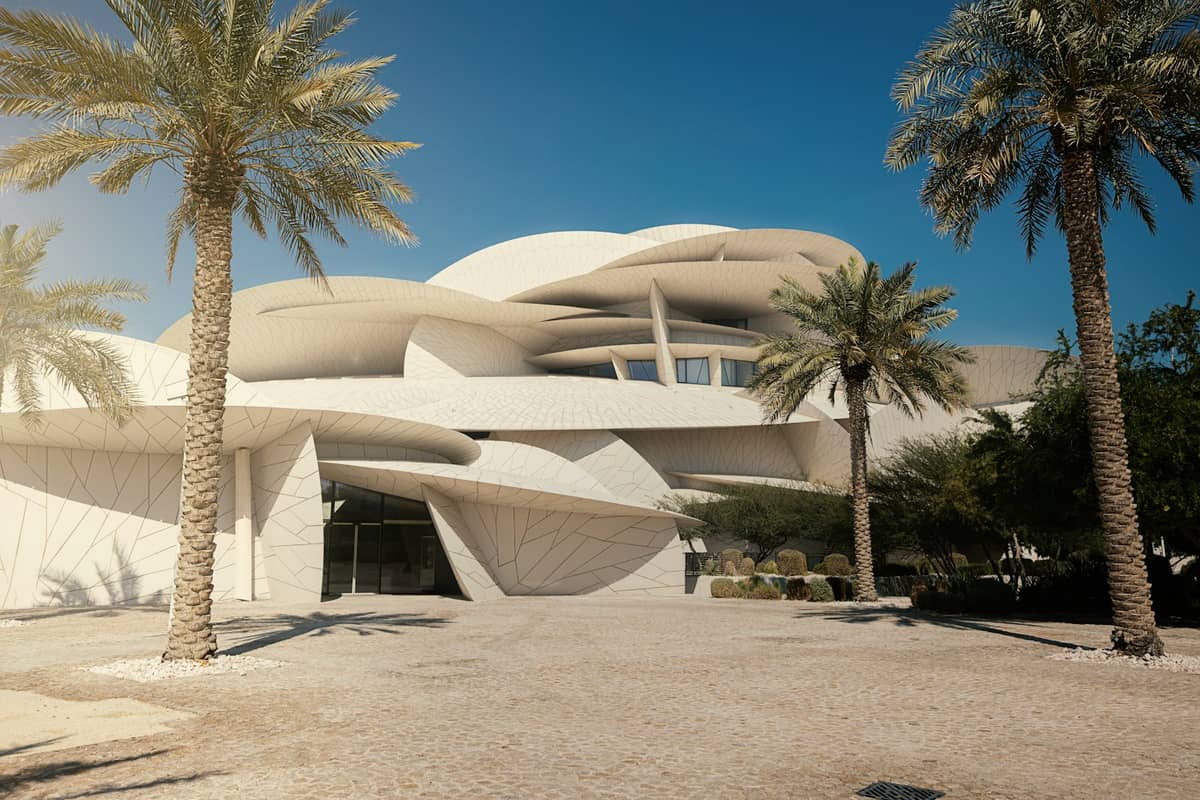
15. Understand Qatar's Transformation at the National Museum
Jean Nouvel's desert-rose building tells Qatar's story from geological prehistory through the pearl-diving era to the oil age and the World Cup. It's one of the most narratively complete museum experiences in the Gulf and sits on the Corniche near Stadium 974's location.
Explore15. Understand Qatar's Transformation at the National Museum
Jean Nouvel's desert-rose building tells Qatar's story from geological prehistory through the pearl-diving era to the oil age and the World Cup. It's one of the most narratively complete museum experiences in the Gulf and sits on the Corniche near Stadium 974's location.
Explore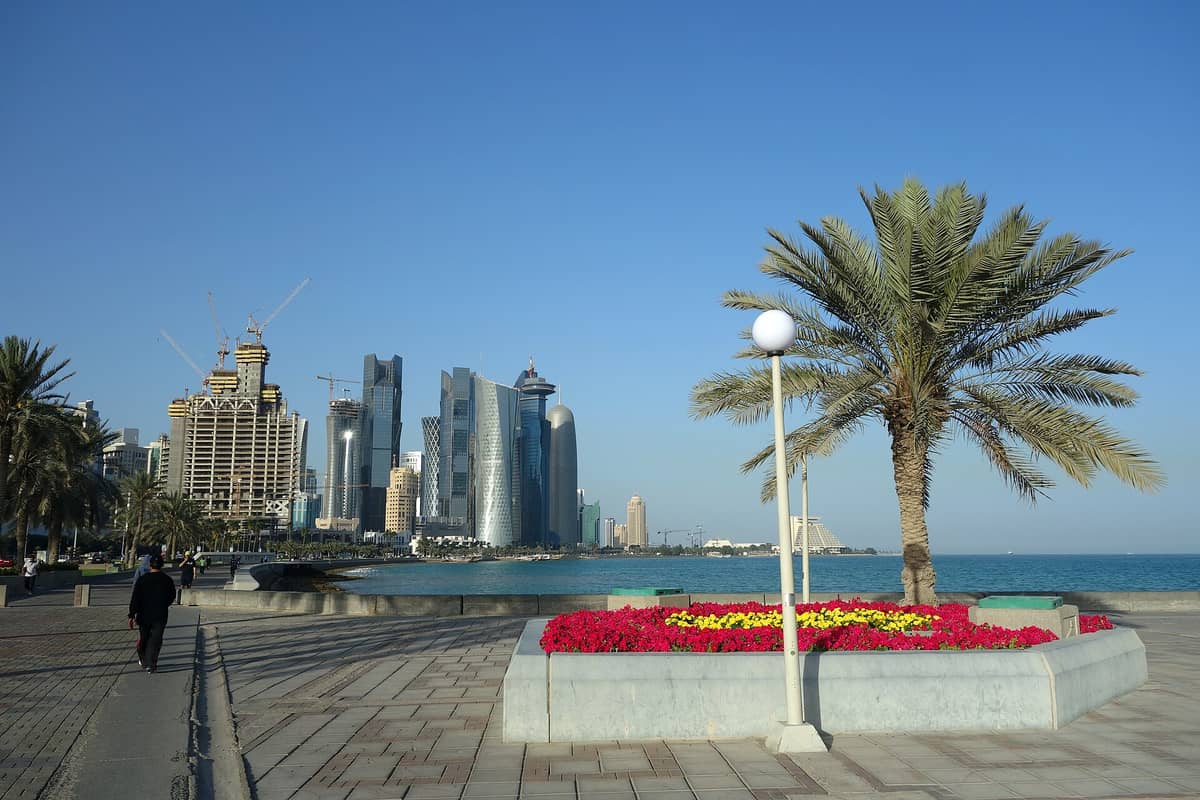
16. Walk the 7km Corniche for Stadium 974 Views and the West Bay Skyline
The Corniche curves for 7 km around Doha Bay and gives clear views of Stadium 974 from the waterfront. It's the best free activity in the city and works as a morning warm-up or evening wind-down to a full stadium day. The West Bay skyline from here is genuinely dramatic.
Explore16. Walk the 7km Corniche for Stadium 974 Views and the West Bay Skyline
The Corniche curves for 7 km around Doha Bay and gives clear views of Stadium 974 from the waterfront. It's the best free activity in the city and works as a morning warm-up or evening wind-down to a full stadium day. The West Bay skyline from here is genuinely dramatic.
Explore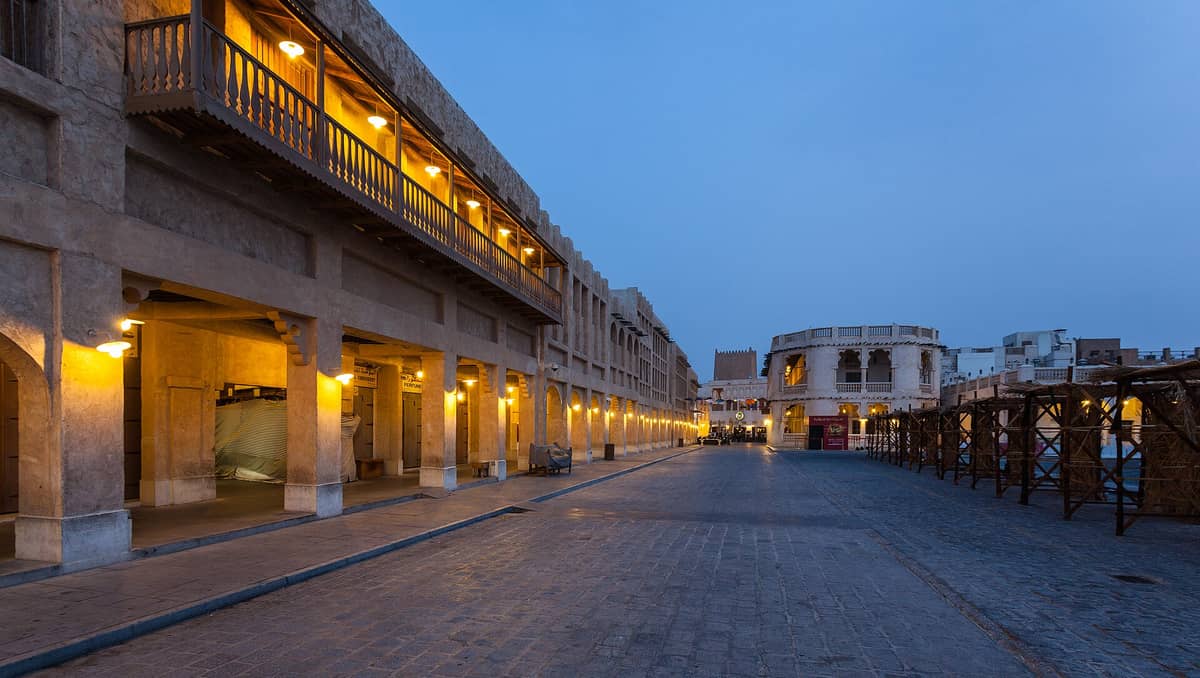
17. Spend an Evening in the Atmosphere of Souq Waqif
Doha's great traditional market is the best place to eat, shop, and absorb the city's character after a day of stadium-touring. The lantern-lit alleyways are particularly atmospheric after dark, and the spice and perfume souqs are worth exploring even without buying anything.
Explore17. Spend an Evening in the Atmosphere of Souq Waqif
Doha's great traditional market is the best place to eat, shop, and absorb the city's character after a day of stadium-touring. The lantern-lit alleyways are particularly atmospheric after dark, and the spice and perfume souqs are worth exploring even without buying anything.
Explore💡 Local tip
Visit outdoor stadiums and the Corniche in the morning or after 4pm during winter months (November to March), when temperatures are comfortable. In summer, prioritise air-conditioned venues like Khalifa and the 3-2-1 Museum for the middle of the day.
FAQ
Can you visit the FIFA World Cup stadiums in Doha without a ticket to a match?
Yes, but access requires pre-booking. Most stadiums offer guided tours rather than free walk-in access. Lusail Iconic Stadium runs behind-the-scenes tours through Qatar Airways Holidays (typically Wednesday to Saturday in the early evening). Khalifa International Stadium can be accessed via a guided tour booked through the 3-2-1 Qatar Olympic and Sports Museum. Some city tour operators also offer drive-by or exterior visits to multiple stadiums in a single excursion. Always check current availability before planning, as some tour programs are time-limited.
How do I get to Lusail Stadium from central Doha?
The Doha Metro Red Line runs from central Doha to Lusail, with the stadium reachable via Lusail station. Journey time from central stations is roughly 30-40 minutes. Taxis and ride-hailing apps are also available. A one-day metro card gives unlimited travel on the metro and Lusail Tram and is good value if you're visiting multiple venues in a day.
Which World Cup stadium is the most architecturally interesting to visit?
All eight venues have distinct identities, but Al Janoub Stadium (designed by Zaha Hadid Architects, shaped like a dhow hull) and Education City Stadium (with its colour-shifting diamond facade) are consistently rated the most striking. Stadium 974, built from shipping containers on the Corniche, is the most conceptually radical. Al Thumama's gahfiya-cap silhouette is the most culturally specific design of the eight.
Is it possible to visit all eight World Cup stadiums in one or two days?
Exterior views of all eight stadiums can theoretically be achieved in two days using the metro and taxis, as all venues are within a relatively compact geographic area. However, interior tours require advance booking and have fixed time slots, so combining multiple guided interior experiences in a single day is difficult. A realistic plan is to book one or two interior tours and treat the others as exterior visits combined with nearby attractions.
What is the best time of year to visit Doha's World Cup stadiums?
November to March is the most comfortable period, with daytime temperatures typically between 20°C and 28°C. Qatar's summer (June to September) sees temperatures exceeding 40°C, making outdoor stadium visits uncomfortable despite the cooling systems installed in the venues. The Lusail behind-the-scenes tour runs at 17:00, which during winter months falls in pleasant late-afternoon conditions.