Falconry in Qatar: A Complete Guide to Doha's Falcon Culture
Falconry sits at the heart of Qatari identity, and Doha makes it surprisingly accessible to visitors. From the Falcon Souq at Souq Waqif to the world-class falcon hospital and the annual S'hail exhibition at Katara, this guide covers everything you need to experience Qatar's most distinctive cultural tradition.
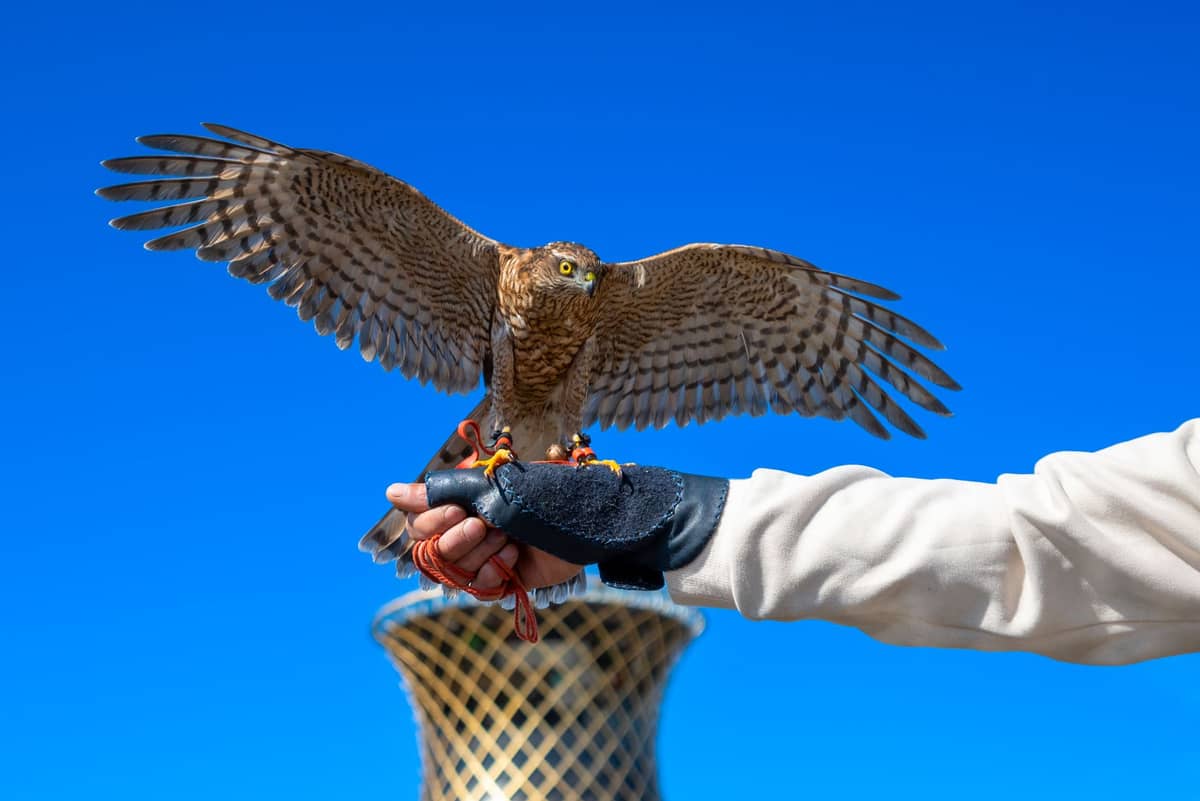
TL;DR
- The Falcon Souq inside Souq Waqif is Doha's main public gateway into falcon culture, open daily and free to browse.
- The Souq Waqif Falcon Hospital treats up to 150 birds per day during peak season and operates Saturday to Thursday, 07:00–14:00.
- Falconry season typically runs September to March, making winter the best time to witness birds in active training and trade.
- The S'hail Hunting and Falcons Exhibition at Katara Cultural Village is the region's premier public falconry event, with general admission free of charge.
- Falconry in Qatar is UNESCO-recognized intangible cultural heritage — a living tradition with deep social meaning.
Why Falconry Matters in Qatar
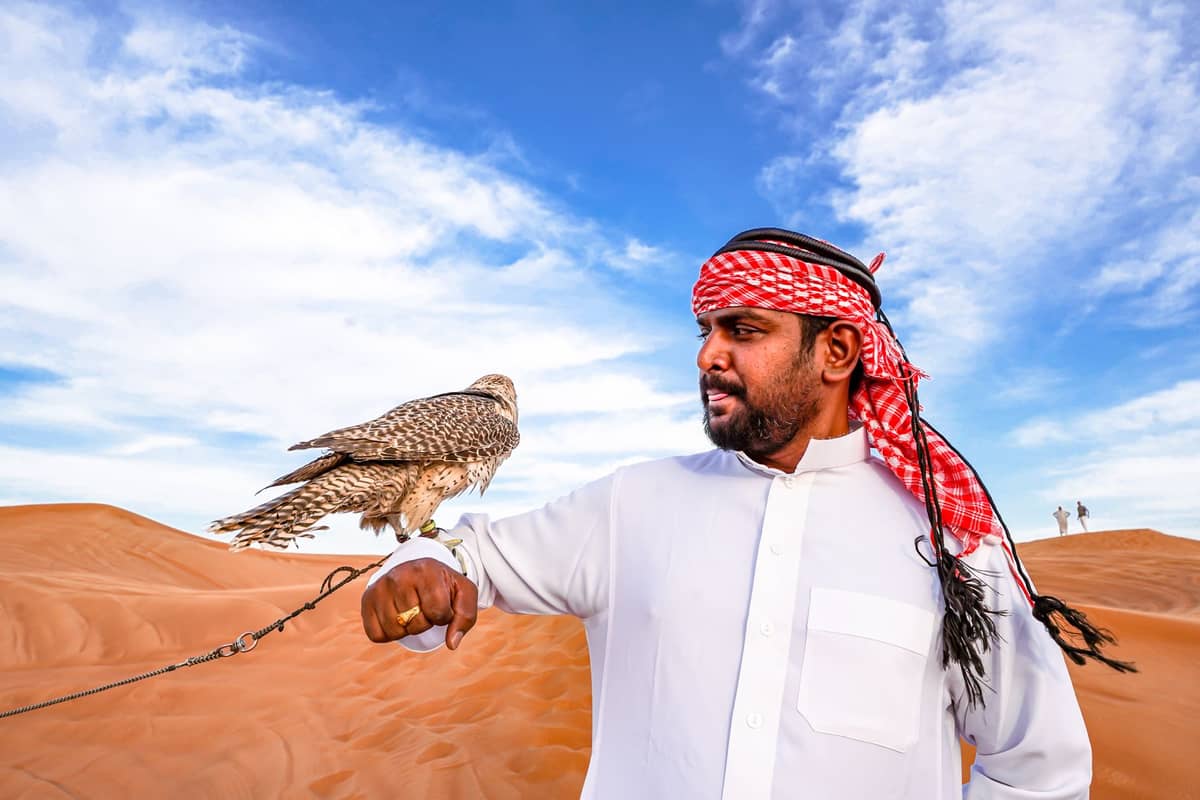
Qatar is one of the Gulf states where falconry never became a relic. It remains an active, socially prestigious pursuit practiced by Qataris across generations, from ruling families to middle-class enthusiasts. UNESCO recognized falconry as an intangible cultural heritage of humanity, with Qatar among the co-nominating nations. That recognition formalized something Qataris already knew: the falcon is not just a bird, it is a symbol of nobility, patience, and connection to the desert heritage that shaped this country long before oil.
For visitors, this means falconry is genuinely visible and accessible in Doha. You do not need a personal invitation to a hunting trip to engage with it. The Falcon Souq, the falcon hospital, and the annual S'hail exhibition together create a public-facing ecosystem that lets any curious traveler step into this world. The common assumption that falcon culture is locked behind closed doors and elite connections is simply outdated.
ℹ️ Good to know
The Qatar Ministry of Culture includes falconry in its heritage inventory. The Al Gannas Society, Qatar's main falconry organization, actively promotes public education around the practice and has described S'hail as a vehicle for bringing this heritage to general audiences.
The Falcon Souq at Souq Waqif: Where to Start
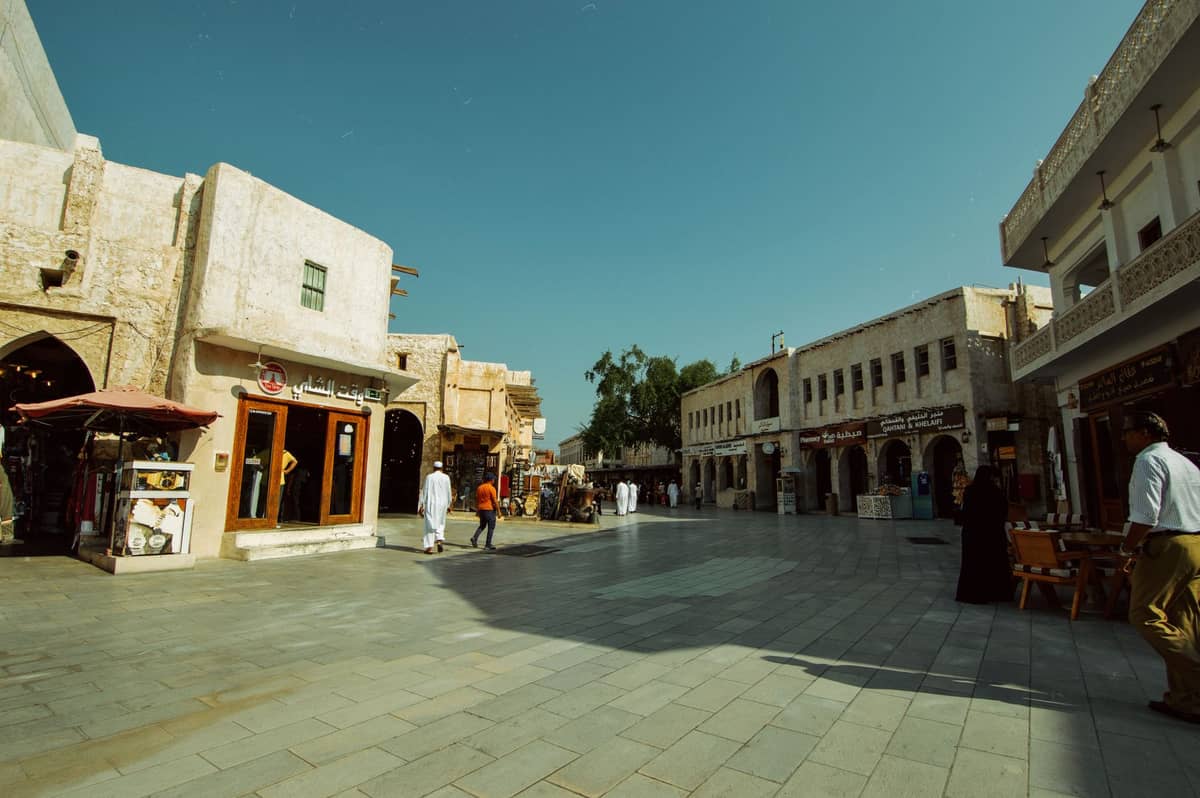
The Falcon Souq sits within the larger Souq Waqif complex and is the most concentrated point of falcon trade in Qatar. Several dozen specialist shops line its covered walkways, selling live falcons, hoods (called burqa or mangalah), perches (wakir), leather jesses, bells, and telemetry equipment. The shops double as social spaces where Qatari falconers drop in to discuss birds, compare prices, and inspect new arrivals.
Falcons sold here range from trained hunting birds to raw passage birds newly caught from migration routes. Prices are not fixed and are rarely displayed. A well-trained Saker or Peregrine falcon can change hands for anywhere from a few thousand Qatari riyals to sums that stretch into the hundreds of thousands for exceptional individuals. Even if you have no intention of buying, the souq functions as a free, open-air window into this world. Shopkeepers are generally accustomed to curious tourists and are often willing to let you photograph birds or answer basic questions, especially outside peak midday hours.
- Best time to visit Early morning on weekdays, particularly between October and February, when active trading is underway and the atmosphere is most authentic.
- What to look for Birds wearing the traditional leather hood (burqa) designed to keep them calm; falconers using a lure (tilwah) to exercise birds in nearby open areas.
- Photography etiquette Always ask before photographing individuals. Most shopkeepers are fine with photos of birds; pointing a camera at a Qatari falconer without permission is considered impolite.
- Combine with nearby attractions The Camel Pen within Souq Waqif is a short walk away, and the Gold Souq is immediately adjacent, making a half-day cultural loop easy to organize.
The Souq Waqif Falcon Hospital: A Facility Worth Visiting
The Souq Waqif Falcon Hospital (SWFH) is not a standard veterinary clinic. It is a specialist facility that provides comprehensive medical care for raptors, handling everything from routine health checks and microchipping to surgery and rehabilitation. During the falconry season, from roughly September through March, the hospital processes enormous numbers of birds. At peak periods, staff have reported treating up to 150 falcons per day, a figure that gives a sense of how seriously Qatar takes the welfare of these animals.
The hospital's published operating hours are Saturday to Thursday, 07:00 to 14:00. Friday is closed. Visitors can observe the reception and waiting areas, where Qatari falconers bring their birds in for check-ups before and after hunting trips. The staff work in a multilingual environment and the facility is clean and modern. This is one of those places in Doha that consistently surprises visitors who were not expecting a world-class veterinary operation in the middle of a traditional market district.
✨ Pro tip
If you plan to travel internationally with a falcon, Qatar requires documentation from SWFH to obtain an official falcon passport from the Ministry of Municipality. The hospital is the starting point for that documentation process. Non-falconers visiting purely out of curiosity are welcome during operating hours, but keep in mind that the facility is a working medical environment — keep noise low and follow staff instructions.
The S'hail Exhibition: Qatar's Premier Public Falconry Event
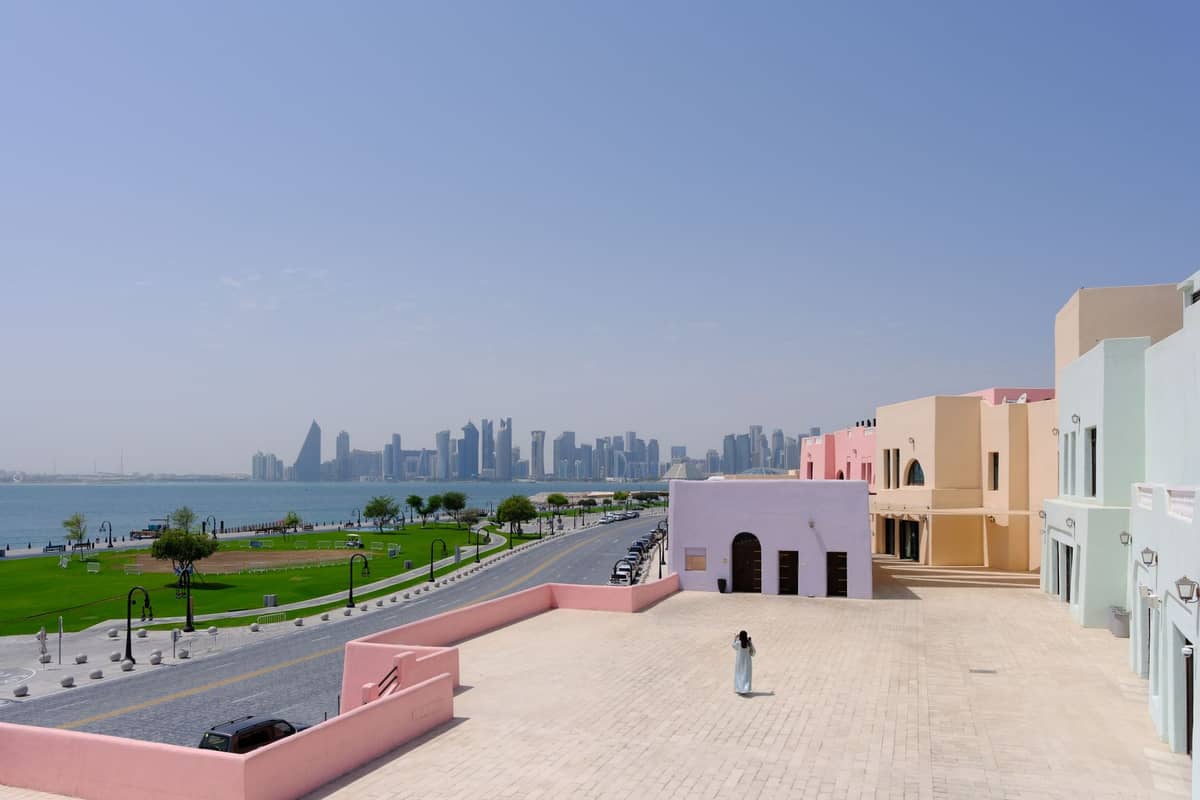
The Katara International Hunting and Falcons Exhibition, known as S'hail, is held annually at Katara Cultural Village on Doha's northeastern waterfront. The 10th edition of the event is scheduled for September 8 to 12, 2026, and general admission is free. S'hail is organized by Qatar's falconry community in cooperation with Katara, and it draws exhibitors and participants from across the Gulf, Central Asia, and beyond.
What sets S'hail apart from simply visiting the Falcon Souq is the curated, educational dimension of the event. Live demonstrations, competition segments, heritage displays, and specialist equipment exhibitors all converge in one place over five days. For a visitor with limited time in Doha who wants the broadest possible introduction to falcon culture, timing a trip to coincide with S'hail is the most efficient strategy. The Al Gannas Society, Qatar's primary falconry association, uses S'hail explicitly as a public outreach platform, and the tone of the exhibition reflects that openness.
💡 Local tip
S'hail runs in early September, which falls at the tail end of Doha's brutal summer. Expect very hot daytime conditions. The Katara venue has shaded outdoor areas and indoor halls, so plan outdoor time for early morning sessions and retreat indoors during midday. Check the official S'hail website and Qatar Tourism for updated registration details before visiting.
Falcon Culture in Context: Seasons, Species, and Customs
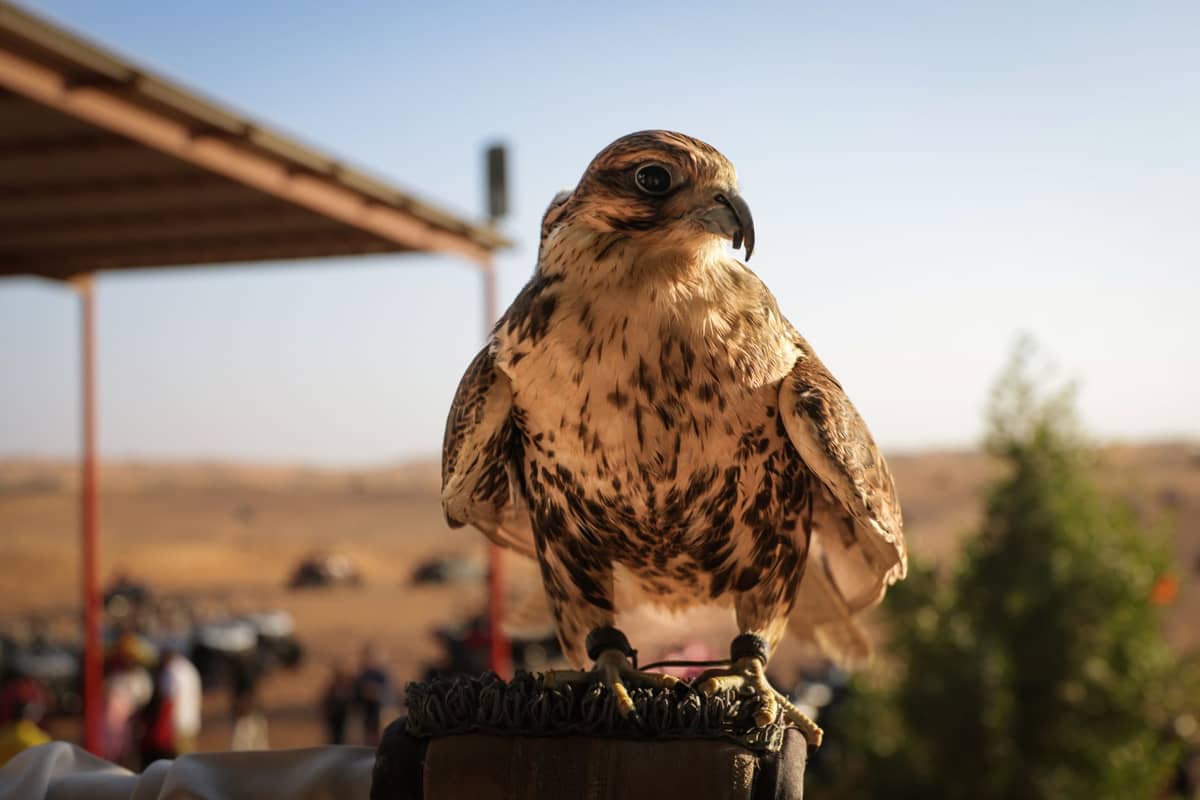
Understanding the seasonal rhythm of falconry helps visitors time their experience correctly. The sport's active season in Qatar runs from approximately September through March, aligning neatly with the country's cooler and more comfortable months for outdoor activity. Outside this window, falconry activity drops significantly. Falconers may be maintaining birds in off-season condition, but training flights and hunting expeditions are rare in the summer heat.
The species most commonly seen in Doha are Saker falcons (Falco cherrug) and Peregrine falcons (Falco peregrinus), both prized for speed and trainability. Gyrfalcons, among the largest and most expensive of all falcon species, occasionally appear in the souq. The Peregrine is the world's fastest animal in a dive (stoop), reaching speeds above 300 km/h, which makes it a prestige bird among Qatari falconers who hunt Houbara bustards in the desert.
Falconry culture in Qatar extends into the desert beyond Doha. Some operators offer structured experiences that combine a desert safari with a falconry demonstration, typically out toward the dunes south of the city. These are commercial experiences rather than authentic hunting trips, but they offer a chance to see birds flown in open terrain rather than a market environment.
- Saker falcon: the most common species in Qatari falconry, preferred for hunting Houbara bustard
- Peregrine falcon: valued for speed; often preferred by falconers focused on competitive prestige
- Gyrfalcon: rare, expensive, and associated with the highest levels of the sport; mostly seen in souq displays rather than active hunting
- Lanner and Barbary falcons: less common but occasionally traded in the souq
- Hybrid falcons (e.g., Saker x Peregrine crosses): increasingly common, bred for specific hunting characteristics
Practical Visitor Information
Getting to Souq Waqif from central Doha is straightforward. The Doha Metro Gold Line stops at Al Bidda station, a short walk from the souq entrance. Taxis and ride-hailing services (including Karwa) serve the area directly. If you are combining a visit to the Falcon Souq with other Doha highlights, note that the Museum of Islamic Art and the Corniche promenade are both within 10–15 minutes on foot.
For those interested in deeper context, the National Museum of Qatar includes content on Bedouin heritage and traditional practices, with falconry featured as part of that broader narrative. The museum is located near the Corniche and is a logical pairing with a Falcon Souq visit on the same day. If you are planning a fuller itinerary, the 2 days in Doha guide can help you sequence these stops efficiently.
- Falcon Souq at Souq Waqif Free to enter and browse. Open daily, with early mornings and evenings offering the most activity. Located within the main Souq Waqif complex near the Corniche.
- Souq Waqif Falcon Hospital Saturday to Thursday, 07:00–14:00. Closed Friday. Located adjacent to the Falcon Souq. Visitor-friendly but this is a working medical facility — observe quietly.
- S'hail Exhibition at Katara Annual event, 5 days in September. 10th edition: September 8–12, 2026. General admission free. Check the official S'hail website for updates.
- Desert falconry experiences Commercial operators offer falconry demonstrations as part of desert safari packages. Quality varies; book through reputable tour operators or your hotel concierge.
⚠️ What to skip
Do not attempt to purchase a live falcon as a souvenir or to take one home without thorough research into CITES regulations, falcon passport requirements, and your home country's import rules. Qatar has formal documentation systems through the SWFH precisely because international falcon trade is closely regulated. Fines and confiscation are real risks for undocumented transport.
FAQ
Can tourists visit the Falcon Souq in Doha?
Yes, the Falcon Souq at Souq Waqif is open to the public and free to enter. You can browse the shops, observe birds, and speak with traders. It operates daily, with the most activity in the morning and early evening hours. The best months to visit are October through February, when the falconry season is in full swing.
Is it possible to hold or fly a falcon as a visitor in Doha?
Some commercial desert safari operators include falcon handling as part of their experience packages. This is arranged in advance rather than something that happens spontaneously at the souq. Individual traders occasionally allow brief handling, but this is at their discretion. For a guaranteed hands-on experience, book a structured desert excursion that explicitly includes falconry demonstrations.
When is the best time to experience falconry in Qatar?
The active falconry season runs from September to March. This window aligns with Qatar's cooler weather and is when the Falcon Souq and hospital are at peak activity. The S'hail exhibition at Katara also falls at the start of this window (early September). If you are visiting purely for the falcon culture, November through February offers the ideal combination of comfortable temperatures and active falconry.
What is the S'hail exhibition and how do I attend?
S'hail is the Katara International Hunting and Falcons Exhibition, held annually at Katara Cultural Village. It is a major public falconry event in Qatar, featuring live demonstrations, competitions, and heritage displays. General admission is free. The 10th edition is scheduled for September 8–12, 2026. Check the official S'hail website and Qatar Tourism for registration details and the final program.
Is falconry in Qatar only for Qataris, or can expats and tourists participate?
Falconry in Qatar is practiced predominantly by Qataris, but it is not legally restricted to citizens. Some expatriates resident in Qatar do keep and fly falcons. Tourists can observe, attend public events, and participate in commercial experiences. Actually acquiring and keeping a falcon in Qatar as a tourist is impractical for a short visit given the documentation, housing, and training requirements involved.