Zhongzheng is Taipei's central administrative district, anchored by Taipei Main Station and framed by landmark institutions including Chiang Kai-shek Memorial Hall, Liberty Square, and the Presidential Office Building. It blends government grandeur with quieter residential pockets, green parks, and a creative arts scene at Huashan 1914.
Zhongzheng is where Taipei's civic identity takes physical form. Wide ceremonial boulevards give way to shaded botanical gardens, repurposed industrial warehouses turned arts spaces, and the kind of slow-moving park life that locals claim as their own even as tourists photograph the monuments around them. It is not the city's hippest corner, but it may be its most essential.
Orientation
Zhongzheng District sits in the southwestern quadrant of Taipei City, covering roughly 7.6 square kilometres of flat basin terrain. Its northern edge runs along Civic Boulevard, where it meets Zhongshan and Datong Districts. To the east, Xinsheng South Road and Roosevelt Road mark the boundary with Daan District. Zhonghua Road forms the western border with Wanhua District, and the Xindian River traces the southern edge, beyond which lies the New Taipei City area of Yonghe.
The district's geographic centre is essentially Taipei Main Station, one of the most important transport interchanges in all of Taiwan. From there, the major institutions fan outward in predictable directions: the Presidential Office and 228 Peace Memorial Park sit to the southwest along Ketagalan Boulevard, while Chiang Kai-shek Memorial Hall and Liberty Square anchor the southern part of the district toward its eastern side. Huashan 1914 Creative Park occupies the northeastern fringe, close to the boundary with Zhongshan District.
For first-time visitors trying to build a mental map of Taipei, Zhongzheng is the logical starting point. It borders or connects to nearly every major district, and its transit infrastructure, particularly Taipei's MRT network, makes it possible to reach Ximending in ten minutes on foot or Xinyi in twenty minutes by train. Think of it as the city's anchor point rather than its most atmospheric zone.
Character & Atmosphere
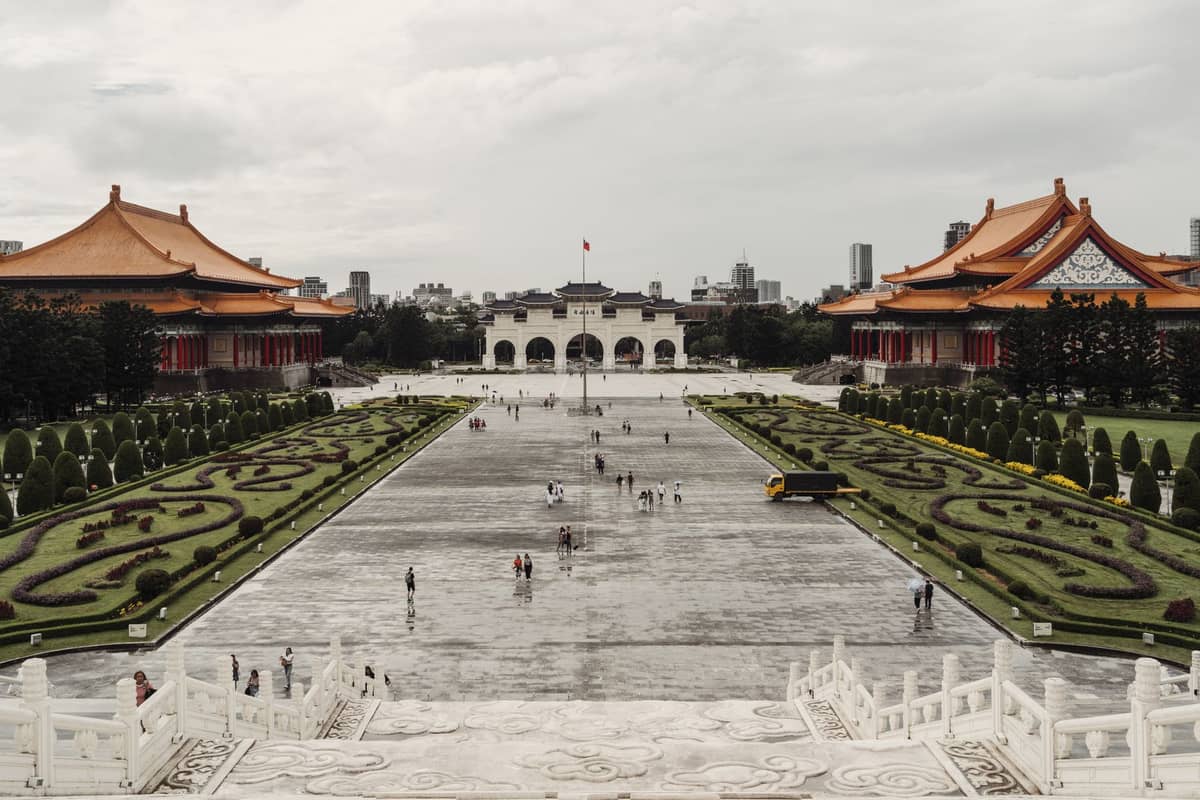
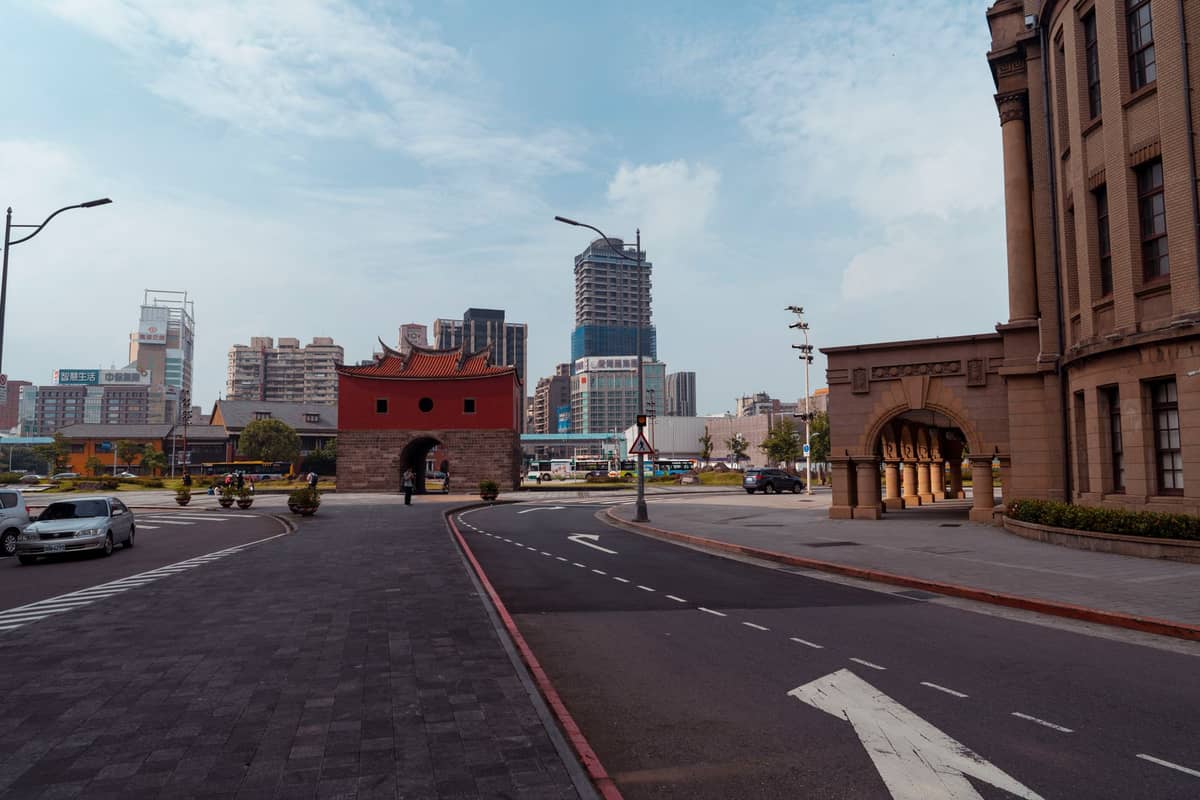
Zhongzheng does not feel like one neighbourhood so much as several districts layered on top of each other. The area immediately around Taipei Main Station is dense, commercial, and perpetually busy, with underground shopping malls, bus terminals, and commuters crossing in every direction. Walk ten minutes south toward Liberty Square and the scale suddenly shifts: wide ceremonial plazas open up, the noise drops, and the pace becomes that of tourists and retirees taking slow circuits around the grounds.
On weekday mornings, the streets near Gongyuan Road fill early with government workers and office staff heading toward the cluster of ministries and agencies that make this Taiwan's administrative core. The cafes near NTU Hospital MRT station see a medical crowd before 8am. By mid-morning, the first tourist groups arrive at Chiang Kai-shek Memorial Hall just as the white marble starts to glow under the subtropical light. The changing of the guard ceremony draws a reliable crowd on the hour.
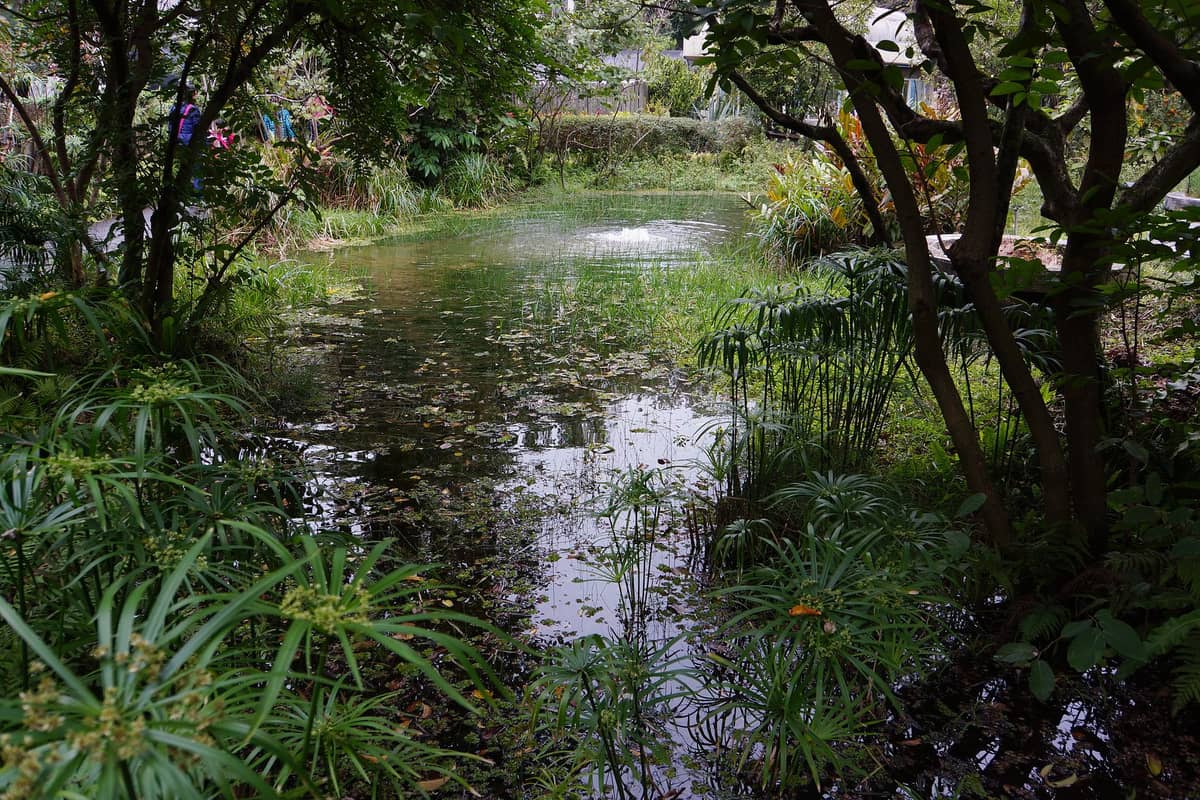
Weekend afternoons transform the neighbourhood's parks and creative spaces. Taipei Botanical Garden, south of the Presidential Office, becomes a genuinely local scene: families with small children, older couples on benches, and people photographing the lotus pond when the flowers are in bloom. Huashan 1914 Creative Park draws a younger crowd to its weekend markets and outdoor events. The formal grandeur of Liberty Square contrasts with the comfortable, unself-conscious energy in these greener pockets.
After dark, Zhongzheng is quieter than the neighbouring districts of Ximending or Daan. The government buildings empty out, the cafes around Guting Station stay open for students from nearby universities, and Roosevelt Road remains active with foot traffic heading toward and from the Gongguan area just across the district boundary. The area is safe at night but not particularly lively, which suits travellers who want a calm base rather than a late-night scene.
ℹ️ Good to know
The changing of the guard at Chiang Kai-shek Memorial Hall takes place outdoors on Democracy Boulevard at the top of every hour between 9:00am and 5:00pm. The full ceremony lasts about 15 minutes and is cancelled in rain.
What to See & Do
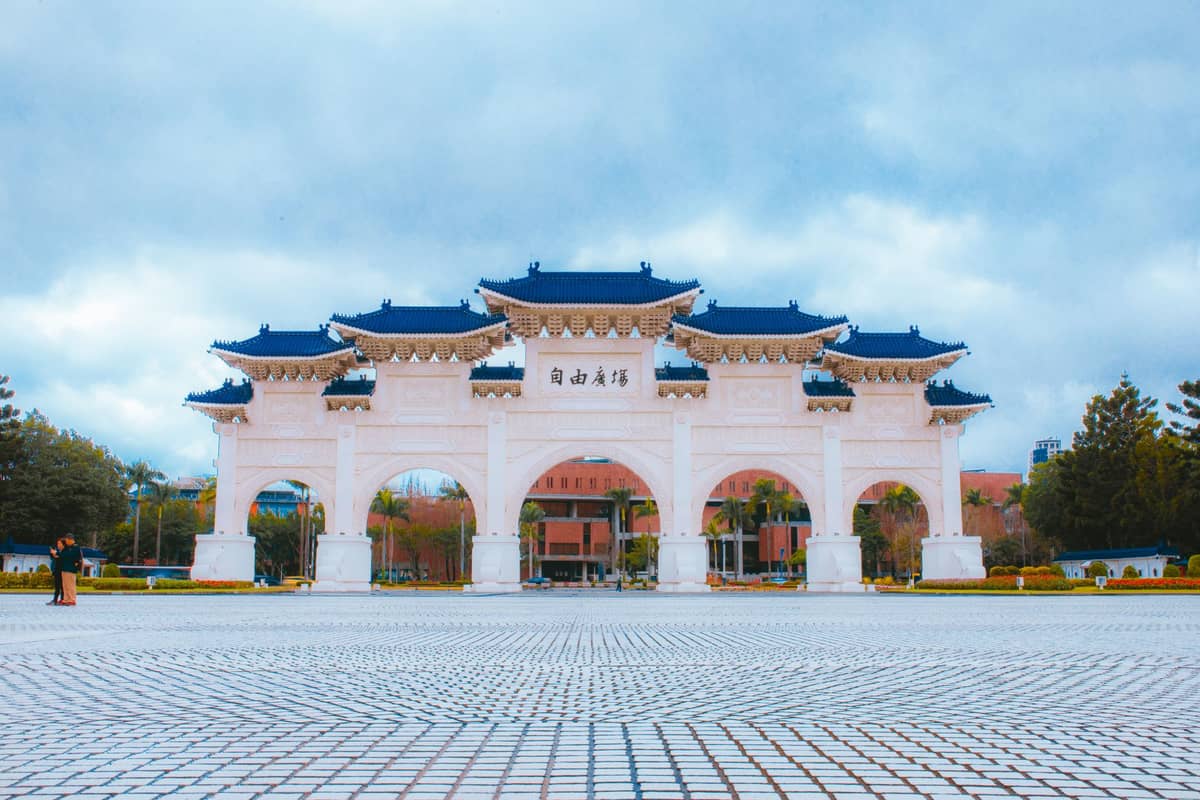
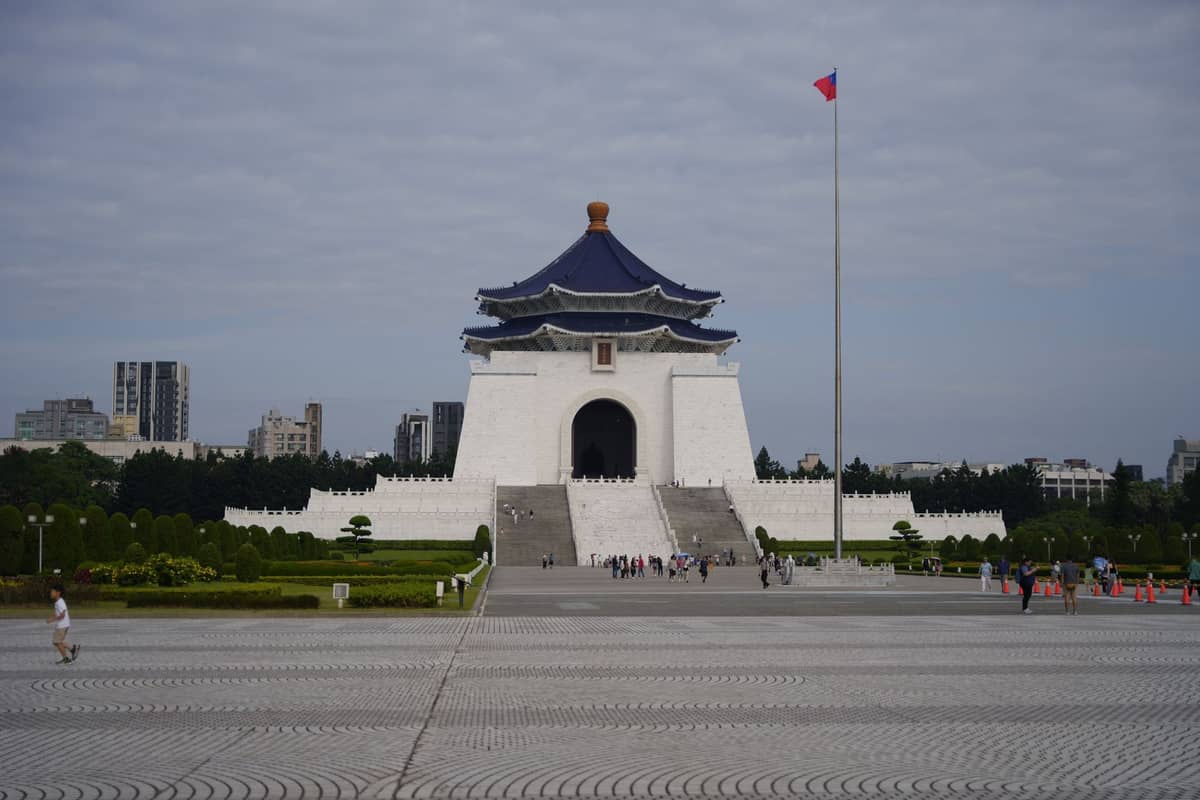
The district's centrepiece is the complex around Liberty Square, which encloses the Chiang Kai-shek Memorial Hall along with the National Theater and National Concert Hall. The scale of the grounds is genuinely impressive, and the memorial itself, with its octagonal blue-tiled roof and 89-step staircase, is among the most photographed structures in Taiwan. The surrounding plaza is large enough that it rarely feels claustrophobic even during peak tourist season.
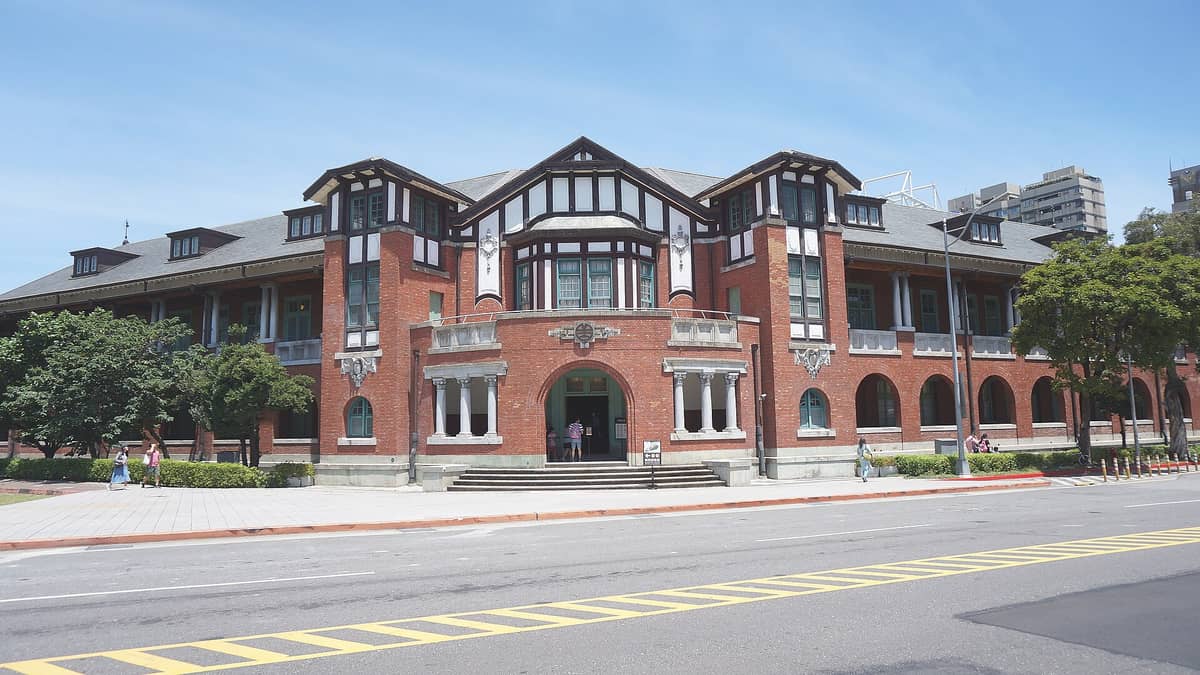
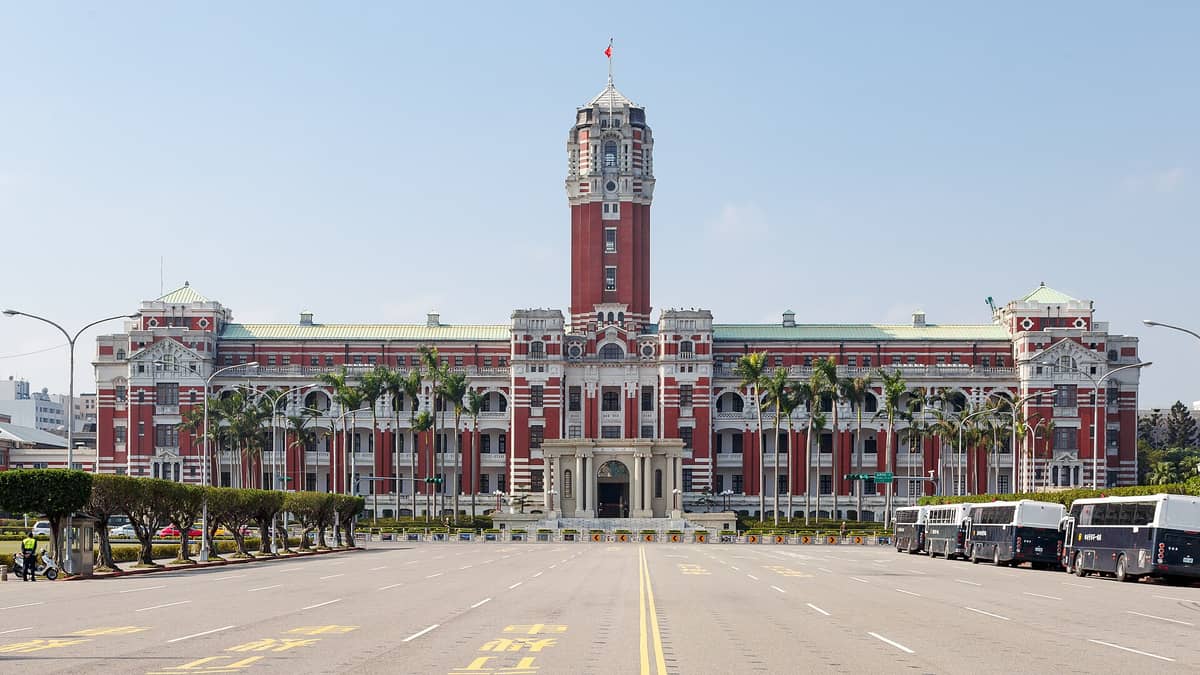
A short walk northwest along Ketagalan Boulevard brings you to the Presidential Office Building, a red-brick colonial-era structure from the Japanese period that still functions as the seat of Taiwan's presidency. The exterior can be viewed freely; the interior is open to visitors on specific days and during official events. Adjacent to it, 228 Peace Memorial Park is one of the most historically significant green spaces in Taiwan, its name commemorating the February 28, 1947 massacre that remains a defining event in Taiwan's modern history. The park itself is pleasant and well-maintained, with a museum on site that provides essential context.
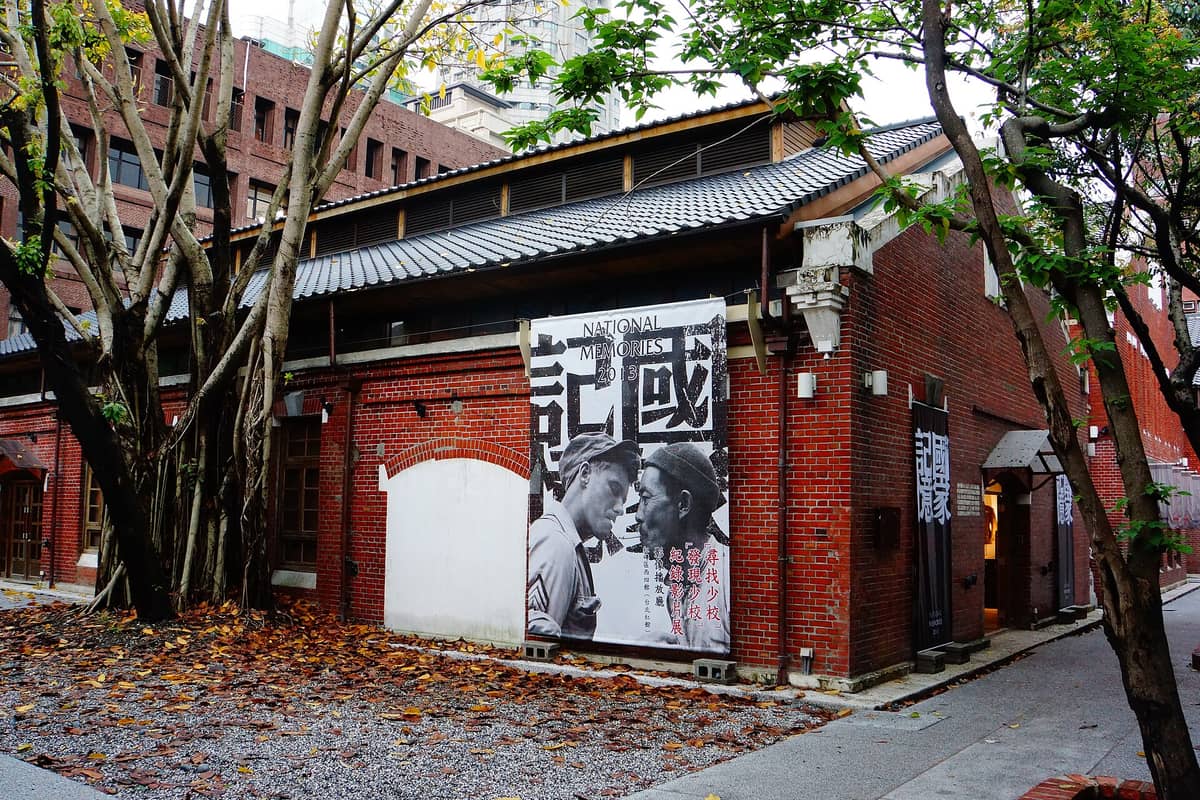
On the northeastern edge of the district, Huashan 1914 Creative Park occupies a repurposed winery complex from the Japanese colonial period. The brick warehouses and open courtyards now host galleries, independent shops, film screenings, and frequent weekend markets. It attracts a noticeably younger crowd than the ceremonial sites and is one of the more relaxed places in the district to spend a few hours.
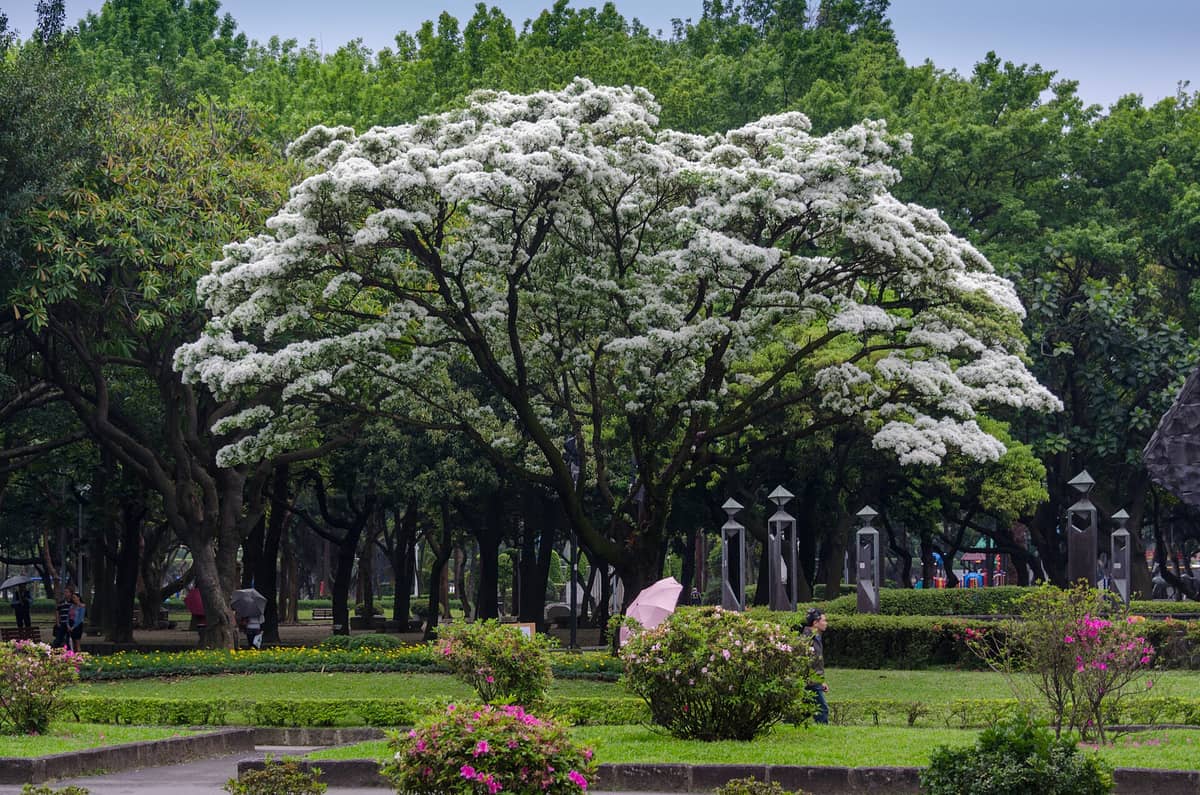
The Taipei Botanical Garden, located on Nanhai Road, is considerably less visited by tourists than the flagship sites, which makes it one of the more rewarding places to spend an hour in the district. The garden covers just over eight hectares and includes a lotus pond, a traditional Chinese architecture section, and greenhouse facilities. Mornings here are quiet enough to hear birds over the city.
Chiang Kai-shek Memorial Hall and Liberty Square: free entry, guard change on the hour (9am–5pm)
228 Peace Memorial Park: free entry, on-site museum, mature trees and walking paths
Presidential Office Building: viewable from street; limited interior access on scheduled days
Taipei Botanical Garden: free entry, best in early morning or late afternoon light
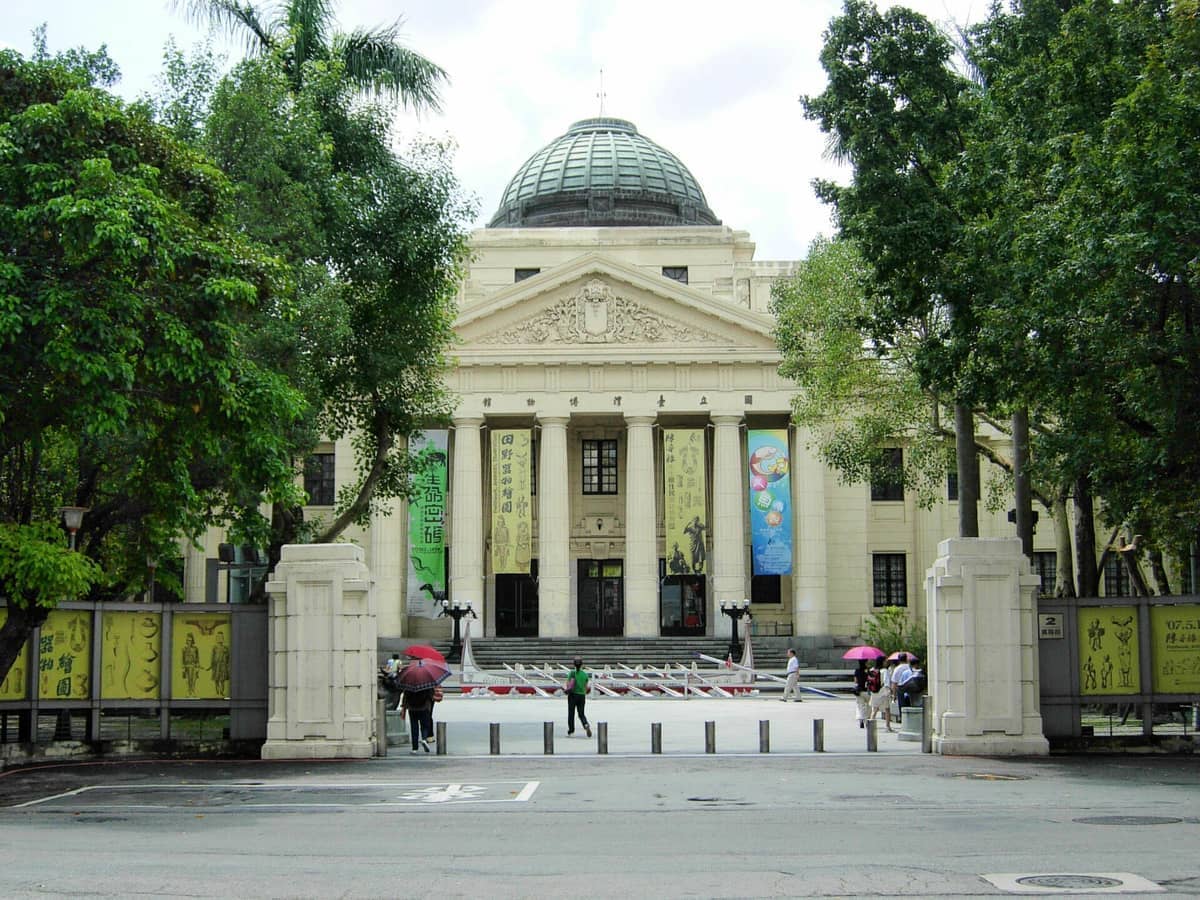
National Museum of History: adjacent to Botanical Garden; the original building is currently closed for renovation and main exhibitions have been relocated
💡 Local tip
Combine Chiang Kai-shek Memorial Hall, 228 Peace Memorial Park, and the Presidential Office Building into a single walking loop. The three sites form a rough triangle between them and can be covered on foot in under two hours without rushing.
Eating & Drinking
Zhongzheng's food scene is less concentrated than in Daan or Ximending but rewards those who look beyond the tourist-facing cafes near Liberty Square. The areas around Guting MRT station and the stretch of Roosevelt Road heading toward the Gongguan district boundary have a denser cluster of local restaurants, noodle shops, and independent cafes serving the university crowd from nearby campuses.
Around Taipei Main Station, the underground malls and surrounding blocks offer the full spectrum from fast food chains to bento shops to Taiwanese set-meal restaurants. Prices here tend to be reasonable and the selection is enormous, though the atmosphere is more utilitarian than charming. For breakfast, the blocks around Shandao Temple MRT station have traditional Taiwanese breakfast shops, the kind that open before 7am and serve you dan bing, congee, and soy milk alongside the morning commuters.
Zhongzheng is not primarily known as a night market district, though the broader Taipei night market scene has representation close by. The Ningxia Night Market in Datong District is accessible from Taipei Main Station in under fifteen minutes by foot or a short bus ride, and it skews toward traditional Taiwanese snacks rather than tourist spectacle.
The cafe culture around Huashan 1914 Creative Park is the district's most pleasant drinking option. Independent coffee shops have set up in the surrounding streets, and the park's own indoor venues include places to sit with a drink on weekend afternoons. For anything more specifically bar-like, most visitors head toward Daan or the Ximending area, both easily walkable or a single MRT stop away.
Getting There & Around
Taipei Main Station is the single most connected transit point in the city and it sits squarely in Zhongzheng District. It serves the MRT Red Line (Tamsui–Xinyi) and Blue Line (Bannan), mainline Taiwan Railways, the high-speed rail (HSR) network connecting to cities across Taiwan, and the Taoyuan Airport MRT, which connects directly to Taiwan Taoyuan International Airport roughly 40 kilometres to the west in around 35 minutes by express train. For anyone arriving in Taipei by plane and continuing by rail, the journey ends in Zhongzheng.
Within the district, key MRT stations include Taipei Main Station (R10/BL12), Shandao Temple (BL13) on the Blue Line, NTU Hospital (R09) and Chiang Kai-shek Memorial Hall (R08) on the Red Line, and Guting, which is an interchange between the Green Line and Orange Line, located on Roosevelt Road near the southern end of the district. These stations provide access to almost every part of the district within a ten-minute walk.
Walking is practical within Zhongzheng for most of its main attractions. The distance from Taipei Main Station to Liberty Square is roughly 1.2 kilometres heading south, about fifteen minutes on foot along Zhongshan South Road. Huashan 1914 Creative Park is under a kilometre from Shandao Temple MRT station. For getting to neighbouring districts, Ximending is a ten-minute walk west across Zhonghua Road, and Daan District begins immediately east of Roosevelt Road.
City buses cover the district extensively, with Gongyuan Road near Taipei Main Station serving as a major surface bus hub. YouBike, Taipei's public bicycle sharing system, has multiple docking stations throughout the district and is a convenient option for the flat terrain between sites. Taxis and Uber are readily available around Taipei Main Station at all hours.
💡 Local tip
If you are arriving from Taoyuan Airport, the Airport MRT Express service drops you directly at Taipei Main Station in around 35 minutes. From there, most Zhongzheng attractions are walkable or one MRT stop away, making this district particularly convenient as a first-night base.
Where to Stay
Zhongzheng offers one of the strongest cases for basing yourself centrally in Taipei. The area around Taipei Main Station has a dense concentration of accommodation across all price ranges, from international business hotels on the upper floors of commercial towers to budget guesthouses and hostels in the surrounding blocks. For a broader overview of options across the city, see the where to stay in Taipei guide.
The blocks immediately north and east of Taipei Main Station, toward Civic Boulevard and Zhongxiao West Road, have the highest concentration of mid-range and business hotels. This location suits transit-focused travellers: you can reach the HSR to Taichung or Kaohsiung without leaving the station building, and the MRT puts every major district within twenty minutes.
For a quieter stay within the district, the area around Guting MRT station near the southern end offers a more residential atmosphere, lower hotel density, and proximity to Roosevelt Road's cafes and local restaurants. It is slightly further from the main transport interchange but still extremely well connected. The trade-off is a neighbourhood that feels genuinely lived-in rather than transit-adjacent.
Families or travellers prioritising space and park access may find the southwestern corner near Liberty Square and the Botanical Garden a useful frame of reference when choosing accommodation, as that area is close to the district's largest open spaces. Note that hotel supply is lower here than near the Main Station cluster, so availability can be tighter.
Honest Assessment: Who Zhongzheng Is For
Zhongzheng is not the most characterful neighbourhood in Taipei. The dominance of government institutions and ceremonial space gives it a formal quality that can feel a little stiff compared to the looser energy of Dadaocheng or the late-night density of Ximending. Wide roads designed for motorcades rather than pedestrians, and occasional stretches of bland commercial development around the station, are part of the picture.
But for travellers on a short trip who want efficient access to Taipei's most historically significant sites, or who are using the city as a base for day trips around northern Taiwan, Zhongzheng's transit connectivity is genuinely hard to beat. The 3-day Taipei itinerary almost invariably passes through this district because the concentration of monuments, museums, and transport links is higher here than anywhere else in the city.
It is also worth noting that Zhongzheng's major public spaces, Liberty Square, 228 Peace Memorial Park, the Botanical Garden, and Huashan 1914, are all free to enter and represent genuinely excellent value for time. The district does not ask you to spend money to experience its best parts, which makes it particularly useful for budget-conscious travellers or those who want a lower-pressure day between heavier itineraries.
TL;DR
Zhongzheng is Taipei's administrative and transit core, home to the Presidential Office, Chiang Kai-shek Memorial Hall, Liberty Square, and Taipei Main Station, the city's single most connected transport hub.
Best for: first-time visitors who want proximity to major landmarks, travellers arriving or departing by HSR or Taoyuan Airport MRT, and anyone combining a Taipei city visit with day trips across northern Taiwan.
The atmosphere skews formal and civic rather than neighbourhood-intimate; the streets around Taipei Main Station are busy and commercial, but quieter pockets exist near Guting and the Botanical Garden.
Most major attractions are free to enter and walkable from one another, making this one of the most accessible districts in the city for a half-day or full-day itinerary on a budget.
Not ideal for travellers primarily seeking nightlife, high-density street food scenes, or a distinctly local residential character; neighbouring Daan, Ximending, or Wanhua serve those needs better.
Taipei's humid subtropical climate means the difference between a miserable typhoon-soaked August and a crisp, sunny November can be dramatic. This guide breaks down every month's weather, crowd levels, and key events so you can pick the ideal window for your trip.
Taipei sits within easy reach of mountains, coastlines, hot spring valleys, and historic mining towns. These are the day trips that reward the effort, whether you have a few hours or a full day to spare.
Taipei is one of Asia's most budget-friendly capitals, with an impressive number of world-class attractions that are completely free. From grand ceremonial plazas and centuries-old temples to volcanic national parks and lively night markets, here's how to see the best of Taipei without spending a cent on entry fees.
Taipei has one of the most efficient urban transport networks in Asia. This guide covers everything you need to navigate the city confidently: the MRT system, city buses, Taoyuan Airport connections, EasyCard setup, and the common mistakes that trip up first-time visitors.
Taipei is served by two airports with very different roles. Taiwan Taoyuan International Airport handles nearly all international traffic, while Taipei Songshan Airport serves domestic and select regional routes. This guide breaks down every transport option, with fares, journey times, and clear guidance on which route suits your trip.
Taipei is a strong remote-work base: fast fiber internet, coworking spaces at every budget, a world-class food scene, and a cost of living that still undercuts Tokyo or Singapore. This guide covers what you need to know before you land.
Taipei's food culture runs deep, from neighborhood beef noodle shops and temple-front snack stalls to dumpling houses with decades of history. This guide covers the essential dishes to try, where to find them, what to pay, and how to navigate the city's famous night markets without the rookie mistakes.
Taipei is one of Asia's most walkable cities, and its hiking scene is just as impressive as its food and temples. From quick city-fringe scrambles with skyline payoffs to full-day volcanic summit routes, these are the best trails in and around Taipei, organized by type and difficulty.
Taipei is one of Asia's great hot spring cities, with soaking options ranging from NT$60 public baths to hillside resort ryokans. This guide covers the best hot spring areas, scenic hikes through volcanic terrain, and nearby attractions to round out a full day trip.
Spring in Taipei runs from February through April and delivers cherry blossoms, flower festivals, and some of the most comfortable weather of the year. This guide breaks down exactly when things bloom, which events are worth your time, and what practical realities to plan around.
Taipei's winter is cooler and damper than most visitors expect, but rarely cold enough to slow you down. This guide covers month-by-month weather, what to wear, the best seasonal activities, Lunar New Year logistics, and straightforward notes on crowds and costs.
Three days is enough time to get a genuine feel for Taipei — its historic temples, modern skyline, legendary food scene, and surprisingly accessible nature. This itinerary is structured by neighborhood logic, not wishful thinking, so you spend less time commuting and more time eating.
Everything you need to plan a DIY day trip from Taipei to Jiufen Old Street, Jinguashi's Gold Museum, and the dramatic Gold Coast. Covers transport routes, fares, opening hours, seasonal conditions, and a realistic itinerary to get the most out of your Taiwan trip.
The Taipei Lantern Festival, the Pingxi Sky Lantern Festival, and daily lantern releases at Shifen are three separate events that confuse even experienced Taiwan travelers. This guide breaks down the differences, dates, logistics, and crowd realities so you can plan the right experience for your trip.
Taipei is a serious museum city. From one of the world's great repositories of Chinese art to intimate colonial-era buildings turned into creative spaces, these are the best museums in Taipei across history, art, science, and culture.
Taipei's night markets are the city's social and culinary heartbeat. This guide covers the best markets for food, atmosphere, and local culture, from the city's largest to its most intimate neighborhood spots.
Taipei after dark offers far more than club music and cocktails. From steaming night market stalls to underground DJ sets and rooftop bars with views of Taipei 101, this guide covers every layer of the city's after-hours scene — with specific districts, realistic timing, and a frank take on what's worth your night.
The Taipei north coast loop — Yehliu Geopark, Shifen on the Pingxi Line, and Keelung's Miaokou Night Market — is one of Taiwan's most rewarding full-day excursions. This guide covers transport logistics, admission prices, realistic timing, and what to skip.
Taipei is one of Asia's most wallet-friendly capitals, but only if you know where the savings actually are. This guide breaks down transport passes, free attractions, budget eats, and the seasonal pricing patterns that most travelers miss.
Seven days is enough time to see Taipei's historic core, explore its best neighborhoods, take a day trip or two, and still slow down enough to actually enjoy it. This itinerary is built around the MRT, real opening hours, and clear priorities — not a checklist of every attraction in the city.
For a dense capital, Taipei keeps a surprising amount of green space within easy reach: volcanic national parks, botanical gardens, and 112 kilometers of riverside cycling trails. This guide covers the best parks and outdoor spaces for every pace.
Taipei Pride draws over 150,000 people to the streets of Taipei, Taiwan every October, making it the largest LGBTQ+ pride event in Asia. This guide covers everything: parade dates, routes, costs, accommodation tips, and how to make the most of the full weekend.
Taipei consistently ranks among the safest major cities in Asia, with major Western governments advising only normal precautions. That said, scams, weather risks, and a few specific situations are worth knowing about before you arrive. This guide covers everything honestly.
Taipei rewards shoppers at every budget, from street-food stalls and vintage clothing lanes to flagship department stores stacked around Taipei 101. This guide breaks down where to shop, when to go, and what's actually worth your time.
Taipei sits at the heart of one of the world's great tea cultures. This guide covers everything from riding the Maokong Gondola to the hilltop teahouses of Wenshan District, the correct gongfu cha brewing ritual, and where to find Taiwan's finest Tieguanyin and Baozhong oolong. Practical, specific, and free of fluff.
Taipei's temple culture runs deep. This guide covers the city's most rewarding temples, from the incense-thick halls of Longshan to the serene courtyards of the Confucius Temple, with practical advice on when to go and how to get there.
Taipei rewards those who look up and climb high. From the world-famous observatory at Taipei 101 to free sunset hikes on Elephant Mountain, this guide covers every angle of the city's skyline, from polished paid decks to wild volcanic summits.
Taipei rewards walkers more than almost any other Asian capital. This guide breaks down the best self-guided walking routes by district, with realistic distances, timing advice, where to pick up free maps, and frank notes on what to skip.
Two days in Taipei is enough to see the city's iconic skyline, explore its best temples and night markets, and eat very well. This guide lays out a practical, district-by-district itinerary with real logistics, current prices, and frank notes on what's worth your limited time.
Taipei is one of Asia's most underrated family destinations. Affordable attractions, an easy metro system, and a culture that genuinely welcomes children make it a smooth trip for families of all ages. This guide covers the best things to do in Taipei with kids, with current pricing, practical logistics, and seasonal advice built in.
Taipei packs an extraordinary range of experiences into 271 km²: world-class museums, mountain hikes accessible by MRT, some of Asia's best street food, and century-old temples sitting next to glass skyscrapers. This guide cuts through the noise with specific prices, clear assessments, and practical logistics so you can spend less time planning and more time exploring.
Choosing where to stay in Taipei shapes your entire trip. This guide breaks down the city's key neighborhoods by budget, vibe, and MRT access, with candid trade-offs for every type of traveler.