3 Days in Taipei: The Perfect Itinerary
Three days is enough time to get a genuine feel for Taipei — its historic temples, modern skyline, legendary food scene, and surprisingly accessible nature. This itinerary is structured by neighborhood logic, not wishful thinking, so you spend less time commuting and more time eating.
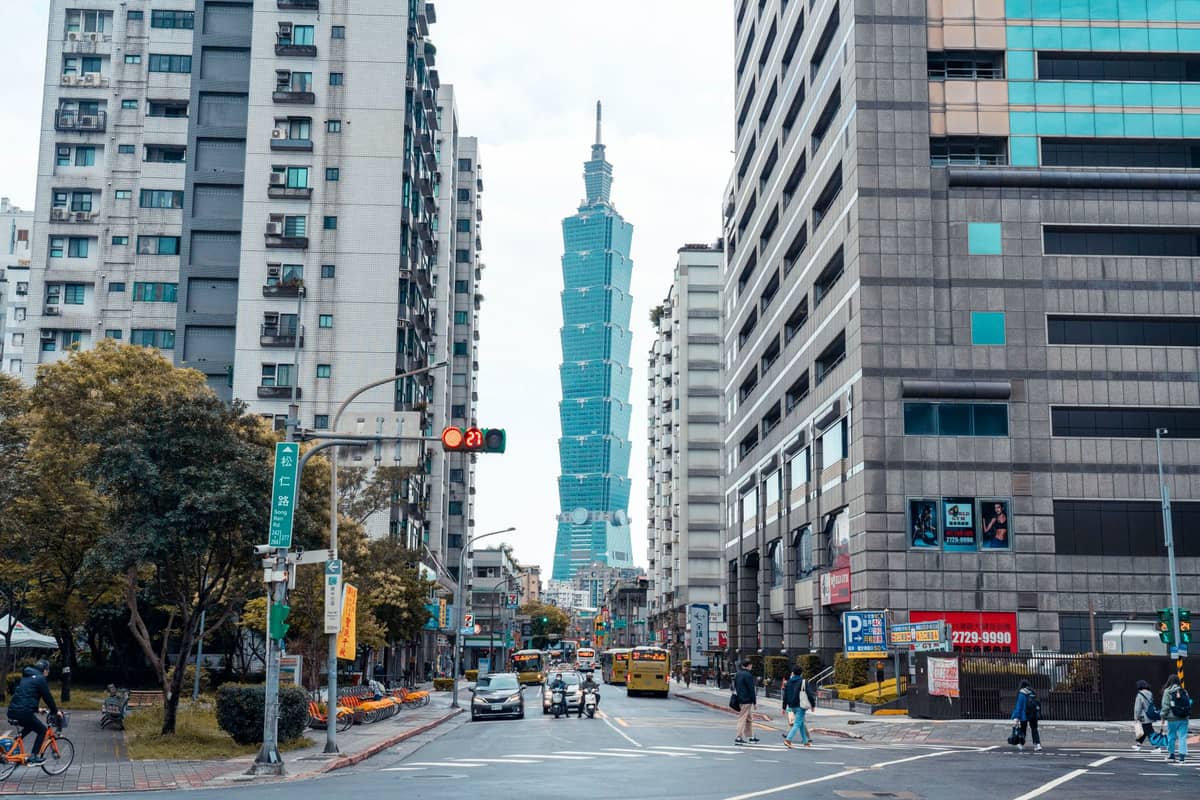
TL;DR
- Three days in Taipei covers the core: old city history, modern Xinyi district, night markets, and at least one half-day escape to nature or hot springs.
- The Taipei MRT connects every major sight — get an EasyCard on arrival and check fares via the Taipei transit guide before you go.
- Taipei 101 observatory tickets run around NT$600 (≈US$19) — book online to skip queues and consider an evening slot for the city lights.
- October to April is the best window for a 3-day trip; summer brings heat, humidity, and typhoon risk. See the full breakdown in the best time to visit Taipei guide.
- Tipping is not expected anywhere in Taipei. Prices are in New Taiwan Dollar (TWD/NT$). Electricity is 110V, Type A/B plugs.
Before You Arrive: Logistics That Shape Your Itinerary
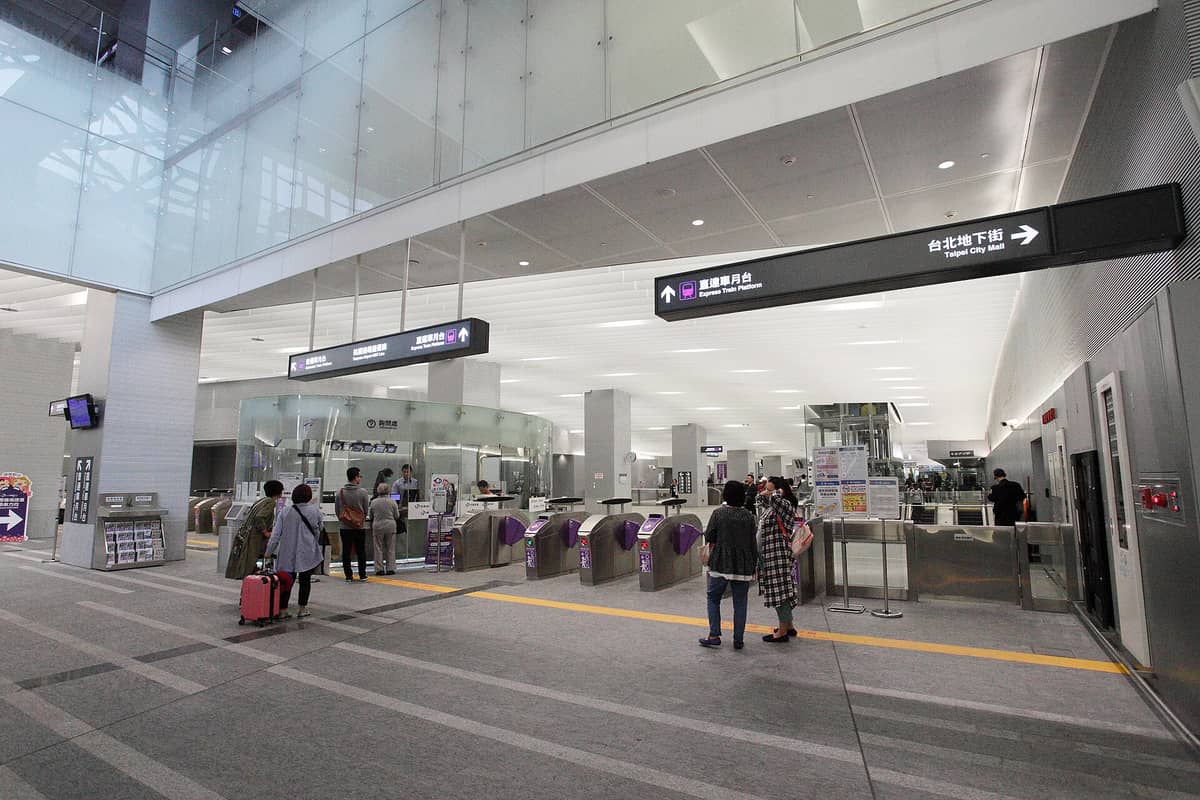
Most international visitors land at Taiwan Taoyuan International Airport (TPE), about 40 km west of central Taipei. The Airport MRT (Taoyuan Airport MRT) runs directly to Taipei Main Station in around 35-40 minutes and is by far the fastest, cheapest, and most reliable option. Grab an EasyCard at any MRT station on arrival — it works on the metro, city buses, and even some convenience stores.
Where you stay shapes how efficiently you use three days. The Zhongzheng, Daan, and Zhongshan districts sit at the geographic and transit center of the city, putting most sights within two to three MRT stops. Xinyi (near Taipei 101) is sleek and convenient but pricier. Budget travelers often find better value in Zhongzheng or around Ximen Station, which is walkable to the oldest parts of the city.
💡 Local tip
Pick up your EasyCard at Taoyuan Airport MRT's Taipei Main Station exit on arrival. Load NT$500 to start — it covers most of Day 1 on transit. The card also works at 7-Eleven and FamilyMart, which will become your best friends in Taipei.
Day 1: Old City Soul — Wanhua, Ximending, and the Historic Core
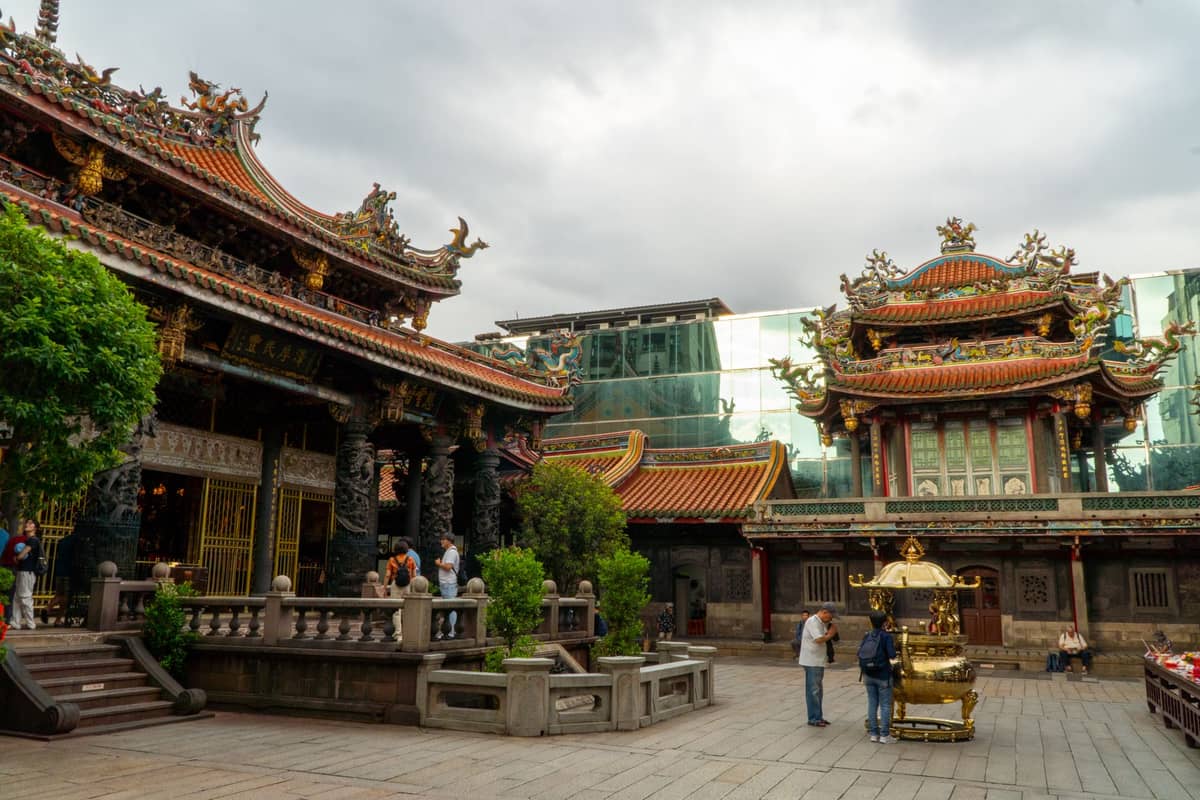
Start where Taipei started. Wanhua District is the oldest part of the city and the best place to understand what Taipei looked like before the glass towers arrived. The anchor is Longshan Temple, a working Qing-dynasty temple that draws both devoted worshippers and curious visitors. Arrive before 9am if you want relative quiet — by mid-morning tour groups fill the courtyard. There's no entry fee.
From Longshan Temple, walk ten minutes to Bopiliao Historic Block, a preserved 19th-century street that survived Taipei's relentless redevelopment. It's often quiet on weekday mornings and feels genuinely different from the rest of the city. Afterward, cut north through Ximending — Taipei's youth fashion and street food district. It's worth walking through for the atmosphere and a cheap lunch, though the shopping is aimed at teenagers.
Spend the afternoon at Chiang Kai-shek Memorial Hall and the surrounding Liberty Square. The plaza is one of the largest public spaces in Asia and the architecture is genuinely impressive in person. The changing of the guard now happens outdoors on Democracy Boulevard on the hour (cancelled in rain) — worth timing your visit around it. Admission to the main grounds is free.
End Day 1 at a night market. The Ningxia Night Market is smaller and more local-feeling than Shilin, with exceptional Taiwanese classics like oyster vermicelli, braised pork rice, and taro balls. If you prefer something with more scale and variety, the Raohe Street Night Market in Songshan is also excellent and easy to reach by MRT.
Day 2: Modern Taipei — Xinyi, Daan, and Taipei 101
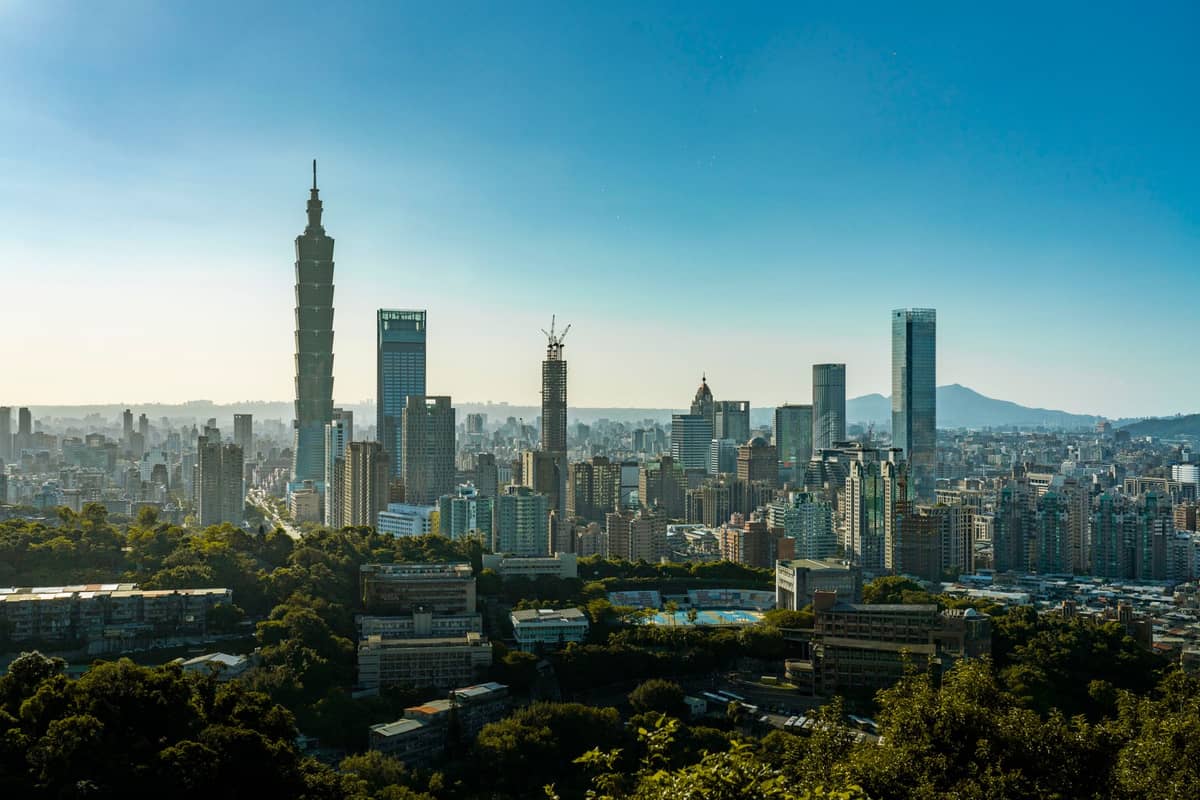
Day 2 shifts to the contemporary city. Start at Taipei 101 when it opens, ideally by 10am before tour groups arrive. The indoor observatory covers floors 88 to 91 and the view on a clear day stretches across the entire Taipei Basin to the surrounding mountains. Standard adult tickets run around NT$600 (approximately US$18-19) — book online through the official observatory site or a licensed platform like GoTourism Taiwan to avoid the walk-up queue, which can run 30-45 minutes on weekends. The observatory is open daily until around 21:00-22:00, with last admission 60-75 minutes before closing, so an evening slot for city lights is a genuine alternative.
- Standard Observatory (Floors 88-91) Around NT$600 for adults, NT$540 for students. Covers the main indoor and outdoor decks with 360-degree views.
- Skyline 460 Outdoor Deck Around NT$980 bundled with standard entry. Open-air Skyline 460 experience on floor 101 — note age and health restrictions apply.
- 101F Private Experience Around NT$3,000+. Requires advance reservation. Worth it only for special occasions.
- Evening vs. Daytime Daytime gives mountain views; evening gives city light panoramas. Both are valid — book the slot that fits your schedule.
After Taipei 101, walk or take the MRT one stop to Sun Yat-sen Memorial Hall for its architecture and the large public plaza used by locals for morning exercise, rollerblading, and weekend events. It's a good place to observe everyday Taipei life rather than tourist Taipei.
Spend the afternoon in Daan District. Yongkang Street is the neighborhood food street most worth knowing — dense with dumpling shops, tea houses, bubble tea originators, and small restaurants operating for decades. Daan Forest Park is a ten-minute walk away and functions as the city's lungs — locals picnic, cycle, and run the trails around the small lake. It's an underrated afternoon stop that costs nothing.
⚠️ What to skip
Shilin Night Market gets enormous crowds on Friday and Saturday evenings — expect tight lanes, long waits for the most famous stalls, and inflated prices at some vendors. For a first visit, Ningxia or Raohe are more comfortable and the food quality is comparable. If you do go to Shilin, arrive before 7pm or after 9:30pm to avoid peak congestion.
Day 3: Outside the City Grid — Temples, Hot Springs, or a Half-Day Escape
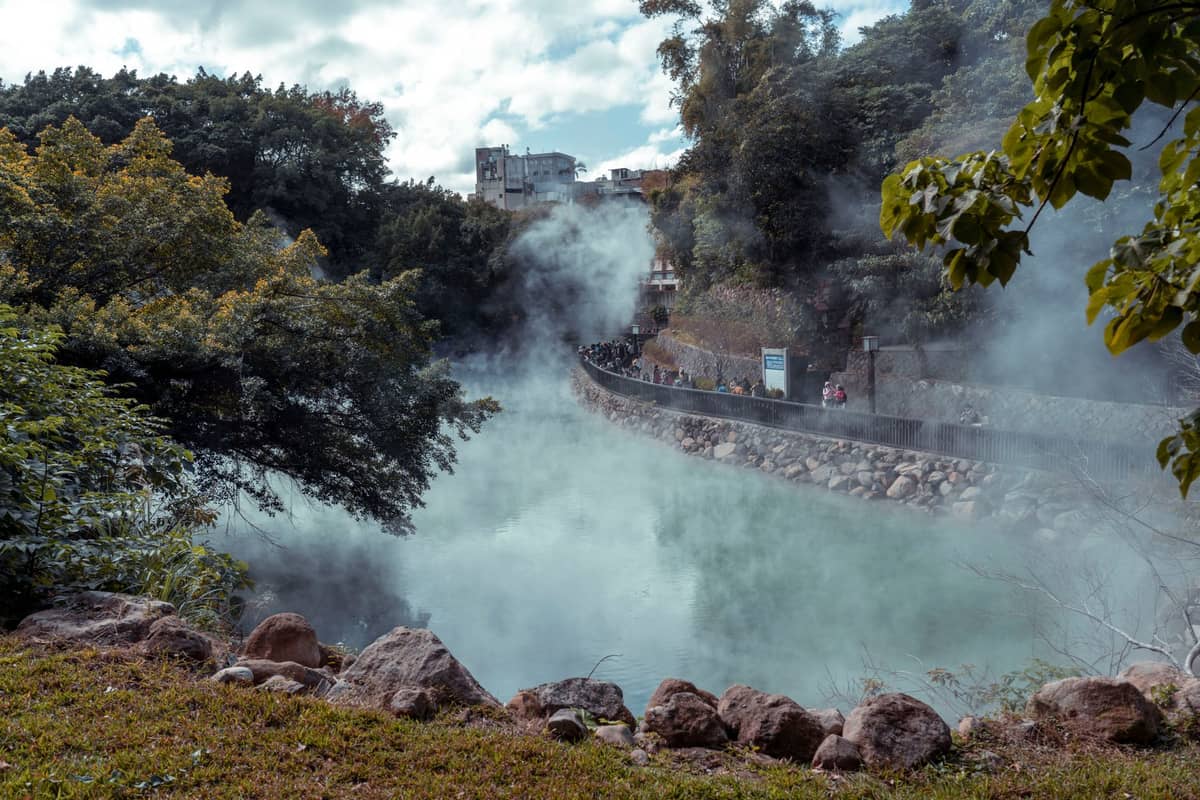
Day 3 is where itineraries diverge based on what you actually want. Three strong options: go north to Beitou for hot springs, go northeast to the Shilin cluster for museums and culture, or catch an early train to Jiufen for the hill town scenery. All three are doable in a half-day, leaving the afternoon free for anything you missed.
- Beitou Hot Springs (Best for Relaxation) Take the MRT Red Line to Xinbeitou Station — about 40 minutes from central Taipei. The Xinbeitou Hot Spring area has public baths from around NT$100-200 and private pools at mid-range hotels. The Beitou Hot Spring Museum (free entry) gives context on the area's Japanese-era history before you soak.
- Shilin District Culture Cluster (Best for Museum Lovers) The National Palace Museum holds one of the world's largest collections of Chinese imperial artifacts — budget at least 2-3 hours. Combine with a visit to the nearby Shung Ye Museum of Formosan Aborigines for indigenous Taiwanese context. Both are on the same road and connected by shuttle.
- Jiufen Day Trip (Best for Scenery) The old hillside town northeast of Taipei takes about 1 hour by bus from Zhongxiao Fuxing MRT Station. Jiufen Old Street is genuinely atmospheric but also genuinely crowded on weekends. Go on a weekday if possible, and arrive before noon.
If none of those appeals, consider spending the morning at Yangmingshan National Park — volcanic terrain, hiking trails of varying difficulty, and hot spring facilities all within 45 minutes of central Taipei by bus. The Taipei hiking guide covers the best trail options with difficulty ratings and transport details.
For a final evening in the city, the area around Dadaocheng and Dihua Street rewards a slow walk. This is Taipei's oldest commercial district, with Qing-dynasty shophouses now occupied by tea merchants, traditional medicine sellers, and a growing number of design studios and craft cocktail bars. The atmosphere after dark is genuinely different from the neon-lit districts elsewhere in the city.
✨ Pro tip
Taipei's convenience stores (7-Eleven, FamilyMart, Hi-Life) are genuinely useful travel tools — not just snack stops. You can top up your EasyCard, print documents, buy event tickets, and get competent hot meals at any hour. Keep one in mind for early mornings before sights open.
Practical Taipei: What to Know Before You Go
The official language is Mandarin Chinese, and Taiwanese Hokkien is widely spoken in older neighborhoods and markets. English signage covers the MRT system comprehensively, and most tourist-facing staff in hotels and major attractions have functional English. Outside of those contexts, Google Translate's camera function handles menus and street signs reasonably well.
Tipping is not customary in Taiwan — not in restaurants, not in taxis, not at hotels. Leave the calculation anxiety at home. Electricity runs at 110V on Type A and B plugs (same as the US), so North American visitors need no adapters. European and Australian travelers need a plug adapter but not a voltage converter for most modern devices. For more on day-to-day practicalities, the Taipei safety tips guide covers common concerns including transport, food, and neighborhood awareness.
- Best season: October to April, with October-November and March-April being the most comfortable windows for walking-heavy itineraries.
- Currency: New Taiwan Dollar (TWD/NT$). ATMs are everywhere, including inside 7-Eleven stores.
- Emergency numbers: 110 for police, 119 for fire and ambulance.
- MRT hours: roughly 06:00 to 24:00 daily, with exact last-train times varying by line and station.
- Visa: Taiwan offers visa-free entry for many nationalities, but eligibility changes — verify with Taiwan's Bureau of Consular Affairs before travel.
- Dress code: casual throughout the city; cover shoulders and knees for temple visits.
How to Adjust This Itinerary for Your Travel Style
Three days is a solid foundation but not a formula. Travelers focused on food should restructure around meal times and market visits rather than sights — the Taipei food guide maps the city's best eating neighborhoods and specific dishes worth tracking down. Budget travelers will find that most of the city's best experiences — temples, parks, street markets, viewpoints — are free or cost under NT$200.
If you have a fourth day, the best additions are a full day in the Tamsui area (waterfront promenade, old fort, seafood), or a trip out to Pingxi for sky lanterns and the narrow valley railway. Both are covered in the day trips from Taipei guide. For a longer stay, the one-week Taipei itinerary builds on this three-day base with district deep-dives and less-visited neighborhoods.
FAQ
Is 3 days enough time to see Taipei?
Three days covers the essential Taipei experience well — major temples, the Xinyi skyline, a night market or two, and one half-day excursion. What it doesn't cover is the slower pleasures: exploring individual neighborhoods on foot, trying regional cuisines across multiple meals, or making it to outlying areas like Tamsui or Pingxi. If your priority is depth over breadth, three focused days beats three rushed days every time.
What is the best way to get around Taipei in 3 days?
The Taipei MRT is the right choice for almost all inter-district travel. Get an EasyCard on arrival and use it for the metro and buses throughout your stay. Taxis and Uber are useful for late-night returns from night markets or trips to areas not well-served by MRT (like some parts of Beitou or Yangmingshan). Walking between nearby sights within the same neighborhood is often faster than waiting for a bus.
How much does 3 days in Taipei cost?
Taipei is one of the most affordable major cities in East Asia. A realistic daily budget for a mid-range traveler is NT$2,000-4,000 (around US$60-120), covering accommodation in a decent hotel, three meals, MRT transit, and entry fees. Budget travelers staying in hostels and eating street food can get by on NT$1,000-1,500 per day. The main splurge items are Taipei 101 (NT$600), the National Palace Museum (around NT$350 for standard entry), and any hot spring hotel packages.
What should I skip in Taipei on a short trip?
Shilin Night Market is overrated for the effort on weekends — long queues, tourist pricing, and the same vendors you'll find at smaller markets without the crowds. The Maokong Gondola is scenic but time-consuming for a 3-day trip unless tea culture is a specific interest. Elephant Mountain is worth it for the view but requires decent footwear; don't attempt it in sandals after rain.
What time of year is best for a 3-day trip to Taipei?
October and November are the sweet spot: temperatures drop to the mid-20s Celsius, rainfall decreases, and the humidity that makes summer miserable fades. March and April are the second-best window, with pleasant temperatures and cherry blossoms in Yangmingshan. Avoid July and August if outdoor activity is a priority — heat above 35°C, high humidity, and typhoon season make scheduling unpredictable.