Best Time to Visit Taipei: A Month-by-Month Guide to Weather, Crowds & Festivals
Taipei's humid subtropical climate means the difference between a miserable typhoon-soaked August and a crisp, sunny November can be dramatic. This guide breaks down every month's weather, crowd levels, and key events so you can pick the ideal window for your trip.
TL;DR
- The best time to visit Taipei is October to April, when temperatures are comfortable and rainfall is lower. November and March are the sweet spots.
- Avoid June through September if you dislike heat, humidity, and typhoon risk — rainfall peaks in September at around 360 mm for the month.
- Winter (December to February) is mild but damp; expect highs in the high teens °C and persistent grey skies, not cold snaps.
- The Taipei Lantern Festival (January or February, tied to the lunar calendar) and Chinese New Year are the two biggest crowd events — book accommodation months ahead.
- See our 3-day Taipei itinerary to plan what to do once you've chosen your dates.
Taipei's Climate at a Glance
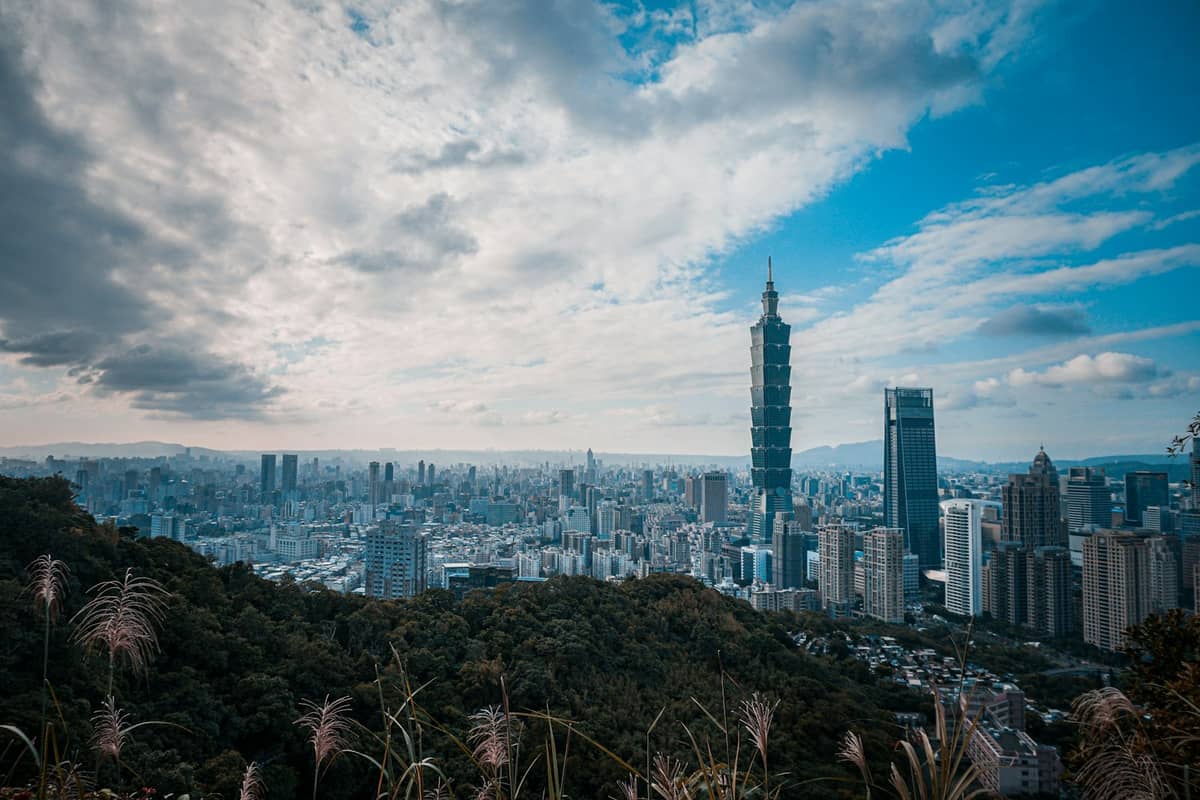
Taipei sits in a basin at roughly 25°N latitude, which gives it a humid subtropical climate with four distinct but unequal seasons. The city's annual average temperature hovers around 23°C, but that single number masks a wide swing: January averages a high of around 19°C and a low near 13°C, while July peaks at about 33°C with overnight lows around 26°C. The basin geography traps heat and humidity in summer, making the perceived temperature feel significantly higher than the thermometer suggests.
Rainfall is the other major variable. The wettest period runs from late spring through early autumn, with September typically recording the highest monthly total at around 330–360 mm. December is one of the driest months at roughly 70–75 mm, though 'dry' in Taipei still means overcast skies and intermittent drizzle rather than clear blue days. Sunshine is strongest in summer, even though those months also carry the highest typhoon risk and frequent afternoon thunderstorms.
ℹ️ Good to know
Taipei's humidity is the detail most visitors underestimate. A 28°C day in October feels pleasant; a 28°C day in July with 80–90% humidity feels exhausting. Factor in humidity, not just temperature, when comparing months.
Season-by-Season Breakdown
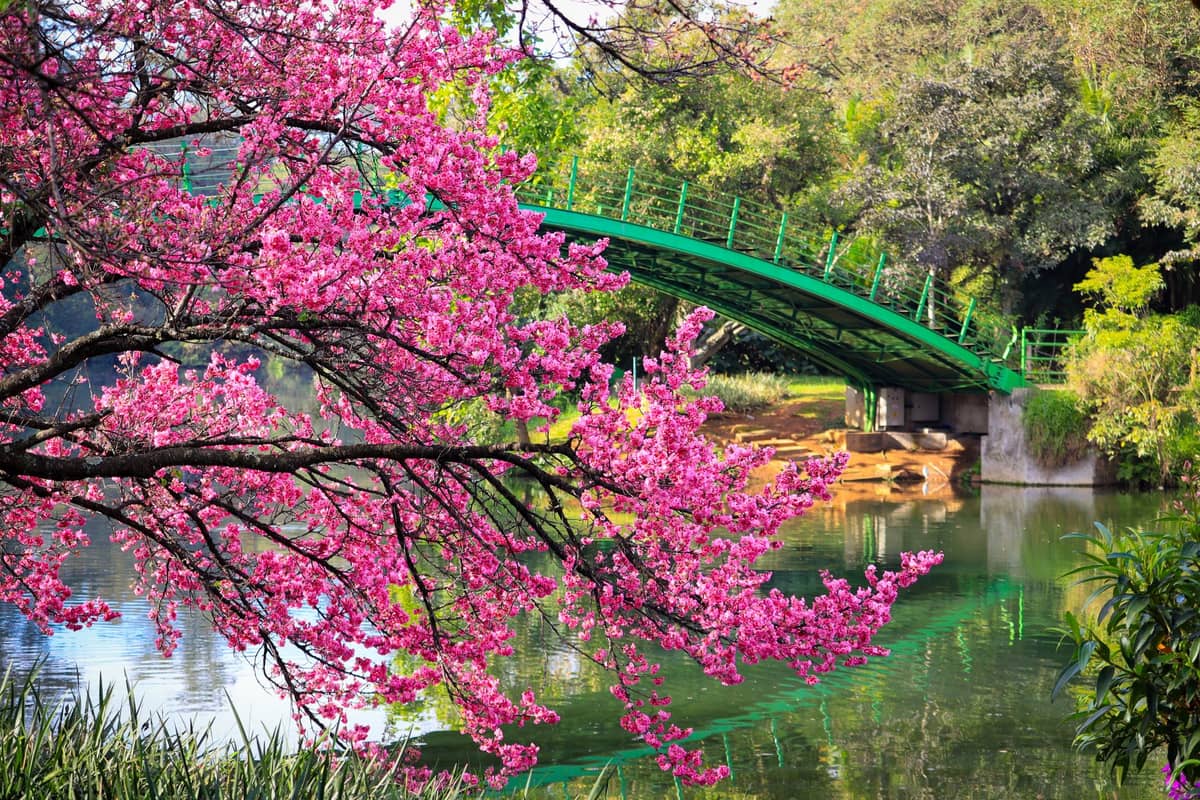
Spring (March to May) is one of the two recommended travel windows. Temperatures climb gradually from highs around 20°C in March to roughly 27°C by May. Rain increases through the season, but March and April tend to offer manageable precipitation alongside cherry blossoms at Yangmingshan National Park, which typically peak in late February through March. Crowds are moderate, and hotel rates sit below peak levels.
Summer (June to August) is Taipei at its most intense. Daily highs regularly reach 32–34°C with oppressive humidity, and afternoon thunderstorms are routine. Typhoons are a genuine risk from July onwards, with August and September being statistically the most active months. That said, if you're willing to embrace the heat, summer has its advantages: night markets like Shilin Night Market are at their liveliest, and indoor attractions like the National Palace Museum offer welcome air-conditioned relief. Just build typhoon contingency into your plans.
Autumn (September to November) is the other top-tier travel window, though September barely qualifies. September still averages around 31°C with the highest monthly rainfall of the year — it's effectively the tail end of summer. October is a step change: rain drops sharply, temperatures settle into the mid-to-high 20s °C, and the humidity becomes comfortable rather than punishing. November is arguably the single best month to visit Taipei, combining low rainfall, pleasant temperatures (highs around 23–25°C), and smaller crowds than the Lunar New Year peak.
Winter (December to February) is mild by most standards but persistently damp. Expect highs in the high teens and lows in the low-to-mid teens °C, with frequent overcast days and light rain. It rarely feels truly cold, but the humidity means a 15°C Taipei day can feel colder than a dry 10°C day elsewhere. This is actually excellent season for Taipei's hot springs in Beitou and Wulai, where soaking outdoors in cool air is genuinely enjoyable. Budget travellers will find this the cheapest period outside of Chinese New Year week.
Month-by-Month Quick Reference
- January Cool and damp. Highs ~19°C, lows ~13°C. Lunar New Year falls here or in February — huge crowds if it does. Book well ahead.
- February Still cool. Lantern Festival is the headline event. Cherry blossoms begin to appear late in the month at higher elevations.
- March Warming up, lower rain than later spring. Cherry blossom season peaks at Yangmingshan. One of the best months overall.
- April Comfortable temperatures (highs ~23–24°C), increasing rain. Good balance of weather and manageable crowds.
- May Monsoon season begins. Rain picks up significantly. Warm (highs ~27°C) but humid. Fine for shorter trips if you pack an umbrella.
- June Hot, humid, and rainy. Typhoon season begins. Not recommended unless you have no flexibility.
- July Peak heat: highs ~34°C, lows ~26°C. Most sunshine hours but also afternoon storms and peak typhoon risk. Indoor activities only strategy required.
- August Similar to July. Statistically among the highest months for typhoon activity. Plan with flexibility.
- September Highest rainfall of the year (~360 mm). Still hot. Avoid if possible — it combines summer heat with autumn rain.
- October The transition month. Rapid improvement from mid-month onwards. Good for the second half; unpredictable in the first.
- November Best overall month. Low rain, comfortable temperatures (~23–25°C highs), minimal crowds. Book this if you can.
- December Dry by Taipei standards (70–75 mm). Cool and quiet. Good value except around Christmas when some international tourists arrive.
Festivals and Events That Affect Your Trip
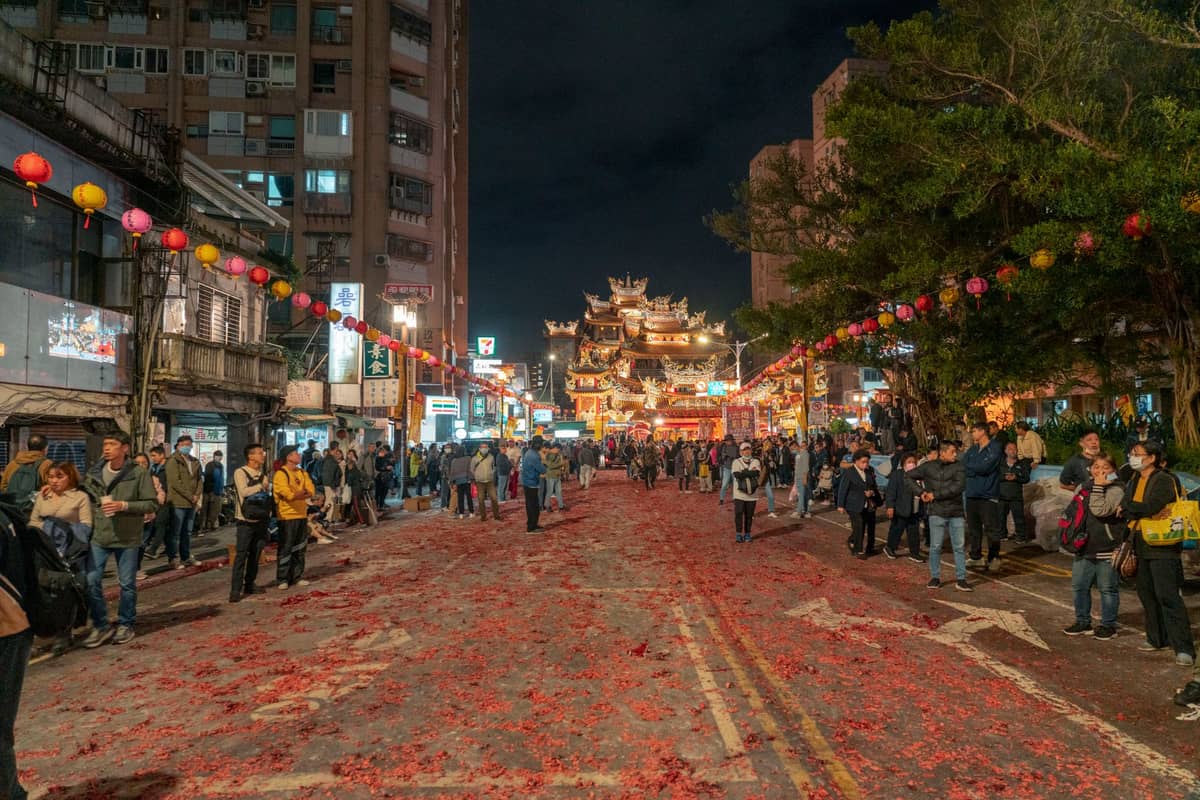
Two events in the January–February window demand advance planning. Chinese New Year (dates shift annually based on the lunar calendar, typically late January or early February) shuts down a significant proportion of restaurants and shops for several days as locals travel home. It's simultaneously a fascinating time to witness the city transform and a frustrating time to try to eat out. The Taipei Lantern Festival follows after Lunar New Year and draws large crowds to public spaces across the city.
Beyond the new year period, Taipei's calendar includes events like the Dragon Boat Festival in June, Ghost Month in August (when some locals avoid travel), and various temple festivals throughout the year in historic areas like Wanhua and Dadaocheng. Check the Taiwan Tourism Bureau's calendar for exact dates each year, as lunar-calendar events shift by several weeks between years.
⚠️ What to skip
During Chinese New Year, many independent restaurants, small shops, and local businesses close entirely. Accommodation prices spike sharply and availability drops. If you're visiting in late January or early February, verify your hotel and check whether your planned restaurants will be open.
Typhoons: What Visitors Actually Need to Know
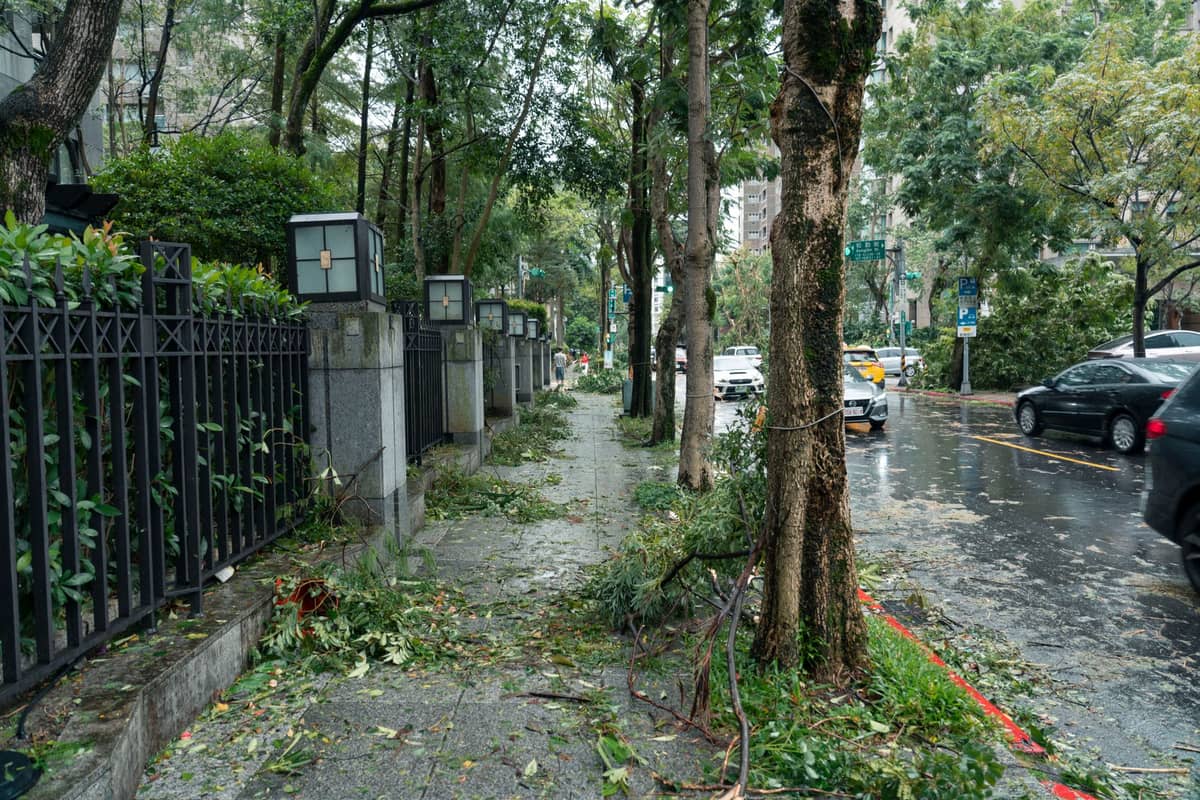
Typhoon season runs through the summer and early autumn, with the peak risk concentrated in August and September. On average, Taiwan is affected by several typhoons per year, though not all make direct landfall — many pass offshore but still bring heavy rain and wind to Taipei. When a typhoon warning is issued, the Taipei City Government typically announces official suspension of work and school (a 'typhoon day'), and many businesses, transport links, and attractions may close. Flights are cancelled or delayed.
For visitors, the practical advice is straightforward: travel insurance that covers typhoon disruption is non-negotiable if you visit between July and September. Build at least one extra day of buffer into your itinerary. Monitor the Central Weather Administration (Taiwan's official meteorological agency) from about 72 hours before any potential storm. Most typhoons give enough warning that you can adjust plans; the scenarios that cause real problems are visitors with fixed-date flights and zero flexibility.
✨ Pro tip
If a typhoon hits while you're in Taipei, treat it as a temple-and-museum day. Many larger indoor attractions remain open during mild warnings, and you'll have them nearly to yourself. Stock up on convenience store supplies the day before — 7-Eleven and FamilyMart usually operate around the clock and stay open through most warnings.
Practical Planning by Travel Style
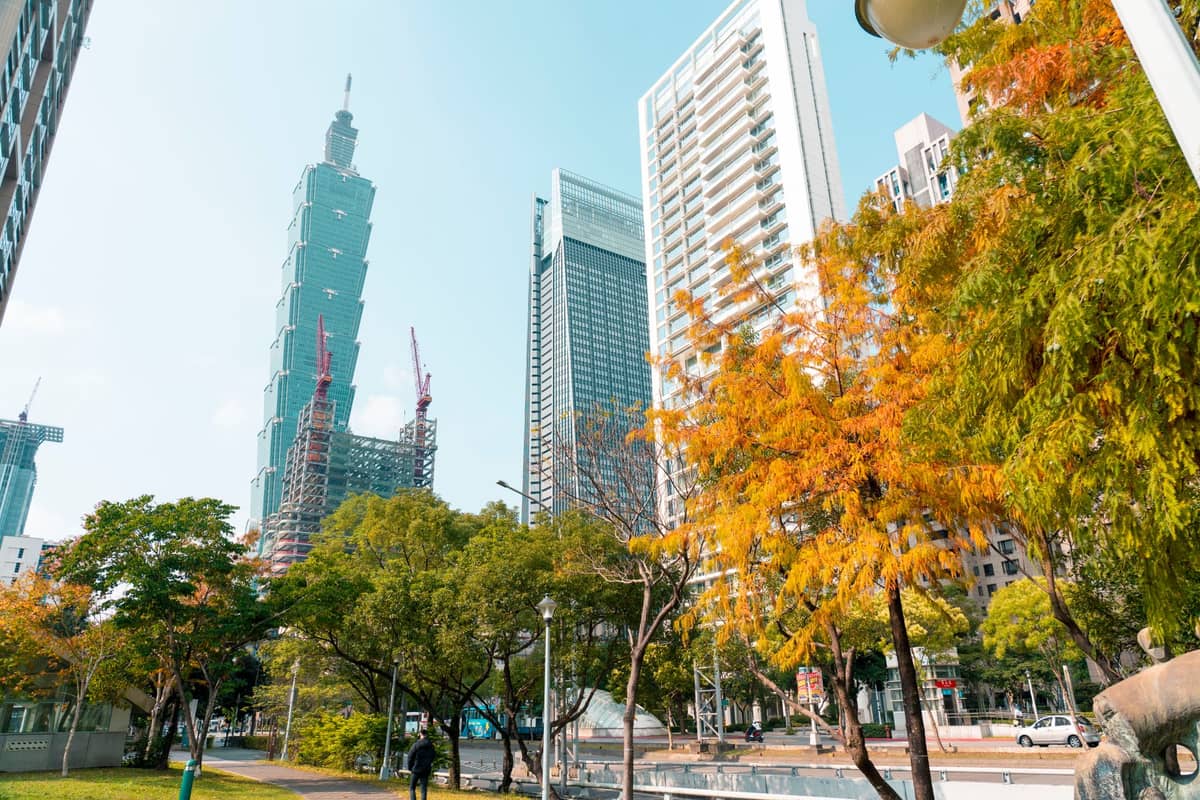
First-time visitors with no flexibility should aim for November or March. Both months reliably deliver comfortable walking weather, which matters when you're trying to cover the best things to do in Taipei on foot and by MRT. November wins slightly on rainfall statistics; March wins on atmosphere with the cherry blossom backdrop at Yangmingshan.
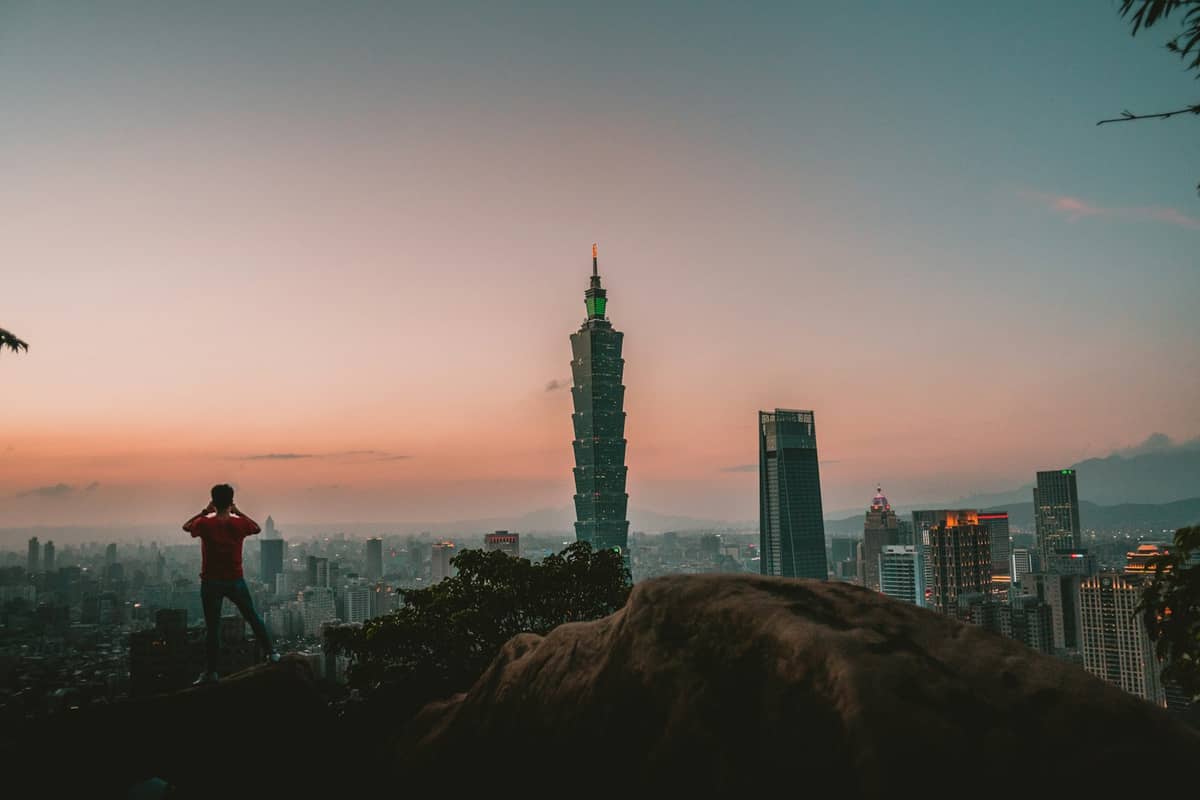
Hikers should plan for spring or autumn. Taipei's surrounding trails, including the popular Elephant Mountain trail and routes in Yangmingshan National Park, become slippery and potentially dangerous in typhoon-season downpours. Our Taipei hiking guide covers conditions in more detail.
Budget travellers get the best value in December and January (outside Chinese New Year week). Hotel rates drop, popular attractions are less crowded, and you can often find better deals on everything from night market eats to day trips. The tradeoff is grey skies and the occasional rainy day, which suits some travellers just fine.
- First-time visitor: November or March for the most reliable outdoor sightseeing conditions
- Hiker or outdoor-focused traveller: March to April or October to November, avoiding typhoon season entirely
- Budget traveller: December to mid-January or mid-February to March
- Festival seeker: Late January or early February for Lantern Festival and Lunar New Year atmosphere
- Hot springs fan: December to February when cold air makes outdoor soaking most rewarding
- Food-focused traveller: Any time — Taipei's food scene is year-round, but night markets are most atmospheric in cooler months
For a fuller picture of what to do across any season, see our one-week Taipei itinerary and the Taipei weekend guide for shorter trips.
FAQ
What is the best time to visit Taipei?
October to April is the broadly recommended window, with November and March being the two standout months. Both offer low rainfall, comfortable temperatures for walking and sightseeing, and manageable crowd levels. Avoid June through September if typhoons and extreme heat are a concern.
Does Taipei get cold in winter?
Not by most standards. January averages a high of around 19°C and a low of about 13°C. It doesn't snow in the city. However, the persistent humidity and overcast skies can make it feel colder than those numbers suggest. A light jacket and a layer or two are sufficient for most visitors.
When is typhoon season in Taipei?
Typhoon season runs from summer into autumn, with August and September carrying the highest statistical risk. Not every typhoon directly hits Taipei — many pass offshore — but heavy rain and disruption are possible throughout this period. Travel insurance that covers weather disruption is strongly advised if visiting during these months.
Is visiting Taipei during Chinese New Year a good idea?
It depends entirely on your priorities. The atmosphere is extraordinary: temple visits, fireworks, lantern displays, and the city at its most culturally vivid. But many restaurants and smaller businesses close for several days, accommodation prices spike, and transport gets crowded. It's rewarding for travellers who plan ahead; frustrating for those who don't.
How does Taipei's weather compare to the rest of Taiwan?
Taipei sits in a basin in the north, which makes it warmer and more humid in summer and cooler in winter than central or southern Taiwan. Southern cities like Tainan and Kaohsiung have drier, sunnier winters. If you're flexible about where to base yourself in Taiwan, the south gets more reliable winter sunshine, while Taipei's autumn and spring are hard to beat.