One Week in Taipei: The Complete 7-Day Itinerary
Seven days is enough time to see Taipei's historic core, explore its best neighborhoods, take a day trip or two, and still slow down enough to actually enjoy it. This itinerary is built around the MRT, real opening hours, and clear priorities — not a checklist of every attraction in the city.
TL;DR
- One week in Taipei is the ideal amount of time: enough for the major sights, two solid day trips, and genuine neighborhood exploration without rushing.
- The Taipei MRT covers most of the city efficiently; load an EasyCard and check our guide to getting around Taipei before you arrive.
- Visit the National Palace Museum on a Tuesday to Sunday — it closes Mondays. The Maokong Gondola also closes on Mondays.
- October to November and March to April are the best windows for a week-long stay: lower rainfall, manageable temperatures, and very low typhoon risk.
- Budget roughly NT$1,500–2,500 per day for food, transport, and entry fees. See our Taipei budget guide for a full breakdown.
Before You Go: Logistics That Actually Matter
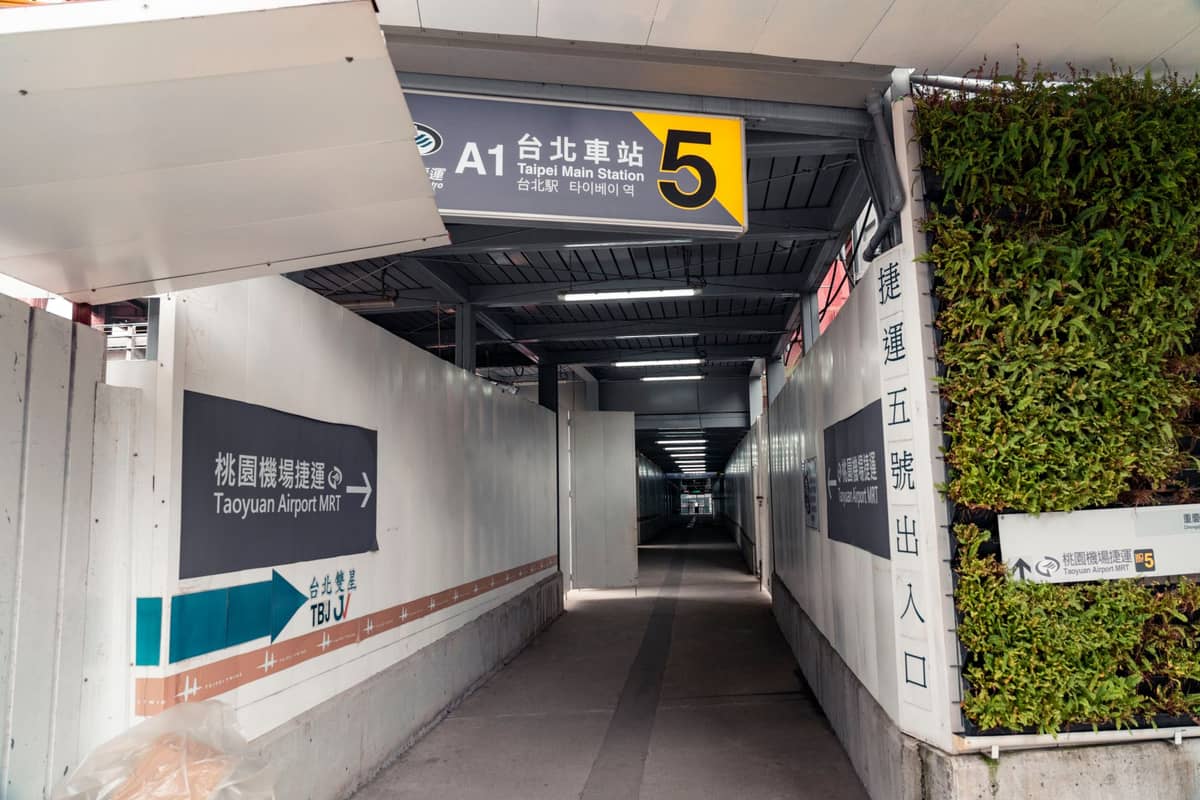
Most international flights land at Taiwan Taoyuan International Airport (TPE), roughly 40 km west of central Taipei. The Airport MRT connects Taoyuan to Taipei Main Station in around 35 minutes and is by far the cheapest and most reliable option. Taipei Songshan Airport (TSA), located inside the city, handles domestic routes and a handful of regional flights to Tokyo, Seoul, and Shanghai.
Pick up an EasyCard at any MRT station or convenience store (7-Eleven, FamilyMart). It works on the MRT, city buses, YouBike rental stations, and even some convenience stores. Single-journey MRT tickets start around NT$20 for short hops; a cross-city trip rarely exceeds NT$65. Keep the card topped up and you will almost never need cash for transport.
💡 Local tip
Taiwan uses Type A and Type B plugs at 110V/60Hz — the same standard as the US. Most modern electronics handle dual voltage, but check your chargers before packing adapters. The currency is the New Taiwan Dollar (TWD/NT$). Tipping is not customary anywhere in Taiwan, including restaurants and taxis.
Taiwan has visa-free entry arrangements for many nationalities, but eligibility changes by passport and policy. Check with the Bureau of Consular Affairs before booking flights. The local emergency numbers are 110 for police and 119 for fire and ambulance.
When to Visit: Picking the Right Week
Taipei has a humid subtropical climate with an average annual temperature around 23°C. That sounds pleasant until you arrive in July to 35°C heat with 85% humidity. For a week-long trip, timing matters more than most travelers expect. The two best windows are October to November and March to April. Full details are in the best time to visit Taipei guide, but the short version: autumn is the most consistently comfortable season, with stable weather, reduced typhoon risk, and temperatures in the 20–28°C range.
- October–November (Best Overall) Cooler temperatures, low rainfall, typhoon season winding down. Ideal for hiking and day trips. Outdoor attractions are comfortable all day.
- March–April (Strong Second Choice) Spring blossoms on Yangmingshan, mild temperatures, occasional drizzle. Cherry blossoms peak in late February to early March.
- December–February (Cool and Quiet) Temperatures drop to 12–18°C with damp, overcast days common. Fewer tourists, good for museums and hot springs. Pack layers.
- June–September (Avoid if Possible) Oppressive heat, heavy rain, and typhoon season. Outdoor day trips can be cancelled at short notice. Not recommended for a first visit.
Days 1–2: The Historic Core
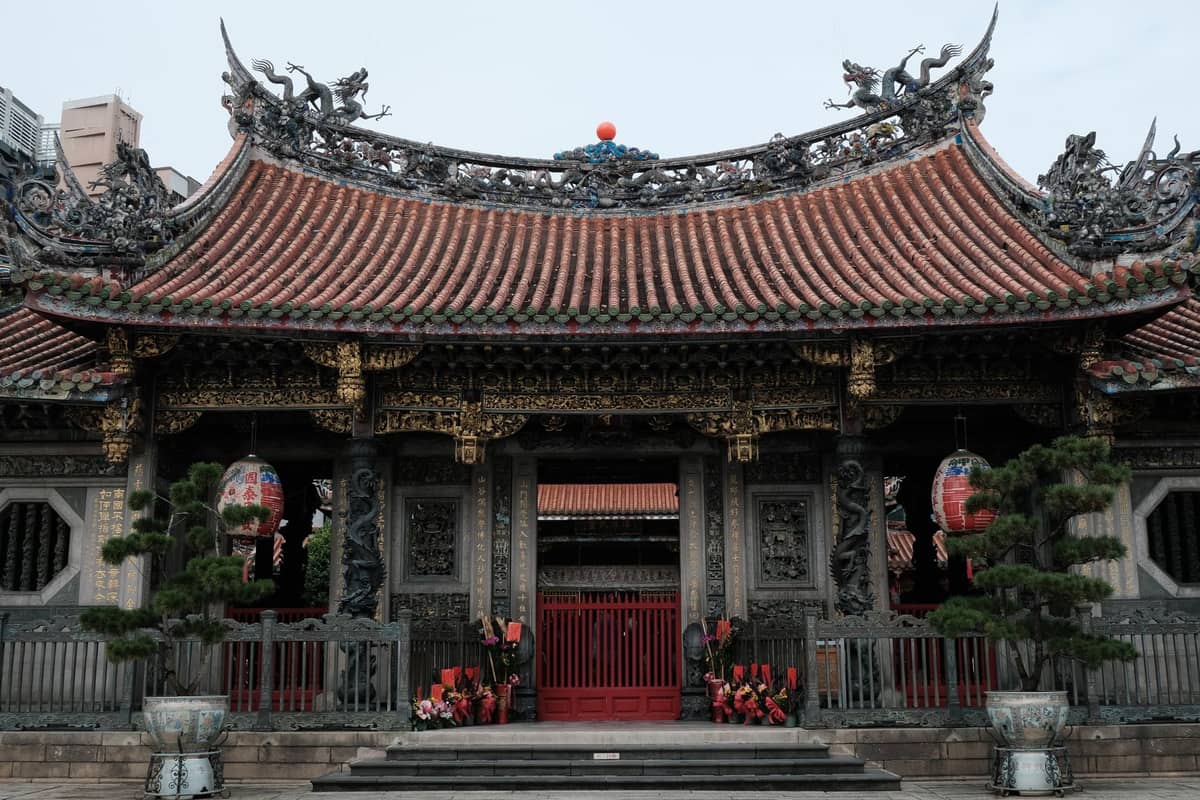
Start in Wanhua and Zhongzheng, the oldest parts of the city. Longshan Temple is the obvious anchor: built in 1738, heavily restored after World War II bombing, and still an active place of worship. Arrive before 9am to see morning rituals without the tour group crowds. A short walk north brings you to Bopiliao Historic Block, a preserved Qing and Japanese colonial-era street that most visitors skip entirely.
Spend your second morning at Chiang Kai-shek Memorial Hall and the surrounding Liberty Square. The changing of the guard ceremony now runs outdoors on Democracy Boulevard at the top of each hour between 9am and 5pm, lasts about 15 minutes, and is cancelled in rain — precise, theatrical, and worth seeing once. The square itself is one of the largest public plazas in Asia at 240,000 square meters. In the afternoon, walk north to the National Taiwan Museum near NTU Hospital MRT station, Taiwan's oldest natural history museum.
⚠️ What to skip
The National Palace Museum is closed every Monday, with only occasional exceptions on specific public holidays. Plan your week so you visit Tuesday through Sunday. The same applies to the Maokong Gondola. Building your itinerary around these closures before you arrive will save significant frustration.
Days 3–4: Neighborhoods, Markets, and Modern Taipei
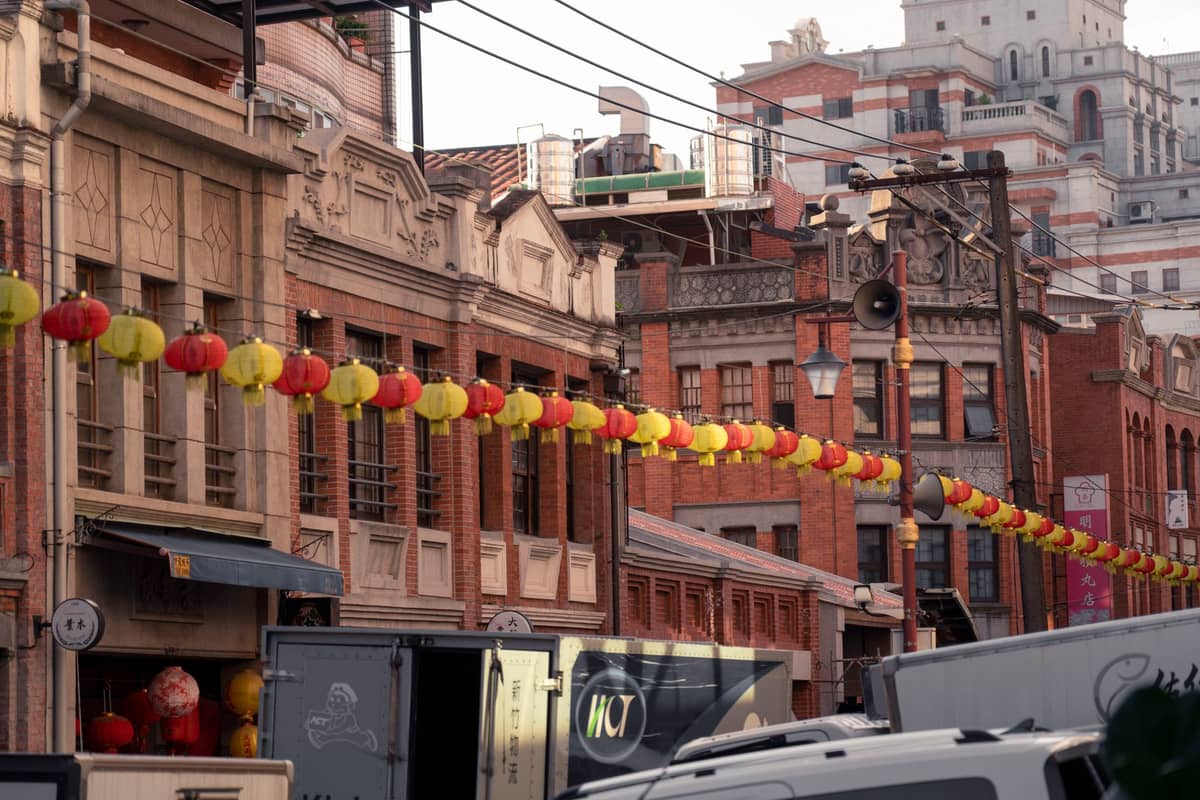
Day 3 works well as a neighborhood day. Start in Dadaocheng, Taipei's old merchant quarter along the Danshui River. The main artery is Dihua Street, lined with late 19th-century Baroque and Southern Fujian-style shophouses now occupied by tea merchants, fabric sellers, herbal medicine shops, and a growing cluster of design studios. This area is particularly interesting in the weeks before Lunar New Year when the wholesale markets stock seasonal goods.
Spend the afternoon in Ximending or head east to Da'an District for Yongkang Street's concentration of restaurants, tea houses, and independent shops. That evening, choose a night market: Raohe Street Night Market is more manageable in size than Shilin and has a good concentration of traditional Taiwanese snacks without feeling like a theme park. The black pepper buns from the Fuzhou stall at the temple entrance are the reference point.
Day 4: spend the morning at the National Palace Museum in Shilin. The collection of over 700,000 artifacts from China's imperial history is genuinely world-class. Realistically, budget 3 to 4 hours to see the permanent highlights without rushing. Take the MRT Red Line (Tamsui-Xinyi Line) to Shilin Station Exit 1, then bus R30, 255, or 304 to the museum. Adult admission is NT$350, with discounts available for students and children. In the afternoon, head to Elephant Mountain in Xinyi for the classic Taipei 101 skyline view at sunset.
Days 5–6: Day Trips Worth the Journey
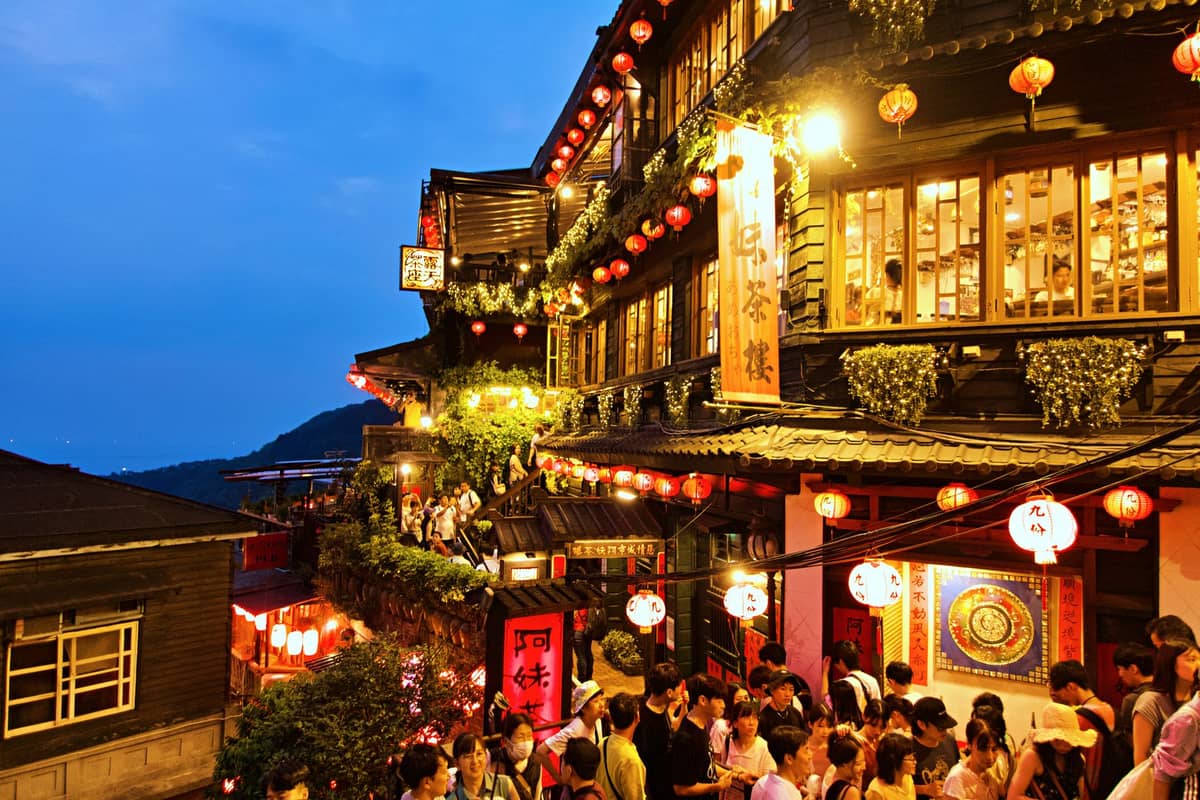
Taipei's position in northern Taiwan puts several exceptional day trips within reach. The most popular is Jiufen and the northeast coast. The old hillside mining town of Jiufen, with its red lantern-lit teahouses and steep stone stairways, has become extremely famous in recent years. Go on a weekday if possible: weekend afternoon crowds in the main alley can make the experience genuinely unpleasant. Combine it with a stop at Shifen for the waterfall and sky lanterns, or continue to Jinguashi for the gold museum and former mining complex.
For Day 6, choose based on your interests. Hikers should consider Yangmingshan National Park: the Qixing Mountain trail to the park's highest peak takes 2 to 3 hours round trip and rewards with views of the entire Taipei basin on clear days. Hot spring seekers can take the MRT to Beitou where the Xinbeitou hot spring area has public baths starting around NT$40 and private room options in the NT$200–600 range per hour. The Taipei hot springs guide covers the options in detail.
- Jiufen + Shifen: Take Keelung Bus 1062 from Zhongxiao Fuxing Station or a direct bus from Taipei City Hall Bus Station. Allow 8–10 hours total for both stops.
- Yangmingshan: Bus S15 from Jiantan MRT or bus 260 from Zhongshan Junior High School MRT. Sulfur vents, hot spring streams, and volcano crater views.
- Beitou Hot Springs: MRT Red Line to Xinbeitou — around 30–40 minutes from central Taipei, no transfers needed.
- Tamsui: MRT Red Line terminus, around 35–40 minutes from Zhongshan. Historic fort, riverside promenade, and good seafood.
✨ Pro tip
If you plan to visit the Maokong Gondola for tea plantation views and hiking trails above the city, go on a Tuesday through Sunday — the gondola closes most Mondays for maintenance, with exceptions on national holidays and the first Monday of each month. The service runs 9:00–21:00 on regular weekdays, with the last upward ride around 20:30. From 2025, a flat fare system applies (around NT$180 per ride or NT$300 for a day pass); verify current prices at the station or on the Taipei Rapid Transit Corporation site before visiting.
Day 7: Slow Down and Fill the Gaps
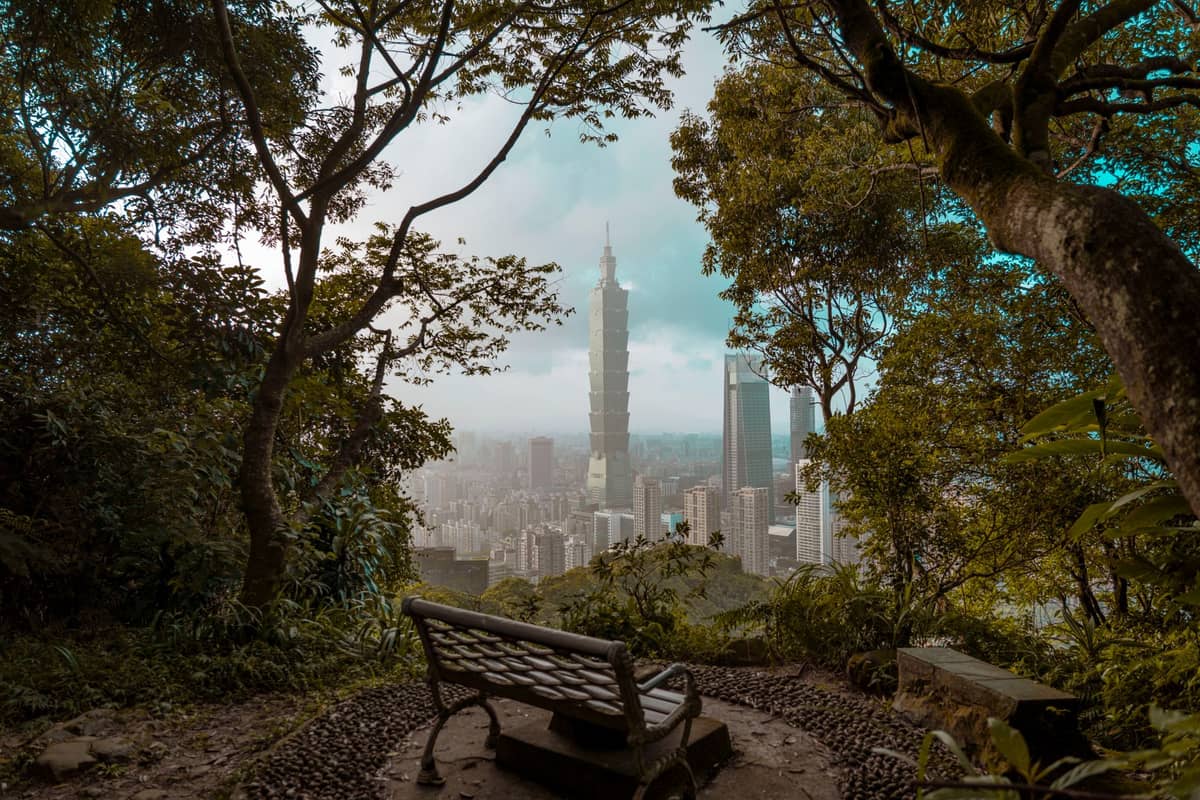
The last day works best as a flexible buffer rather than another packed schedule. If you have not yet explored Da'an Forest Park for a morning walk, or spent time at Huashan 1914 Creative Park for coffee and design shops, this is when those fit naturally. If you have not visited Taipei 101, consider the indoor observation deck on the 89th floor (adult tickets around NT$600). The open-air Skyline 460 deck on the 101st floor costs extra and is subject to weather closures, so check conditions before paying the premium.
For a final dinner, the Taipei food scene rewards a longer sit-down meal rather than another market run. Yongkang Street in Da'an has reliable Taiwanese beef noodle shops, Din Tai Fung's original branch (expect 30–60 minute waits at peak hours), and a concentration of cafes worth lingering in. The Tonghua Night Market nearby is less touristy than Shilin and a reasonable last-night option.
FAQ
Is 7 days enough for Taipei?
Seven days covers Taipei's major attractions comfortably with time for two day trips and genuine neighborhood exploration. You will not feel rushed if you focus on one or two areas per day. Any less than five days and you start making real sacrifices; more than ten days and you will likely want to venture further into Taiwan by train.
How should I structure the days to avoid museum closures?
The National Palace Museum is closed every Monday, as is the Maokong Gondola. Schedule your NPM visit Tuesday through Sunday. If Monday falls mid-trip, use it for neighborhoods, hiking, hot springs, or a day trip to Jiufen — all of which are unaffected by the Monday closure pattern.
What is the best base for a week in Taipei?
Staying near an MRT station in Zhongshan, Daan, or Xinyi keeps you within 20 minutes of almost everything on this itinerary. Zhongshan is the most central for the historic north and Old Town areas; Daan suits travelers who prioritize food and parks; Xinyi makes sense if Taipei 101 and the east side are priorities. Avoid hotels in Beitou or Tamsui unless hot springs are your main purpose.
How much does a week in Taipei cost?
Budget travelers spending carefully can manage on NT$1,500–2,000 per day excluding accommodation, covering MRT fares, night market meals, and most entry fees. Mid-range spending with sit-down restaurants and a few paid attractions runs NT$2,500–4,000 per day. The National Palace Museum costs NT$350, Taipei 101 observation deck around NT$600, and most temples are free.
Can I do Jiufen as a day trip from Taipei?
Yes. Jiufen is around 1.5 hours from central Taipei by public transport. Take the MRT to Zhongxiao Fuxing or Taipei City Hall station and catch a direct bus, or take the train to Ruifang Station and a short local bus up the hill. Go on a weekday to avoid the worst afternoon crowds — weekend peak hours in the main lane can reduce the experience to shuffling forward in a queue.