Taipei on a Budget: How to Visit Without Breaking the Bank
Taipei is one of Asia's most wallet-friendly capitals, but only if you know where the savings actually are. This guide breaks down transport passes, free attractions, budget eats, and the seasonal pricing patterns that most travelers miss.
TL;DR
- Get an EasyCard on arrival: it gives around 20% off MRT and bus fares versus single-ride tokens, with no complicated planning required.
- Hotel prices drop 15–25% in summer (June–August) compared to the popular October–November peak, making summer the cheapest period if you can handle the heat.
- Taipei's best attractions — including the National Palace Museum, temples, and parks — are either free or under NT$300 to enter.
- Street food and local restaurants keep daily food costs under NT$500 (around US$15) even with three full meals — see our Taipei food guide for specifics.
- Tipping is not customary in Taiwan, which adds up to real savings over a multi-day trip.
Getting Around Taipei Without Overspending
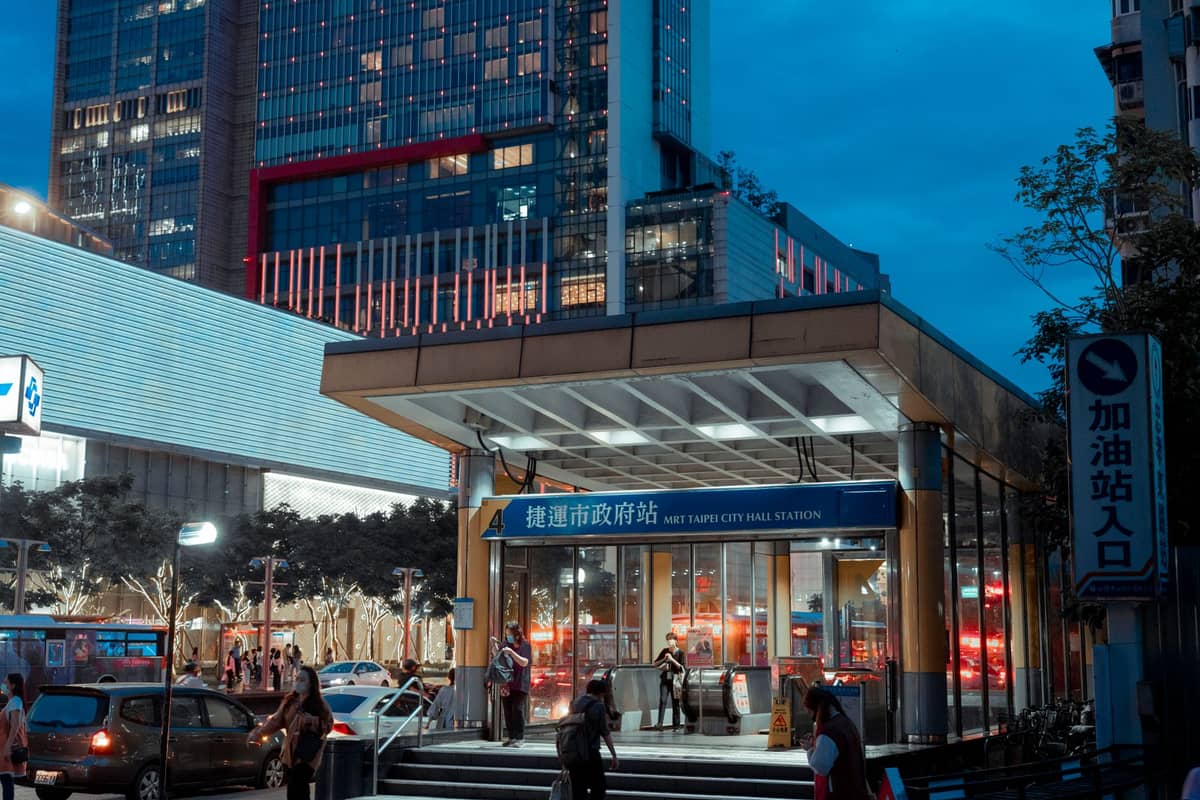
Transport is where budget travelers in Taipei win big. The Taipei Metro (MRT), operated by Taipei Rapid Transit Corporation, is clean, punctual, and genuinely affordable. Single-ride fares run NT$20–65 depending on distance, with many cross-city journeys coming in at roughly NT$30–50. Compare that to Tokyo or Hong Kong, and it's easy to see why Taipei on a budget is so achievable.
The most practical starting point for most visitors is the EasyCard, a stored-value card that costs a NT$100 non-refundable card fee. Top it up as needed and you automatically pay around 20% less than token buyers on every MRT and city bus trip. For short-stay visitors making four or more MRT trips per day, a day pass makes more sense: the 24-hour unlimited pass costs around NT$180, with 48-hour and 72-hour versions at roughly NT$280–380. Check the current fares on the getting around Taipei guide before you travel, as prices and pass structures can be updated.
- EasyCard (儲值卡) Best for flexible stays of 4+ days. NT$100 non-refundable card fee, top up as needed, around 20% discount on MRT and buses.
- MRT Day Pass Best for jam-packed sightseeing days. Around NT$180 for 24 hours of unlimited rides; available at station service centers.
- Taipei Fun Pass Combines unlimited MRT/bus rides with entry to attractions and the Maokong Gondola. Prices range roughly NT$1,200–1,900 depending on duration. Worth it only if you plan to visit multiple paid attractions in quick succession.
- City Buses Pricing is time-based, not distance-based. Registered Taipei YouBike members typically get a cheap (sometimes complimentary) first 30 minutes; confirm current rates on the YouBike site. Useful for reaching neighborhoods not on the MRT grid.
💡 Local tip
Skip taxis for airport transfers. The Airport MRT from Taiwan Taoyuan International Airport (TPE) to Taipei Main Station takes about 35 minutes and costs NT$160, significantly less than a taxi or private transfer. A taxi will run roughly NT$1,000–1,200 depending on traffic and destination; the MRT fare is a fraction of that.
When to Visit for the Lowest Prices
One of the most common misconceptions about Taipei travel is that autumn is the cheapest season. It is not. October and November are the most comfortable months weather-wise, which is exactly why hotel and airfare prices peak then. If your goal is savings over perfect weather, the math points in a different direction.
Summer (June–August) is Taipei's off-peak season, with hotel rates typically running 15–25% below October pricing. The trade-off is real: temperatures regularly exceed 35°C with high humidity, and typhoon season officially runs from late June through October (with the highest concentration of storms in August and September). That said, typhoons are trackable in advance and many trips proceed normally with flexible bookings and weather monitoring. For travelers who can handle the heat, June and late August after Taiwanese school holidays offer some of the lowest accommodation rates of the year. For a full breakdown of seasonal trade-offs, see the best time to visit Taipei guide.
May and early September occupy an interesting middle ground: prices are lower due to lingering rain risk and the tail end of typhoon season, but the weather is often more tolerable than peak summer. If you're flexible, these shoulder windows deliver decent conditions at reduced cost. Late February and March are also worth considering — winter crowds have thinned, spring weather is approaching, and prices haven't yet climbed.
⚠️ What to skip
Do not book non-refundable accommodation in August or September without a backup plan. Typhoons can cause closures, transport disruptions, and attraction shutdowns with 24–48 hours notice. Flexible bookings cost marginally more upfront but protect the whole trip.
Free and Low-Cost Attractions
Taipei is unusually generous with free sightseeing. A large share of the city's best landmarks cost nothing or almost nothing, which is rare for a capital with this level of infrastructure and culture.
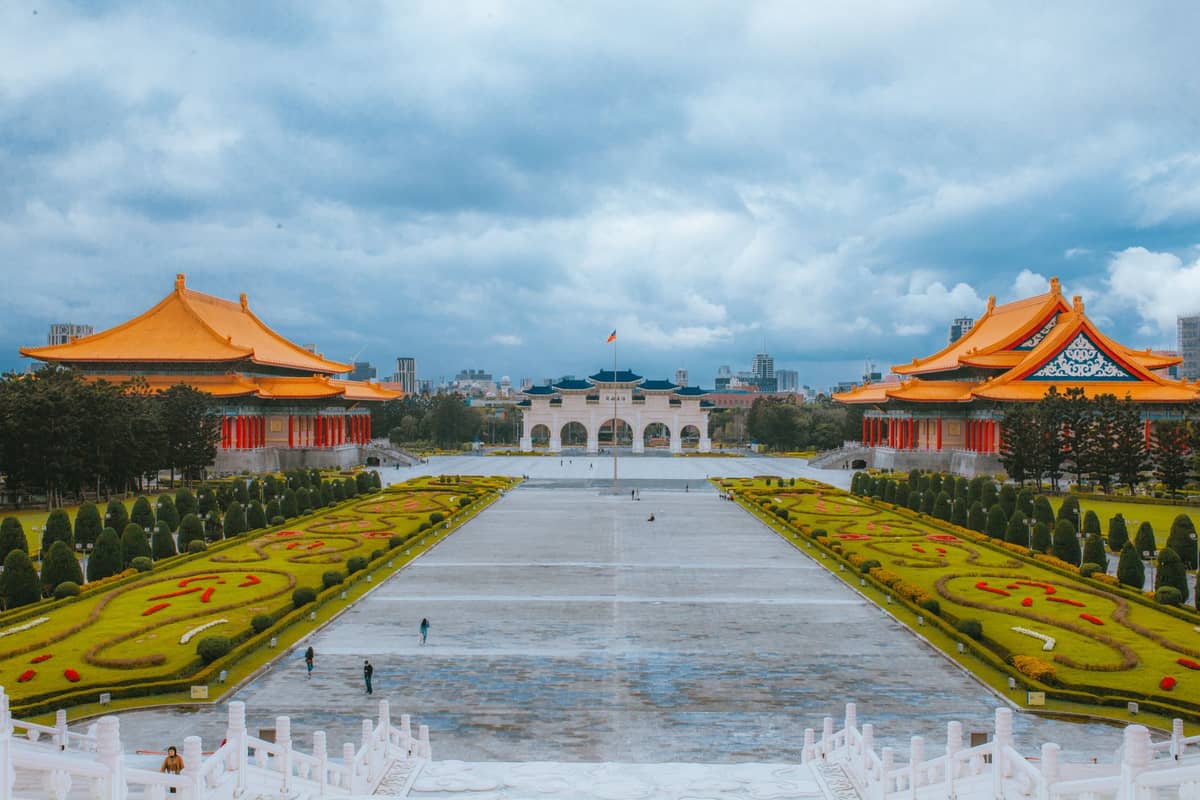
The Chiang Kai-shek Memorial Hall and the surrounding Liberty Square complex are free to enter and worth at least two hours. The National Palace Museum charges around NT$350 for adults but houses one of the world's most important collections of Chinese imperial artifacts — it is genuinely difficult to justify skipping this on a budget. Longshan Temple in Wanhua district costs nothing to visit and offers insight into living Taiwanese religious practice, not just architecture.
- Daan Forest Park: free, open daily, popular with locals for picnics, jogging, and weekend events
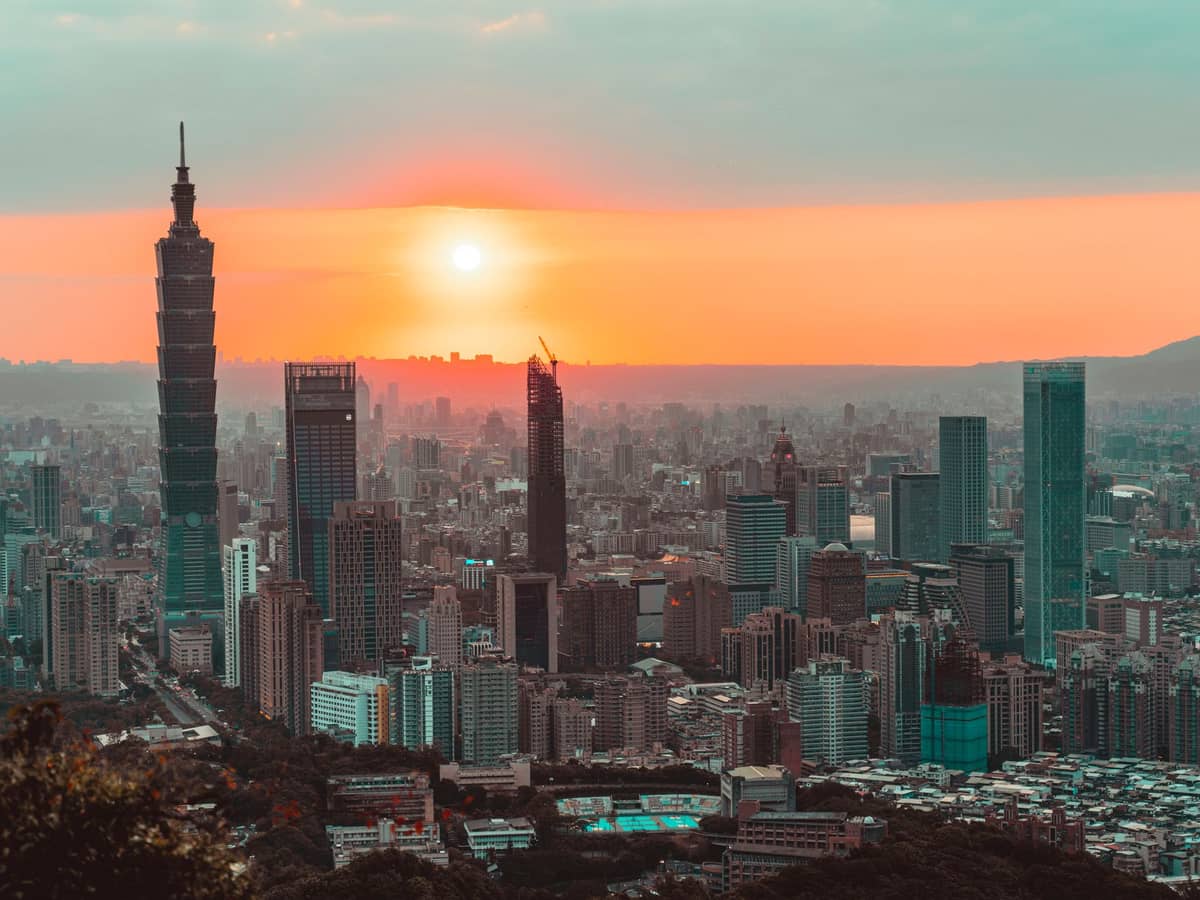
- Elephant Mountain trail (Xiangshan): free hike with the best ground-level view of Taipei 101 and the skyline
- Dihua Street in Dadaocheng: free to walk, lined with Qing-era architecture, traditional medicine shops, and fabric vendors
- Yangmingshan National Park: free to enter; reachable by bus from central Taipei for a small fare, with excellent hiking and seasonal flower displays
- 228 Peace Memorial Park: free, central, historically significant memorial grounds in Zhongzheng District
- Bopiliao Historic Block in Wanhua: free outdoor historical streetscape from the Qing and Japanese colonial eras
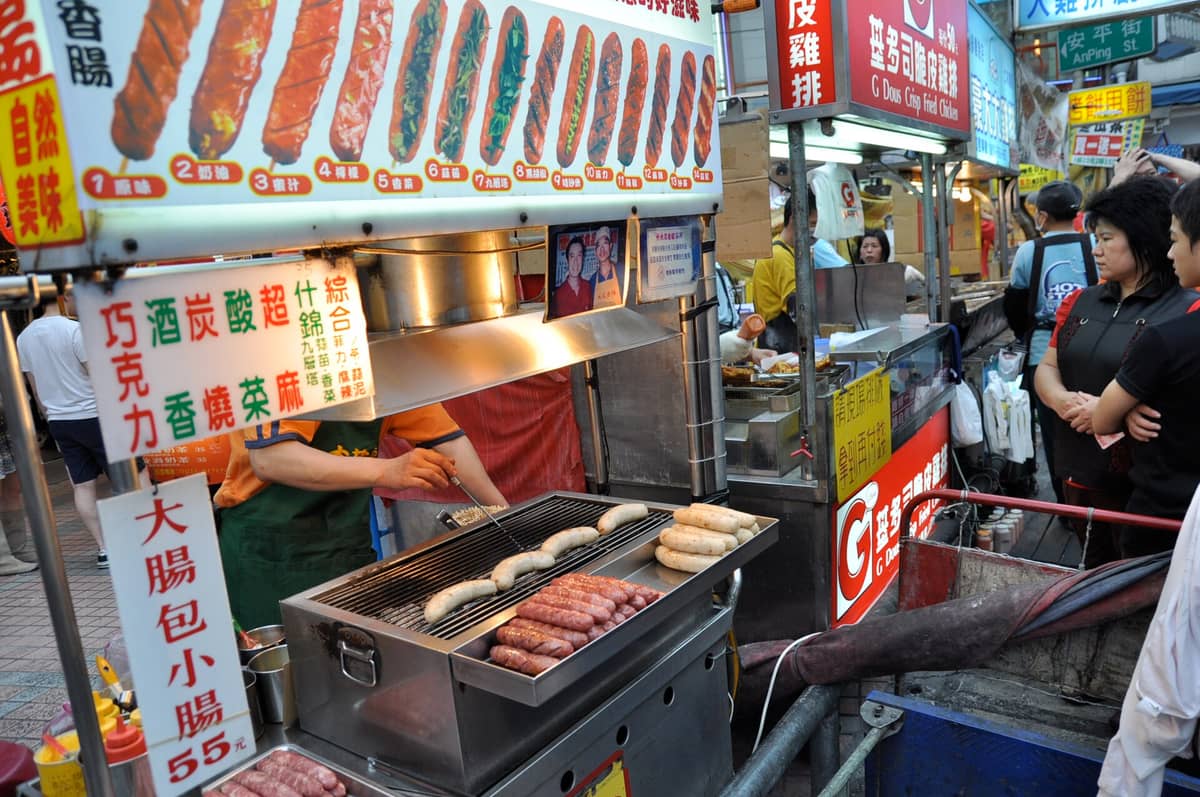
For paid attractions, the free things to do in Taipei guide goes deeper. Night markets are technically free to enter and browsing costs nothing — eating is where the spending happens, and even then, NT$100–200 covers a solid street food meal at places like Raohe Street Night Market or Ningxia Night Market.
Eating Well for Less
Food is arguably where Taipei delivers the most value of any major Asian city. The local eating culture strongly favors small, affordable shops over expensive restaurants, and the quality at the lower price tier is exceptional by global standards.
Breakfast at a traditional Taiwanese breakfast shop (早餐店, zǎocān diàn) costs NT$50–100 for egg sandwiches, scallion pancakes, or rice congee. Lunch at a simple local restaurant or self-service buffet (自助餐, zìzhùcān) typically runs NT$100–150 for a full plate with multiple side dishes. Street food snacks at night markets range from NT$30–80 each. A sit-down dinner at a local beef noodle or braised pork rice restaurant rarely exceeds NT$200 per person. Doing the math: three satisfying meals per day can realistically come in under NT$500 (around US$15) if you eat where locals eat.
✨ Pro tip
Convenience stores (7-Eleven, FamilyMart, Hi-Life) in Taiwan are a genuine budget option, not a last resort. Hot lunches, onigiri, steamed buns, and instant noodles are consistently priced at NT$30–80 and are of noticeably higher quality than the equivalent in most Western countries. They also have seating in many locations.
Where the budget breaks down on food is in tourist-facing areas: restaurants near Taipei 101 in Xinyi, rooftop cafes, and anything marketed at Western palates will charge 3–5x the local rate for comparable food. There is nothing wrong with these options occasionally, but treating them as the default daily eating strategy is how Taipei trips get expensive fast.
Accommodation: Where to Stay Without Overpaying
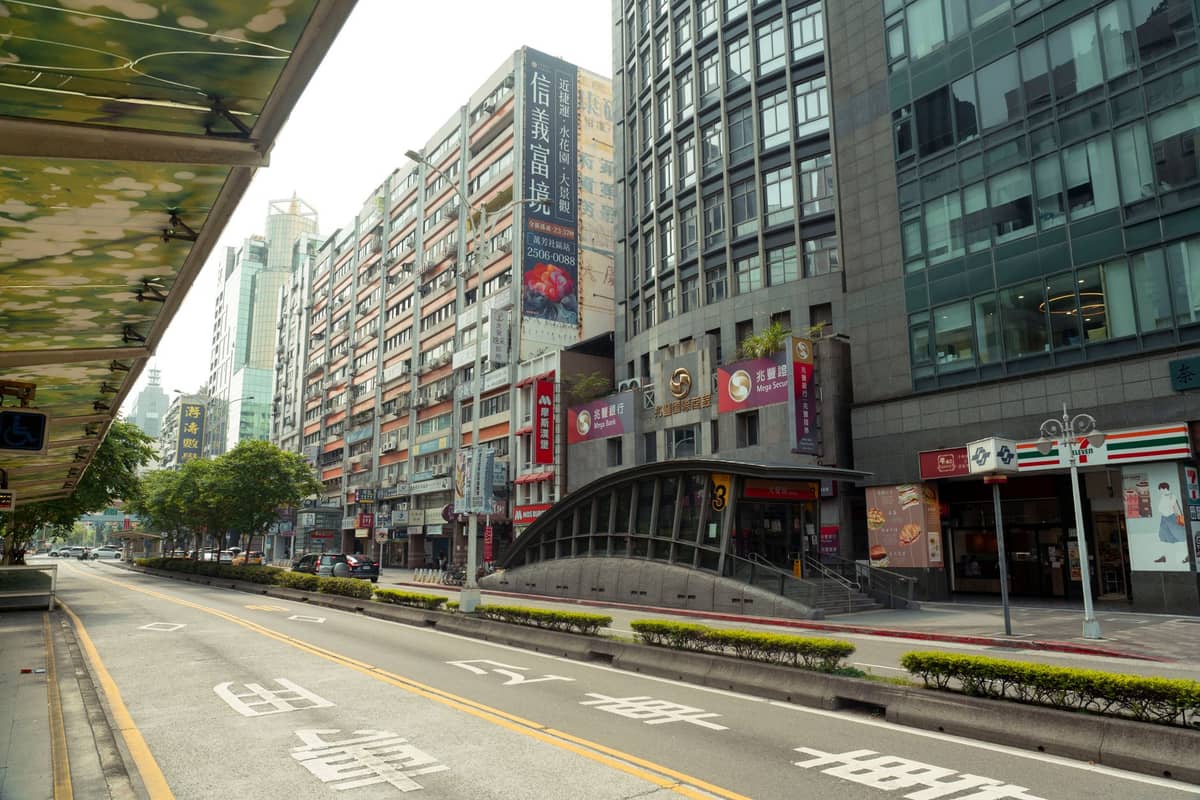
Taipei has a wide spread of accommodation options, from capsule hotels and hostels to mid-range business hotels and high-end international chains. For budget travelers, the sweet spot is mid-range local hotels and guesthouses in districts like Zhongshan, Zhongzheng, and Ximending — all of which have direct MRT access and genuinely walkable surroundings.
Hostels in central Taipei typically run NT$500–900 per night for a dorm bed. Budget guesthouses and smaller hotels start around NT$1,500–2,500 for a private room, depending on season and proximity to MRT. Booking well in advance for October–November travel is not optional if you want these rates — they go fast. For a full neighborhood breakdown covering price tiers and transport links, see where to stay in Taipei.
ℹ️ Good to know
Taipei's electricity standard is 110V / 60Hz with Type A and Type B plugs — the same as the US and Canada. Travelers from Europe, Australia, or the UK will need a plug adapter. Tipping is not customary in Taiwan at restaurants, taxis, or hotels, which is a meaningful difference from Western travel norms.
Day Trips and Getting Out of the City Cheaply
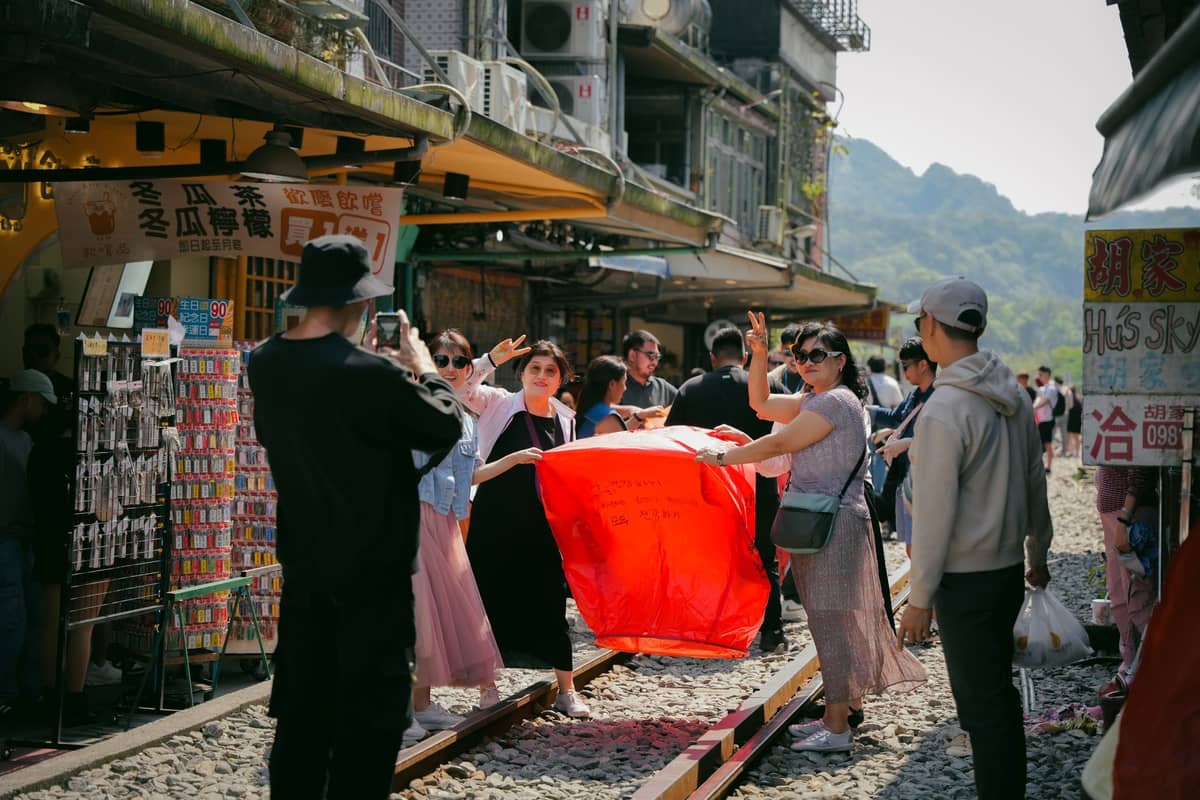
Some of Taipei's most compelling experiences are just outside the city, and most are accessible by public transport for under NT$200 round trip. The historic mountain town of Jiufen is reachable by MRT plus bus in around 90 minutes. The Shifen Waterfall and the Pingxi sky lantern area are accessible via the Pingxi branch rail line. Tamsui, at the northern end of the MRT Red Line, is free to reach with an EasyCard and offers a full afternoon of walking along the waterfront.
For hot spring access on a budget, Beitou is the most affordable option: it's on the MRT, public foot baths are free, and entry to municipal hot spring facilities starts from around NT$100–200. Private onsen rooms cost considerably more. The Taipei hot springs guide covers this in detail. For a wider look at budget-friendly excursions, the day trips from Taipei guide covers costs, transport options, and timing for the main routes.
FAQ
How much does a day in Taipei cost on a budget?
A realistic budget day in Taipei — hostel or budget guesthouse, local meals, MRT transport, and free or low-cost attractions — typically runs NT$1,500–2,500 (around US$45–75). Eating at tourist restaurants, visiting multiple paid attractions, or staying in a private hotel room will push this higher.
Is the EasyCard or a day pass better value?
For most visitors, the EasyCard is more flexible and easier to manage. A day pass (around NT$180) only beats the EasyCard financially if you're making five or more separate MRT trips in a single day. If you're sightseeing intensively in one area and walking a lot, the EasyCard's 20% discount may cost less overall.
What is the cheapest time of year to visit Taipei?
June through August is typically the cheapest period for hotels, with rates running 15–25% below the October–November peak. The trade-off is summer heat (regularly above 35°C) and typhoon risk. May and late September offer a middle ground: lower prices with somewhat better weather, though rain and residual typhoon risk are real factors.
Can you visit Taipei's best attractions for free?
Many of the best can be done for free or very cheaply: Liberty Square, Chiang Kai-shek Memorial Hall, Longshan Temple, Daan Forest Park, Yangmingshan, night markets, and most of the city's temple circuit cost nothing to enter. The National Palace Museum (around NT$350) and Taipei 101 observation deck (NT$600+) are the main paid exceptions that most visitors consider worthwhile.
Is food expensive in Taipei?
No, provided you eat where locals eat. Traditional breakfast shops, self-service lunch buffets, and night market stalls keep full meals in the NT$80–200 range. Costs rise sharply in tourist-facing restaurants in Xinyi and shopping mall food courts. Three meals per day can realistically cost under NT$500 (around US$15) on a local diet.