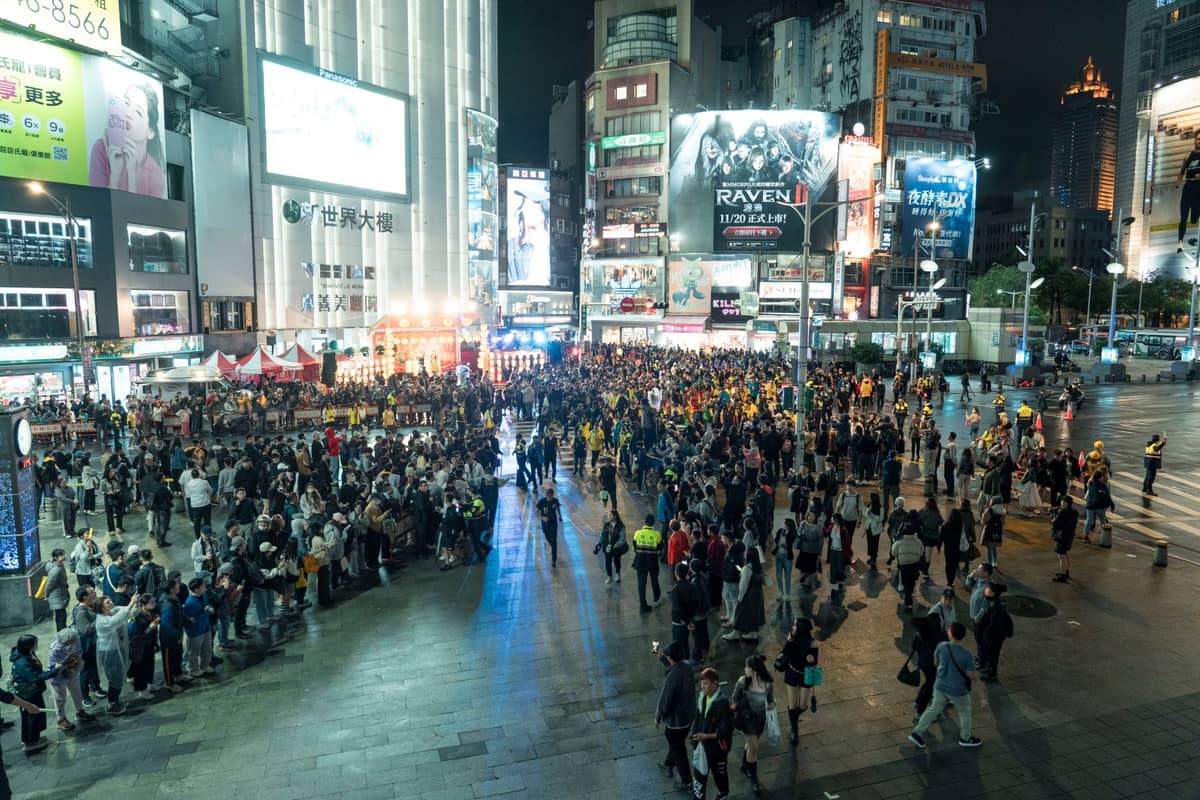
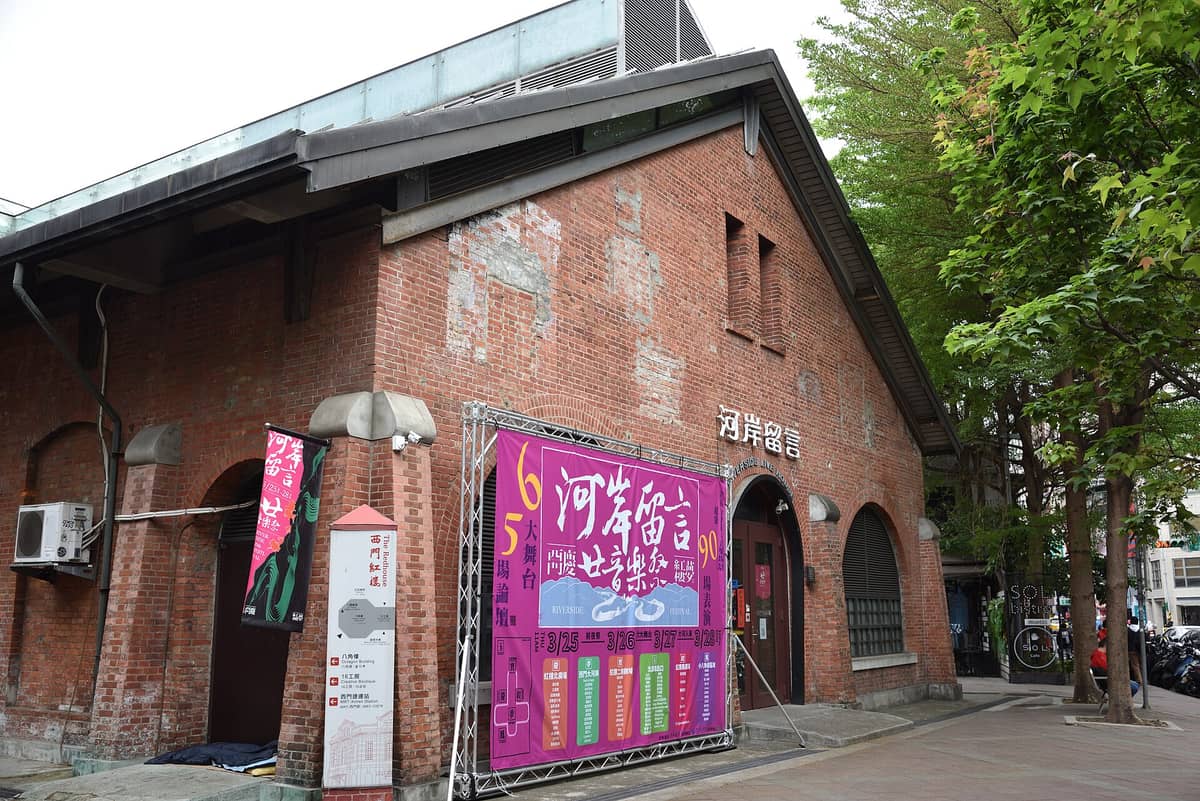
Ximending is Taipei's most energetic youth culture district, packed into a compact pedestrian zone in the northeastern corner of Wanhua District. From pop-culture boutiques and cinema complexes to street food stalls and the historic Red House Theater, it runs at full speed from noon until well past midnight.
Ximending is Taipei's answer to Tokyo's Harajuku: a dense, pedestrianized block of fashion shops, cinemas, street food, and subcultural energy that belongs almost entirely to the young and the night. It occupies the northeastern corner of Wanhua District, separated from the older temple streets of Wanhua proper by Kangding Road, and it moves at a completely different speed from anything around it.
Orientation
Ximending sits in the northeastern corner of Wanhua District, one of Taipei's oldest administrative zones. Its pedestrian core is a clearly defined rectangle bounded by Zhonghua Road to the east, Kangding Road to the west, Chengdu Road to the north, and Hankou Street to the south. Within that rectangle, three streets do most of the work: Hanzhong Street, Wuchang Street, and Emei Street form roughly 1.1 kilometers of car-free commercial zone that functions as the district's spine.
Geographically, Ximending is closer to the center of Taipei than many visitors expect. Taipei Main Station, the city's primary rail hub, is about a 12–15 minute walk heading northeast along Zhonghua Road. The presidential government buildings and Zhongzheng District are about a fifteen-minute walk to the southeast. Wanhua's historic temple district, centered on Longshan Temple, is roughly a kilometer to the southwest, across Kangding Road, and the contrast in atmosphere between the two areas is striking.
For travelers building a mental map of Taipei, think of Ximending as the westernmost point of the central commercial corridor. From here, the city's main arteries run east toward Zhongshan District and eventually the Xinyi high-rise district. To the north, Datong District holds the city's oldest merchant streets. Ximending occupies its own distinct pocket, urban and contemporary in tone while sitting physically adjacent to some of Taipei's most historically layered neighborhoods.
Character & Atmosphere
Ximending runs on a completely different clock from most of Taipei. Mornings here are almost quiet: the steel shutters stay down until mid-morning, delivery workers push trolleys through empty pedestrian lanes, and the only signs of life are the occasional breakfast shop and the staff opening up the few convenience stores that never really close. The light is flat and gray most of the year, filtered through the low arcade overhangs, and it is briefly one of the more pleasant places to walk in the city.
Everything changes by noon. The cinemas switch on their displays, street food vendors wheel out their carts, and the lane between Hanzhong Street and Wuchang Street fills with teenagers in layered fits, anime fans, couples photographing themselves against the murals, and tourists navigating without a clear destination. By 3pm on a weekend the pedestrian zone is so thick with foot traffic that movement requires patience. The noise is considerable: competing speakers from clothing stores, the smell of scallion pancakes and stinky tofu mixing in the narrow lanes, and the occasional amplified busker working the corner near the cinema blocks.
After dark, the district shifts register again. The fashion shops close around 10pm but the food stalls keep running, the outdoor terrace bars around Red House Theater fill up, and the neon signs do real work. Weekends after 9pm feel close to overwhelming if crowds are not your thing. The energy is genuine, not performed for tourists, and that is part of what makes Ximending worth at least one evening even if it is not your default scene.
💡 Local tip
Visit on a Tuesday or Wednesday evening if you want to see Ximending without the weekend crush. The atmosphere is still lively but you can actually move through the lanes and look at things properly.
What to See & Do
The single most important landmark in Ximending is the Ximen Red House, known locally as 西門紅樓. Completed in 1908 during the Japanese colonial period, it is an octagonal red-brick building at No. 10 Chengdu Road, directly at MRT Exit 1. It was originally built as a public market, converted into a theater, and has cycled through several identities over the past century. Today it functions as a creative market and arts venue on the inside, while its outdoor terrace and surrounding lanes host the largest cluster of LGBTQ+ bars in Taipei.
The covered arcade along the western side of Red House hosts a weekend craft market with independent designers selling clothing, accessories, and illustrated goods. It is not a tourist-trap souvenir market; most of the vendors are local creatives selling things they have actually made, and the quality varies but leans interesting. On weekend evenings the whole courtyard in front becomes an outdoor social space, with people drinking at plastic tables and the bar music competing across the square.
Taipei Cinema Park, a short walk west of the pedestrian core, has evolved into a street art destination. The murals change periodically, and the open-air space is used for events, pop-up shows, and impromptu skateboarding at night. It offers a brief decompression from the commercial density of the main streets and is worth walking through even if nothing specific is scheduled.
The Ximending Mazu Temple is one of the more unexpected finds in the district. Tucked inside the commercial blocks, it sits almost invisibly between clothing stores and food stalls. The incense smoke is genuine and locals do actually pray here, which makes it an honest contrast to the surrounding retail atmosphere. If you are building a wider temple itinerary for Taipei, it pairs naturally with a visit to the much larger Longshan Temple in Wanhua, about fifteen minutes on foot to the southwest.
Ximen Red House Theater: the architectural and cultural anchor of the neighborhood
Red House outdoor terrace bars: Taipei's central LGBTQ+ social hub
Taipei Cinema Park: street art installations and a quieter outdoor space
Ximending Mazu Temple: a working religious site embedded in the commercial zone
Hanzhong Street pedestrian strip: the main artery for fashion, pop culture, and street performance
ℹ️ Good to know
Ximending is one of the best areas in Taipei to find K-pop merchandise, Japanese fashion imports, and anime collectibles. The shops cluster especially along Wuchang Street and the side lanes between Hanzhong and Emei streets.
Eating & Drinking
Ximending is not a destination for serious restaurant dining in the way that Da'an District or Zhongshan might be, but it has a dense street food scene that warrants its own attention. The classics to try while walking through the lanes include oyster vermicelli, scallion pancakes, bubble tea from several competing chains that take this stuff seriously, and pork chop rice served out of storefronts that have been running the same menu for decades.
Stinky tofu is unavoidable here, literally: you will smell the vendors before you see them. It is an acquired taste but one worth confronting at least once, and Ximending has some of the most accessible versions in the city for first-timers, served crispy-fried with pickled cabbage on the side. Several stalls on Emei Street have become well-known enough to draw queues in the evening.
Café culture has grown in Ximending over the past decade. Several independent coffee shops have opened in the side lanes, some designed around anime themes, others more straightforwardly specialty coffee. They tend to be small, often packed with students on laptops, and open late. For a more relaxed drink, the bar cluster around Red House Theater offers everything from craft beer at outdoor tables to cocktail bars aimed at the LGBTQ+ crowd, most of them priced reasonably by Taipei standards.
For a broader sense of Taipei's food scene in the area, the streets just north of Ximending toward Taipei Main Station have a concentration of beef noodle shops and Taiwanese set-lunch restaurants that are considerably less touristy than the main pedestrian zone. Chengdu Road, the northern boundary of the district, has a stretch of late-night eateries that run until 2am and feed the post-cinema and post-bar crowd.
Oyster vermicelli: a Taiwanese classic, available from multiple stalls in the pedestrian lanes
Stinky tofu: fried versions on Emei Street, best attempted on an empty stomach
Scallion pancake: grab-and-go, typically around TWD 30-50
Bubble tea: multiple chain and independent shops competing for the same corner
Late-night noodles: Chengdu Road vendors open after midnight
Getting There & Around
Ximen MRT Station is the primary access point. It sits at the intersection of the Blue (Bannan) Line and the Green (Songshan-Xindian) Line, making it one of the better-connected stations in the central city. Exit 6 opens directly onto Hanzhong Street inside the pedestrian zone, which is the standard starting point for most visitors. Exit 1 brings you out near Chengdu Road and is the correct exit for Red House Theater. The full Taipei MRT network makes it straightforward to reach Ximending from any major point in the city in under thirty minutes.
From Taipei Main Station, the walk to Ximending takes about ten minutes heading southwest along Zhonghua Road. It is a flat, straightforward walk with decent pavement and no significant navigation required. From Wanhua's Longshan Temple MRT Station on the Blue Line, it is one stop north to Ximen Station, making it easy to combine both areas in the same afternoon.
Multiple bus routes serve Zhonghua Road along the eastern edge of the district, which is useful for reaching areas not on the MRT. YouBike docking stations are available at several points around the pedestrian zone perimeter, though cycling into the pedestrian lanes themselves is not practical during busy hours. Within Ximending, navigation is entirely on foot: the pedestrian zone is compact enough that you can walk end to end in about fifteen minutes without stopping.
⚠️ What to skip
Ximending on Friday and Saturday nights, particularly from 8pm onward, gets extremely crowded in the core pedestrian lanes. If you are with children, traveling with mobility limitations, or simply dislike dense crowds, weekday evenings or weekend mornings are significantly more manageable.
Where to Stay
Ximending has a good concentration of mid-range hotels, particularly along Zhonghua Road and the blocks just east of the pedestrian zone. Staying here makes practical sense if your Taipei itinerary is weighted toward the western side of the city: Wanhua's temple district, Wanhua's historic streets, and the access corridor to Zhongzheng are all within walking distance. It also puts you about 12–15 minutes on foot from Taipei Main Station, which connects to the high-speed rail network for day trips.
The trade-off is noise. The blocks immediately adjacent to the pedestrian zone stay loud until midnight or later on weekends, and the ambient sound from late-night food vendors and passing crowds carries into street-facing rooms. Hotels on the quieter side streets west of Kangding Road offer more sleep-friendly conditions while remaining within a short walk of the MRT. Budget guesthouses and hostels targeting younger travelers are concentrated in the lanes closer to Hanzhong Street, where the atmosphere is part of the appeal.
Ximending is not the right base for travelers primarily interested in Taipei's eastern districts, Xinyi, or the mountains to the north. For those visitors, Zhongshan or Da'an offer more central positioning with lower noise levels. That said, for solo travelers, younger visitors, and anyone with a specific interest in Taipei's nightlife or LGBTQ+ scene, Ximending's location and accommodation density make it a practical and cost-effective base.
Nearby Neighborhoods Worth Combining
The most natural pairing with Ximending is Wanhua District immediately to the southwest. The contrast between the two areas is sharp and instructive: where Ximending is modern, commercial, and youth-oriented, Wanhua is older and slower, with incense-heavy temple courtyards, traditional herbal medicine shops, and streets that have changed less in the past fifty years than almost anywhere else in central Taipei.
The Longshan Temple is the anchor attraction of Wanhua and one of the most photographed sites in Taipei. From Ximen MRT Station it is one stop southwest on the Blue Line, or about fifteen minutes on foot along Kangding Road. Combining Ximending's commercial energy with Wanhua's historical texture makes for a genuinely balanced half-day, particularly in the late afternoon when both areas are active but neither has hit peak-crowd levels yet.
Heading east from Ximending, the Zhongzheng District holds the Chiang Kai-shek Memorial Hall complex, the National Taiwan Museum, and the Taipei Botanical Garden. All three are accessible on foot in under twenty minutes from the Ximen pedestrian zone. For travelers on a short Taipei schedule, the axis of Ximending, Wanhua, and Zhongzheng can fill a full day without any MRT travel required.
TL;DR
Ximending is Taipei's densest concentration of youth fashion, street food, cinema, and nightlife, all compressed into a 1.1km pedestrian zone in Wanhua District.
The Red House Theater is the neighborhood's cultural and architectural anchor, with the city's main LGBTQ+ bar cluster on its surrounding terrace.
Best visited on weekday evenings or weekend afternoons to avoid peak-crowd conditions on Friday and Saturday nights.
Ideal for travelers who want central access, late-night food, and a base close to both Wanhua's temple district and Taipei Main Station.
Not the right neighborhood for those prioritizing quiet evenings, early bedtimes, or proximity to eastern Taipei attractions like Taipei 101 and Xinyi.
Taipei's humid subtropical climate means the difference between a miserable typhoon-soaked August and a crisp, sunny November can be dramatic. This guide breaks down every month's weather, crowd levels, and key events so you can pick the ideal window for your trip.
Taipei sits within easy reach of mountains, coastlines, hot spring valleys, and historic mining towns. These are the day trips that reward the effort, whether you have a few hours or a full day to spare.
Taipei is one of Asia's most budget-friendly capitals, with an impressive number of world-class attractions that are completely free. From grand ceremonial plazas and centuries-old temples to volcanic national parks and lively night markets, here's how to see the best of Taipei without spending a cent on entry fees.
Taipei has one of the most efficient urban transport networks in Asia. This guide covers everything you need to navigate the city confidently: the MRT system, city buses, Taoyuan Airport connections, EasyCard setup, and the common mistakes that trip up first-time visitors.
Taipei is served by two airports with very different roles. Taiwan Taoyuan International Airport handles nearly all international traffic, while Taipei Songshan Airport serves domestic and select regional routes. This guide breaks down every transport option, with fares, journey times, and clear guidance on which route suits your trip.
Taipei is a strong remote-work base: fast fiber internet, coworking spaces at every budget, a world-class food scene, and a cost of living that still undercuts Tokyo or Singapore. This guide covers what you need to know before you land.
Taipei's food culture runs deep, from neighborhood beef noodle shops and temple-front snack stalls to dumpling houses with decades of history. This guide covers the essential dishes to try, where to find them, what to pay, and how to navigate the city's famous night markets without the rookie mistakes.
Taipei is one of Asia's most walkable cities, and its hiking scene is just as impressive as its food and temples. From quick city-fringe scrambles with skyline payoffs to full-day volcanic summit routes, these are the best trails in and around Taipei, organized by type and difficulty.
Taipei is one of Asia's great hot spring cities, with soaking options ranging from NT$60 public baths to hillside resort ryokans. This guide covers the best hot spring areas, scenic hikes through volcanic terrain, and nearby attractions to round out a full day trip.
Spring in Taipei runs from February through April and delivers cherry blossoms, flower festivals, and some of the most comfortable weather of the year. This guide breaks down exactly when things bloom, which events are worth your time, and what practical realities to plan around.
Taipei's winter is cooler and damper than most visitors expect, but rarely cold enough to slow you down. This guide covers month-by-month weather, what to wear, the best seasonal activities, Lunar New Year logistics, and straightforward notes on crowds and costs.
Three days is enough time to get a genuine feel for Taipei — its historic temples, modern skyline, legendary food scene, and surprisingly accessible nature. This itinerary is structured by neighborhood logic, not wishful thinking, so you spend less time commuting and more time eating.
Everything you need to plan a DIY day trip from Taipei to Jiufen Old Street, Jinguashi's Gold Museum, and the dramatic Gold Coast. Covers transport routes, fares, opening hours, seasonal conditions, and a realistic itinerary to get the most out of your Taiwan trip.
The Taipei Lantern Festival, the Pingxi Sky Lantern Festival, and daily lantern releases at Shifen are three separate events that confuse even experienced Taiwan travelers. This guide breaks down the differences, dates, logistics, and crowd realities so you can plan the right experience for your trip.
Taipei is a serious museum city. From one of the world's great repositories of Chinese art to intimate colonial-era buildings turned into creative spaces, these are the best museums in Taipei across history, art, science, and culture.
Taipei's night markets are the city's social and culinary heartbeat. This guide covers the best markets for food, atmosphere, and local culture, from the city's largest to its most intimate neighborhood spots.
Taipei after dark offers far more than club music and cocktails. From steaming night market stalls to underground DJ sets and rooftop bars with views of Taipei 101, this guide covers every layer of the city's after-hours scene — with specific districts, realistic timing, and a frank take on what's worth your night.
The Taipei north coast loop — Yehliu Geopark, Shifen on the Pingxi Line, and Keelung's Miaokou Night Market — is one of Taiwan's most rewarding full-day excursions. This guide covers transport logistics, admission prices, realistic timing, and what to skip.
Taipei is one of Asia's most wallet-friendly capitals, but only if you know where the savings actually are. This guide breaks down transport passes, free attractions, budget eats, and the seasonal pricing patterns that most travelers miss.
Seven days is enough time to see Taipei's historic core, explore its best neighborhoods, take a day trip or two, and still slow down enough to actually enjoy it. This itinerary is built around the MRT, real opening hours, and clear priorities — not a checklist of every attraction in the city.
For a dense capital, Taipei keeps a surprising amount of green space within easy reach: volcanic national parks, botanical gardens, and 112 kilometers of riverside cycling trails. This guide covers the best parks and outdoor spaces for every pace.
Taipei Pride draws over 150,000 people to the streets of Taipei, Taiwan every October, making it the largest LGBTQ+ pride event in Asia. This guide covers everything: parade dates, routes, costs, accommodation tips, and how to make the most of the full weekend.
Taipei consistently ranks among the safest major cities in Asia, with major Western governments advising only normal precautions. That said, scams, weather risks, and a few specific situations are worth knowing about before you arrive. This guide covers everything honestly.
Taipei rewards shoppers at every budget, from street-food stalls and vintage clothing lanes to flagship department stores stacked around Taipei 101. This guide breaks down where to shop, when to go, and what's actually worth your time.
Taipei sits at the heart of one of the world's great tea cultures. This guide covers everything from riding the Maokong Gondola to the hilltop teahouses of Wenshan District, the correct gongfu cha brewing ritual, and where to find Taiwan's finest Tieguanyin and Baozhong oolong. Practical, specific, and free of fluff.
Taipei's temple culture runs deep. This guide covers the city's most rewarding temples, from the incense-thick halls of Longshan to the serene courtyards of the Confucius Temple, with practical advice on when to go and how to get there.
Taipei rewards those who look up and climb high. From the world-famous observatory at Taipei 101 to free sunset hikes on Elephant Mountain, this guide covers every angle of the city's skyline, from polished paid decks to wild volcanic summits.
Taipei rewards walkers more than almost any other Asian capital. This guide breaks down the best self-guided walking routes by district, with realistic distances, timing advice, where to pick up free maps, and frank notes on what to skip.
Two days in Taipei is enough to see the city's iconic skyline, explore its best temples and night markets, and eat very well. This guide lays out a practical, district-by-district itinerary with real logistics, current prices, and frank notes on what's worth your limited time.
Taipei is one of Asia's most underrated family destinations. Affordable attractions, an easy metro system, and a culture that genuinely welcomes children make it a smooth trip for families of all ages. This guide covers the best things to do in Taipei with kids, with current pricing, practical logistics, and seasonal advice built in.
Taipei packs an extraordinary range of experiences into 271 km²: world-class museums, mountain hikes accessible by MRT, some of Asia's best street food, and century-old temples sitting next to glass skyscrapers. This guide cuts through the noise with specific prices, clear assessments, and practical logistics so you can spend less time planning and more time exploring.
Choosing where to stay in Taipei shapes your entire trip. This guide breaks down the city's key neighborhoods by budget, vibe, and MRT access, with candid trade-offs for every type of traveler.