Taipei Tea Culture: Maokong, Teahouses & Taiwan's Tea Traditions
Taipei sits at the heart of one of the world's great tea cultures. This guide covers everything from riding the Maokong Gondola to the hilltop teahouses of Wenshan District, the correct gongfu cha brewing ritual, and where to find Taiwan's finest Tieguanyin and Baozhong oolong. Practical, specific, and free of fluff.
TL;DR
- The Maokong Gondola from MRT Taipei Zoo Station (Brown Line) is the easiest way up to the tea village; as of March 2025 the flat fare is NT$180 per single ride or NT$300 for a day pass, payable by EasyCard.
- Maokong's teahouses specialize in Tieguanyin and Baozhong oolong, and many stay open until late evening for night-view crowds — afternoon arrivals beat the rush.
- The gondola is closed most Mondays for maintenance; wind and storms can suspend service any day, so check the official site before you go.
- Taipei's tea scene extends well beyond Maokong: nearby Pinglin in New Taipei City is a legitimate tea-production town worth a day trip from Taipei.
- For the full outdoor experience, pair a teahouse visit with a hike — the Taipei hiking guide covers trails that pass through or near Maokong's plantations.
Why Taipei Is the Right Place to Understand Taiwan's Tea
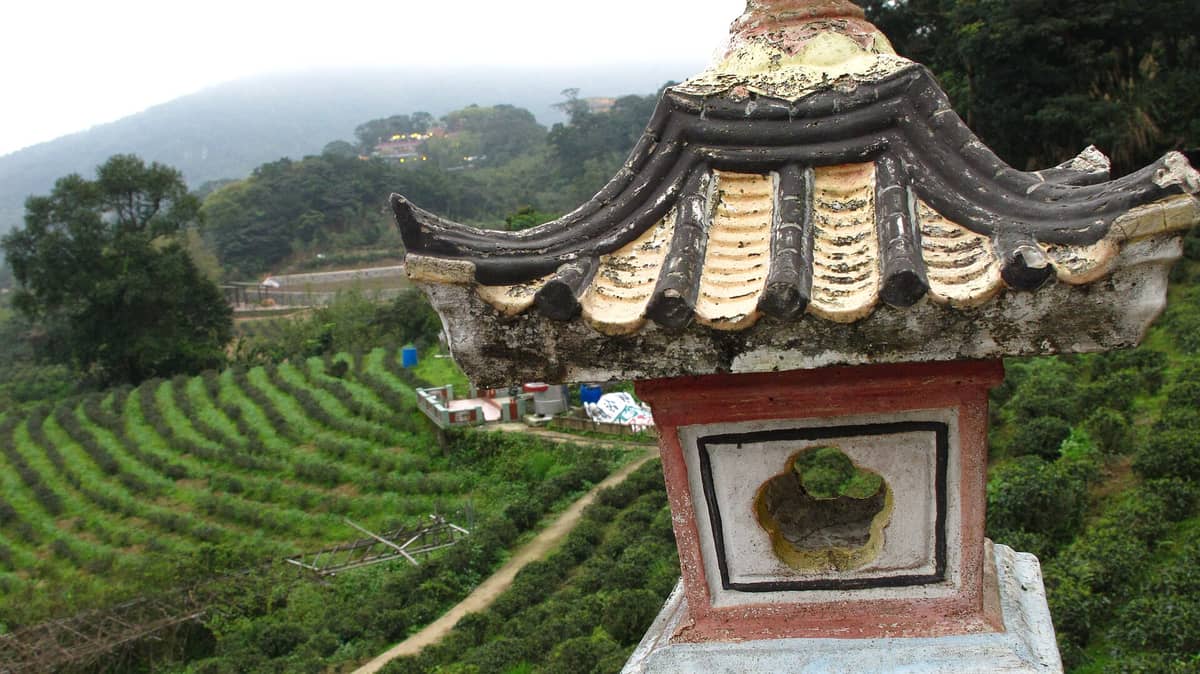
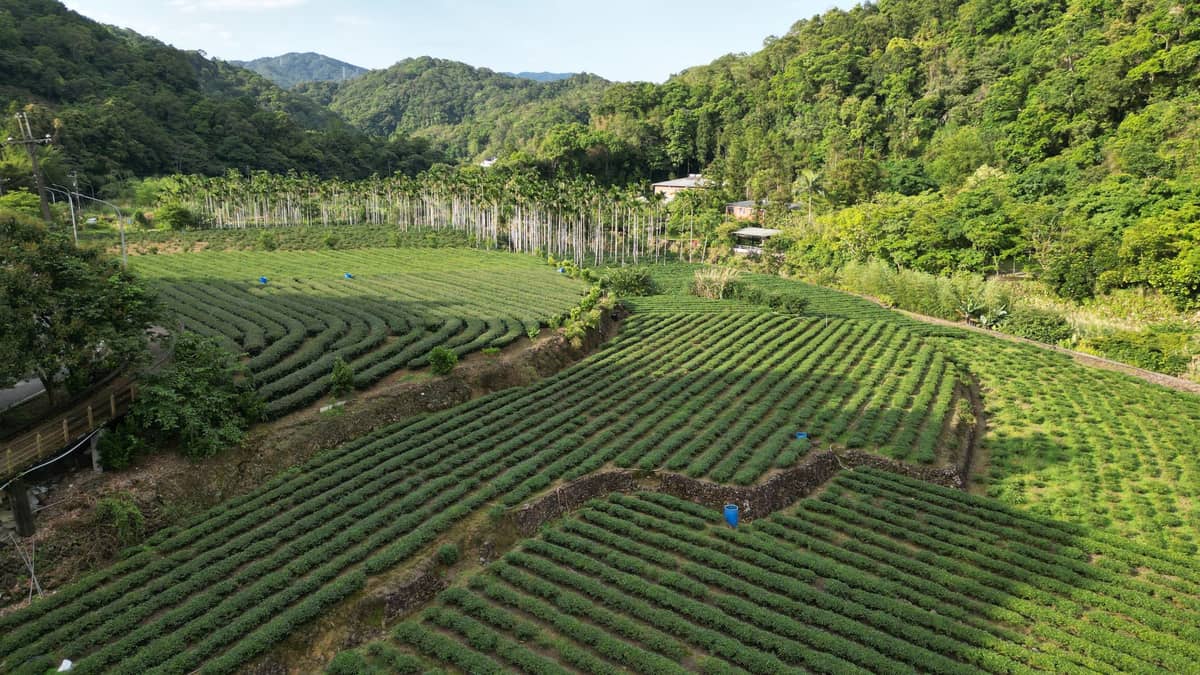
Taiwan produces some of the most respected oolong teas in the world, and Taipei Taiwan is the natural entry point for any serious tea itinerary. The city itself sits next to Wenshan District's Maokong hillside, a designated tourist tea-plantation area that has been cultivating Tieguanyin since the late Qing dynasty. Within an hour of the city center, you can walk between working tea farms, sit in teahouses that have served the same varietals for generations, and learn traditional gongfu cha brewing from people who grew up with it.
Taiwan's tea culture developed differently from China's or Japan's. The island's humid subtropical climate, varied elevation, and distinct terroir produced oolong styles that range from lightly oxidized Baozhong to the roasted, complex Tieguanyin associated with Maokong. Understanding that range is one of the genuine pleasures of a taiwan trip centered on tea, and Taipei is the most practical base from which to explore it.
ℹ️ Good to know
Maokong's tea plantations fall within Wenshan District, one of Taipei's 12 administrative districts. The area is officially designated as the Muzha Tourist Tea Plantations zone — 'Muzha' (木柵) is the older district name you'll still see on tea packaging and at the Taipei Tea Promotion Center.
The Maokong Gondola: Getting Up the Mountain
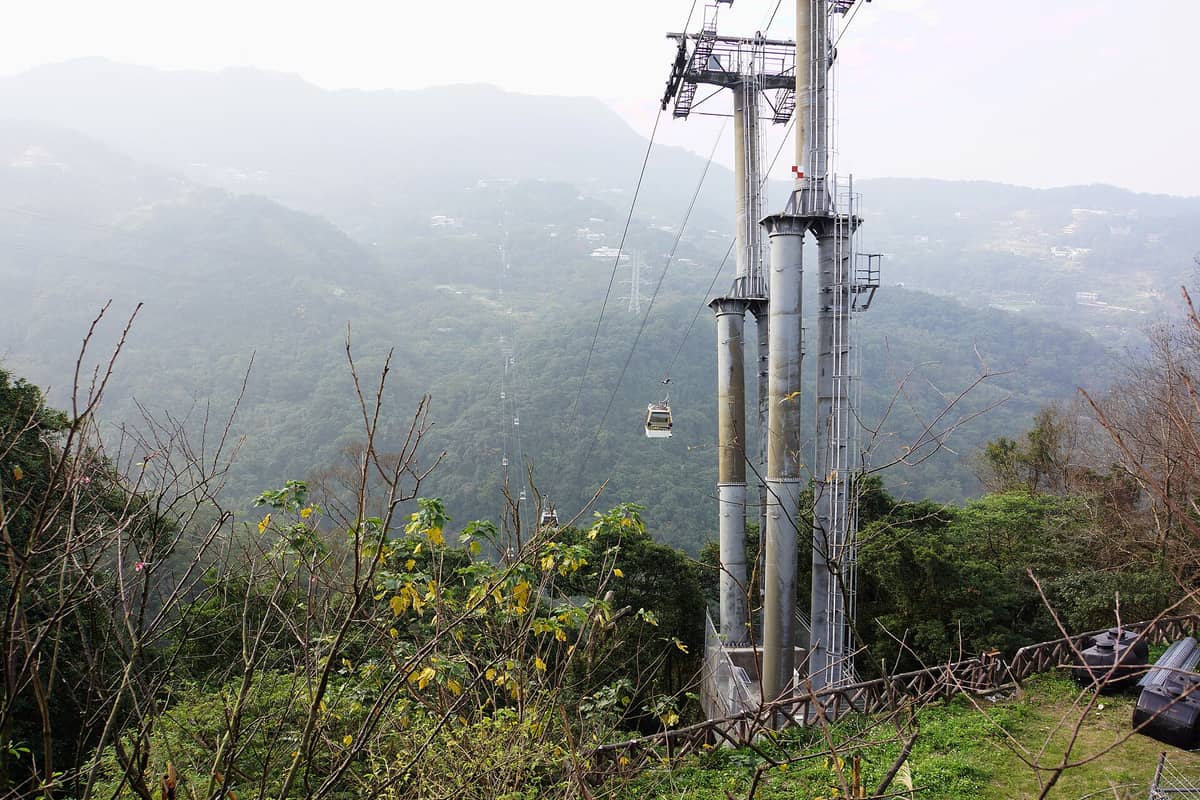
The Maokong Gondola is a 4 km cable car route that runs from MRT Taipei Zoo Station on the Brown Line up through two intermediate stops to Maokong station at the top. The ride takes roughly 20 to 25 minutes each way and delivers good views over the Taipei basin, especially on clear days between October and April. For most visitors, it beats the alternative of a taxi or scooter up steep, winding roads.
- Fares (as of March 2025) NT$180 per single ride (standard); NT$300 unlimited day pass. Discounted fares of NT$50 (single) and NT$100 (day pass) apply to seniors, children aged 6–12, and passengers with disabilities — bring valid ID. Children aged 0–6 ride free.
- Payment EasyCard is accepted and recommended. Daily EasyCard spending is capped at NT$300 (the day-pass rate), so frequent riders automatically save.
- Operating hours Weekdays 09:00–21:00; weekends and public holidays 09:00–22:00. Closed most Mondays for maintenance, with exceptions on national holidays and the first Monday of each month.
- Weather suspensions Strong wind or typhoon alerts trigger immediate service suspension with no advance notice. Check the official gondola site on the day you plan to visit, especially in summer.
⚠️ What to skip
Many older blog posts still reference the previous distance-based gondola fares (NT$70–120 depending on how many stations you rode). Those figures are outdated. Since March 2025, the gondola uses a flat NT$180 single-ride fare. Verify current fares at the official Maokong Gondola site (english.gondola.taipei) before your visit.
Weekend afternoons from around 14:00 onward tend to draw the longest queues, particularly at the Taipei Zoo base station. Arriving before noon on a weekday dramatically reduces wait time. If you plan to stay for sunset and the night views, the day pass pays for itself and lets you descend at your own pace.
Maokong Teahouses: What to Expect and Where to Sit
Maokong has dozens of teahouses scattered across the hillside, ranging from open-air pavilions with bamboo furniture to air-conditioned indoor rooms with proper gongfu cha sets. Most operate from the early afternoon through 23:00 or midnight, targeting the sunset-to-night-view crowd rather than the morning hiker. The typical setup involves ordering a pot of tea, paying a per-person minimum charge (usually around NT$150–300 depending on the house and the tea grade), and having refills of hot water brought throughout your stay.
The two teas you will see on every menu are Tieguanyin (鐵觀音) and Baozhong (包種). Tieguanyin from Muzha is more heavily roasted than the Fujian original, producing a darker, earthier cup with a distinct caramel edge. Baozhong is lighter and greener, closer to a high-mountain oolong in character, with a floral fragrance that dissipates quickly if you let it cool. Most teahouses also serve simple Taiwanese food, making it easy to spend two or three hours without rushing.
✨ Pro tip
Ask for a gongfu cha set rather than a single-serve pot if there are two or more in your group. The smaller gaiwan or Yixing clay teapot with matching cups lets you properly experience multiple short steeps — which is how Tieguanyin is meant to be drunk. The flavor shifts noticeably from the first steep to the fourth or fifth.
Not all teahouses are equal. Some of the most photographed spots near Maokong Station are primarily tourist operations with overpriced tea and limited knowledge of what they're serving. The better houses tend to be a short walk or shuttle-bus ride from the gondola terminus, tucked further into the plantation area. The Taipei Tea Promotion Center for Tieguanyin and Baozhong Tea in Muzha is a reliable reference point: it offers exhibits on tea cultivation and processing, plus free tastings, which helps calibrate your palate before committing to a paid teahouse session.
Beyond Maokong: Pinglin and the Broader Tea Region
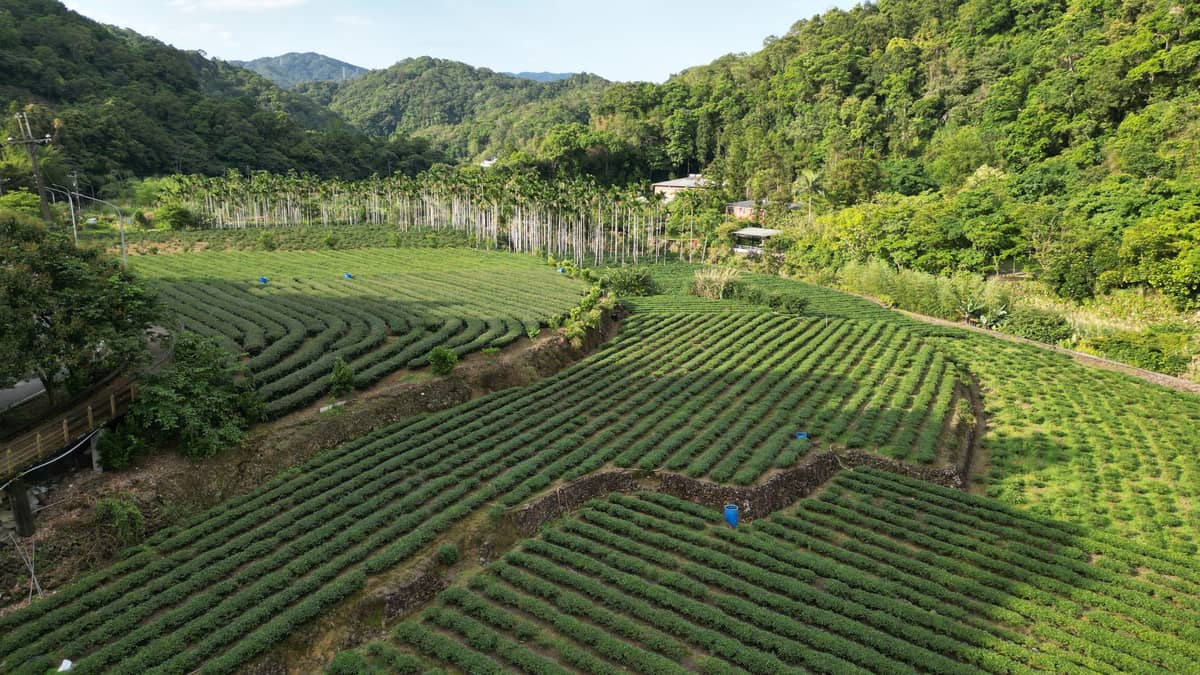
Maokong handles most of the tourist volume, but Taiwan's tea culture near Taipei extends further. Pinglin (坪林), about 40 km southeast of the city center in New Taipei City, is a working tea-production town built around Wenshan Baozhong cultivation. It receives far fewer international visitors than Maokong and offers a more grounded look at how tea is actually grown and processed commercially. The Pinglin Tea Museum has well-documented exhibits in Chinese and English. Pinglin pairs naturally with the scenic northeast coast — combining both into a single day is detailed in the Taipei north coast day trip guide.
The broader mountain tea retreats of Taiwan, sometimes grouped under the informal 'Oolong Country' designation, stretch from the hills around Taipei down to Ali Shan and Li Shan in central and southern Taiwan. For a taiwan trip focused seriously on tea, Taipei and its surrounding areas serve as the northern anchor of a longer tea trail that rewards slower travel. Day trips or organized tours from Taipei that combine Maokong with Pinglin Tea Plantation are bookable through several tour platforms and typically run four to six hours.
- Maokong (Wenshan District, Taipei): Tieguanyin and roasted Baozhong; teahouses, gondola access, night views
- Pinglin (New Taipei City): Wenshan Baozhong production town; tea museum, quieter, better for serious buyers
- Sanxia (New Taipei City): Known for Oriental Beauty and green tea; craft tea shops and old street nearby
- Shiding (New Taipei City): Small mountain township with tea farms; less developed for tourism but accessible by bus from Taipei
Gongfu Cha: The Brewing Method Behind the Experience
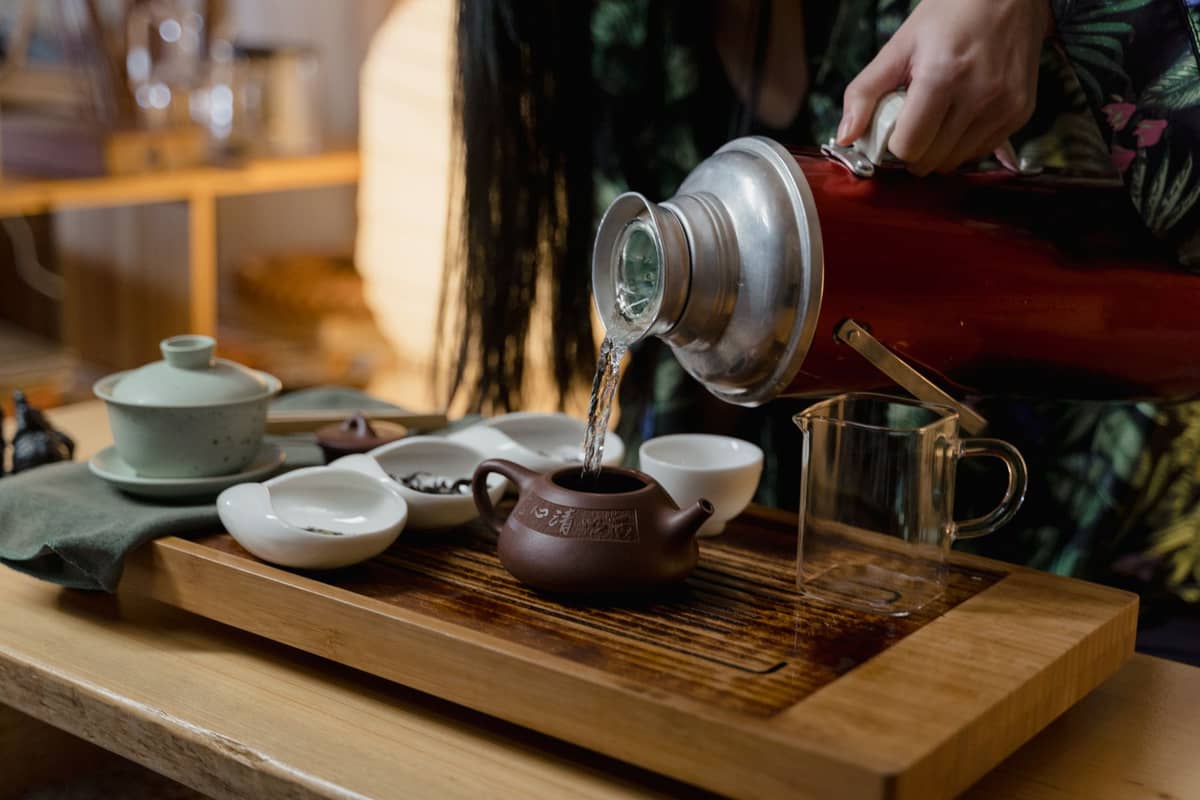
Gongfu cha (功夫茶, literally 'skilled tea') is not a specific tea type but a brewing method centered on using a small vessel, a high leaf-to-water ratio, and multiple short steeps rather than one long infusion. In Taipei teahouses, you will typically be presented with a clay or ceramic teapot or gaiwan holding around 100–150 ml, a pitcher (fair cup) for equalizing the pour, and individual tasting cups. Water temperature matters: Tieguanyin performs best around 90–95°C, while greener oolongs like Baozhong are better at 85–90°C.
The ritual element of gongfu cha is real but should not be intimidating. In Taipei teahouses catering to a mixed clientele, staff generally walk newcomers through the basics without formality. The key insight is patience: the first steep is often 30–45 seconds, and subsequent steeps can run slightly longer. A quality Tieguanyin should hold up for five to seven steeps before the flavor flattens. If your tea loses character after two steeps, the leaves are either old or the initial steep was too long.
Practical Planning: Seasons, Timing, and Getting There
The best time to visit Taipei for the tea experience is October through April, when temperatures are cooler, rainfall is more predictable, and sitting in an open-air teahouse is actually pleasant. Summer (June to September) brings high humidity and frequent afternoon thunderstorms that can shut the gondola and make outdoor teahouse seating uncomfortable. That said, teahouses with indoor seating remain viable year-round.
The Maokong Gondola base station is a short walk from Exit 1 of MRT Taipei Zoo Station on the Brown Line. The full journey from central Taipei, say from Taipei Main Station, takes around 30 minutes by MRT. For a half-day version of the experience, arrive at the gondola by 14:00 on a weekday, ride up, spend two hours at a teahouse, and descend before the evening rush. For a full day, combine Maokong with the Taipei Zoo below (one of Asia's largest) or pair it with a walk through Wenshan District's lower trails before ascending.
If you want to frame the tea culture trip within a broader Taipei itinerary, the 3-day Taipei itinerary works well with Maokong slotted into Day 2 or Day 3 alongside southern district sights. Those traveling in winter specifically will find the cool, misty hillside atmosphere of Maokong particularly well suited to the season — see the Taipei in winter guide for context.
- Get to MRT Taipei Zoo Station via the Brown Line (direct from Daan or Zhongxiao Fuxing)
- Weekday mornings are the quietest time at the gondola; weekend afternoons have 30–60 minute queues
- Carry an EasyCard — it works on MRT, gondola, and city buses back into town
- Shuttle buses run between gondola stops and deeper into the tea plantation area if you want to walk between teahouses
- Check english.gondola.taipei on the day you plan to go, especially June through September
💡 Local tip
Maokong teahouses charge a minimum per-person fee that typically covers unlimited hot-water refills. If you are buying loose-leaf tea to take home, the on-site shops and smaller farms in the plantation area often offer better value and more variety than the souvenir counters near the gondola station.
FAQ
How do I get to Maokong from central Taipei?
Take the MRT Brown Line to Taipei Zoo Station (terminal stop), then walk about five minutes to the Maokong Gondola base station. The gondola ride to Maokong takes 20–25 minutes. The full trip from Taipei Main Station is around 35–40 minutes. There is no direct MRT to Maokong itself — the gondola is the standard access route.
What is the Maokong Gondola fare in 2025?
As of March 2025, the gondola uses a flat fare of NT$180 per single ride for standard passengers, with a NT$300 unlimited day pass. Discounted fares (NT$50 single / NT$100 day pass) apply to eligible concession passengers under Maokong Gondola rules, such as certain Taipei residents in specified age and disability categories. Children aged 0–6 ride free. EasyCard is accepted, and on the Maokong Gondola multiple rides in one day are capped at the NT$300 day-pass rate.
What tea should I order in Maokong?
Start with Muzha Tieguanyin (木柵鐵觀音), which is the tea most closely associated with Maokong. It's a roasted oolong with a distinctive earthy, slightly caramel character that differs from the Tieguanyin produced in Fujian or Guangdong. Baozhong (包種) is the other local specialty — a lightly oxidized oolong with a floral, green quality. If a teahouse offers a tasting flight comparing the two, it's worth taking.
Is Maokong worth visiting if I only have one day in Taipei?
Honestly, it depends on your priorities. If tea culture is a main reason for your visit, yes — the gondola plus two hours at a teahouse is a highly efficient half-day. If you are rushing through a standard sightseeing list that includes Taipei 101, the National Palace Museum, and a night market, Maokong may not fit. It suits a slower pace better than a packed one-day itinerary.
Can the Maokong Gondola close without notice?
Yes. The gondola suspends service during strong winds, heavy rain, and typhoon warnings — sometimes with very little notice. It is also routinely closed on most Mondays for maintenance (exceptions apply on national holidays and the first Monday of each month). Always check the official site at english.gondola.taipei before making the trip, especially during Taiwan's summer typhoon season from July to September.