Taipei Zoo: What to Know Before You Visit One of Asia's Biggest Zoos
Spread across 165 hectares of forested hillside in Wenshan District, Taipei Zoo (臺北市立動物園) is one of the largest zoos in Asia. With admission starting at NTD 100, it rewards a full-day visit and connects directly to the Maokong Gondola for an easy afternoon extension.
Quick Facts
- Location
- No. 30, Sec. 2, Xinguang Rd., Wenshan District, Taipei City 116016
- Getting There
- Wenhu Line (Brown Line) to Taipei Zoo Station; walk about 350 m to Maokong Gondola Taipei Zoo Station
- Time Needed
- 3-5 hours for a thorough visit; full day with children
- Cost
- General NTD 100; Taipei residents NTD 60; concessions NTD 50; ages 0–5 free
- Best for
- Families, animal lovers, slow weekend mornings
- Official website
- english.zoo.gov.taipei
What Taipei Zoo Actually Is
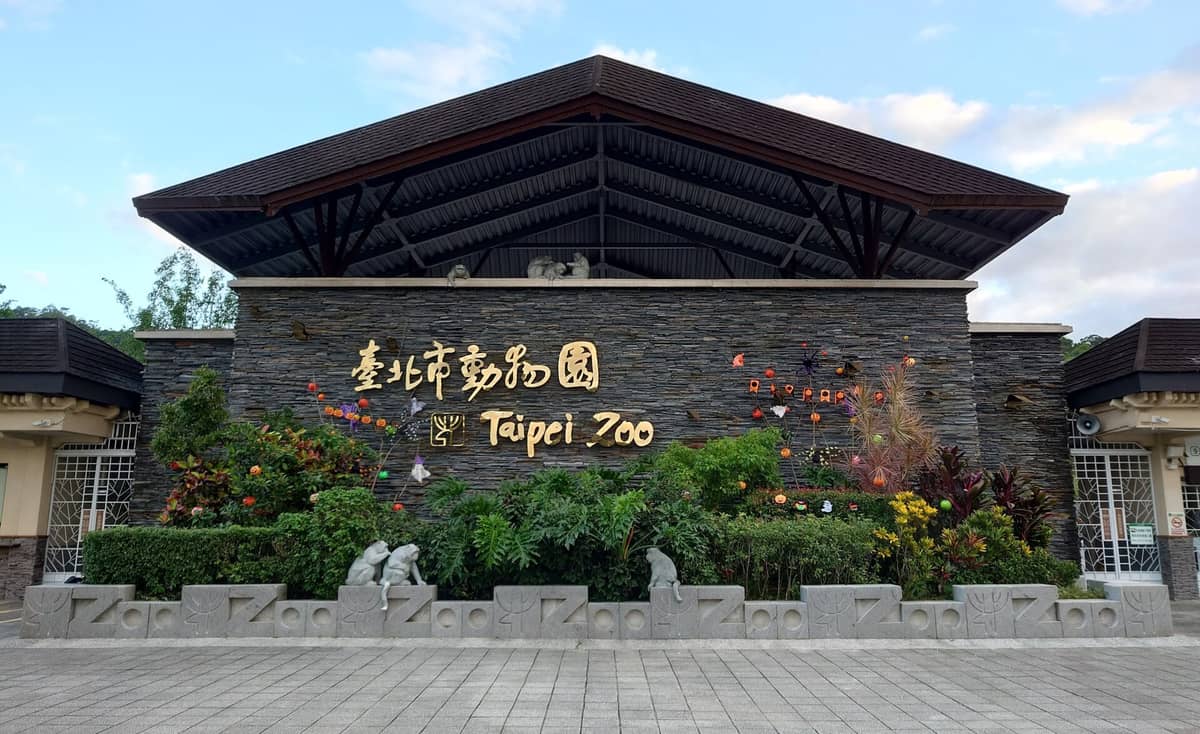
Taipei Zoo, officially known as the Taipei City Zoo (臺北市立動物園), occupies roughly 165 hectares of subtropical hillside at the southern edge of Wenshan District. It opened in its current location in 1987, though the institution traces its roots to 1914, making it over a century old. The scale here is genuinely striking: animals are housed in spacious naturalistic enclosures rather than tight cages, and the landscaping integrates the zoo into the surrounding forested terrain. You will hear birds calling from the bamboo overhead even while standing at the main entrance plaza. It opened in its current location in 1987, though the institution traces its roots to 1914, making it over a century old. The scale here is genuinely striking: animals are housed in spacious naturalistic enclosures rather than tight cages, and the landscaping integrates the zoo into the surrounding forested terrain. You will hear birds calling from the bamboo overhead even while standing at the main entrance plaza.
The zoo is divided into themed exhibition zones covering Africa, the Australian Pavilion, the Children's Zoo, a Tropical Rainforest area, and the Giant Panda House. The resident giant pandas have been a centerpiece of the zoo since their arrival in 2008, and they remain a significant draw for domestic and international visitors alike. Queues for the panda viewing area can stretch long on weekends and public holidays, so morning arrival matters here more than anywhere else in the zoo. The resident giant pandas have been a centerpiece of the zoo since their arrival in 2008, and they remain a significant draw for domestic and international visitors alike. Queues for the panda viewing area can stretch long on weekends and public holidays, so morning arrival matters here more than anywhere else in the zoo.
💡 Local tip
Arrive at opening (09:00) to see the pandas without a long queue. Weekend panda lines can add significant time to your visit.
Getting There and Orientation
The most straightforward route is the MRT Wenhu Line (Brown Line) to Taipei Zoo Station. The station sits at the end of the line, and the zoo's main entrance is a short, flat 1-3 minute walk from the exit. Multiple city bus routes also serve the Taipei Zoo Bus Stop, including lines 236, 237, 294, 295, and 611, among others. If you plan to combine the zoo with a visit to Maokong, note that the Maokong Gondola departs from a station adjacent to the zoo's northeast edge, making it a natural second half to the day.
The zoo grounds slope uphill from the main entrance, which means the first half of your visit is largely a gentle climb, and the return is easier. There is an internal shuttle train (NTD 5) that loops through the main exhibition areas and significantly reduces the walking distance required to reach the upper sections. Stroller and wheelchair access is generally good on the main paved paths, though some steeper service routes are not paved for visitor use.
The Experience at Different Times of Day
Arriving close to the 09:00 opening has clear advantages. The air is cooler, the paths are quiet enough to hear the animals, and the large mammals that retreat into shade by mid-morning are still active. The African Savanna area in particular is worth seeing early: giraffes tend to browse in the open during the cooler hours, and the contrast of their height against the tropical canopy is one of the zoo's genuinely memorable images.
By 11:00 on weekends, the grounds shift noticeably. School groups fill the paths, the Children's Zoo becomes very crowded, and the smell of grilled corn and sugarcane juice from the food stalls near the central plaza starts to drift across the area. If you have young children with you, this energy can be part of the fun. If you prefer a quieter pace, the Insect Museum and the Amphibian and Reptile House on the quieter western flank of the zoo stay relatively uncrowded even at peak hours.
On every Saturday in July and August, the zoo operates extended evening hours until 21:00 with separate night admission ticketing. The experience after dark is genuinely different: nocturnal animals become active, the ambient temperature drops considerably, and the crowds thin out. If you are visiting between June and August, checking the official website for current night opening dates is worth the extra step.
⚠️ What to skip
The zoo is commonly noted as closed on Chinese New Year's Eve and during a late-June to early-July maintenance period. Verify current closure dates on the official site before visiting during these windows.
Key Zones Worth Prioritising
Giant Panda House
The Giant Panda House is the zoo's headline attraction, and it earns that status. The indoor enclosure is kept at a cool, climate-controlled temperature, providing real relief on hot days. The viewing area is designed as a one-way corridor, so visitors flow through at a steady pace. Pandas are generally most active in the morning before retreating to rest; arriving early gives you a better chance of seeing movement rather than a panda-shaped lump behind a bamboo cluster.
African Animal Area
The African zone covers a wide footprint and houses giraffes, zebras, hippos, and lions in large habitat enclosures. The giraffe exhibit in particular benefits from the hilly terrain: the animals are often at eye level with visitors standing on the raised walkway, which creates an unexpectedly intimate viewing experience. Hippo feeding times, when available, draw significant crowds; check the zoo's schedule board at the main entrance for daily times.
Koala House and Australian Pavilion
Taipei Zoo is one of very few zoos in Asia to house koalas. The Australian Pavilion maintains the specific eucalyptus diet and climate conditions required. Koalas sleep up to 20 hours a day, so managing expectations is practical advice here: you will almost certainly see a koala, but you may see it sleeping. The surrounding Australian fauna displays, including wallabies and various bird species, are genuinely well done and often overlooked by visitors rushing toward the pandas.
Children's Zoo and Education Center
The Children's Zoo has a dedicated petting and interaction area with domestic animals. The separate Education Center runs hands-on programs, though scheduling and language availability vary by season. For families travelling with children under ten, this section of the zoo is often the highlight of the entire visit, and the covered areas provide shelter during afternoon rain showers, which are frequent from May through September.
Practical Information and What to Bring
The zoo is open daily from 09:00 to 17:00, with last admission at 16:00. General adult admission is NTD 100, with Taipei residents at NTD 60 and concessions at NTD 50. Children ages 0–5 enter free. Visitors with disabilities and one accompanying caregiver receive free admission with valid ID. Prices should be confirmed on the official ticketing page before visiting, as public institution pricing can change.
Taipei's humidity means the zoo is genuinely tiring on summer afternoons. Wear light, breathable clothing, and bring a small umbrella or rain poncho. The afternoon thunderstorms between June and September rarely last more than 30-40 minutes, but they arrive with little warning. Comfortable walking shoes are essential: even with the shuttle train, covering the main exhibition areas involves significant elevation change over paved and sometimes slightly uneven paths.
Photography is permitted throughout the zoo without flash in indoor enclosures. The grounds offer genuinely good conditions for animal photography in the early morning, when light is soft and animals are active. If you plan to make a full day of it in this part of the city, combining the zoo with a ride on the Maokong Gondola and tea at one of the hillside teahouses above makes for a very satisfying day in Maokong.
Honest Assessment: Is It Worth Your Time?
At NTD 100 for adults, Taipei Zoo represents exceptional value for a half-day or full-day outing, and the size and quality of the enclosures are genuinely impressive compared to many urban zoos in Asia. The animal habitats feel considered rather than cramped, and the integration of mature subtropical forest into the grounds gives the zoo a texture that purely urban counterparts lack.
That said, this is not the right stop for a traveler with only a weekend in Taipei who wants to focus on urban culture, street food, or architecture. Solo travelers on short itineraries may find the time-to-reward ratio better at attractions like Elephant Mountain Trail or the National Palace Museum. The zoo is at its best for families, for travelers who enjoy nature, and for anyone with half a day to spend moving slowly through shaded grounds without the pressure of a tight schedule.
If you are planning a multi-day trip and want to build a coherent itinerary, the Taipei with Kids guide covers the zoo alongside other family-friendly stops in context.
Insider Tips
- The shuttle train (NTD 5) is worth every dollar on hot days. Board it near the main entrance and use it to reach the upper zoo sections; walk back downhill at your own pace rather than climbing in the midday heat.
- The Insect Museum stays under-visited even on busy weekends. It is fully air-conditioned and houses one of the more unusual collections in the zoo, including live leaf-cutter ant colonies and giant stick insects.
- Check the daily animal feeding schedule posted on boards at the main entrance. Hippo feeding and penguin feeding sessions add a structured focal point to your visit and typically happen in the mid-morning window.
- If you are combining the zoo with Maokong, head to the gondola station by early afternoon. The cable cars can have longer waits on busy weekends, and teahouses get busier toward sunset.
- The zoo's food stalls are inexpensive and decent by attraction standards, but the range is limited. If you are particular about food, eat before arriving or plan to exit and return to the Wenshan area nearby.
Who Is Taipei Zoo For?
- Families with children of any age, particularly those with young kids who want space to move
- Animal and wildlife enthusiasts who appreciate large, naturalistic enclosures over compact urban zoos
- Travelers combining a morning at the zoo with an afternoon on the Maokong Gondola
- Budget-conscious visitors looking for a full-day activity at very low cost
- Visitors seeking a slower-paced, green alternative to Taipei's denser urban attractions
Nearby Attractions
Other things to see while in Maokong:
- Maokong Gondola
The Maokong Gondola lifts passengers from MRT Taipei Zoo Station high into the tea-covered hills of Wenshan District. The 20-minute aerial journey passes over dense forest and tea terraces before arriving at Maokong, Taipei's most accessible mountain tea village. It works equally well as a quick scenic escape or the start of a leisurely afternoon among teahouses.