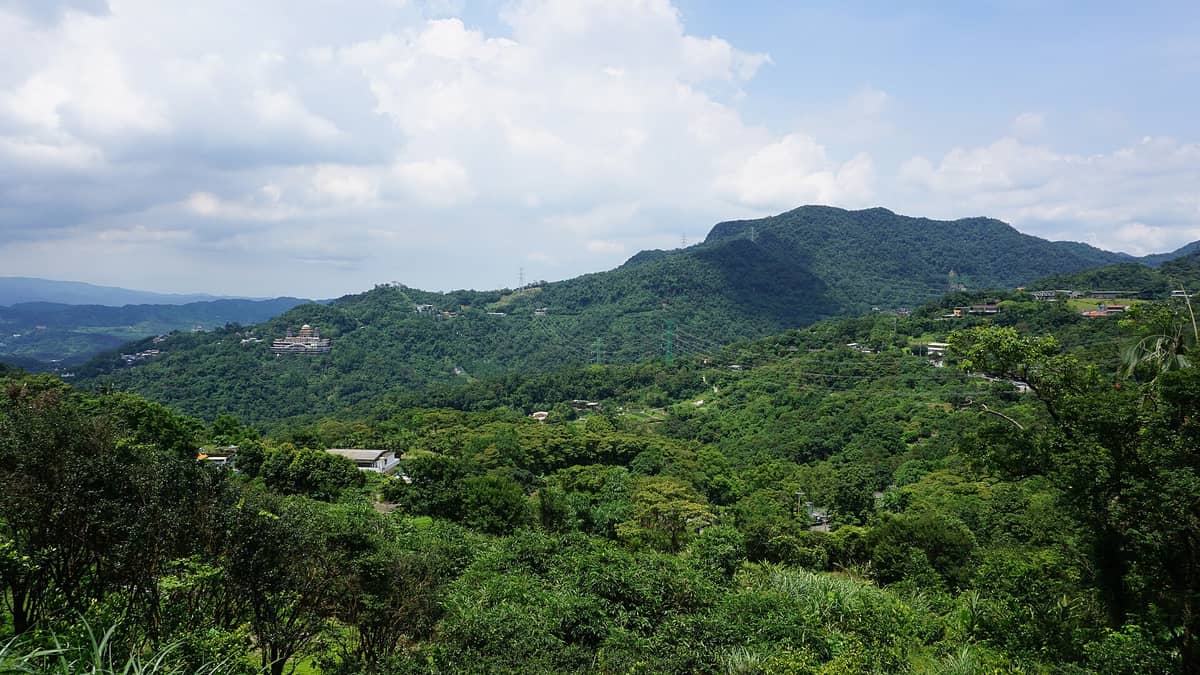
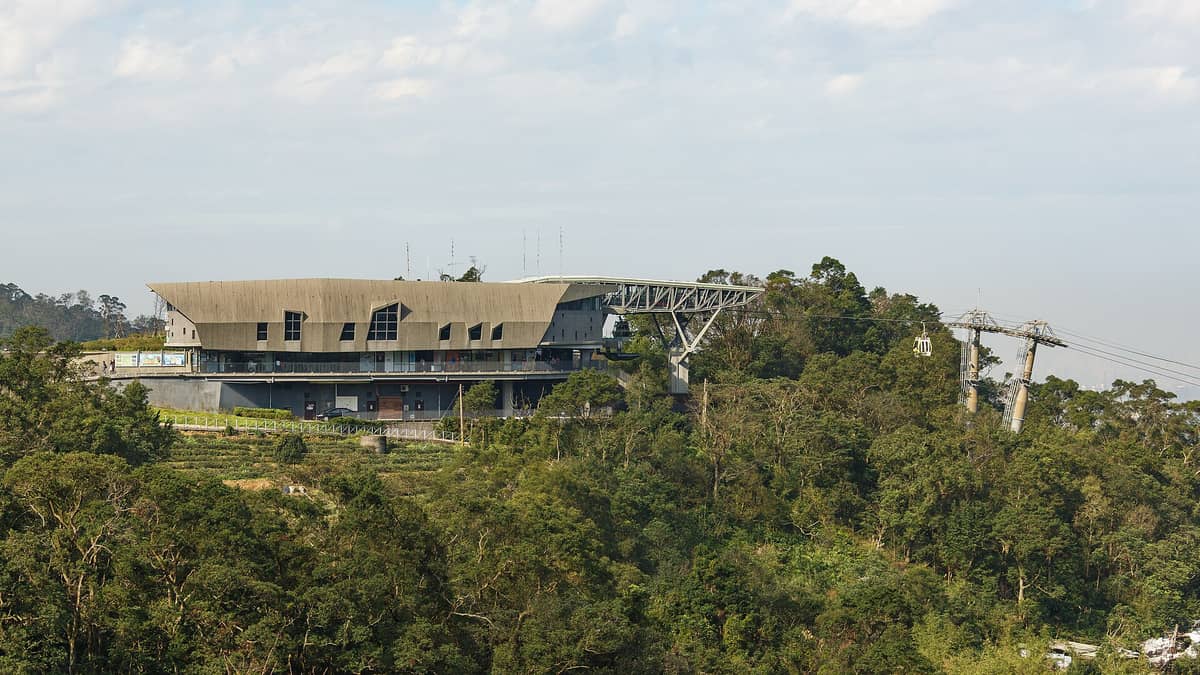
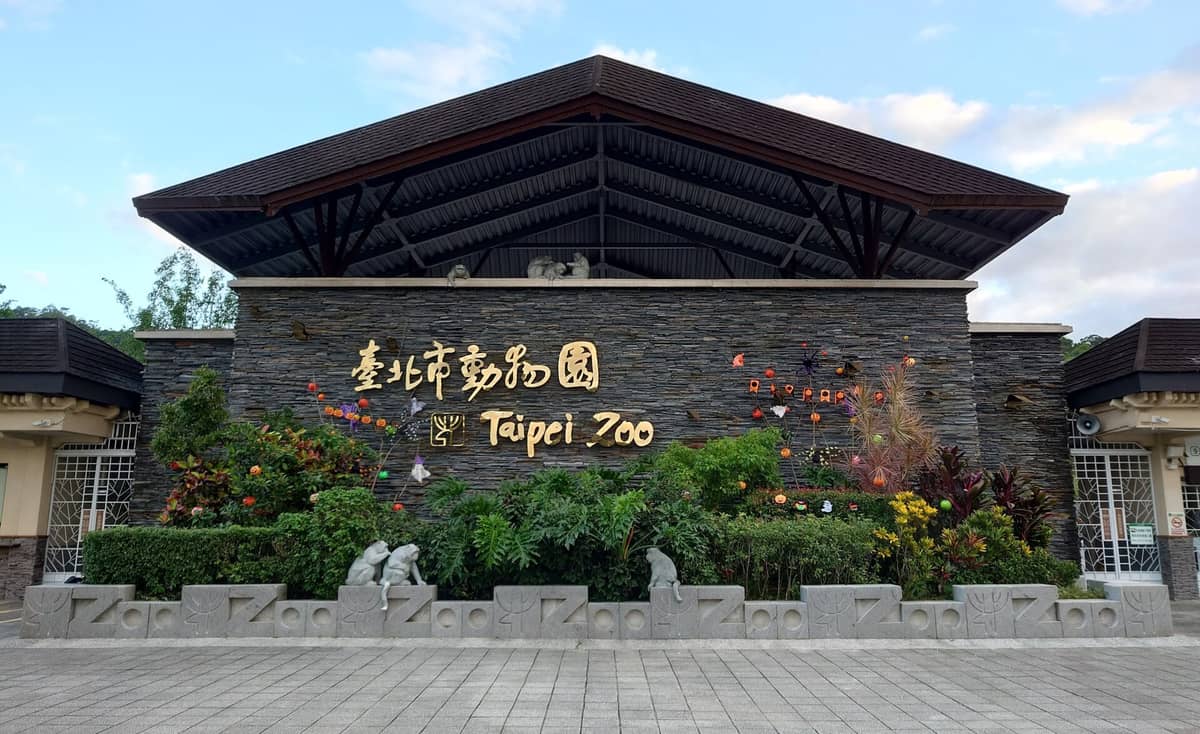
Perched in the hills of Wenshan District on Taipei's southern fringe, Maokong is the city's most atmospheric tea-growing area. Reached by gondola from Taipei Zoo MRT station, it trades the urban grid for terraced tea gardens, woodland paths, and open-air teahouses with sweeping views over the city below.
Maokong sits above the city in the forested hills of Wenshan District, where terraced tea gardens and wooden teahouses replace the concrete grid of central Taipei. It is one of the few places in the city where the pace genuinely slows, and where a clear evening produces one of the best panoramas of the Taipei basin you will find without serious hiking.
Orientation
Maokong occupies the hills southwest of Getou Mountain in Wenshan District, the southernmost district of Taipei City. It sits at roughly 300 metres above sea level, far above the flat basin that holds most of the city. Wenshan District itself borders New Taipei City to the south and west, and it has a distinctly residential, outer-suburb character compared to the central districts. Maokong is the area's best-known destination outside of National Chengchi University, which anchors the district's northern reaches.
The area has no conventional street grid in the urban sense. Xinguang Road Section 2 is the primary access road, and Maokong Station on the gondola system sits at No. 8 on that road. From the gondola terminal, a loose network of lanes and footpaths fans out to individual teahouses, temple buildings, and trailheads. Distances between stops are short in a straight line but can feel longer on foot because of the terrain. First-time visitors should think of Maokong less as a walkable neighbourhood and more as a cluster of destinations in a hillside setting.
The natural pairing for Maokong is the Taipei Zoo, which sits at the gondola's base station. Many visitors combine both in a single day, especially on weekends. The two are in effect one corridor: gondola down, zoo visit, MRT back into the city. Maokong also connects thematically to the city's tea culture, and understanding it helps to read the hillside properly.
Character & Atmosphere
The atmosphere in Maokong changes dramatically depending on the time you arrive. Mornings are genuinely quiet. The mist that collects in the Taipei basin overnight often lingers in the hills until mid-morning, and the gondola cabins move silently through low cloud. At this hour the tea gardens are at their most photogenic: the rows of low bushes catch the diffuse light, and the sound of birds replaces the usual urban background noise. A handful of teahouses open for morning service, and a few regulars come specifically for the early calm.
By early afternoon on weekends, the gondola queues at Taipei Zoo Station grow considerably, and the main plaza around Maokong Station fills with day-trippers. The teahouses along the central lanes are occupied, the tea-egg sellers are open, and the whole area takes on the relaxed but social atmosphere of a Sunday outing destination for Taipei residents. This is not a bad time to visit, just a different one. The crowds tend to thin between 3pm and 5pm as families head home.
Evenings are where Maokong earns its strongest reputation. As the city lights come on in the basin below and the temperature drops a few degrees compared to the lowland heat, sitting in an open teahouse with a pot of Tieguanyin and a view over Taipei's glowing grid is one of the city's more memorable experiences. Weekend evenings can still draw crowds, particularly at the more popular teahouses with panoramic seating. Weekday evenings are markedly quieter. The gondola generally runs from 9am to 9pm on weekdays and until around 10pm on holidays and many weekends, so plan your descent accordingly and check the latest hours before visiting.
💡 Local tip
For the best evening experience, take the gondola up at dusk, around 6pm in summer or 5pm in winter, so you arrive while there is still light in the sky. Then stay for the city views after dark before catching the gondola back.
What to See & Do
The Maokong Gondola is the defining experience of visiting this area, and not just as transport. The 4.03-kilometre cable car route takes about 20 to 25 minutes from Taipei Zoo Station to Maokong Station, rising sharply over forested ridges and passing above the rooftops of the Muzha tea district. Some cabins have glass floors, which are worth requesting at the ticket counter. The views on a clear day are exceptional, and on partly cloudy days the interplay of cloud and forested hillside is atmospheric in its own right.
The gondola line makes intermediate stops at Taipei Zoo South Station and Zhinan Temple Station. Zhinan Temple is a significant Taoist temple complex that is worth a stop in its own right. The main temple is dedicated to Lu Dongbin, one of the Eight Immortals in Chinese folk religion, and the complex clings dramatically to the hillside. The interior courtyards are incense-thick and genuinely active as a place of worship. A steep staircase leads down from the gondola station to the temple grounds.
Walking trails connect many parts of the Maokong area. The Camphor Tree Trail and several paths through the tea garden terraces are accessible without specialised equipment. A Maokong tour bus route runs between the gondola terminal and various stops including Zhangshan Temple and trailheads, which is useful if you want to explore further without backtracking on foot in the heat. The trails here give access to genuine secondary forest, and birding is rewarding in the morning hours.
Maokong Gondola ride, including the glass-floor cabin option
Zhinan Temple complex at the mid-station stop
Tea garden walks and the Camphor Tree Trail
Panoramic viewpoints above the main teahouse strip
Maokong tour bus loop to reach outlying temples and trailheads
For context on other hilltop and outdoor experiences around Taipei, the Taipei hiking guide covers trails across the city, including more demanding routes in Yangmingshan to the north. Maokong's trails suit a casual walker; those wanting a full day of hiking will want to look further.
Eating & Drinking
Tea is the reason Maokong exists as a destination, and the teahouses along the upper lanes are its main food-and-drink offering. The area is most closely associated with Tieguanyin, a lightly roasted oolong that has been cultivated on these slopes since the late nineteenth century. Many teahouses grow at least some of their own tea and will walk you through a basic tasting comparison if you ask. A full tea set with snacks typically costs between TWD 200 and TWD 500 per person, and most teahouses have a minimum spend policy rather than a per-hour charge.
Food at most teahouses is Taiwanese comfort cooking intended to accompany tea service rather than stand alone as a meal: cold tofu, pickled vegetables, braised pork rice, tea-flavoured dishes including tea-smoked chicken and tea-leaf stir-fries. Some establishments serve full Taiwanese set menus. The cooking is consistently solid, rarely exceptional. Pricing is moderate by Taipei standards, roughly TWD 150 to TWD 350 for main dishes, though weekend premiums can apply at the most popular spots with city views.
For deeper context on how to approach Taiwan's tea culture, including the etiquette of a traditional gongfu tea ceremony, the Taipei tea culture guide is worth reading before your visit. Maokong is the most accessible place in the city to experience what that guide describes.
A handful of small food stalls operate near the gondola terminal exit selling tea eggs, grilled corn, and cold drinks. These are best for a quick snack before or after the gondola rather than a proper meal. There is limited cafe-style coffee culture here; Maokong is oriented firmly around tea.
ℹ️ Good to know
Most teahouses require a reservation on weekend evenings, particularly those with panoramic outdoor seating. If you arrive without one, you may wait 30 to 60 minutes or be turned away from the most popular spots. Calling ahead in the morning is sufficient in most cases.
Getting There & Around
The standard route into Maokong starts at Taipei Zoo Station on the Wenhu Line (Brown Line) of the Taipei MRT. From the station, follow the signs to the Maokong Gondola terminal, which is a short walk through the zoo's entrance plaza area. Gondola operating hours are generally Tuesday to Sunday, with Mondays reserved for maintenance. Service is suspended during typhoons and when wind speeds exceed safety thresholds. Tickets can be purchased with an EasyCard or in cash at the terminal.
Several bus routes provide an alternative ground route between MRT Taipei Zoo Station, National Chengchi University, and the Maokong area. These are slower than the gondola and less scenic, but they are the backup option when the gondola is suspended and useful for those who prefer not to take cable cars. The journey typically takes around 30 to 40 minutes depending on traffic.
From central Taipei, the Wenhu Line is accessible from major interchange stations. For a full overview of navigating the MRT system across the city, the getting around Taipei guide explains fare structure, EasyCard use, and which lines serve which districts.
Once at Maokong Station, the gondola tour bus connects the terminal to further stops including Zhangshan Temple and the Camphor Tree Trail trailheads. Walking between teahouses along the main lane is easy and takes about 15 to 20 minutes end to end. For more remote trails or temple visits, the tour bus saves significant time and uphill effort.
⚠️ What to skip
The Maokong Gondola has been suspended in the past for extended periods due to mudslide damage to the supporting infrastructure. Before visiting, check the official gondola website or recent news to confirm it is operating. Service is also cancelled on days with strong winds or during typhoon warnings.
Where to Stay
Maokong has no hotels and is not a base for staying overnight. It functions entirely as a day-trip or evening excursion destination. The nearest accommodation cluster is around MRT Taipei Zoo Station and the broader Muzha and Wenshan area, though most visitors to Maokong stay in more central neighbourhoods and make the trip out by MRT and gondola.
For travellers who want to be well-positioned for both Maokong and central Taipei, the districts of Daan and Xinyi offer good access to the Wenhu Line and are compact enough for city exploration. A broader look at accommodation options across Taipei's neighbourhoods is covered in the where to stay in Taipei guide.
Planning Your Visit
Maokong works well as a half-day excursion combined with the zoo, or as a standalone afternoon-into-evening trip. It pairs naturally with other hillside and outdoor destinations in Taipei. The 3-day Taipei itinerary typically places Maokong on a day that also covers southern Taipei sights, which is the most efficient approach.
Weather matters more here than in the city centre. Maokong sits in the hills where cloud and rain develop quickly, and a grey or drizzly day diminishes the views considerably. Autumn and early winter, roughly October through January, tend to produce the clearest skies and the most comfortable temperatures for sitting in an outdoor teahouse. Summer visits are feasible but the heat and humidity are intense before dusk, and afternoon thunderstorms can disrupt the gondola service.
Maokong is one of the more family-friendly excursions available from central Taipei, especially when combined with the zoo below. For other ideas suited to visitors travelling with children, the Taipei with kids guide covers the full range of options across the city.
TL;DR
Maokong is a tea-growing hillside district in Wenshan District, reached by the Maokong Gondola from Taipei Zoo MRT station on the Wenhu Line.
Best visited in the late afternoon and evening for cool temperatures, city views, and open-air teahouse dining.
The gondola can be suspended due to wind, typhoons, or maintenance; always check operating status before visiting.
Ideal for travellers who want a slower, nature-adjacent experience without leaving the city; not suited to those seeking urban nightlife or shopping.
No accommodation exists in Maokong; it is strictly a day-trip or evening destination, typically paired with Taipei Zoo or southern Taipei sights.
Taipei's humid subtropical climate means the difference between a miserable typhoon-soaked August and a crisp, sunny November can be dramatic. This guide breaks down every month's weather, crowd levels, and key events so you can pick the ideal window for your trip.
Taipei sits within easy reach of mountains, coastlines, hot spring valleys, and historic mining towns. These are the day trips that reward the effort, whether you have a few hours or a full day to spare.
Taipei is one of Asia's most budget-friendly capitals, with an impressive number of world-class attractions that are completely free. From grand ceremonial plazas and centuries-old temples to volcanic national parks and lively night markets, here's how to see the best of Taipei without spending a cent on entry fees.
Taipei has one of the most efficient urban transport networks in Asia. This guide covers everything you need to navigate the city confidently: the MRT system, city buses, Taoyuan Airport connections, EasyCard setup, and the common mistakes that trip up first-time visitors.
Taipei is served by two airports with very different roles. Taiwan Taoyuan International Airport handles nearly all international traffic, while Taipei Songshan Airport serves domestic and select regional routes. This guide breaks down every transport option, with fares, journey times, and clear guidance on which route suits your trip.
Taipei is a strong remote-work base: fast fiber internet, coworking spaces at every budget, a world-class food scene, and a cost of living that still undercuts Tokyo or Singapore. This guide covers what you need to know before you land.
Taipei's food culture runs deep, from neighborhood beef noodle shops and temple-front snack stalls to dumpling houses with decades of history. This guide covers the essential dishes to try, where to find them, what to pay, and how to navigate the city's famous night markets without the rookie mistakes.
Taipei is one of Asia's most walkable cities, and its hiking scene is just as impressive as its food and temples. From quick city-fringe scrambles with skyline payoffs to full-day volcanic summit routes, these are the best trails in and around Taipei, organized by type and difficulty.
Taipei is one of Asia's great hot spring cities, with soaking options ranging from NT$60 public baths to hillside resort ryokans. This guide covers the best hot spring areas, scenic hikes through volcanic terrain, and nearby attractions to round out a full day trip.
Spring in Taipei runs from February through April and delivers cherry blossoms, flower festivals, and some of the most comfortable weather of the year. This guide breaks down exactly when things bloom, which events are worth your time, and what practical realities to plan around.
Taipei's winter is cooler and damper than most visitors expect, but rarely cold enough to slow you down. This guide covers month-by-month weather, what to wear, the best seasonal activities, Lunar New Year logistics, and straightforward notes on crowds and costs.
Three days is enough time to get a genuine feel for Taipei — its historic temples, modern skyline, legendary food scene, and surprisingly accessible nature. This itinerary is structured by neighborhood logic, not wishful thinking, so you spend less time commuting and more time eating.
Everything you need to plan a DIY day trip from Taipei to Jiufen Old Street, Jinguashi's Gold Museum, and the dramatic Gold Coast. Covers transport routes, fares, opening hours, seasonal conditions, and a realistic itinerary to get the most out of your Taiwan trip.
The Taipei Lantern Festival, the Pingxi Sky Lantern Festival, and daily lantern releases at Shifen are three separate events that confuse even experienced Taiwan travelers. This guide breaks down the differences, dates, logistics, and crowd realities so you can plan the right experience for your trip.
Taipei is a serious museum city. From one of the world's great repositories of Chinese art to intimate colonial-era buildings turned into creative spaces, these are the best museums in Taipei across history, art, science, and culture.
Taipei's night markets are the city's social and culinary heartbeat. This guide covers the best markets for food, atmosphere, and local culture, from the city's largest to its most intimate neighborhood spots.
Taipei after dark offers far more than club music and cocktails. From steaming night market stalls to underground DJ sets and rooftop bars with views of Taipei 101, this guide covers every layer of the city's after-hours scene — with specific districts, realistic timing, and a frank take on what's worth your night.
The Taipei north coast loop — Yehliu Geopark, Shifen on the Pingxi Line, and Keelung's Miaokou Night Market — is one of Taiwan's most rewarding full-day excursions. This guide covers transport logistics, admission prices, realistic timing, and what to skip.
Taipei is one of Asia's most wallet-friendly capitals, but only if you know where the savings actually are. This guide breaks down transport passes, free attractions, budget eats, and the seasonal pricing patterns that most travelers miss.
Seven days is enough time to see Taipei's historic core, explore its best neighborhoods, take a day trip or two, and still slow down enough to actually enjoy it. This itinerary is built around the MRT, real opening hours, and clear priorities — not a checklist of every attraction in the city.
For a dense capital, Taipei keeps a surprising amount of green space within easy reach: volcanic national parks, botanical gardens, and 112 kilometers of riverside cycling trails. This guide covers the best parks and outdoor spaces for every pace.
Taipei Pride draws over 150,000 people to the streets of Taipei, Taiwan every October, making it the largest LGBTQ+ pride event in Asia. This guide covers everything: parade dates, routes, costs, accommodation tips, and how to make the most of the full weekend.
Taipei consistently ranks among the safest major cities in Asia, with major Western governments advising only normal precautions. That said, scams, weather risks, and a few specific situations are worth knowing about before you arrive. This guide covers everything honestly.
Taipei rewards shoppers at every budget, from street-food stalls and vintage clothing lanes to flagship department stores stacked around Taipei 101. This guide breaks down where to shop, when to go, and what's actually worth your time.
Taipei sits at the heart of one of the world's great tea cultures. This guide covers everything from riding the Maokong Gondola to the hilltop teahouses of Wenshan District, the correct gongfu cha brewing ritual, and where to find Taiwan's finest Tieguanyin and Baozhong oolong. Practical, specific, and free of fluff.
Taipei's temple culture runs deep. This guide covers the city's most rewarding temples, from the incense-thick halls of Longshan to the serene courtyards of the Confucius Temple, with practical advice on when to go and how to get there.
Taipei rewards those who look up and climb high. From the world-famous observatory at Taipei 101 to free sunset hikes on Elephant Mountain, this guide covers every angle of the city's skyline, from polished paid decks to wild volcanic summits.
Taipei rewards walkers more than almost any other Asian capital. This guide breaks down the best self-guided walking routes by district, with realistic distances, timing advice, where to pick up free maps, and frank notes on what to skip.
Two days in Taipei is enough to see the city's iconic skyline, explore its best temples and night markets, and eat very well. This guide lays out a practical, district-by-district itinerary with real logistics, current prices, and frank notes on what's worth your limited time.
Taipei is one of Asia's most underrated family destinations. Affordable attractions, an easy metro system, and a culture that genuinely welcomes children make it a smooth trip for families of all ages. This guide covers the best things to do in Taipei with kids, with current pricing, practical logistics, and seasonal advice built in.
Taipei packs an extraordinary range of experiences into 271 km²: world-class museums, mountain hikes accessible by MRT, some of Asia's best street food, and century-old temples sitting next to glass skyscrapers. This guide cuts through the noise with specific prices, clear assessments, and practical logistics so you can spend less time planning and more time exploring.
Choosing where to stay in Taipei shapes your entire trip. This guide breaks down the city's key neighborhoods by budget, vibe, and MRT access, with candid trade-offs for every type of traveler.