Best Temples in Taipei: A Complete Visitor's Guide
Taipei's temple culture runs deep. This guide covers the city's most rewarding temples, from the incense-thick halls of Longshan to the serene courtyards of the Confucius Temple, with practical advice on when to go and how to get there.
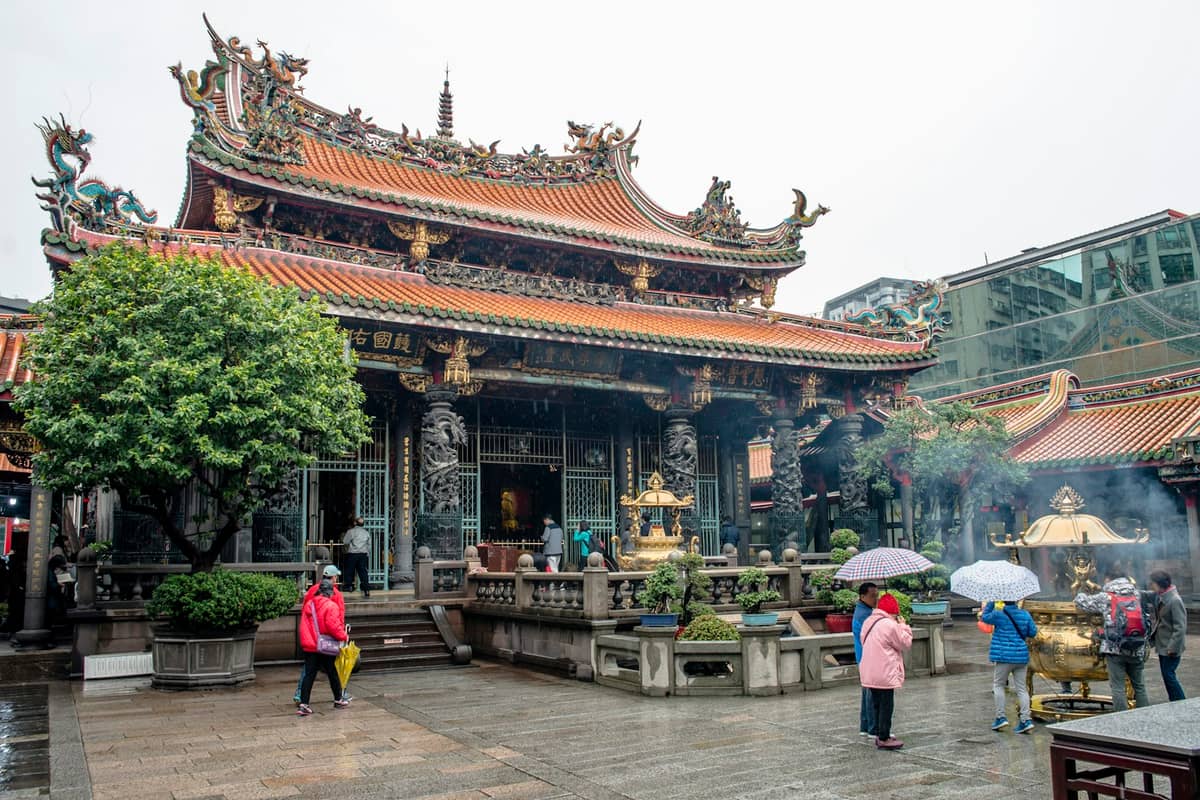
Taipei is one of the most temple-dense cities in Asia, with hundreds of shrines tucked into neighborhoods, hillsides, and historic districts. The best temples here are not just architectural showpieces — they are active, living places of worship where you can watch fortune-telling rituals, observe incense offerings, and witness ceremonies that have continued for centuries. All major temples are free to enter, open daily, and most are reachable by MRT. For a broader picture of the city, see our complete guide to things to do in Taipei. Planning around festivals dramatically changes the experience: the best time to visit Taipei for temple culture is Lunar New Year and the spring festival season, when Baoan and Longshan hold their most elaborate ceremonies. Modest dress — covered shoulders and knees — is expected at every site in this guide.
💡 Local tip
All temples in this guide are free to enter. At Xingtian Temple specifically, do not bring or light incense — it is the only major Taipei temple that has discontinued incense use entirely.
The Essential Temples: Where Taipei Worships
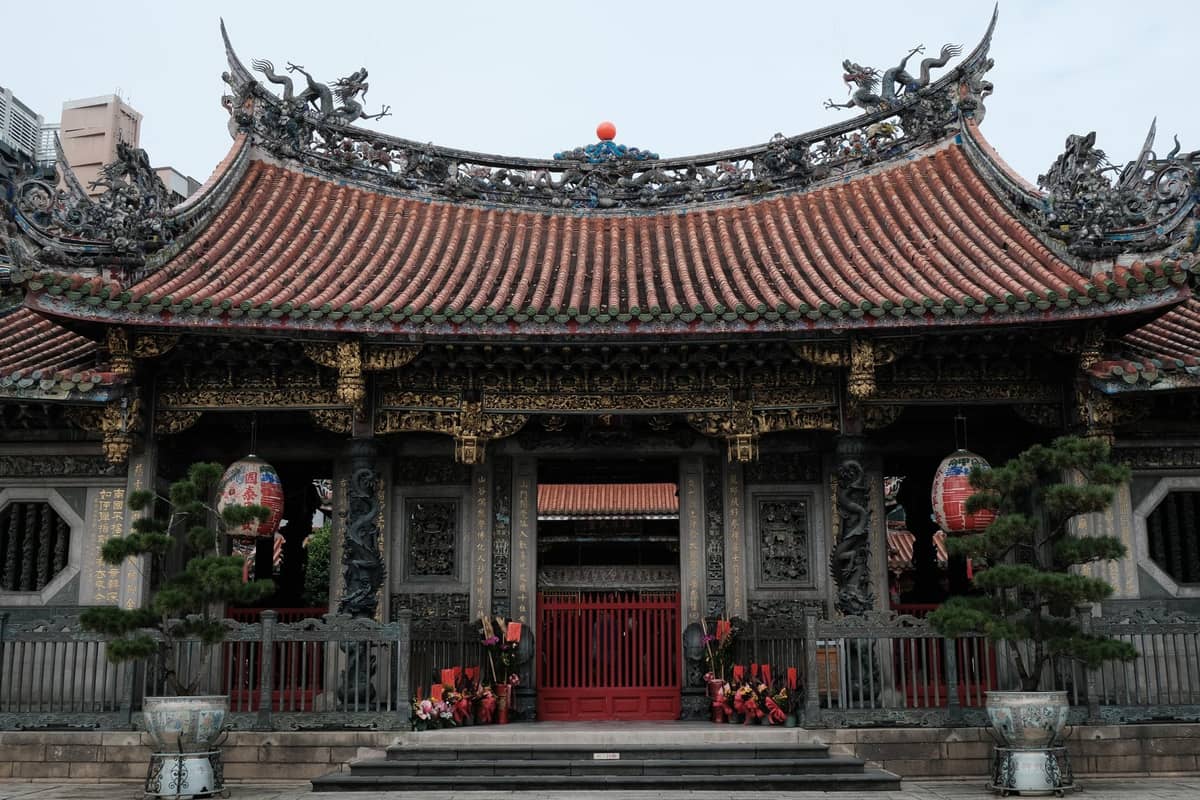
These three temples represent the core of Taipei's religious life. Each is dedicated to a different deity, draws a distinct crowd, and offers a different atmosphere — together they give you a complete picture of how the city prays. The Wanhua district around Longshan is itself one of the oldest parts of the city and worth exploring on foot after your visit.
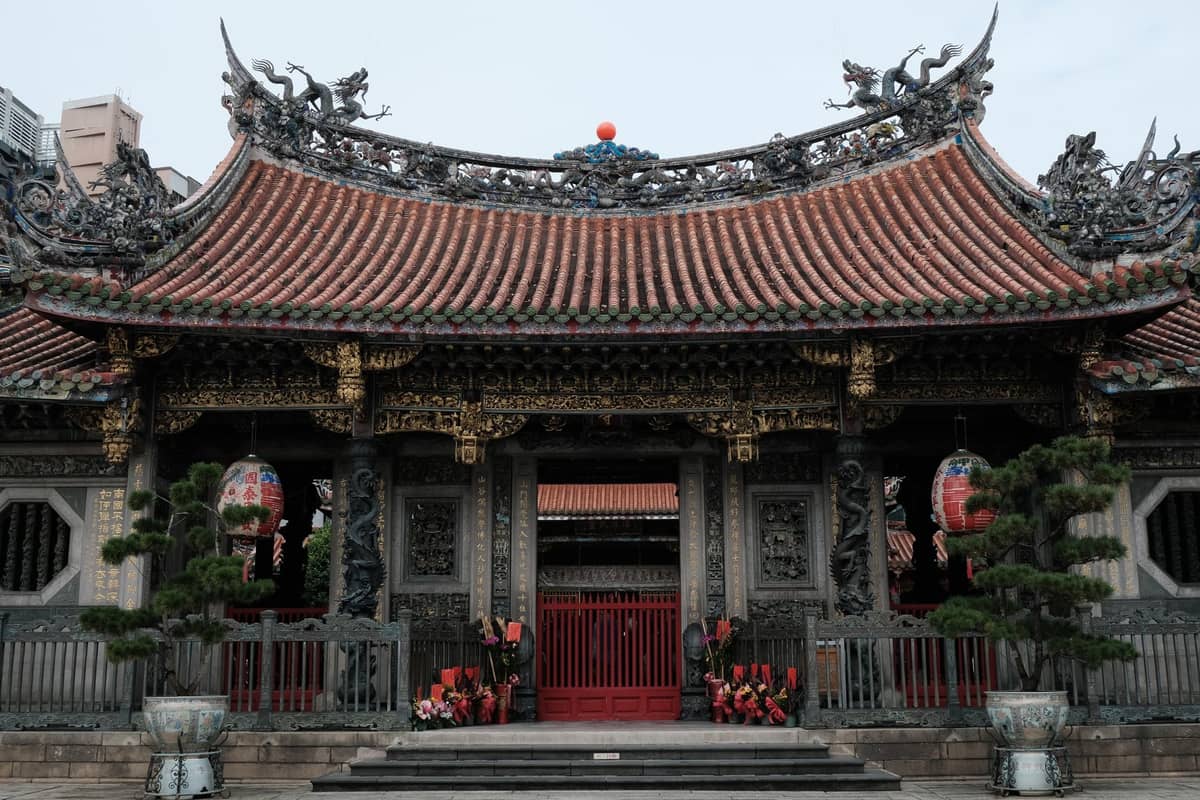
1. Experience Living Worship at Longshan Temple
Taipei's most atmospheric temple, founded in 1738 and dedicated to Guanyin. Come between 18:00–20:00 for evening prayers, when chanting and incense smoke fill the air. Free entry; MRT Longshan Temple Station, Exit 1. Open 06:00–22:00 daily.
Explore1. Experience Living Worship at Longshan Temple
Taipei's most atmospheric temple, founded in 1738 and dedicated to Guanyin. Come between 18:00–20:00 for evening prayers, when chanting and incense smoke fill the air. Free entry; MRT Longshan Temple Station, Exit 1. Open 06:00–22:00 daily.
Explore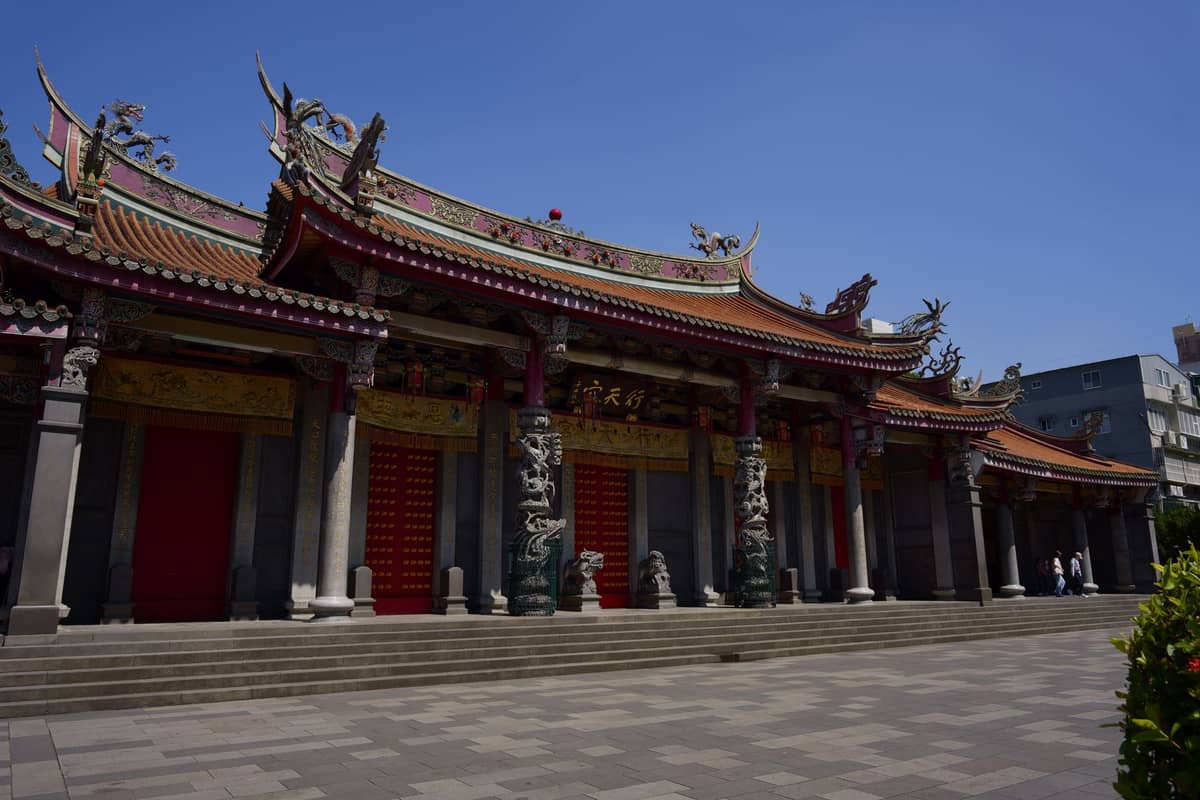
2. Seek Business Blessings at Xingtian Temple
Dedicated to Guan Yu, god of war and commerce, this temple draws thousands of businesspeople daily seeking blessings and consulting fortune-tellers. Uniquely, no incense is used here. Open from 04:00; MRT Xingtian Temple Station, Exit 4.
Explore2. Seek Business Blessings at Xingtian Temple
Dedicated to Guan Yu, god of war and commerce, this temple draws thousands of businesspeople daily seeking blessings and consulting fortune-tellers. Uniquely, no incense is used here. Open from 04:00; MRT Xingtian Temple Station, Exit 4.
Explore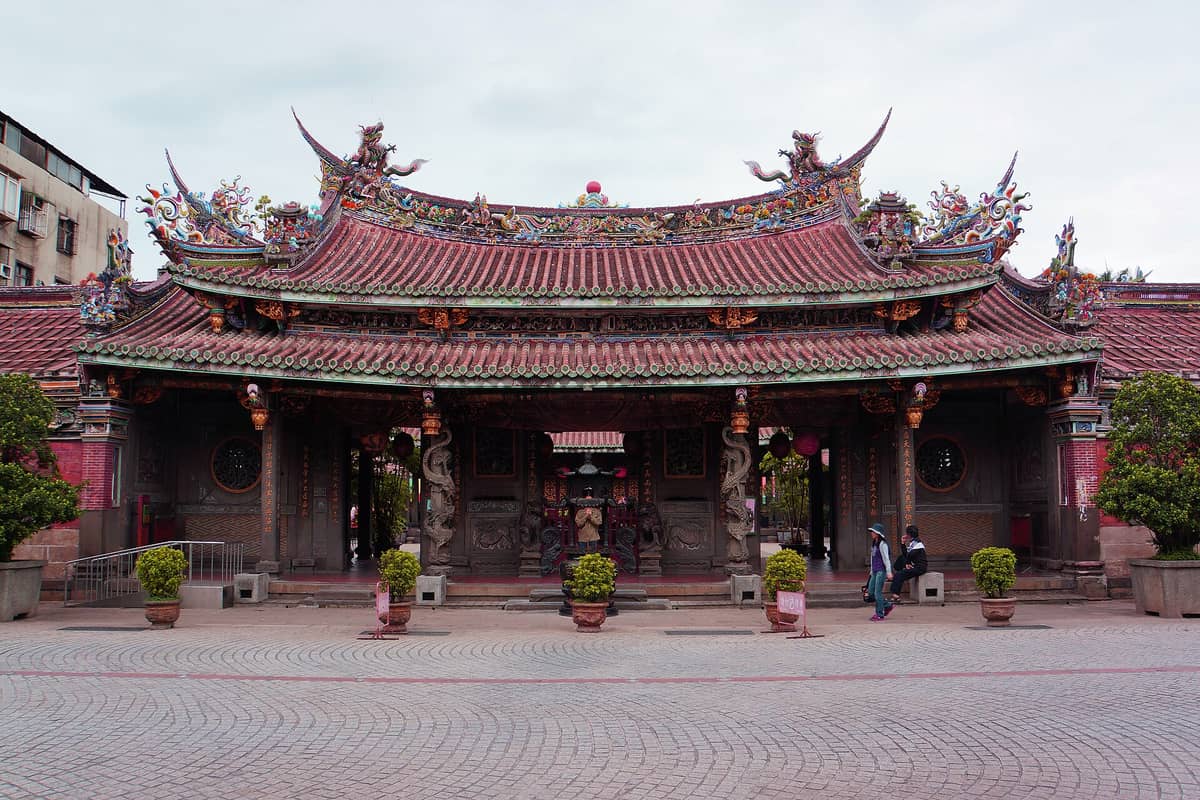
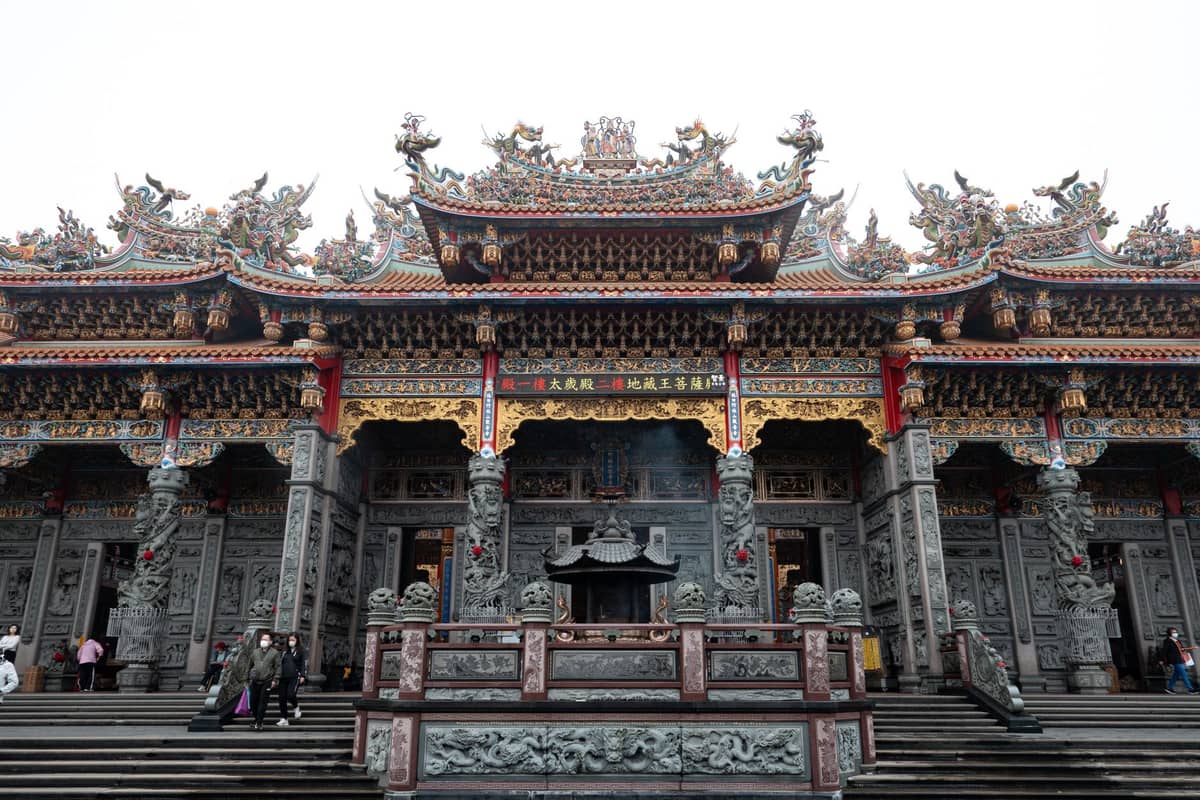
3. Marvel at Master Craftsmanship at Baoan Temple
This UNESCO Award of Excellence winner in Datong District showcases extraordinary stone carvings, painted murals, and ceramic roof dragons. The annual Baosheng Cultural Festival in spring brings traditional opera and ritual processions. Open 06:30–22:00; free entry.
Explore3. Marvel at Master Craftsmanship at Baoan Temple
This UNESCO Award of Excellence winner in Datong District showcases extraordinary stone carvings, painted murals, and ceramic roof dragons. The annual Baosheng Cultural Festival in spring brings traditional opera and ritual processions. Open 06:30–22:00; free entry.
ExploreTemples of Architecture and Ceremony
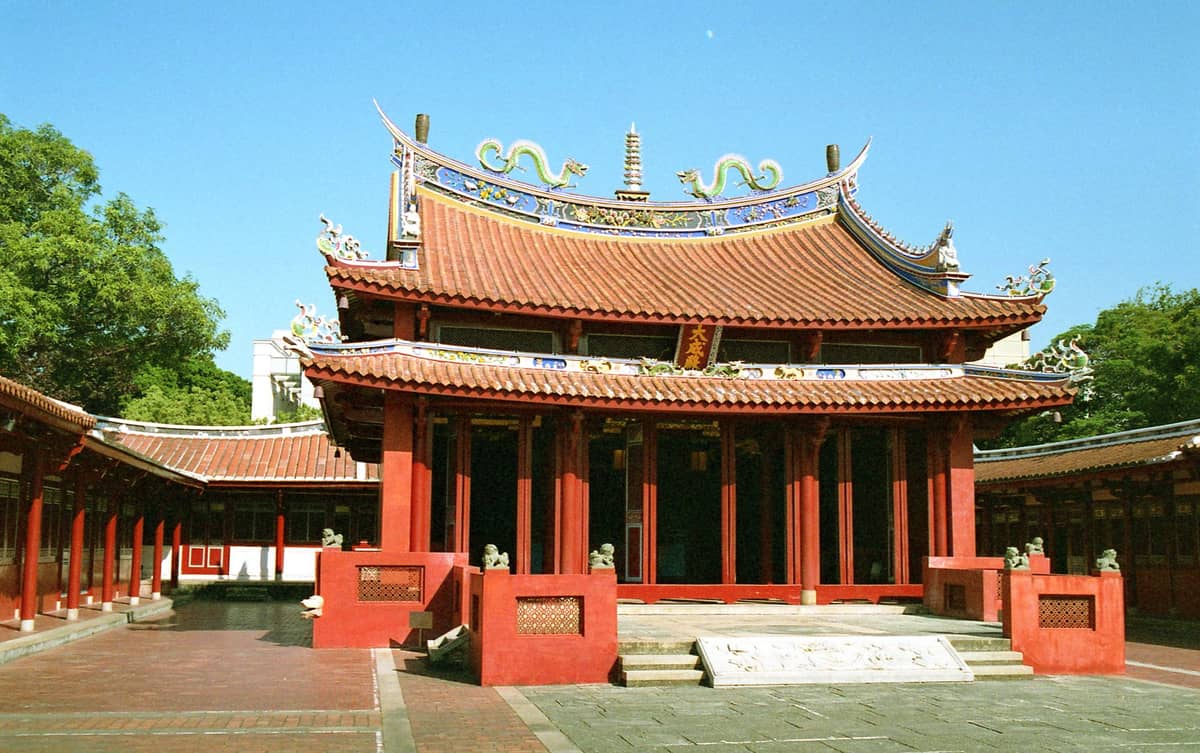
Beyond their religious function, several Taipei temples stand out as architectural achievements and ceremonial stages. The Confucius Temple in particular rewards visitors who plan around its annual birthday ceremony in late September. For a fuller picture of Taipei's historic architecture, the Dadaocheng area where both temples below are located contains some of the city's finest 19th-century streetscapes.
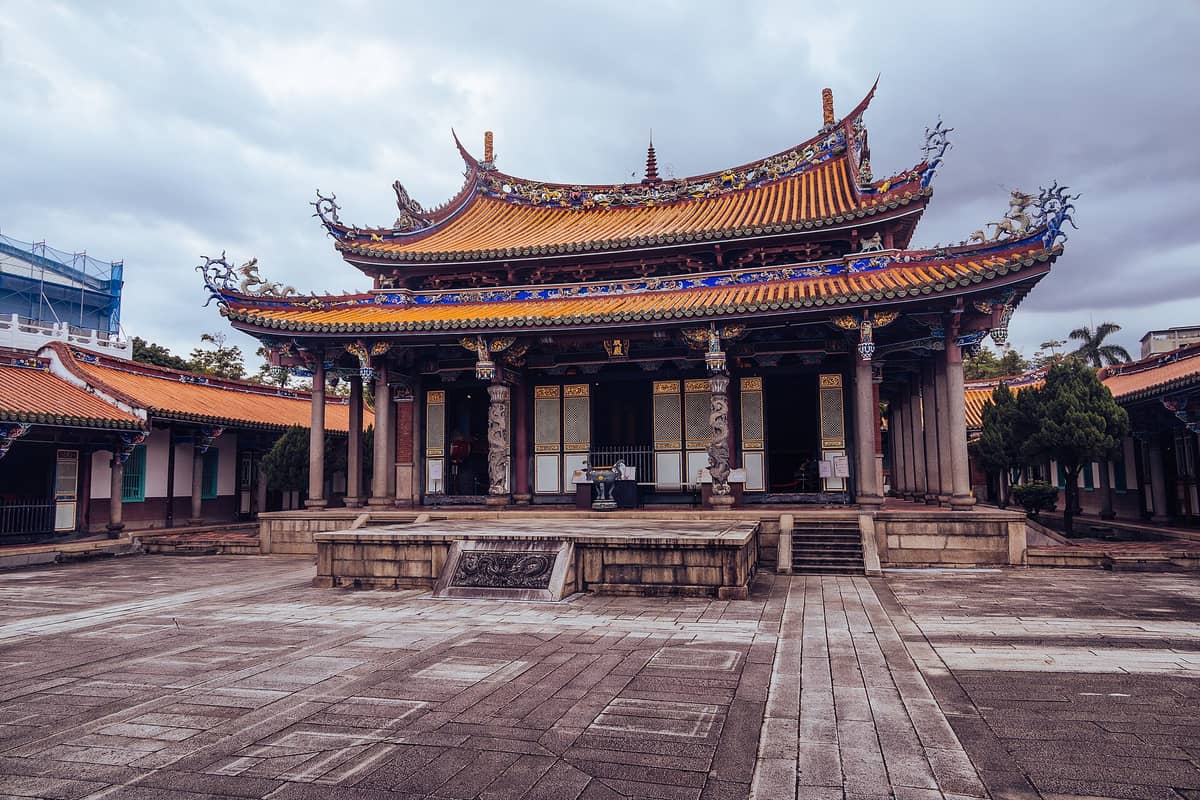
4. Attend the Annual Ceremony at the Confucius Temple
Built in classical northern Chinese style, this serene complex in Datong is quieter than Taipei's deity temples — no incense, no fortune-telling. The annual Confucius Birthday ceremony on September 28 is Taiwan's most elaborate traditional ritual. Free entry daily.
Explore4. Attend the Annual Ceremony at the Confucius Temple
Built in classical northern Chinese style, this serene complex in Datong is quieter than Taipei's deity temples — no incense, no fortune-telling. The annual Confucius Birthday ceremony on September 28 is Taiwan's most elaborate traditional ritual. Free entry daily.
Explore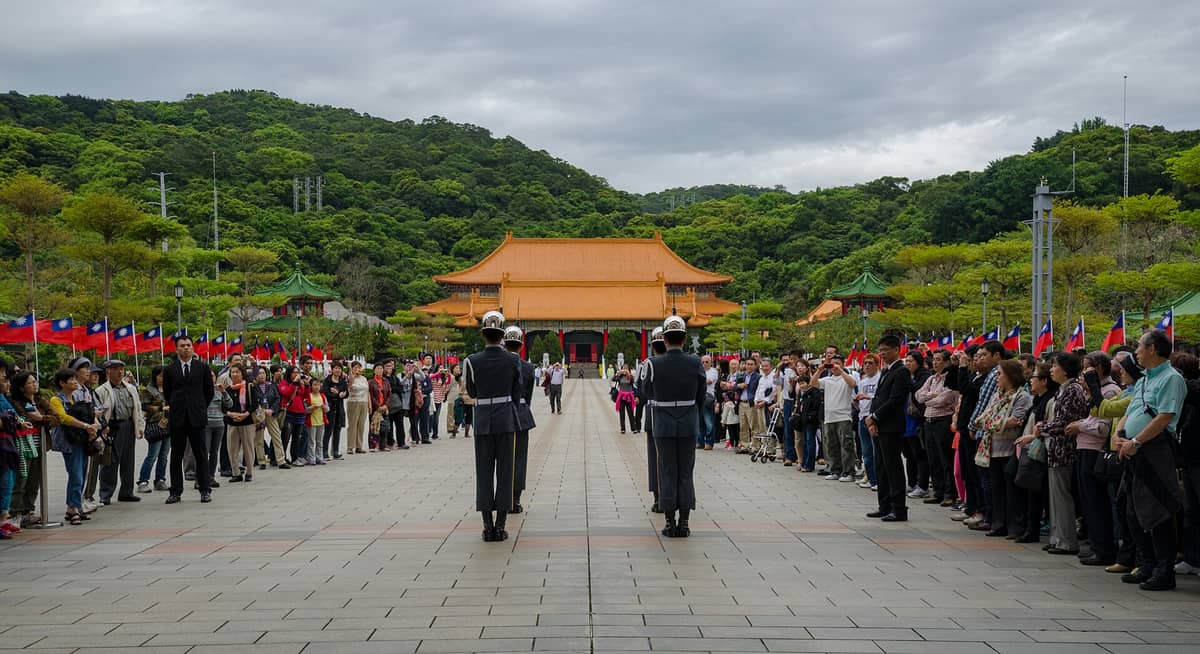
5. Watch the Precision Guard Ceremony at the Martyrs' Shrine
Modeled on Beijing's Hall of Supreme Harmony, this grand ceremonial complex honors Taiwan's war dead. The hourly changing-of-the-guard is performed with extraordinary choreographic precision and is among Taipei's most impressive public spectacles. Free; open daily.
Explore5. Watch the Precision Guard Ceremony at the Martyrs' Shrine
Modeled on Beijing's Hall of Supreme Harmony, this grand ceremonial complex honors Taiwan's war dead. The hourly changing-of-the-guard is performed with extraordinary choreographic precision and is among Taipei's most impressive public spectacles. Free; open daily.
ExploreCliff-Side and Scenic Temples
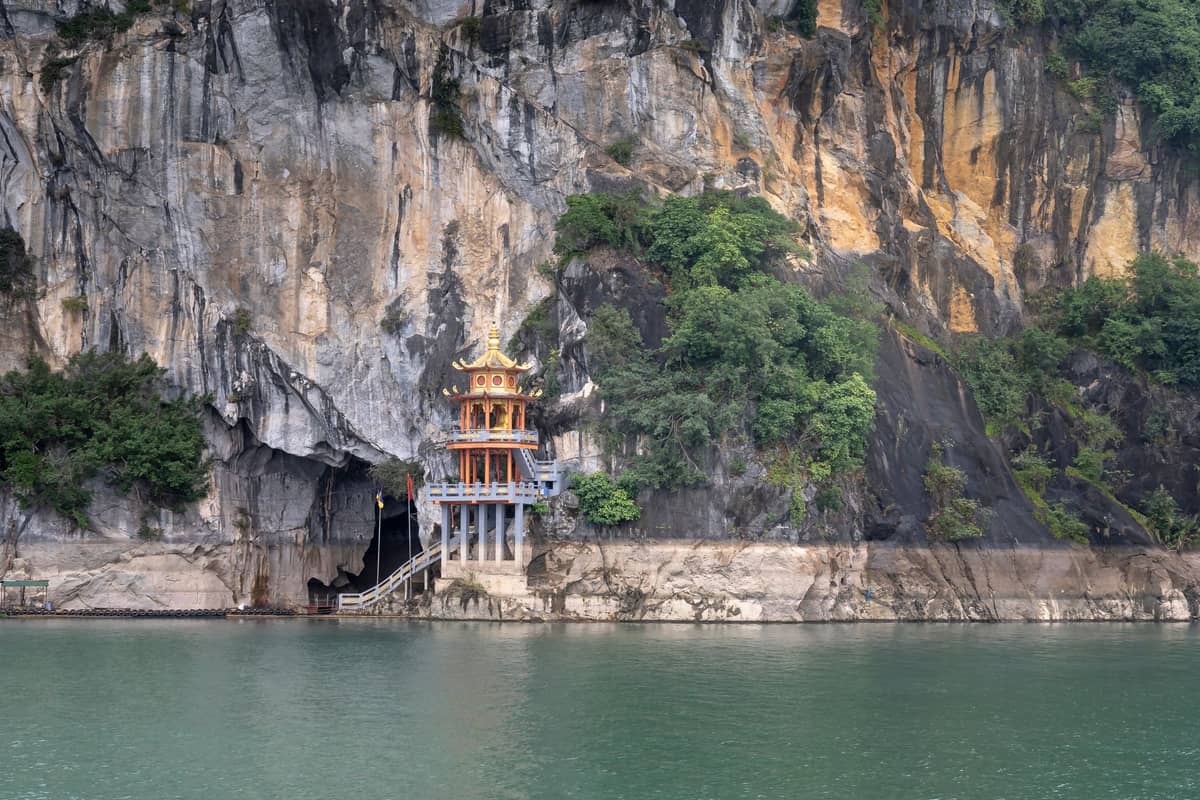
Some of Taipei's most memorable temples derive their power as much from their settings as their sanctuaries. Guandu, in particular, combines a significant Mazu pilgrimage site with genuine drama — the temple is literally built into a cliff face overlooking a river delta. These sites pair well with a broader day in Beitou, where you can combine a temple visit with the nearby hot springs.
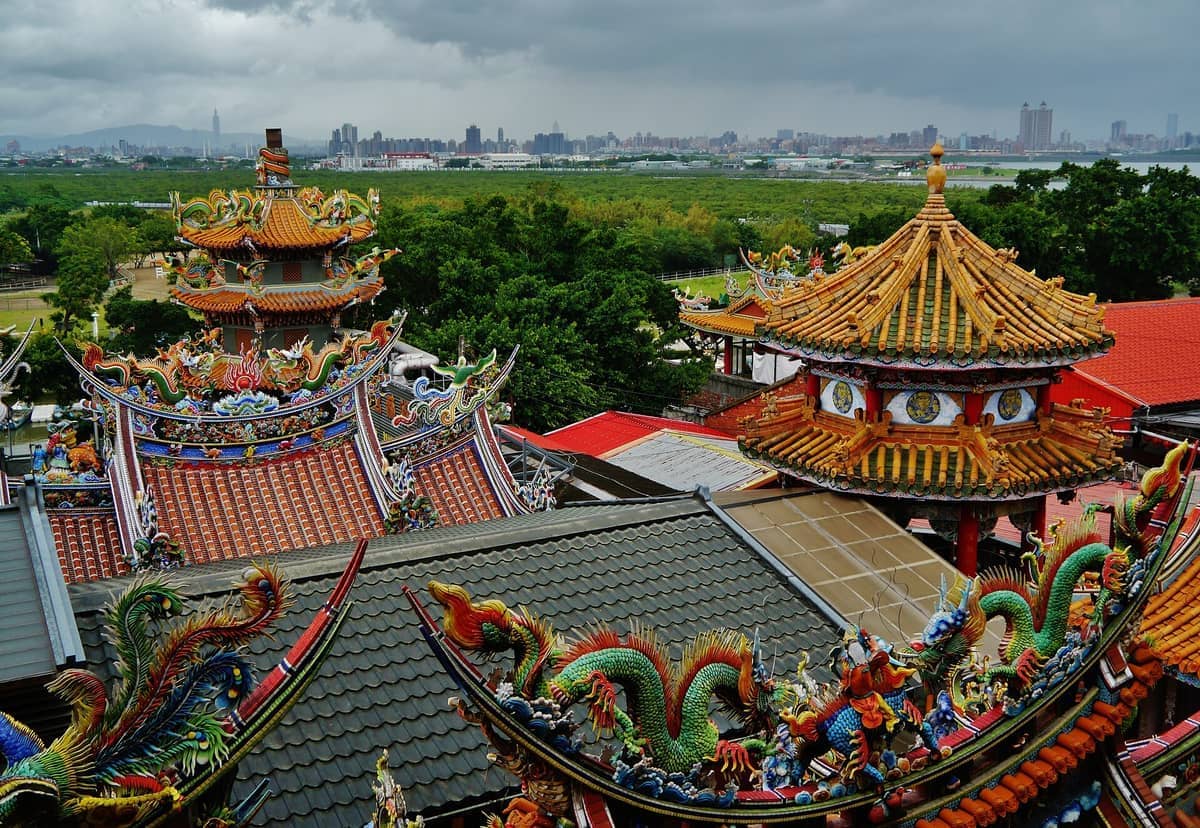
6. Visit the Cliff-Built Mazu Shrine at Guandu Temple
One of northern Taiwan's most important Mazu pilgrimage sites, Guandu Temple is built directly into a hillside cliff at the mouth of the Danshui River. Cave shrines, riverside walks, and sweeping wetland views make this far more than a standard temple visit. Free entry.
Explore6. Visit the Cliff-Built Mazu Shrine at Guandu Temple
One of northern Taiwan's most important Mazu pilgrimage sites, Guandu Temple is built directly into a hillside cliff at the mouth of the Danshui River. Cave shrines, riverside walks, and sweeping wetland views make this far more than a standard temple visit. Free entry.
Explore✨ Pro tip
Combine Guandu Temple with a walk through Guandu Nature Park next door, where you can observe migratory waterbirds from boardwalk trails through mangroves. The nature park charges a small admission fee and both are reachable via MRT to Guandu Station.
Taipei's Most Interesting Non-Temple Sacred Sites
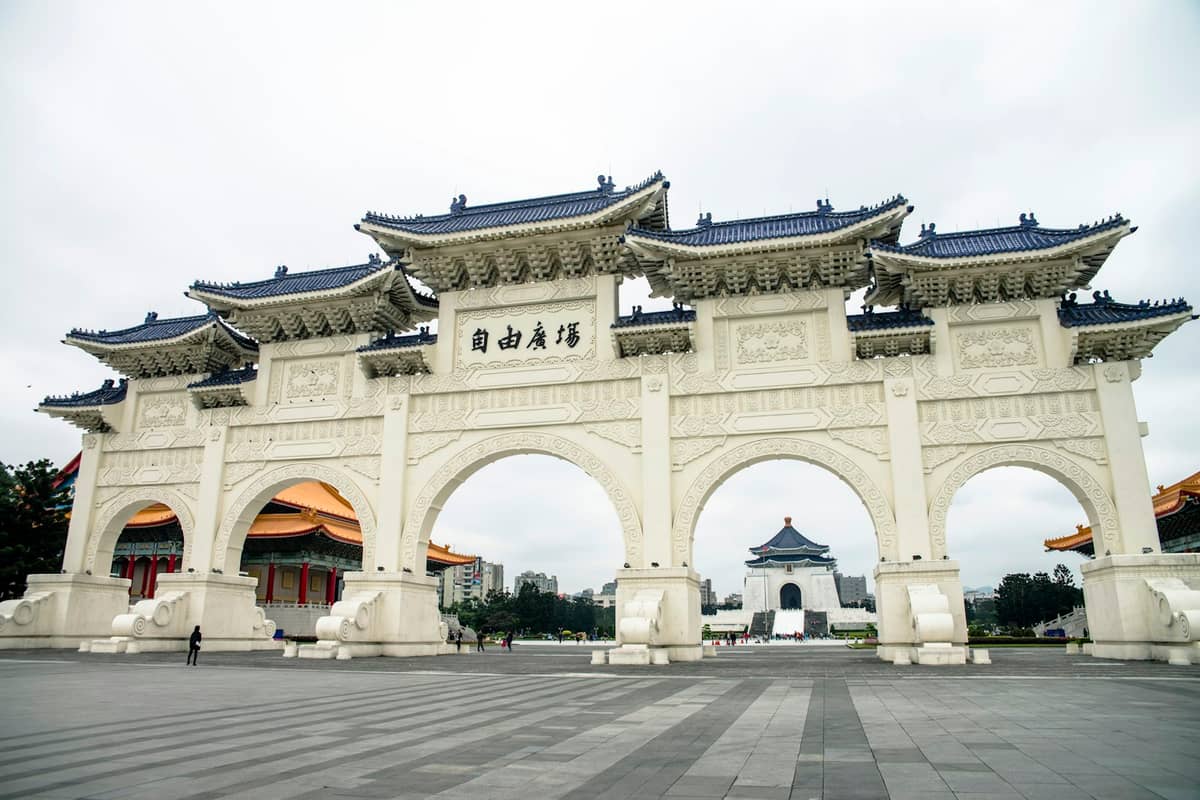
Taipei's religious landscape extends beyond temples to include a mosque, grand memorial halls, and ceremonial complexes that carry their own spiritual weight. These sites add important dimension to any temple-focused itinerary and are especially relevant for travelers curious about the full breadth of Taipei's religious and civic life. For context on the neighborhoods where these sites sit, our Taipei walking tours guide maps useful routes through Zhongzheng and Xinyi.
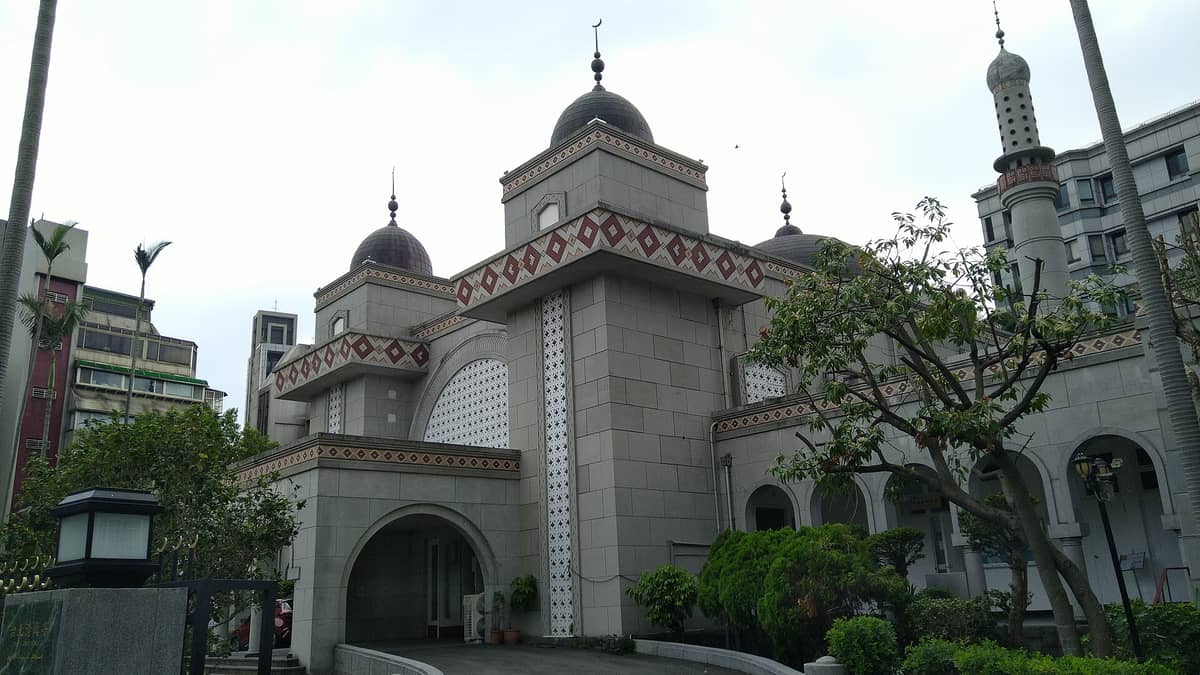
7. Explore Taipei's Grand Mosque in Da'an
Taiwan's largest mosque, a handsome 1960 building in Da'an, welcomes respectful visitors outside prayer times. An important stop for Muslim travelers, with a growing cluster of halal-certified restaurants on surrounding streets. Modest dress and removal of shoes required.
Explore7. Explore Taipei's Grand Mosque in Da'an
Taiwan's largest mosque, a handsome 1960 building in Da'an, welcomes respectful visitors outside prayer times. An important stop for Muslim travelers, with a growing cluster of halal-certified restaurants on surrounding streets. Modest dress and removal of shoes required.
Explore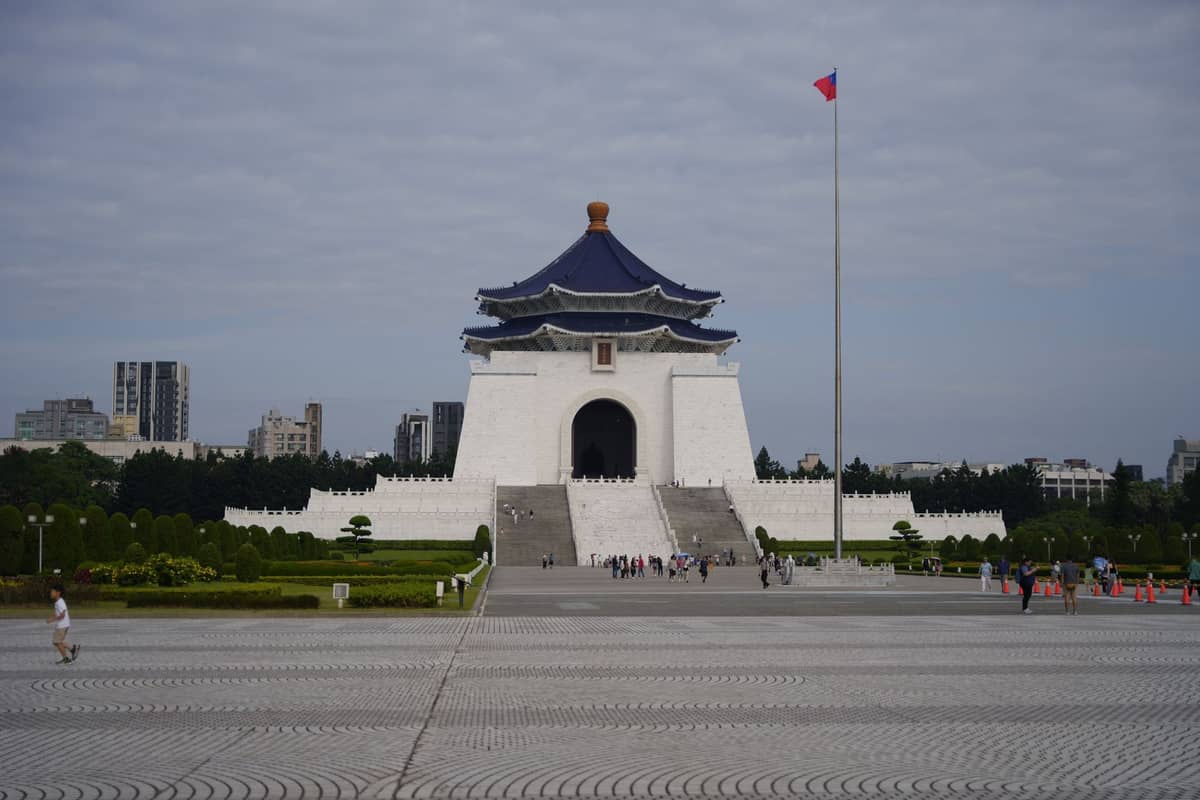
8. Witness the Guard Ceremony at CKS Memorial Hall
The white marble complex at Liberty Square is Taiwan's most politically charged landmark. The changing-of-the-guard ceremony on Democracy Boulevard in front of the hall draws large crowds. Plan 30–60 minutes; the surrounding plaza and flanking National Theater are equally impressive. Free entry.
Explore8. Witness the Guard Ceremony at CKS Memorial Hall
The white marble complex at Liberty Square is Taiwan's most politically charged landmark. The changing-of-the-guard ceremony on Democracy Boulevard in front of the hall draws large crowds. Plan 30–60 minutes; the surrounding plaza and flanking National Theater are equally impressive. Free entry.
Explore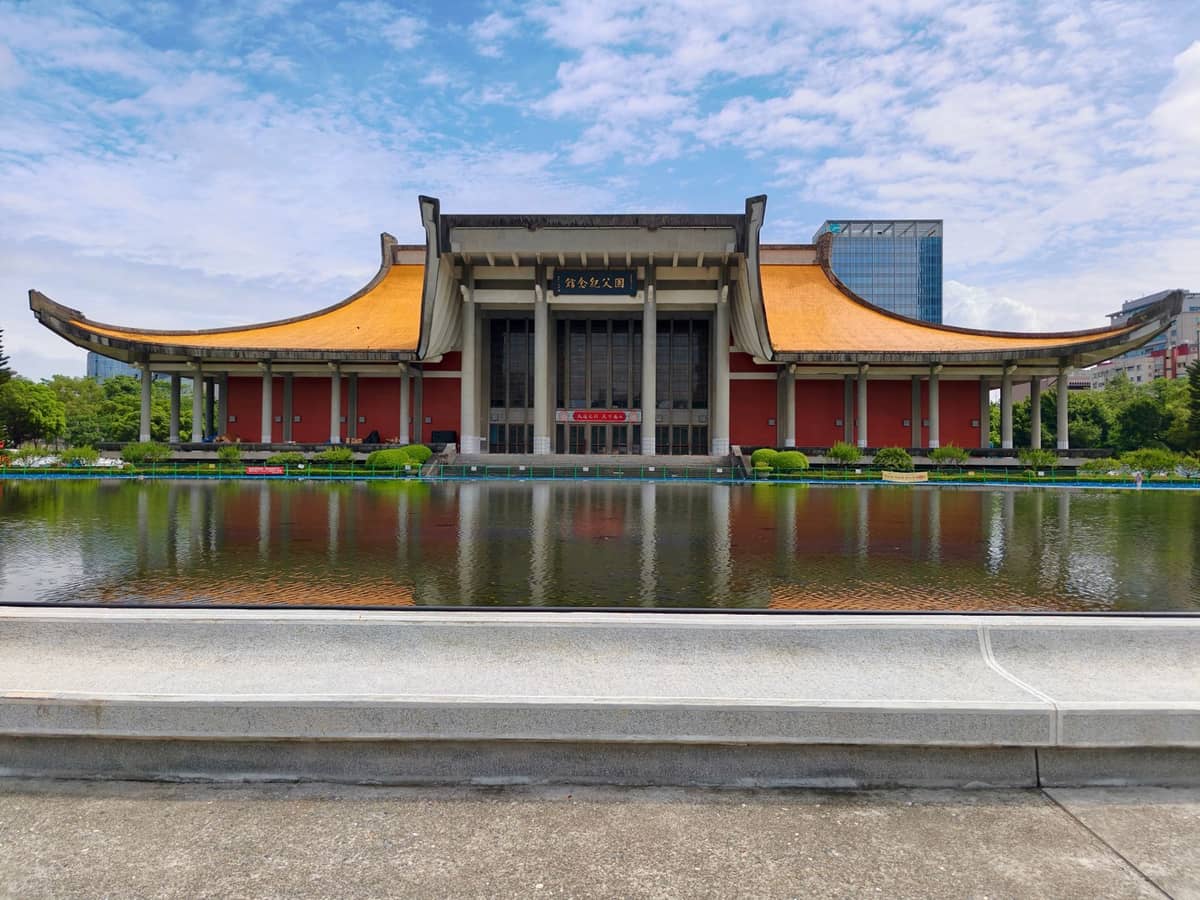
9. See the Founding Father's Memorial in Xinyi
This grand hall in Xinyi dedicated to Sun Yat-sen features its own changing-of-the-guard ceremony and a large bronze statue in a soaring interior hall. The surrounding parkland is popular with local tai chi practitioners in the mornings. Free entry; MRT Sun Yat-sen Memorial Hall Station.
Explore9. See the Founding Father's Memorial in Xinyi
This grand hall in Xinyi dedicated to Sun Yat-sen features its own changing-of-the-guard ceremony and a large bronze statue in a soaring interior hall. The surrounding parkland is popular with local tai chi practitioners in the mornings. Free entry; MRT Sun Yat-sen Memorial Hall Station.
ExploreTemples Worth the Day Trip
A handful of significant temples sit just beyond the city limits but are easily reachable by MRT or a short bus ride. Combining one of these with other sights in the same area makes for a rewarding full-day itinerary. Our day trips from Taipei guide has full routing for each of these destinations.
10. Pair Longshan Temple with Wanhua's Historic Streets
After visiting Longshan, walk five minutes north to Bopiliao Historic Block for preserved Qing-era shophouses, then south to Huaxi Street for snake alley and traditional snacks. This half-day loop covers Taipei's oldest neighborhood comprehensively.
Explore10. Pair Longshan Temple with Wanhua's Historic Streets
After visiting Longshan, walk five minutes north to Bopiliao Historic Block for preserved Qing-era shophouses, then south to Huaxi Street for snake alley and traditional snacks. This half-day loop covers Taipei's oldest neighborhood comprehensively.
Explore11. Combine Guandu Temple with Tamsui for a Full Day North
From Guandu Temple, take the MRT one stop to Xinbeitou for hot springs, or continue to Tamsui for sunset river views and street food. Guandu to Tamsui covers northern Taipei's highlights in a logical, transport-friendly loop. All reachable on the MRT Red Line.
Explore11. Combine Guandu Temple with Tamsui for a Full Day North
From Guandu Temple, take the MRT one stop to Xinbeitou for hot springs, or continue to Tamsui for sunset river views and street food. Guandu to Tamsui covers northern Taipei's highlights in a logical, transport-friendly loop. All reachable on the MRT Red Line.
Exploreℹ️ Good to know
Temple etiquette across all Taipei sites: walk around the central incense burner rather than through it, enter through side doors rather than the main central door (reserved for deities), and photograph respectfully — avoid pointing cameras at people mid-ritual.
FAQ
Are Taipei's temples free to enter?
Yes. All major temples in Taipei, including Longshan, Xingtian, Baoan, and the Confucius Temple, are free to enter. Donations are optional. Some temples sell incense outside for around TWD 20–50 if you wish to participate in offerings.
What should I wear to visit temples in Taipei?
Modest clothing is expected: covered shoulders and knees are strongly recommended at all temples. There is no formal dress code posted at most sites, but revealing clothing is considered disrespectful. Shoes are only removed at the Taipei Grand Mosque.
What is the best time of day to visit Longshan Temple?
Longshan Temple is open 06:00–22:00 daily. Evenings between 18:00 and 20:00 are the most atmospheric, when worshippers gather for prayer sessions. Weekday mornings are quieter if you prefer a more reflective visit.
Can I take photos inside Taipei's temples?
Photography is generally permitted in public temple areas. However, you should avoid photographing worshippers mid-ritual without their consent, and be discreet near altars and during ceremonies. At some smaller shrines, photography restrictions may be posted.
Which temple is best for first-time visitors to Taipei?
Longshan Temple in Wanhua is the standard recommendation for first-timers: it is the most architecturally impressive, the most historically significant, and the most active. Xingtian Temple is the best choice if you want to observe fortune-telling rituals and see locals at worship on a daily basis.