Is Taipei Safe? A Practical Safety Guide for Travelers
Taipei consistently ranks among the safest major cities in Asia, with major Western governments advising only normal precautions. That said, scams, weather risks, and a few specific situations are worth knowing about before you arrive. This guide covers everything honestly.
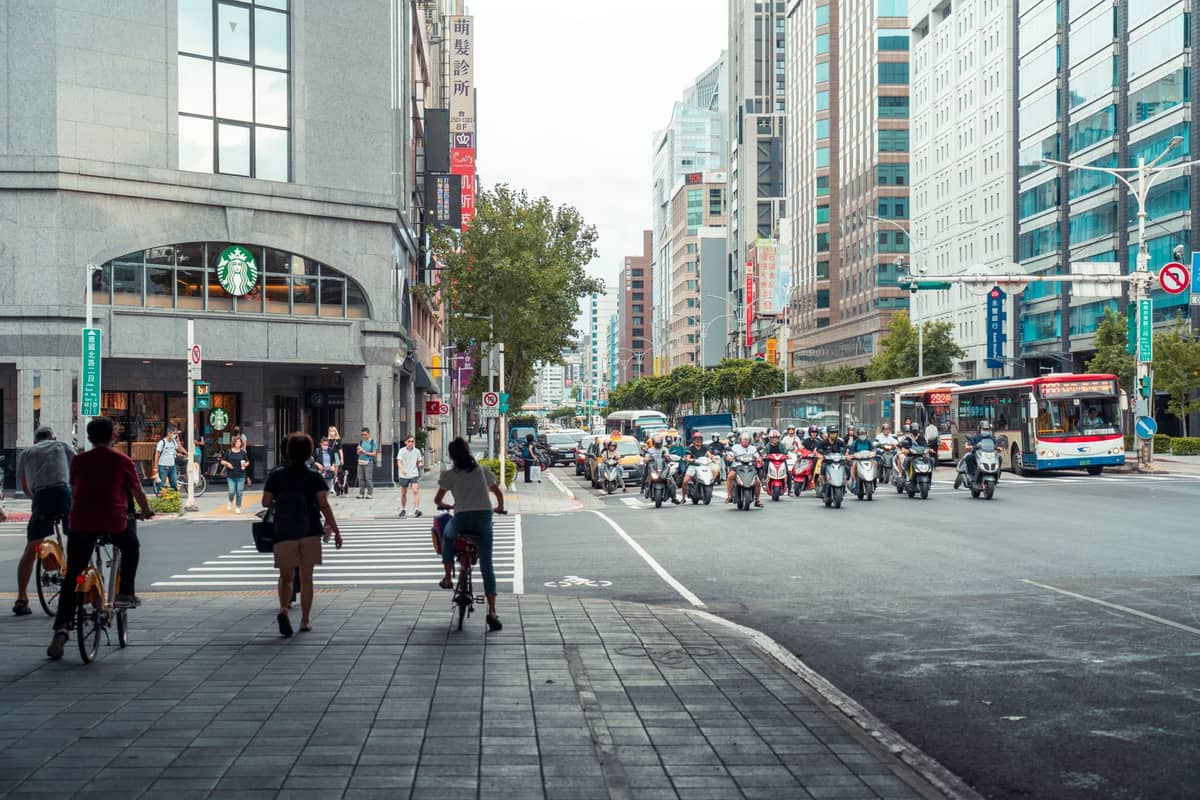
TL;DR
- Taipei is rated low-risk by the U.S., Canadian, UK, and Australian governments, with violent crime being rare for tourists.
- Petty theft and scams do occur, particularly around transport hubs and tourist-heavy areas like Shilin and Ximending.
- Typhoon season runs May to November, with the peak risk period July to September — check the Central Weather Administration before any day trips from Taipei during this period.
- Emergency numbers: 110 for police, 119 for fire and ambulance.
- Tipping is not customary in Taiwan, and the city's MRT makes getting around safe and straightforward.
The Short Answer: How Safe Is Taipei?
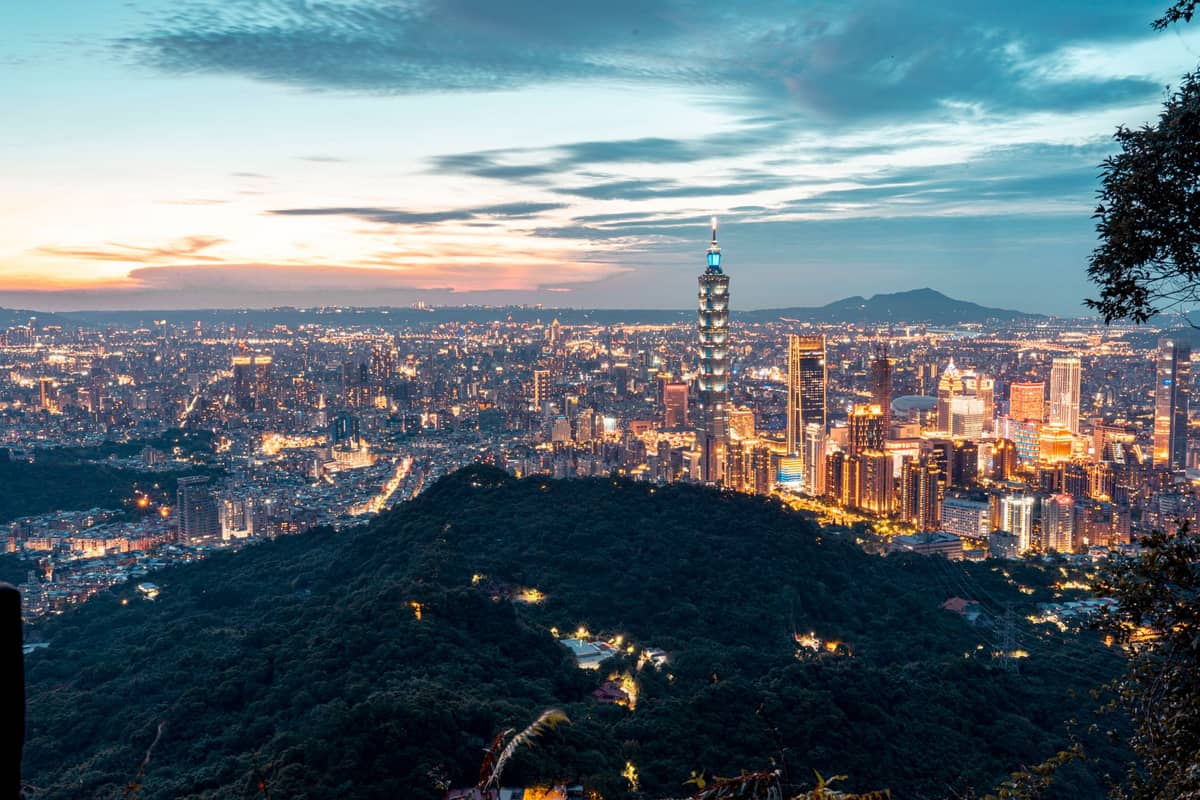
Is Taipei safe? In practical terms, yes, it is one of the most visitor-friendly cities in Asia. The U.S. State Department currently rates Taiwan at Level 2 — advising travelers to exercise increased caution, primarily due to regional security tensions rather than crime targeting visitors. Canada's travel advisory echoes the same language. Australia's Smartraveller describes Taiwan as generally safe but notes that extortion scams and petty crime do occur. Violent crime targeting foreign visitors is uncommon, and incidents are rarely reported in tourist-heavy districts.
That said, 'low risk' is not the same as 'no risk.' Taipei is a city of over 2.6 million people (as of 2020 official statistics), and its population swells further with domestic and international tourists, especially around night markets and major festivals. Crowded spaces create opportunities for pickpockets. The language barrier can make tourists more vulnerable to overcharging and scams. And the city's typhoon exposure adds a seasonal layer of risk that purely crime-focused safety guides tend to ignore.
ℹ️ Good to know
Taiwan uses the New Taiwan Dollar (TWD). Emergency numbers: 110 for police, 119 for fire and ambulance. The country dialing code is +886. Tipping is generally not expected or practiced.
Crime in Taipei: What Travelers Actually Encounter
Taipei does not have the street crime profile of many comparably-sized Asian capitals. Muggings are rare. Confrontational crime against tourists is uncommon. Most visitors complete their trip without any incident beyond the occasional minor inconvenience. However, the types of crime that do occur tend to be low-visibility and specifically target distracted or uninformed tourists.
Pickpocketing is the most common concern and clusters predictably: Shilin Night Market, Raohe Street Night Market, Taipei Main Station, and crowded MRT carriages during peak hours. These are the situations where keeping valuables in a front pocket or a zipped bag makes a tangible difference.
- Pickpocketing Most common in night markets and on packed MRT trains during rush hour. Keep phones, wallets, and passports secured in a front pocket or a bag you're actively holding.
- Taxi overcharging Unmetered or meter-bypass rides are a known issue, especially near major tourist sites and Taoyuan Airport arrivals. Always confirm the meter is running before the trip starts, or use the official taxi app (Taiwan Taxi or Uber).
- Impersonation scams Individuals posing as police officers or immigration officials occasionally approach tourists and request to 'check documents' or 'verify money'. Legitimate officers in Taiwan do not ask to inspect your cash. If approached, ask for a station visit or call 110.
- Extortion scams Australia's Smartraveller specifically warns of extortion schemes that can involve seemingly friendly strangers leading tourists into situations where they face manufactured debts or threats. Be cautious about accepting unsolicited invitations from people you've just met.
- Overpriced tourist shops Not criminal, but a real money drain. Some shops near major attractions inflate prices significantly for foreigners. Research benchmark prices for jade, tea, and electronics before you buy.
⚠️ What to skip
If someone on the street asks to see your passport or check your wallet — refuse politely and walk away. Real Taipei police officers will direct you to a local station, not conduct random checks on the street. If you're unsure, call 110 immediately.
Transport Safety: MRT, Taxis, and Getting Around
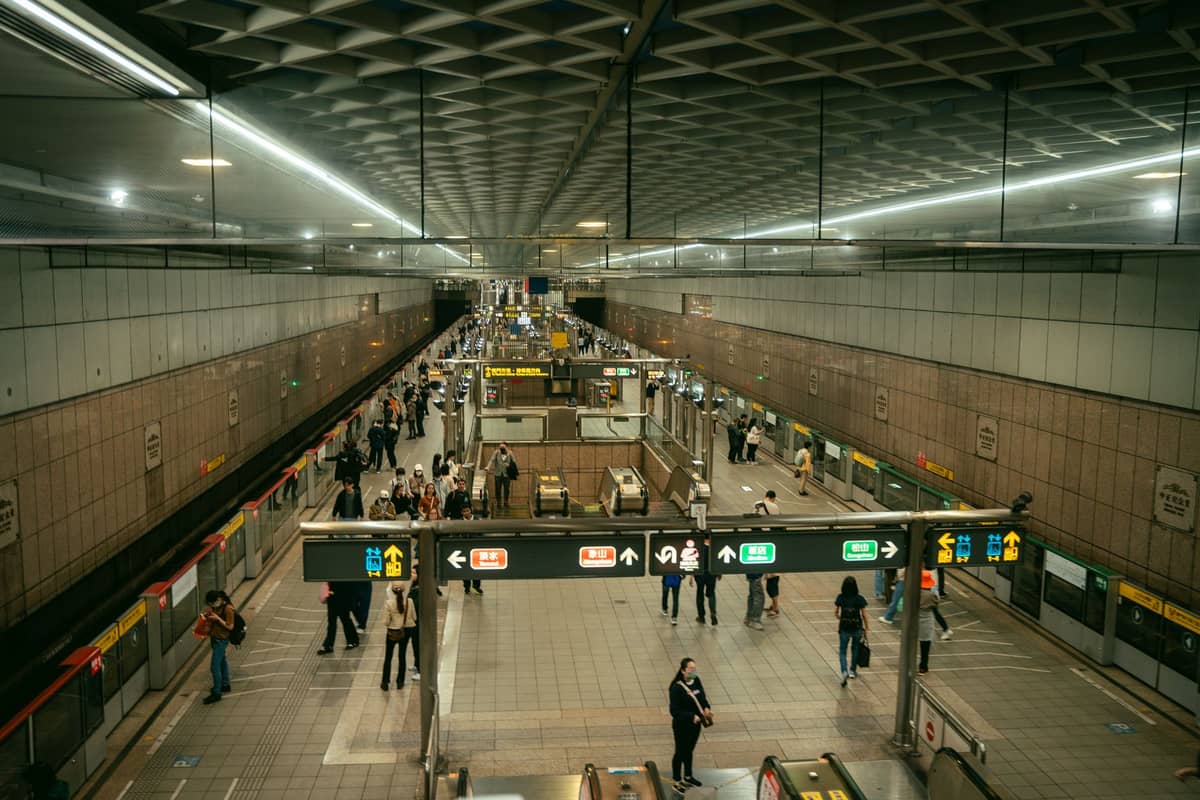
The Taipei Metro (MRT) is the backbone of getting around the city safely and efficiently. Trains are clean, clearly signposted in English and Mandarin, air-conditioned, and run from around 6am to midnight. For most visitors, it's the default option for getting around Taipei. The main safety concern on the MRT is simply keeping track of your belongings in crowded carriages, not any threat from other passengers.
Taxis are generally safe but require more caution than the MRT. Legitimate Taipei taxis are metered and have a license displayed inside the vehicle. The scam risk comes specifically from touts near Taoyuan International Airport (TPE) arrivals or from unlicensed drivers who approach tourists directly. From Taoyuan Airport, the safest and most affordable options are the Airport MRT (which connects to Taipei Main Station) or a pre-arranged transfer. Uber also operates in Taipei and eliminates the meter dispute problem entirely.
✨ Pro tip
Get an EasyCard (悠遊卡) from any MRT station for unlimited tap-on access to the metro, city buses, and even some convenience stores. It removes the need to handle cash in busy transit environments and saves time at turnstiles.
Weather Risks: Typhoons and What to Do
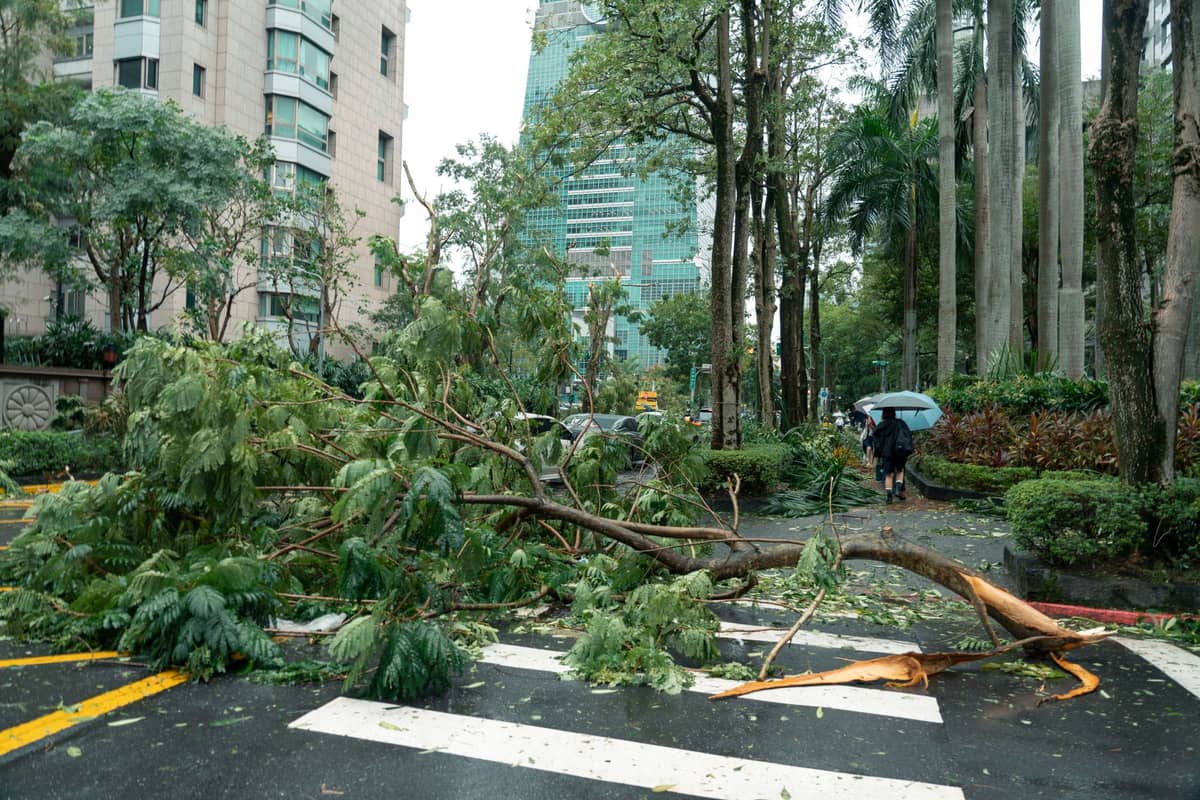
Taipei's safety profile isn't just about crime. The city sits in a typhoon corridor, and storms between July and September can be serious, with strong winds, flooding, and transportation shutdowns. Typhoon season technically runs from May through November, but the high-risk months are concentrated in midsummer and early autumn. During an active typhoon warning, businesses close, MRT services may be suspended, and outdoor activities including hiking trails are shut down under city government orders.
This matters practically if you're planning hiking around Taipei or day trips to the north coast or mountains. Check Taiwan's Central Weather Administration (www.cwa.gov.tw/eng) for active warnings before any outdoor activity from July onwards. Typhoon closures are non-negotiable in Taiwan, and local authorities enforce trail and beach closures seriously.
- Monitor the Central Weather Administration before planning outdoor activities in summer
- Book refundable accommodation in case a typhoon forces a schedule change
- If a typhoon warning is issued during your trip, stay indoors, stock up on food from a convenience store (7-Eleven and FamilyMart are everywhere), and follow local news
- Keep emergency contacts saved: 110 (police), 119 (fire/ambulance)
- Travel insurance that covers weather disruption is worth the cost if you're visiting June to September
Neighborhood Safety: Where to Be More Alert
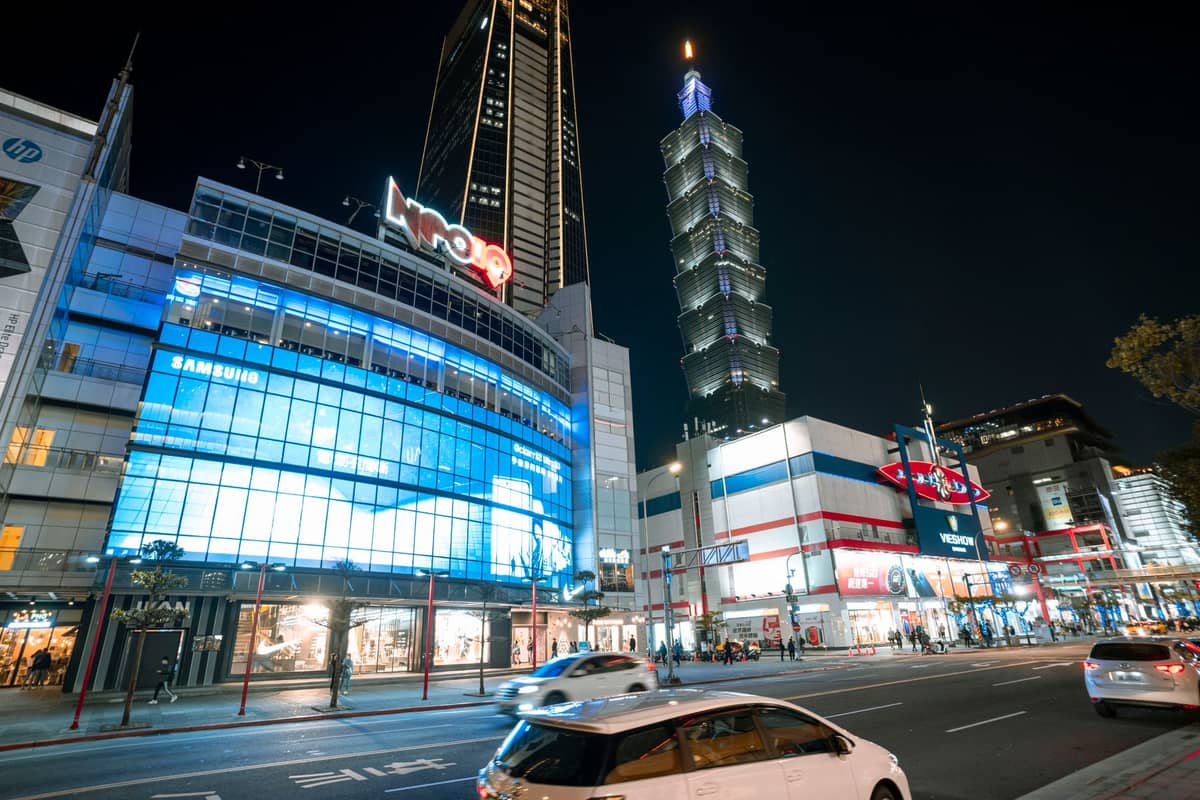
Most of Taipei's central districts are very safe at all hours. Xinyi (the modern commercial core around Taipei 101), Da'an, and Zhongshan have a strong street-level presence of people at almost any hour, which passively reduces crime risk. Well-lit streets, convenience stores on nearly every block, and a generally law-abiding culture make late-night walks feel significantly safer than in most comparable cities.
The area around Wanhua District and the streets adjacent to Longshan Temple attract a rougher crowd after dark, including homeless individuals and people under the influence. It's not dangerous in the way that term would apply in other cities, but it's worth being aware of your surroundings in that specific area late at night. The same applies to certain lanes around Ximending after midnight.
Solo travelers, including women traveling alone, consistently report Taipei as one of the most comfortable cities in Asia for independent travel. The city's infrastructure, walkability, and low tolerance for street harassment make it a genuinely good destination for solo trips. For more on practical solo travel logistics, the Taipei digital nomad guide covers connectivity, co-working spaces, and day-to-day living in detail.
Health, Food Safety, and Practical Considerations
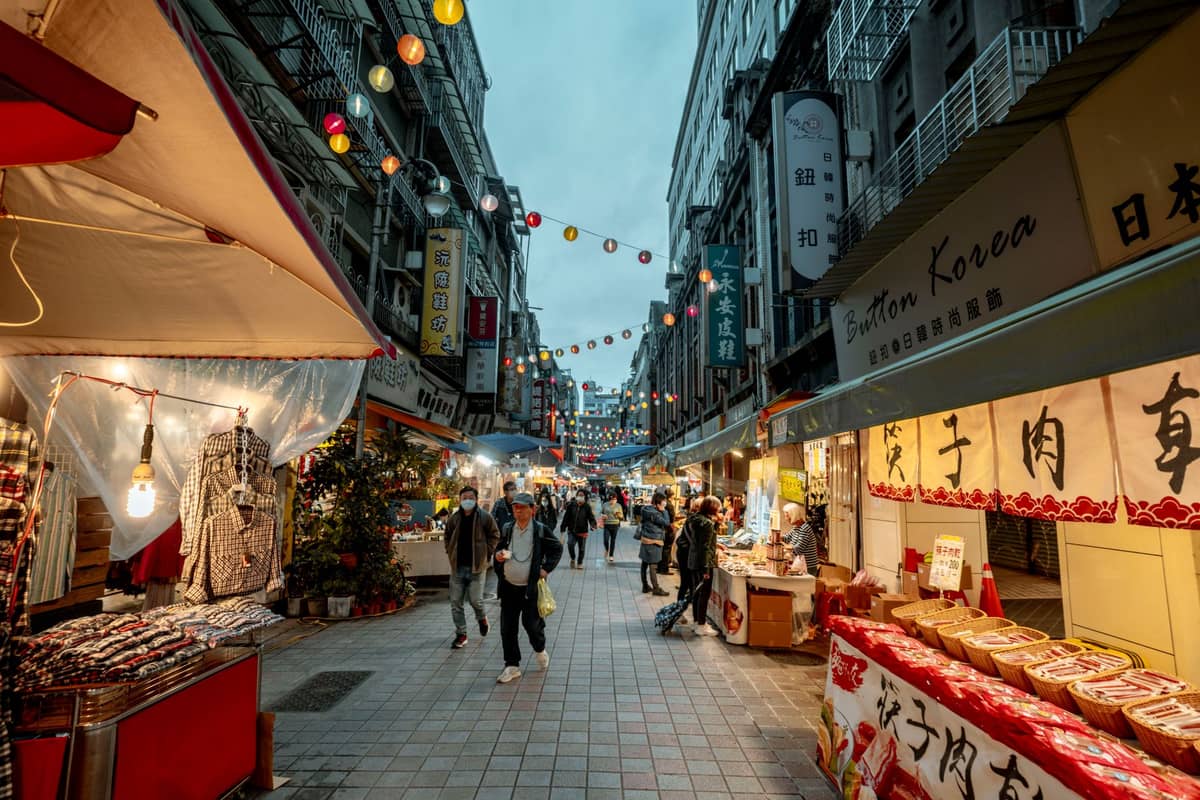
Food safety at Taipei's night markets and street stalls is generally good, with relatively rigorous hygiene standards compared to many Southeast Asian cities. Stomach upsets can still happen, particularly if you're eating unfamiliar foods rapidly across multiple markets. Start gradually if you're sensitive to spice or unfamiliar cooking oils.
On tap water: official guidance varies. The water supply in Taipei is treated and meets standards, but many residents and travelers opt for bottled or filtered water as a preference rather than necessity. Boiled water and filtered dispensers are widely available. This is a minor practical point rather than a genuine health risk.
Taiwan's healthcare system is strong, and hospitals in Taipei have English-speaking staff at major facilities. Travel insurance is still strongly recommended, as it covers not just medical emergencies but also weather disruptions, lost luggage, and the occasional scam-related financial loss. Electricity runs at 110V/60Hz with Type A and Type B plugs, which matches the voltage and frequency used in the United States, though some North American visitors may still need simple plug adapters depending on their device plugs.
💡 Local tip
Dress modestly when visiting temples — shoulders and knees covered is the standard expectation. Beyond that, Taipei is casual and unpretentious in its dress culture. You'll see everything from business attire to hiking gear on the MRT, and tourists blend in without effort.
FAQ
Is Taipei safe for solo female travelers?
Yes, Taipei is widely considered one of the safer Asian cities for solo female travelers. Street harassment is uncommon, public transport is reliable and well-lit, and convenience stores are open 24/7 on most major streets. Standard precautions apply late at night around Wanhua and parts of Ximending, but the baseline risk is low.
Is it safe to walk around Taipei at night?
Yes. Taipei's streets are well-lit, heavily pedestrianized in commercial areas, and populated late into the night especially near night markets and entertainment districts. The main caveat is to stay aware in Wanhua District late at night and to keep valuables secured in crowded areas.
What are the most common scams in Taipei?
Taxi overcharging (especially near Taoyuan Airport), fake police 'document checks', extortion schemes involving strangers offering unsolicited help or invitations, and overpriced shops targeting tourists near major attractions. Using metered taxis or Uber, staying skeptical of overly friendly strangers, and researching market prices before buying significantly reduces these risks.
When is typhoon season in Taipei?
Typhoon season officially runs May to November, with the highest risk concentrated from July to September. Typhoons can cause transport shutdowns, trail closures, and flight cancellations. Check Taiwan's Central Weather Administration (cwa.gov.tw) before outdoor activities in summer months.
What emergency numbers should I save before visiting Taipei?
Save 110 for police and 119 for fire and ambulance services. These are Taiwan's standard emergency numbers. If you encounter a situation that seems like an impersonation scam, calling 110 directly is the safest response.