Taipei for Digital Nomads: Cafés, Co-Working & Living Tips
Taipei is a strong remote-work base: fast fiber internet, coworking spaces at every budget, a world-class food scene, and a cost of living that still undercuts Tokyo or Singapore. This guide covers what you need to know before you land.
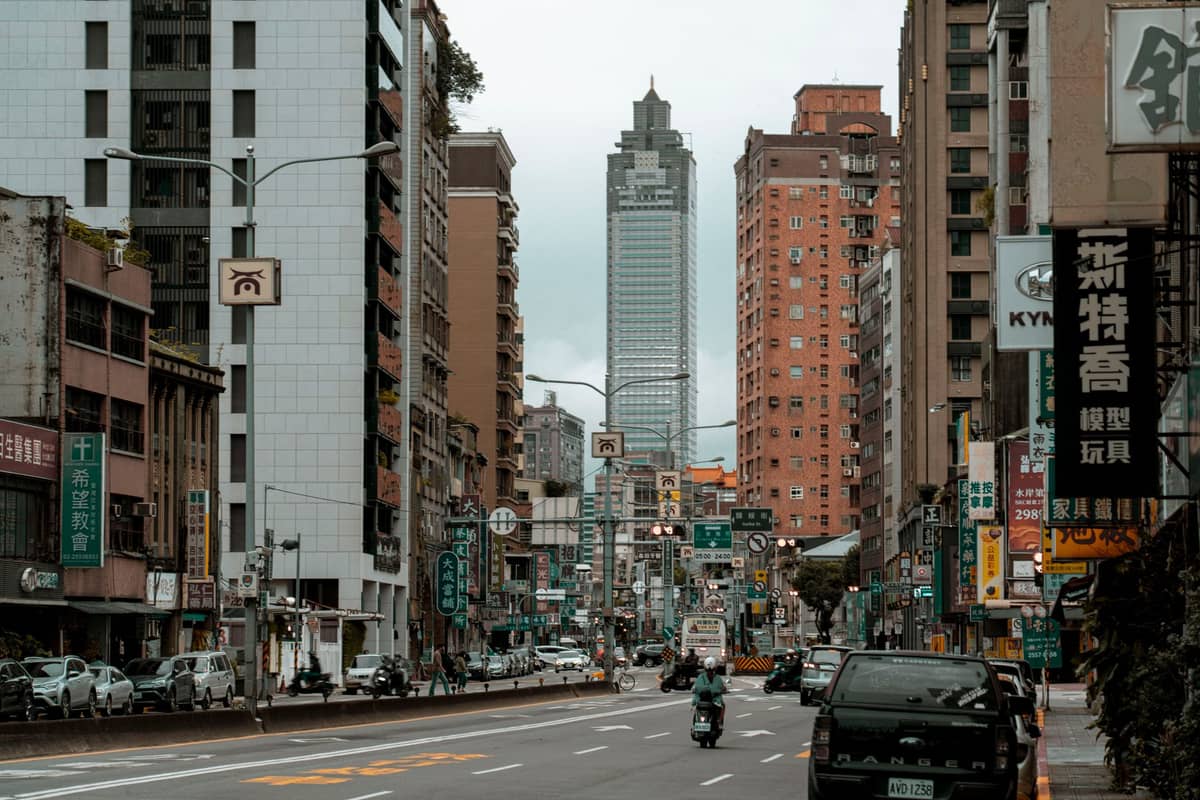
TL;DR
- Taipei is a genuinely practical remote work base, with coworking hot desks running NT$3,000–8,000/month (roughly US$90–250) and reliable fiber internet across the city.
- Daan, Xinyi, and Zhongshan are the top districts for nomads — walkable, café-dense, and well-served by the Taipei MRT.
- Many nationalities enter Taiwan visa-free, but eligibility varies by passport — verify current rules with Taiwan's Bureau of Consular Affairs before booking.
- October to April is the most comfortable stretch for long stays: milder temperatures, less rain, and no typhoon risk.
- Taipei is not the cheapest city in Asia for remote work, but the combination of infrastructure quality, food, safety, and cultural richness makes it exceptional value overall. See our full Taipei budget guide for a cost breakdown.
Why Taipei Works for Remote Workers
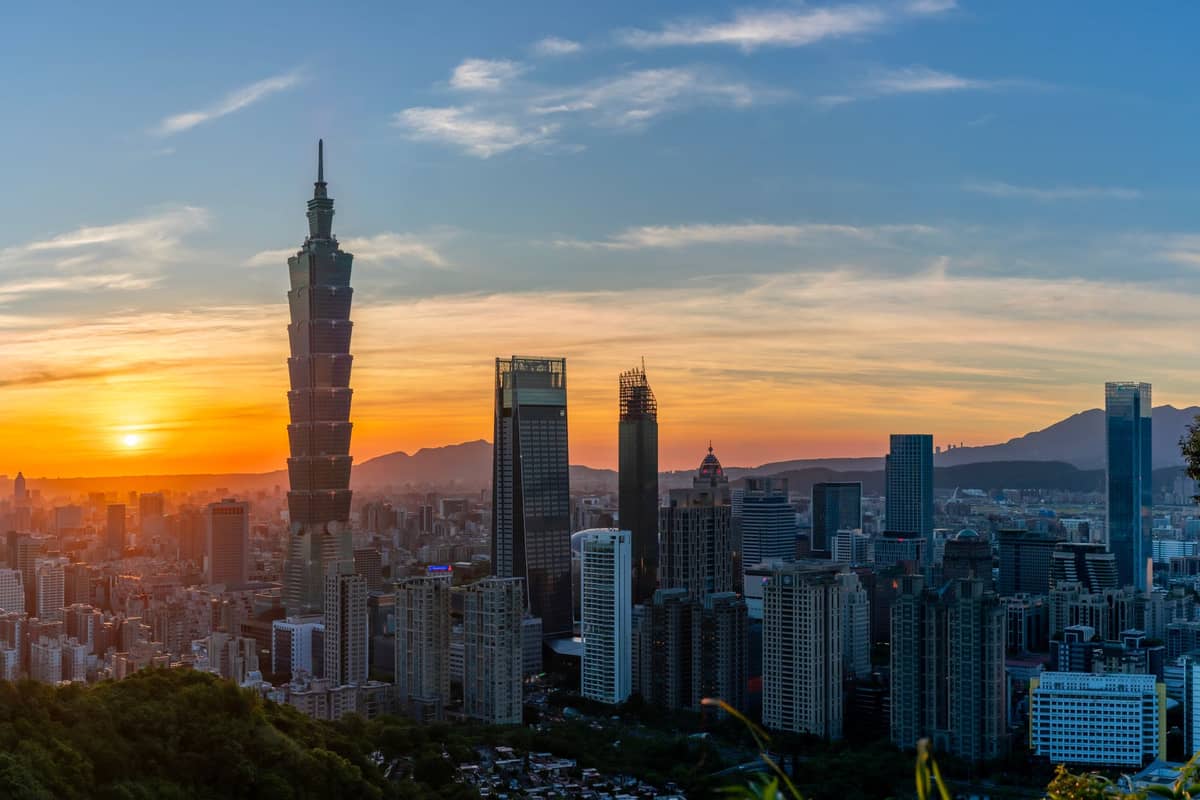
Taipei is a special municipality in Taiwan with a population of around 2.6 million and an area of 271.8 km². It operates on Taiwan Standard Time (UTC+8), runs on 110V/60Hz electricity with Type A and B plugs, and uses the New Taiwan Dollar (TWD/NT$). On paper, those are just logistics. In practice, they matter: the time zone overlaps conveniently with East Asian clients and reasonably with European afternoons, the power grid is stable, and the internet infrastructure is among the fastest in the world by average speeds.
Mandarin Chinese is the official language, with Taiwanese Hokkien and Hakka also common in daily life. English fluency varies considerably: good in the tech sector, tourist areas, and among younger residents; less reliable in traditional markets or outer districts. That said, Taipei's signage, MRT announcements, and most official communications are in both Mandarin and English, and navigating the city day-to-day rarely requires Mandarin skills.
Tipping is not customary in Taiwan — not in cafés, restaurants, or taxis. Emergency numbers are 110 for police and 119 for fire and ambulance. Casual dress is standard almost everywhere, with modest attire expected at temples and formal institutions. For a broader orientation before you arrive, the definitive Taipei guide is a solid starting point.
Coworking Spaces: Prices, Districts, and What to Expect
Taipei has dozens of coworking spaces ranging from boutique local operators to international chains like WeWork and The Executive Centre. The market is mature and competitive, which means quality is generally high and options exist across every budget tier.
Hot-desk monthly memberships at reputable spaces typically start around NT$3,000–5,000 and commonly land in the NT$3,000–8,000 range depending on district, amenities, and off-peak access policies. A survey of 10 spaces by one aggregator found open-plan coworking starting at NT$4,380/month with a median of NT$11,250/month before tax — that upper figure is skewed by premium operators. International brands like The Executive Centre list dedicated desks and coworking city passes from around NT$13,500–15,300/month. Day passes across most mid-range spaces run NT$300–900. Nomad cost trackers generally estimate a realistic monthly coworking budget at US$120–200 (roughly NT$3,800–6,400 at current rates).
⚠️ What to skip
Don't assume Taipei is cheap for coworking. The city sits in the mid-range for Asia — comparable to Kuala Lumpur's business districts or Bangkok's co-working corridors, and noticeably cheaper than Tokyo or Singapore, but not the budget territory you'd find in Chiang Mai or Ho Chi Minh City.
- Keepworking Popular with local freelancers; multiple locations, day passes available, community events on weekends.
- The Hive Taipei Part of the regional Hive network; professional setup, reliable Wi-Fi, meeting rooms bookable by the hour.
- CLBC (Creative Labo Business Center) Long-established space with strong community ties; useful for introductions to the local startup scene.
- Futureward Central Centrally located near Zhongzheng; popular with both locals and longer-term visitors. Day passes and monthly plans available.
- WeWork Taipei Multiple locations in Xinyi and Zhongshan; predictable quality and global membership reciprocity if you already have a WeWork account.
- The Executive Centre Premium end of the market, aimed at corporates and entrepreneurs who need formal office presence. Not the right fit if you're cost-conscious.
Most spaces accept online booking through their own websites or aggregator platforms like Coworker and Instant Offices. If you're arriving for a trial month, booking a day pass first is the smartest move — layouts, community vibe, and air conditioning settings vary considerably between buildings, and what works for one person doesn't work for another.
✨ Pro tip
Several spaces in Daan and Zhongshan offer introductory weekly rates or trial day passes that don't appear on aggregator sites. Check the space's own website or email directly before assuming the publicly listed monthly rate is your only option.
Café Culture: Where to Work Without a Membership
Taipei's independent café scene is one of the best in Asia for laptop workers. The city has a long-standing culture of multi-hour café visits, which means most coffee shops are accustomed to people working through the afternoon. Outlets, decent seating, and Wi-Fi are standard at the vast majority of independent cafés. The key distinction to understand: some cafés operate a minimum order per seating period (typically NT$100–200), while others simply rely on ongoing orders. This is usually posted near the counter.
The strongest café clusters for remote work are in Daan District around Yongkang Street and the lanes near Shida Night Market, and in Zhongshan District along the tree-lined streets near Chifeng Street. Both areas have high concentrations of independent cafés within easy walking distance of MRT stations. Xinyi has more chain-dominated options, which are reliable but less characterful.
- Look for cafés listing NT$150–200 all-day minimums rather than per-hour charges — better value for full work days.
- Cafés near major universities (National Taiwan University in Daan, National Chengchi in Wenshan) cater heavily to students and are used to long-stay laptop customers.
- Chain cafés like Louisa Coffee offer very consistent Wi-Fi and power outlet access at lower prices than independents — not exciting, but reliable.
- Avoid peak lunchtime hours (12:00–13:30) if you want guaranteed seating at popular spots.
- Most cafés have slower Wi-Fi during morning rush compared to afternoon; fiber-connected spaces are consistently faster mid-afternoon.
Best Neighborhoods to Base Yourself
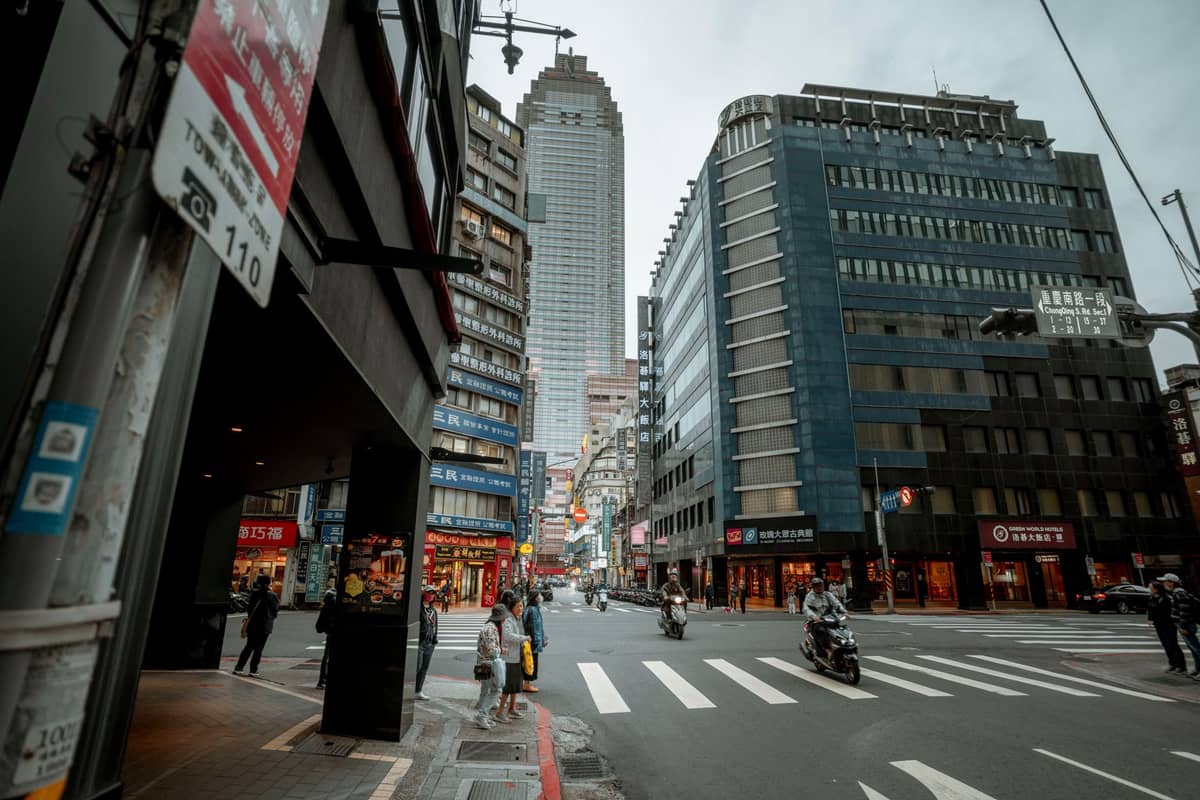
Where you live in Taipei significantly affects your day-to-day quality as a nomad. The city's MRT network connects most districts efficiently, but proximity to coworking, food, and green space still matters. Our neighborhood guide covers all districts in detail, but here's a nomad-specific breakdown.
- Daan District The nomad sweet spot. Dense with cafés, international restaurants, Daan Forest Park for decompression, and the Dongmen and Daan MRT stations. Monthly rentals are mid-to-high range but apartments are modern and well-maintained.
- Zhongshan District Strong hotel and short-stay apartment supply, good nightlife options, and central enough for everything. Works particularly well if you mix work with frequent travel around Taiwan.
- Xinyi District Taipei's most modern commercial core, home to Taipei 101 and large-format shopping. Premium rents, but excellent coworking options and proximity to Taipei City Hall MRT. Better suited to corporate remote workers than lifestyle nomads.
- Zhongzheng District Central location, lower rents than Daan or Xinyi, close to Taipei Main Station. Less café culture than Daan, but practical for those using Taoyuan Airport frequently or needing intercity rail access.
- Neihu District Taipei's tech and office park corridor on the east side. Less walkable and café-light, but useful if you're working directly with local tech companies. Lower rents than central districts.
ℹ️ Good to know
Monthly apartment rentals in Taipei's central districts typically run NT$20,000–35,000 for a furnished studio or small one-bedroom. Short-term furnished rentals (Airbnb, 591.com.tw for local listings) can be higher per month. Prices vary significantly by building age, floor, and exact location — verify current rates on local platforms before committing.
Internet, Infrastructure, and Working Through Typhoon Season
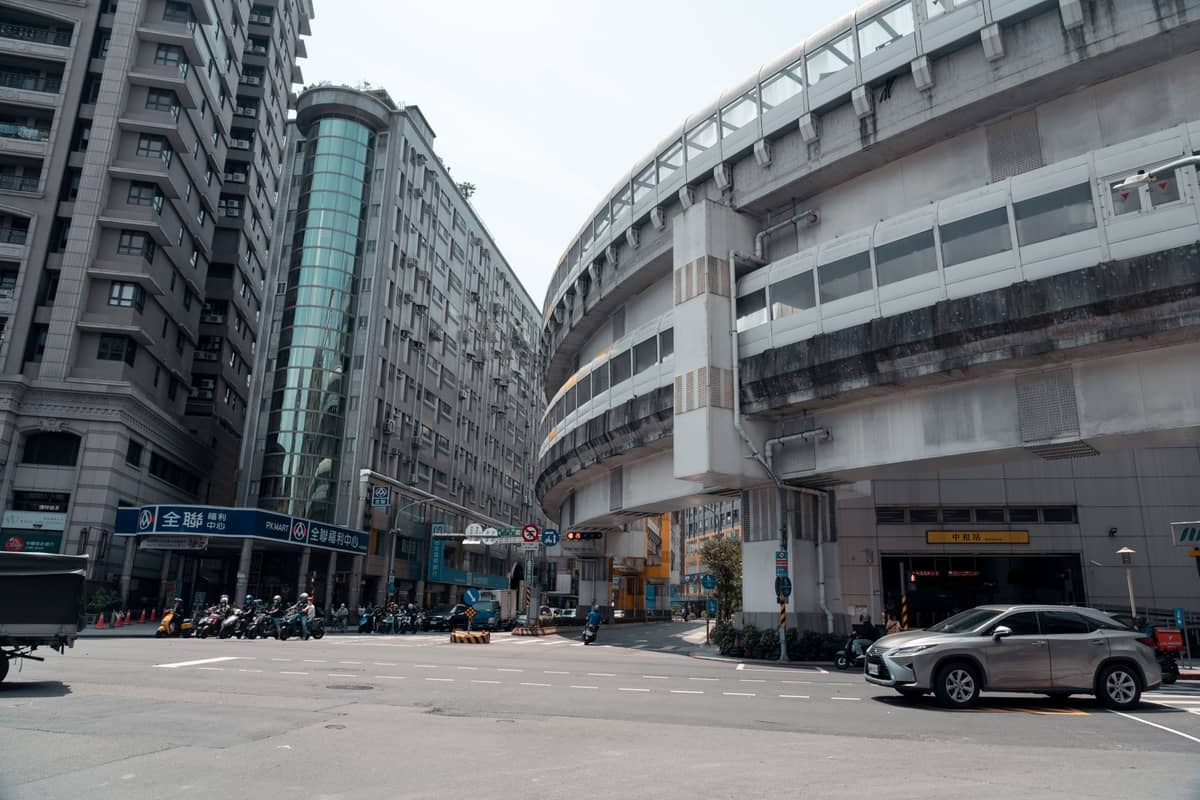
Taiwan's fixed-line broadband is genuinely fast. Fiber connections rated at 300Mbps–1Gbps are standard in modern buildings, and most coworking spaces run symmetric fiber. Mobile data through local SIM cards (available at Taoyuan Airport arrivals on arrival) is reliable across all central districts and most of the MRT network. If you need a backup connection for critical calls, a local prepaid SIM with data is inexpensive and worth carrying.
Taipei has a humid subtropical climate with an average annual temperature around 23°C. Summers (June through September) are hot, humid, and carry the primary typhoon risk. When a typhoon warning is issued, the government typically announces public office and school closures the evening before. Coworking spaces and private offices usually make their own calls, but most modern buildings in central Taipei maintain power and internet connectivity through all but the most severe storms. The disruption is real but generally short-lived — most storms pass within 24–48 hours. Working through typhoon season is practical, not reckless, as long as you're not relying on outdoor café seating.
For timing a longer stay, October through April offers the most consistent working conditions: cooler temperatures (10–22°C in winter months), lower humidity, and very low typhoon risk. Spring (March–April) brings occasional rain but comfortable temperatures. The best time to visit Taipei guide has a month-by-month breakdown if you're planning a multi-month stay.
Visas, SIMs, and Practical Setup
Taiwan offers visa-free entry to passport holders from many countries, with stays commonly permitted for 30–90 days depending on nationality. However, eligibility and duration change with policy updates, so check the current rules with Taiwan's Bureau of Consular Affairs (BOCA) or your nearest Taiwan representative office before booking. Taiwan now also offers a dedicated digital nomad visitor visa, but most nomads still enter on tourist exemptions or visa-free stays and adhere strictly to those limits.
At Taiwan Taoyuan International Airport (TPE), located about 40 km west of central Taipei, SIM cards from major carriers including Chunghwa Telecom and Taiwan Mobile are sold in the arrivals hall. The Airport MRT is the most cost-effective transfer to central Taipei, taking around 35–40 minutes to Taipei Main Station. Taxis and private transfers cost significantly more. For a full breakdown of transport options from both Taoyuan Airport and Taipei Songshan Airport (TSA, the city airport serving domestic and some regional routes), see the Taipei airport guide.
Once settled, Taipei's MRT is the backbone of daily life. An EasyCard (reloadable transit card) works on the MRT, city buses, YouBike bicycle share, and many convenience stores. The system is clean, punctual, and fully bilingual. For a practical overview of getting around once you're here, the getting around Taipei guide covers all options including cycling routes and intercity rail.
💡 Local tip
Taiwanese convenience stores (7-Eleven, FamilyMart, Hi-Life) are genuinely useful for daily nomad logistics: bill payment, printing, ATM access, package pickup, and hot food around the clock. There's usually at least one within a two-minute walk of anywhere in central Taipei.
FAQ
How much does coworking cost per month in Taipei?
Most mid-range hot-desk memberships run NT$3,000–8,000/month (roughly US$90–250). Budget spaces start around NT$3,000; premium operators like The Executive Centre or WeWork can reach NT$13,500–15,300/month or more. Day passes at most spaces cost NT$300–900.
Is Taipei good for digital nomads?
Yes, for specific reasons: fiber internet is fast and reliable, the coworking market is developed and competitive, the food scene is exceptional and affordable, public transport is excellent, and the city is safe with a low cost of living compared to Tokyo or Singapore. The main practical limitation is that many visitors still rely on standard visa-free entry or tourist visas, even though Taiwan now offers a dedicated digital nomad visitor visa.
Which neighborhood is best for digital nomads in Taipei?
Daan District is the most consistently recommended base for lifestyle-focused nomads: dense café culture, Daan Forest Park, international restaurants, and good MRT access. Zhongshan is better for those prioritizing hotel or short-stay apartment supply and central access. Xinyi suits corporate remote workers who want premium coworking and modern infrastructure.
Do cafés in Taipei allow laptop work?
Yes, most independent cafés in Taipei are accustomed to long-stay laptop customers and provide power outlets and Wi-Fi. Many operate a minimum order per person per seating period (usually NT$100–200). Avoid peak lunch hours if you need guaranteed seating.
What is the best time of year to stay in Taipei as a nomad?
October through April offers the most comfortable working conditions: lower humidity, cooler temperatures, and very low typhoon risk. Spring (March–May) is particularly good with mild weather. July and August are hot and humid with occasional typhoon disruptions, though modern office buildings and coworking spaces are generally not significantly affected by typical storms.