Taipei in Winter: What to Expect in December, January & February
Taipei's winter is cooler and damper than most visitors expect, but rarely cold enough to slow you down. This guide covers month-by-month weather, what to wear, the best seasonal activities, Lunar New Year logistics, and straightforward notes on crowds and costs.
TL;DR
- Taipei winter temperatures sit between roughly 13°C and 20°C — cool and damp, but never snowy in the city itself.
- February is the wettest winter month (around 130mm of rain), so pack a compact waterproof jacket no matter when you visit.
- The Taipei Lantern Festival in February is the winter highlight — plan accommodation well in advance as prices spike.
- Lunar New Year brings temporary closures and higher hotel rates; book early or arrive the week after for a quieter, cheaper trip.
- Winter is ideal for Beitou hot springs, indoor markets, museums, and temple visits without the summer heat and humidity.
Taipei Winter Weather: Month-by-Month Breakdown
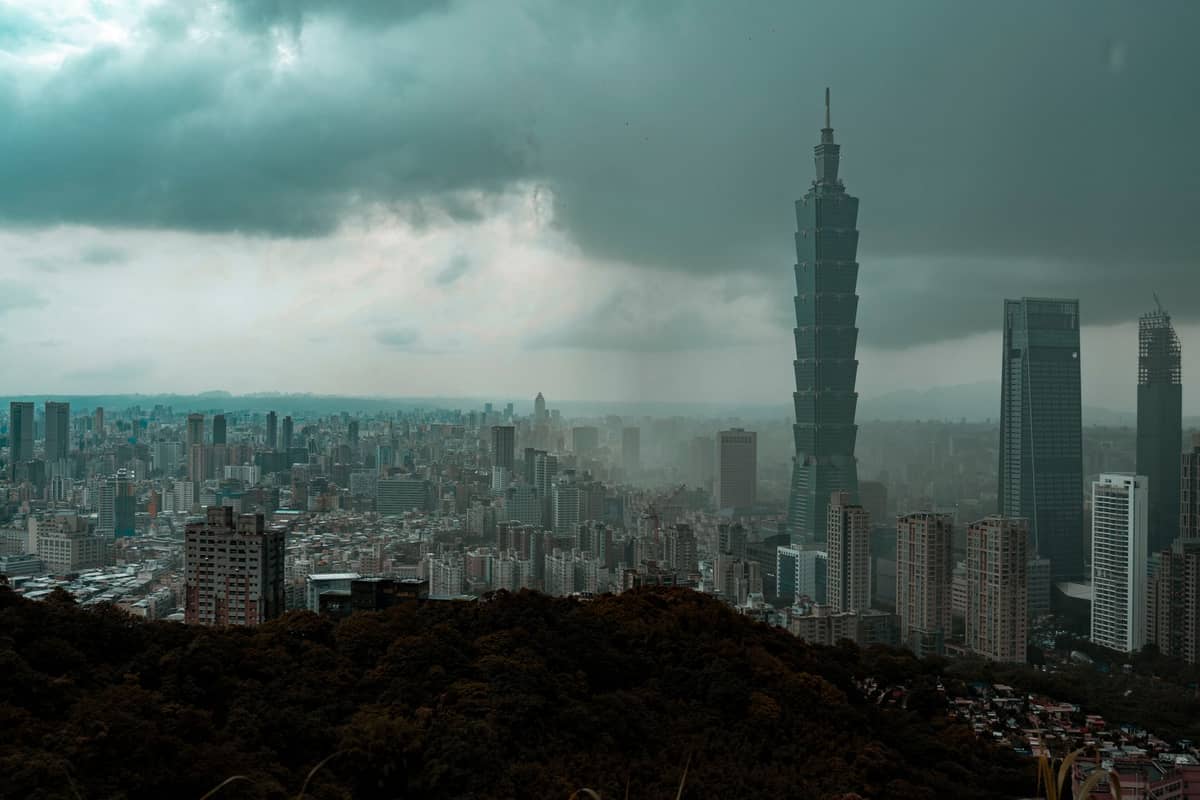
Taipei has a humid subtropical climate, and winter sits in the cooler, drier half of the year — though 'drier' is relative. The city sits in a basin that traps moisture, and cloud cover is persistent from December through February. Average daytime highs hover between 18°C and 20°C, while nights drop to around 13°C to 15°C. These are not extreme temperatures, but the high humidity (around 80%) makes the cold feel sharper than the numbers suggest.
- December Average daytime high around 20°C, lows near 14°C. Around 9 rainy days and approximately 75mm of rainfall. Comfortable for sightseeing with a light jacket.
- January The coolest month, with highs around 19°C and lows near 13°C. Roughly 85mm of rainfall. Generally the quietest month for crowds, except during Lunar New Year.
- February Temperatures begin to recover slightly (highs around 20°C), but rainfall increases significantly to around 130mm — the wettest of the three winter months. The Lantern Festival brings a major surge in visitors mid-month.
⚠️ What to skip
A common misconception about Taipei weather in January is that winter is dry. It is not. January and especially February bring frequent drizzle and overcast skies. Snow in the city centre is essentially unheard of — if you want any chance of seeing snow, you'd need to head up to Yangmingshan or higher elevations during a cold snap, which is rare and unpredictable.
What to Pack for Taipei in Winter
Layering is the right strategy. You won't need a heavy winter coat, but you will regret not bringing a waterproof outer layer. A light-to-medium jacket that handles both cool indoor air conditioning and outdoor drizzle covers most situations. Locals dress warmer than the thermometer might suggest, so don't feel overdressed if you're wearing a fleece mid-January.
- A compact, packable rain jacket or waterproof shell — more useful than an umbrella on narrow streets
- Layers: long-sleeve base, mid-layer fleece or sweater, outer jacket
- Comfortable walking shoes that can handle wet pavement
- A light scarf — temperatures in the evenings and early mornings can feel noticeably chillier
- Avoid heavy bulky coats: indoor spaces are often heated and you'll be carrying it constantly
💡 Local tip
If you forget anything, Taipei's shopping options are excellent. Ximending and the Xinyi district have international brands and local outdoor shops. You can pick up an inexpensive rain jacket or thermal layer without much effort.
Lunar New Year: Timing, Crowds, and What Actually Closes
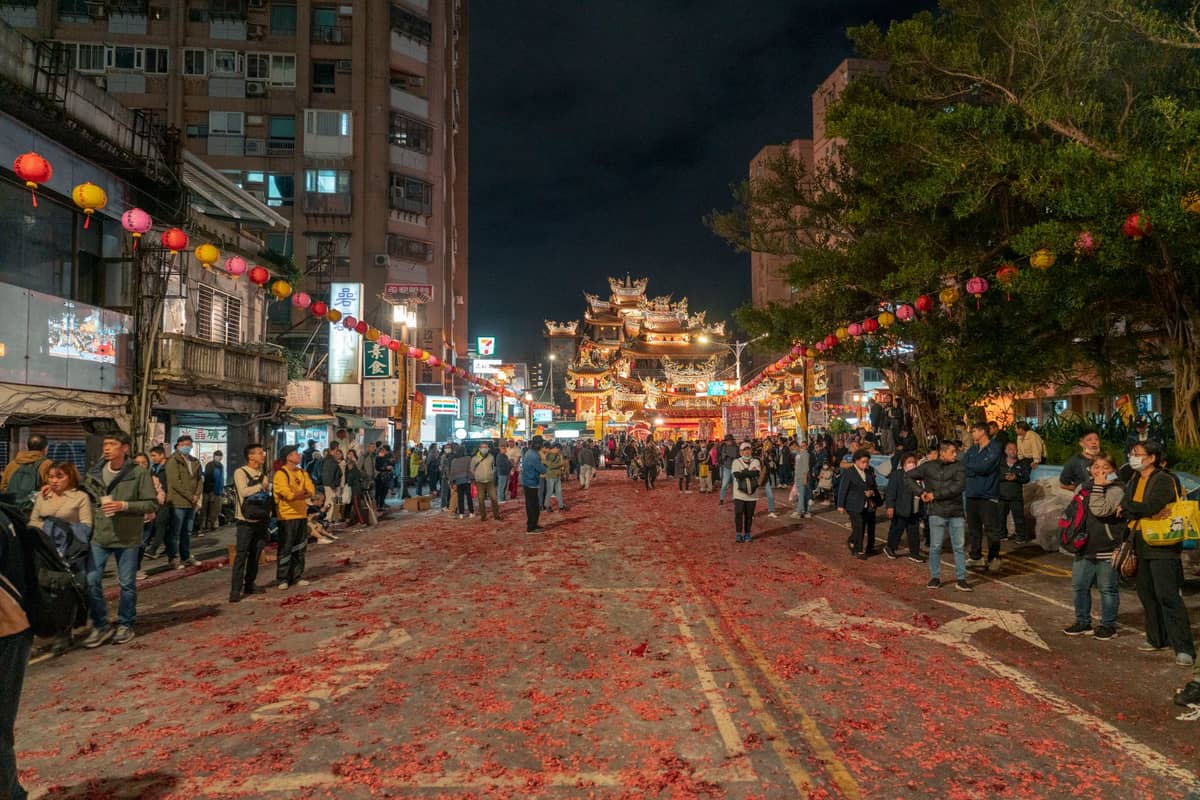
Lunar New Year is the single biggest variable in any Taipei winter trip. The date shifts each year (typically falling between late January and mid-February), and the city's rhythm changes noticeably around it. In the days leading up to New Year's Eve, Taipei fills with domestic visitors returning home. Night markets get crowded, transport is packed, and hotel prices rise sharply.
On New Year's Day itself and the first few days of the holiday, many smaller restaurants, family-run shops, and some attractions reduce hours or close entirely. Convenience stores and major chain restaurants remain open. The MRT runs on adjusted holiday schedules. If you're arriving during this window, do your research on specific venues rather than assuming they'll be open.
The week immediately after Lunar New Year is often overlooked by tourists and can be an ideal window to visit. Domestic crowds have dispersed, hotels drop back toward normal rates, and the city feels calmer. Combine this with a visit to Dihua Street in the Dadaocheng area, which transforms during the pre-New Year period into one of the city's best seasonal markets, selling dried goods, snacks, and traditional items.
✨ Pro tip
Book accommodation at least 6-8 weeks ahead if your trip overlaps with Lunar New Year. Even mid-range hotels fill quickly, and prices for the same room can double compared to the surrounding weeks.
The Taipei Lantern Festival: What It Is and How to Experience It
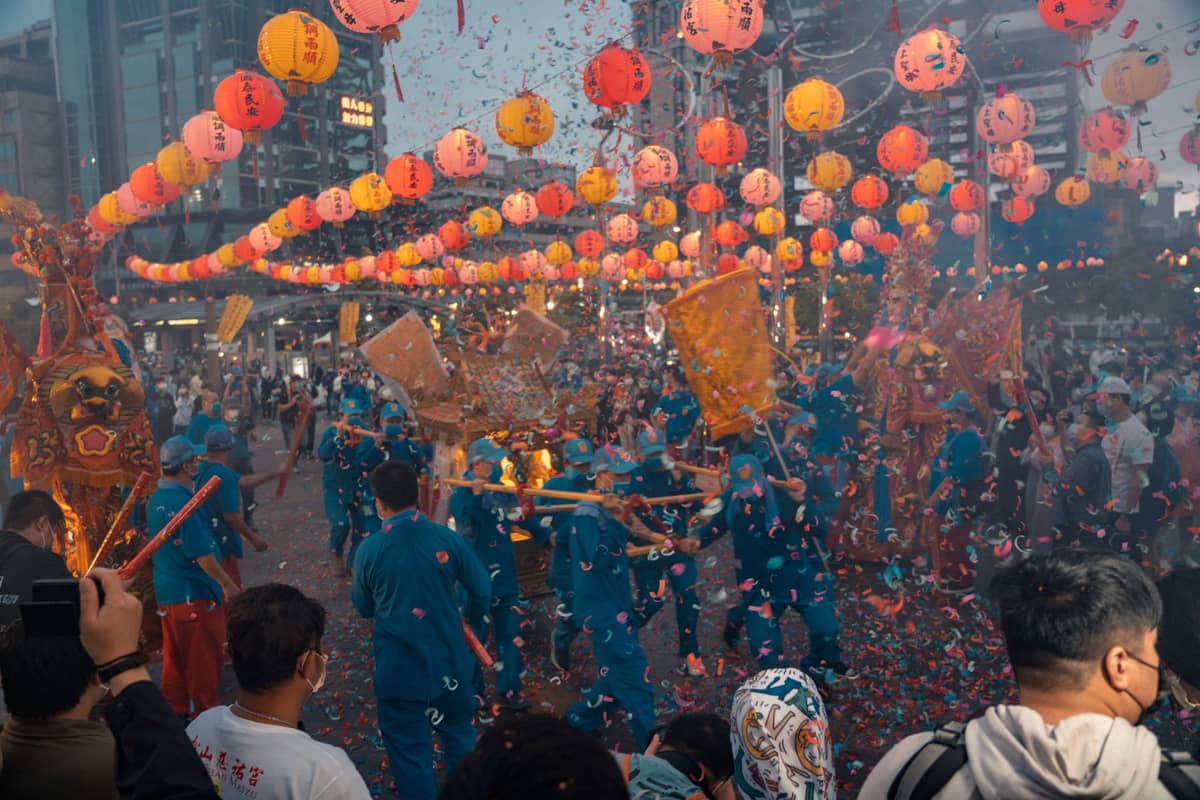
The Taipei Lantern Festival marks the end of the Lunar New Year period and is one of the city's most visually striking events. In 2025, the festival ran from February 2 to 16, with installations concentrated around the West District, including the Ximen and Beimen (North Gate) area. Nightly lighting ran from approximately 17:00 to 22:00. Specific dates and locations shift year to year, so check the official Taipei Tourism Bureau site as your trip approaches.
The installations are large-scale public art pieces rather than traditional sky lanterns — those are released at Pingxi, not in the city centre. The Taipei city festival is free to attend and draws large crowds on weekends, particularly in the evenings. Arrive early (before 18:00) on weeknights for a less crowded experience. The area around Beimen and the surrounding historic district makes for genuinely good photography, especially as the old gate is illuminated against the modern skyline.
Best Things to Do in Taipei During Winter
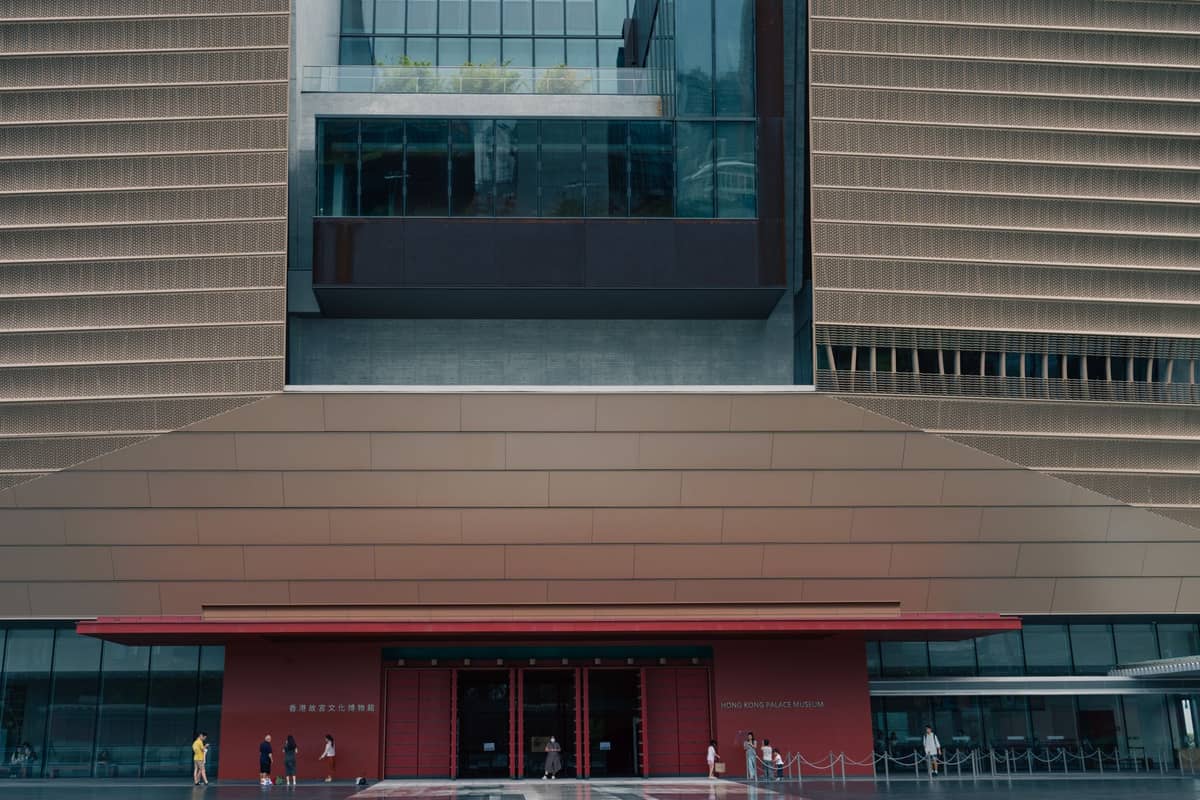
Winter works particularly well for Taipei's indoor and sheltered attractions. The cooler temperatures also make outdoor walking more comfortable than the sweaty summer months, provided you're dressed for the drizzle.
Hot springs are the obvious seasonal draw. Beitou is the closest hot spring district to central Taipei, reachable by MRT. The Xinbeitou hot spring area has a range of public baths and private facilities at different price points. Soaking in warm sulfur water while it drizzles outside is exactly as good as it sounds in January.
Museums become a natural focus in wet weather. The National Palace Museum in Shilin houses one of the world's most significant collections of Chinese imperial art and takes several hours to do properly. For something more contemporary, the Taipei Fine Arts Museum in Zhongshan District is worth a half-day, and the Museum of Contemporary Art Taipei offers rotating exhibitions in a converted Japanese-era school building.
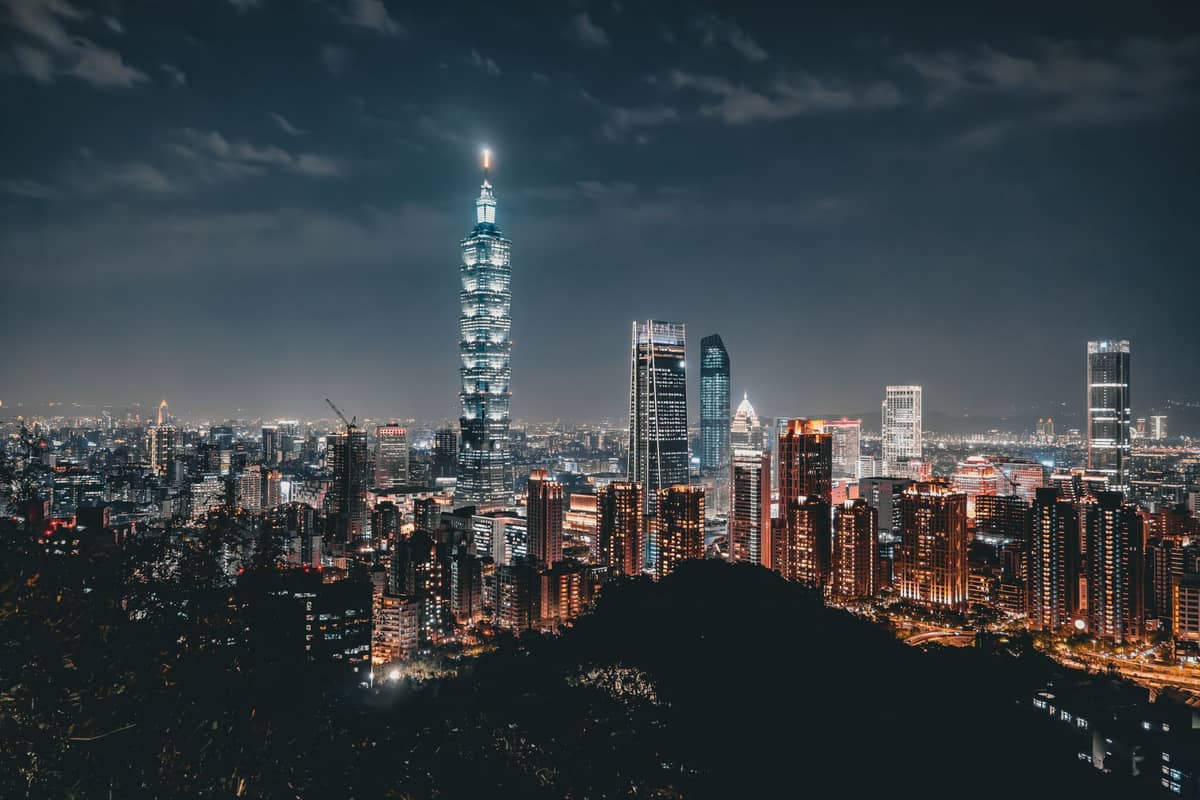
For views, winter skies can be surprisingly clear between rain fronts. The Taipei 101 observatory (floors 88 and 89) costs NT$600 for a standard adult ticket, with a priority pass available at NT$1,200 if you want to skip the queue. On a clear winter morning, the views over the Taipei basin and toward Yangmingshan's ridgeline are genuinely impressive. Children under 115cm enter free.
Temple visits in winter have their own appeal. Longshan Temple in Wanhua is active year-round, but the pre-Lunar New Year period brings particularly devoted crowds and rich atmosphere. Xingtian Temple in Zhongshan is worth visiting to observe the daily ritual of worshippers receiving blessings — it's one of the more genuinely local experiences in the city.
- Beitou and Wulai hot springs: best seasonal activity, especially on rainy days
- Taipei 101 observatory: NT$600 standard ticket, free for children under 115cm
- National Palace Museum: budget at least 3 hours for the permanent collection
- Dihua Street New Year market: late January through early February only
- Elephant Mountain trail: on clear winter days between rain fronts, the city views rival any season
- Night markets: Shilin, Raohe, and Ningxia all operate year-round and are excellent in cool weather
Crowds, Costs, and Practical Logistics in Winter
Outside of Lunar New Year and the Lantern Festival, December and January are among the quietest months in Taipei for international tourists. This makes winter one of the better windows for visiting popular sites without the peak-season crush. Budget travelers will generally find lower accommodation rates in early December and the weeks immediately after Lunar New Year. February overall sits at moderate pricing, rising toward the Lantern Festival period.
Getting around is straightforward year-round. The Taipei Metro (MRT) connects most major attractions and runs reliably. If you're arriving from Taoyuan International Airport (about 40km from central Taipei), the Airport MRT is the most cost-effective and predictable option. For more on navigating the city, see the full guide to getting around Taipei.
Currency is the New Taiwan Dollar (TWD). Tipping is not customary in Taiwan — at restaurants, night market stalls, or taxis. Electricity runs at 110V/60Hz with Type A and B plugs, so North American devices work without adapters, while European and UK visitors will need one.
ℹ️ Good to know
Taiwan has visa-free entry arrangements for many nationalities, but eligibility and conditions change. Check current requirements with your country's foreign affairs ministry or Taiwan's Bureau of Consular Affairs before booking.
FAQ
What is Taipei weather like in January?
Taipei weather in January averages around 19°C during the day and 13°C at night. Rainfall sits around 85mm across the month, with frequent overcast skies and drizzle. Snow in the city is essentially nonexistent. Pack layers and a waterproof jacket.
Is December a good time to visit Taipei?
Yes. December is one of the quieter months for international visitors, meaning shorter queues and lower hotel prices than the spring or summer peak. The weather is cool but manageable — daytime highs around 20°C — and there are around 9 rainy days on average. It's a comfortable month for sightseeing.
Does it snow in Taipei in winter?
Snow in central Taipei is extremely rare and not something to plan around. The city sits at low elevation in a basin, and winter temperatures rarely drop below 10°C. Higher elevations like Yangmingshan occasionally see frost or light snow during cold snaps, but this is unpredictable.
When is Lunar New Year in Taipei and how does it affect travel?
Lunar New Year falls between late January and mid-February depending on the year. In the days around the holiday, some restaurants and small shops close or reduce hours, hotels become more expensive and fill quickly, and transport is busier with domestic travellers. Arriving the week after the holiday offers a quieter and more affordable alternative.
What are the best things to do in Taipei in winter?
Beitou hot springs are the standout seasonal activity. Museums including the National Palace Museum and Taipei Fine Arts Museum work well on rainy days. The Taipei 101 observatory (NT$600 standard ticket) offers excellent city views on clear days. The Lantern Festival in February is a major event worth planning around, and the pre-Lunar New Year market on Dihua Street is excellent for those visiting in late January.