Ixia & Ialyssos
Ixia and Ialyssos stretch along the northwest coast of Rhodes, about 8 kilometres from Rhodes City, offering a different pace from the medieval bustle of the Old Town. Known for strong summer winds that draw windsurfers from across Europe, the area combines resort-scale hotels with a genuine local township, ancient ruins up on the Filerimos plateau, and direct access to the main island road.
Located in Rhodes, Greece
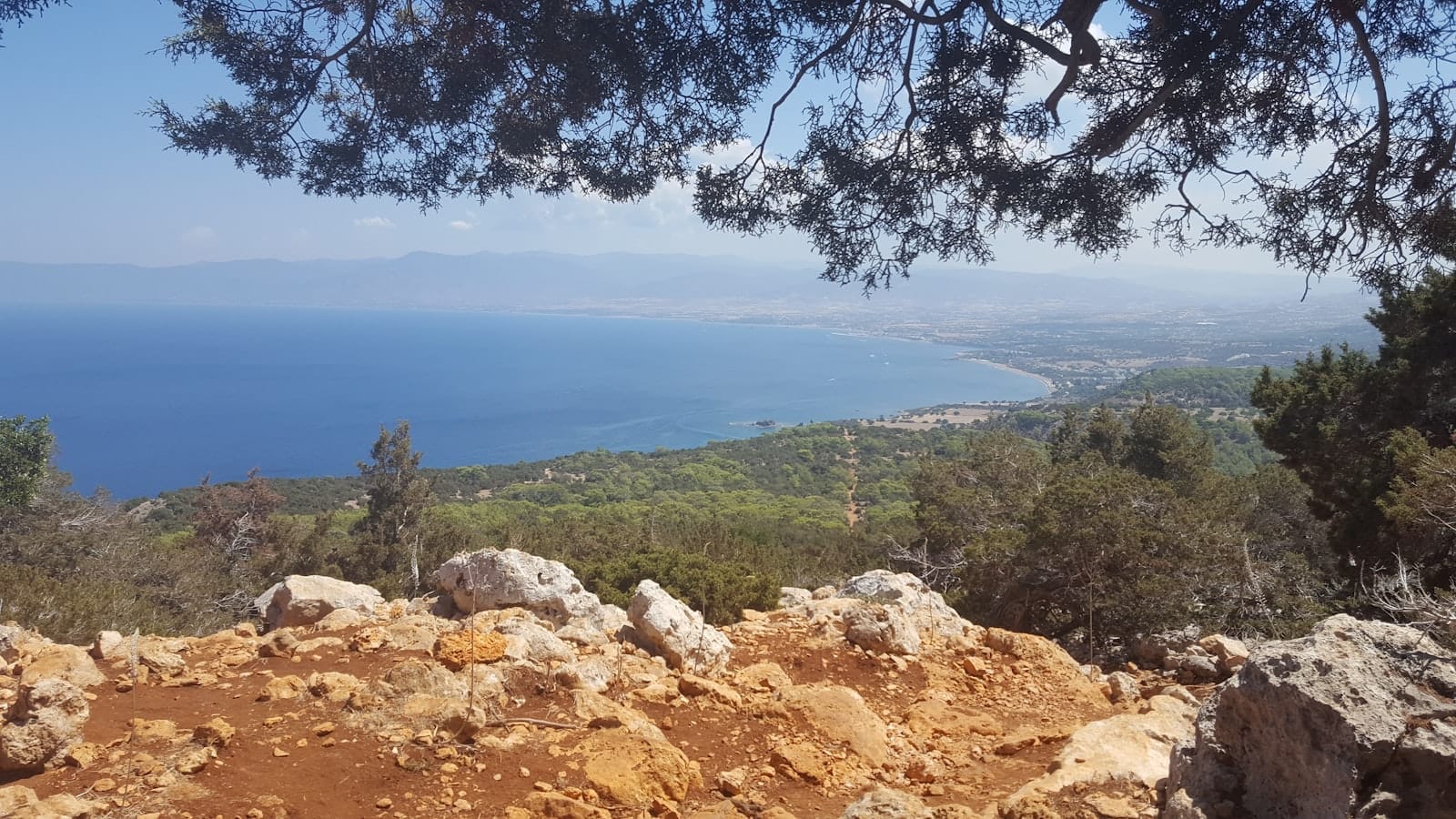
Overview
Ixia and Ialyssos occupy a stretch of Rhodes' northwest coast where resort infrastructure meets a working Greek township of over 11,000 residents. The consistent winds that funnel off the Aegean have made this coastline one of the island's premier windsurfing corridors, while the ancient site of Ialysos and the plateau of Filerimos above remind you that this strip of land has been continuously settled for millennia.
Orientation
Ixia and Ialyssos sit on the northwest coast of Rhodes, facing across a narrow channel toward the mountains of the Turkish mainland on clear days. Ixia begins roughly 6 kilometres southwest of Rhodes City and blends almost seamlessly into Ialyssos, which lies a further 2.5 kilometres along the coast. Together they form a continuous coastal band running southwest along the main road that connects Rhodes New Town to Diagoras Airport, making this one of the most traffic-heavy stretches of road on the island.
The layout is essentially linear. The coastal zone holds the hotels, beach bars, and watersports centres, with the main road running parallel just inland. Behind the road, the ground rises gradually toward the Filerimos plateau, where the ancient acropolis and monastery sit several hundred metres above sea level. Ialyssos itself, officially known as Trianda, has a proper residential core with its own square, church, and everyday businesses that have little to do with tourism.
To the northeast, the area connects directly to Rhodes City, reachable in around 15 minutes by bus or taxi. To the southwest, the road continues toward the airport at Diagoras, roughly 6 kilometres from Ialyssos. This positioning makes Ixia and Ialyssos a practical base for travellers who want quick airport access and don't need to be in the thick of the city, though it does mean living alongside a major arterial road. For context on how this area fits the wider island, the Rhodes accommodation guide gives a useful comparison across all the main zones.
Character & Atmosphere
Early mornings in Ixia have a specific quality: the wind picks up before the sun gets high, rattling the rigs of windsurfers already rigging their kit on the beach, while hotel guests trickle down for breakfast and the road behind begins its slow build toward the day's traffic peak. The beach itself is pebble and coarse sand, less photogenic than the east coast's sandy crescents, but the views across to the Turkish coast are genuinely striking, particularly in the pale morning light.
By midday the strip is fully operational as a resort zone. The beach fills with sun loungers, watersports operators are running lessons, and the main road carries a constant stream of rental cars, buses, and coaches. This is not a place for quiet contemplation during high season. The atmosphere is functional and comfortable rather than charming: good facilities, reliable services, and a predictable rhythm that suits package holiday travellers well.
Ialyssos, the township itself, feels different from the coastal strip. Walk away from the beach and through the residential streets and you encounter a town that has its own life entirely separate from tourism: local kafeneions where older men play backgammon, a market square, the Holy Agia Paraskevi Church, and the kind of neighbourhood grocery stores that cater to 11,000 year-round residents rather than summer visitors. This is where the area earns some authenticity. After dark, the coastal strip's bars and hotel restaurants take over, but things are quieter here than in Faliraki or Rhodes City's nightlife districts.
⚠️ What to skip
The main coastal road through Ixia and Ialyssos carries heavy traffic throughout the day and into the evening, especially in summer. If you're staying in a hotel on or near the road, ask for a room on the inland side or upper floors if noise is a concern.
What to See & Do
The defining activity for Ixia is watersports, specifically windsurfing and kitesurfing. The northwest coast of Rhodes channels reliable afternoon thermal winds across the bay, and Ixia in particular has a long-established reputation on the European windsurfing circuit. Several schools and rental centres operate directly from the beach. For a deeper look at conditions and what to expect on the water, the Rhodes windsurfing and kitesurfing guide covers the northwest coast in detail.
Above the resort strip, the Filerimos plateau holds the ruins of ancient Ialysos and one of the more atmospheric sites on the island. The Acropolis of Rhodes and the Ancient Stadium are the better-known classical sites, but ancient Ialysos predates the foundation of Rhodes City itself, and the plateau offers sweeping views across the northwest coast and toward the Turkish coastline. A Byzantine monastery and a small museum sit alongside the archaeological remains. The drive or taxi ride up is steep and winding; allow at least two hours to do the site properly.
The Museum of Mineralogy and Paleontology Stamatiadis is a genuinely unusual small museum within easy reach of Ixia, notable for its fossil and mineral collections. It won't appeal to everyone, but for travellers with children or an interest in natural history, it makes for a worthwhile hour away from the beach.
- Windsurfing and kitesurfing at Ixia Beach: multiple operators with lessons and equipment rental
- Ancient Ialysos and Filerimos plateau: archaeological ruins, Byzantine monastery, hilltop views
- Museum of Mineralogy and Paleontology Stamatiadis: fossils and minerals, family-friendly
- Holy Agia Paraskevi Church: Ialyssos's main church, worth seeing for its architecture and local context
- Evening walks along the coastal promenade toward Rhodes City
💡 Local tip
The winds at Ixia tend to peak in the early to mid-afternoon and ease toward evening. If you want a calm swim, mornings are the best time to use the beach. By 2pm the chop can make swimming uncomfortable for anyone not on a board.
Rhodes City is close enough to treat as an extension of your stay here. The Rhodes Old Town walking tour and the Palace of the Grand Master are both under 15 minutes away by bus, making day trips into the medieval city easy to plan around the beach.
Eating & Drinking
The food scene in Ixia is dominated by hotel restaurants and the kind of all-day tavernas that cater to a tourist clientele: Greek staples alongside international options, reliable quality, and prices that reflect the resort context. You won't find the most authentic or inventive Greek cooking here, but you also won't struggle to find a decent meal.
Walk into Ialyssos township and the picture changes. Local tavernas and kafeneions around the main square serve food and coffee primarily for residents, which generally means lower prices and less English on the menus. Grilled meats, simple salads, and fresh bread are the staples. These places typically open late morning and run through the afternoon and evening, with the kafeneions staying open as social spaces until late at night.
For a broader understanding of what's worth eating across Rhodes and what to look for on menus, the guide to what to eat in Rhodes gives useful context. Local specialties to look for include fresh grilled fish, particularly on menus closer to the waterfront, and the island's well-regarded olive oil, which appears in everything from salads to bread.
Bars in the coastal strip tend to operate on a resort schedule: cocktails and frozen drinks through the afternoon and evening, quieter than the nightlife districts of Rhodes City or Faliraki, and mostly attached to or near hotels. If late nights and bar-hopping are part of your plan, this is not the right base.
Getting There & Around
Public buses connect Ixia and Ialyssos to Rhodes City regularly throughout the day. The route follows the main coastal road, and journey time into the city centre is around 20 to 25 minutes depending on stops and traffic. Buses also run in the direction of the airport, making this corridor one of the better-served on the island. Timetables and fares are operated by KTEL Rhodes; the fare is a few euros each way. For a full breakdown of how to get around the island, the Rhodes transport guide covers buses, taxis, and car hire.
Taxis are easy to find along the main road and at larger hotels. Diagoras Airport is approximately 6 kilometres southwest of Ialyssos, roughly a 10-minute taxi ride. If you're arriving at the airport and heading straight to a hotel in this area, this is one of the shortest airport transfers on the island. For more detail on arrivals and transfers, see the Rhodes airport guide.
Within the area, walking between Ixia and Ialyssos along the coastal promenade is straightforward and takes around 20 to 25 minutes on foot. The main road is walkable but carries fast-moving traffic, so the promenade path along the seafront is preferable where it exists. Renting a scooter or car is worth considering if you plan to explore the island beyond the coastal strip, as the bus network, while adequate for the city route, doesn't cover all of Rhodes' interior and south coast villages.
ℹ️ Good to know
Ixia and Ialyssos are positioned directly on the road between Rhodes City and Diagoras Airport, which means traffic builds noticeably in the morning and again in the late afternoon. If you're taking a taxi or bus to the airport during peak times, allow extra time in your schedule.
Where to Stay
Accommodation in Ixia and Ialyssos is dominated by mid-to-large resort hotels, many of which operate on an all-inclusive basis. The concentration of hotels along the coastal strip makes this one of the most hotel-dense parts of the island outside of Rhodes City itself. Properties range from budget-to-mid options to a handful of four-star resorts with extensive pool facilities and direct beach access.
For families and couples who want a self-contained resort experience with watersports on the doorstep, easy airport access, and day trips into Rhodes City on demand, this area works well. It's less suited to independent travellers who want to immerse themselves in Greek island life, or to anyone prioritising nightlife, architectural character, or fine dining. The best-positioned hotels are those on the seafront with direct beach access; properties on the inland side of the main road require crossing busy traffic to reach the water.
If you're weighing up this area against other parts of the island, the full guide to where to stay in Rhodes gives a structured comparison, including the Old Town, New Town, Lindos, and Faliraki.
Honest Assessment: Is Ixia and Ialyssos Right for You?
This stretch of coast is not trying to be picturesque. The beach is pebbly, the main road is loud, and the hotel strip has all the visual character of resort development anywhere on the Mediterranean. What it offers instead is reliable infrastructure, strong watersports conditions, and a location that keeps Rhodes City, the airport, and the Filerimos plateau all within easy reach.
Travellers who want the romantic lanes and medieval architecture of the UNESCO-listed city should base themselves in or near the Rhodes Old Town. Those after sandy beaches and a more lively scene might prefer the east coast. But if your priority is windsurfing, airport proximity, and a comfortable all-inclusive resort without needing to be anywhere in particular, Ixia and Ialyssos deliver exactly what they promise.
TL;DR
- Best for: windsurfers, families on all-inclusive packages, and travellers who want quick airport access with day trips into Rhodes City.
- The winds that make Ixia a windsurfing hotspot also make swimming rough by early afternoon in high season; plan beach time in the mornings.
- Ialyssos township has genuine local life away from the resort strip, including good-value tavernas and a real residential neighbourhood.
- The ancient site of Ialysos and the Filerimos plateau are undervisited given their proximity and offer some of the best hilltop views on the island.
- Not the right base for travellers seeking nightlife, sandy beaches, architectural character, or an immersive local experience.
Related Travel Guides
- Anthony Quinn and Rhodes: The Story Behind Anthony Quinn Bay
Anthony Quinn Bay is one of the most photographed coves on the Greek island of Rhodes, but most visitors know only half the story. Here is the full history of how a Hollywood film, a failed land deal, and emerald-clear water turned a small pebble cove into one of Greece's most recognisable spots.
- Best Beaches in Rhodes: 15 Top Spots for Sun, Sand & Sea
Rhodes has over 220 km of coastline stretching from rocky northern coves to sweeping southern sandbanks. This guide covers the best beaches in Rhodes, from the iconic bay below the Acropolis of Lindos to the wild windsurfing isthmus at Prasonisi.
- Best Time to Visit Rhodes: A Month-by-Month Guide
Rhodes rewards visitors year-round, but timing your trip correctly means the difference between a peaceful escape and a sweaty queue. This guide breaks down every season honestly, with temperature ranges, crowd levels, pricing patterns, and clear recommendations for different travel styles.
- The Colossus of Rhodes: History, Location & What to See Today
One of the Seven Wonders of the Ancient World, the Colossus of Rhodes was a 33-metre bronze statue that stood near Mandraki Harbour around 280 BCE. Nothing physical survives, but the story, the site, and the surrounding attractions make this one of Rhodes' most fascinating stops. Here is everything you need to know.
- Best Day Trips from Rhodes: Islands, Villages, and Coastline Worth Exploring
Rhodes is an excellent base for exploring the wider Dodecanese and the island's own interior. From the spectacularly beautiful island of Symi to the ancient Acropolis of Lindos and the lush Valley of the Butterflies, these are the day trips that reward the effort of leaving your sunbed.
- Getting Around Rhodes: The Complete Transport Guide
Rhodes is a large island covering over 1,400 km², and getting around it requires some planning. This guide covers every transport option available, from public buses and taxis to car hire and scooters, with real fares, route logistics, and honest advice on what actually works.
- Is Rhodes Worth Visiting? An Honest Assessment
Rhodes is one of Greece's most complete travel destinations, combining a UNESCO-listed medieval city, diverse beaches, and layers of ancient history. But peak-season crowds and tourist-trap pricing are real concerns. Here's everything you need to know before booking.
- The Knights of Rhodes: History of the Crusader City
For over two centuries, the Knights of Rhodes — formally the Order of the Knights of St. John — transformed a Greek island into the most formidable Christian stronghold in the eastern Mediterranean. This guide covers their origins, military achievements, the fall of the city, and exactly what survives today for you to explore.
- Luxury Rhodes: Best Hotels, Restaurants & Experiences
Rhodes delivers genuine luxury across the full spectrum: UNESCO-listed medieval hotels, clifftop adults-only resorts, Michelin-quality dining, and private boat charters to deserted coves. This guide covers where to stay, eat, and spend your money wisely on the Greek island that consistently punches above its weight.
- Rhodes Airport (RHO): Arrivals, Transfers & Getting to Town
Everything you need to know about arriving at Rhodes International Airport 'Diagoras' (RHO). From bus routes and taxi fares to pre-booked private transfers, this guide covers all your options for reaching Rhodes Town and the rest of the island quickly and without stress.
- Best Boat Trips from Rhodes: Cruises, Island Hops & Coastal Coves
Rhodes sits at the perfect crossroads of the Aegean for exploring by sea. This guide covers the best boat trips available, from full-day Symi cruises and Lindos sea excursions to catamaran sailings and snorkelling stops at stunning coastal bays.
- Renting a Car in Rhodes: Everything You Need to Know
Renting a car in Rhodes unlocks the island's best beaches, hilltop villages, and ancient ruins that buses simply can't reach. This guide covers licensing requirements, realistic pricing, parking rules, seasonal booking strategy, and what to watch out for on local roads.
- Free Things to Do in Rhodes: 20 Ways to Explore Without Spending a Euro
Rhodes rewards those on a budget with an extraordinary range of free experiences. From wandering ancient and medieval streets to swimming in turquoise bays, here are 20 genuinely free ways to get the most from the island.
- Hidden Gems in Rhodes: Beyond the Tourist Trail
Rhodes rewards those who look past the headline sites. From a frescoed Byzantine monastery in the pine-covered interior to a crowd-free medieval castle with sea views, these are the places that show you a different side of the island.
- Rhodes for Couples: The Most Romantic Things to Do on the Island
Rhodes rewards couples with an exceptional mix of dramatic scenery, ancient history, and unhurried beaches. Whether you are planning a honeymoon, anniversary, or simply a getaway together, this guide covers the most romantic experiences the island offers.
- Visiting Rhodes in October: The Complete Shoulder Season Guide
October is one of the smartest months to visit Rhodes, Greece. The summer heat breaks, the crowds thin out dramatically, and the sea stays warm enough for swimming well into the month. This guide covers weather, prices, what's open, and how to make the most of the island in autumn.
- Visiting Rhodes in Summer: What to Really Expect
Rhodes in summer is spectacular and intense in equal measure. This guide covers everything from scorching July temperatures and peak-season crowds to the quieter southern beaches and the best strategies for enjoying Greece's largest Dodecanese island without the misery.
- 3 Days in Rhodes: A Weekend Itinerary That Actually Works
Three days in Rhodes is enough to cover the medieval Old Town, the Acropolis of Lindos, ancient Kamiros, and a handful of excellent beaches — if you plan it right. This itinerary sequences the island's highlights by geography, not just popularity, so you spend less time driving and more time exploring.
- 7 Days in Rhodes: The Perfect Itinerary
A week in Rhodes is enough to cover its UNESCO medieval core, the clifftop drama of Lindos, a ferry to Symi, and some of the Aegean's best beaches without ever feeling rushed. This day-by-day itinerary is built around realistic travel times, crowd patterns, and practical logistics so you can spend less time planning and more time actually enjoying the island.
- Rhodes Medieval Old Town: The Complete Visitor Guide
Rhodes Medieval Old Town is one of Europe's most intact medieval cities, a UNESCO World Heritage Site enclosed by 4 km of walls and layered with 700 years of history. This guide covers everything from the Palace of the Grand Masters to the Ottoman quarter, with practical entry info, crowd patterns, and honest recommendations.
- Rhodes Nightlife: Best Bars, Clubs & After-Dark Experiences
Rhodes after dark covers a wider range than most visitors expect. Whether you want high-energy clubs on Orfanidou Street, open-air beach parties near Kallithea, or a quiet glass of wine inside the medieval walls, this guide covers every scene with practical details on venues, timing, and what to avoid.
- Rhodes Old Town Self-Guided Walking Tour: The Complete Expert Guide
Rhodes Old Town is one of Europe's most intact medieval cities and a UNESCO World Heritage site. This self-guided walking tour covers the essential route, every major landmark, honest crowd warnings, and practical details so you can explore at your own pace without wasting a step.
- Rhodes on a Budget: How to Visit Without Overspending
Rhodes is one of Greece's most rewarding destinations, and it doesn't have to drain your wallet. This guide breaks down realistic daily budgets, the best free and low-cost attractions, smart transport choices, and the seasonal timing that cuts costs by nearly half.
- The Most Instagrammable Spots in Rhodes: 20 Locations Worth the Shot
Rhodes is one of the most photogenic islands in the Mediterranean, stacking medieval architecture, turquoise bays, and ancient ruins into a remarkably compact space. This guide covers the 20 best photography locations on the island, from iconic landmarks to lesser-known viewpoints.
- Rhodes vs Other Greek Islands: Which Should You Visit?
Choosing between Greek islands is harder than it looks. This guide breaks down how Rhodes compares to Santorini, Crete, Kos, and Mykonos across beaches, history, cost, and crowd levels — so you can book with confidence.
- Windsurfing & Kitesurfing in Rhodes: The Complete Guide to Spots, Schools & Conditions
Rhodes is one of Greece's top destinations for windsurfing and kitesurfing, driven by reliable Meltemi winds and a string of well-organized schools on the northwest coast. This guide covers every spot, lesson price, seasonal window, and insider tip you need to plan your trip.
- Rhodes with Kids: The Best Family Activities on the Island
Rhodes punches well above its weight for family travel. Whether your kids are after slides and splash pools, wildlife encounters, or exploring real medieval castles, the island delivers. This guide covers the best family-friendly activities across beaches, nature, history, and pure entertainment.
- Best Things to Do in Rhodes: The Definitive Guide
Rhodes is one of Greece's most layered destinations, where a UNESCO-listed medieval city sits minutes from clear Aegean water. This guide covers the best things to do in Rhodes across history, beaches, food, and day trips, with honest takes on what's worth your time and what isn't.
- What to Eat in Rhodes: A Guide to Local Food & Dishes
Rhodes has a distinct culinary identity rooted in chickpeas, wild greens, handmade pasta, and cumin-heavy stews. This guide covers the essential local dishes, seasonal specialities, what to drink, and where to find the food worth seeking out.
- Where to Eat in Rhodes: Best Restaurants & Tavernas
Rhodes has one of the strongest food cultures in Greece, built on fresh Aegean seafood, sun-ripened local produce, and centuries of Mediterranean culinary tradition. This guide covers where to eat across the island, from the medieval alleyways of the Old Town to the clifftop village of Lindos, with honest assessments, realistic prices, and practical booking advice.
- Where to Stay in Rhodes: Best Areas & Hotels
Choosing where to stay in Rhodes shapes your entire trip. This guide breaks down every major area honestly, from UNESCO-listed Old Town to family-friendly Pefkos, with specific hotel recommendations and seasonal tips to help you book with confidence.