7 Days in Rhodes: The Perfect Itinerary
A week in Rhodes is enough to cover its UNESCO medieval core, the clifftop drama of Lindos, a ferry to Symi, and some of the Aegean's best beaches without ever feeling rushed. This day-by-day itinerary is built around realistic travel times, crowd patterns, and practical logistics so you can spend less time planning and more time actually enjoying the island.
Plan and book this trip
Tools from our partner Travelpayouts help you compare flights and hotels. If you book through them, we may earn a commission at no extra cost to you.
Flights
Hotels map
TL;DR
- Seven days is the sweet spot for Rhodes: enough for Old Town depth, Lindos, a Symi day trip, and multiple beaches without backtracking.
- A rental car unlocks the south and west of the island; hiring a car for days 3-7 is strongly recommended.
- Visit the Old Town first (days 1-2) before heat and crowds peak mid-week.
- Shoulder season (May-June, September-October) offers 20-25°C temperatures and noticeably thinner crowds at major sites.
- Book Symi ferry tickets and Lindos accommodation in advance during peak season; see the best time to visit Rhodes guide for full seasonal breakdowns.
Before You Go: Logistics That Shape Your Week
Rhodes is the largest of the Dodecanese islands at just over 1,400 km², which means distances matter. Lindos is roughly 55 km south of Rhodes city, about a one-hour drive. Prasonisi, the southernmost tip, is 90 km and closer to 90 minutes. These aren't punishing journeys, but they do mean that cramming the whole island into a single day trip is a mistake you'll regret by mid-afternoon.
Rhodes International Airport Diagoras (RHO) sits 14 km southwest of the city centre. A public bus takes around 25-30 minutes and costs roughly €2.50-3; a taxi runs €25-30 and takes about 20 minutes. If you're renting a car for the week, picking it up at the airport on arrival is the most efficient approach. Check the Rhodes airport guide for terminal details and transfer options.
💡 Local tip
Public buses (operated by KTEL Rhodes) cover the main routes including Rhodes city to Lindos, but schedules thin out in the afternoon and are infrequent to beach villages. For maximum flexibility, rent a car from day 3 onward and use buses or taxis for the first two days when you're based in the Old Town, where driving is restricted anyway.
Days 1-2: The Medieval Old Town and Rhodes City
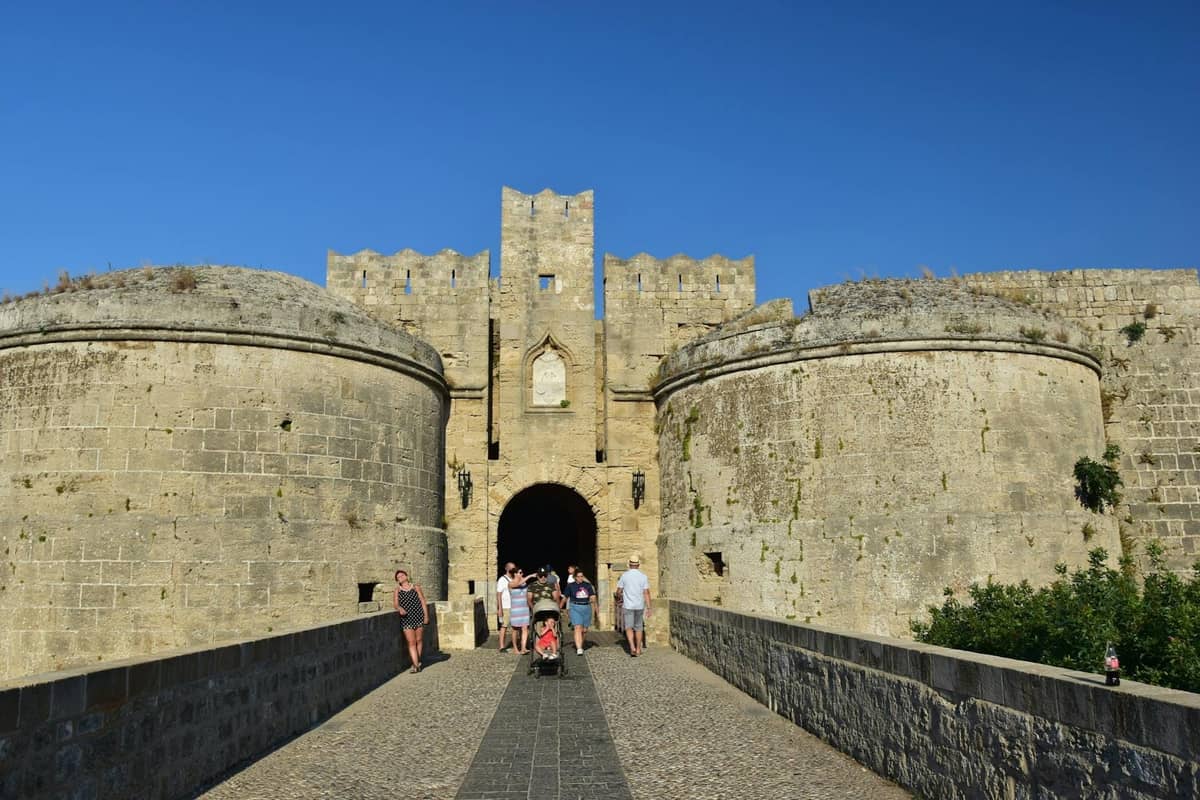
Start your week in Rhodes Old Town, a UNESCO World Heritage site and one of the best-preserved medieval walled cities in Europe. Arrive, drop your bags, and resist the urge to immediately sprint to every landmark. Instead, walk the 4 km circuit of the outer walls first to get your bearings and understand the scale of what the Knights of St John built here between the 14th and 16th centuries.
On your first full day, prioritize the Palace of the Grand Master (open most mornings; entry €8), the Street of the Knights, and the Archaeological Museum of Rhodes housed in the former Knights' Hospital. The museum alone warrants 90 minutes if you have any interest in ancient Greek sculpture and Hellenistic grave stelae. The Street of the Knights is best visited before 9am or after 5pm when tour groups clear out.
Use the morning of day 2 for anything you missed: the Mosque of Suleiman, the Ottoman-era Turkish baths (still functioning on select days), and the atmospheric tangle of streets in the Jewish Quarter. Spend the afternoon in the New Town: walk along Mandraki Harbour where the bronze deer statues now stand near where the Colossus of Rhodes reputedly stood, and visit the Fort of St Nicholas at the harbour mouth.
⚠️ What to skip
The narrow lanes of the Old Town are genuinely easy to get lost in, which is charming for the first hour and frustrating on hour three when you're hungry and overheated. Download an offline map before entering. The main tourist drag around Socratous Street is lined with souvenir shops and overpriced cafes: walk one block in any direction for better food at half the price.
Day 3: Lindos and St Paul's Bay
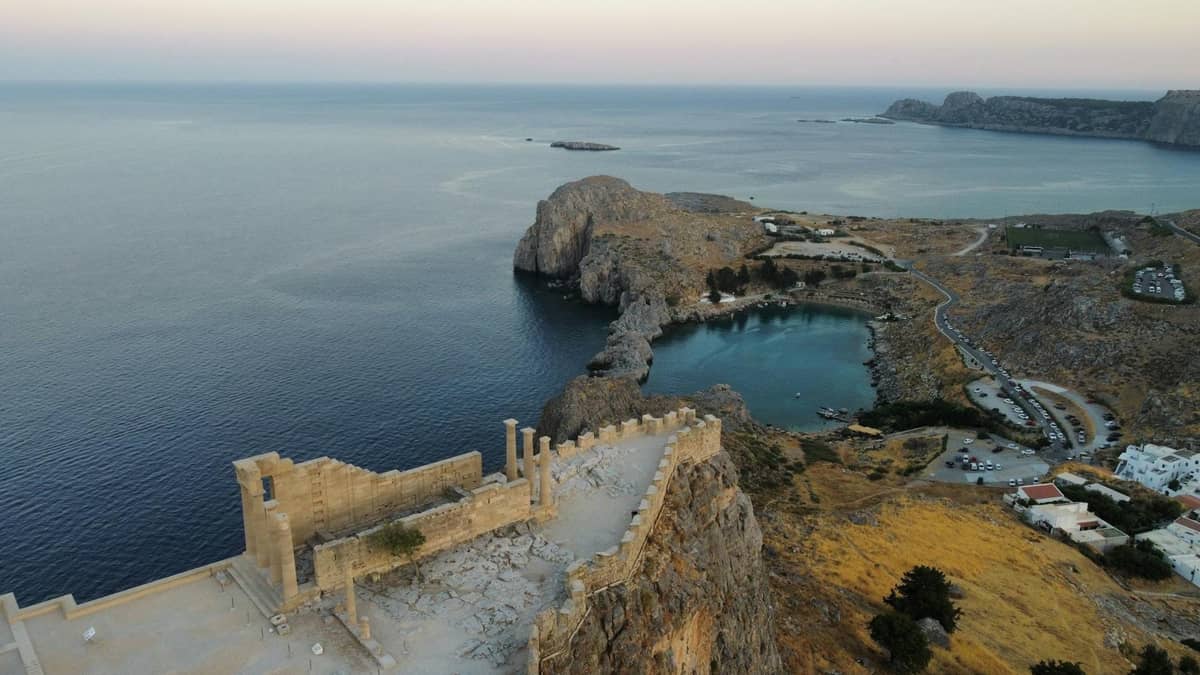
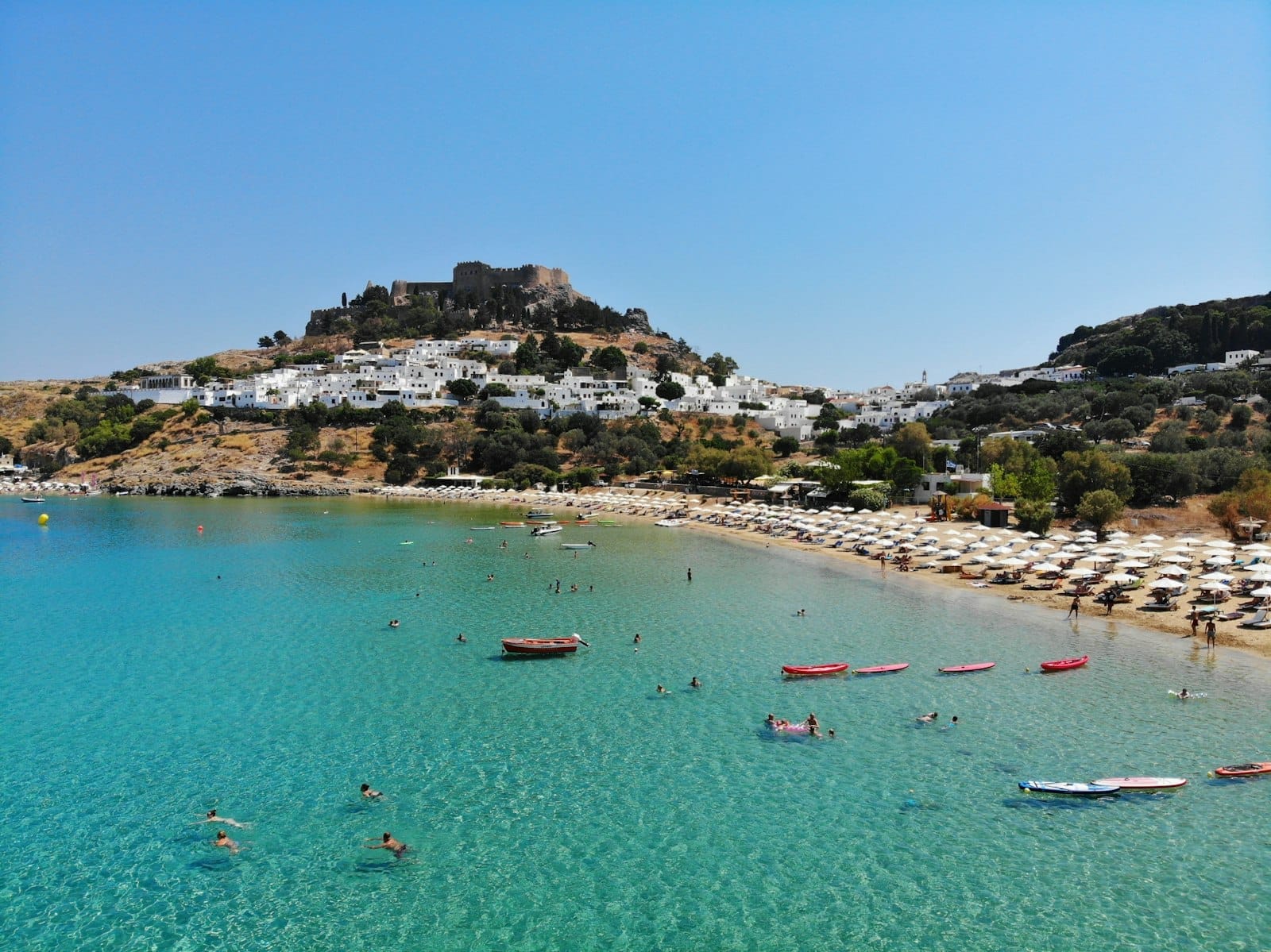
Lindos deserves a full day, not a rushed half-day from a tour bus. Drive south (about 55 km, one hour) and park in the designated lot below the village. From there it's a 10-15 minute walk up to the village itself or you can take a donkey up the stepped path to the Acropolis of Lindos for a small additional fee. The acropolis combines ancient Greek columns, a Byzantine church, and Knights Hospitaller fortifications in a single compact site with views that stretch across the coastline on clear days.
After the acropolis, walk down to St Paul's Bay, a near-circular sheltered cove below the acropolis cliffs where the apostle Paul is said to have landed in 51 AD. The water is clear and calm, making it excellent for swimming. Lindos Beach itself is the main arc of sand to the north of the village and gets busy by midday; arrive before 11am for a good spot. Spend the late afternoon wandering Lindos village's white-cubist lanes before driving back as the light fades.
Day 4: Symi Island Day Trip
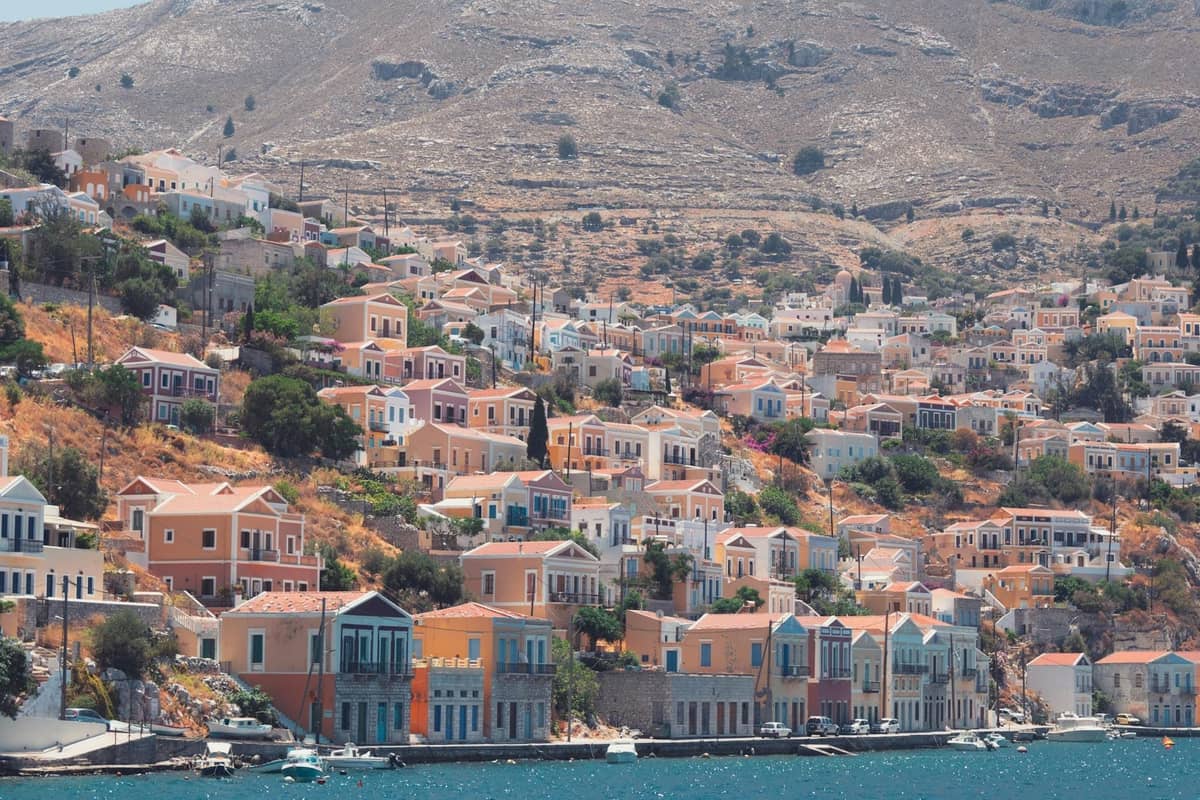
Take the ferry from Mandraki Harbour to Symi, a small island 40 km northeast of Rhodes whose neoclassical harbour town looks like it was designed specifically to be photographed. The crossing takes 50-70 minutes depending on the vessel. Check current schedules and prices through Dodekanisos Seaways or Blue Star Ferries before you go; one-way fares typically run in the €15-25 range depending on the operator and season.
Most day-trippers spend time in Gialos (the lower harbour) and hike up the 375 Kali Strata steps to Chorio, the upper town, for views back over the harbour. If you have the energy, the Monastery of Taxiarchis Mihail Panormitis in the south of the island is the main religious site, though reaching it requires either a boat or a significant drive. For most visitors, a day in Gialos and Chorio with a long lunch of fresh fish is exactly the right pace. Ferries back run through the afternoon and evening; book a return that gives you at least 5-6 hours on the island.
Day 5: West Coast, Valley of the Butterflies, and Kallithea
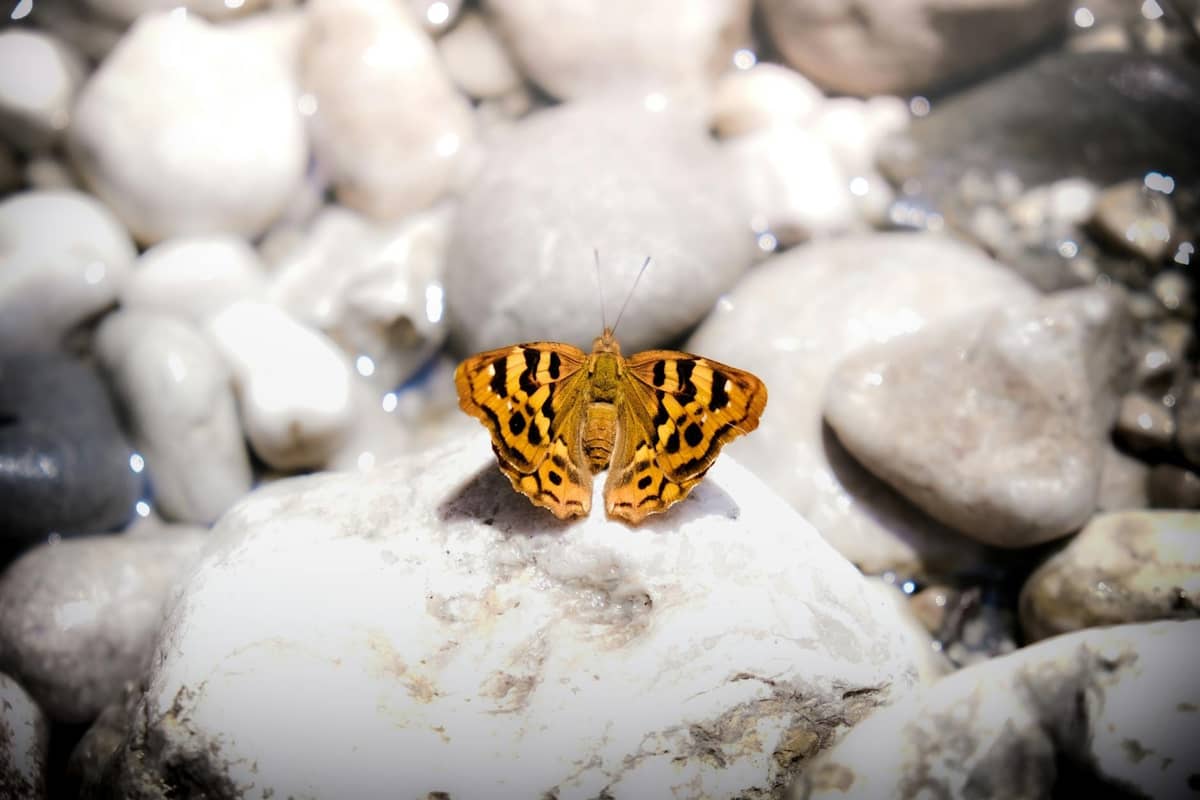
Day 5 works well as a loop covering some of the island's lesser-visited inland and coastal spots. Start at the Valley of the Butterflies (Petaloudes), about 25 km southwest of Rhodes city. This shaded woodland valley fills with Jersey tiger moths from July through August. Outside those months it's a pleasant forest walk with streams and wooden bridges, but the moths are the main event. Entry €14.
From there, drive north to Kallithea Springs, a restored Italian-era thermal spa complex with Art Deco rotundas and a small cove that's excellent for snorkelling. Entry €5. The site has appeared in films and is one of the more architecturally interesting spots on the island. After Kallithea, stop at Elli Beach in Rhodes New Town for a late afternoon swim before dinner. Elli is a long sandy strip right in the city and rarely feels as crowded as it looks from the promenade.
✨ Pro tip
If you visit the Valley of the Butterflies during peak moth season (July-August), do not clap or make sudden noises to disturb the moths into flight. It's technically prohibited and genuinely harmful: the moths are in a dormant state and each disturbance burns energy reserves they need for reproduction. Rangers will ask you to leave if you do it.
Day 6: Seven Springs, Tsambika, and the East Coast
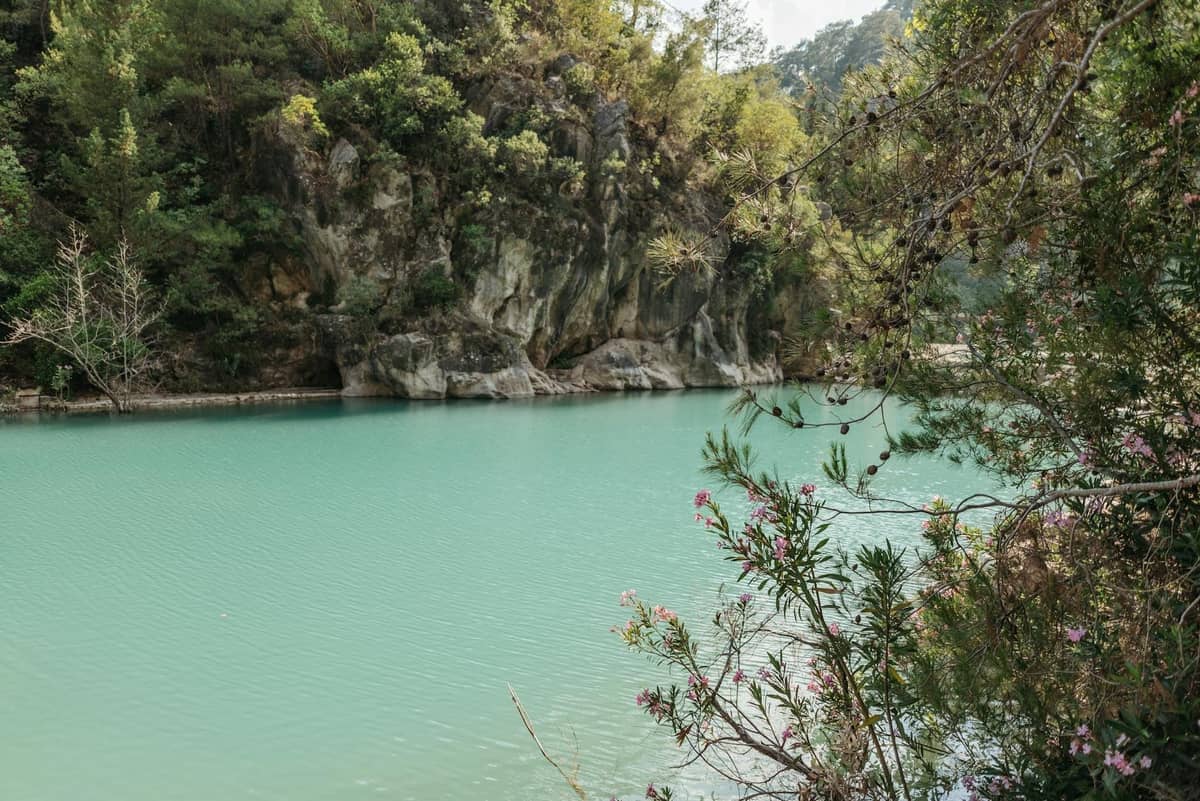
The east coast road south of Rhodes city passes through some of the island's best beach territory. Stop first at Seven Springs (Epta Piges), roughly 30 km south of the city. The main attraction is a 150-metre tunnel cut through rock that leads to an artificial lake: it's cramped, dark, and involves wading through ankle-to-knee-deep water. Some people love it, some people find it claustrophobic and underwhelming. There's a path around the outside if you'd rather skip the tunnel. Entry is free.
Continue south to Tsambika Beach, a wide arc of fine golden sand backed by low dunes. It's one of the best family beaches on the island and gets busy in July-August. Arrive by 10am for a parasol spot in the high season. Just above the beach, the Tsambika Monastery sits on a rocky outcrop 300 metres above sea level, reached by 297 steps. The view from the top is exceptional and the climb takes about 20 minutes. It's a working monastery so dress modestly: covered shoulders and knees are required.
Day 7: Prasonisi and the Southern Tip
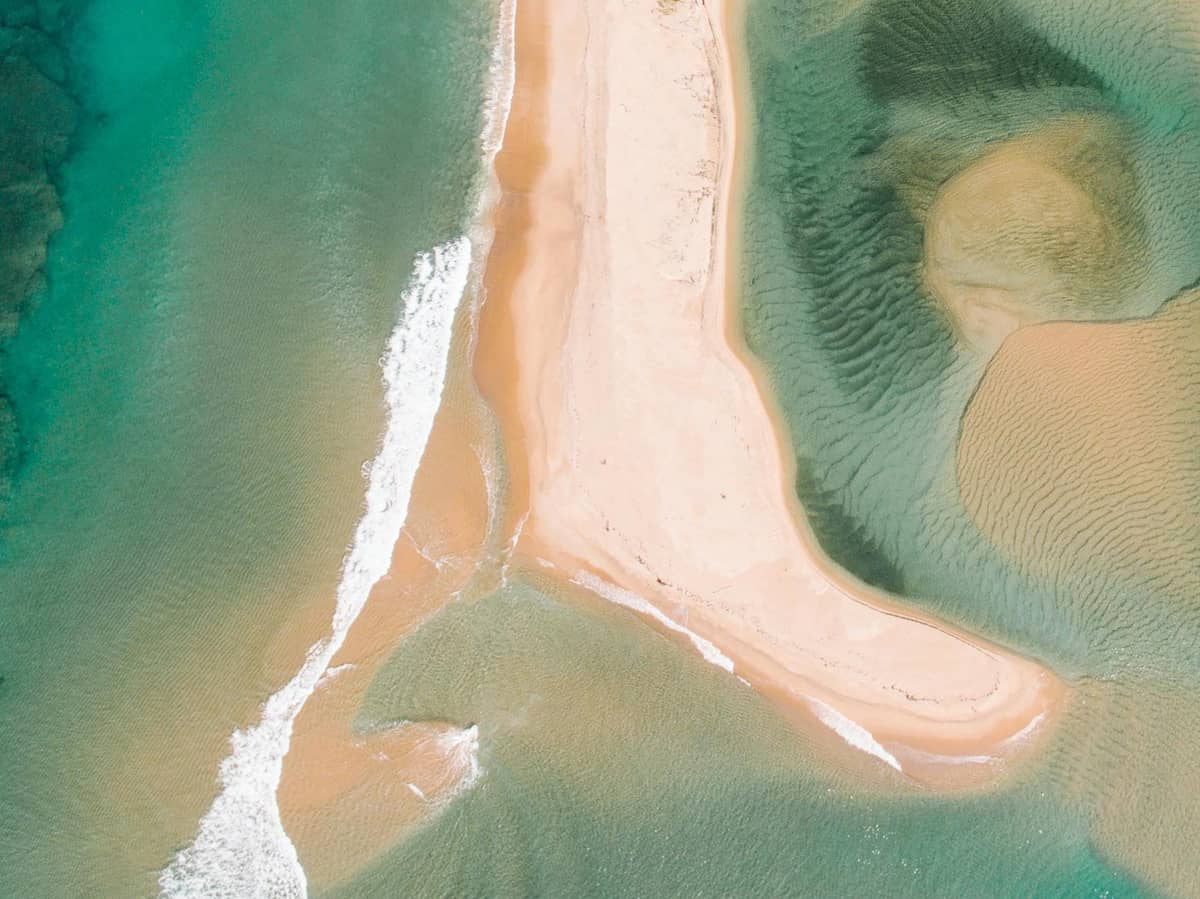
Save Prasonisi for your last full day. This sandbar at the southernmost tip of Rhodes is where the Aegean and Mediterranean seas technically meet, producing two entirely different wave conditions simultaneously: calm water on one side, choppy surf on the other. It's the island's prime windsurfing and kitesurfing location; if you've ever wanted to try either, this is the place. Read the Rhodes windsurfing and kitesurfing guide for school recommendations and conditions by season.
The drive from Rhodes city takes around 90 minutes each way. Break it up with a stop at Asklipio Castle in the inland village of the same name, a Knights' fortification with a small Byzantine church that sees very few tourists despite being in excellent condition. Pack a lunch for Prasonisi as food options there are basic. Spend the afternoon on the beach, then drive north in the late afternoon to catch sunset over the west coast before a final dinner in Rhodes city.
- Best beaches by type Tsambika for families and swimming; Prasonisi Beach for watersports; St Paul's Bay Lindos for calm crystal-clear water; Elli Beach for convenience and proximity to the city.
- Best days for the Old Town Days 1-2 are ideal; by day 3 most visitors are ready to leave the city. Weekday mornings see slightly fewer crowds at major monuments than weekend arrivals.
- When to book in advance Symi ferry tickets in July-August (popular with day-trippers); Lindos accommodation if staying overnight; Palace of the Grand Master entry can have queues but rarely sells out.
- What to skip if time is tight The Seven Springs tunnel is underwhelming outside butterfly season; the Faliraki water park is fun but interchangeable with any water park. Neither is worth a dedicated half-day if you're short on time.
- Pack reef shoes for rocky coves like Kallithea and Anthony Quinn Bay
- Carry cash: many smaller tavernas, monasteries, and parking areas don't accept cards
- Greek eating hours run late: lunch is 2-4pm, dinner rarely before 8pm and often 9-10pm
- Tap water is technically safe but heavily chlorinated in places; bottled water is cheap and widely available
- Tipping 5-10% is appreciated but not mandatory; round up the bill rather than leaving exact change
- Emergency number: 112 (EU-wide); Tourist Police have English-speaking officers in the Old Town
FAQ
Is 7 days enough time to see Rhodes properly?
Yes, seven days covers the main sites without feeling rushed. You can do justice to the Old Town, Lindos, a Symi day trip, and several beaches while still having downtime. Ten days would allow deeper exploration of the south and more inland villages, but a week is the practical minimum for a satisfying visit.
Do I need a rental car for a 7-day Rhodes itinerary?
Not for the first two days if you're based in the Old Town, where cars are largely impractical anyway. From day 3 onward, a car makes a significant difference for reaching beaches like Prasonisi and Tsambika, the Valley of the Butterflies, and inland villages. Buses cover Lindos and some coastal towns but run infrequently in the afternoon.
What is the best time of year for a week in Rhodes?
May, June, and September offer the best combination of warm weather (20-28°C), manageable crowds, and good beach conditions. July and August are peak season with temperatures hitting 33-35°C and significant crowds at Lindos and the Old Town. October is pleasant for sightseeing but some beach facilities start closing from mid-month.
How do I get from Rhodes to Symi for a day trip?
Ferries depart from Mandraki Harbour in Rhodes city. The crossing takes 50-70 minutes depending on the vessel. Operators including Dodekanisos Seaways run daily services during the summer season. One-way fares are typically in the €15-25 range; book in advance in July and August as day-trippers fill the morning departures quickly.
Is the Lindos Acropolis worth visiting, and how long does it take?
Yes, it's one of the most rewarding sites on the island, but it requires some effort: the path up is stepped and exposed, and it's genuinely hard work in afternoon heat. Allow 2-3 hours for the village, the climb, and the acropolis itself. Go in the morning (the site typically opens around 8am) before the worst heat and the tour buses arrive.