Valley of the Butterflies (Petaloudes): Rhodes' Most Surprising Natural Attraction
Tucked into a wooded valley 26 km southwest of Rhodes Town, Petaloudes is one of the island's few genuinely natural attractions. A cobblestone trail winds through dense plane trees and wooden bridges, leading to thousands of Jersey Tiger moths that gather here each summer. Here is what to expect before you go.
Quick Facts
- Location
- Ano Kalamonas, 25 km southwest of Rhodes Town, 10 km from Rhodes Airport
- Getting There
- By car from Theologos; taxis, organized tours, and seasonal buses available
- Time Needed
- 1.5 to 2.5 hours for the full trail and monastery
- Cost
- From €3 (early season) to €6 (peak season); free for children under 12
- Best for
- Nature lovers, families with older children, photographers, curious day-trippers
- Official website
- butterfliesrhodes.gr or https://butterfliesrodos.com
What Petaloudes Actually Is (And What It Isn't)
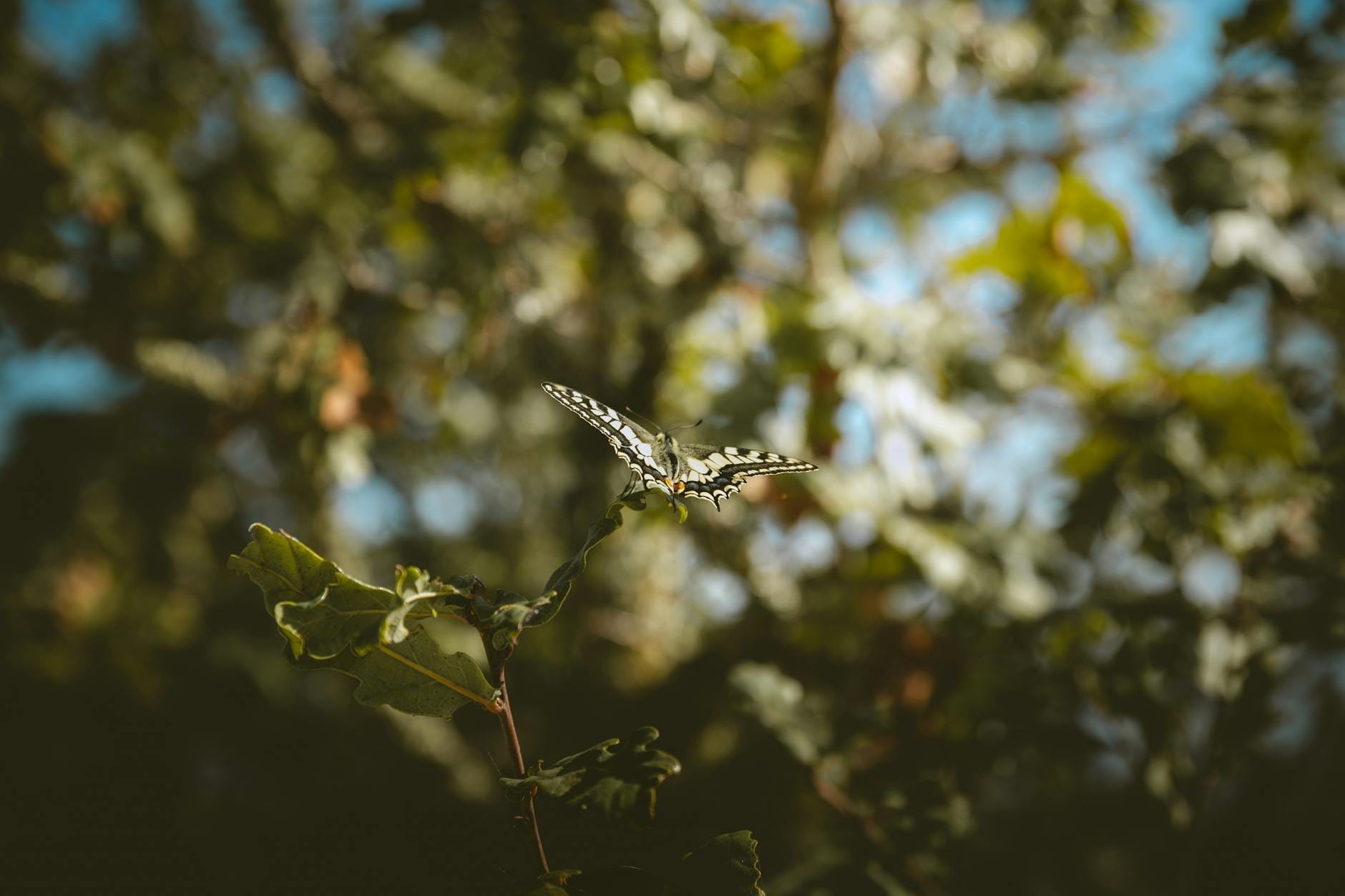
The Valley of the Butterflies, known in Greek as Κοιλάδα των Πεταλούδων or simply Petaloudes, is a protected nature reserve built around a single compelling ecological fact: every summer, thousands of Jersey Tiger moths (Euplagia quadripunctaria) converge on this narrow gorge to rest in the shade of Oriental sweetgum trees (Liquidambar orientalis). The moth's wings, when folded, are a bark-like brown. When startled into flight, they flash vivid red and black. That contrast, multiplied by thousands, against the cool green of the valley floor is genuinely striking.
One point worth making before you book: these are technically moths, not butterflies. The valley earned its name in the popular imagination, and the distinction does not diminish the experience, but some visitors arrive expecting Monarch-style butterfly meadows and leave slightly confused. Know what you are coming for and you will not be disappointed.
⚠️ What to skip
Do not clap, shout, or shake branches near the moth clusters. Startling them wastes the energy reserves they need to survive until mating season. Signs throughout the trail ask for silence, and staff do enforce this.
The Trail: What You Will See and Feel
The path into the valley begins at the entrance kiosk and immediately drops into a different microclimate. On a hot Rhodes summer day, the temperature can feel several degrees cooler within minutes, thanks to the dense canopy of plane trees and the small stream running through the gorge floor. The air carries a faint sweet-resin scent from the sweetgum trees, whose sap is said to be part of what draws the moths here year after year.
The route is a loop of roughly 1.5 km, surfaced with cobblestones and connected by wooden footbridges over the stream. The path is narrow in places and involves some uphill sections, so comfortable shoes are essential. It is not a strenuous hike, but it is not a flat promenade either. Families with young children in pushchairs will find the terrain difficult. Children old enough to walk independently and follow instructions about staying quiet will generally enjoy it.
Along the way, informational boards in Greek and English explain the moth's life cycle, the valley's ecology, and the reasons for the no-disturbance rules. The moths tend to cluster in visible masses on tree trunks and shaded rock faces, often at eye level. Look carefully at what appears to be bark and you will find it moving slightly with breathing. The higher sections of the trail offer views back down into the gorge canopy, which is photogenic even without the wildlife.
Tickets & tours
Hand-picked options from our booking partner. Prices are indicative; availability and final rates are confirmed when you complete your booking.
Filerimos Hill with Butterflies Valley Tour from Rhodes
From 27 €Instant confirmationFree cancellationSunset catamaran cruise with dinner in Rhodes
From 70 €Instant confirmationFree cancellation3-Hour All Inclusive Sun and Sea Swimming Cruise in Rhodes
From 55 €Instant confirmationFree cancellationRhodes Sunset Cruise with Greek BBQ and Unlimited Drinks
From 65 €Instant confirmationFree cancellation
Timing Your Visit: When the Moths Are Actually There
The valley is open seasonally, typically from late May through September, with 08:00 to 19:00 daily hours. However, the moth density builds through June and peaks in July and August, which is also when the most visitors arrive. If you can visit in late June or early July, you will likely see impressive numbers with slightly fewer tour groups than in the peak August weeks.
Early morning is consistently the best time to visit. The moths are calmer, the light through the canopy is softer and more photogenic, and tour groups almost exclusively arrive between 10:00 and 13:00. By 09:30, the coaches start pulling into the car park. If you arrive at opening, you can complete most of the trail in relative quiet.
💡 Local tip
Visit between 08:00 and 09:30 for the quietest experience. Midday in July and August brings tour buses and the loudest crowds, which also causes the moths to scatter repeatedly.
By September, moth numbers begin to thin as the season progresses. The valley is still pleasant and significantly less crowded, but managing expectations matters: if seeing large clusters is the goal, June through August is the window. October visits are mostly about the forest walk itself, which remains attractive even after the moths have gone.
Kalopetra Monastery: The Second Half of the Visit
At the top of the trail sits the Kalopetra Monastery, at the top of the trail with a blend of Greek Orthodox and Italian architectural elements, reflecting the complex layering of Rhodes' history under different rulers. The monastery is compact and quiet, with a small courtyard and views down over the wooded valley. It is not a major historical monument on the scale of the island's medieval structures, but it provides a natural endpoint to the walk and a shaded place to rest before descending.
For broader context on how Rhodes' medieval and Ottoman past shaped its landscape, the Knights of Rhodes history guide covers the island's layered story from antiquity through the Italian period in useful depth.
Visitors who want to combine the valley with the island's monastic heritage should note that modest dress applies at the monastery: shoulders and knees should be covered. Light scarves or a change of clothing are worth packing if you plan to enter.
Getting There and Practical Logistics
Petaloudes sits about 26 km southwest of Rhodes Town, 10 km from Rhodes Airport and 5 km southeast of the village of Theologos. Driving is the most flexible option. The approach road from Paradisi is well-signposted and takes under 30 minutes from the city centre. There is a car park at the entrance.
If you are renting a vehicle, the valley pairs logically with a broader west coast loop. The Rhodes car hire guide covers what to know before booking, including road conditions and insurance considerations that catch some visitors off guard.
Organized day tours from Rhodes Town and the major resort areas along the west coast typically include Petaloudes as part of a broader island circuit. These tours handle transport but compress the experience into a fixed time window, often 45 to 60 minutes at the site, which is sufficient for the trail but leaves little room for lingering. Taxis are available from Rhodes Town; agree a return fare in advance or arrange a pick-up time, as there is no taxi rank at the valley itself.
ℹ️ Good to know
Admission fees in 2024: €3 early season, rising to around €6 in peak season. Children under 12 enter free. Fees are paid at the entrance kiosk. Bring cash as card readers are not always available at seasonal sites like this.
Photography at Petaloudes
The valley is one of the more photogenic natural spots on the island, covered in the Rhodes photography guide for good reason. Diffused light through the canopy makes midday shooting surprisingly workable, though the golden hour quality of early morning is better for capturing the stream and wooden bridges. A macro lens or a phone with a portrait mode works well for close-up moth shots. Avoid flash: it disturbs the moths and the resulting images are flat anyway. Stick to natural light.
The stream reflections on the wooden bridges in the lower section of the trail are worth extra time. Slower shutter speeds on a steady hand or a compact tripod will capture the water movement well. The monastery courtyard at the top offers a clean architectural frame against sky, best in morning before direct sun hits the facade.
Who Will Enjoy This and Who Might Not
Petaloudes rewards visitors who arrive with patience and curiosity. The experience is gentle, sensory, and educational without being didactic. It works particularly well for families with children aged six and up who are at the stage of finding insects genuinely interesting rather than alarming. Solo travellers and couples looking for something quieter than a beach day will appreciate the atmosphere, especially early in the morning.
Travellers with limited mobility should be aware that the cobblestone trail and wooden bridges present real obstacles. The path is not wheelchair accessible, and the uneven surface on inclines is tiring even for fully mobile visitors in the wrong footwear. Anyone expecting dramatic wilderness or challenging hiking will find the scale modest. The valley covers a small area; it is a nature walk, not a hiking destination.
If you are building a multi-day itinerary around natural and cultural sites, the seven-day Rhodes itinerary places Petaloudes within a logical west-coast day that can also include the island's quieter inland villages.
Insider Tips
- Arrive at opening time (08:00) and you will often have the lower section of the trail almost entirely to yourself. The difference in atmosphere between 08:30 and 11:00 is significant.
- Wear shoes with grip. The cobblestones and wooden bridges can be slippery from stream moisture, particularly in the shaded lower gorge where they rarely fully dry.
- Bring a light layer even in summer. The valley floor is noticeably cooler than the surrounding countryside, and the shade can feel cold to anyone coming straight from a beach.
- The on-site cafe near the entrance sells cold drinks and basic snacks. The prices are reasonable by tourist-site standards. There is no food available further along the trail, so eat beforehand if you need a full meal.
- Combine the visit with a stop at a local taverna in Theologos village on the way back. It is a working village with family-run restaurants popular with islanders, not tourists, and the food reflects that.
Who Is Valley of the Butterflies (Petaloudes) For?
- Nature-focused travellers who want something beyond beaches
- Families with children aged 6 and older who can manage a light trail quietly
- Photographers looking for forest and wildlife subjects in soft natural light
- Visitors on a mid-summer day trip who need a cooler, shaded alternative to the coast
- Travellers building a west-coast day combining natural and cultural stops
Nearby Attractions
Combine your visit with:
- Asklipio Castle
Built in 1479 by the Knights Hospitaller on the edge of a limestone ridge above a quiet village, the Castle of Asklipio is one of Rhodes's least-visited medieval fortresses. Free to enter, open at all hours, and commanding views across the southern coastline, it rewards travellers willing to venture beyond Lindos.
- Kritinia Castle
Perched on a rocky hilltop 131 metres above the western coastline of Rhodes, Kritinia Castle is a medieval fortress built by the Knights of Saint John in 1472. The ruins are freely accessible, the views stretch across the Aegean toward Turkey, and the surrounding silence makes it one of the island's more atmospheric stops for history-minded travellers.
- Monastery of Fountoukli
The Monastery of Fountoukli, officially known as Agios Nikolaos Fountoukli, is a 14th-century Byzantine church tucked into the forested hills of the island's interior. With original frescoes, a distinctive four-conch architectural plan, and almost no crowds, it rewards travelers willing to venture beyond the coastline.
- Profitis Ilias
At 798 metres, Profitis Ilias is the third-highest peak on Rhodes, draped in dense pine and cypress forest. It offers a striking contrast to the island's coastal attractions: cool shade, Italian-era architecture, quiet hiking trails, and a hilltop chapel with wide views across the Aegean.