Kallithea Springs (Thermes Kallitheas): Rhodes' Art Deco Bathhouse by the Sea
Kallithea Springs, officially known as Thermes Kallitheas, is a restored Italian-era bathhouse complex on the northeast coast of Rhodes, combining striking Art Deco and Moorish architecture with a sheltered pebble cove. Once famed across the Mediterranean for its mineral waters, the site now functions as an open-air heritage attraction with swimming access, a small café, and one of the most photogenic shorelines on the island.
Quick Facts
- Location
- Kallithea Bay, Kallithea Bay, 9 km south of Rhodes Town
- Getting There
- Local bus from Rhodes Town (direction Kallithea/Faliraki); taxi approx. 15 min; well-signposted by car
- Time Needed
- 1.5 to 3 hours (longer if swimming)
- Cost
- Check official website for current admission fees
- Best for
- Architecture lovers, swimmers, photographers, couples
- Official website
- kallitheasprings.com
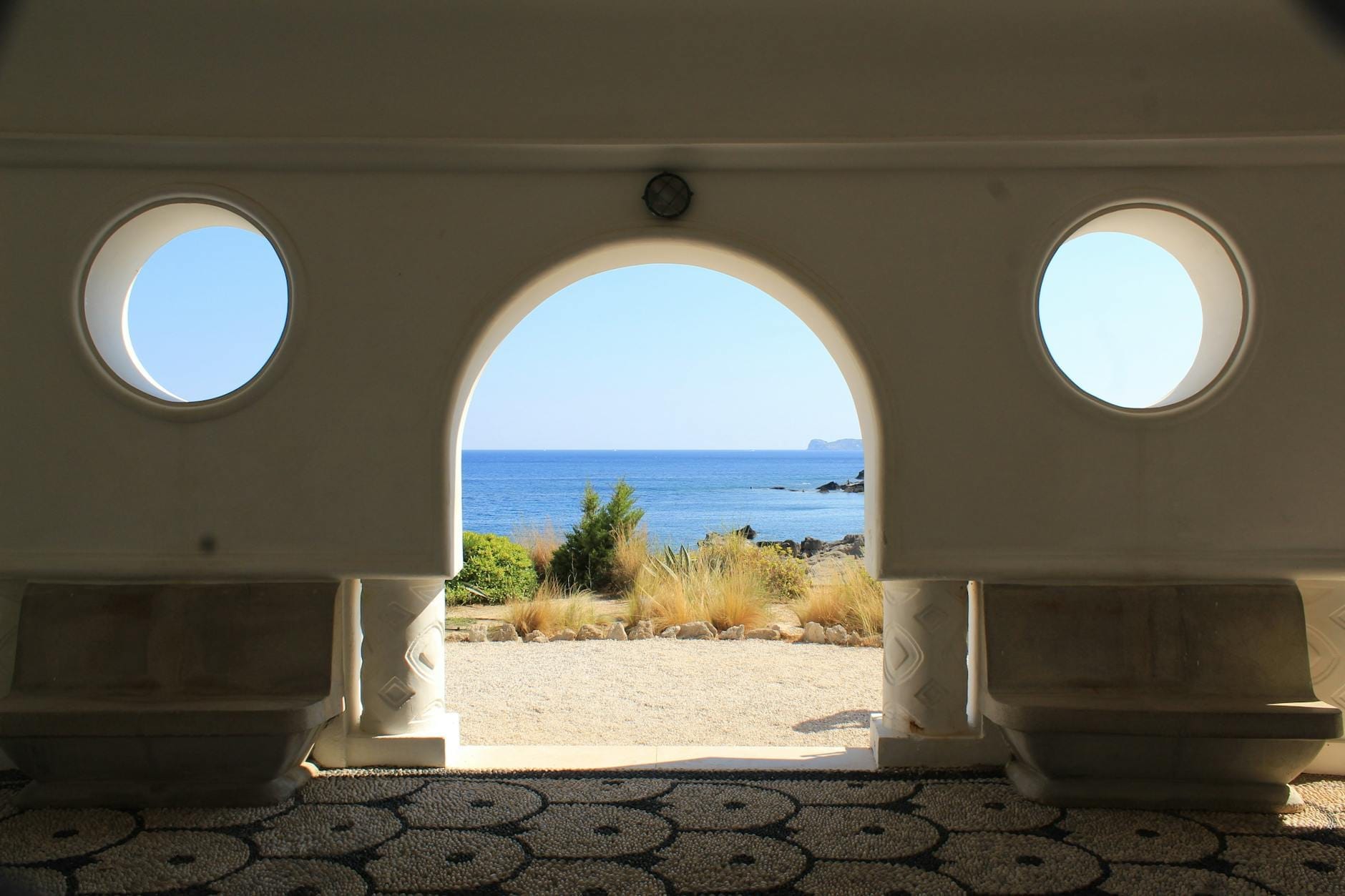
What Kallithea Springs Actually Is
Kallithea Springs, known formally as Thermes Kallitheas and sometimes called the Royal Thermae or Royal Baths, is one of the most architecturally distinctive sites on Rhodes. It sits on a small promontory on the northeast coast, where a series of domed pavilions, mosaic-tiled rotundas, and colonnaded terraces step down to a clear, sheltered cove. The springs themselves have been known since at least the 7th century BC, and ancient sources including Hippocrates reported on the healing properties of the waters.
The buildings visitors see today are not ancient. They were designed by Italian architect Pietro Lombardi and inaugurated in July 1929 during the Italian occupation of the Dodecanese. The style is a hybrid: Art Deco geometry layered over Moorish domes and Orientalist detailing, all executed in warm stone and ceramic tile. After decades of neglect following World War II, the complex was extensively restored and reopened on July 1, 2007. It now operates as a paid open-air heritage site with swimming access to the cove below.
ℹ️ Good to know
Important context: the thermal springs themselves dried up long ago. Visitors come for the architecture, the swimming cove, and the atmosphere, not mineral baths. If you arrive expecting a functioning spa, you will be disappointed.
The Architecture Up Close
Entering through the main gate, the first thing that registers is the scale of the main rotunda. Its ribbed dome, large, is surrounded by slender columns and covered in geometric patterns that reference Islamic tilework while remaining firmly within a 1920s European aesthetic. At midday, sunlight cuts through the openings and throws sharp shadows across the mosaic floor, creating a visual effect that makes this the most photographed spot on the site.
Beyond the main pavilion, a series of smaller domed structures, arcaded walkways, and sunken terraces connect the upper complex to the sea. The stonework is rough-textured Rhodian limestone, warm ochre in direct light and grey-blue in shade. Running your hand along the carved stone balustrades gives a clear sense of the quality of the original construction: thick, precise, and built to impress visitors arriving by boat as much as by road.
Lombardi's design borrowed heavily from the Italian colonial aesthetic of the era, intended to signal civic ambition and permanence. Within that context, the choice of Moorish detailing was calculated: the Dodecanese had been under Ottoman rule until 1912, and the Italians used architectural references to both Western and Eastern traditions as part of a broader campaign to assert Mediterranean authority. The building is therefore as much a political artifact as an aesthetic one.
For a broader understanding of how Italian-period architecture shaped Rhodes, the Governor's Palace in Rhodes Town offers another striking example from the same era, though in a very different setting.
Tickets & tours
Hand-picked options from our booking partner. Prices are indicative; availability and final rates are confirmed when you complete your booking.
Lindos 7 springs oasis and Acropolis tour from Rhodes
From 28 €Instant confirmationFree cancellationSunset catamaran cruise with dinner in Rhodes
From 70 €Instant confirmationFree cancellation3-Hour All Inclusive Sun and Sea Swimming Cruise in Rhodes
From 55 €Instant confirmationFree cancellationRhodes Sunset Cruise with Greek BBQ and Unlimited Drinks
From 65 €Instant confirmationFree cancellation
How the Site Changes Through the Day
Arriving before 9 a.m. in summer gives you the complex almost entirely to yourself. The light at that hour is soft and low, ideal for photographing the domes and tilework without harsh shadows or crowds filling the frame. The café opens later in the morning, so bring water if you plan an early visit.
By 11 a.m., tour groups begin arriving, and the main rotunda can feel crowded. The cove fills with swimmers from late morning onward, reaching peak density between noon and 3 p.m. The water itself is strikingly clear, with a rocky seabed that requires water shoes to navigate comfortably. The pebble beach is small, so shade spots are limited in high summer.
Late afternoon, from around 4 p.m., is arguably the most pleasant time to visit. The light turns golden, the tour buses have departed, and the cove quiets down considerably. The complex takes on a different character in the long evening shadows, and the stone architecture glows in a way that morning light does not produce.
💡 Local tip
Photography tip: For the cleanest shots of the main rotunda interior, arrive at opening time (8 a.m.) on a weekday. By 10 a.m. in summer, tour groups will be inside and natural light conditions change significantly.
The Cove and Swimming
The swimming access at Kallithea is one of the site's genuine strengths. The cove is sheltered from the prevailing north winds, the water is shallow for the first few metres, and the clarity is exceptional on calm days. You can see the rocky bottom clearly at depths that would be murky at sandier beaches. Snorkelling is popular here, and the rocky underwater terrain around the edges of the cove has enough variety to reward it.
The seabed transitions from flat rock to larger stones, so water shoes are strongly recommended rather than optional. The pebble beach above the waterline is not particularly comfortable for lounging without a mat or towel. Sunbeds may be available for hire in the main season, but availability is not guaranteed.
If you want to combine your visit with more extensive beach time, the Kallithea area has several other beaches within a short drive, and Elli Beach in Rhodes Town is an easy bus ride away.
Getting There and Practical Logistics
Kallithea Springs is located at Cape Vodi, approximately 9 km south of Rhodes Town along the northeast coastal road. By car or scooter, the journey takes around 15 minutes and the site is clearly signposted. Paid parking is available at the entrance.
By public bus, services running from Rhodes Town toward Faliraki stop near the entrance. Check current schedules with the local KTEL operator, as timings shift between seasons. A taxi from Rhodes Town costs in the range of €10 to €15 one way, though fares should be confirmed with the driver before departure.
Opening hours are 8 a.m. to 8 p.m. daily from May through October, and 8 a.m. to 4 p.m. from November through April. Admission is €5 in the main season and €3 in the off-season. The site includes a small café and toilet facilities near the main complex.
⚠️ What to skip
Accessibility note: The site involves uneven stone paths, steps, and sloped terraces connecting the upper complex to the cove. It is not well-suited for wheelchairs or those with significant mobility limitations. The pebble beach and rocky seabed also require care when entering the water.
If you are planning a wider day of sightseeing, Kallithea makes a logical pairing with a drive further south toward Seven Springs or a stop at the Valley of the Butterflies. See our 3-day Rhodes itinerary for a practical route that includes both.
Honest Assessment: Is It Worth the Visit?
Kallithea Springs is worth an hour and a half of your time if you appreciate architecture, want a swim in a photogenic setting, or are travelling with someone who does. It is not a large site, and once you have walked through the main pavilion, explored the terraces, and reached the cove, you have seen the essential elements. Visitors expecting an immersive historical experience or a working spa will find it underwhelming.
The admission fee is fair for what is offered. The combination of the restored 1920s Italian architecture and the translucent blue cove is genuinely striking, and it photographs extremely well. But it is a compact attraction, not a half-day destination on its own unless you factor in a long swim.
Who should skip it: travellers with very limited time on Rhodes who are prioritising major historical sites will find the medieval Old Town and the Acropolis of Lindos more rewarding per hour spent. Those who dislike rocky beaches or pebble swimming will also find the cove less appealing than the sandy beaches elsewhere on the island.
For context on how Kallithea fits within a wider Rhodes trip, our guide to the Acropolis of Lindos covers what many consider the island's single most impressive archaeological site, roughly 40 km further south.
Insider Tips
- Buy your ticket online via the official website (kallitheasprings.com) if the option is available during your visit season. In peak July and August, queues at the entrance can add 20 minutes to arrival.
- Water shoes are essential, not a suggestion. The cove floor is rocky and the entry into the water requires careful footing. A thin pair folds flat into any bag.
- The small café inside the complex charges reasonable prices by Rhodes tourist-site standards. It is a better option than the roadside kiosks outside if you want to sit and eat with the architecture as your backdrop.
- The domed rotunda is the centrepiece for photography, but the less-visited back terraces, where stone arches frame sea views, often produce more interesting compositional shots without other visitors in frame.
- Off-season visits (November to April) are genuinely rewarding if you are on Rhodes outside summer. The fee drops to €3, crowds are minimal, and the complex takes on a quieter, more melancholy character that suits the weathered stonework.
Who Is Kallithea Springs (Thermes Kallitheas) For?
- Architecture and design enthusiasts drawn to Italian Art Deco and Orientalist hybrid styles
- Photographers looking for a photogenic combination of historic buildings and clear water
- Couples wanting a scenic, relaxed half-morning with swimming
- Families with older children who can manage rocky seabed entry and want calm, sheltered water
- Off-season travellers seeking open attractions with genuine character outside the summer crowds