3 Days in Rhodes: A Weekend Itinerary That Actually Works
Three days in Rhodes is enough to cover the medieval Old Town, the Acropolis of Lindos, ancient Kamiros, and a handful of excellent beaches — if you plan it right. This itinerary sequences the island's highlights by geography, not just popularity, so you spend less time driving and more time exploring.
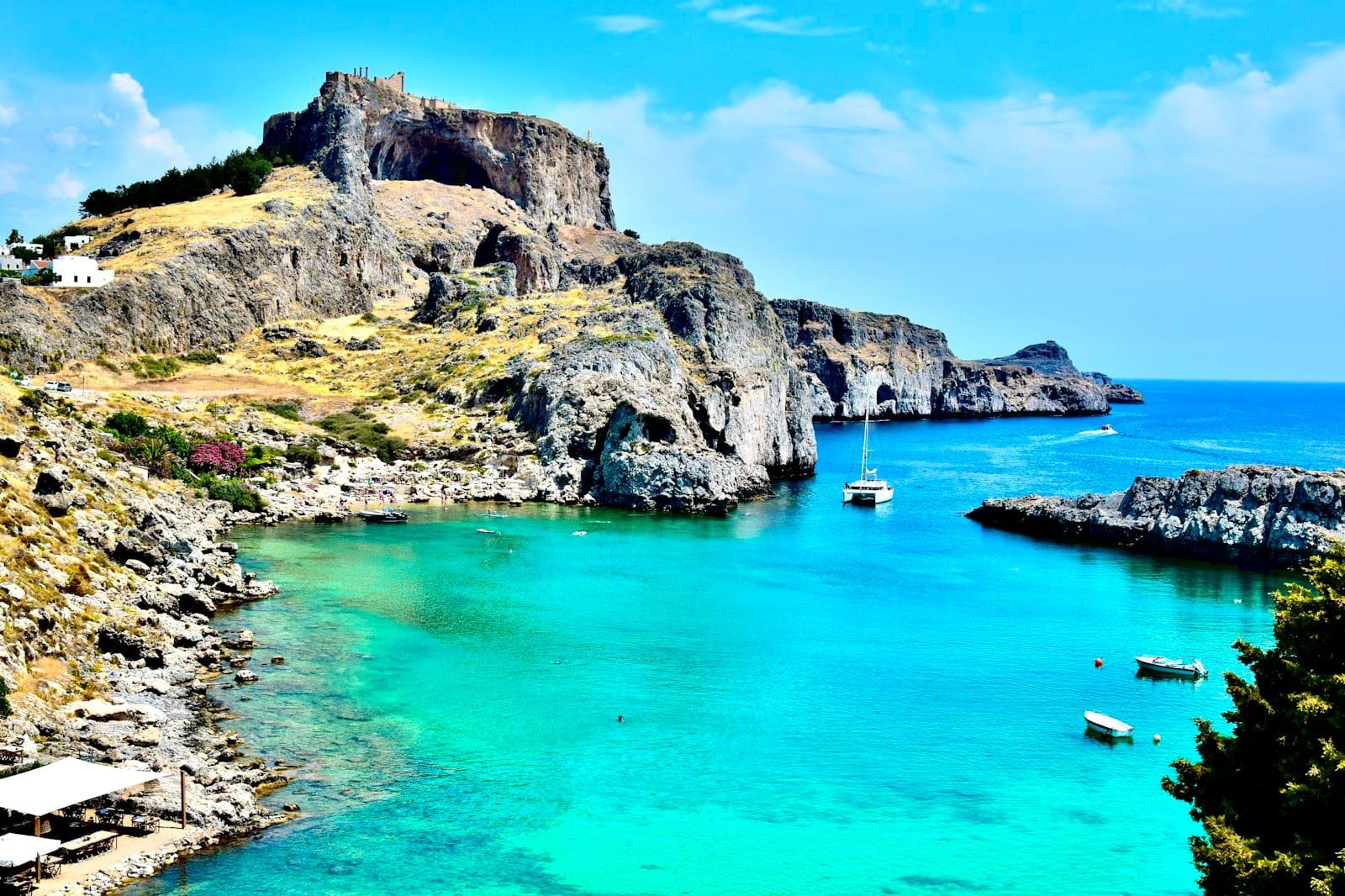
Plan and book this trip
Tools from our partner Travelpayouts help you compare flights and hotels. If you book through them, we may earn a commission at no extra cost to you.
Flights
Hotels map
TL;DR
- Day 1 belongs to Rhodes Old Town: the Palace of the Grand Masters, the Street of the Knights, and the ancient walls.
- Day 2 is a full-day road trip south to Lindos — allow at least 3 hours there, then swing through Tsambika Beach on the way back.
- Day 3 covers the west coast: Ancient Kamiros (6€ entrance), Kritinia Castle, and the Valley of the Butterflies if the season is right.
- A rental car transforms this trip. Public buses reach Lindos, but the west coast circuit is nearly impossible without your own wheels.
- June and September are the sweet spot for crowds and weather. See when to visit Rhodes for a full seasonal breakdown.
Before You Arrive: Logistics Worth Sorting in Advance
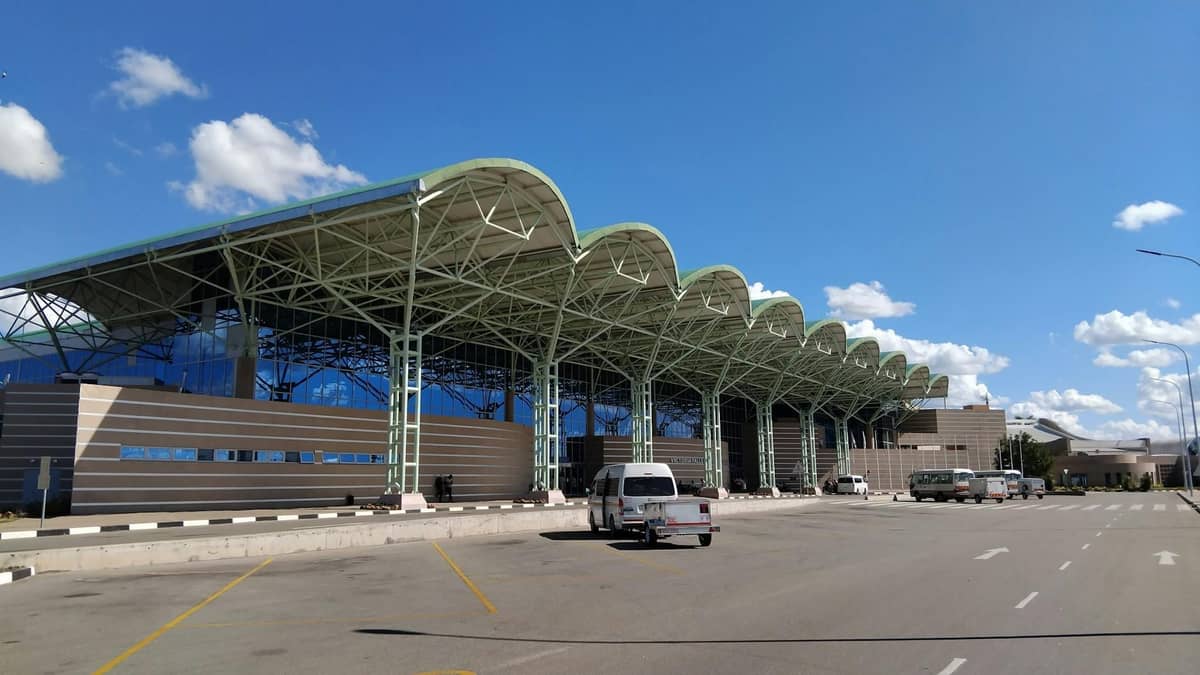
Rhodes International Airport Diagoras (IATA: RHO) sits 14 km southwest of the city centre. A taxi takes around 20 minutes and costs approximately 25-30 EUR. The public bus (KTEL Rodou) covers the same route in 25-30 minutes for around 2.50€, departing from outside the arrivals hall. If you plan to hire a car, collecting it at the airport saves time. See the Rhodes car hire guide for rental company comparisons and road rules.
For three days, the most practical base is Rhodes New Town or just outside the Old Town walls. You want to walk into the medieval city in the morning before tour groups arrive, and walk back to your room at night without needing a taxi. Properties inside the Old Town itself are atmospheric but can be loud on summer nights and involve navigating cobblestones with luggage.
💡 Local tip
Book accommodation at least 6-8 weeks ahead for July and August. Rhodes is Greece's fourth-largest island and one of its most visited, with over 2 million tourists annually. Mid-range hotels in prime locations sell out quickly in peak season.
Day 1: Rhodes Old Town and the Medieval City
Start before 9am. The Old Town is a UNESCO World Heritage Site and genuinely one of the best-preserved medieval cities in Europe — but by 10am in summer, the main streets are packed with cruise ship passengers. The morning light is better for photography anyway.
The Palace of the Grand Master is the logical first stop. Entry costs around 8€. One thing worth knowing before you go: the current structure is largely a 1940s Italian reconstruction, built as a summer residence for Mussolini that was never actually used. That doesn't make it unimpressive, but calibrate your expectations — this is a restored fortress, not an untouched medieval interior. The mosaic floors salvaged from the island of Kos are genuinely remarkable.
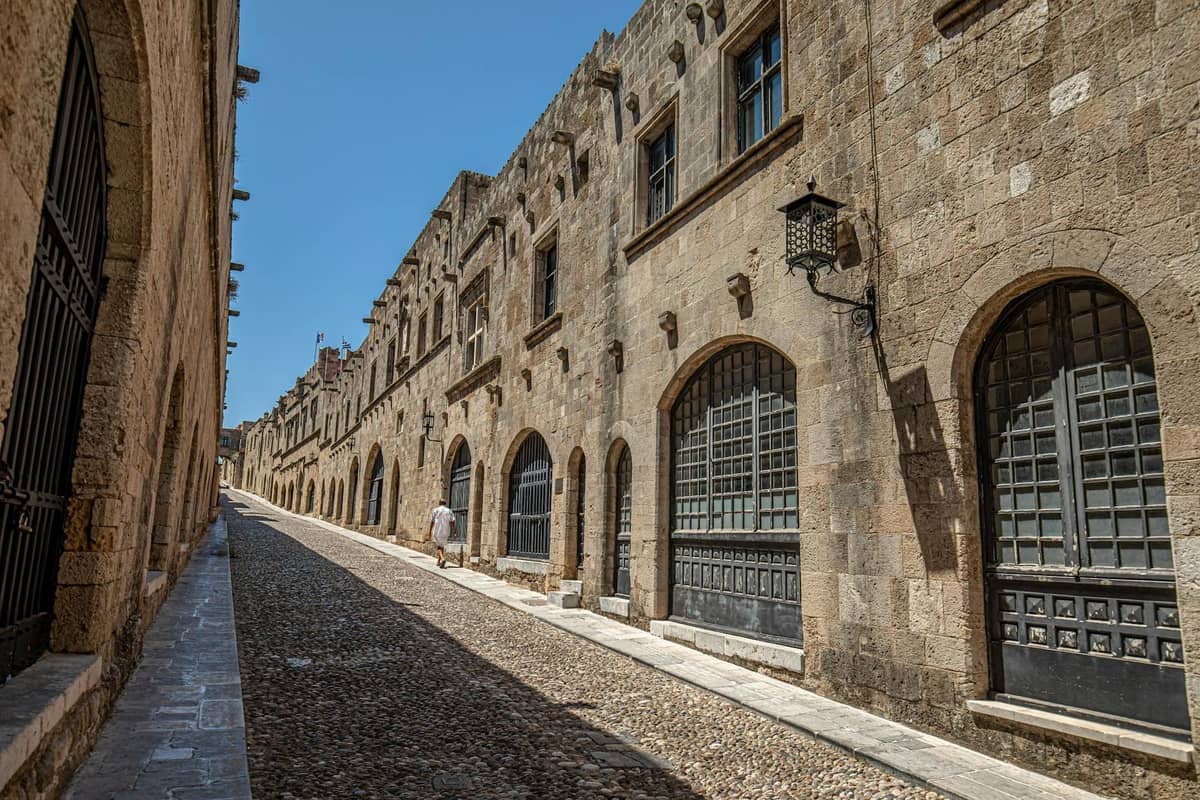
From the Palace, walk down the Street of the Knights (Ippoton Street), the best-preserved medieval street in the world according to most architectural historians. Each inn along the street was assigned to a specific langue (language group) of the Knights Hospitaller. It takes about 15 minutes to walk end-to-end, longer if you're reading the plaques. Continue to the Archaeological Museum of Rhodes, housed in the 15th-century Hospital of the Knights. Budget 1-1.5 hours here.
After the museum, spend the rest of the morning getting genuinely lost in the residential quarters south of the main tourist drag. The city has over 200 cobbled streets, and the ones away from Sokratous Street (the main shopping corridor) feel entirely different: quieter, with washing lines between buildings, cats on doorsteps, and Byzantine churches hidden behind wooden doors. This is the part most visitors miss.
In the afternoon, walk the castle walls if you have the energy. The full circuit is around 4 km and takes 1.5-2 hours. There is almost no shade, and in July and August the stone radiates heat. Start no later than 4pm in summer, wear shoes with grip (the walkway has sections of loose rubble), and bring water. The views over the harbour and towards Turkey are worth it.
⚠️ What to skip
Sokratous Street is lined with tourist shops selling the same mass-produced items. Skip it unless you specifically want souvenirs. The restaurants immediately adjacent to the Palace of the Grand Masters charge a significant premium for mediocre food. Walk five minutes further into the residential streets for better value tavernas.
Day 2: Lindos and the East Coast
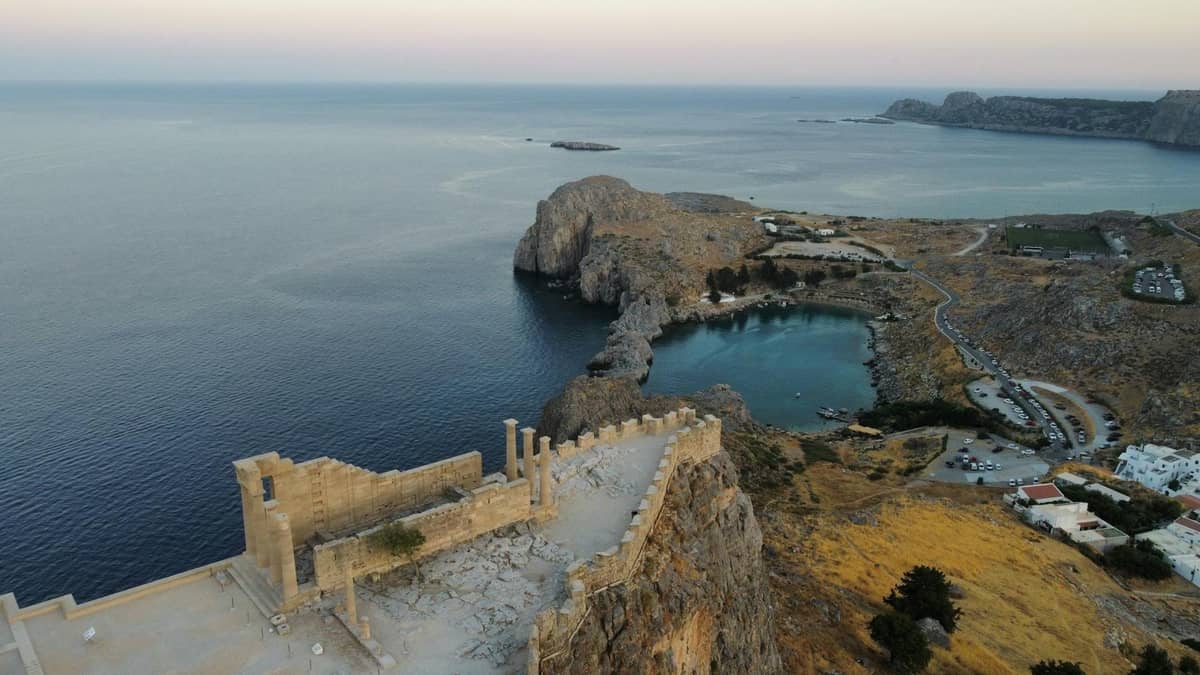
Lindos is 55 km south of Rhodes city. By car, the drive takes around 50-60 minutes via the east coast road. Leave by 8:30am to beat the worst of the crowds at the Acropolis. Parking in Lindos itself is extremely limited in peak season — use the main car park at the village entrance and walk in. The Acropolis of Lindos requires a 250-step climb to reach. The steps are uneven and steep in places. It is not accessible for those with significant mobility limitations.
Entrance to the Acropolis costs 12 EUR. At the top you'll find Doric temple columns from the Temple of Athena Lindia (4th century BC), a medieval castle built by the Knights of St John over earlier Byzantine fortifications, and views of St Paul's Bay directly below — one of the most photographed spots on the island. Allow 1.5-2 hours for the full site.
After the Acropolis, explore Lindos village. The whitewashed houses with their pebble mosaic courtyards (called chochlakia) are genuinely distinctive. Have lunch here, then head down to St Paul's Bay for an hour on the water. It's calm, clear, and small enough to feel relatively intimate even when busy. On the drive north, stop at Tsambika Beach — a wide, sandy bay around 26 km north of Lindos, considered one of the best beaches on the east coast.
✨ Pro tip
The donkey ride up to Lindos Acropolis is heavily marketed but increasingly controversial for animal welfare reasons. Most visitors in good health find the walk manageable in under 20 minutes, especially if you start early before the heat builds.
Day 3: The West Coast, Ancient Kamiros, and Inland Rhodes
The west coast circuit is best done by rental car. Start at Valley of the Butterflies (Petaloudes), about 25 km southwest of Rhodes city. This narrow wooded valley hosts millions of Jersey Tiger moths between June and September during their migration. Entry is around 3€ in peak season. Outside this window, the valley is pleasant but far less spectacular — factor that in if you're visiting in April or October.
From the valley, continue southwest to Ancient Kamiros. This is one of Rhodes' three ancient Doric city-states (alongside Lindos and Ialyssos) and it's substantially less visited than Lindos. Entrance is 6 EUR. The site displays three distinct archaeological layers: Archaic, Classical, and Hellenistic periods. Unlike Lindos, there's no dramatic cliffside setting, but the excavated grid of streets, cisterns, and house foundations gives a more complete picture of how an ancient Greek city actually functioned day-to-day. Budget 1-1.5 hours.
Next, drive north to Kritinia Castle, a Knights Hospitaller fortress perched above the west coast. Entry is free. The castle itself is partially ruined, but the views across to the islands of Halki, Alimia, and Chalki are exceptional, especially in the late afternoon. From here, the road back to Rhodes city along the northwest coast passes through Ixia, the island's windsurfing hub, where you'll often see kitesurfers offshore even in the shoulder season.
What to Eat and Where to Eat It
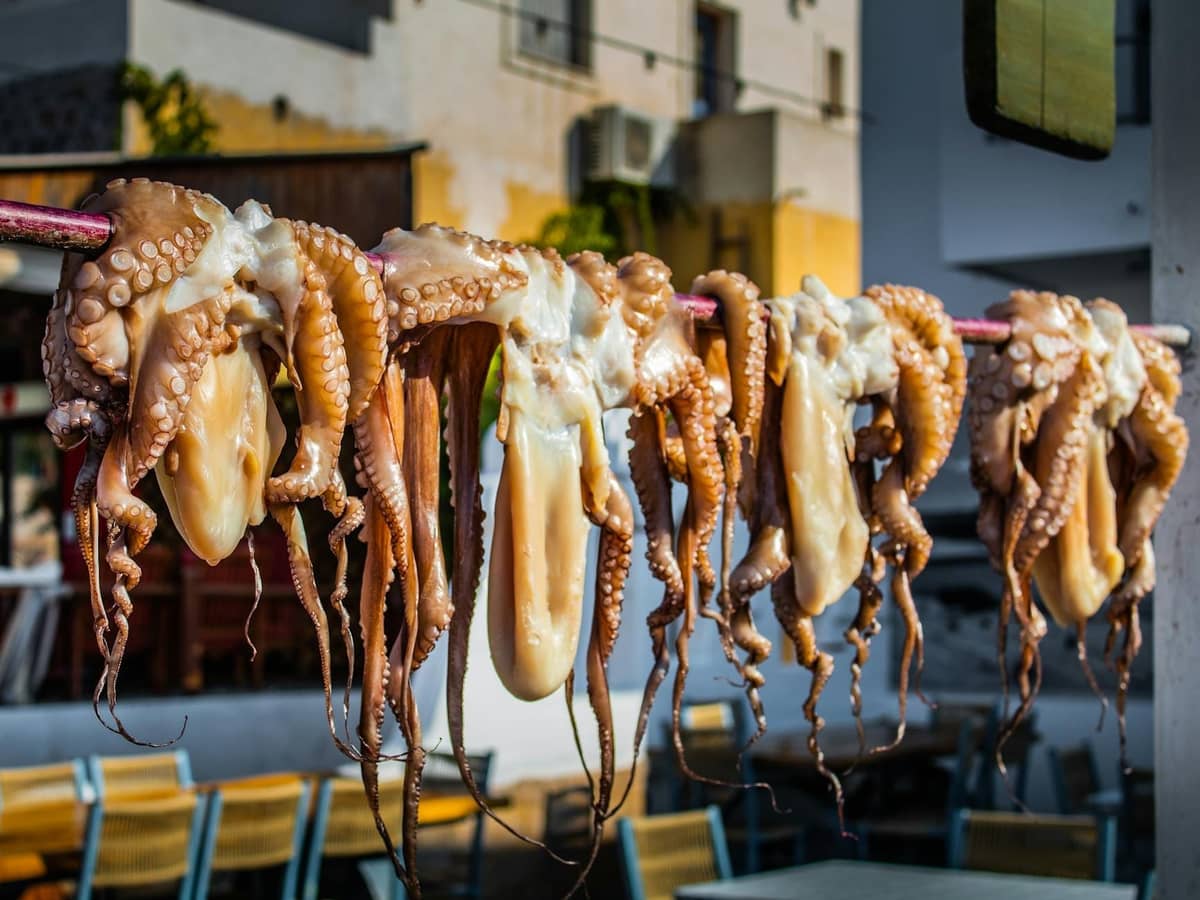
Rhodes has a strong local food culture that goes well beyond the standard Greek taverna menu. Look for pitaroudia (chickpea fritters), makaronia tou fournou (baked pasta with minced meat), and fresh seafood grilled simply with olive oil and lemon. The best restaurants in Rhodes are almost always found a few streets back from the obvious tourist clusters.
- Old Town tavernas Avoid anywhere with a photo menu and a tout at the door. Walk south of Ippodimiou Street and look for places where locals are eating lunch — typically smaller, no English signs outside.
- Lindos village Lunch here is expensive by Greek standards. Expect to pay 15-25 EUR per person for a sit-down meal. The views from rooftop restaurants compensate somewhat, but this is not where you find value.
- New Town market area For breakfast and coffee, the cafes around Mandraki Harbour charge tourist prices but the setting is hard to beat. For a cheaper morning coffee, walk one block inland.
- West coast villages The small tavernas in villages like Kritinia and Embonas (known for local wine) offer genuinely local cooking at prices that reflect a non-tourist clientele.
Practical Details for Three Days in Rhodes
- Currency: Euro (EUR). ATMs are widely available in Rhodes city and Lindos. Cards accepted in most tourist-facing businesses.
- Language: Greek is the official language. English is spoken fluently in tourist areas, less reliably in inland villages.
- Tipping: 5-10% is appreciated in restaurants and taxis but not mandatory. Round up for good service.
- Dress code: Modest clothing (covered shoulders and knees) required at the Tsambika Monastery and other religious sites. Churches in the Old Town follow the same rule.
- Electricity: Type C and F plugs, 230V. Bring a European adapter if coming from outside the EU.
- Emergency: Dial 112 for all emergencies across Greece. Tourist Police are present in Rhodes city.
- Water: Tap water is safe but heavily chlorinated in summer. Bottled water is cheap and widely sold.
- Visas: Schengen Area rules apply. Citizens of the US, Canada, and Australia can enter visa-free for up to 90 days — verify current requirements before travel.
Three days gives you a solid introduction to Rhodes, but the island rewards more time. If you can extend to a week, the 7-day Rhodes itinerary adds Prasonisi at the southern tip, a day trip to Symi, and more time for the interior villages that most short-stay visitors never reach.
FAQ
Is 3 days enough time for Rhodes?
Three days is enough to cover the main highlights: Rhodes Old Town, Lindos Acropolis, and one or two coastal stops. You won't see everything, but you'll leave with a genuine feel for the island's history and landscape. To add the west coast ruins, inland villages, and day trips to nearby islands like Symi, plan for at least 5-7 days.
Do I need a rental car in Rhodes for 3 days?
Not strictly, but it makes a significant difference. Public buses run from Rhodes city to Lindos (around 1.5 hours, departing from the East Bus Station), but the west coast circuit — Kamiros, Kritinia, Valley of the Butterflies — is difficult without a car. Taxis are available but expensive for longer distances. A small rental car for days 2 and 3 costs roughly 30-50 EUR per day depending on season and vehicle.
How many steps is the Lindos Acropolis climb?
Around 250 steps from the village to the top. The path is cobbled and uneven in sections. Most people in average fitness manage it in 15-20 minutes. The climb is steepest in the final section. Start early to avoid the heat and the crowds, both of which peak between 10am and 2pm.
What is the best time of year to visit Rhodes for a 3-day trip?
May, June, and September offer the best combination of warm weather, manageable crowds, and lower accommodation prices. July and August are hotter (regularly above 35°C), more crowded, and significantly more expensive. October is worth considering if beaches are not the priority — the Old Town and inland sites are far quieter and the light is excellent.
Is Rhodes Old Town safe to walk around at night?
Yes. The Old Town is well-lit, populated with restaurants and bars, and generally safe after dark. The usual precautions apply: watch your belongings on busy streets and be aware that some of the narrower residential alleys are poorly lit. The main concern for most visitors is getting lost, which is easy in the labyrinthine street layout — download an offline map before you go.