Visiting Rhodes in Summer: What to Really Expect
Rhodes in summer is spectacular and intense in equal measure. This guide covers everything from scorching July temperatures and peak-season crowds to the quieter southern beaches and the best strategies for enjoying Greece's largest Dodecanese island without the misery.
Plan and book this trip
Tools from our partner Travelpayouts help you compare flights and hotels. If you book through them, we may earn a commission at no extra cost to you.
Flights
Hotels map
TL;DR
- Summer in Rhodes (June-August) means daytime temperatures of 30-40°C and very warm nights, especially in July and August.
- Northern beaches and the Old Town get extremely crowded with package tourists and cruise passengers from late June onward.
- Southern areas like Prasonisi and the west coast offer more space, cooler breezes, and world-class windsurfing conditions.
- The Valley of the Butterflies peaks in June and July — one of the few experiences that is genuinely better in summer.
- If you can flex your dates, late May or September offer 80% of the summer experience with far fewer crowds and lower prices.
Summer Weather in Rhodes: The Reality
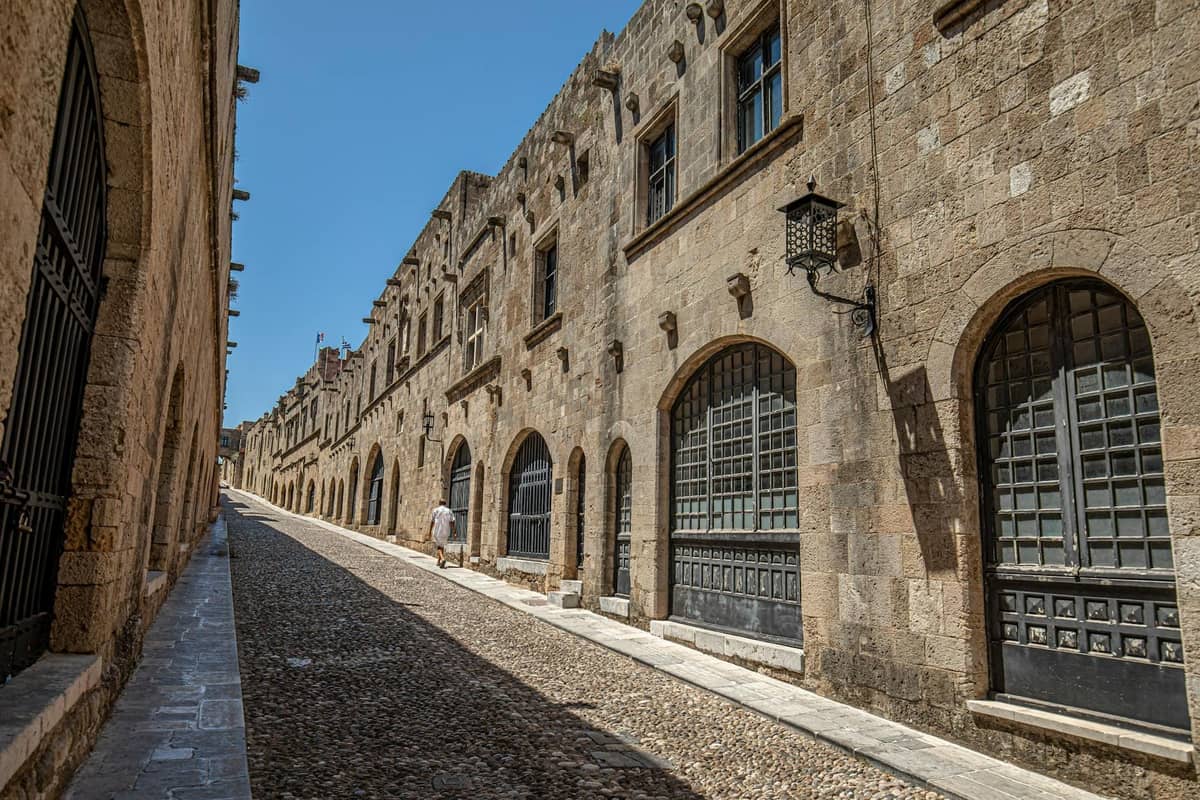
Rhodes sits at approximately 36°N in the southeastern Aegean, which puts it firmly in Mediterranean hot-summer territory. From June through August, daytime highs regularly hit 30-35°C, and August is the peak: temperatures above 40°C are rare but possible inland or in the sheltered medieval streets of the Old Town. Nights offer limited relief, dropping to around 26-30°C in July and August. If you are not accustomed to that level of heat, it will affect how much you can do each day.
June is the sweet spot for summer visitors who want genuine beach weather without the full intensity of July. Expect highs of 28-33°C, sea temperatures around 23-24°C, and daylight stretching past 8:30 PM. August is hotter and more crowded but also when many Greek and European families travel, so the island has a particular festive energy if you lean into it rather than fight it. The island runs on Eastern European Time (UTC+3 in summer, UTC+2 in winter).
⚠️ What to skip
The narrow cobbled streets of the Old Town trap heat. Walking them between noon and 4 PM in July or August is genuinely uncomfortable and can be unsafe for elderly visitors or those with heat sensitivity. Schedule your sightseeing before 10 AM or after 6 PM.
One practical note: the Meltemi wind blows predominantly from the north and northwest throughout July and August. On the east coast, this wind is mostly blocked by the island's terrain, making beaches there hotter and calmer. On the west coast, around Ixia and Ialyssos, the Meltemi arrives in full force — which is why that stretch is one of the best windsurfing zones in Greece, but less pleasant for a lazy beach day.
Crowds and Crowds: Where They Concentrate
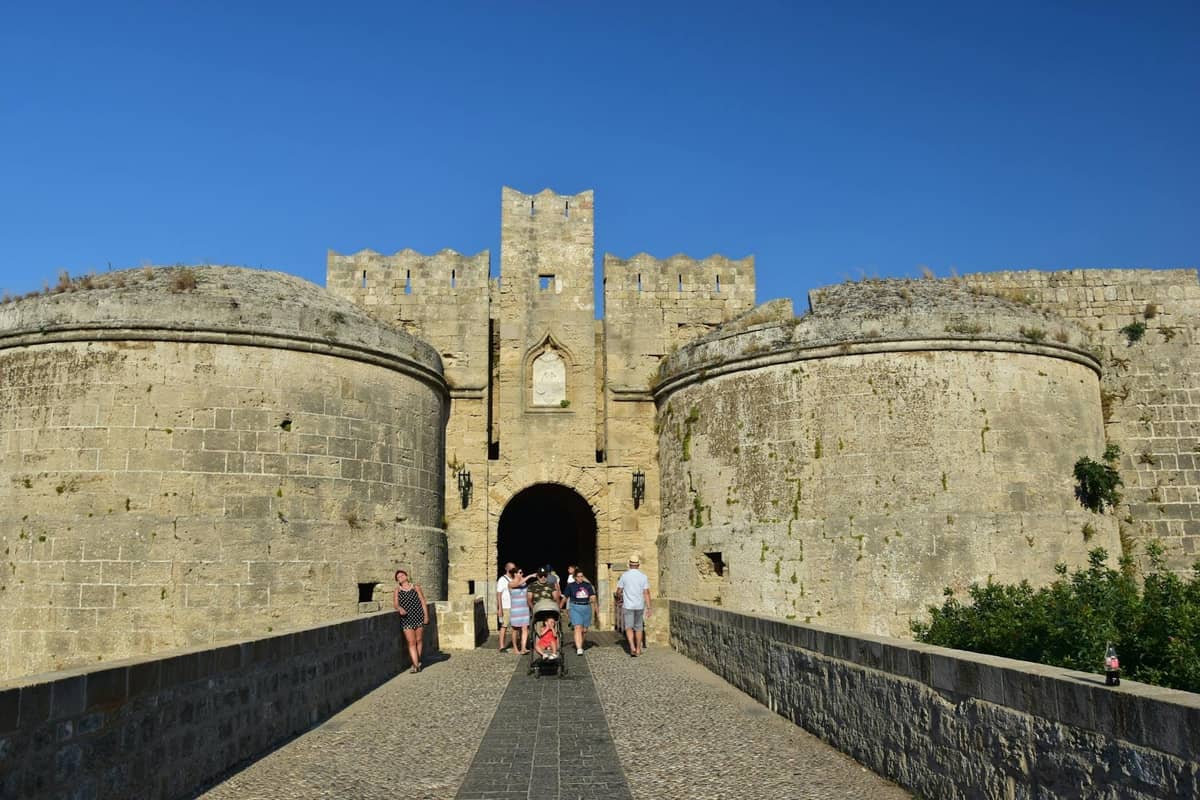
July and August are the absolute peak of the tourist season in Rhodes. The island receives well over a million visitors per year, and a disproportionate share of them arrive in these two months. The Rhodes Old Town — a UNESCO World Heritage Site and one of the best-preserved medieval cities in Europe — becomes genuinely congested by mid-morning. The Street of the Knights and the approach to the Palace of the Grand Master can feel more like a queue than a historical promenade.
Cruise ships dock at Rhodes Port regularly throughout summer, and their passenger schedules are predictable: most groups flood the Old Town between 10 AM and 3 PM. If you are staying on the island, use that window to hit the beach and return to the Old Town in the early evening, when the light is better for photography anyway.
- Most crowded areas in summer Rhodes Old Town, Lindos village and Acropolis approach, Faliraki beach, Elli Beach in New Town, Mandraki Harbour promenade
- Notably quieter in summer Prasonisi cape in the far south, Apollona and inland villages, the west coast beyond Ixia, Pefkos-Lardos area on the southeast coast
- Cruise ship peak hours 10 AM to 3 PM in Old Town; after 5 PM the atmosphere improves considerably as day-trippers reboard
Beaches: Which Ones Are Worth It in Summer
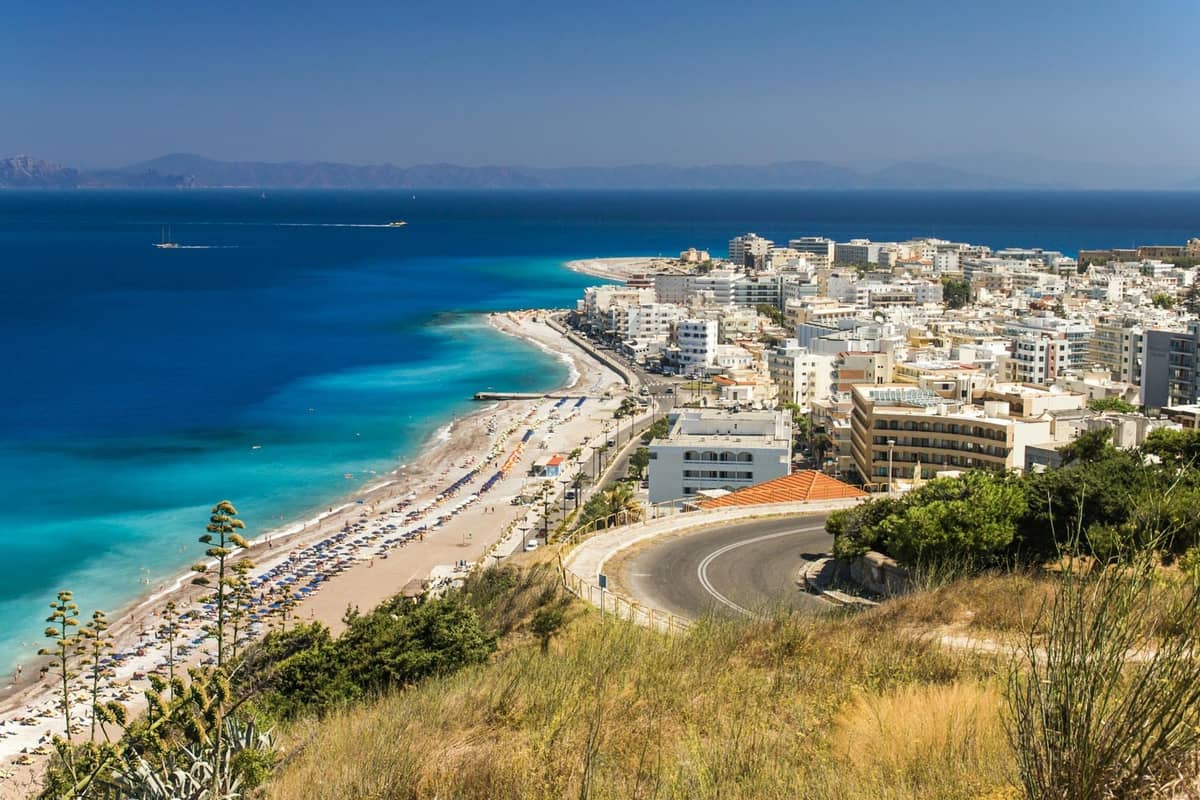
The sea temperature reaches around 25-27°C by July, making it warm enough for long swims without any discomfort. The question is not whether the water is good, it almost always is, but whether you can find a spot on the sand without stepping over someone else's towel.
Northern and eastern beaches close to Rhodes City, including Elli Beach, fill up fast and stay packed from late June through August. They are convenient and well-serviced, but not the place to go if you want peace. Further south, Tsambika Beach is one of the most photographed on the island thanks to its fine golden sand, but it is equally popular and extremely busy in peak season. Arrive before 9 AM or accept that you are sharing it with a few hundred other people.
For genuine quiet, the far south pays dividends. Prasonisi sits at the island's southern tip where the Aegean and Mediterranean meet — it splits into a calm east side and a wind-whipped west side that draws kitesurfers and windsurfers from across Europe. It is around 90 km from Rhodes City, so a rental car is essential. The Pefkos-Lardos area on the southeast coast offers a more relaxed pace with decent beaches and far less congestion than the north.
✨ Pro tip
Rent a car for at least two or three days of your trip to reach the southern beaches and inland villages. Public buses serve the major tourist spots but run on limited schedules and are packed in peak season. A small rental typically costs €30-60 per day in summer depending on vehicle class and booking lead time.
What Summer Is Actually Good For
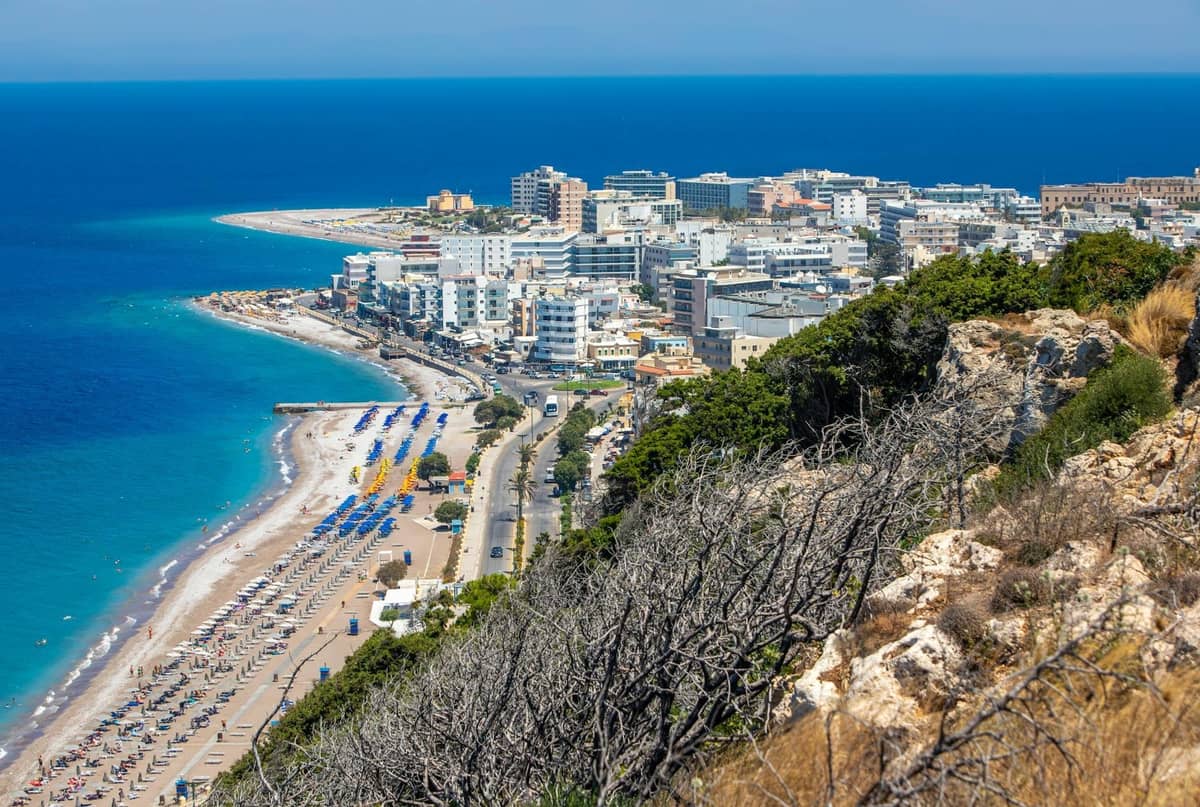
Despite the heat and the crowds, summer has real advantages that the shoulder months cannot match. The sea is at its warmest, boat trips run daily to nearby islands, every restaurant and attraction is open, and the nightlife in Faliraki and New Town is at full capacity for those who want it.
The Valley of the Butterflies (Petaloudes) is a genuinely remarkable summer experience. Thousands of Jersey tiger moths, which are colloquially called butterflies, gather in the valley's cool ravine from late June through September. The spectacle peaks in July. Entry is inexpensive and the walk through the shaded gorge is a welcome escape from the coastal heat. Note that making loud noises to disturb the moths is now prohibited, and for good reason.
- Boat trips to Symi, Halki, and the Turkish coast run daily in summer with multiple operators
- Water sports, including windsurfing, kitesurfing, and scuba diving, are all fully operational
- Open-air cinema screenings happen in Rhodes New Town on warm evenings
- The Medieval Rose Festival typically takes place in late May to early June in the Old Town
- Sunset from the Acropolis of Lindos in late evening (after 7 PM) is dramatically lit and slightly less crowded than midday
Day trips from the island are a compelling use of your time. Symi Island is about 90 minutes by ferry and offers neoclassical architecture and clearer water than you will find at most Rhodes beaches. Check our full guide on day trips from Rhodes for route options and ferry timing.
Practical Summer Logistics
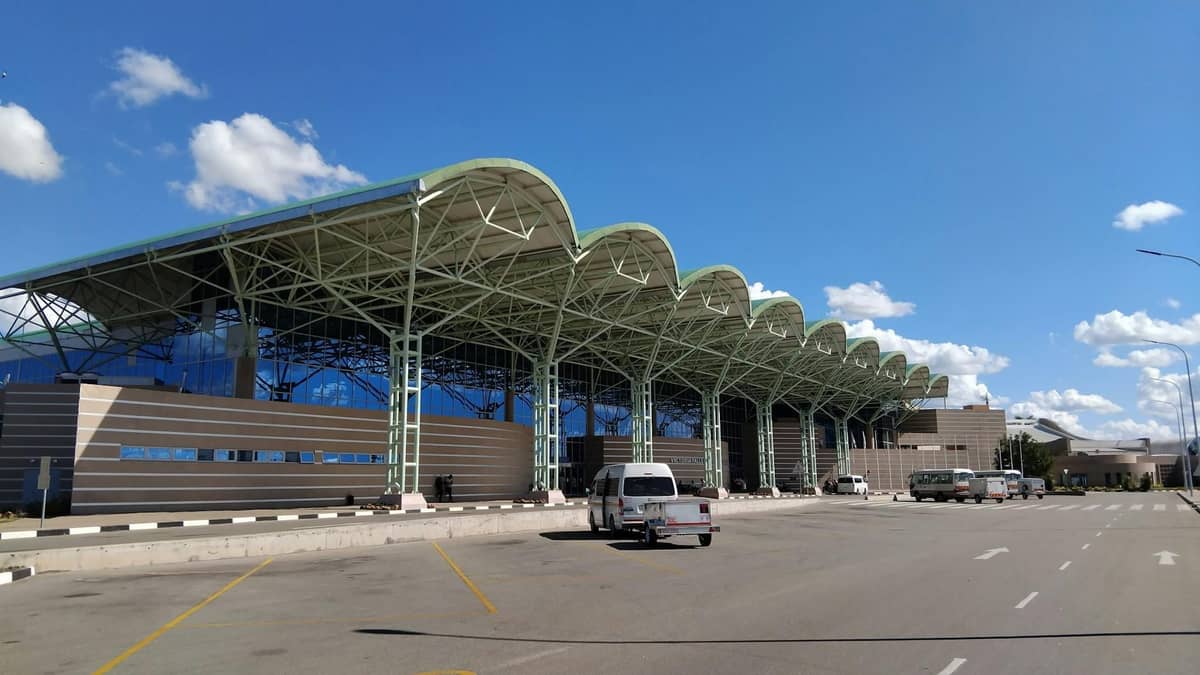
Rhodes International Airport Diagoras (IATA: RHO) sits 14 km southwest of Rhodes City. In July and August, charter and scheduled flights from across Europe arrive daily. Expect queues at arrivals, particularly on Saturday mornings when weekly package-holiday changeovers happen. A public bus connects the airport to the city centre in around 25-30 minutes for roughly €3. Taxis take 20 minutes and cost approximately €25-30 to central Rhodes, though rates should be confirmed with the driver before departure.
Accommodation prices in summer are significantly higher than shoulder months, sometimes by 50-100% depending on the property and location. Booking two to three months in advance for July and August is advisable rather than optional. The Old Town offers boutique hotels with genuine atmosphere, while Rhodes New Town has more modern options closer to Elli Beach. For a full breakdown of accommodation zones, see our guide on where to stay in Rhodes.
💡 Local tip
Carry water constantly. The combination of heat, sun, and walking on reflective stone surfaces in the Old Town or at Lindos causes dehydration faster than most visitors expect. Tap water is generally safe in the city, but many visitors prefer bottled. Refillable bottles save considerable cost over a week-long trip.
Dress code remains relaxed for beaches and restaurants, but modest clothing is required at religious sites. The Tsambika Monastery, for example, requires covered shoulders and legs and is a working place of worship, not just a tourist stop. Keep a light scarf or thin layer in your bag when visiting inland churches or monasteries. The currency is the Euro, and while card payment is widely accepted in tourist areas, smaller tavernas and market stalls often prefer cash.
Is Summer the Best Time to Visit Rhodes?
Honestly, no, not if comfort and value are your priorities. Late May, early June, and September are objectively better months for sightseeing and exploring. Temperatures sit in the 24-30°C range, the sea is still warm, prices are lower, and the island has breathing room. Our dedicated guide on the best time to visit Rhodes covers the full year-round picture in detail.
That said, summer is not a bad time to visit. It is the busiest time for a reason: the beaches are at their best, everything is open, the atmosphere is lively, and for families or groups whose schedules are dictated by school holidays, it is the only realistic window. The key is managing expectations and planning strategically: book early, start days before 9 AM, retreat indoors or to the beach during peak heat, and explore the south and west rather than sticking to the tourist corridor of the north.
If you are visiting in October instead, the island shifts gear entirely. For what that looks like, see our guide to Rhodes in October. For those working with limited funds regardless of season, Rhodes on a budget has concrete strategies that still apply in summer.
FAQ
How hot does Rhodes get in summer?
Daytime temperatures in July and August regularly reach 33-38°C, with occasional spikes above 40°C inland. Nights cool to around 26-30°C. June is slightly milder, averaging 28-33°C during the day.
Is Rhodes too crowded in summer?
The northern part of the island, including the Old Town, Lindos, and Faliraki, is very crowded in July and August. Southern areas like Prasonisi and the Pefkos-Lardos coast are significantly quieter. The crowds are manageable if you plan your timing: visit popular sites early morning or evening and use the midday heat as beach time.
What is the sea temperature in Rhodes in summer?
Sea temperatures reach around 24-25°C in June and climb to 26-27°C by late July and August. This makes for comfortable swimming throughout the season.
Do I need to book accommodation in advance for a summer trip to Rhodes?
Yes, particularly for July and August. Good-value accommodation in well-located areas sells out months in advance. Aim to book at least two to three months ahead for peak season, especially if you want Old Town boutique hotels or beachfront properties.
What are the best beaches to visit in Rhodes in summer to avoid crowds?
Head south. Prasonisi at the island's southern tip and the beaches around Pefkos and Lardos on the southeast coast are far less crowded than Faliraki, Elli, or Tsambika. A rental car makes reaching these areas straightforward and gives you flexibility to explore at your own pace.