Rhodes on a Budget: How to Visit Without Overspending
Rhodes is one of Greece's most rewarding destinations, and it doesn't have to drain your wallet. This guide breaks down realistic daily budgets, the best free and low-cost attractions, smart transport choices, and the seasonal timing that cuts costs by nearly half.

Plan and book this trip
Tools from our partner Travelpayouts help you compare flights and hotels. If you book through them, we may earn a commission at no extra cost to you.
Flights
Hotels map
TL;DR
- Budget travelers can get through Rhodes on roughly €78-102 per day (hostel, food, buses, a few paid sites); ultra-budget camping and self-catering drops that to €60-85.
- Visit in April-May or September-October to pay 40-50% less for accommodation than peak July-August rates.
- The UNESCO-listed Rhodes Old Town, public beaches, city walls, and Kritinia Castle are all free to explore.
- Public buses cover most of the island including Lindos for a return fare of around €10 — no rental car required for a basic itinerary.
- Avoid waterfront restaurants in peak season; local tavernas one or two streets back charge significantly less for the same food.
What Does Rhodes Actually Cost? Realistic Daily Budgets
Rhodes has a reputation as an expensive Greek island, and in peak season, that reputation has some basis. But strategic choices change the picture entirely. The gap between a budget trip and a mid-range one comes down mostly to when you go, where you sleep, and whether you eat where locals eat.
- Ultra-budget (€60-85/day) Camping at a site (€8-12/night), self-catering from supermarkets and the Laiki Market (€15-22/day on food), buses only, and sticking to free attractions.
- Budget traveler (€78-102/day) Hostel dorm (€25-35/night), a mix of tavernas and self-catering (€20-30/day on food), local buses (€5-10/day), and 1-2 paid sites like the Palace of the Grand Master.
- Mid-range (€120-180/day) Private room in a guesthouse or 3-star hotel (€70-100/night shoulder, €110-150 peak), restaurant meals twice daily, occasional taxi or scooter hire.
- One-week total (budget) Roughly €546-714 all in for a budget week, or €840-1,260 for a comfortable mid-range week.
ℹ️ Good to know
These figures are based on 2026 estimates for the Municipality of Rhodes (Greece, South Aegean region). All prices are in Euros (EUR). Transport and entry fees change seasonally — verify bus fares and site admission costs on arrival.
When to Go: Timing Is the Biggest Budget Lever
July and August are when Rhodes hits its price ceiling. Accommodation that costs €70-100 per night in shoulder season regularly climbs to €110-150 or more in peak summer. Flights follow the same pattern. If budget is the priority, the best time to visit Rhodes for value is April-May or September-October. The weather is still warm and reliable, and you're dealing with far smaller crowds.
October specifically deserves attention. Sea temperatures stay comfortable into mid-October, most restaurants and attractions remain open, and prices fall noticeably compared to the summer peak. Some beach bars close, but for sightseeing and culture, October is arguably the best month on the island.
💡 Local tip
Book accommodation for shoulder season at least 6-8 weeks in advance. The best-value guesthouses near Rhodes Old Town fill quickly, even in April and October, because they're popular with independent travelers who already know about the savings.
If you're flexible, check out the full seasonal breakdown in our Rhodes in October guide for specific practical advice on what's open, what the weather looks like, and where to focus your time.
Free and Low-Cost Attractions Worth Your Time
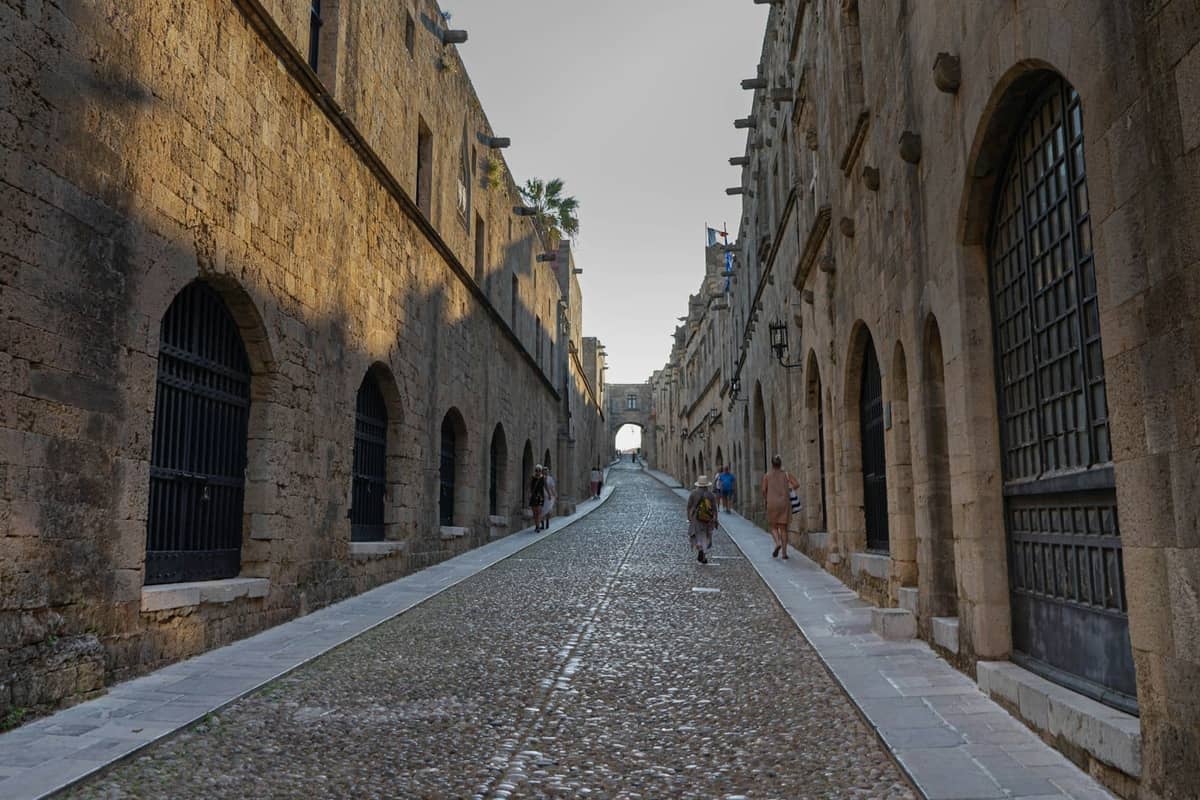
Rhodes has a surprising number of genuinely worthwhile things to do that cost nothing. The UNESCO Medieval City is the most obvious example: you can spend an entire day walking the lanes, examining the Crusader architecture, and sitting at a café without paying a single entry fee.
- Rhodes Old Town: the full medieval walled city is free to walk through at any hour. The Street of the Knights, the city walls from the outside, churches, and the atmospheric backstreets cost nothing.
- Kritinia Castle: one of the best-preserved Crusader fortresses on the island, set on a hill in the west with sweeping coastal views. No admission charge.
- Mount Smith (Acropolis of Rhodes): the ancient acropolis area above the New Town offers panoramic views and ruins including the Temple of Apollo. Free to access; ideal at sunset.
- Public beaches: Elli Beach, Tsambika Beach, and most others across the island have no entry fee. Sunbed and umbrella hire ranges from €15–25 depending on the beach and season.
- Lindos village: walking the whitewashed streets and viewing the acropolis from below is free. The acropolis itself charges around €6 for entry.
- Laiki Market: Rhodes city holds its open-air market on Wednesdays and Saturdays. Local produce, olives, cheese, and household goods at local prices.
- Free walking tours: tip-based guided tours of the Old Town depart from near the main gates. Quality varies but they provide useful historical context for free.
For paid sites, the Palace of the Grand Master is worth the entry fee (open daily, roughly 8am-6pm in summer). The Archaeological Museum of Rhodes is another one where the admission justifies itself given the depth of the collection. For everything else, be selective: some paid sites on the island are frankly underwhelming for the price.
⚠️ What to skip
The Old Town walls walk (around €3) gets mixed reviews. The views are good in sections, but the circuit is longer and less dramatic than many expect. If budget is tight, skip it and head to Kritinia Castle or Mount Smith instead — both are free and more visually rewarding.
For a broader list of what to do without spending much, the free things to do in Rhodes guide covers over a dozen options across the whole island.
Getting Around Rhodes Without Renting a Car
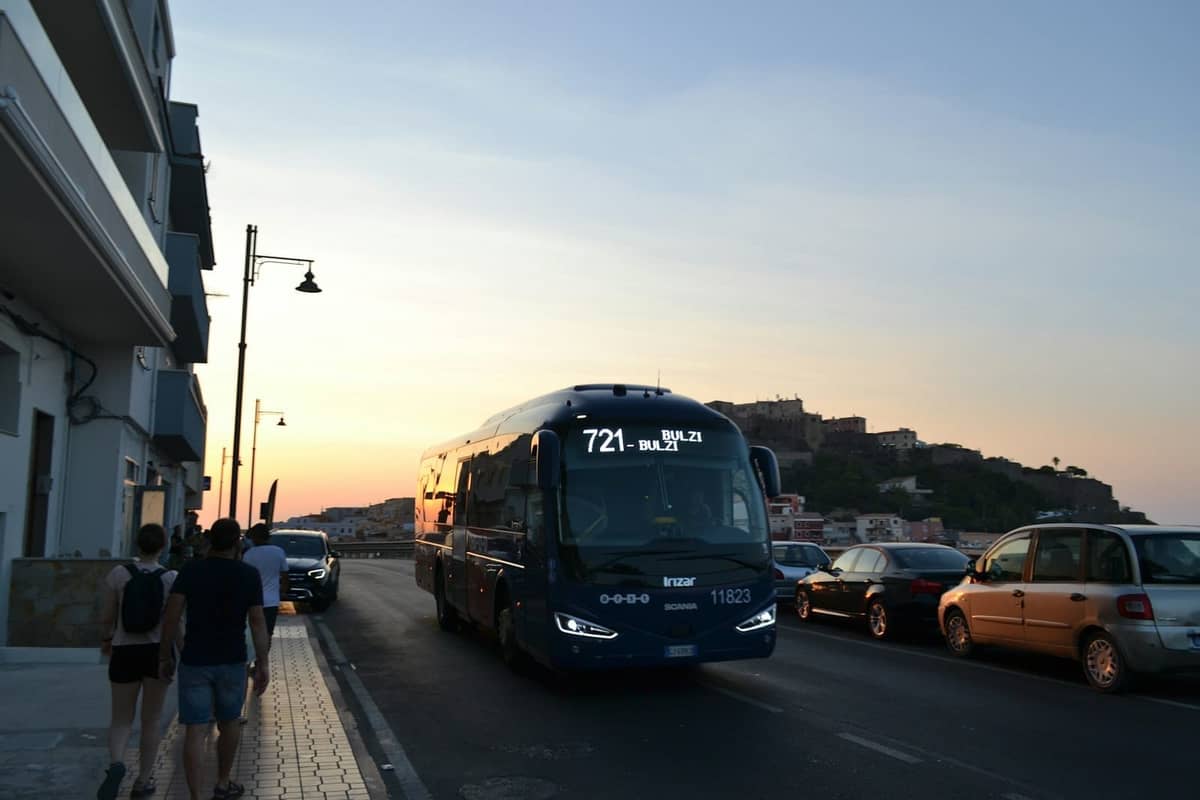
A rental car makes Rhodes easier, but it is not essential for a budget trip and adds real cost once you factor in fuel and parking. The KTEL public bus network (operated as RODA) covers the main tourist routes reliably enough for a basic itinerary.
The Lindos bus from Rhodes city runs multiple times daily in season, takes around 1.5 hours, and costs roughly €10 return. For most travelers, that €10 return is far cheaper than the combined cost of car hire, fuel, and the paid car park in Lindos village. Buses also serve Faliraki, Ixia, and several west coast stops. Budget around €5-10 per day if you're basing yourself in the city.
From the airport (Rhodes International Airport Diagoras, RHO, 14 km southwest of the city), the public bus takes around 25-30 minutes and costs approximately €2.50-3. A taxi runs €25-30 for the same journey. If you're arriving with luggage and traveling solo, the bus is an easy saving. The Rhodes airport guide has the full logistics including schedules and terminal layout.
If you do want to explore remote beaches or inland villages that buses don't reach, consider a scooter rental for one or two specific days rather than a car for the whole trip. For a comprehensive comparison of options, getting around Rhodes covers costs and practicalities in detail.
Eating and Drinking Without Getting Ripped Off
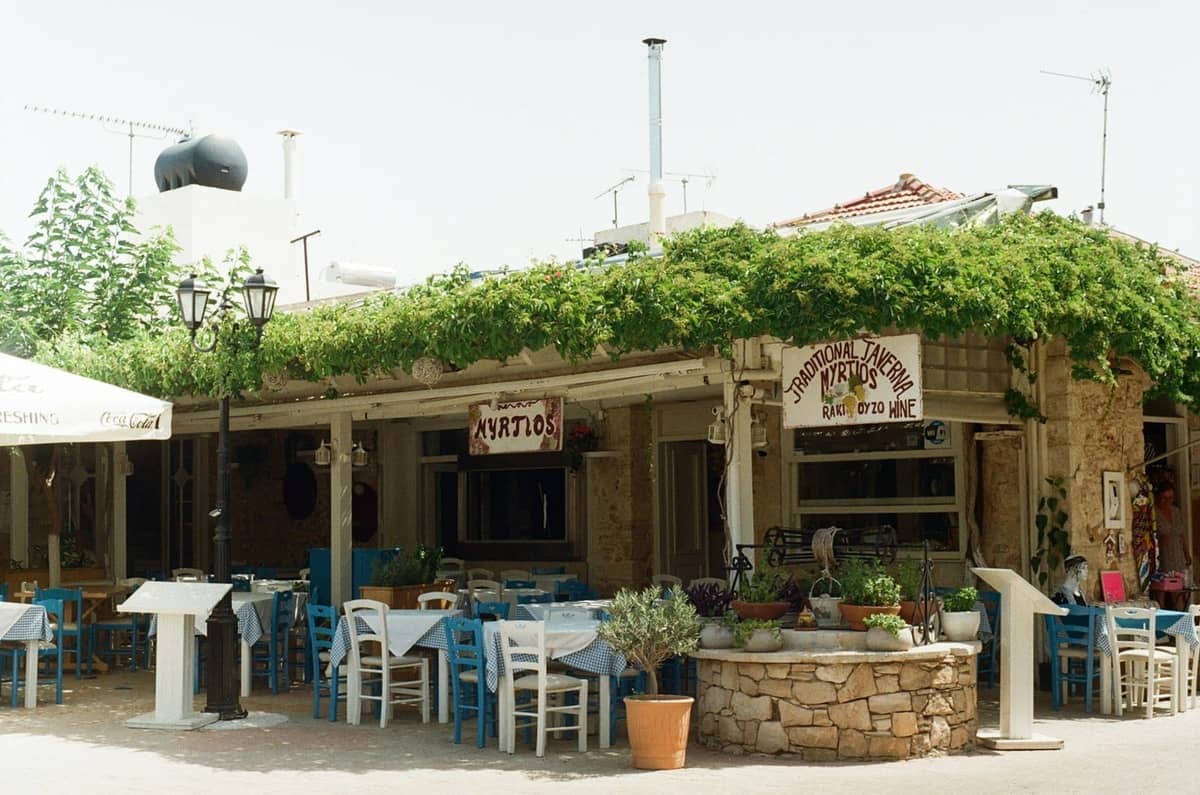
Food in Rhodes spans a wide price range and the gap between tourist-trap and genuine value is mostly geographic. Restaurants on the main squares of the Old Town, along the waterfront in New Town, and anywhere with a laminated multi-language menu visible from the street all tend to charge more for the same quality of food you'll find one block further in.
A practical baseline: a full meal with a drink at a local taverna in a non-tourist street costs around €12-18 per person. The same meal on Orfeos Street or near Mandraki Harbour might cost €22-30. The difference isn't the food, it's the location premium. Ask locals or hostel staff where they eat.
- Gyros and souvlaki from street-facing takeaway spots: €3-5, filling, and consistently good across the island.
- Supermarkets (Lidl, Sklavenitis, and local chains) stock good Greek cheese, olives, bread, and produce for self-catering. Particularly useful for breakfast and lunch.
- Laiki Market (Wed and Sat mornings in Rhodes city): the cheapest source of fresh fruit, vegetables, and local products on the island.
- House wine in tavernas is almost always the right call on a budget. A carafe of decent local wine costs €6-10 versus €4-7 per glass for anything bottled.
- Coffee: a freddo espresso or freddo cappuccino from a local café is €2-3.50 and will last you all morning. Hotel and tourist-area coffee shops charge nearly double.
For specific restaurant recommendations across different price points, the where to eat in Rhodes guide separates value options from tourist-oriented places worth skipping.
Budget Accommodation: Where to Stay and What to Expect
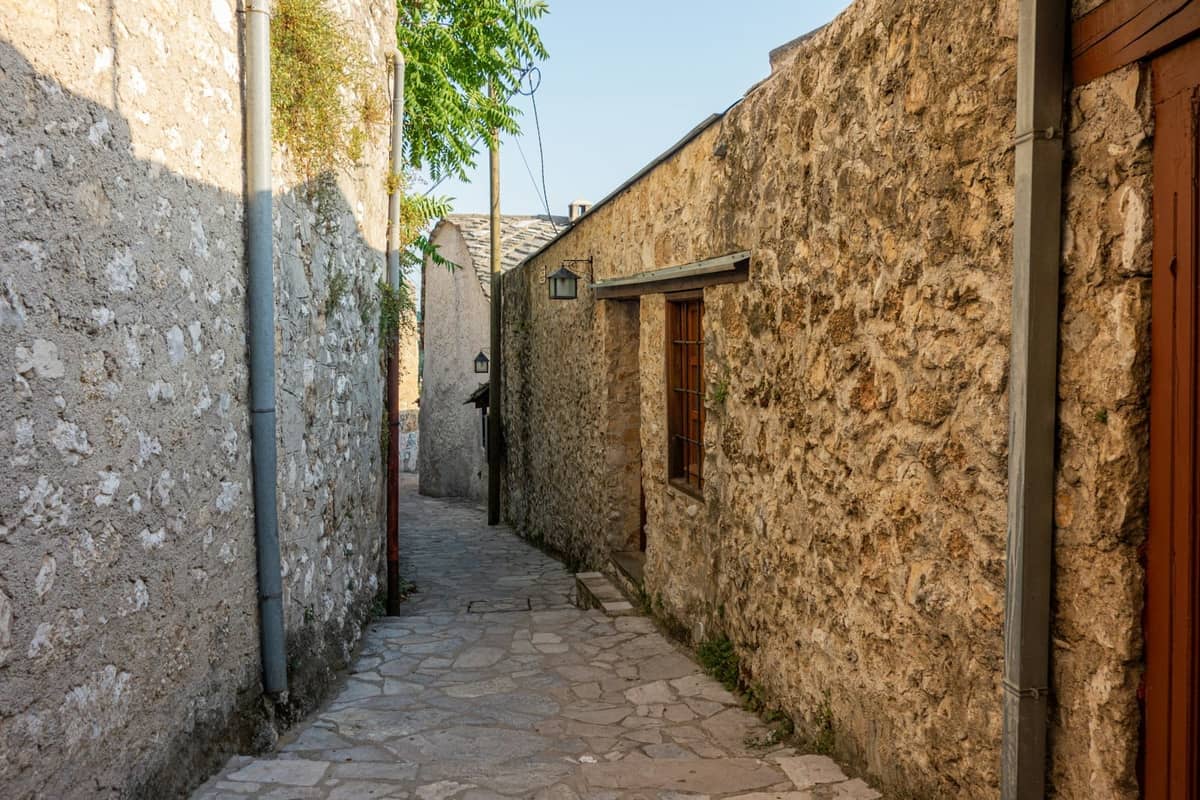
The clearest budget accommodation options are hostel dorms (€25-35 per night in season), which Rhodes Old Town and the New Town both have. Solo travelers and pairs benefit most. Budget guesthouses and pensions in the Old Town range from around €45-70 for a private room in shoulder season, rising to €80-120 in peak July-August.
For those comfortable with outdoor sleeping, camping on the island costs €8-12 per night and drops the weekly total significantly. Staying in Rhodes New Town rather than inside the Old Town walls typically saves €15-30 per night for a comparable room standard, and it is a 10-15 minute walk to all the main sights.
Resort areas like Faliraki and Ixia offer package-deal rates that can undercut independent city bookings in peak season, especially if booked through an operator. But they add transport costs every time you want to reach the main sights, so factor that in. The where to stay in Rhodes guide breaks down all the main areas with honest pros and cons for each.
✨ Pro tip
If you're booking a private room in a guesthouse inside the Old Town, ask specifically about air conditioning. Not all rooms have it, and July nights without AC in a stone building can be brutal. A room with AC in shoulder season is often the same price as a room without it in peak summer.
FAQ
How much money do I need per day in Rhodes on a budget?
Realistically, €78-102 per day covers a hostel dorm, meals at local tavernas plus some self-catering, public buses, and 1-2 paid attractions. If you camp and cook most meals yourself, you can manage on €60-85 per day. These figures assume you're not splurging on boat trips, car hire, or guided tours.
Is Rhodes expensive compared to other Greek islands?
Rhodes is mid-range compared to the full spectrum of Greek islands. It is more expensive than Lesvos or Kos in general, but comparable to Corfu and significantly cheaper than Mykonos or Santorini. The key is avoiding peak July-August and eating away from the main tourist squares.
What is the cheapest time of year to visit Rhodes?
April-May and September-October offer the best combination of good weather and lower prices. Accommodation can be 40-50% cheaper than peak summer rates. November through March is the cheapest period outright, but many businesses close and the weather is unreliable for beach activities.
Can I get around Rhodes without renting a car?
Yes, for a standard itinerary covering Rhodes city, Lindos, and main beaches. The KTEL public buses are reliable for the main routes. A Lindos return trip costs around €10. For more remote spots — west coast villages, Prasonisi, Monolithos — a rental car or scooter for specific days makes sense.
Are there free beaches in Rhodes?
Most beaches in Rhodes are free to access. Sunbeds and umbrellas cost €15–25 per set depending on the beach and season, but you are never required to rent them. Elli Beach in the city, Tsambika, and Pefkos all have free access. Some smaller coves have no facilities at all, which keeps costs at zero.