What to Eat in Rhodes: A Guide to Local Food & Dishes
Rhodes has a distinct culinary identity rooted in chickpeas, wild greens, handmade pasta, and cumin-heavy stews. This guide covers the essential local dishes, seasonal specialities, what to drink, and where to find the food worth seeking out.
Plan and book this trip
Tools from our partner Travelpayouts help you compare flights and hotels. If you book through them, we may earn a commission at no extra cost to you.
Flights
Hotels map
TL;DR
- Rhodes cuisine is defined by chickpeas, legumes, goat, handmade pasta, and cumin — more specific than generic Greek food.
- Pitaroudia (fried chickpea fritters) are the island's signature snack and available across Rhodes Old Town tavernas.
- Lakani is the dish to track down: slow-baked goat, chickpeas, and trahanas in a clay pot, cooked for 3+ hours.
- Skip tourist-facing menus with generic souvlaki near the main cruise docks and seek out village tavernas or family-run spots in side streets.
- Pair food with local Embonas wine or thyme honey products — both are genuine regional specialities worth bringing home. See the where to eat in Rhodes guide for specific restaurant picks.
Why Rhodes Food Is Different From the Rest of Greece
Most visitors to Greece eat similar things: grilled fish, moussaka, tzatziki, souvlaki. These dishes exist in Rhodes too, but they do not represent what the island actually eats. Rhodes cuisine developed in relative isolation, shaped by Byzantine, Ottoman, and Levantine influences, a dry landscape suited to legumes and wild herbs, and a historical reliance on chickpeas and local wheat over meat. The result is a food culture that feels genuinely different from the mainland and from most other Greek islands.
The single clearest marker of this difference is cumin. Rhodes uses more cumin than any other region in Greece. It appears in stews, bean dishes, and meatballs. Locals sometimes call it 'the long smell', and once you start noticing it, it becomes the clearest signal that a dish is authentically Rhodian rather than broadly Greek.
ℹ️ Good to know
Rhodes belongs to the Dodecanese island group, geographically closer to Turkey than to Athens. That proximity shaped its food: ingredients like cumin, vine leaves, and slow-cooked legumes reflect Anatolian and Levantine cooking traditions alongside Greek ones.
The Essential Local Dishes
These are the dishes with real local roots. Some appear on most taverna menus; others require a bit of effort to find. All of them are worth trying before you leave the island.
- Pitaroudia Fried chickpea fritters mixed with onions, tomatoes, mint, and parsley. The name loosely translates as 'small pies', which is misleading — these are dense, pan-fried patties, closer to a falafel than anything pastry-based. Seasonal variants add cheese, pumpkin (in autumn), or courgette. They are the most accessible entry point to Rhodes food and appear on almost every local menu.
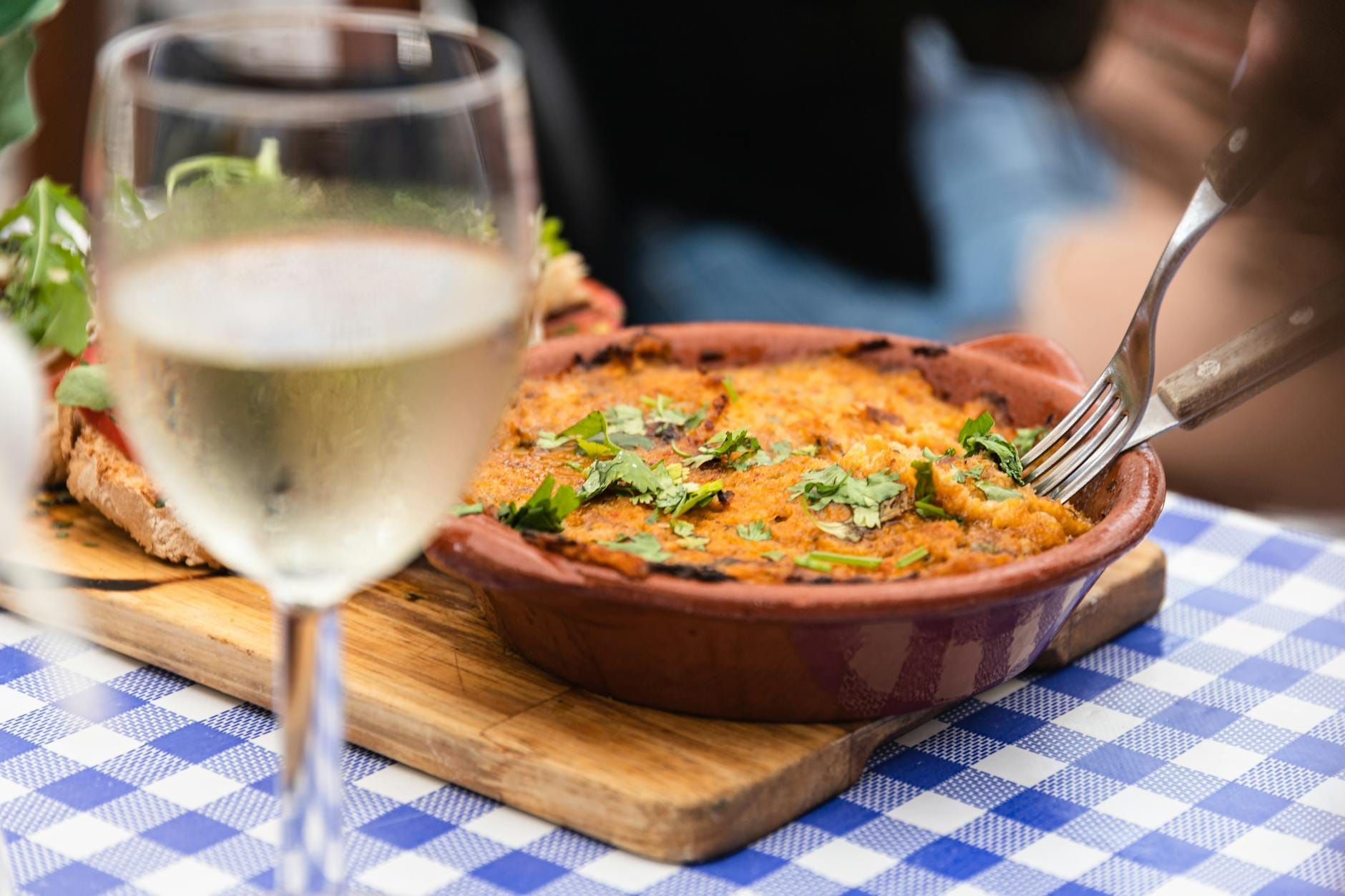
- Lakani (Lacana) The island's most distinctive main dish: goat meat slow-baked with chickpeas, trahanas (fermented cracked wheat), cumin, tomatoes, and onions in a sealed clay pot for three hours or more. The result is deeply savoury and unlike anything else in Greek cooking. Not every taverna makes it — ask specifically, and expect it to be a weekend or seasonal offering.
- Lopada A thick, oven-baked soup made from lopia beans, a local variety. It sets firmer than a standard soup — fork rather than spoon territory — and is served with bread. Simple, filling, and rarely found outside home kitchens or traditional village tavernas.
- Giaprakia Vine leaf rolls (dolmades) with an Asia Minor influence: filled with coarse-ground pork and beef, rice, dill, and mint. The wrapping sometimes uses cyclamen leaves in spring instead of vine leaves, producing a more delicate, slightly floral version called kamilakia.
- Matsi and Trachanas Handmade pasta unique to Rhodes. Matsi is a semolina and egg pasta, often served simply with butter and grated cheese, or alongside fish and braised meats. Trachanas is a fermented wheat and milk preparation, used in stews like lakani and also eaten as a porridge-style dish. Neither is easy to find in tourist restaurants, but both are sold dried in local delis and make excellent souvenirs.
💡 Local tip
If you see a weekly specials board written by hand in Greek, photograph it and use Google Translate. Tavernas that bother listing daily specials in Greek rather than tourist-friendly English are almost always cooking from scratch with local ingredients.
Seasonal Food: What to Eat and When
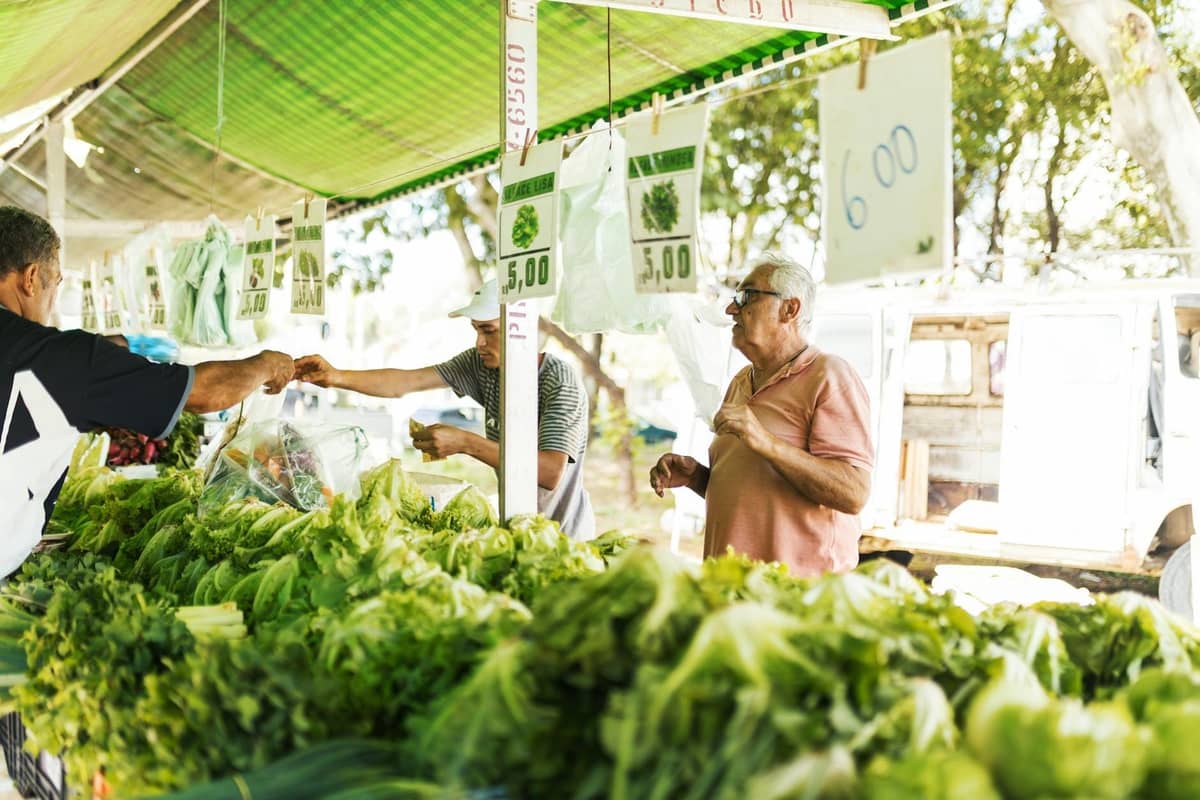
Rhodes food follows the calendar more closely than most tourists expect. Pitaroudia change filling with the season: the summer version uses fresh tomatoes and herbs, while autumn brings red pumpkin variants that are sweeter and denser. Wild greens like vlita (amaranth) and purslane appear in salads and pies from late spring through early autumn. In winter, meat dishes become more common: roasted goat and lamb feature heavily at Christmas and Easter.
If you visit in May or June, prioritise fresh broad bean dishes, spring greens, and anything featuring the new season's olive oil. September and October bring ripe figs, grape must sweets, and the start of the olive harvest. For more on timing your visit around food and weather, the best time to visit Rhodes guide breaks down each month in detail.
⚠️ What to skip
Many restaurants in tourist-heavy areas like Faliraki and the main harbour strip close or reduce their menus in the off-season. If you are visiting in October or November, head to the Old Town's side streets or inland villages for the most reliable traditional food options.
Local Drinks, Sweets, and Pantry Staples

The village of Embonas, in the island's western mountains, produces Rhodes' most respected wine. The local varieties Athiri (white) and Mandilaria (red) are both worth trying. Athiri is crisp and mineral with a citrus edge; Mandilaria is tannic and dark, often blended to soften it. Several Embonas wineries offer tastings, and bottles are widely sold in delis across Rhodes Town for around 8-15 EUR.
Honey is the other product with genuine provenance. Thyme and sage honey from the island's interior is harvested once or twice a year and sold in small quantities at farm shops and the central market in Rhodes New Town. It is noticeably different in intensity from supermarket honey: stronger, more aromatic, and worth the higher price. Look for jars labelled with a local producer rather than a pan-Aegean brand.
- Soumada: a non-alcoholic almond syrup drink, served cold with water, particularly popular in summer
- Loukoumades: fried honey dough balls, often sold from street stalls near the Old Town gates
- Melomakarona: honey-soaked spiced biscuits with walnuts, technically a Christmas speciality but sold year-round in bakeries
- Pasteli: sesame and honey bars, sold individually and as souvenirs
- Local olive oil: Rhodian extra virgin olive oil is cold-pressed and sold in 500ml to 5-litre tins at the central market
Where to Find Authentic Rhodian Food
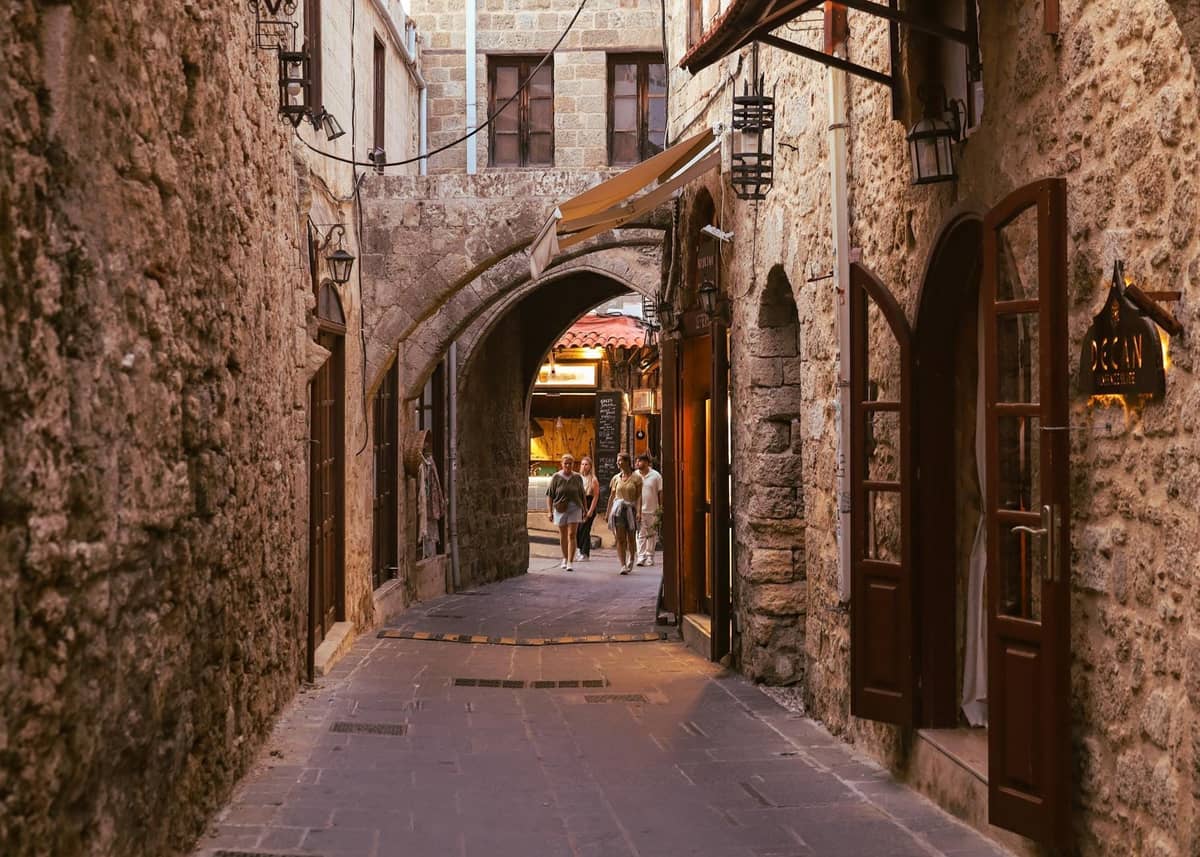
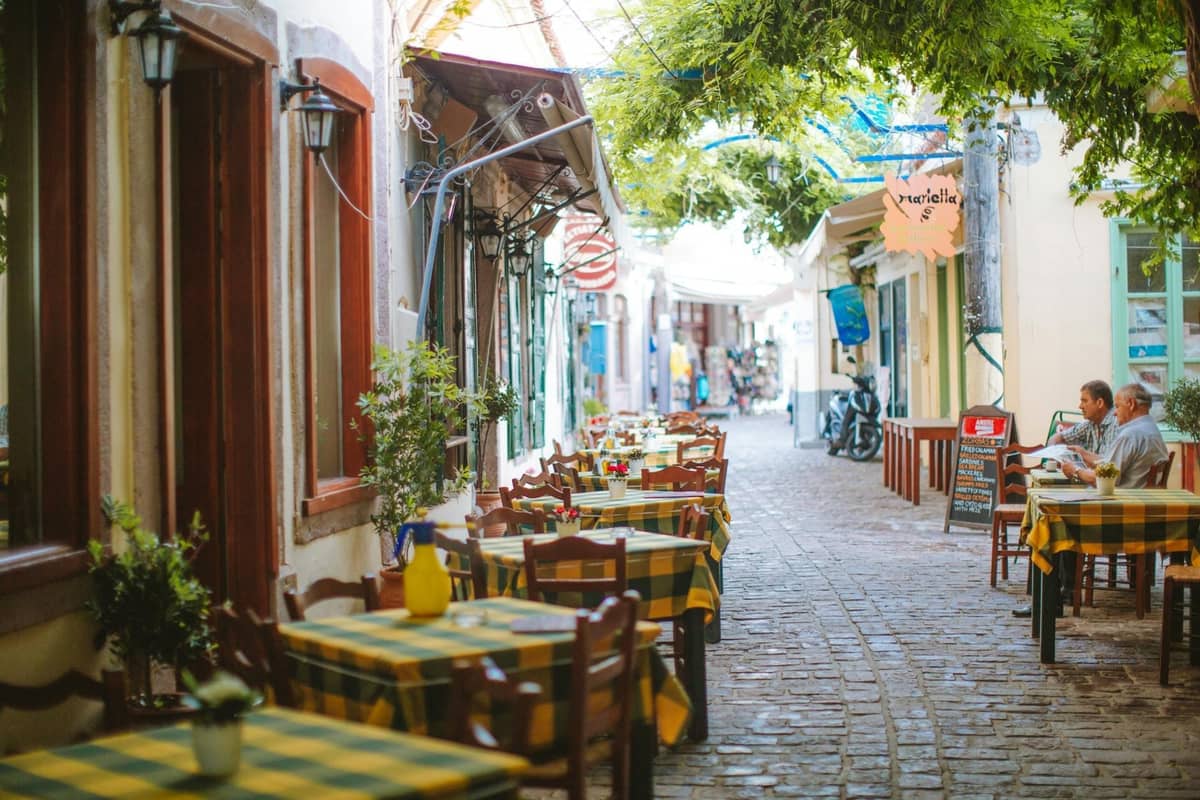
The most reliable strategy is to eat where local families eat, which means avoiding the main pedestrian restaurant strips near the harbour and cruise terminal. In Rhodes Old Town, the better tavernas are in the quieter southern and western quarters, away from the Street of the Knights tourist corridor. Look for venues with handwritten menus, a short list of daily dishes, and tables shared by Greek speakers and tourists alike.
For a day trip that combines food with scenery, the village of Embonas is the best single destination on the island for traditional eating and wine tasting. Lindos has some quality tavernas but is heavily tourist-facing in summer — prices are higher and menus are broader and less specific. For a more grounded experience, visiting Lindos early in the morning and eating lunch there before the crowds peak is the better approach.
The central market in Rhodes New Town (near Mandraki harbour) is the practical choice for self-caterers and food shoppers. Fresh produce, dried pasta, local cheese, honey, and olive oil are all available at reasonable prices. Go on a weekday morning for the best selection before tourist groups arrive.
Practical Tips for Eating Well in Rhodes
Eating times follow Greek patterns, which are later than northern European visitors expect. Locals eat lunch between 2pm and 4pm, and dinner rarely before 9pm. Restaurants serving tourists often open earlier, but the kitchen is not always at its best before 8pm for dinner. Reservations are advisable at smaller, highly regarded tavernas in peak season (July and August).
- Tipping: 5-10% is appreciated and normal in sit-down restaurants; not expected at cafes or street food stalls
- Ordering strategy: start with pitaroudia and a village salad (horiátiki), then one or two shared mains rather than individual plates
- Asking for specials: say 'ti ehete simera?' (what do you have today?) to prompt the waiter to list what the kitchen is actually cooking rather than reciting the printed menu
- Price check: a full meal for two with wine at a mid-range traditional taverna typically costs 35-55 EUR; tourist-facing places near the harbour can charge significantly more for less
- Vegetarian note: many traditional dishes are naturally vegetable and legume-based, making Rhodes unusually accommodating for vegetarians compared to meat-heavy mainland Greek cuisine
✨ Pro tip
The phrase 'paradosiako fagito' (traditional food) is your most useful tool when asking a waiter for recommendations. It signals you want local dishes, not the tourist menu, and will usually prompt a more honest response about what the kitchen does well that day.
If you are planning a longer stay and want to structure your eating around the island's best areas and restaurants, the 7-day Rhodes itinerary includes meal suggestions tied to specific locations and travel days.
FAQ
What is the most famous local dish in Rhodes?
Pitaroudia — fried chickpea fritters with herbs and onions — is the most widely recognised Rhodian dish and the easiest to find on local menus. Lakani, the slow-baked goat and chickpea clay pot stew, is arguably more distinctive but harder to track down outside of traditional tavernas and village restaurants.
Is Rhodes food expensive compared to other Greek islands?
In tourist-heavy areas like the main harbour strip and Lindos, yes — prices are comparable to Mykonos in peak season. In local tavernas in the Old Town's quieter streets, the market area of the New Town, and inland villages, prices are much more reasonable. A full traditional meal with wine for two typically runs 35-55 EUR at a genuine local restaurant.
What should vegetarians eat in Rhodes?
Rhodian food is actually well-suited to vegetarians by Greek standards. Pitaroudia, lopada (bean dish), wild green salads, vine leaf rolls without meat, and a range of legume-based stews are all naturally meat-free. The island's emphasis on chickpeas, broad beans, and seasonal vegetables means vegetarians have more options here than in much of mainland Greek cuisine.
Where can I find traditional Rhodian food rather than generic Greek food?
Avoid the main tourist restaurant strips near the cruise port and harbour. Head to the southern and western quarters of the Old Town, the central market in the New Town, or take a day trip to Embonas village. Ask specifically for 'paradosiako fagito' (traditional food) and look for venues with handwritten daily specials in Greek rather than laminated multilingual menus.
What local food products can I bring home from Rhodes?
The best edible souvenirs from Rhodes are: dried matsi or trachanas pasta (vacuum-packed from delis), thyme or sage honey from local producers, Embonas wine (Athiri white or Mandilaria red), extra virgin olive oil, and pasteli (sesame-honey bars). All are available at the central market in New Town and at better delis in the Old Town.