Hidden Gems in Rhodes: Beyond the Tourist Trail
Rhodes rewards those who look past the headline sites. From a frescoed Byzantine monastery in the pine-covered interior to a crowd-free medieval castle with sea views, these are the places that show you a different side of the island.
Plan and book this trip
Tools from our partner Travelpayouts help you compare flights and hotels. If you book through them, we may earn a commission at no extra cost to you.
Flights
Hotels map
Most visitors to Rhodes follow the same well-worn path: the Old Town, Lindos, and the nearest beach resort. That path is well-worn for good reasons, but the island is far larger and more varied than a standard itinerary suggests. With 1,408 square kilometres to explore, Rhodes hides forested mountain peaks, abandoned Italian-era architecture, remote Byzantine churches, and beaches you can reach only by unpaved track. This guide focuses on the places that reward curiosity, whether you have a rental car and a free afternoon or a full week to roam. For orientation, see our overview of things to do in Rhodes, and for a deeper dive into the medieval city, the Rhodes medieval Old Town guide covers what most visitors miss even within the walls.
✨ Pro tip
A rental car is essential for reaching most of these sites. Public buses cover main routes but skip the interior villages and southern coast entirely. Book ahead in July and August when vehicles sell out fast.
Castles & Medieval Ruins Off the Beaten Path
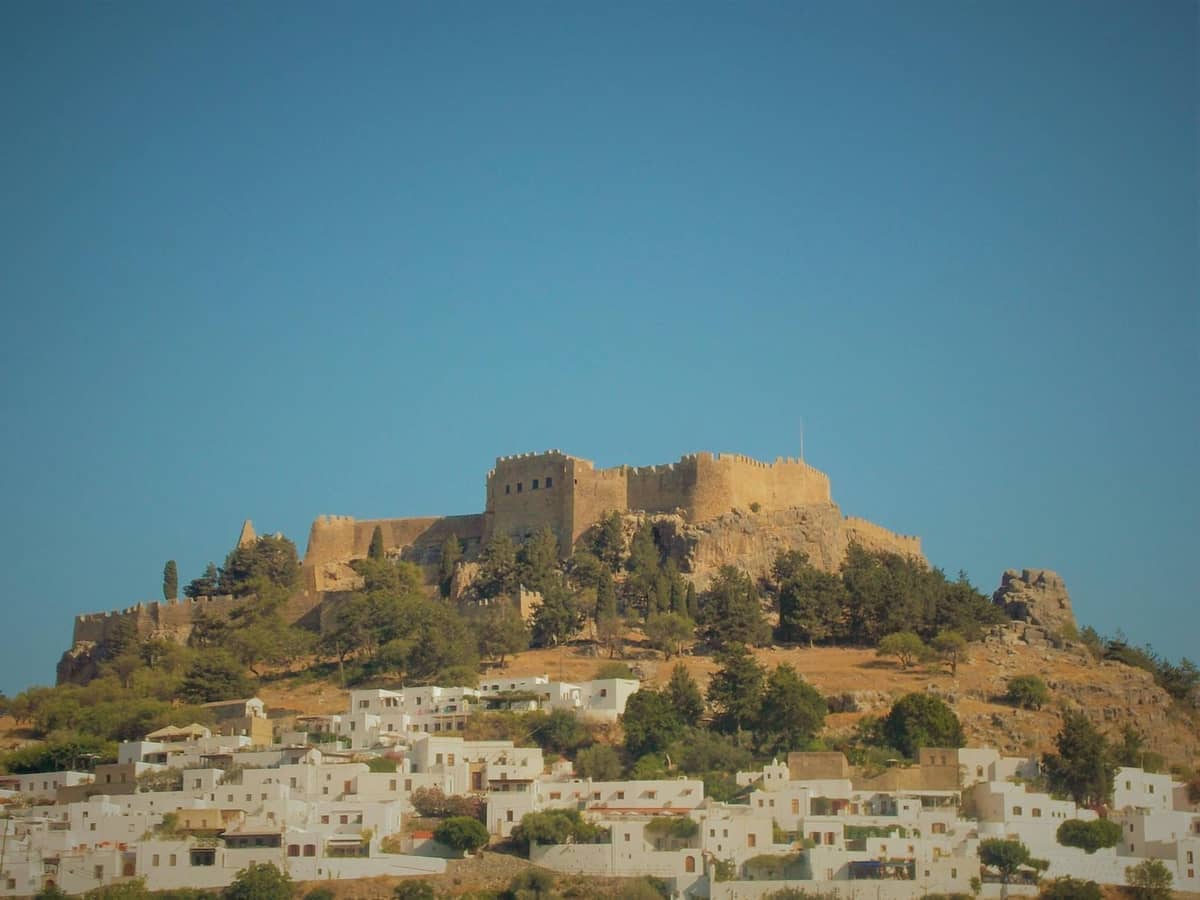
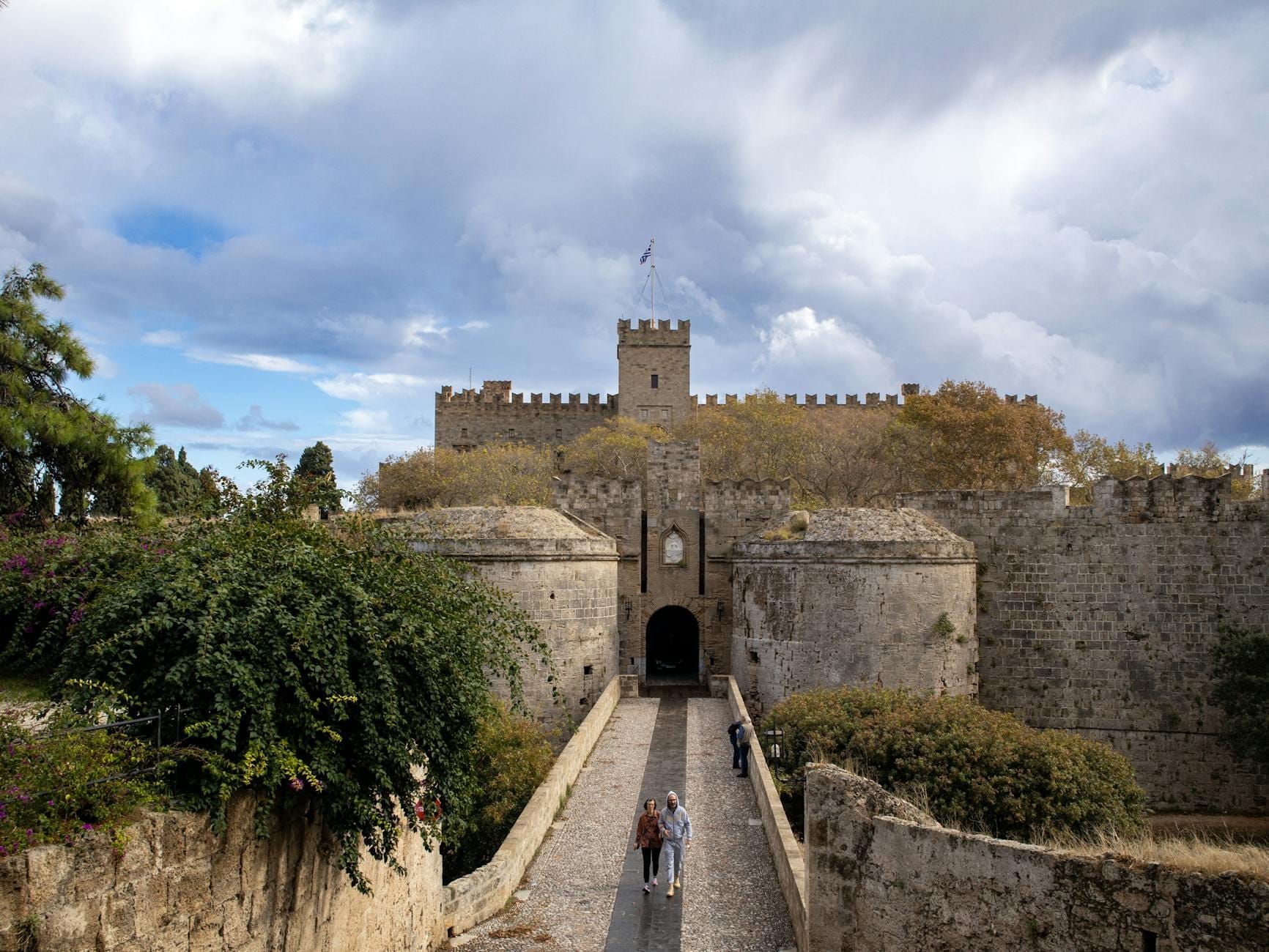
Everyone visits the Palace of the Grand Master, but Rhodes has medieval fortifications scattered across the island that see a fraction of that footfall. The south and northwest in particular have castles perched on hilltops with panoramic views and almost no queues. Pair these with the Knights of Rhodes history guide for context on why these outposts were built where they were.
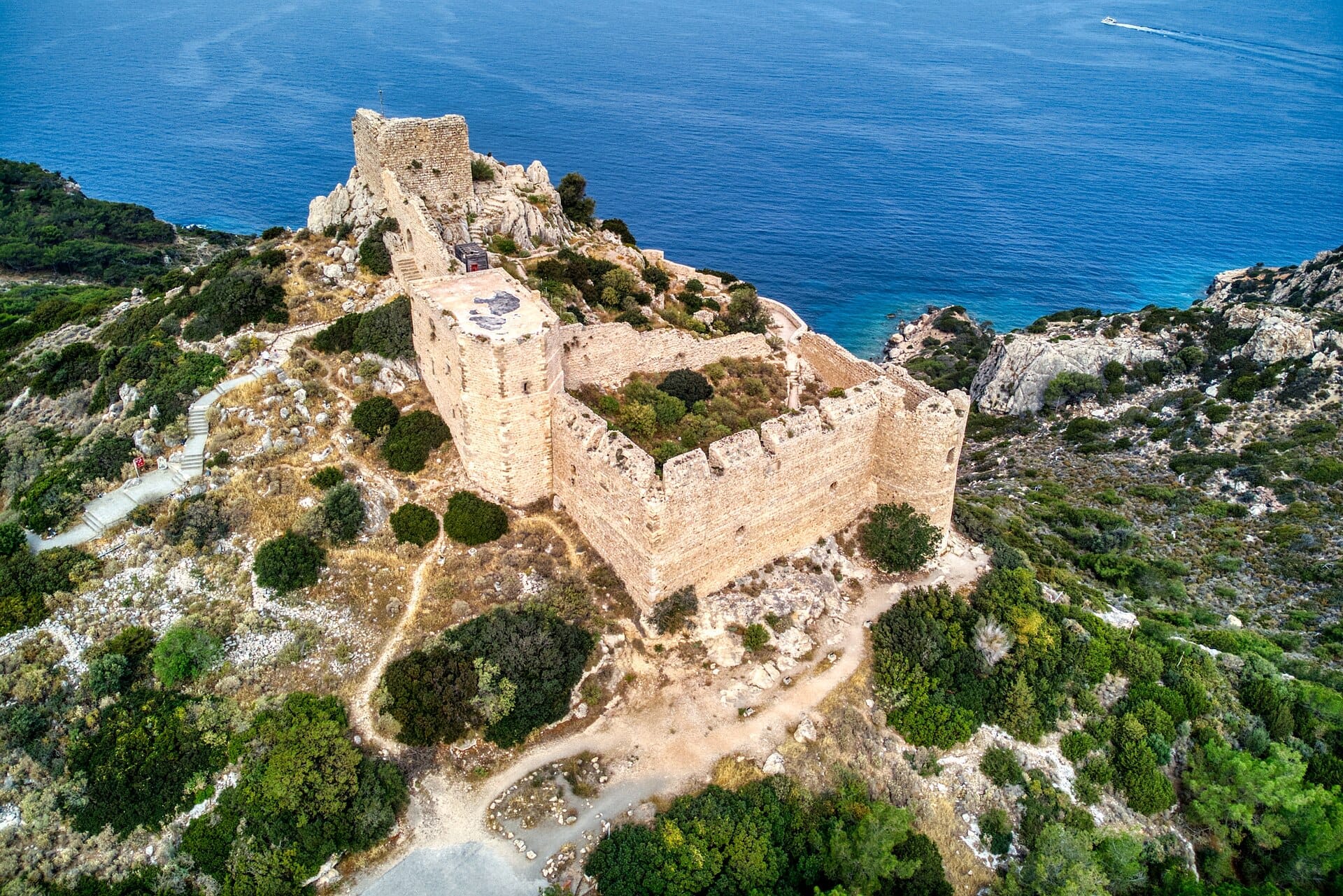
1. Stand Above the Aegean at Kritinia Castle
A ruined Hospitaller castle on a northwest hilltop with sweeping views to the islands of Halki and Alimia. Few tourists make the drive out here, so you often have the crumbling towers and sea panorama entirely to yourself. Go in late afternoon.
Explore1. Stand Above the Aegean at Kritinia Castle
A ruined Hospitaller castle on a northwest hilltop with sweeping views to the islands of Halki and Alimia. Few tourists make the drive out here, so you often have the crumbling towers and sea panorama entirely to yourself. Go in late afternoon.
Explore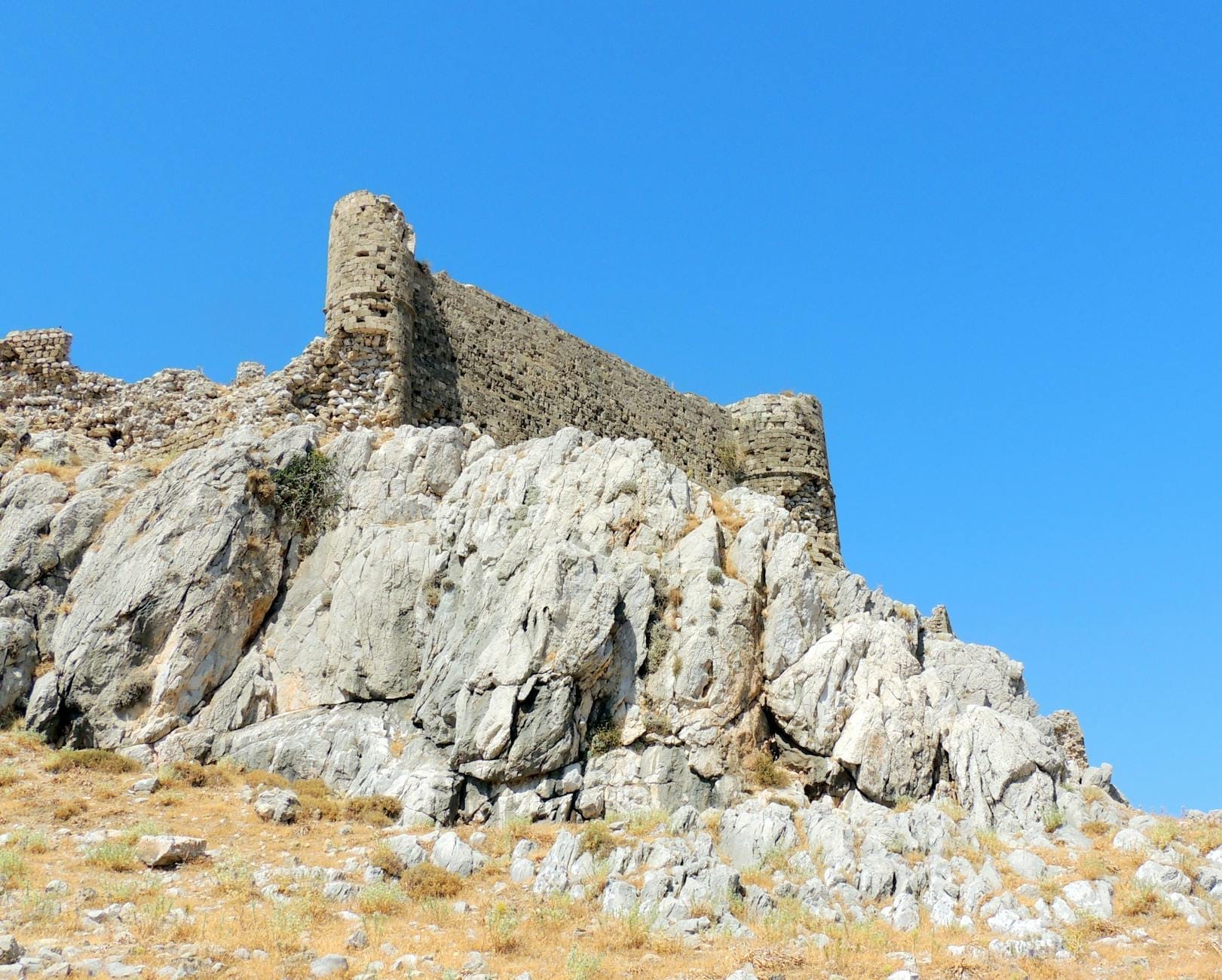
2. Explore the Crowd-Free Castle at Asklipio Village
In the deep south of the island, this well-preserved medieval castle sits above a village with a remarkable Byzantine church full of frescoes and a small folk museum. Almost no tour groups reach here, making it one of the most authentic stops on the island.
Explore2. Explore the Crowd-Free Castle at Asklipio Village
In the deep south of the island, this well-preserved medieval castle sits above a village with a remarkable Byzantine church full of frescoes and a small folk museum. Almost no tour groups reach here, making it one of the most authentic stops on the island.
Explore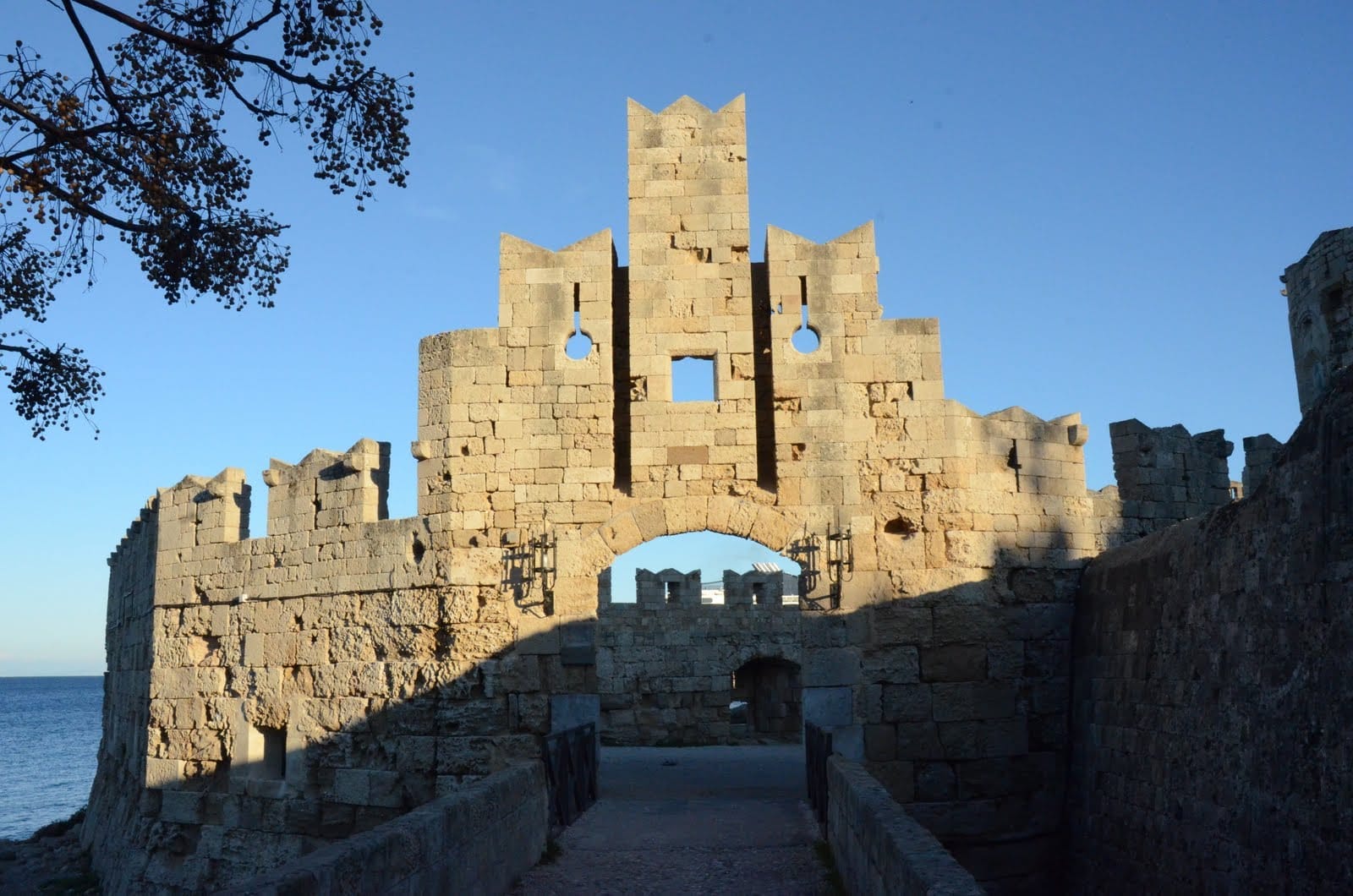
3. Frame the Harbour Through St Paul's Gate
One of the Old Town's most dramatic fortification details, this gate opens directly onto the water and frames a perfect view of medieval walls meeting the sea. Most visitors walk past without stopping. Arrive early morning for clean light and empty cobblestones.
Explore3. Frame the Harbour Through St Paul's Gate
One of the Old Town's most dramatic fortification details, this gate opens directly onto the water and frames a perfect view of medieval walls meeting the sea. Most visitors walk past without stopping. Arrive early morning for clean light and empty cobblestones.
Explore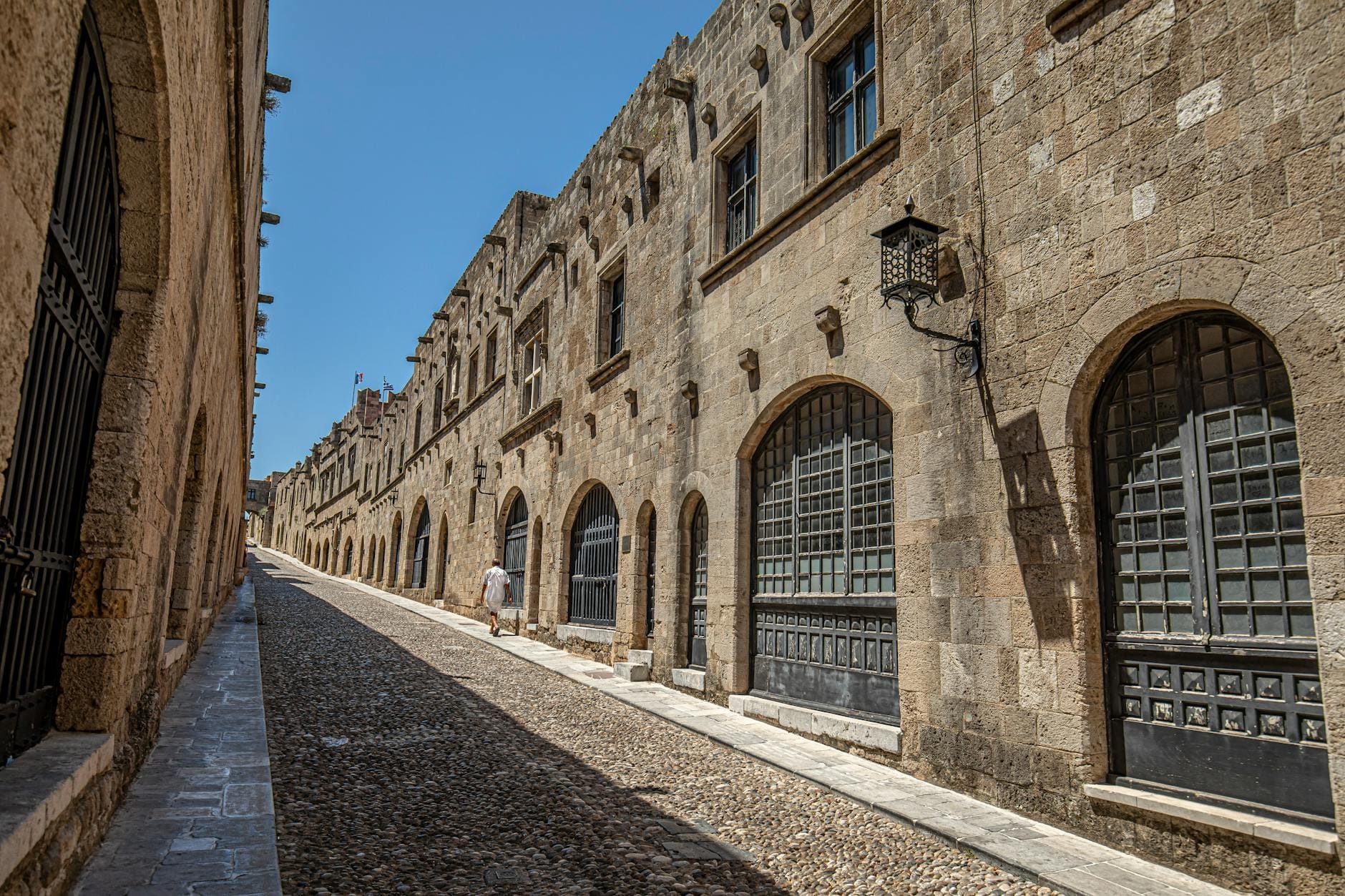
4. Find Gothic Architecture Few Visitors Notice in the Old Town
This 14th-century Gothic hospice for Holy Land pilgrims is one of the finest Hospitaller buildings on the island, yet it sits quietly on a side street that most visitors skip. The carved stonework and arched facade are exceptional. Entry is often free.
Explore4. Find Gothic Architecture Few Visitors Notice in the Old Town
This 14th-century Gothic hospice for Holy Land pilgrims is one of the finest Hospitaller buildings on the island, yet it sits quietly on a side street that most visitors skip. The carved stonework and arched facade are exceptional. Entry is often free.
ExploreNature, Forests & Mountain Escapes
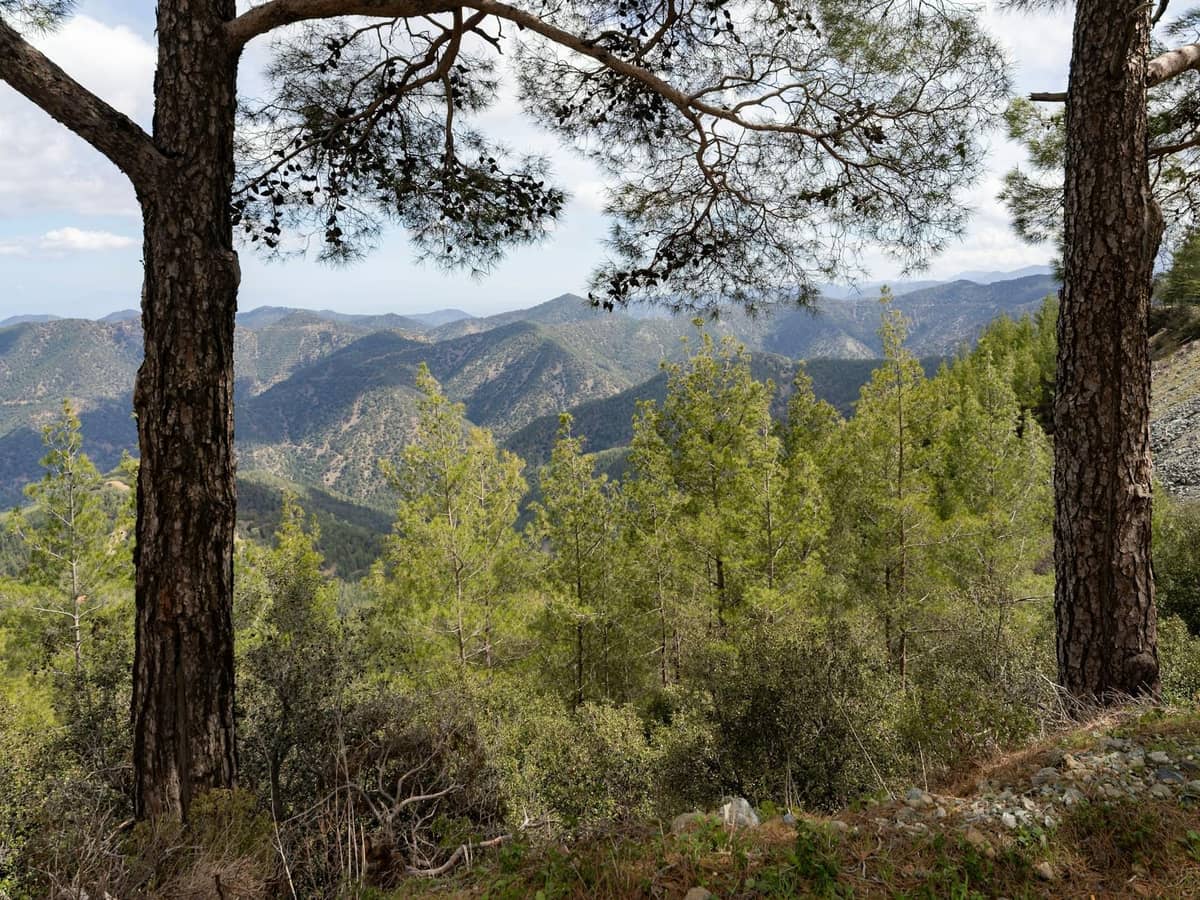
The common assumption that Rhodes is all coast and concrete is completely wrong. The island's interior is covered in pine and oak forest, rising to peaks above 800 metres where temperatures drop noticeably even in August. If the beach crowds are getting to you, these inland escapes offer cool air, shade, and silence. For anyone planning longer stays, the 7-day Rhodes itinerary builds in time for the island's natural interior alongside the headline sites.
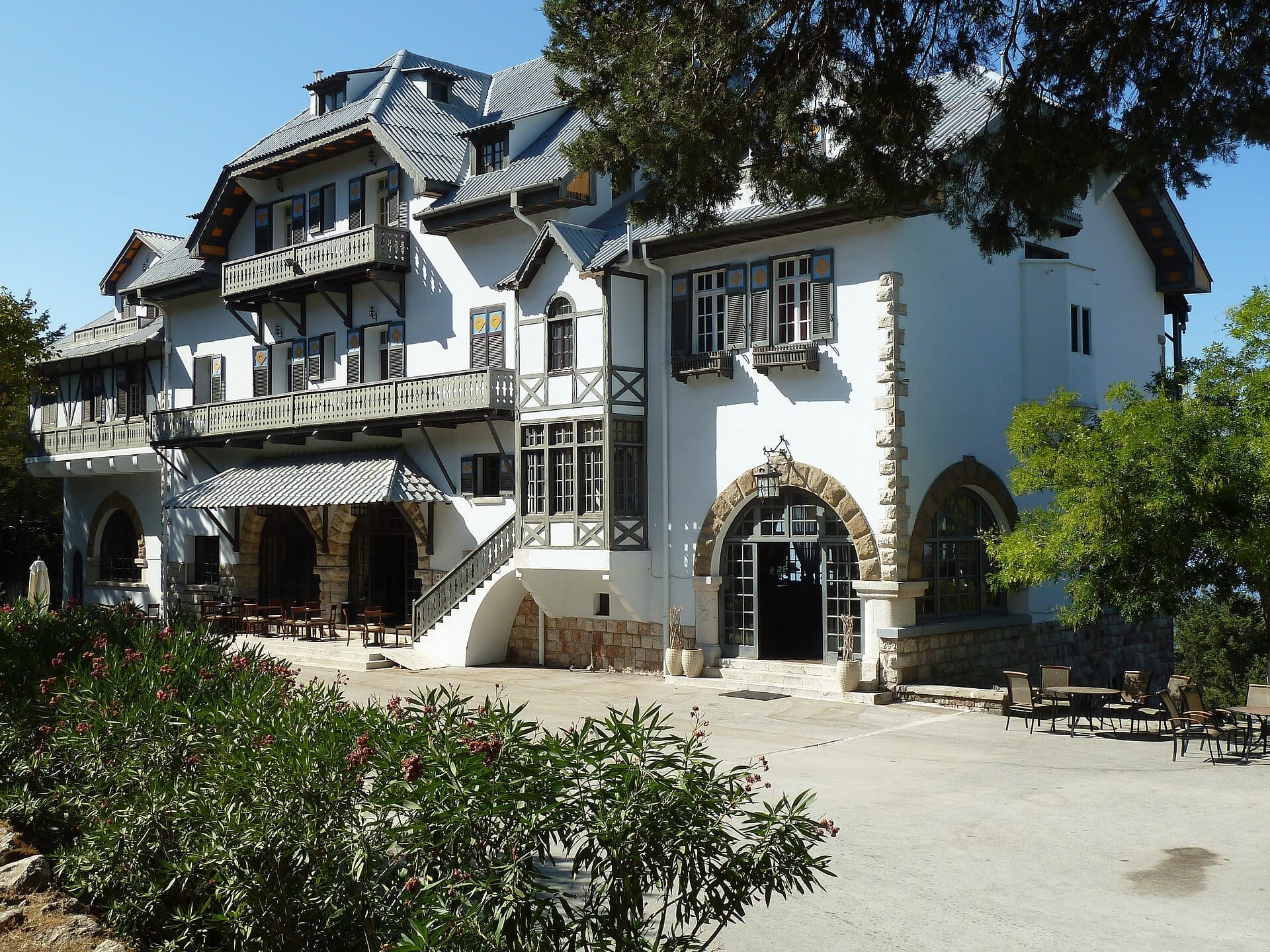
5. Hike Through Pine Forest to the Summit of Profitis Ilias
Rhodes's second-highest peak is covered in cool pine forest and dotted with crumbling 1920s Italian hunting lodges. Temperatures here can be 8-10°C cooler than the coast in July. A small Byzantine church sits at the top, and the forest trails are well-marked for walking.
Explore5. Hike Through Pine Forest to the Summit of Profitis Ilias
Rhodes's second-highest peak is covered in cool pine forest and dotted with crumbling 1920s Italian hunting lodges. Temperatures here can be 8-10°C cooler than the coast in July. A small Byzantine church sits at the top, and the forest trails are well-marked for walking.
Explore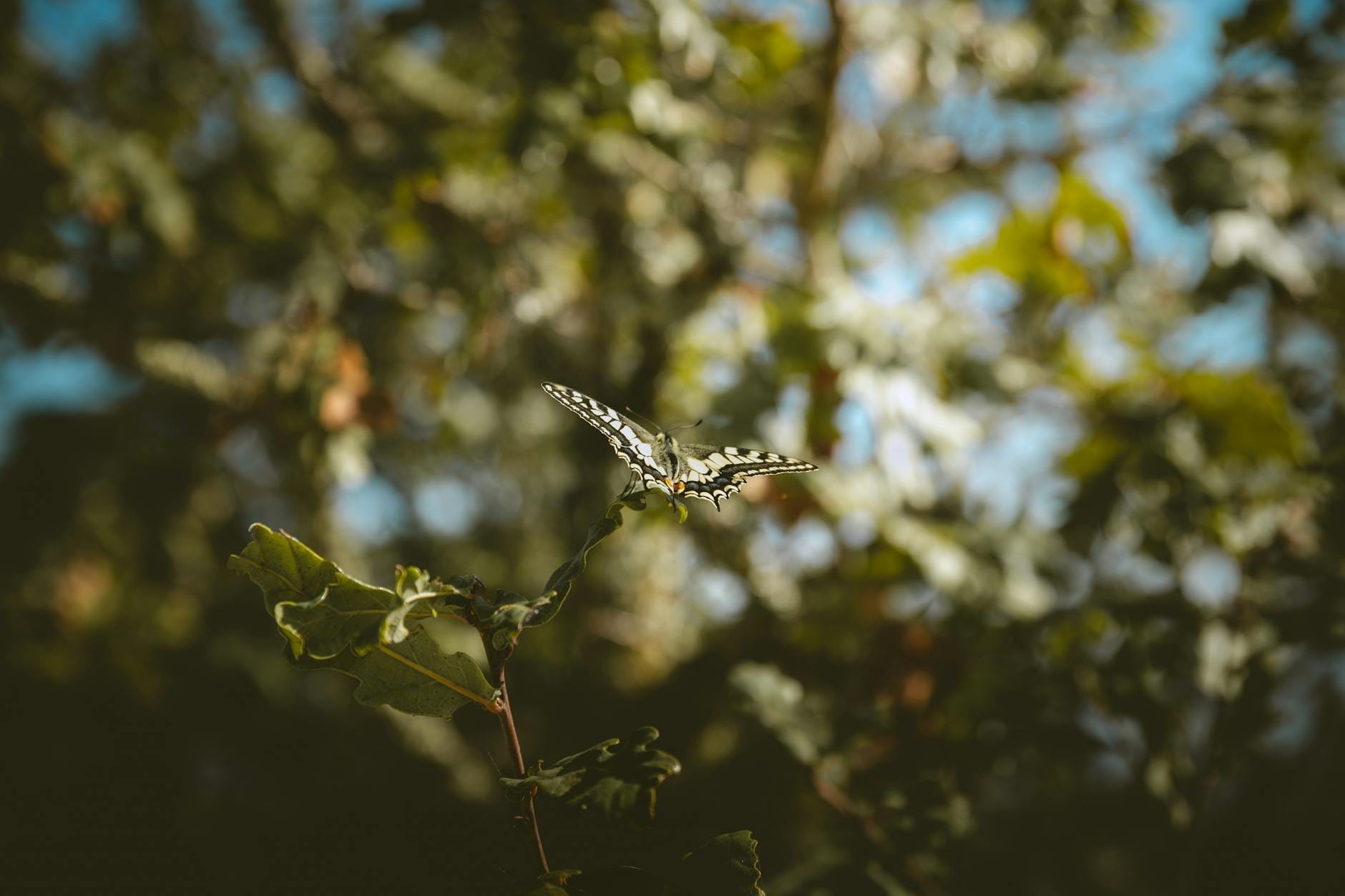
6. Walk Through the Valley of the Butterflies in Summer
Thousands of Jersey tiger moths cluster in this shaded valley from June to September, coating tree trunks and stream-side rocks. Wooden walkways wind through the lush gorge. Arrive early and move quietly; loud noise disturbs the moths and depletes their energy reserves.
Explore6. Walk Through the Valley of the Butterflies in Summer
Thousands of Jersey tiger moths cluster in this shaded valley from June to September, coating tree trunks and stream-side rocks. Wooden walkways wind through the lush gorge. Arrive early and move quietly; loud noise disturbs the moths and depletes their energy reserves.
Explore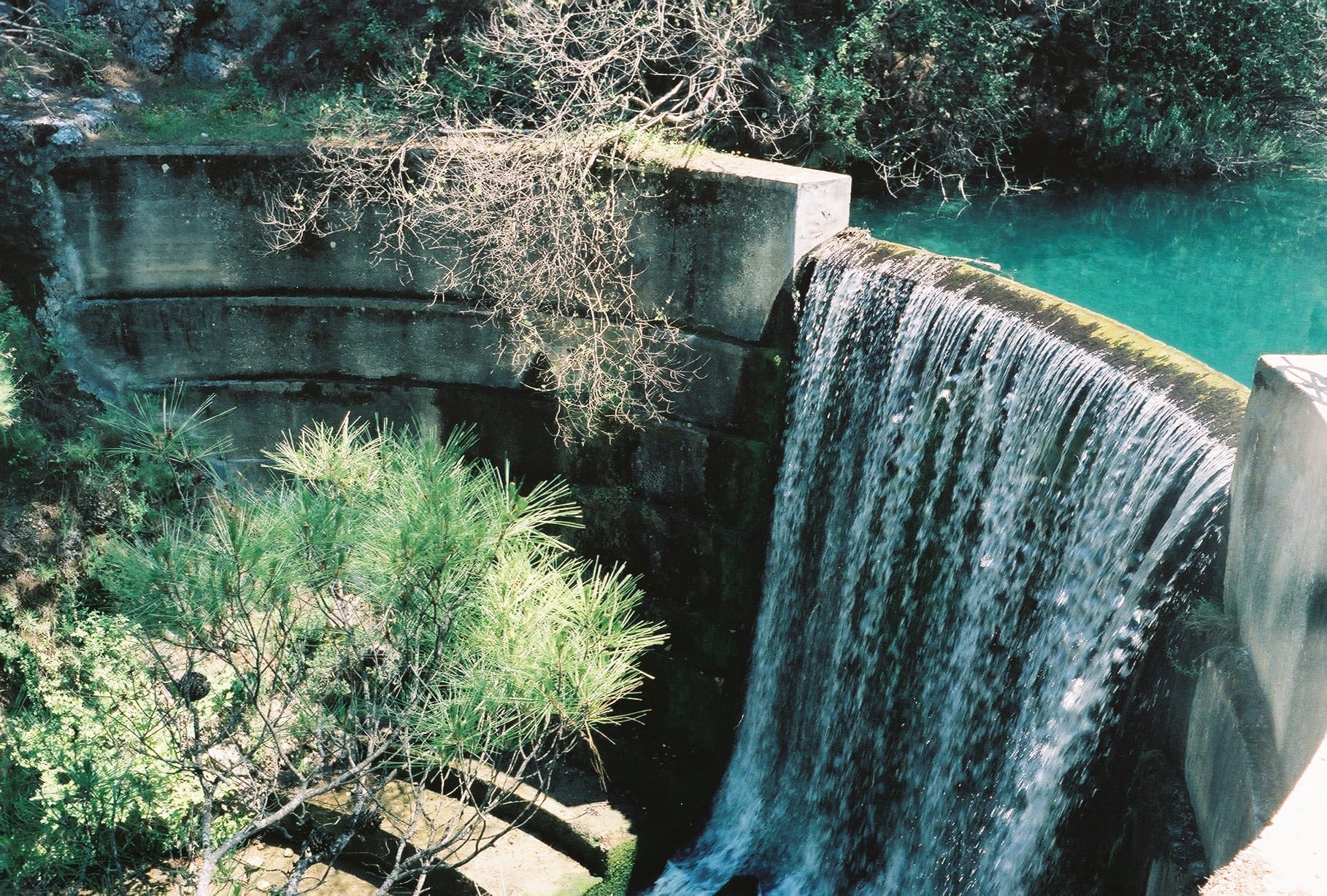
7. Crawl Through the Aqueduct Tunnel at Seven Springs
The main draw here is a narrow, ankle-deep tunnel through a stone aqueduct that opens onto a shaded lake. It is genuinely adventurous: pitch dark in the middle and about 180 metres long. The surrounding forest, with peacocks roaming freely, is worth the detour alone.
Explore7. Crawl Through the Aqueduct Tunnel at Seven Springs
The main draw here is a narrow, ankle-deep tunnel through a stone aqueduct that opens onto a shaded lake. It is genuinely adventurous: pitch dark in the middle and about 180 metres long. The surrounding forest, with peacocks roaming freely, is worth the detour alone.
Explore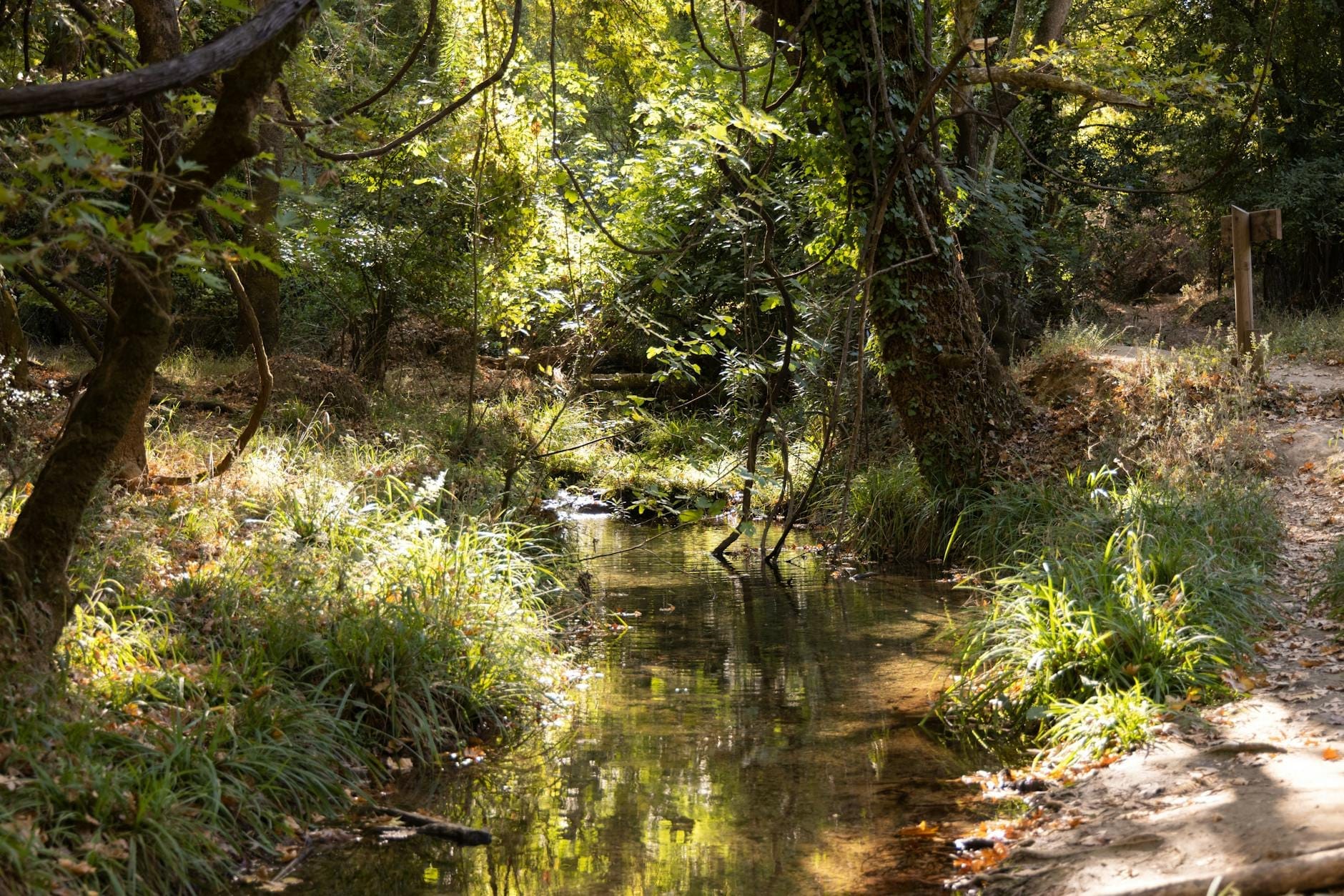
8. Find Ancient Tombs in Rhodes Town's Oldest Park
Claimed to be one of the oldest landscaped parks in the world, Rodini has rock-cut Hellenistic tombs, a stream lined with oleanders, and wandering peacocks. It sits on the edge of Rhodes Town and almost no tourists find it. Free entry and genuinely peaceful, even in peak season.
Explore8. Find Ancient Tombs in Rhodes Town's Oldest Park
Claimed to be one of the oldest landscaped parks in the world, Rodini has rock-cut Hellenistic tombs, a stream lined with oleanders, and wandering peacocks. It sits on the edge of Rhodes Town and almost no tourists find it. Free entry and genuinely peaceful, even in peak season.
ExploreByzantine Churches & Ottoman Relics
Rhodes spent four centuries under Ottoman rule, and that layer of history sits on top of medieval Christian architecture in ways that are unique in Greece. In the Old Town and scattered across the island's interior, you find mosques, hammams, and Byzantine frescoes that most visitors completely overlook.
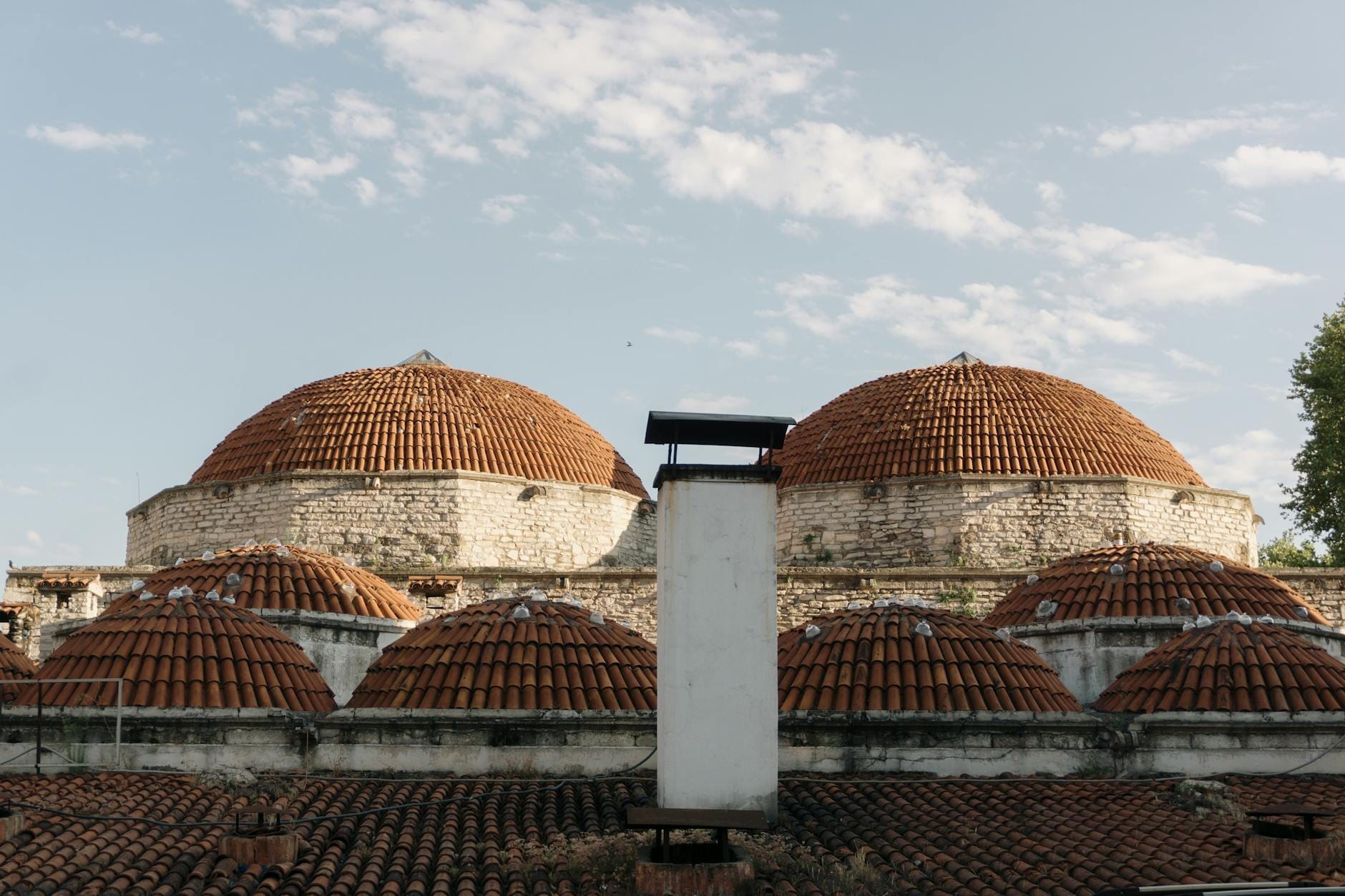
9. Bathe in a 15th-Century Ottoman Hammam in the Old Town
One of the very few functioning Ottoman hammams left in Greece, this beautifully preserved building in the Old Town offers actual bathing sessions in marble-lined rooms. It is genuine, not a tourist recreation. Check seasonal opening days before you go, as hours are limited.
Explore9. Bathe in a 15th-Century Ottoman Hammam in the Old Town
One of the very few functioning Ottoman hammams left in Greece, this beautifully preserved building in the Old Town offers actual bathing sessions in marble-lined rooms. It is genuine, not a tourist recreation. Check seasonal opening days before you go, as hours are limited.
Explore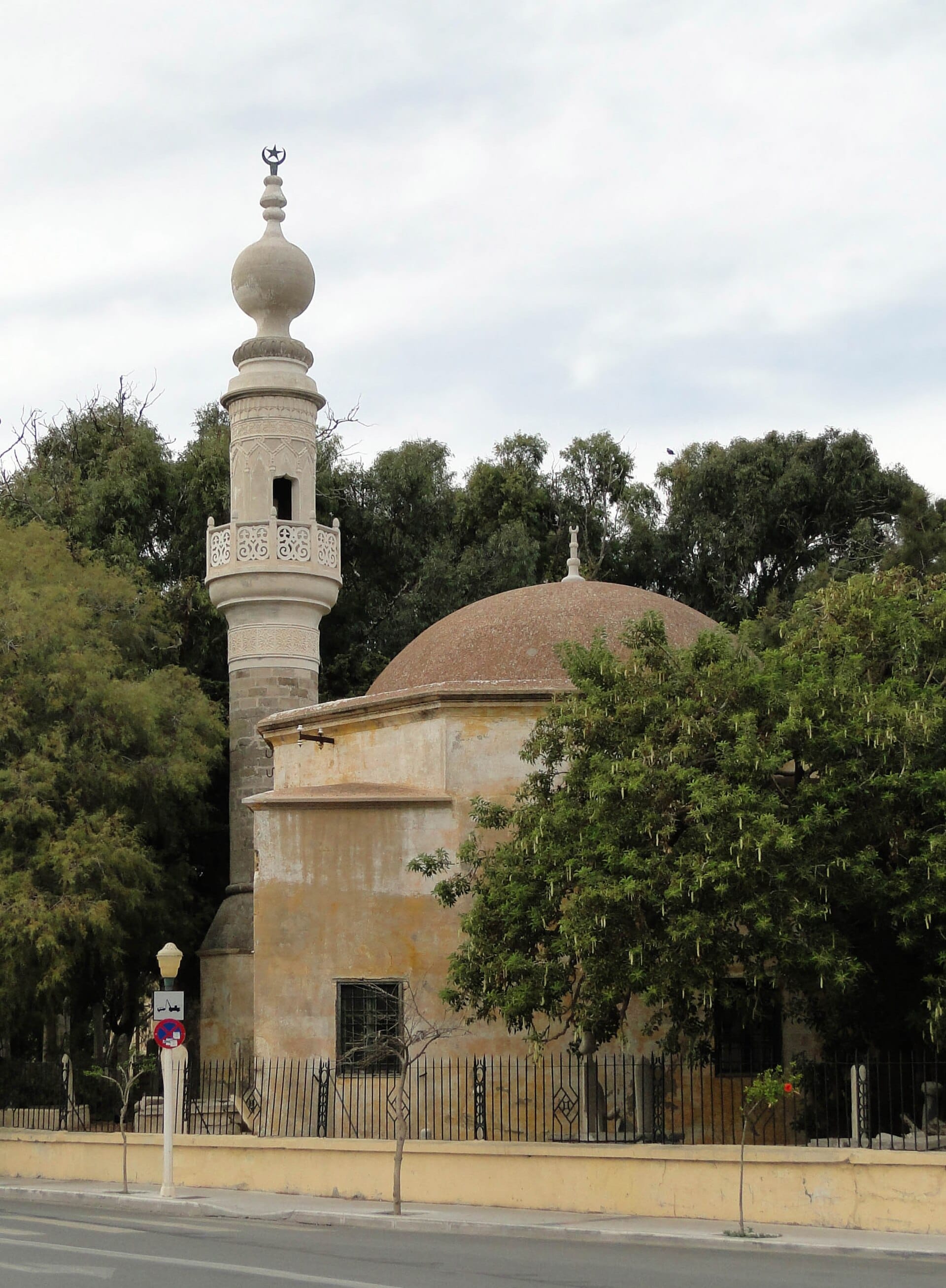
10. Step Into the Tranquil Garden Cemetery of Murad Reis Mosque
A walled garden in the New Town holds this elegant Ottoman mosque and a cemetery of elaborately carved Turkish tombstones, some belonging to Ottoman admirals. It is quiet, shaded, and almost entirely overlooked by passing tourists. A five-minute stop that feels like stepping into another century.
Explore10. Step Into the Tranquil Garden Cemetery of Murad Reis Mosque
A walled garden in the New Town holds this elegant Ottoman mosque and a cemetery of elaborately carved Turkish tombstones, some belonging to Ottoman admirals. It is quiet, shaded, and almost entirely overlooked by passing tourists. A five-minute stop that feels like stepping into another century.
Explore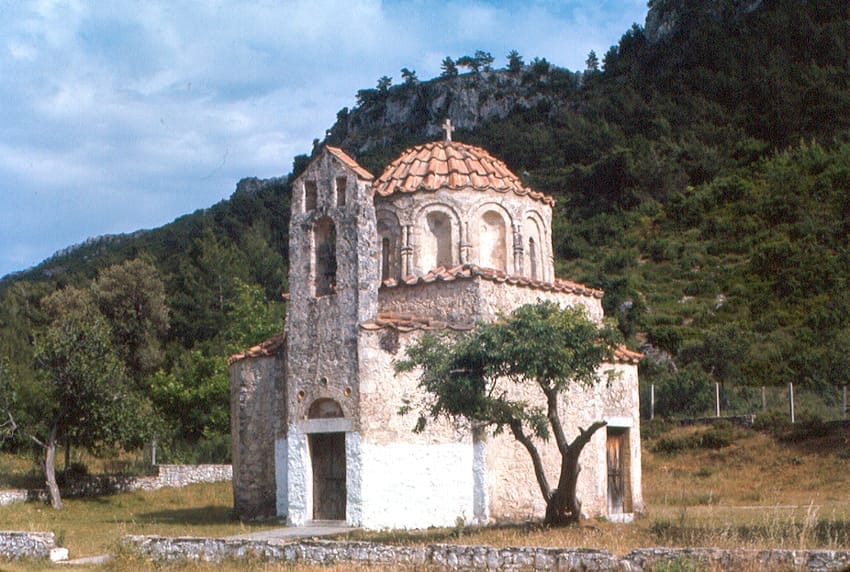
11. Seek Out the Frescoed Monastery of Fountoukli in the Forest
Deep in the forested interior near Eleousa, this remote Byzantine church is covered in vivid medieval frescoes that have survived for centuries. The drive through pine-covered hills is half the experience. Wear modest dress; it is an active religious site and entry is respectful, not ticketed.
Explore11. Seek Out the Frescoed Monastery of Fountoukli in the Forest
Deep in the forested interior near Eleousa, this remote Byzantine church is covered in vivid medieval frescoes that have survived for centuries. The drive through pine-covered hills is half the experience. Wear modest dress; it is an active religious site and entry is respectful, not ticketed.
Explore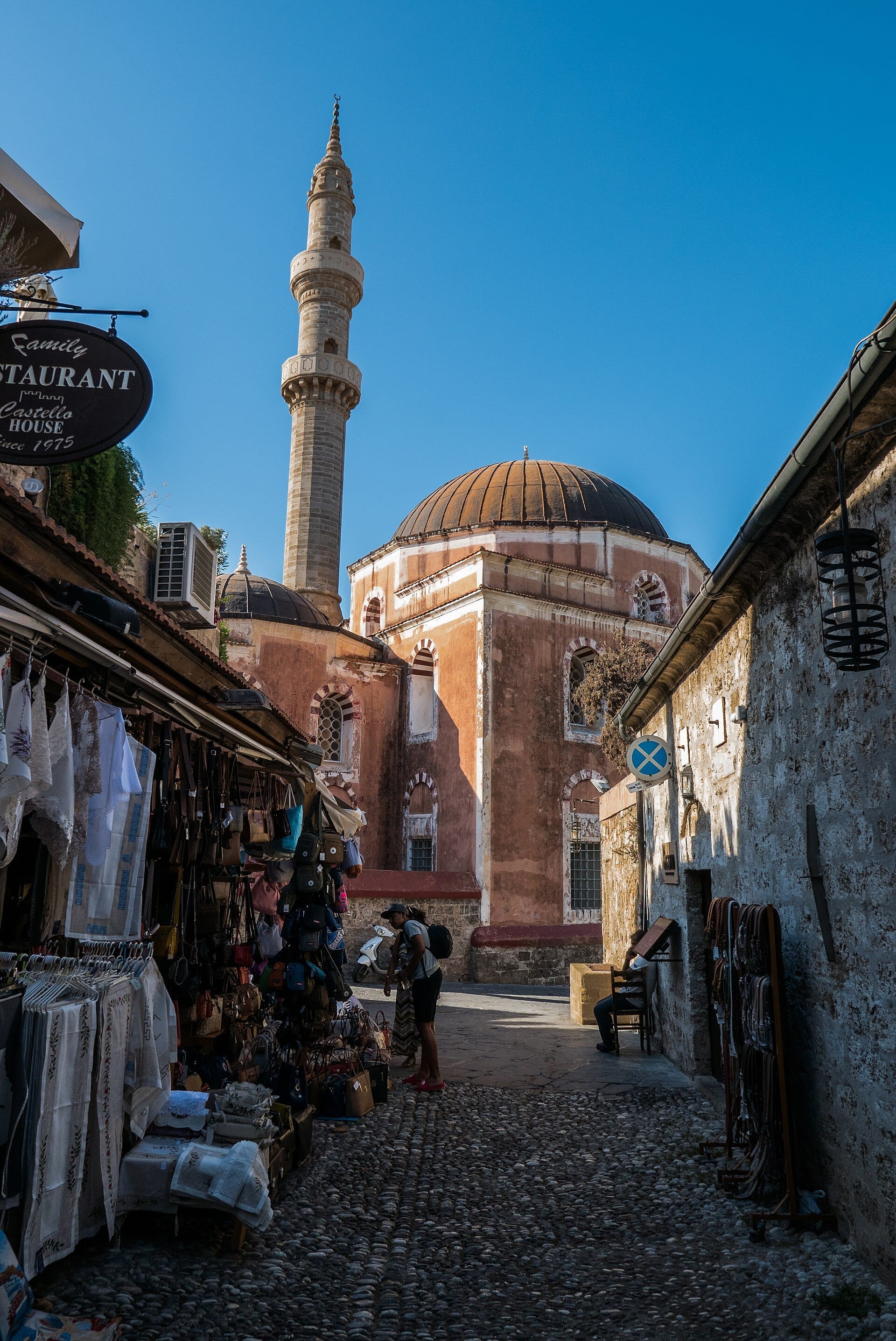
12. Look Up at the Pink Mosque at the Top of Socrates Street
The coral-pink Ottoman mosque at the end of the Old Town's main shopping street is one of the most photographed landmarks in Rhodes, yet visitors rarely pause to learn its story. Built in 1522 to mark the Ottoman conquest, it is a striking piece of living history in a well-trodden street.
Explore12. Look Up at the Pink Mosque at the Top of Socrates Street
The coral-pink Ottoman mosque at the end of the Old Town's main shopping street is one of the most photographed landmarks in Rhodes, yet visitors rarely pause to learn its story. Built in 1522 to mark the Ottoman conquest, it is a striking piece of living history in a well-trodden street.
ExploreQuieter Beaches & Hidden Coastal Spots
Rhodes has some of the best beaches in Greece, but the best-known ones get very crowded from late June through August. The island's coastline is long enough that there are still stretches of sand and rocky coves where a sun lounger is not mandatory and the water is just as clear. For a broader look at where to swim, the best beaches in Rhodes guide covers both the famous and the less obvious options.
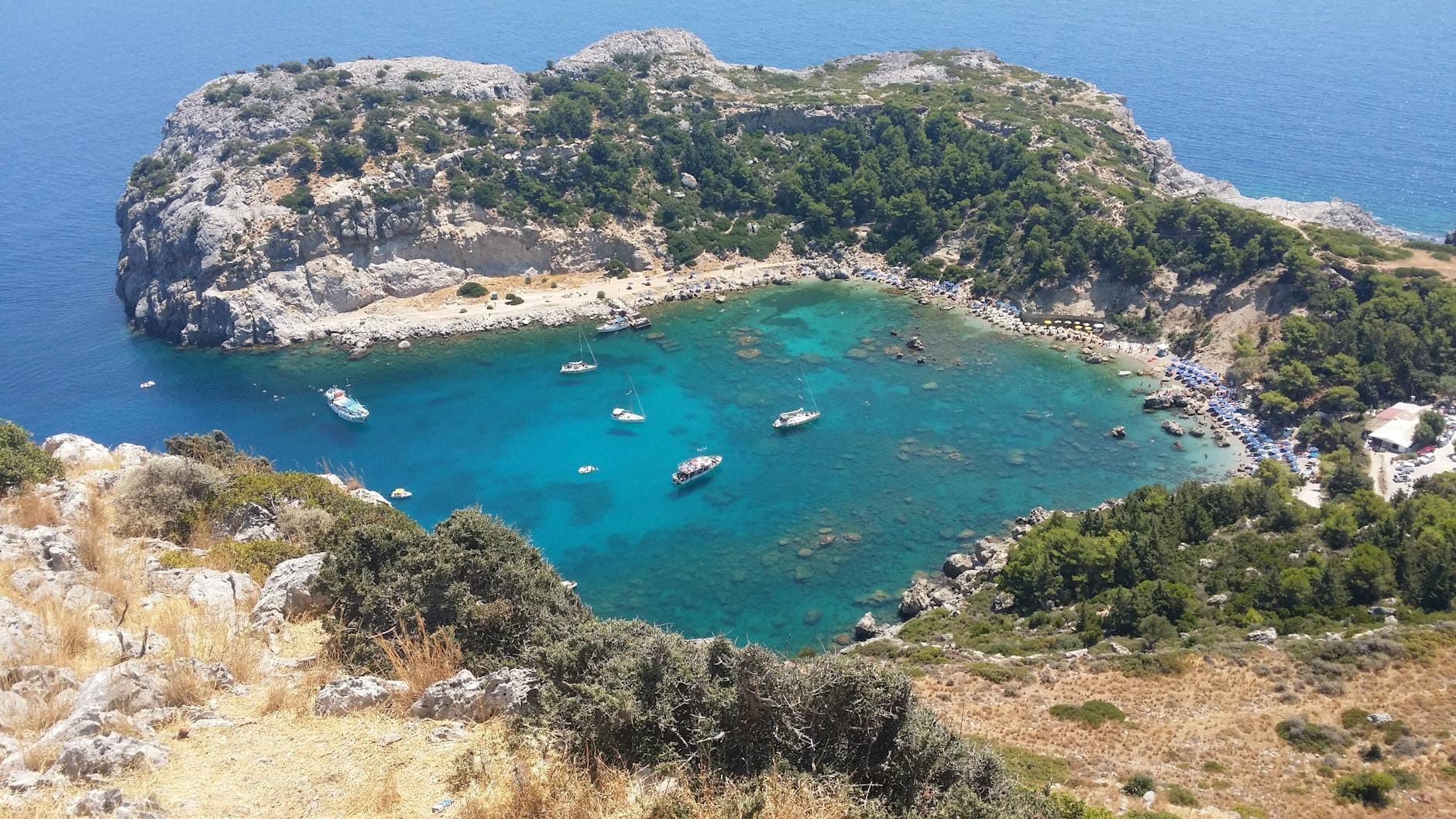
13. Snorkel in the Rocky Cove That Captivated a Hollywood Star
Named after the actor who filmed here in 1961 and reportedly tried to buy the bay, this rocky inlet near Faliraki has some of the best snorkelling on the island. The water is exceptionally clear and the rock formations dramatic. It gets busy midday but is calm in early morning.
Explore13. Snorkel in the Rocky Cove That Captivated a Hollywood Star
Named after the actor who filmed here in 1961 and reportedly tried to buy the bay, this rocky inlet near Faliraki has some of the best snorkelling on the island. The water is exceptionally clear and the rock formations dramatic. It gets busy midday but is calm in early morning.
Explore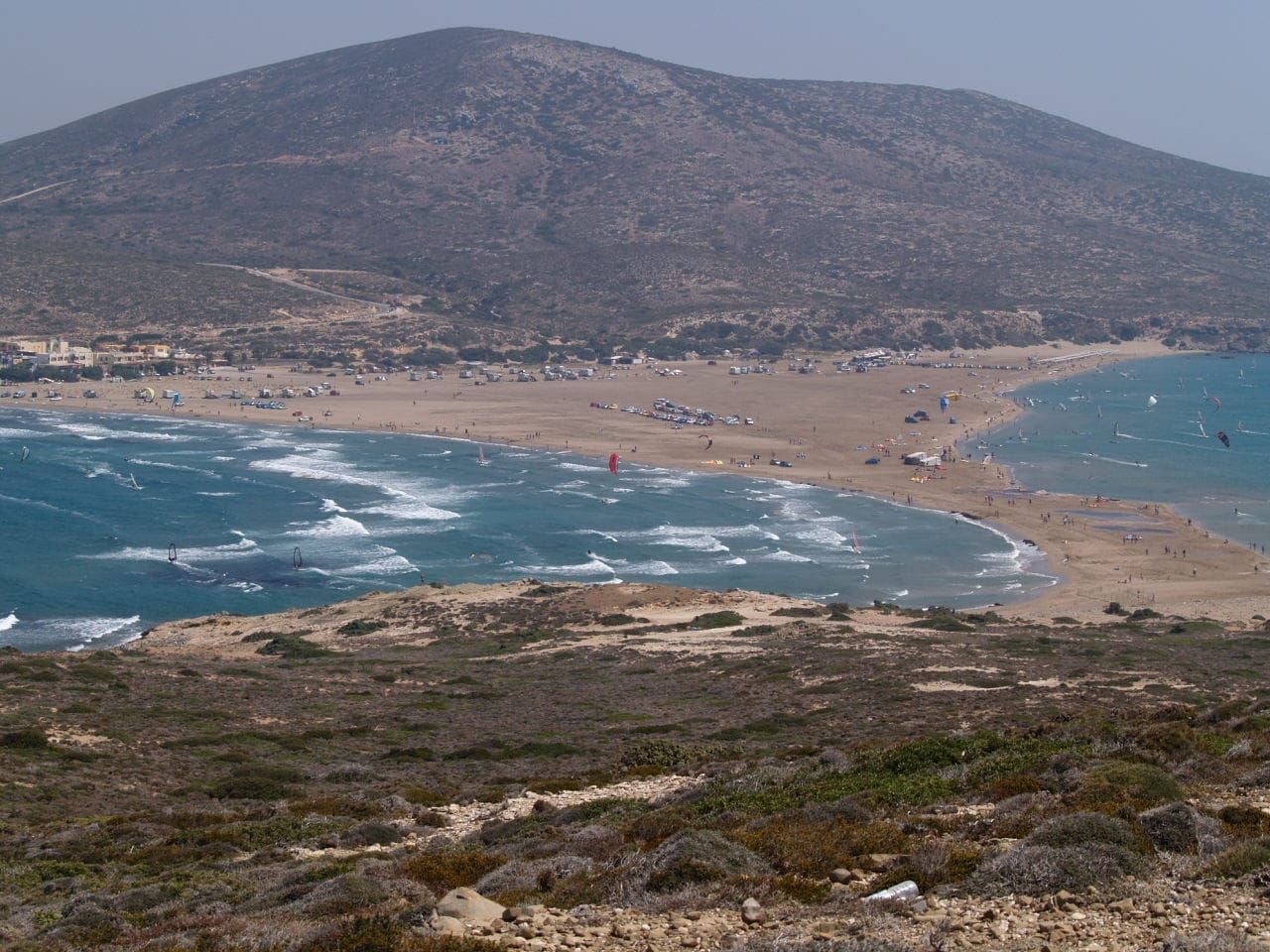
14. Find Two Seas at Prasonisi, Rhodes's Southernmost Point
At the very tip of Rhodes, a sandy isthmus splits the rough Aegean from the calmer Mediterranean, giving you two completely different sea conditions side by side. Windsurfers use the choppy side; swimmers use the calm. The drive south through empty landscape is striking in itself.
Explore14. Find Two Seas at Prasonisi, Rhodes's Southernmost Point
At the very tip of Rhodes, a sandy isthmus splits the rough Aegean from the calmer Mediterranean, giving you two completely different sea conditions side by side. Windsurfers use the choppy side; swimmers use the calm. The drive south through empty landscape is striking in itself.
Explore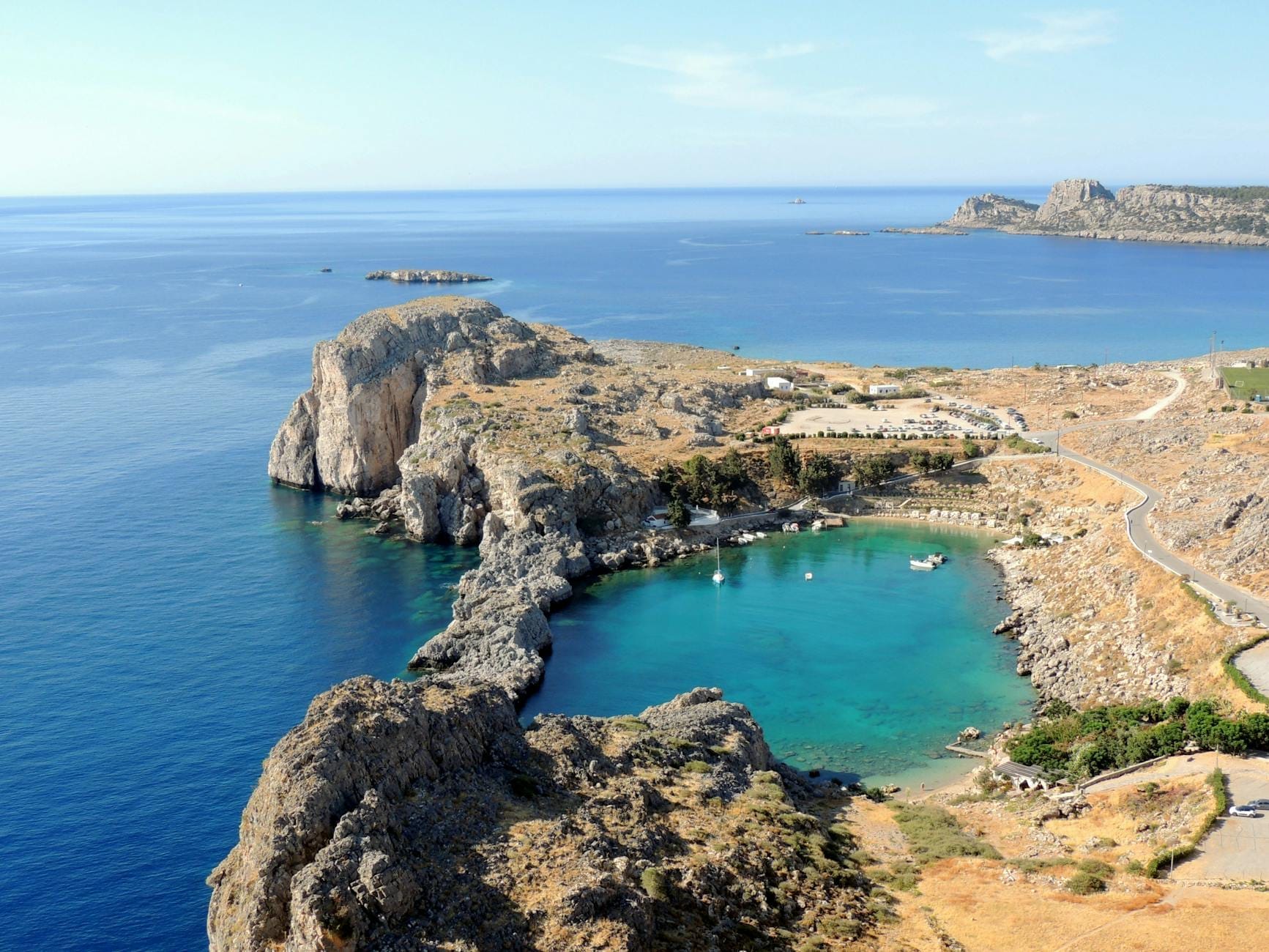
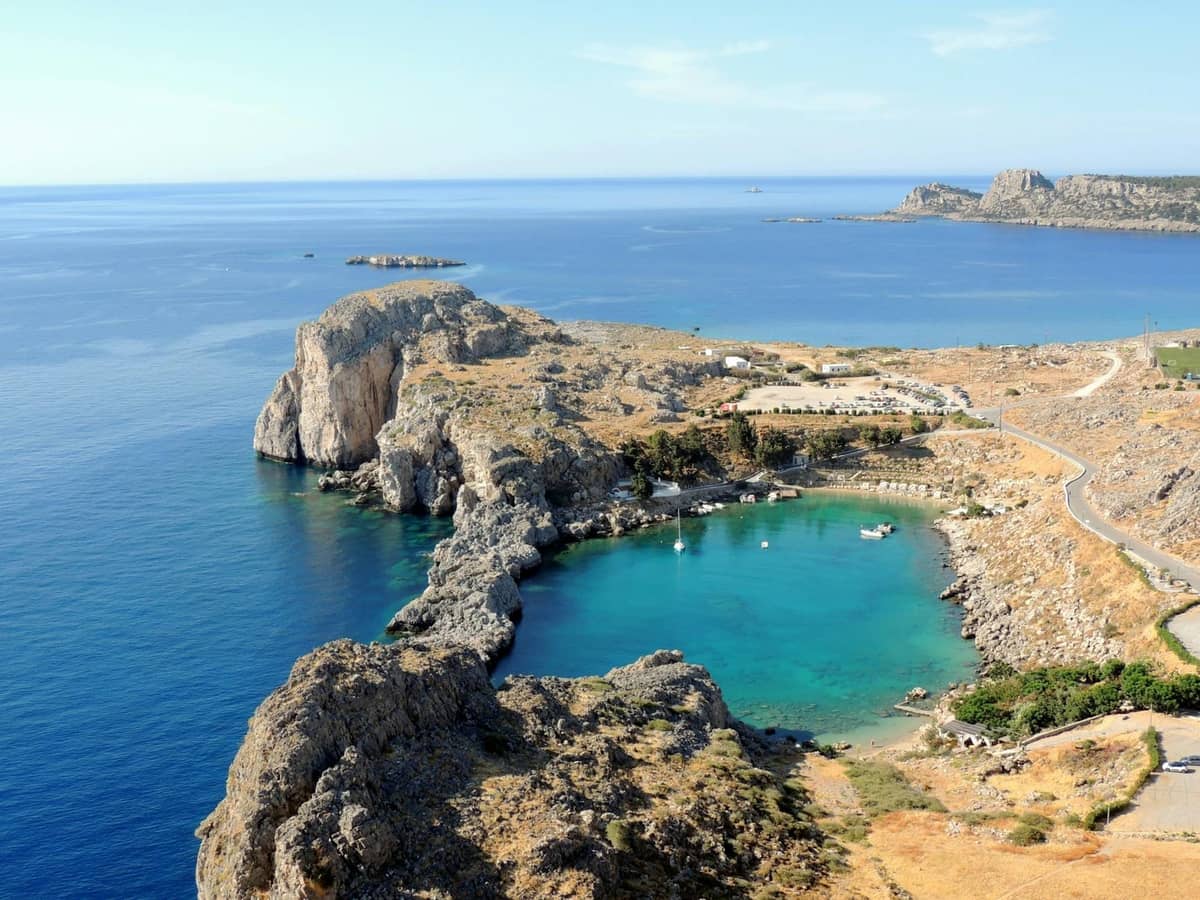
15. Swim in the Almost Circular Bay Below the Lindos Acropolis
Saint Paul's Bay is a near-perfect turquoise circle cut into the cliffs below Lindos, traditionally where the Apostle Paul landed en route to Rome. It is smaller and more intimate than Lindos Beach and sits in the shadow of the acropolis cliffs. Arrive before 10am for a quieter experience.
Explore15. Swim in the Almost Circular Bay Below the Lindos Acropolis
Saint Paul's Bay is a near-perfect turquoise circle cut into the cliffs below Lindos, traditionally where the Apostle Paul landed en route to Rome. It is smaller and more intimate than Lindos Beach and sits in the shadow of the acropolis cliffs. Arrive before 10am for a quieter experience.
Explore
16. Escape the Lindos Crowds at Pine-Scented Pefkos Beach
Just 5 km south of Lindos, Pefkos is sandy, less developed, and backed by the pine trees that give it its name. The water is calm and clear, the tavernas are relaxed, and the atmosphere is noticeably quieter. A practical alternative if Lindos Beach feels too hectic in July or August.
Explore16. Escape the Lindos Crowds at Pine-Scented Pefkos Beach
Just 5 km south of Lindos, Pefkos is sandy, less developed, and backed by the pine trees that give it its name. The water is calm and clear, the tavernas are relaxed, and the atmosphere is noticeably quieter. A practical alternative if Lindos Beach feels too hectic in July or August.
ExploreOverlooked History & Architecture
Beyond the Palace of the Grand Master and the Street of the Knights, Rhodes has layers of history that rarely make it into the highlights reel. Ancient stadiums, Art Deco thermal spas, and a hilltop monastery with views over the whole eastern coast all sit waiting for anyone willing to look a little further. The Rhodes Old Town walking tour picks up several of these overlooked spots within the medieval walls.
17. Walk the Track of a Near-Intact Ancient Greek Stadium
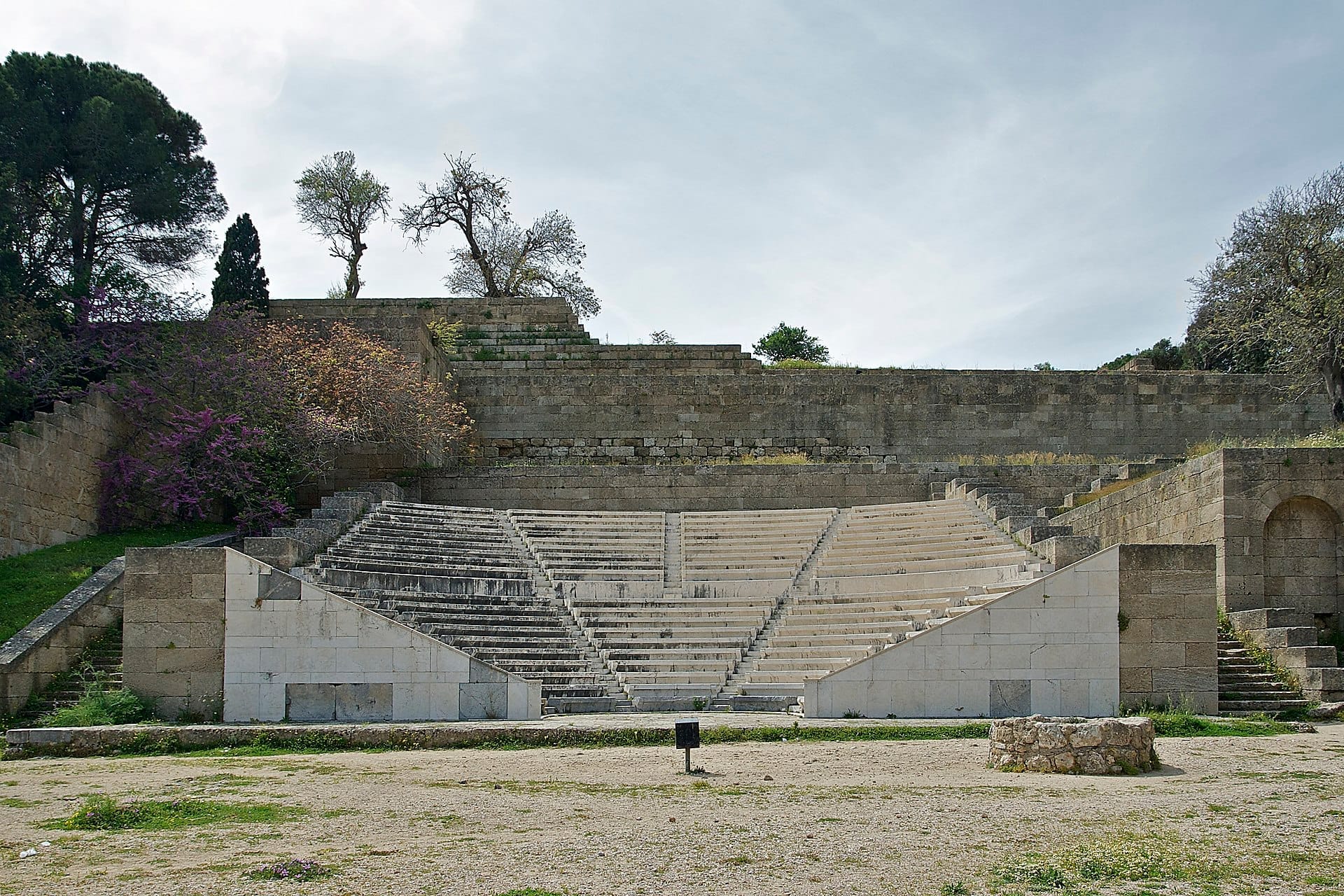
The 2nd-century BC stadium on Monte Smith Hill is one of the best-preserved in Greece and almost completely free of crowds. You can walk the track, sit in the original stone seating, and look out over Rhodes Town below. It takes 20 minutes and costs nothing. Almost no one goes.
Explore17. Walk the Track of a Near-Intact Ancient Greek Stadium
The 2nd-century BC stadium on Monte Smith Hill is one of the best-preserved in Greece and almost completely free of crowds. You can walk the track, sit in the original stone seating, and look out over Rhodes Town below. It takes 20 minutes and costs nothing. Almost no one goes.
Explore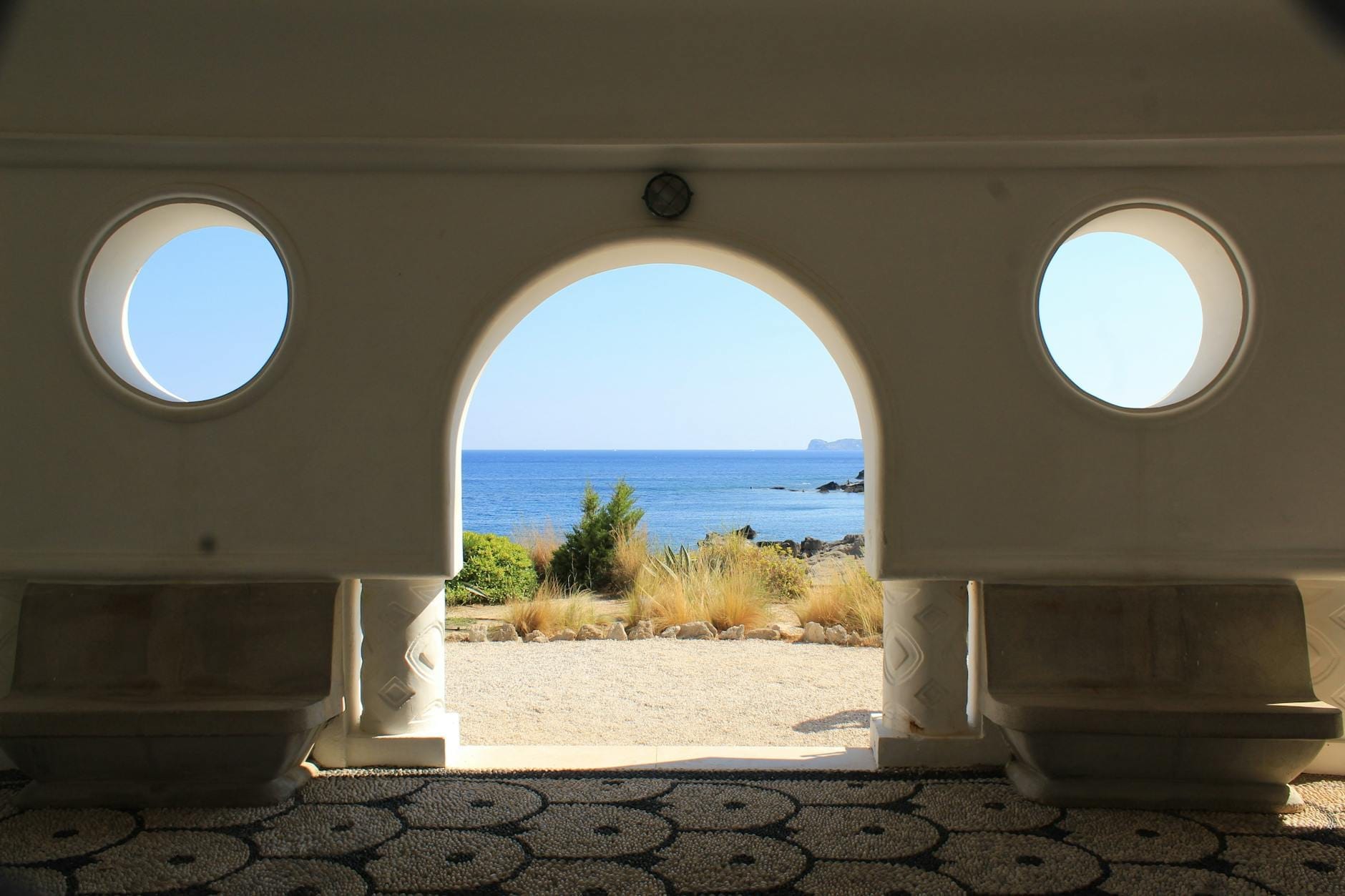
18. Photograph the Art Deco Spa Complex at Kallithea Springs
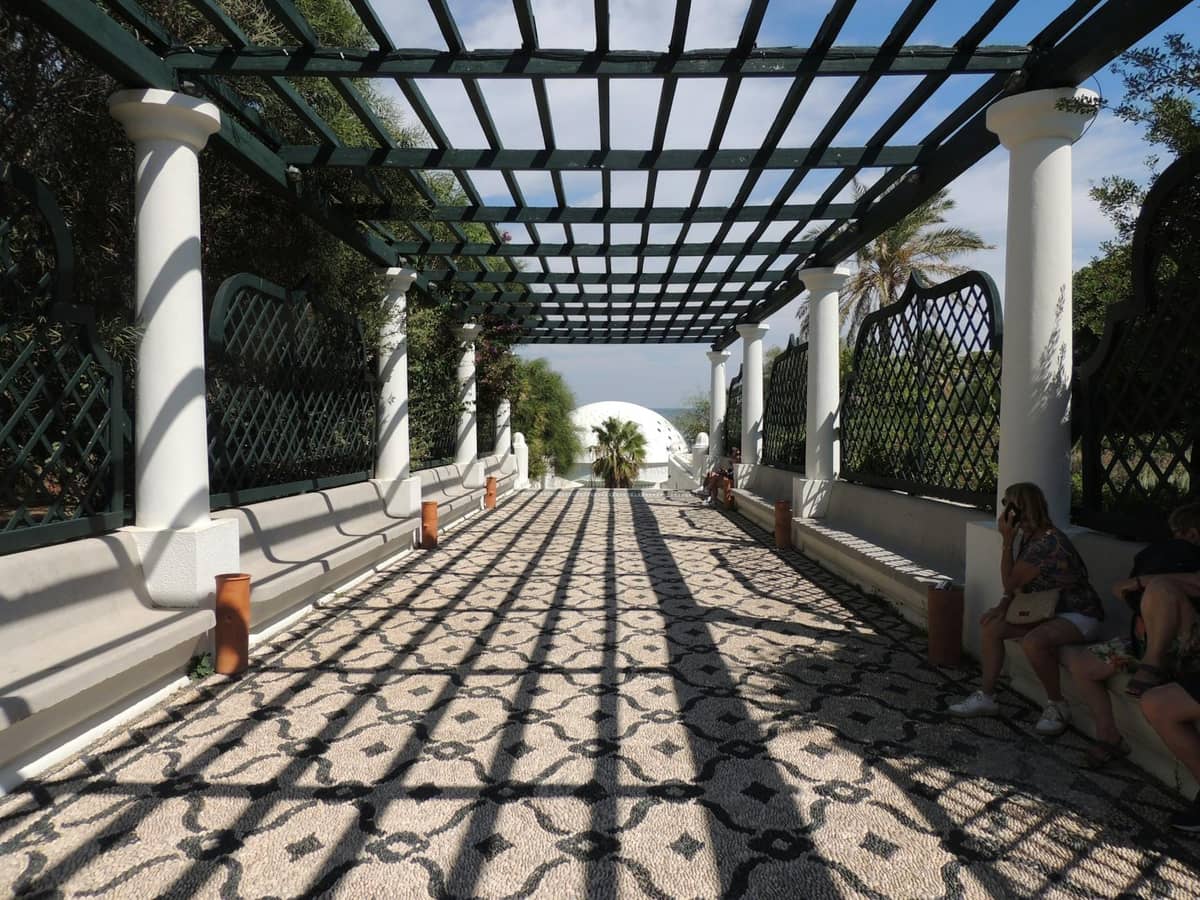
Built by the Italians in the 1920s as a thermal spa, Kallithea is a riot of Moorish arches, mosaic floors, and dome-topped rotundas set in a palm-lined garden by the sea. It is genuinely photogenic and less visited than its quality deserves. There is also a small shingle beach below the terraces.
Explore18. Photograph the Art Deco Spa Complex at Kallithea Springs
Built by the Italians in the 1920s as a thermal spa, Kallithea is a riot of Moorish arches, mosaic floors, and dome-topped rotundas set in a palm-lined garden by the sea. It is genuinely photogenic and less visited than its quality deserves. There is also a small shingle beach below the terraces.
Explore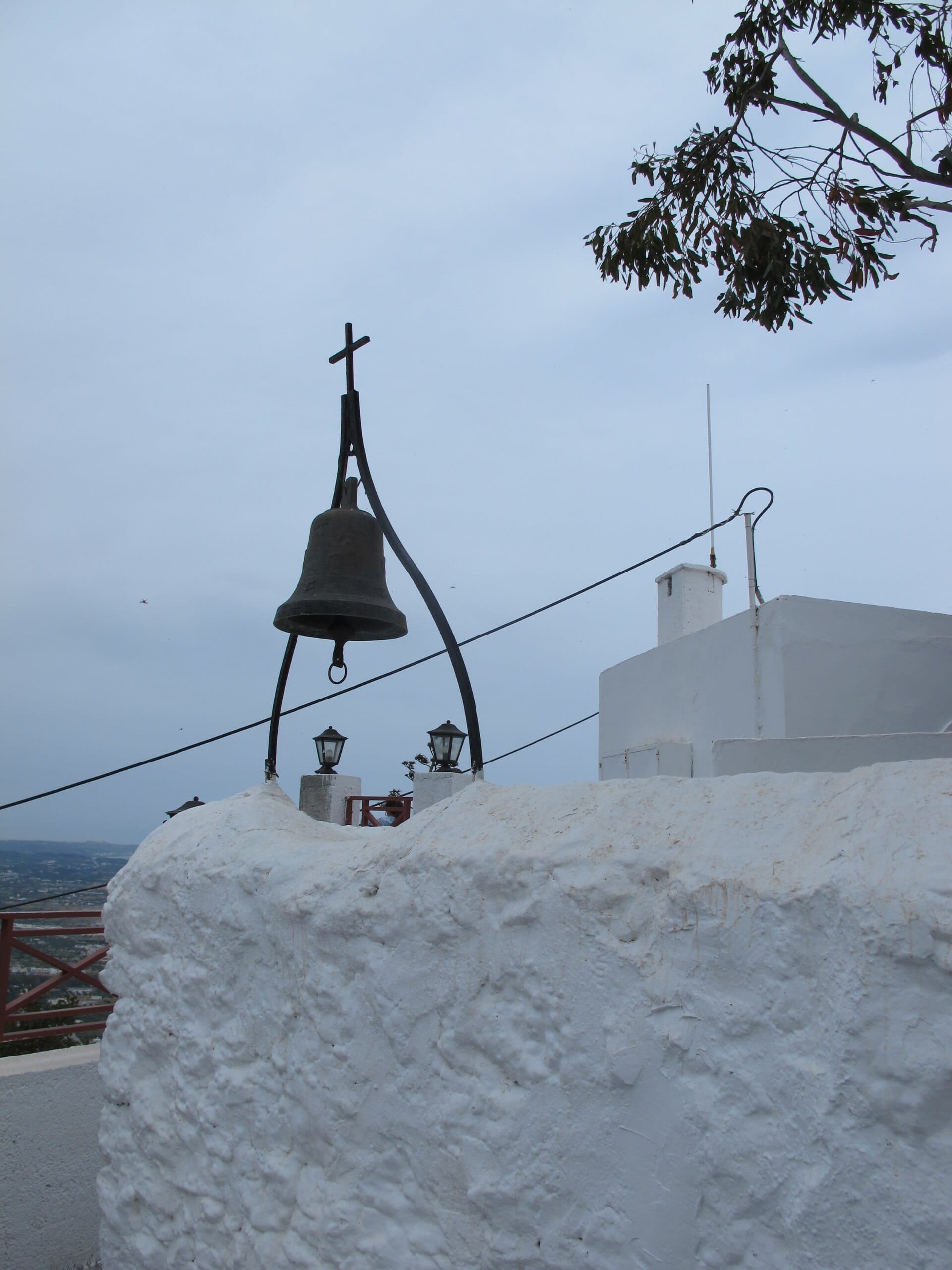
19. Climb to the Hilltop Monastery Above Tsambika Beach
While everyone heads to Tsambika Beach below, almost no one climbs the 300-metre hill to the Byzantine monastery above it. The views along the eastern coastline from the top are some of the best on the island. The path is steep and stone-paved; wear proper shoes and carry water.
Explore19. Climb to the Hilltop Monastery Above Tsambika Beach
While everyone heads to Tsambika Beach below, almost no one climbs the 300-metre hill to the Byzantine monastery above it. The views along the eastern coastline from the top are some of the best on the island. The path is steep and stone-paved; wear proper shoes and carry water.
Explore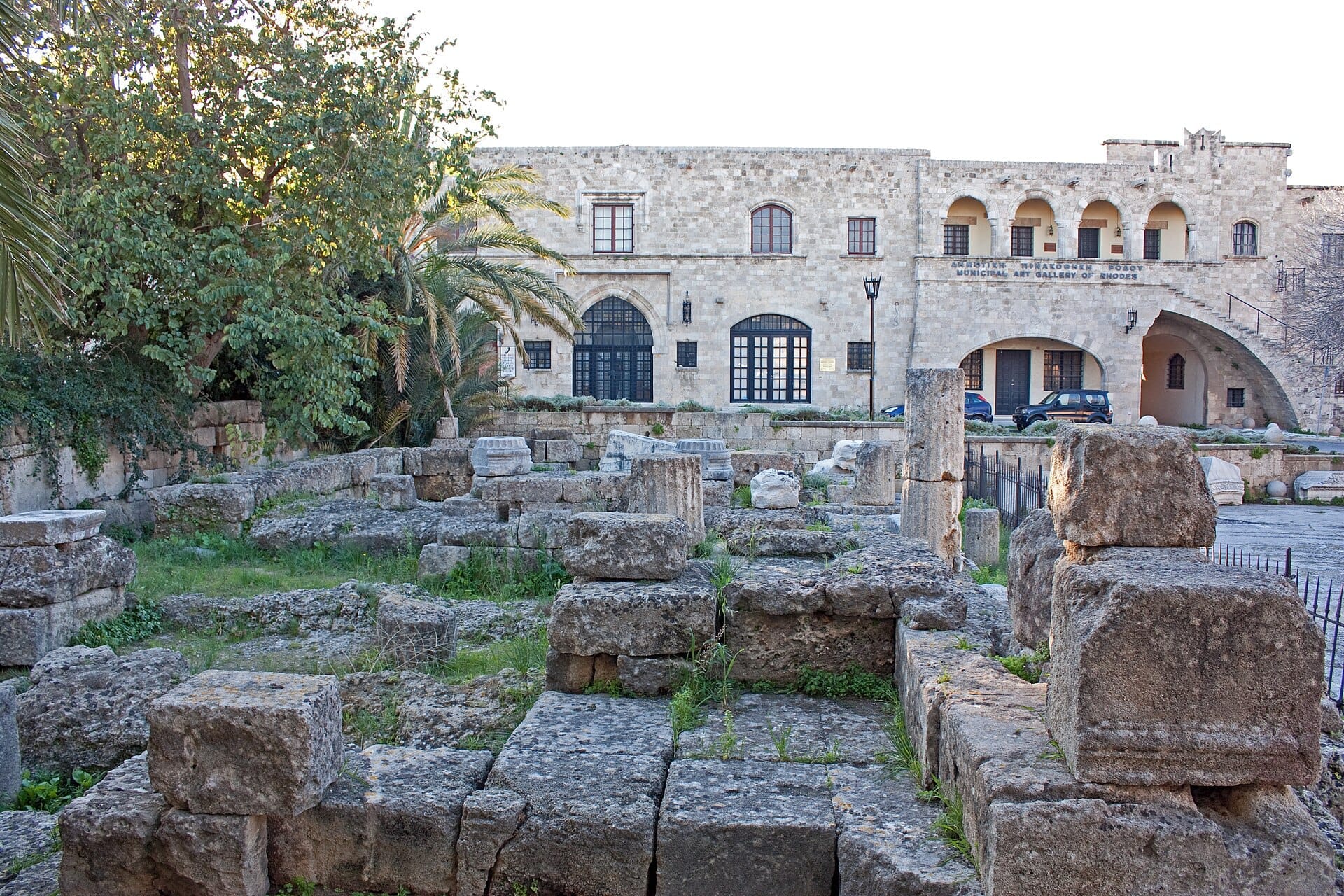
20. Find Ancient Greek Ruins Hidden Inside the Medieval Walls
The fragmentary remains of a 3rd-century BC temple sit within the Old Town, offering a striking collision of ancient Greek and medieval Crusader history in a single glance. It is easy to walk past without realising what you are looking at. Look for the column drums near Plateia Argirokastrou.
Explore20. Find Ancient Greek Ruins Hidden Inside the Medieval Walls
The fragmentary remains of a 3rd-century BC temple sit within the Old Town, offering a striking collision of ancient Greek and medieval Crusader history in a single glance. It is easy to walk past without realising what you are looking at. Look for the column drums near Plateia Argirokastrou.
Explore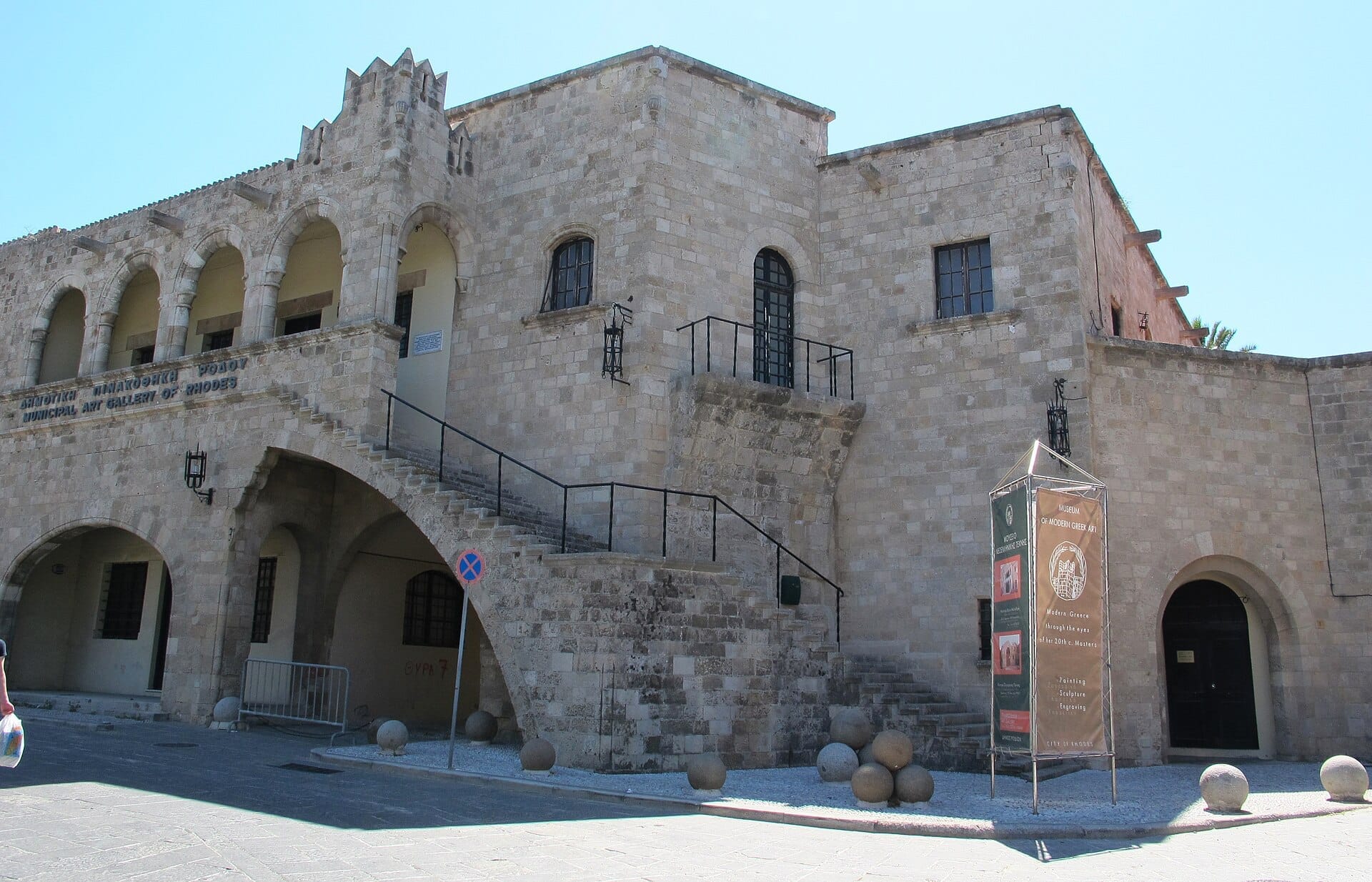
21. Discover One of Greece's Best Art Collections in the New Town
Outside Athens, few collections of 20th-century Greek painting and sculpture match this one. The museum spans several New Town buildings and is rarely busy. If you want to understand Greek modernism beyond ancient ruins, this is the place on Rhodes to do it. Budget 90 minutes.
Explore21. Discover One of Greece's Best Art Collections in the New Town
Outside Athens, few collections of 20th-century Greek painting and sculpture match this one. The museum spans several New Town buildings and is rarely busy. If you want to understand Greek modernism beyond ancient ruins, this is the place on Rhodes to do it. Budget 90 minutes.
ExploreFAQ
Do I need a car to find the hidden gems in Rhodes?
For most of the sites in this guide, yes. Kritinia Castle, Profitis Ilias, the Monastery of Fountoukli, Asklipio, and Prasonisi are all inaccessible by public bus. The KTEL bus network covers the east coast as far as Lindos and runs to Faliraki, but the interior and south are only practical by car or scooter.
When is the best time to visit these lesser-known spots?
May, June, and September are ideal. The forested interior is cool and green, the southern beaches are uncrowded, and the mountain monasteries are peaceful. July and August are fine for beaches but coastal sites get busy even off the main tourist circuit. October is excellent for hiking and sightseeing.
Are these hidden gems free to visit?
Most natural sites, village churches, and castle ruins have no entry fee or charge under €3. Kallithea Springs, the Hammam, and the Acropolis of Lindos charge admission ranging from €2 to €12. The Valley of the Butterflies charges a small seasonal fee. Always carry cash as card readers are rare at smaller sites.
Is it safe to drive to the remote parts of Rhodes?
Yes, the roads are generally good though some routes to southern beaches and hilltop castles involve narrow, unpaved tracks. A standard hire car handles most routes fine; a small 4x4 gives more flexibility for rough tracks near Prasonisi or the forest roads around Profitis Ilias. Drive slowly on mountain bends.
Can I visit these sites as day trips from Rhodes Town?
Most can be combined into themed day trips by car. A south coast day could link Asklipio Castle, Pefkos Beach, and Prasonisi. An interior day could cover Profitis Ilias, the Valley of the Butterflies, and Seven Springs. For ideas on structuring your time, see the 3-day Rhodes itinerary guide.