Britomart
Britomart is Auckland's most polished central precinct, where restored heritage buildings along Customs Street and Galway Street house independent boutiques, acclaimed restaurants, and relaxed cafés. Anchored by Waitematā Station and a short walk from the Downtown Ferry Terminal, it sits at the crossroads of the city's rail, bus, and ferry networks, making it the natural starting point for almost any Auckland adventure.
Located in Auckland
Overview
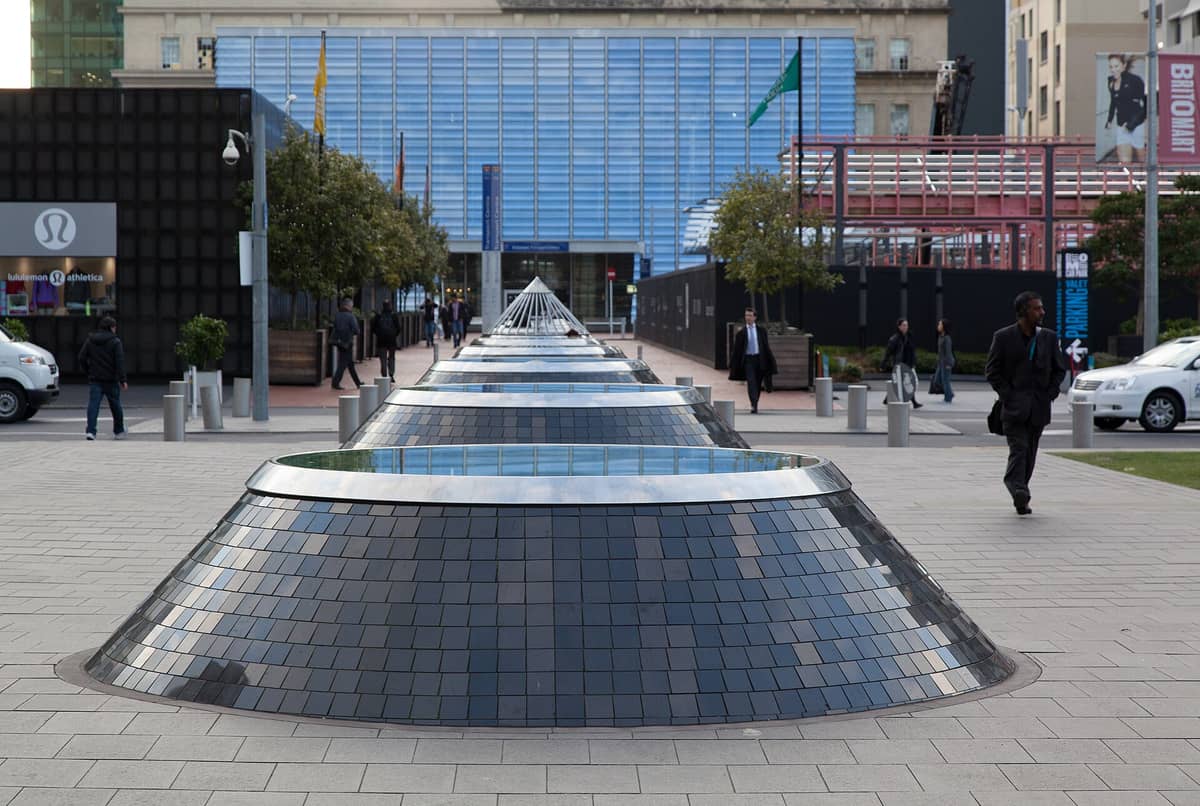
Britomart occupies a compact few blocks between Auckland's CBD and the waterfront, threading together late-19th-century post office buildings and brick warehouses with contemporary design and some of the city's most respected dining. It is the kind of precinct that rewards slow walking: turn down the right laneway and you find a wine bar tucked beneath an ornate stone facade; keep going and you're at the ferry terminal with Waitematā Harbour spread out in front of you.
Orientation
Britomart sits at the bottom of Auckland's CBD, occupying the low-lying ground between the base of Queen Street and the harbour edge along Quay Street. The precinct's heart runs along Customs Street East and Galway Street, two parallel streets lined with restored heritage buildings that give Britomart its architectural character. To the north, Quay Street separates the precinct from the Downtown Ferry Terminal. To the west, Britomart bleeds naturally into the Queens Wharf area and, beyond that, the Viaduct Harbour. To the east, the streets transition toward the more corporate blocks of the lower CBD.
The anchor point for the whole precinct is Waitematā Station (formerly called Britomart Station until its renaming in 2025), the underground rail terminus beneath the precinct. Above ground, the station's entrance is marked by the restored Chief Post Office building, a handsome Edwardian structure on Queen Street that now houses retail and hospitality. The Queens Wharf is a two-minute walk north along Quay Street, and the ferry terminal sits directly opposite, making Britomart the single most connected transport node in central Auckland.
Understanding Britomart's geography also means understanding what surrounds it. Walk five minutes west and you're in the Viaduct Harbour marina precinct. Walk ten minutes northwest and you reach Wynyard Quarter. Head uphill on Queen Street for fifteen minutes and you're in the thick of the CBD commercial core. The neighbourhood is small enough to cross in under ten minutes, but its connections radiate in every useful direction.
Character & Atmosphere
Early mornings in Britomart belong to commuters. From around 7am, professionals stream through the station entrance on Customs Street, coffee cups in hand, moving with purpose toward the offices above. The cafés pull their shutters up early to meet this crowd, and for an hour or two the precinct has the focused energy of a working city neighbourhood rather than a tourist destination.
By mid-morning the pace shifts. The boutiques open their doors, the commuter flow thins out, and Britomart settles into something more leisurely. The stone-paved laneways catch the morning light at a low angle in winter, casting long shadows across the heritage facades. In summer, the same laneways can get warm quickly, and the outdoor seating fills up with a mix of locals working remotely and visitors oriented to the waterfront. The architectural contrast is part of what makes the streets interesting: a 19th-century post office building might sit next door to a glass-fronted contemporary fitout, but the precinct's planning controls have kept the proportions consistent, so nothing feels jarring.
Evenings bring a different crowd again. Britomart is genuinely popular for dinner and after-work drinks, and on Thursday and Friday nights the bars along the laneways fill with office workers transitioning into weekend mode. The atmosphere stays fairly civilised compared to some parts of Auckland's nightlife. This is not a late-night party strip; most venues wind down by midnight. The crowd skews professional and tends to value quality drinks and food over volume.
💡 Local tip
Britomart is at its quietest and most photogenic on weekend mornings before 9am. The heritage stonework on Customs Street and the laneways photographs beautifully without crowds, and a few early-opening cafés mean you won't go without coffee.
One thing worth noting for travellers: Britomart is a genuinely small precinct. It does not take long to walk through, and some visitors expecting a sprawling neighbourhood feel slightly underwhelmed by its compact footprint. Its value is in density and quality rather than scale. Think of it less as a neighbourhood to spend a full day in and more as a place to anchor yourself between harbour walks, ferry trips, and excursions into the wider city.
History & Background
The land on which Britomart sits was originally a prominent headland, Te Rerenga Ora Iti (Point Britomart). European settlers levelled the headland in the 19th century, using the excavated material as reclamation fill to extend the waterfront further north. This reclamation is why Britomart sits where it does, and why the streets between here and Quay Street rest on what was once the harbour floor.
The Chief Post Office, built in 1912, is the precinct's defining building. When the post office functions moved out in the late 20th century, the building and its surroundings fell into neglect. The transformation of Britomart into a design and hospitality precinct began around 2001, driven partly by Auckland City Council's decision to build the underground rail terminus beneath the area. The combination of rail investment and heritage restoration attracted developers and tenants who valued the architectural bones of the old warehouses and civic buildings, and the precinct slowly acquired its current character over roughly two decades.
What to See & Do
Britomart is primarily a precinct for eating, drinking, and shopping, but its position makes it the natural launch pad for the city's most significant attractions. The waterfront is the first thing to explore. Walk north across Quay Street and you reach Queens Wharf, where the cruise ship terminal and event sheds sit alongside harbour viewpoints that take in the full sweep of Waitematā Harbour.
- Walk the heritage laneways around Customs Street East and Galway Street to appreciate the precinct's architectural restoration
- Cross Quay Street to Queens Wharf for open harbour views and the cruise ship terminal event space
- Board a ferry from the Downtown Ferry Terminal for day trips to Waiheke Island, Devonport, or other gulf destinations
- Browse the independent fashion boutiques and design stores concentrated around the precinct laneways
- Use the precinct as a transit hub for reaching the wider waterfront: Viaduct Harbour is a 10-minute walk west
The ferry terminal directly across Quay Street is one of Britomart's most useful assets. From here, services run to Devonport on the North Shore (a 12-minute crossing), to Waiheke Island (approximately 35 minutes), and to other harbour destinations. For travellers staying near Britomart, the ability to step off the train and onto a ferry within a few minutes is a genuine logistical advantage.
If you want to extend your waterfront exploration, the Viaduct Harbour and Wynyard Quarter to the west are worth an afternoon. The New Zealand Maritime Museum sits at the edge of the Viaduct and offers context for Auckland's deep relationship with the sea, from early Polynesian voyaging to the America's Cup.
ℹ️ Good to know
Waitematā Station replaced the dual name Waitematā (Britomart) in September 2025, following an earlier transition from Britomart Station. If you're searching for train information, you may still see the old name on some platforms or maps during the transition period.
Eating & Drinking
Britomart punches well above its size when it comes to food and drink. The precinct has developed a reputation for hosting some of Auckland's more serious restaurant operations, partly because its blend of heritage ambiance and well-heeled clientele supports venues that invest in quality. The general price point across most Britomart restaurants sits in the mid-to-upper range by Auckland standards, though cafés offer more accessible options during the day.
Cafés along Customs Street and in the covered laneways open early for the commuter trade and stay strong through the lunch hour. The coffee quality is consistently high across the precinct: this is an area where barista standards matter to the clientele. For lunch, the options range from casual counter food to full sit-down restaurant service. The proximity to the ferry terminal means there is always some through-traffic of people grabbing something quick before boarding.
Evenings are when the dining scene really asserts itself. Several well-regarded New Zealand restaurants operate here, drawing on local produce and a cooking style that might loosely be described as modern New Zealand: confident technique, strong seasonal awareness, genuine interest in Pacific and Māori flavour influences. Wine lists in Britomart restaurants tend to lean into New Zealand producers, which is worth knowing if you want to explore the country's wine output alongside your meal.
For those wanting to explore Auckland's broader food scene, Auckland's food guide covers the city's key dining neighbourhoods in detail, including how Britomart compares to the more eclectic offerings in Ponsonby or Karangahape Road. The bar scene in Britomart, while good, is calmer than those areas; for a broader night out, consider it a civilised start rather than the whole evening.
⚠️ What to skip
Britomart restaurants are popular for after-work dining and Friday evenings can be extremely busy. Reservations are strongly recommended for dinner at any sit-down restaurant from Thursday through Saturday. Walk-in availability at peak times is limited.
Getting There & Around
Britomart is the most transit-accessible precinct in Auckland. Waitematā Station sits beneath the precinct's main heritage building on Customs Street East and is the terminus of Auckland's commuter rail network. Trains run to Newmarket, Grafton, and points south and west, including Papakura on the Southern Line, Swanson on the Western Line, and Manukau on the Eastern Line. Services run frequently during peak hours and every 30 minutes or so during off-peak periods, though schedules change and construction-related disruptions are not uncommon. Always check Auckland Transport's journey planner before travelling.
Bus stops on Commerce Street, at the corner of Tyler Street and near Quay Street, connect the precinct to the wider bus network. The City Link and Inner Link bus services stop nearby and provide links across the CBD and inner suburbs for a low flat fare, making short hops around the central city very affordable. AT HOP cards (Auckland Transport's reloadable transit card) or contactless bank cards work on many buses and trains.
Ferry services depart from the Downtown Ferry Terminal directly across Quay Street. This is the access point for day trips to Waiheke Island, the short crossing to Devonport, and services to other harbour destinations including Bayswater, Birkenhead, and Half Moon Bay. The ferry terminal is a two-minute walk from Waitematā Station, making intermodal connections very straightforward.
On foot, Britomart is well-positioned for walking to several key CBD attractions. The Auckland Sky Tower is roughly a 10-minute walk uphill along Queen Street. The Viaduct Harbour takes about 10 minutes walking west along Quay Street. For a broader sense of navigating the city, Auckland's transport guide covers all the network options in detail.
Where to Stay
Staying in or immediately adjacent to Britomart puts you within easy reach of the ferry terminal, the train network, and the waterfront. The Hotel Britomart, at 29 Galway Street within the precinct itself, is the most prominent accommodation option. It is a design-focused property that suits travellers who want walkable access to the precinct's restaurants and the transit connections.
For travellers weighing up where to base themselves across the city, Britomart makes most sense for those prioritising transit access and waterfront proximity over neighbourhood atmosphere. It is quieter at night than Ponsonby or Karangahape Road, and more polished but less characterful than Parnell. If your itinerary involves frequent ferry trips or rail travel to Auckland's suburbs, it is probably the most strategically located base in the city. The Auckland accommodation guide lays out all the central options with honest comparisons.
One practical consideration: Britomart is not a large residential neighbourhood, so the immediate surrounding streets at night are fairly quiet once the restaurants close. This is generally fine for safety but means the streets can feel emptier after midnight than some travellers might expect from a central city location.
Is Britomart Worth Your Time?
Britomart is not the kind of neighbourhood that rewards several days of immersive exploration. Its value is precision: it does a small number of things very well. As a transit hub, it is unmatched in Auckland. As a dining and drinks destination for one or two evenings, it is among the city's most reliable options. As a base for day trips across the harbour and around the region, its position is genuinely hard to beat.
What Britomart is not is a window into the full range of Auckland's character. For that you need to get on a bus to Karangahape Road, or a train to Newmarket, or a ferry across to Devonport. Britomart is the place you pass through to get to those experiences, and increasingly a place worth arriving at in its own right for a well-made meal in a heritage building. Understanding this distinction makes visiting it a much more satisfying proposition.
TL;DR
- Britomart is Auckland's most transit-connected central precinct, anchored by Waitematā Station and a two-minute walk from the Downtown Ferry Terminal.
- The precinct is compact: a few heritage-lined laneways and streets concentrated around Customs Street East and Galway Street.
- Best for: travellers who want walkable ferry and rail access, quality dining in restored heritage buildings, and a calm but polished base.
- Not ideal for: travellers seeking late-night energy, budget eating, or a neighbourhood with strong local residential character.
- Use it as a transit hub and dinner destination, then explore outward to Ponsonby, Karangahape Road, or the harbour islands for broader Auckland experiences.
Related Travel Guides
- Best Adventure Activities in Auckland: The Complete Guide
Auckland delivers serious adventure on land, sea, and from the top of a 328-metre tower. This guide covers the best adventure activities in Auckland with real pricing, practical logistics, seasonal advice, and clear warnings about what to watch out for before you book.
- Auckland Airport: Arrivals, Transfers & Getting to the City
Auckland Airport (AKL) sits 21 km south of the city centre in Māngere. This guide covers everything from navigating arrivals to choosing the right transport option, so you can get moving the moment you land.
- Auckland Events & Festivals: The Complete Annual Calendar
Auckland's event calendar runs from summer beach festivals through winter film screenings to spring heritage tours. This guide covers the major annual events, what they cost, when crowds peak, and how to plan around them — with candid notes on what's worth your time.
- What to Eat in Auckland: A Food Lover's Guide
Auckland's food scene reflects the city it sits in: diverse, seafood-forward, and shaped by Māori, Pacific, and Asian influences alongside a confident modern New Zealand kitchen. This guide breaks down what to eat, where to eat it, and which food experiences are genuinely worth your time.
- 3 Days in Auckland: The Perfect Itinerary
Three days is enough time to get a genuine feel for Tāmaki Makaurau Auckland — its volcanic landscape, Māori heritage, waterfront culture, and island escapes. This itinerary cuts through the noise and tells you exactly where to go, when, and why.
- Māori Culture in Auckland: Experiences & Heritage Sites
Auckland sits on land with deep Māori roots. This guide covers the most meaningful cultural experiences in Tāmaki Makaurau, from museum performances and waterfront heritage spaces to guided tours led by descendants of the city's founding chief. Learn what to see, what to pay, and how to engage respectfully.
- Best Markets in Auckland: Farmers' Markets, Night Markets & Weekend Finds
Auckland's market scene spans inner-city farmers' markets, rotating suburban night markets, and rural day trips worth planning your weekend around. This guide covers the best markets in Auckland by type, location, and what to expect when you arrive.
- Auckland Nightlife: Best Bars, Clubs & After-Dark Experiences
Auckland's nightlife is more compact than its size suggests, but the quality runs deep. From waterfront cocktail bars to Karangahape Road's late-night underground, this guide covers the key precincts, practical logistics, and what to realistically expect on a night out in Tāmaki Makaurau.
- Auckland on a Budget: How to Visit for Less
Auckland has a reputation for being expensive, and that reputation is partly earned. But the city also has a surprising number of genuinely free and low-cost experiences — volcanic walks, world-class beaches, free museum entry, and excellent public markets. This guide breaks down exactly how to visit Auckland without burning through your travel fund.
- Shopping in Auckland: Best Areas and Markets Guide
Auckland's shopping scene runs from polished waterfront precincts and heritage high streets to Saturday morning farmers markets and sprawling suburban malls. This guide breaks down where to shop, when to go, and what to skip, so you spend your time and money well.
- Auckland to Queenstown: How to Get There and What to Expect
Flying is the only practical way to travel from Auckland to Queenstown, and the route is well-served by two airlines year-round. This guide covers your transport options, realistic flight costs, seasonal disruptions, and how to get oriented once you land in Queenstown.
- Auckland's Volcanic Cones: A Complete Guide to the Tūpuna Maunga
Auckland sits on one of the world's most unusual urban landscapes: a live volcanic field with over 50 cones scattered across the city. This guide covers the most significant maunga, their cultural importance, practical access details, and what to expect when you visit.
- Auckland's West Coast Beaches: Piha, Muriwai & Beyond
Auckland's west coast delivers something the sheltered harbour beaches simply cannot: raw, wind-scoured black-sand shorelines, serious surf, and dramatic coastal scenery within 45 minutes of the city. This guide covers every major beach, how to get there, when to go, and how to stay safe on some of New Zealand's most powerful surf.
- Auckland Wine Regions: Waiheke Island, Kumeū & Matakana Explained
Auckland sits within striking distance of three distinct wine regions, each with its own character, grape varieties, and logistical quirks. This guide covers what to expect at Waiheke Island, Kumeū, and Matakana — including real transport costs, how to structure a day trip, and which cellar doors are worth your time.
- Auckland with Kids: The Best Family Activities in Tāmaki Makaurau
Auckland delivers a surprisingly rich range of experiences for families, from world-class wildlife encounters and hands-on museums to beach days and island adventures. This guide picks the best activities for kids of all ages, with practical tips on what to expect at each stop.
- Best Beaches in Auckland: Black Sand, Surf, and Harbour Bays
Auckland sits on an isthmus between two harbours, with the Tasman Sea to the west and the Hauraki Gulf to the east, giving the city an extraordinary range of beaches within an hour of the CBD. This guide covers the best of them, from dramatic west coast surf breaks to sheltered harbour swimming spots.
- Best Hikes and Walks in Auckland: Volcanic Summits, Coastal Trails, and Forest Tracks
Auckland sits on a volcanic field, between two harbours, and beside one of New Zealand's great forested ranges. Whether you want a 30-minute summit stroll or a full-day coastal traverse, the city delivers. These are the walks worth lacing your boots for.
- Best Museums in Auckland: Art, History, Science & More
Auckland punches well above its weight for museum culture. Whether you're after Māori taonga, Pacific art, colonial history, or vintage technology, the city has a collection to match. This guide covers the best museums in Auckland across every interest and budget.
- Best Parks in Auckland: 18 Green Spaces Worth Visiting
Auckland sits on an isthmus surrounded by two harbours, and its parks reflect that geography in remarkable variety. This guide covers the best parks in Auckland, from volcanic cones and ancient forest to coastal reserves and formal city gardens.
- Best Time to Visit Auckland: A Season-by-Season Breakdown
Auckland is a year-round destination, but the right time to visit depends entirely on what you want to do. This guide breaks down every season, covering weather patterns, crowd levels, major events, and the practical details that generic guides skip.
- The Best Views and Viewpoints in Auckland
Auckland sits on an isthmus studded with volcanic cones, harbour headlands, and elevated parks, making it one of the world's most view-rich cities. This guide covers the finest viewpoints across the city, from the Sky Tower's observation deck to wild clifftop lookouts, with practical advice on how to reach each one.
- Best Day Trips from Auckland: Islands, Hinterland & Coast
Auckland sits at the centre of one of the most day-trip-rich regions in the Southern Hemisphere. Whether you want a 25-minute ferry to a volcanic island or a full-day drive to Hobbiton, this guide covers logistics, costs, and practical recommendations so you can pick the right trip for your time.
- Free Things to Do in Auckland: 20 Ways to Explore the City Without Spending a Dollar
Auckland is one of the most naturally dramatic cities in the world, and a surprising amount of what makes it great costs nothing. From volcanic summit walks and black-sand beaches to free art galleries and gannet colonies, here are 20 genuinely rewarding free experiences across the city and region.
- Getting Around Auckland: The Complete Transport Guide
Auckland sprawls across an isthmus with two harbours, dozens of suburbs, and islands in the gulf. This guide breaks down every practical way to navigate the city, from AT HOP card fares to ferry routes, rental cars, and the airport transfer options that are actually worth your time.
- Hauraki Gulf Islands: Which One Should You Visit?
The Hauraki Gulf holds more than 50 islands within reach of Auckland, but not all of them suit every traveller. This guide breaks down the four main options by experience, ferry logistics, cost, and what you actually get when you arrive — so you can choose without guessing.
- Hobbiton Day Trip from Auckland: How to Visit the Shire
Hobbiton is one of New Zealand's most popular attractions, and it makes for a very doable day trip from Auckland. This guide covers every practical detail: how to get there, which tour to book, what it costs, and how to make the most of your visit.
- Is Auckland Worth Visiting? An Honest Assessment
Auckland divides opinions: some travellers race through it en route to Queenstown or the Bay of Islands, others find it one of the most rewarding cities in the Southern Hemisphere. This guide cuts through the brochure language and gives you a clear-eyed picture of what Tāmaki Makaurau Auckland actually offers, who it suits best, and what genuinely isn't worth your time.
- Things to Do in Auckland: The Definitive Guide
Auckland spans two harbours, 53 volcanic cones, and one of the Pacific's most diverse cities. This guide covers the best things to do in Auckland across nature, culture, food, and island escapes — including what is worth your time and what is not.
- Waiheke Island Day Trip from Auckland: The Complete Guide
Waiheke Island is one of Auckland's most rewarding day trips, combining world-class vineyards, sheltered beaches, and easy ferry access into a single compact island. This guide covers everything you need to know: how to get there, where to eat and drink, how to get around, and when to go.
- Where to Stay in Auckland: The Best Neighbourhoods and Hotels for Every Traveller
Choosing where to stay in Auckland shapes your entire trip. This area-by-area guide covers the CBD waterfront, Ponsonby, Parnell, Devonport, and beyond — with clear assessments of who each neighbourhood suits, what to budget, and how to get around once you're there.