Things to Do in Auckland: The Definitive Guide
Auckland spans two harbours, 53 volcanic cones, and one of the Pacific's most diverse cities. This guide covers the best things to do in Auckland across nature, culture, food, and island escapes — including what is worth your time and what is not.
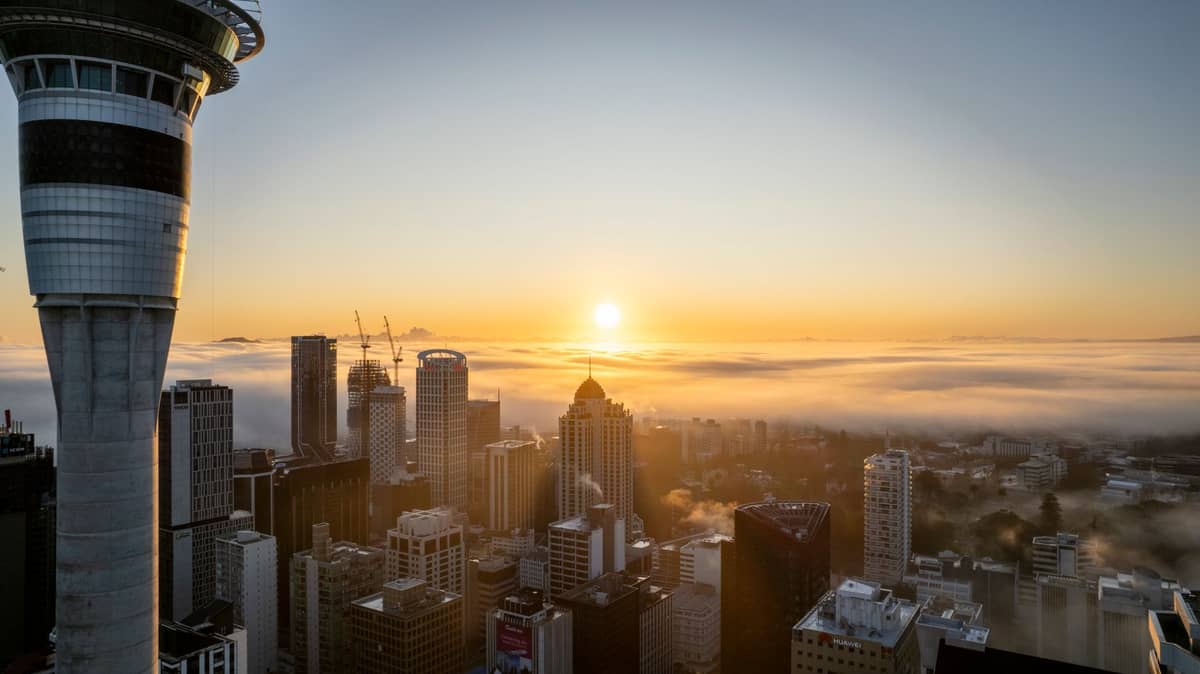
Tickets & tours
Live prices and dates from our booking partner. If you book, we may earn a commission at no extra cost to you.
TL;DR
- Auckland's most rewarding experiences combine its volcanic landscape with island escapes — prioritise Maungawhau (Mount Eden) and a ferry to Waiheke or Rangitoto.
- The city is compact enough that central neighbourhoods like Ponsonby, Parnell, and the waterfront precinct are walkable or a short bus ride apart.
- Public transport uses contactless cards or AT HOP; a NZD $20 daily fare cap applies on eligible services, but Waiheke and tourist ferries are not included.
- Summer (December–February) is best for beaches and outdoor activities; shoulder seasons in autumn and spring offer fewer crowds and pleasant temperatures.
- Many of Auckland's best experiences are free or low-cost — volcanic summits and regional parks cost nothing to enter, and several museums have free or low-cost options for residents.
Get Your Bearings: How Auckland Is Laid Out
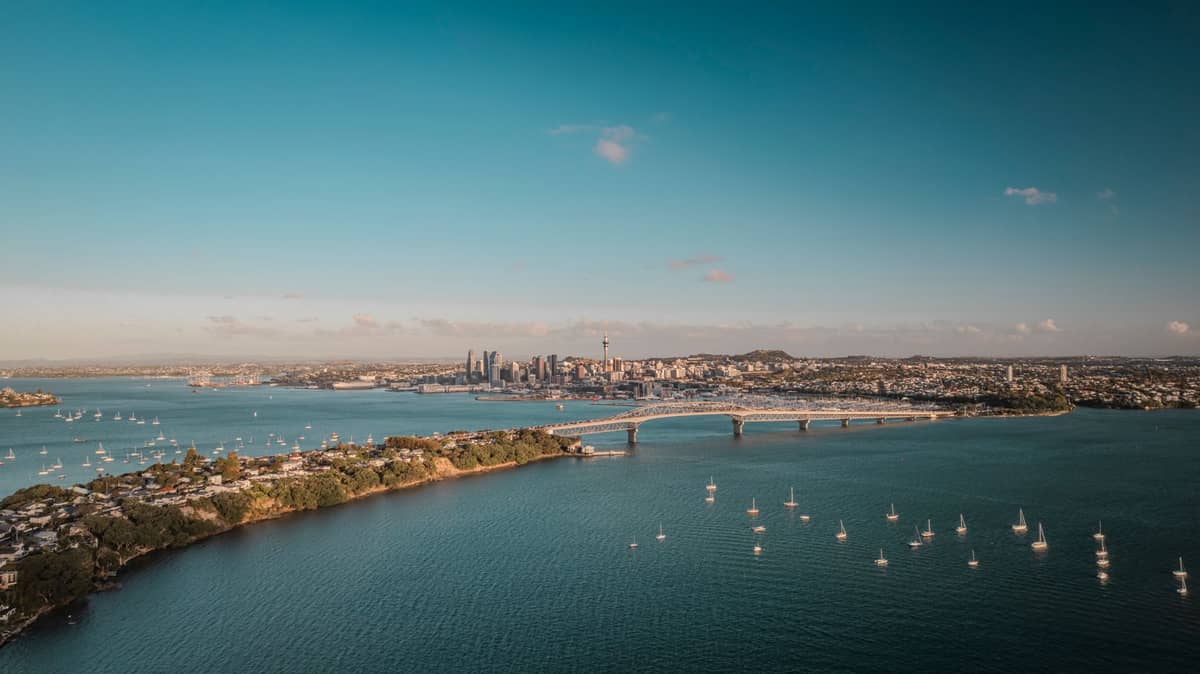
Auckland sits on a narrow isthmus between the Waitemata Harbour to the east and the Manukau Harbour to the west. The city is shaped by geography in ways that matter to visitors: the CBD and waterfront are the logical starting point, but some of the best things to do in Auckland require a ferry, a short drive, or at least a bus to reach.
The urban area covers roughly 4,941 km² and is home to around 1.66 million people, making it by far New Zealand's largest city. Central neighbourhoods are manageable on foot. Devonport is a 12-minute ferry from the downtown terminal. Waiheke Island is about 35 minutes by ferry. Rangitoto Island is around 25 minutes. Plan your itinerary around ferry timetables early — they shape your day more than anything else.
ℹ️ Good to know
Auckland's public transport uses contactless bank cards, compatible devices, or AT HOP cards. A NZD $20 daily fare cap applies on eligible AT services when you pay by contactless card. Waiheke Island ferries and other tourist-specific ferry operators are not covered by this cap — always check the operator's booking site for current ticket prices before you travel.
Volcanic Cones and Natural Landmarks
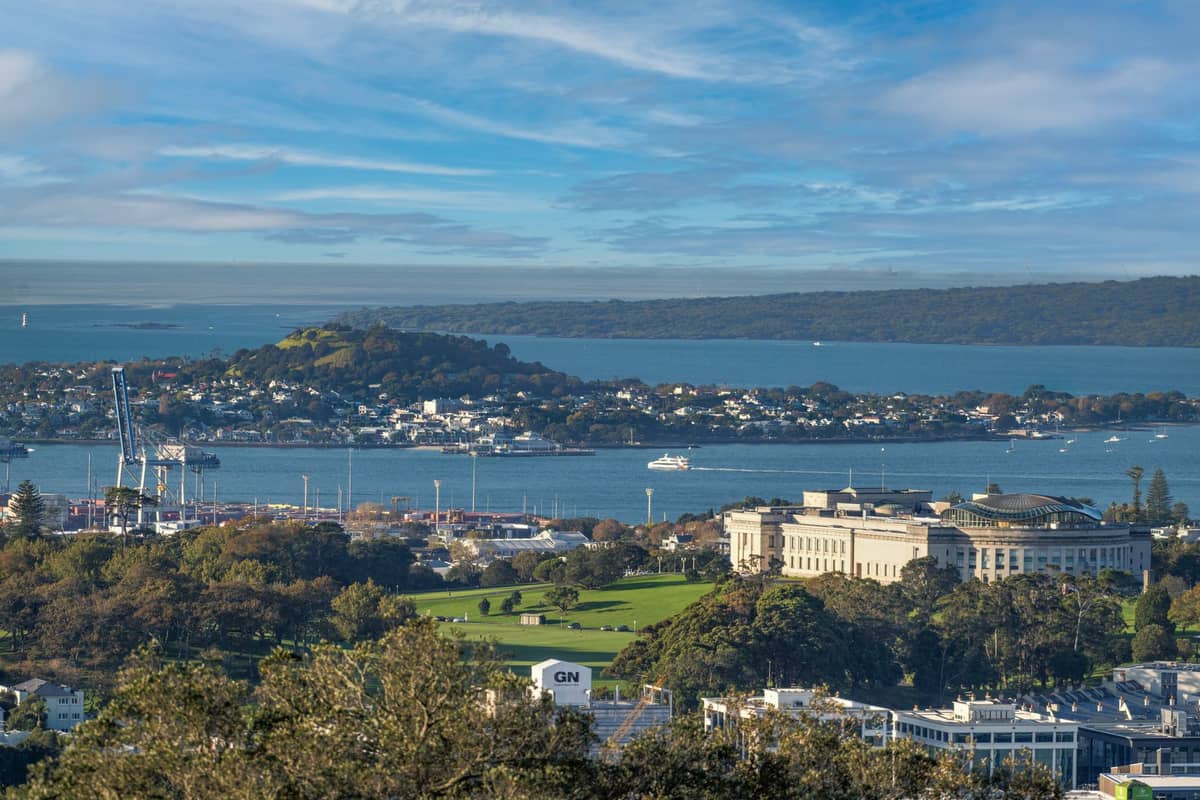
Auckland is built on and around 53 volcanic cones, a fact that sets it apart from almost any other major city on earth. The two most rewarding to visit are Maungawhau (Mount Eden) and Maungakiekie (One Tree Hill). Both are free to visit, both offer panoramic city views, and both carry deep significance for mana whenua — the Māori peoples with ancestral connections to this land. Respect the signs asking visitors not to enter the volcanic craters themselves.
Maungawhau rises 196 metres above sea level and is the highest volcanic cone in the Auckland field. On a clear day you can see from the Manukau Harbour to the Hauraki Gulf. Note that private vehicle access to the summit is restricted to protect the site; walking up from the surrounding streets takes around 20 minutes at a relaxed pace. For a broader look at the volcanic landscape across the city, the Auckland volcanic cones guide covers the full network and which ones are worth prioritising.
Beyond the cones, the Waitakere Ranges Regional Park to the west offers over 250 km of walking tracks through kauri forest and subtropical bush. Access to parts of this park is managed due to kauri dieback disease — follow all track closure signs and clean all footwear and gear using the wash stations provided at trailheads. It is not optional.
⚠️ What to skip
Kauri dieback is a devastating soil-borne disease with no cure. Parts of the Waitakere Ranges are closed to protect surviving trees. Before visiting, check the Auckland Council website for current closures. Clean your boots and gear at every wash station — this applies to every visitor, every time.
Island Escapes on the Hauraki Gulf
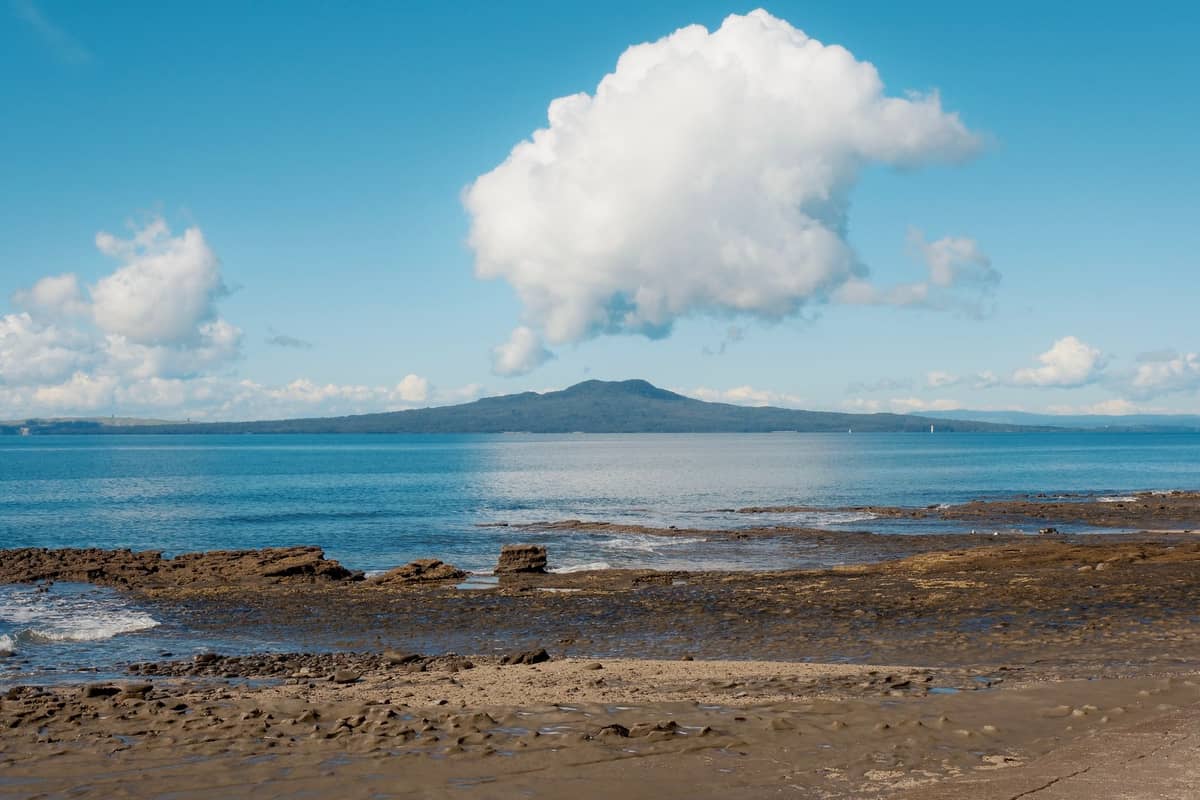
The Hauraki Gulf sits at Auckland's doorstep and contains more than 50 islands. For most visitors, the choice comes down to three: Waiheke Island, Rangitoto Island, and Tiritiri Matangi. Each offers something completely different.
- Waiheke Island Around 35 minutes by ferry from the downtown terminal, Waiheke is known for its beaches, olive groves, and award-winning wineries. A full day here typically involves a combination of a winery lunch, a beach stop, and time in Oneroa village. Ferries run frequently on weekends; book ahead in summer. Waiheke is genuinely enjoyable but it is not cheap — a return ferry plus lunch at a vineyard restaurant will comfortably exceed NZD $150 per person.
- Rangitoto Island A symmetrical volcanic cone that rose from the sea around 600 years ago, Rangitoto is the youngest and largest of Auckland's volcanic islands. The summit track takes around 1.5–2 hours return and rewards with sweeping gulf views. Lava caves beneath the surface are an unusual side trip. Ferries depart daily from the downtown ferry terminal; check Auckland Transport and Fullers360 for current timetables and fares.
- Tiritiri Matangi A predator-free wildlife sanctuary about 90 minutes from downtown by ferry. Kiwi, takahē, saddleback, and little blue penguins live here in numbers you will not see elsewhere without travelling deep into New Zealand's South Island. Visitor numbers are managed; book ferry tickets well in advance, especially from October to March.
For more detail on planning a day trip, the Waiheke Island day trip guide and the broader Hauraki Gulf islands guide cover logistics, costs, and what to do once you arrive.
Neighbourhoods Worth Exploring on Foot
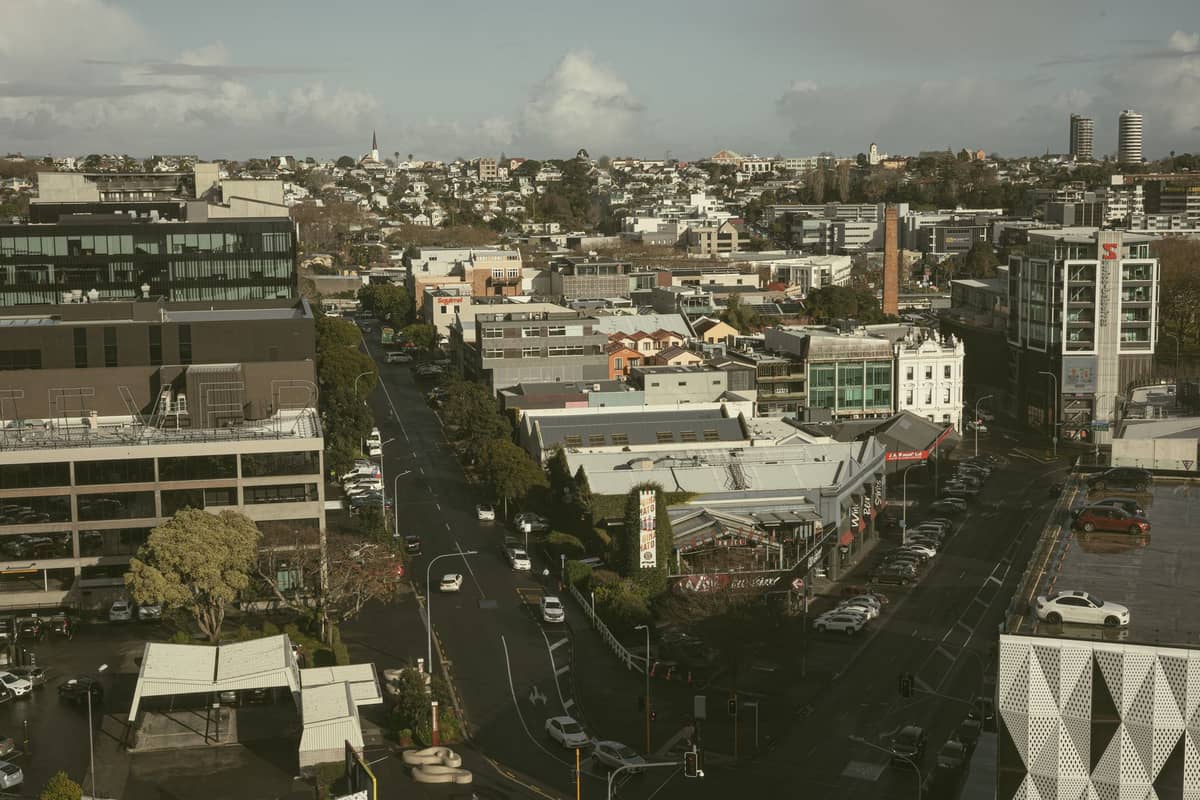
Ponsonby Road is Auckland's most consistently rewarding street for food and independent retail. The strip runs for about 1.5 km through Ponsonby and Grey Lynn and is lined with cafés, wine bars, and restaurants covering everything from Vietnamese to modern New Zealand cuisine. Weekend brunch here is a local institution — arrive before 10am if you want a table without a wait.
Karangahape Road (K' Road) sits just south of Ponsonby and has a distinctly different character: more eclectic, more diverse, and more interesting if you want to understand Auckland beyond its polished waterfront. The street has a long history as Auckland's entertainment district and is now home to independent galleries, vintage stores, Pacific Island fabric shops, and a growing number of serious bars and restaurants. It is worth at least an afternoon.
Parnell is Auckland's oldest suburb and offers a more genteel experience: heritage architecture, jewellery boutiques, and the Auckland Domain — a 75-hectare park that contains the Auckland War Memorial Museum. Entry to the park is free; the museum charges admission for non-New Zealand residents, though it is worth it for the Māori and Pacific collections alone.
Culture, History, and Museums
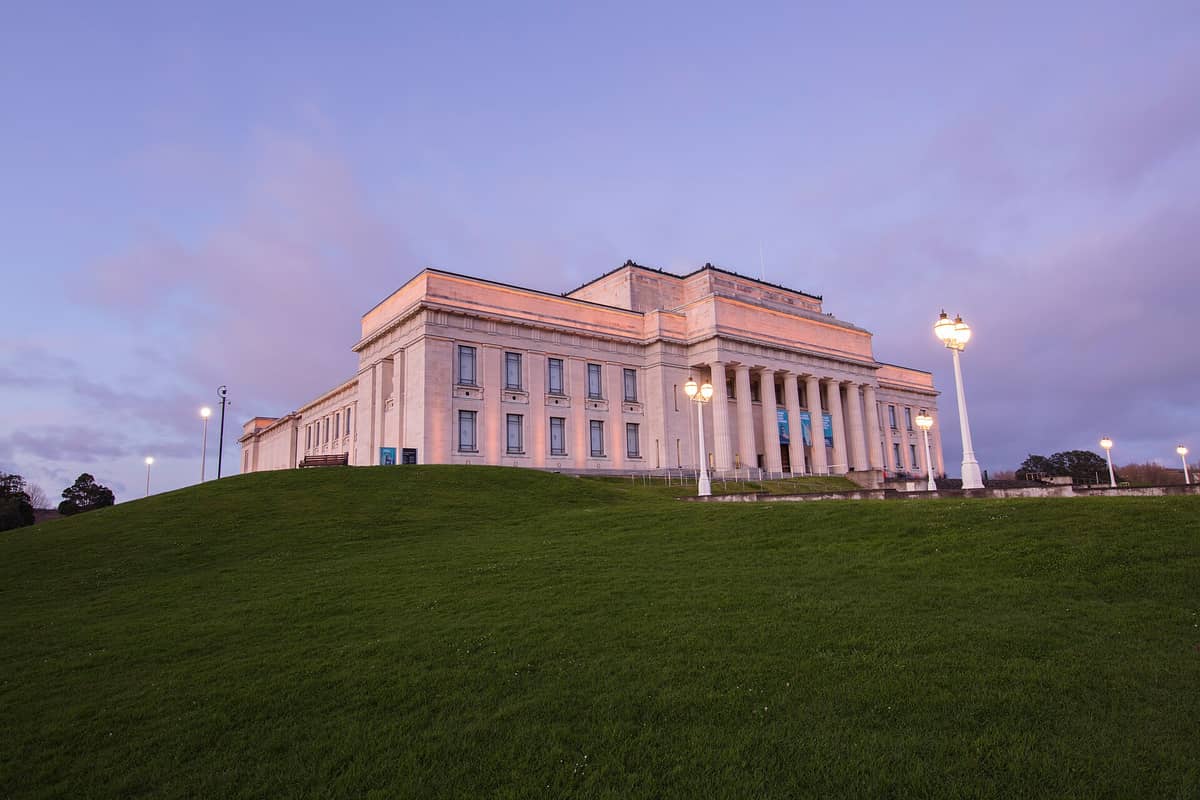
The Auckland War Memorial Museum is the single best cultural institution in the city. The Māori and Pacific collections are extensive and presented with genuine care for context and mana whenua perspectives. Allow at least two to three hours. Non-resident admission is around NZD $28 for adults at the time of research; check the museum's website for current pricing and free admission periods.
The Auckland Art Gallery Toi o Tāmaki is free to enter for the main collection and houses New Zealand's largest art collection. The building itself is worth seeing: a 2011 renovation integrated a striking timber and glass canopy over the historic 1887 French Renaissance structure. Temporary exhibitions carry a separate charge.
For Māori culture specifically, the museum offers a daily cultural performance programme. For a deeper experience, the Auckland Māori culture guide covers which experiences are led by mana whenua, what to expect, and how to engage respectfully.
- Auckland War Memorial Museum The city's most important cultural institution. Māori and Pacific collections are world-class. Admission charged for non-residents.
- Auckland Art Gallery Toi o Tāmaki Free entry to the permanent collection. New Zealand's largest art museum. Strong Māori and Pacific representation.
- New Zealand Maritime Museum Located at Viaduct Harbour, covering New Zealand's relationship with the sea from Polynesian voyaging to the America's Cup. Admission charged.
- MOTAT (Museum of Transport and Technology) A sprawling outdoor and indoor complex in Western Springs. Strong appeal for families and anyone interested in aviation, vintage vehicles, and industrial history.
Beaches, Hikes, and Getting Outside
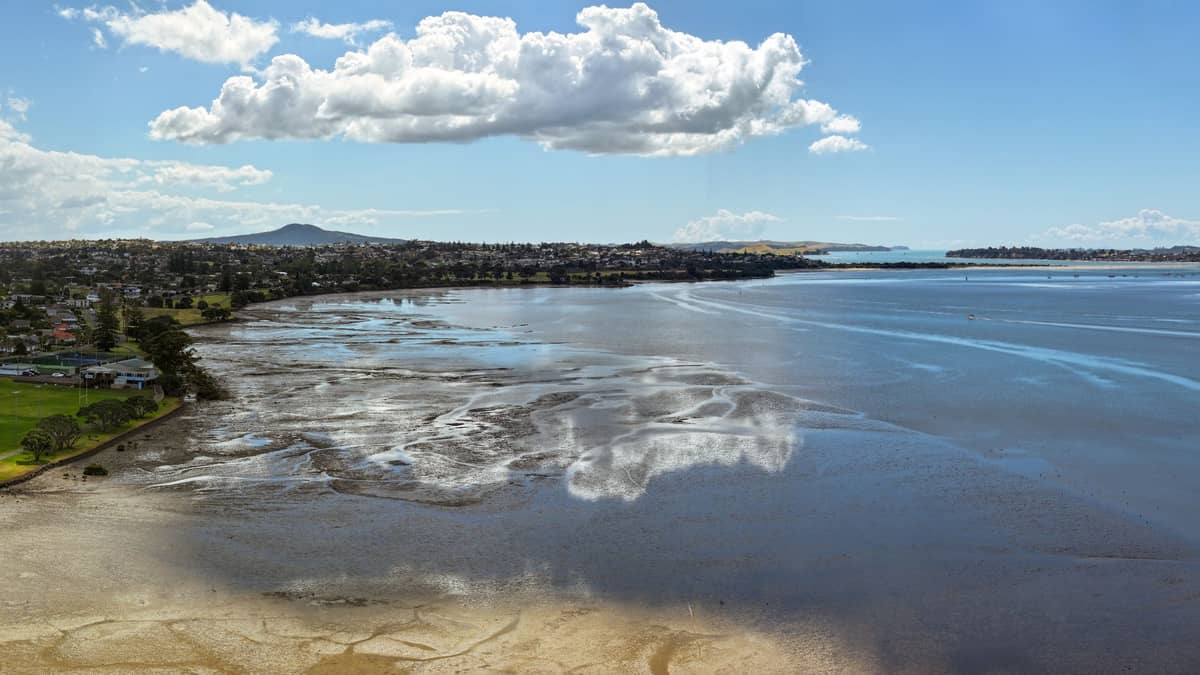
Auckland's beaches split into two categories: the calm, sheltered harbour beaches on the east and the wild, black-sand surf beaches on the west coast. For swimming and sunbathing close to the city, Mission Bay and Takapuna Beach are the most accessible. Mission Bay is 5 km from the CBD and has a promenade, cafés, and calm water; it gets crowded on summer weekends.
The west coast is a different proposition entirely. Piha Beach is the iconic surf beach: black volcanic sand, powerful surf, and dramatic Lion Rock rising from the shore. It is about 40 km from the CBD by road. Do not underestimate the surf here. Piha is patrolled by lifeguards in summer, but the rips are strong and conditions change fast. Swim between the flags, always. The west coast beaches guide covers Piha, Muriwai, Karekare, and Bethells Beach in detail.
For hiking, Auckland's regional parks offer everything from 30-minute walks to full-day tracks. The best hikes in Auckland guide organises options by difficulty, duration, and location. The Rangitoto summit track and the Waitakere Ranges are the most rewarding for serious walkers; the Coast to Coast Walkway (16 km across the isthmus from one harbour to the other) is a practical city walk that passes through a series of volcanic reserves and parks.
✨ Pro tip
The Auckland Domain is free, takes 20 minutes to reach from the CBD by bus, and contains the museum, a fernery, a Winter Gardens glasshouse, and open lawns. It is consistently overlooked by short-stay visitors who head straight to the Sky Tower instead. The Sky Tower is worth doing once for the view; the Domain is worth returning to.
Food, Markets, and Eating Well in Auckland
Auckland's food scene reflects the city's demographics: around 40% of the population was born overseas, and the Pacific Island, East Asian, South Asian, and Middle Eastern communities have each shaped what the city eats. This means genuinely good Korean, Chinese, Indian, Samoan, and Southeast Asian food exists across the city, not just in tourist zones. The Auckland food guide maps out the best eating by neighbourhood and cuisine type.
For markets, the Otara Flea Market runs every Saturday morning in South Auckland and is arguably the city's most authentic market experience: Pacific food, music, second-hand goods, and a crowd that reflects the local community rather than the tourist trail. It starts early (around 6am) and winds down by noon. It is about 25 km from the CBD, so plan transport in advance.
FAQ
How many days do you need in Auckland?
Three to four days is enough to cover the central city, one or two island day trips, and a west coast beach. If you plan to explore the wider region — including wine country, the Hauraki Gulf, or Northland — allow five to seven days. A 3-day Auckland itinerary is a reasonable starting point for most first-time visitors.
Is Auckland expensive for tourists?
Auckland sits at mid-to-high cost for a Pacific city. A café lunch typically costs NZD $15–25, a restaurant dinner for two with drinks NZD $100–180, and ferry tickets to Waiheke Island around NZD $65 return per person on a Fullers360 standard ticket. Many of the best experiences — volcanic summits, regional parks, the Art Gallery permanent collection — are free. Budget travellers can manage well by focusing on public parks, markets, and self-catering.
What is the best area to stay in Auckland?
The CBD and waterfront area puts you closest to ferry terminals and public transport, which matters if you plan island day trips. Ponsonby and Grey Lynn offer better access to local restaurants and a less corporate atmosphere. Parnell suits travellers focused on culture and the museum. For a full breakdown, the where to stay in Auckland guide covers all major neighbourhoods with honest assessments of each.
Do I need a car to explore Auckland?
For the central city and ferry-accessible islands, no. For the west coast beaches, the Waitakere Ranges, and many regional parks, yes — public transport options are limited. Car rental rates vary significantly by season; book in advance for summer travel. Rideshares are available but can be expensive for longer distances.
Is the Auckland Sky Tower worth it?
The view from the Sky Tower observation deck is impressive, particularly at dusk when both harbours are visible. Admission is NZD $47 for adults (15+). The SkyWalk and SkyJump experiences cost significantly more. It is a legitimate Auckland experience, but it is not the best view in the city — Maungawhau (Mount Eden) and several other volcanic summits offer comparable or better panoramas for free.
Tickets & tours
Live prices and dates from our booking partner. If you book, we may earn a commission at no extra cost to you.
Planning a trip? Discover personalized activities with the Nomado app.