Waiheke Island
Waiheke Island is a Hauraki Gulf island reached by a 40-minute ferry from downtown Auckland. Roughly 19 km long with about 133 km of coastline, it combines sandy beaches, working vineyards, farmland, and regional parkland into a single destination that feels genuinely removed from city life.
Located in Auckland
Overview
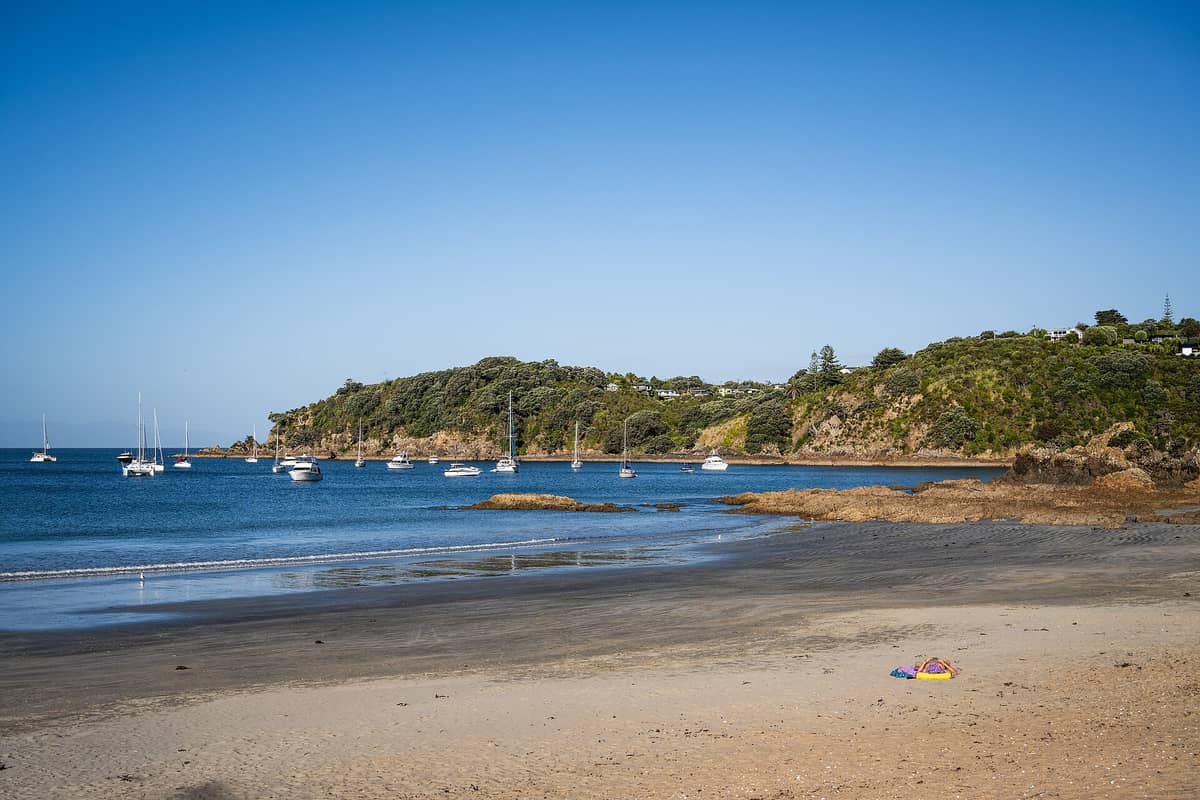
Waiheke Island sits in the Hauraki Gulf just 40 minutes by ferry from central Auckland, yet it operates on a rhythm that belongs entirely to itself. Beaches curve between rocky headlands, vineyard restaurants perch above the water, and the roads are narrow enough that you slow down instinctively. It is the kind of place that makes a half-day feel generous and a full day feel just right.
Orientation
Waiheke is an island in the Hauraki Gulf, approximately 19 km long and with around 133 km of coastline. The western end is where most visitors arrive: Matiatia Wharf is the main ferry terminal, and from there a short drive or bus ride takes you into Oneroa, the island's largest village. Oneroa sits on a ridge above the western coast and functions as the commercial and social centre of the island, with most of the cafes, art galleries, and accommodation options concentrated along its main street.
Moving east from Oneroa, the island spreads across a series of bays, ridgelines, and valleys. Onetangi Beach occupies a broad central bay roughly halfway along the island and is the largest stretch of sand on Waiheke. Further east, the landscape transitions into farmland, vineyards, and eventually the Waiheke Island Regional Park at the island's eastern tip, where the terrain is wilder and less developed. Kennedy Point on the southern shore operates as a vehicle ferry terminal connecting the island to Half Moon Bay on the Auckland mainland.
In practical terms, Waiheke is best understood as a west-to-east island with a spine road running most of its length. The western third covers the visitor-facing core; the eastern third is quieter and more agricultural. For context on how this fits into the wider region, the Hauraki Gulf Islands guide covers nearby destinations including Rangitoto, Tiritiri Matangi, and Great Barrier Island.
Character & Atmosphere
Waiheke has a dual character that reflects two distinct populations: permanent residents who commute to Auckland or work locally, and visitors who arrive on weekend ferries looking for beaches and wine. On weekday mornings, especially outside summer, Matiatia Wharf fills briefly with commuters boarding the early ferry in work clothes, and the island's roads are quiet. By mid-morning the same roads carry rental cars and hire bikes as the day-visitor wave arrives.
Oneroa in the early morning has the feel of a small New Zealand town: people picking up coffee before work, local dogs tied outside the bakery. By 11am on a weekend it shifts into something closer to a resort village, with groups gathering at outdoor tables and wine-tasting starting at vineyard restaurants on the hillsides. The transformation is not jarring, but it is noticeable.
Down at the beaches the pace is slower and more constant. Onetangi Beach, facing north, catches the afternoon light in long golden strips across the sand. At low tide the beach is wide enough to walk considerable distances, and the water is calm on most days. The light off the Hauraki Gulf in late afternoon has a particular quality, softened by the maritime air, that makes the eastern hillsides glow in amber. On summer evenings the beach is still populated well past sunset; in winter it is often empty by late afternoon.
After dark, Waiheke is quiet by urban standards. Oneroa has a handful of bars and restaurants that run late on weekends, and some vineyard restaurants seat evening sittings during summer. But the island is not a nightlife destination; the last ferries back to Auckland typically run in the evening — earlier in winter than in summer — and visitors who stay overnight will find things wind down fairly early outside peak season.
⚠️ What to skip
Check the last ferry departure time before you plan your day. Missing the final sailing means arranging accommodation on the island at short notice, which can be expensive and limited in availability, particularly in summer.
What to See & Do
Beaches are the central draw for most visitors. Onetangi is the showpiece, a broad north-facing arc of sand with enough space that it rarely feels crowded outside the peak of summer. Oneroa Beach below the village is smaller and calmer, sheltered enough for young children. Palm Beach, between the two, has its own community of holiday homes and a quieter atmosphere suited to an afternoon without an agenda.
Waiheke's wine industry is well-established, with vineyards concentrated in the island's central valleys. The combination of a warm microclimate and free-draining soils suits red Bordeaux varieties, and several vineyard restaurants occupy hillside positions with views over the gulf. Wine tasting and vineyard dining are significant parts of the Waiheke visitor experience, not a peripheral add-on.
The Waiheke Island Regional Park at the eastern end of the island covers extensive area and contains several walking tracks through regenerating bush, coastal cliffs, and open farmland. Trails range from short loops to longer half-day routes, and the eastern headlands offer unobstructed views across the Hauraki Gulf toward the Coromandel Peninsula. The park sees far fewer visitors than the western beaches, and the contrast in atmosphere is marked.
Beyond the island itself, Waiheke serves as a base for exploring other parts of the gulf. A full Waiheke Island day trip guide outlines how to structure a single day effectively, including which vineyard restaurants accept walk-ins and the best sequence for combining beach time with hiking.
- Onetangi Beach: the island's longest beach, north-facing, good for swimming and walking
- Oneroa village: galleries, boutiques, and cafes along the main ridge road
- Waiheke Island Regional Park: walking tracks, coastal views, native bush
- Vineyard restaurants: wine tasting and lunch across multiple estates in the central island
- Palm Beach: quieter bay with a relaxed atmosphere
💡 Local tip
If you want to cover more of the island in a day, consider booking a guided tour from Matiatia that combines vineyard visits and beach stops. Self-driving or hiring a bike works well for the western half but the hills in the central and eastern sections are steep.
Eating & Drinking
Waiheke's food scene is weighted toward vineyard dining and sit-down restaurants rather than casual street food. The vineyard restaurants that overlook the gulf are the headline experience: lunch at a hilltop estate with a glass of the estate's red, looking across a vine-covered valley to the water, is the version of Waiheke that most visitors come for. Booking ahead is advisable, particularly on weekends and during the summer season from December through February.
Oneroa's main street has a good spread of cafes and casual eateries covering most of the day. Breakfast and brunch options are strong, as the village caters to both residents starting their day and visitors stepping off the ferry. For lunch, the options in Oneroa include bakeries, a good pizza offering, and several places with outdoor seating that works well on fine days.
At the beach level, both Onetangi and Palm Beach have small clusters of food options, ranging from fish and chips to casual cafes. The quality is generally reliable but the selection is limited, particularly outside summer. Onetangi has enough options to sustain a full beach day without needing to return to Oneroa.
Price expectations on Waiheke are broadly in line with central Auckland for cafes and casual dining, but vineyard restaurant lunches can run significantly higher, especially with wine. This is a premium experience and is priced accordingly. Budget travelers will find the most value in the village cafes and bakeries rather than attempting the full vineyard experience.
For a broader picture of Auckland's food culture before or after your visit to Waiheke, the Auckland food guide covers everything from waterfront dining at the Viaduct to late-night eats across the city.
Getting There & Around
The primary route to Waiheke is by passenger ferry from downtown Auckland. Ferries depart from the Downtown Ferry Terminal on Quay Street, and the crossing to Matiatia Wharf on the western tip of the island takes approximately 40 minutes. Fullers360 operates the main passenger service. Sailings run frequently during peak hours on weekdays and throughout the day on weekends; the schedule is denser in summer. Fares are subject to change and are not covered by the AT HOP card for discounted travel in the same way as city buses and trains, so check current pricing through Auckland Transport or the ferry operator before travelling.
Vehicles can reach Waiheke via the Kennedy Point vehicle ferry, which departs from Half Moon Bay in east Auckland. This crossing takes around 30 minutes. Bringing a car gives flexibility for exploring the eastern end of the island, but for most visitors covering the western and central sections, the passenger ferry combined with local transport is sufficient.
On the island, scheduled buses connect Matiatia Wharf and Kennedy Point with key destinations including Oneroa, Palm Beach, Onetangi, and stops across the island's spine road. Services are timed to meet the ferries at Matiatia, which makes the bus a practical option for straightforward itineraries. Taxis and rideshare vehicles operate on the island but in smaller numbers than on the mainland.
Rental cars, scooters, and electric bikes are available from operators near Matiatia Wharf. Bikes work well for the relatively flat road between Matiatia and Oneroa but be prepared for significant hills further east. The island's roads are narrow and winding in places, and traffic in summer can be slow; this is part of the character but worth factoring into timing.
ℹ️ Good to know
AT HOP cards can be used on Waiheke Island buses. When boarding the Fullers360 passenger ferry, AT HOP is accepted but contactless payment is not; verify current fare structures with Auckland Transport before your trip, as pricing for island ferry services differs from standard metro fares.
For a full breakdown of ferry terminals, transit options, and getting around Auckland before and after your Waiheke visit, see the getting around Auckland guide.
Where to Stay
Most visitors to Waiheke come for the day and return to Auckland on the evening ferry, and the island's accommodation scene reflects this. Staying overnight is not the dominant pattern, but it does give you something valuable: the island before the day-trippers arrive and after they leave, when the roads are quiet and the beaches are almost empty.
Oneroa and the surrounding western bays have the largest concentration of accommodation options, ranging from boutique lodges and self-contained cottages to holiday rental properties. This part of the island gives the easiest access to the ferry and the village, making it the most practical base for a short stay. Onetangi also has accommodation options with the advantage of being walking distance from the island's best beach.
Waiheke is a popular destination for weekend getaways from Auckland, particularly during summer and around public holidays. Availability tightens significantly during these periods and prices reflect the demand. Booking several weeks in advance is advisable for a summer weekend stay. Outside the November to April period, accommodation is easier to find and often significantly cheaper.
If you are still deciding whether to base yourself on Waiheke or in central Auckland, the where to stay in Auckland guide outlines the tradeoffs across the city's main neighbourhoods and can help you match accommodation to your itinerary.
Honest Assessment: Is Waiheke Right for You?
Waiheke is genuinely well-suited to visitors who want to combine outdoor activity with good food and wine in a setting that does not feel like a theme park version of island life. The beaches are real, the vineyards are working operations, and the terrain is varied enough to reward walkers and cyclists who want more than a single beach afternoon.
It is less well-suited to budget travelers who arrive expecting cheap island days. The ferry fare alone makes Waiheke one of the pricier day trips from Auckland, and the island's food options are good but not inexpensive. The vineyard experience specifically is priced at the premium end of Auckland dining. Visitors looking for a low-cost day out have better options closer to the city.
The island is also genuinely busy on summer weekends. If you are visiting between December and February on a Saturday or Sunday, expect fuller ferries, slower roads, and tighter tables at popular restaurants. Visiting midweek, or extending the trip to include a night on the island, significantly changes the experience.
For travelers building a broader Auckland itinerary, Waiheke fits naturally into a three-day or longer visit. The Auckland 3-day itinerary places Waiheke in context alongside the city's other main areas and suggests how to sequence your time across the region.
TL;DR
- Waiheke Island is 40 minutes by passenger ferry from downtown Auckland, making it a practical and rewarding day trip or overnight stay.
- The western end around Matiatia and Oneroa is the visitor hub; the eastern end offers wilder terrain, farmland, and fewer crowds.
- Best suited to travelers who want beaches, vineyard dining, and walking trails combined, with a budget that covers ferry fares and mid-range to premium food.
- Summer weekends are the most crowded and the most expensive; midweek visits or an overnight stay offer a noticeably different, quieter experience.
- Not ideal for budget travelers or those seeking nightlife, but among the most rewarding half-day or full-day excursions available from any major New Zealand city.
Related Travel Guides
- Best Adventure Activities in Auckland: The Complete Guide
Auckland delivers serious adventure on land, sea, and from the top of a 328-metre tower. This guide covers the best adventure activities in Auckland with real pricing, practical logistics, seasonal advice, and clear warnings about what to watch out for before you book.
- Auckland Airport: Arrivals, Transfers & Getting to the City
Auckland Airport (AKL) sits 21 km south of the city centre in Māngere. This guide covers everything from navigating arrivals to choosing the right transport option, so you can get moving the moment you land.
- Auckland Events & Festivals: The Complete Annual Calendar
Auckland's event calendar runs from summer beach festivals through winter film screenings to spring heritage tours. This guide covers the major annual events, what they cost, when crowds peak, and how to plan around them — with candid notes on what's worth your time.
- What to Eat in Auckland: A Food Lover's Guide
Auckland's food scene reflects the city it sits in: diverse, seafood-forward, and shaped by Māori, Pacific, and Asian influences alongside a confident modern New Zealand kitchen. This guide breaks down what to eat, where to eat it, and which food experiences are genuinely worth your time.
- 3 Days in Auckland: The Perfect Itinerary
Three days is enough time to get a genuine feel for Tāmaki Makaurau Auckland — its volcanic landscape, Māori heritage, waterfront culture, and island escapes. This itinerary cuts through the noise and tells you exactly where to go, when, and why.
- Māori Culture in Auckland: Experiences & Heritage Sites
Auckland sits on land with deep Māori roots. This guide covers the most meaningful cultural experiences in Tāmaki Makaurau, from museum performances and waterfront heritage spaces to guided tours led by descendants of the city's founding chief. Learn what to see, what to pay, and how to engage respectfully.
- Best Markets in Auckland: Farmers' Markets, Night Markets & Weekend Finds
Auckland's market scene spans inner-city farmers' markets, rotating suburban night markets, and rural day trips worth planning your weekend around. This guide covers the best markets in Auckland by type, location, and what to expect when you arrive.
- Auckland Nightlife: Best Bars, Clubs & After-Dark Experiences
Auckland's nightlife is more compact than its size suggests, but the quality runs deep. From waterfront cocktail bars to Karangahape Road's late-night underground, this guide covers the key precincts, practical logistics, and what to realistically expect on a night out in Tāmaki Makaurau.
- Auckland on a Budget: How to Visit for Less
Auckland has a reputation for being expensive, and that reputation is partly earned. But the city also has a surprising number of genuinely free and low-cost experiences — volcanic walks, world-class beaches, free museum entry, and excellent public markets. This guide breaks down exactly how to visit Auckland without burning through your travel fund.
- Shopping in Auckland: Best Areas and Markets Guide
Auckland's shopping scene runs from polished waterfront precincts and heritage high streets to Saturday morning farmers markets and sprawling suburban malls. This guide breaks down where to shop, when to go, and what to skip, so you spend your time and money well.
- Auckland to Queenstown: How to Get There and What to Expect
Flying is the only practical way to travel from Auckland to Queenstown, and the route is well-served by two airlines year-round. This guide covers your transport options, realistic flight costs, seasonal disruptions, and how to get oriented once you land in Queenstown.
- Auckland's Volcanic Cones: A Complete Guide to the Tūpuna Maunga
Auckland sits on one of the world's most unusual urban landscapes: a live volcanic field with over 50 cones scattered across the city. This guide covers the most significant maunga, their cultural importance, practical access details, and what to expect when you visit.
- Auckland's West Coast Beaches: Piha, Muriwai & Beyond
Auckland's west coast delivers something the sheltered harbour beaches simply cannot: raw, wind-scoured black-sand shorelines, serious surf, and dramatic coastal scenery within 45 minutes of the city. This guide covers every major beach, how to get there, when to go, and how to stay safe on some of New Zealand's most powerful surf.
- Auckland Wine Regions: Waiheke Island, Kumeū & Matakana Explained
Auckland sits within striking distance of three distinct wine regions, each with its own character, grape varieties, and logistical quirks. This guide covers what to expect at Waiheke Island, Kumeū, and Matakana — including real transport costs, how to structure a day trip, and which cellar doors are worth your time.
- Auckland with Kids: The Best Family Activities in Tāmaki Makaurau
Auckland delivers a surprisingly rich range of experiences for families, from world-class wildlife encounters and hands-on museums to beach days and island adventures. This guide picks the best activities for kids of all ages, with practical tips on what to expect at each stop.
- Best Beaches in Auckland: Black Sand, Surf, and Harbour Bays
Auckland sits on an isthmus between two harbours, with the Tasman Sea to the west and the Hauraki Gulf to the east, giving the city an extraordinary range of beaches within an hour of the CBD. This guide covers the best of them, from dramatic west coast surf breaks to sheltered harbour swimming spots.
- Best Hikes and Walks in Auckland: Volcanic Summits, Coastal Trails, and Forest Tracks
Auckland sits on a volcanic field, between two harbours, and beside one of New Zealand's great forested ranges. Whether you want a 30-minute summit stroll or a full-day coastal traverse, the city delivers. These are the walks worth lacing your boots for.
- Best Museums in Auckland: Art, History, Science & More
Auckland punches well above its weight for museum culture. Whether you're after Māori taonga, Pacific art, colonial history, or vintage technology, the city has a collection to match. This guide covers the best museums in Auckland across every interest and budget.
- Best Parks in Auckland: 18 Green Spaces Worth Visiting
Auckland sits on an isthmus surrounded by two harbours, and its parks reflect that geography in remarkable variety. This guide covers the best parks in Auckland, from volcanic cones and ancient forest to coastal reserves and formal city gardens.
- Best Time to Visit Auckland: A Season-by-Season Breakdown
Auckland is a year-round destination, but the right time to visit depends entirely on what you want to do. This guide breaks down every season, covering weather patterns, crowd levels, major events, and the practical details that generic guides skip.
- The Best Views and Viewpoints in Auckland
Auckland sits on an isthmus studded with volcanic cones, harbour headlands, and elevated parks, making it one of the world's most view-rich cities. This guide covers the finest viewpoints across the city, from the Sky Tower's observation deck to wild clifftop lookouts, with practical advice on how to reach each one.
- Best Day Trips from Auckland: Islands, Hinterland & Coast
Auckland sits at the centre of one of the most day-trip-rich regions in the Southern Hemisphere. Whether you want a 25-minute ferry to a volcanic island or a full-day drive to Hobbiton, this guide covers logistics, costs, and practical recommendations so you can pick the right trip for your time.
- Free Things to Do in Auckland: 20 Ways to Explore the City Without Spending a Dollar
Auckland is one of the most naturally dramatic cities in the world, and a surprising amount of what makes it great costs nothing. From volcanic summit walks and black-sand beaches to free art galleries and gannet colonies, here are 20 genuinely rewarding free experiences across the city and region.
- Getting Around Auckland: The Complete Transport Guide
Auckland sprawls across an isthmus with two harbours, dozens of suburbs, and islands in the gulf. This guide breaks down every practical way to navigate the city, from AT HOP card fares to ferry routes, rental cars, and the airport transfer options that are actually worth your time.
- Hauraki Gulf Islands: Which One Should You Visit?
The Hauraki Gulf holds more than 50 islands within reach of Auckland, but not all of them suit every traveller. This guide breaks down the four main options by experience, ferry logistics, cost, and what you actually get when you arrive — so you can choose without guessing.
- Hobbiton Day Trip from Auckland: How to Visit the Shire
Hobbiton is one of New Zealand's most popular attractions, and it makes for a very doable day trip from Auckland. This guide covers every practical detail: how to get there, which tour to book, what it costs, and how to make the most of your visit.
- Is Auckland Worth Visiting? An Honest Assessment
Auckland divides opinions: some travellers race through it en route to Queenstown or the Bay of Islands, others find it one of the most rewarding cities in the Southern Hemisphere. This guide cuts through the brochure language and gives you a clear-eyed picture of what Tāmaki Makaurau Auckland actually offers, who it suits best, and what genuinely isn't worth your time.
- Things to Do in Auckland: The Definitive Guide
Auckland spans two harbours, 53 volcanic cones, and one of the Pacific's most diverse cities. This guide covers the best things to do in Auckland across nature, culture, food, and island escapes — including what is worth your time and what is not.
- Waiheke Island Day Trip from Auckland: The Complete Guide
Waiheke Island is one of Auckland's most rewarding day trips, combining world-class vineyards, sheltered beaches, and easy ferry access into a single compact island. This guide covers everything you need to know: how to get there, where to eat and drink, how to get around, and when to go.
- Where to Stay in Auckland: The Best Neighbourhoods and Hotels for Every Traveller
Choosing where to stay in Auckland shapes your entire trip. This area-by-area guide covers the CBD waterfront, Ponsonby, Parnell, Devonport, and beyond — with clear assessments of who each neighbourhood suits, what to budget, and how to get around once you're there.