Best Markets in Auckland: Farmers' Markets, Night Markets & Weekend Finds
Auckland's market scene spans inner-city farmers' markets, rotating suburban night markets, and rural day trips worth planning your weekend around. This guide covers the best markets in Auckland by type, location, and what to expect when you arrive.
Tickets & tours
Live prices and dates from our booking partner. If you book, we may earn a commission at no extra cost to you.
TL;DR
- Parnell Farmers' Market (Saturdays, 8am–noon) is the most accessible inner-city option for fresh produce and local food.
- Matakana Village Farmers' Market runs year-round, rain or shine, and pairs well with a day trip from Auckland into the wine country north of the city.
- Auckland Night Markets rotate daily across suburban venues from Botany to Albany — confirm the current location before you go.
- Clevedon Village Farmers' Market (Sundays) has conflicting hours listed online; call ahead or arrive by 9am to be safe.
- Not all Auckland markets are central: Matakana and Clevedon are 45–60 minutes from the CBD, so plan your transport.
Why Auckland's Market Scene Is Worth Your Time
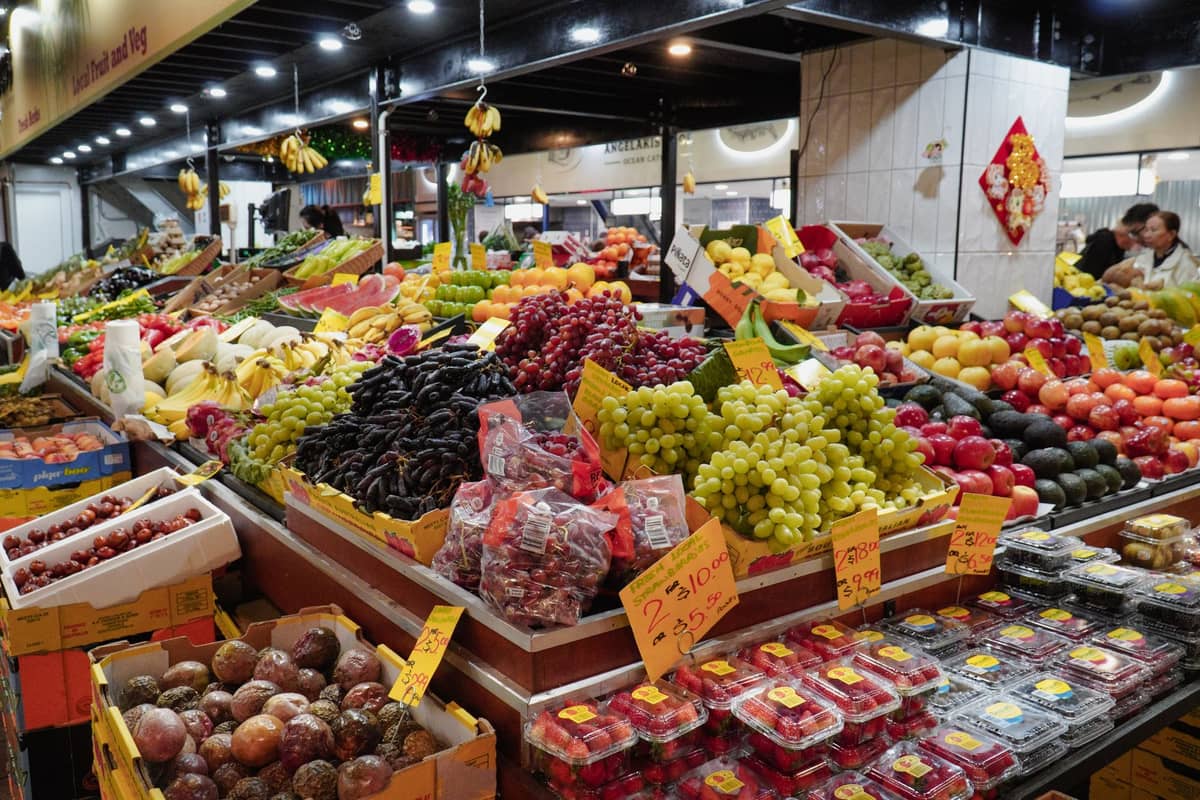
Markets in Auckland reflect the city's food culture more honestly than most restaurants do. You get direct access to New Zealand-grown produce, Pacific Island ingredients, and a food vendor scene that experiments constantly. The best markets in Auckland are not just shopping opportunities — they are places where the city's multicultural character shows up in a single square of stalls.
The market circuit breaks into three broad categories: Saturday morning farmers' markets in residential suburbs, Sunday rural markets that reward a drive, and rotating evening night markets spread across the suburban fringe. Each works differently. If you are visiting Auckland on a budget, the night markets in particular offer serious value — large portions, $8–$15 per dish, and no need to sit in a restaurant.
ℹ️ Good to know
Auckland's markets are not concentrated in one area. Matakana is roughly 75 km north of the CBD. Clevedon is around 40 km southeast. Night market venues rotate nightly across eight or more suburban locations. Always verify the current venue and hours before travelling — the listings above are starting points, not guarantees.
Saturday Farmers' Markets: The Inner-City Options
Parnell Farmers' Market is the benchmark for inner-city market shopping in Auckland. It runs every Saturday from 8am to noon, behind Parnell Library on Courts Road. The format is compact but well-curated: organic vegetables, artisan bread, free-range eggs, local honey, cheese, and a rotating cast of prepared food stalls. Arrive before 9am if you want first pick of the produce; by 11am the best vendors are often sold out.
Parnell itself is one of Auckland's most walkable inner suburbs, with heritage streetscapes and good coffee. If you are combining the market with a morning in the area, Parnell has enough cafés and galleries to fill a half-day without any effort. The market is free to enter.
The Karangahape Farmers' Market runs on a limited seasonal schedule — the 2026 season is listed as 12 September to 14 November, Saturdays only. Check the official AucklandNZ listing before planning around it, as it is not a year-round fixture. The K'Rd location makes it convenient if you are already exploring that part of the city, but it should not anchor your Saturday plans unless you have confirmed it is running.
⚠️ What to skip
The Karangahape Farmers' Market operates on a seasonal schedule, not year-round. Confirm the current season dates on AucklandNZ before visiting. Arriving to a closed market on K'Rd is a frustrating start to a Saturday.
Sunday Rural Markets: Worth the Drive
Matakana Village Farmers' Market is the most respected rural market within reach of Auckland. It runs every Saturday from 8am to 1pm, year-round and rain or shine, in the village of Matakana, roughly a 45-minute drive from the CBD. The drive takes about an hour and follows State Highway 1 north before cutting inland through rolling farmland. This is not a casual detour — it is a destination.
What makes Matakana worth the distance is the quality and range of producers. You will find artisan cheesemakers, local wine and cider, organic growers, smoked fish, and specialty breads that do not appear at city markets. Matakana sits inside Auckland's wine country, so the market visit pairs naturally with a winery stop. Auckland's wine regions include the Matakana coast, and several cellar doors are open on Saturday mornings alongside the market.
Clevedon Village Farmers' Market runs on Sundays at the Clevedon Showgrounds, roughly a 45-minute drive from the CBD. There is a discrepancy in the listed hours — AucklandNZ gives both 9am–2pm and 8am–1pm on different parts of its site. Treat this as an early-start market and arrive by 9am to avoid any confusion. Clevedon is genuine farming country: sheep, beef, dairy, and orchards surround the village, and the market reflects that. It is smaller than Matakana but less touristy and arguably more authentic.
✨ Pro tip
Combine Clevedon market with a visit to the Clevedon coast. The Mangemangeroa Estuary track is a short walk nearby, and the drive back to Auckland through the Clevedon Valley is one of the more scenic routes in the region. Budget a full Sunday morning rather than rushing.
Auckland Night Markets: Street Food Across the Suburbs
The Auckland Night Markets operate on a rotating schedule, with different venues running on different nights of the week. Locations include Kelston, Albany, Botany, Highbury, Henderson, Papatoetoe, Pakuranga, Mt Wellington, Silverdale, and Silo Park, among others. Markets generally open around 5pm and run until late, though times can vary by location and season.
The format is consistent across venues: a mix of international street food stalls, produce and grocery vendors, clothing, and household goods. The food range is genuinely broad — Korean BBQ, Taiwanese bubble tea, Malaysian laksa, Chinese dumplings, Indian curries, Polynesian hangi-style dishes. Portions are generous by city standards, and the price point is low enough to graze across several stalls without spending much. Most dishes run between $8 and $15 NZD.
The practical catch is logistics. Night market venues rotate, and the suburban locations are spread across a wide area. None of them are within walking distance of the CBD or most central accommodation. If you do not have access to a car, check Auckland Transport's journey planner at at.govt.nz before committing to a specific venue. The getting around Auckland guide covers public transport options in detail, but for suburban night markets, driving or rideshare is often the most practical choice.
- Botany Night Market One of the larger and more established venues, with a wide food selection and consistent turnout. Good for families.
- Albany Night Market Convenient for North Shore visitors. Parking is typically available at the venue.
- Papatoetoe Night Market Reflects South Auckland's Pacific and South Asian communities. Arguably the most diverse food selection of any venue.
- Silverdale Night Market The northernmost location. Good if you are staying on the Hibiscus Coast or returning from a Matakana day trip.
What to Know Before You Go: Practical Market Tips
Most of Auckland's markets do not charge entry, but that detail is not always stated upfront on listing sites. Based on available information, the farmers' markets at Parnell, Matakana, and Clevedon are free to enter; night markets are also generally free entry. Individual stall prices vary by vendor and are not standardised, so budget accordingly.
- Bring cash and card: most market vendors accept eftpos or card, but cash is still useful for small purchases at farmers' markets.
- Bring reusable bags: farmers' markets especially lean toward minimal packaging, and a tote bag will serve you better than plastic bags handed out at stalls.
- Arrive early at farmers' markets: the best produce and baked goods at Parnell and Matakana sell out before 10am on busy weekends.
- Check schedules before driving: night market venues rotate weekly, and seasonal markets like Karangahape may not be operating when you visit.
- Allow travel time for rural markets: Matakana and Clevedon are not suburbs — factor in 45–75 minutes each way from central Auckland.
- Tipping is not expected: service charges and tipping are not standard at New Zealand market stalls.
If markets are part of a broader food-focused visit to Auckland, the city's dining scene extends well beyond weekend stalls. The Auckland food guide covers the full picture, from the fish market at the waterfront to the restaurant strips in Ponsonby and Parnell. The Otara Flea Market is worth a separate mention: it runs Saturday mornings in South Auckland and is well-known for Pacific Island food and produce, though it operates differently from the farmers' market circuit above.
Honest Assessment: Which Markets Are Actually Worth It?
Not every market in Auckland justifies the time it takes to get there. Here is a direct ranking based on consistent quality, accessibility, and what they actually deliver.
- Parnell Farmers' Market (Best for central visitors) Reliable, high-quality, easy to reach. The go-to Saturday morning option if you are staying in the inner city. Limited in size but consistently good.
- Matakana Village Farmers' Market (Best overall quality) Worth the drive if you have a full Saturday free. The producer quality is high, the setting is attractive, and you can build a good day around it. Not a casual stop.
- Botany or Papatoetoe Night Markets (Best for street food) If you want the most food variety for the least money, the established suburban night markets deliver. Food quality varies by stall, but the range is genuinely impressive.
- Clevedon Village Farmers' Market (Best for authenticity) Smaller and less polished than Matakana, but more honest about what it is: a local farming community selling direct. Good if you prefer that over a curated food market experience.
- Karangahape Farmers' Market (Conditional) Only relevant if it is in season and you are already in the area. Not worth a dedicated trip, especially given the short operating window.
For visitors trying to fit markets into a short trip, the 3-day Auckland itinerary can help you slot a Saturday morning market visit alongside other priorities without losing a full day to logistics. If you are travelling with children, both Parnell and the night markets tend to work well — there is enough variety to keep kids engaged, and the open-air format is forgiving.
FAQ
What is the best farmers' market in Auckland?
For central visitors, Parnell Farmers' Market (Saturdays, 8am–noon) is the most reliable option. For quality and range, Matakana Village Farmers' Market is widely regarded as the best in the region, but it requires a drive of about an hour from the CBD.
Are Auckland night markets free to enter?
Yes, based on available information, Auckland Night Markets do not charge general admission. Individual stall purchases are paid separately. Always check the official Auckland Night Markets website for the current venue and any changes before travelling.
How do I find out where the Auckland Night Market is this week?
The Auckland Night Markets website (aucklandnightmarkets.co.nz/locations) lists the weekly schedule by day and venue. The schedule rotates, so check it each time rather than assuming a venue is permanent.
Are there markets in central Auckland, or are they all in the suburbs?
A few markets are in or near the inner city: Parnell Farmers' Market is close to the CBD, the seasonal Karangahape Farmers' Market runs on K'Rd when it is operating, and the night market at Silo Park is on the waterfront. Most other night markets are in suburban locations, and rural markets like Matakana and Clevedon require a longer drive.
Do Auckland markets run in winter?
Matakana Village Farmers' Market runs year-round, including winter. Parnell Farmers' Market also runs year-round. The Karangahape Farmers' Market has a limited seasonal window (check current dates). Night markets generally operate year-round, though weather can affect outdoor vendors. Auckland's winters are mild by most standards, averaging 11–16°C, so outdoor markets remain viable.
Tickets & tours
Live prices and dates from our booking partner. If you book, we may earn a commission at no extra cost to you.
Planning a trip? Discover personalized activities with the Nomado app.