Parnell sits on a long ridge above Waitematā Harbour, combining Auckland's oldest commercial streetscape with some of its finest cultural institutions. From the Auckland War Memorial Museum to the Parnell Rose Gardens and a string of independent galleries, it rewards a slower pace than the CBD demands.
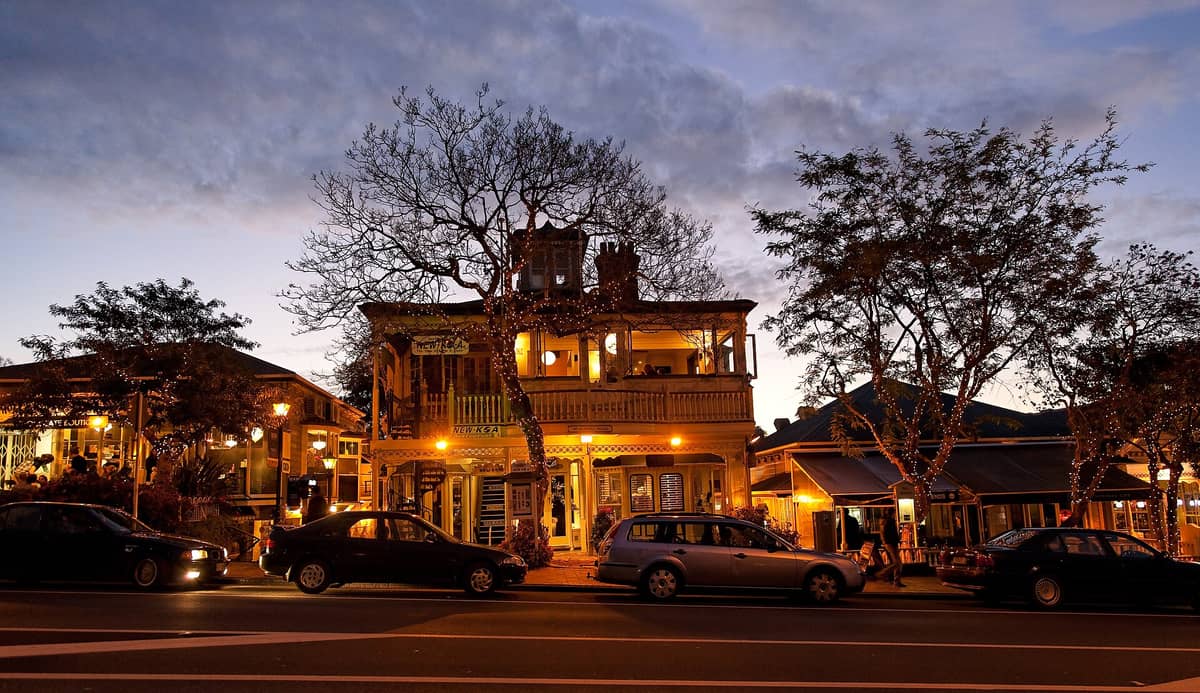
Parnell is Auckland's oldest suburb and one of its most coherent: a ridge-top strip of Victorian-era buildings, independent shops, and serious cultural institutions that feels genuinely lived-in rather than staged for tourists. It sits immediately east of the CBD, separated from downtown by the Auckland Domain's sweep of parkland, and that buffer of green space is much of what gives Parnell its unhurried character.
Orientation
Parnell occupies a north-south ridge running roughly parallel to the CBD, about one kilometre east of Queen Street. The suburb's spine is Parnell Road, which begins at the foot of Parnell Rise near the Domain's western boundary and runs south through the village centre before connecting with Newmarket. To the west, the land drops away into the Auckland Domain and its surrounding slopes; to the east, residential streets descend toward the waterfront at Judges Bay and the Waitemata Harbour shoreline.
The suburb's western boundary is effectively defined by Auckland Domain, the city's largest park, which buffers Parnell from the CBD and gives residents and visitors an extraordinary green corridor. To the south, Parnell blends into Newmarket around the rail station and the shopping precincts of Broadway. To the north, the ridge narrows toward the lower Parnell area near the waterfront and the suburb of Freemans Bay.
For visitors building a mental map of central Auckland, Parnell sits in an arc that runs from Britomart and the downtown waterfront in the northwest, through the Domain, and then south toward Newmarket and Epsom. If you are based in the CBD, Parnell feels like a natural extension of the city that most short-stay visitors never quite reach, which is part of its appeal.
Character and Atmosphere
Early mornings in Parnell belong to dog walkers cutting through the Domain and commuters moving briskly down Parnell Road toward the station. The cafés open early and are genuinely busy with locals rather than tourists: you can hear the grind of espresso machines and conversation in te reo Māori and English, occasionally Samoan or Mandarin, reflecting the suburb's proximity to the university district. The light at that hour is soft and easterly, catching the facades of the Victorian-era shop fronts along the upper village in a way that makes the streetscape look almost staged.
By mid-morning the rhythm shifts. Galleries open, the Rose Gardens begin filling with visitors, and Parnell Road settles into a pace that is unhurried without feeling drowsy. This is not a neighbourhood that runs on urgency. The streets are wide enough to feel spacious, the buildings rarely exceed two or three storeys, and the scale of everything from the shopfronts to the footpaths feels proportioned for walking rather than traffic. Independent retailers occupy most of the village's commercial strip, with occasional design studios and homeware shops breaking up the cafés and restaurants.
Afternoons in summer bring a particular quality of light over the harbour visible from the upper slopes, and the Auckland Domain fills with people on lunch breaks and school groups moving toward the museum. Parnell Road itself quietens slightly in the middle of the afternoon before picking up again around 4pm when office workers and students pass through. The suburb is not a major nightlife destination, and after about 9pm on weeknights the streets are quiet. Weekend evenings are busier around the restaurant stretch of Parnell Road, but nothing approaching the energy of Karangahape Road or the Viaduct.
ℹ️ Good to know
Parnell's commercial strip is concentrated along Parnell Road through the village centre. If you walk the full length from Parnell Rise to the southern end near Newmarket, allow at least an hour to browse properly. The northern section near Holy Trinity Cathedral has a quieter, more residential feel.
What to See and Do
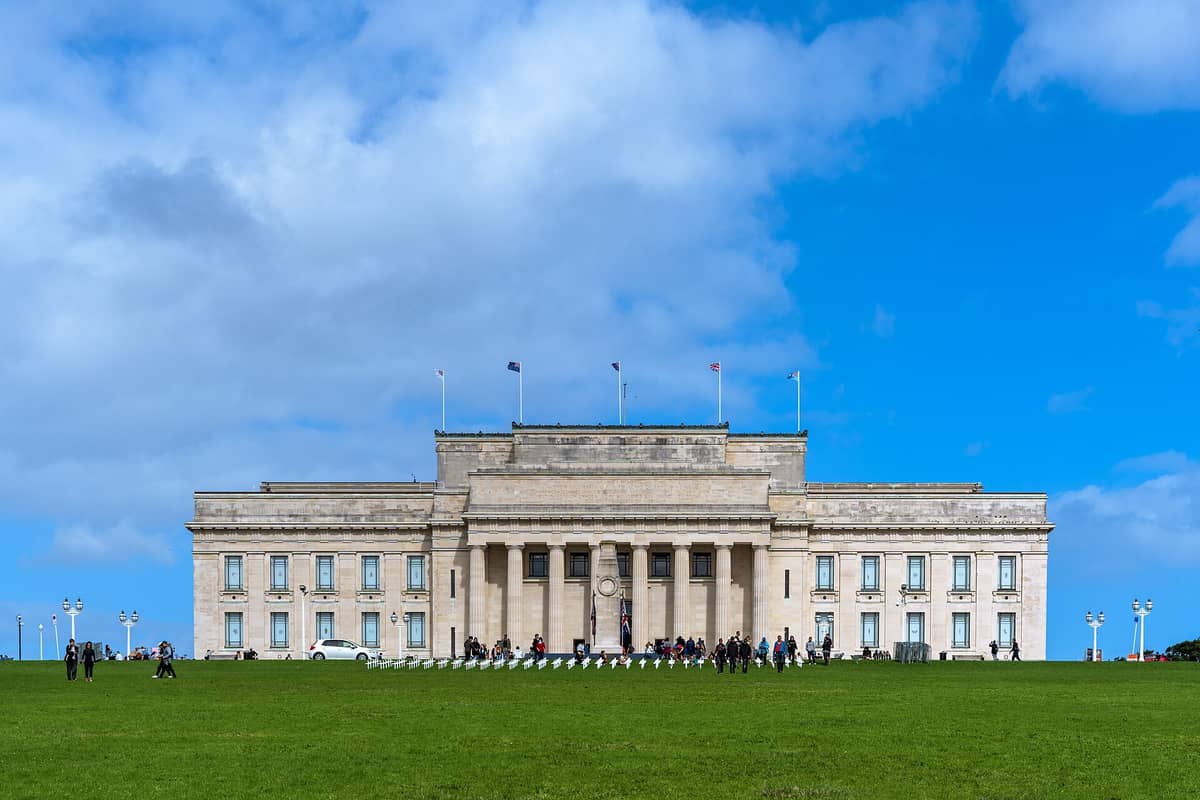
The cultural centrepiece of the entire eastern CBD is the Auckland War Memorial Museum, which sits at the top of the Domain on a slight rise with views over the volcanic landscape. The museum holds one of the finest collections of Māori and Pacific taonga (treasures) in the world, alongside significant natural history and military history galleries. Plan at least two to three hours if you intend to engage seriously with the permanent collection.
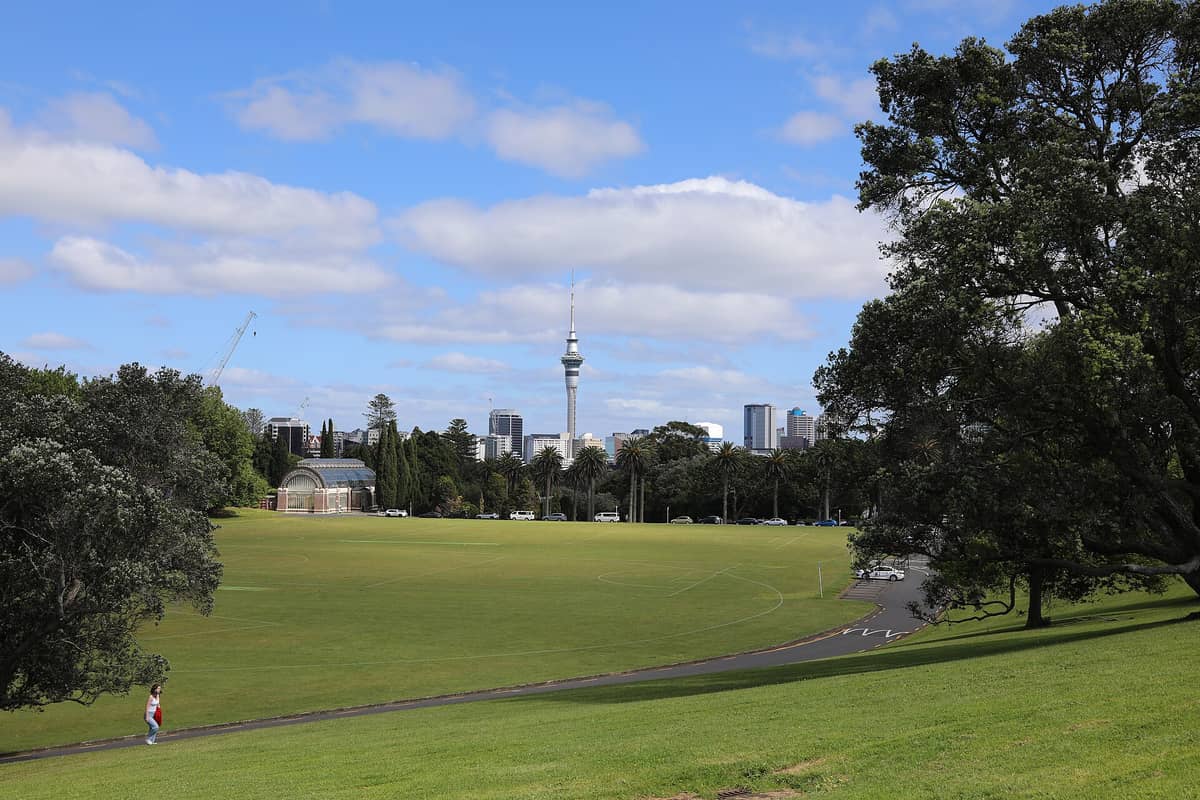
Below the museum, the Auckland Domain itself offers walking tracks, open lawns, a wintergardens complex with glasshouses, and a series of mature plantings that make it one of Auckland's most pleasant places to spend an afternoon. The Domain connects Parnell to the broader green spaces of central Auckland, and you can walk from Parnell Road through the park and emerge near the CBD without touching a main road.
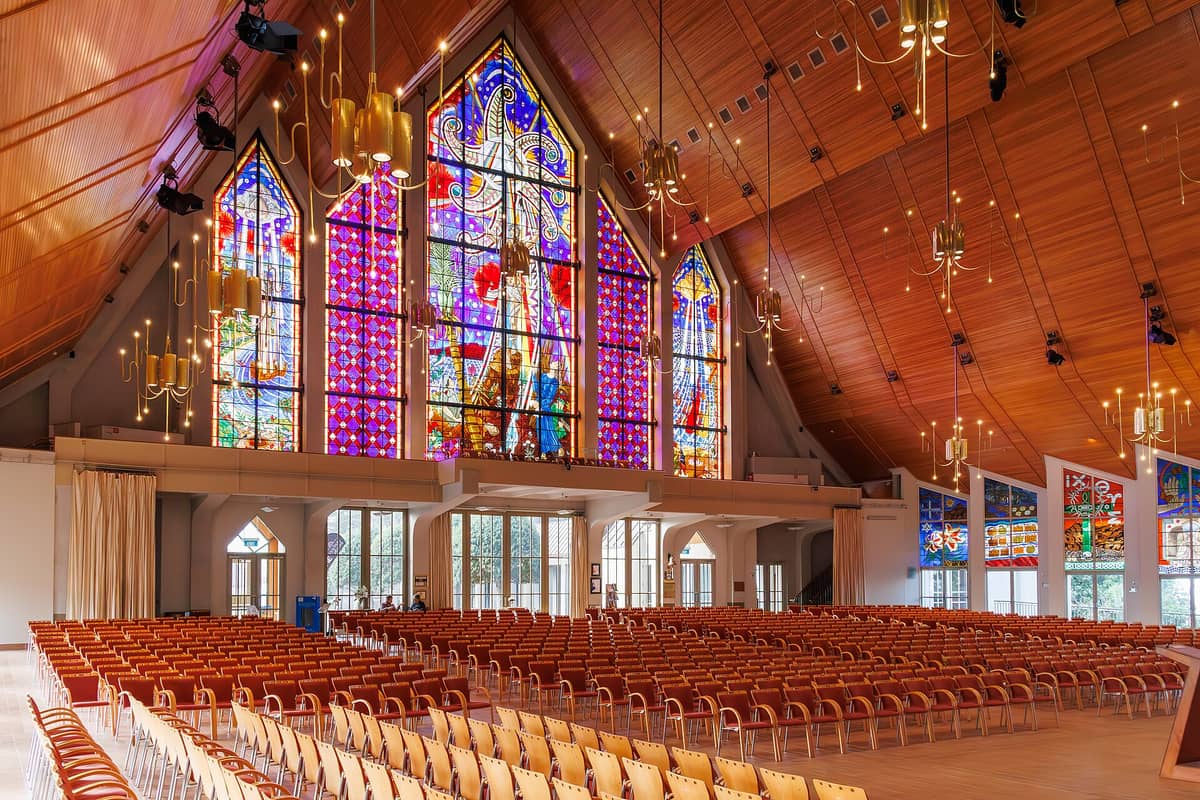
On Parnell Road itself, the Holy Trinity Cathedral is one of Auckland's most architecturally significant buildings, a Gothic Revival structure whose construction stretched across much of the twentieth century. It is open to visitors and worth entering for the quality of the woodwork and stained glass, even if you have no particular interest in ecclesiastical architecture.
The Parnell Rose Gardens, on Gladstone Road near the northern end of the suburb, are at their best between November and March when the roses are in full bloom. The gardens are free to enter and occupy a sloped site with partial harbour views. Ewelme Cottage, on Ayr Street, is one of Auckland's oldest surviving timber buildings and is jointly owned by Auckland Council and the New Zealand Historic Places Trust. The Parnell Baths, an outdoor saltwater pool complex on Judges Bay Road, is one of the few facilities of its kind remaining in New Zealand and a popular destination in the warmer months.
Auckland War Memorial Museum: world-class Māori and Pacific collections, military history, natural history
Auckland Domain: walking tracks, wintergardens, open lawns
Holy Trinity Cathedral: Gothic Revival architecture, open to visitors
Parnell Rose Gardens: free entry, best November to March
Parnell Baths: outdoor saltwater pool, summer season
Ewelme Cottage: one of Auckland's oldest surviving timber residences
Eating and Drinking
Parnell's food scene is anchored in Parnell Road and the immediate side streets, with a concentration of cafés and restaurants that serve the suburb's mix of working professionals, gallery visitors, and neighbourhood residents. The overall quality is consistently good rather than spectacular: this is not where Auckland's most experimental chefs are working, but it is where you find well-executed food in comfortable surroundings without much effort.
Cafés are the dominant daytime category. Parnell has several long-established coffee spots that take their espresso seriously, and the morning cafe culture is genuinely local in character. Brunch runs until early afternoon on weekends and draws a mixed crowd of neighbourhood residents and visitors who have come up from the Domain after the museum. Prices are in line with Auckland's inner-city average, which means brunch for two with coffee typically runs NZD 45 to 70.
The restaurant strip along Parnell Road covers a range of cuisines from modern New Zealand to Italian, Japanese, and Middle Eastern. There is a scattering of wine bars and a few spots that function as both café and dinner venue depending on the hour. The area is not known for cheap eats: budget travellers will find better value in Newmarket to the south or in the CBD. But for a mid-range dinner in a neighbourhood that does not feel chaotic, Parnell is a reliable choice.
💡 Local tip
If you are visiting the Auckland War Memorial Museum around lunchtime, the Domain Wintergarden café area and the museum's own café are convenient options. For a better meal, walk the five minutes down to Parnell Road where the choice is considerably wider.
Getting There and Around
Parnell Station, on the South City line, is the most direct public transport connection. The station sits at the southern end of the suburb near the Newmarket boundary, and from there it is a ten to fifteen minute walk north along Parnell Road to the village centre. Trains from Britomart take around five minutes; check Auckland Transport's journey planner before travelling as services and schedules are subject to change, particularly during maintenance works.
The Inner Link bus runs along Parnell Road and Parnell Rise, connecting the suburb directly to the CBD, Ponsonby, and other inner-city areas in a continuous loop. The Outer Link also serves parts of Parnell. Both services are covered by Auckland Transport's AT HOP card system or contactless payment. For broader context on moving around central Auckland, the Auckland transport guide covers all the main options.
On foot, Parnell is approximately 20 to 25 minutes from Britomart walking via the Domain route, or slightly less via Parnell Rise directly. The Domain walk is far more pleasant: you leave the CBD behind quickly and the path through the park delivers you near the museum before descending to Parnell Road. Cycling is possible but the ridge-top terrain and the climb up Parnell Rise can be significant if you are coming from the waterfront on a regular bike.
⚠️ What to skip
Parking in the Parnell village centre is limited and controlled during business hours. If you are driving, allow extra time to find a spot, particularly on weekends when the Rose Gardens and museum draw visitors from across Auckland.
Where to Stay
Parnell is not Auckland's main hotel district, but it does have accommodation options ranging from boutique guesthouses to a small number of larger properties, particularly toward the Parnell Road village centre and the Domain-facing slopes. For most visitors, staying in Parnell makes most sense if you are prioritising the Auckland War Memorial Museum, the Domain, or easy access to Newmarket for shopping. Those focused on the waterfront and downtown attractions may prefer Britomart or the CBD, which put you closer to ferries and the main commercial core.
The suburb suits travellers who want a quieter base that still has good transport links. It is genuinely residential in character away from the Parnell Road strip, which means early mornings are peaceful. For a broader picture of Auckland's accommodation landscape, the Auckland neighbourhood guide for accommodation compares the main options across the central city.
Honest Assessment: Who Parnell Is For
Parnell rewards visitors who move at a walking pace and have some interest in Auckland's cultural and architectural history. It is not a neighbourhood that delivers the kind of rapid-fire attractions list that suits a one-day sprint through the city. The museum alone can absorb half a day, and the rest of the suburb's appeal is in the accumulation of small details: a well-maintained Victorian shopfront, a gallery showing New Zealand painters, a rose garden in full colour against a harbour backdrop.
It is probably not the right base for travellers whose primary interests are Auckland's nightlife, the waterfront, or day trips to the Hauraki Gulf islands. For those priorities, the CBD or the Viaduct Harbour area will put you closer to what you need. But if your itinerary includes the Auckland War Memorial Museum as a serious destination, and if you want a neighbourhood with genuine character rather than a hotel corridor, Parnell earns its consideration.
Parnell also connects naturally to a wider exploration of Auckland's inner east. From here it is easy to walk south into Newmarket, loop back through the Domain to the CBD, or follow Tamaki Drive east toward Mission Bay and the waterfront suburbs. The Tamaki Drive waterfront route is accessible from the lower Parnell slopes near Judges Bay and makes an excellent morning walk before the suburb itself fully wakes up.
TL;DR
Best for: visitors prioritising the Auckland War Memorial Museum, heritage architecture, and a quieter inner-city base with good café culture.
Skip if: your focus is nightlife, Viaduct Harbour activities, or rapid access to ferry terminals for Waiheke Island or Devonport.
Key transit: Parnell Station (eastern rail line) and the Inner Link bus along Parnell Road connect the suburb to the CBD and Newmarket in under 15 minutes.
Honest drawback: limited budget dining, minimal nightlife, and parking is genuinely difficult on weekends near the village centre and museum.
Walk this: the Domain route from Britomart to the museum and down to Parnell Road is one of Auckland's best 30-minute urban walks and requires no public transport at all.
Auckland delivers serious adventure on land, sea, and from the top of a 328-metre tower. This guide covers the best adventure activities in Auckland with real pricing, practical logistics, seasonal advice, and clear warnings about what to watch out for before you book.
Auckland Airport (AKL) sits 21 km south of the city centre in Māngere. This guide covers everything from navigating arrivals to choosing the right transport option, so you can get moving the moment you land.
Auckland's event calendar runs from summer beach festivals through winter film screenings to spring heritage tours. This guide covers the major annual events, what they cost, when crowds peak, and how to plan around them — with candid notes on what's worth your time.
Auckland's food scene reflects the city it sits in: diverse, seafood-forward, and shaped by Māori, Pacific, and Asian influences alongside a confident modern New Zealand kitchen. This guide breaks down what to eat, where to eat it, and which food experiences are genuinely worth your time.
Three days is enough time to get a genuine feel for Tāmaki Makaurau Auckland — its volcanic landscape, Māori heritage, waterfront culture, and island escapes. This itinerary cuts through the noise and tells you exactly where to go, when, and why.
Auckland sits on land with deep Māori roots. This guide covers the most meaningful cultural experiences in Tāmaki Makaurau, from museum performances and waterfront heritage spaces to guided tours led by descendants of the city's founding chief. Learn what to see, what to pay, and how to engage respectfully.
Auckland's market scene spans inner-city farmers' markets, rotating suburban night markets, and rural day trips worth planning your weekend around. This guide covers the best markets in Auckland by type, location, and what to expect when you arrive.
Auckland's nightlife is more compact than its size suggests, but the quality runs deep. From waterfront cocktail bars to Karangahape Road's late-night underground, this guide covers the key precincts, practical logistics, and what to realistically expect on a night out in Tāmaki Makaurau.
Auckland has a reputation for being expensive, and that reputation is partly earned. But the city also has a surprising number of genuinely free and low-cost experiences — volcanic walks, world-class beaches, free museum entry, and excellent public markets. This guide breaks down exactly how to visit Auckland without burning through your travel fund.
Auckland's shopping scene runs from polished waterfront precincts and heritage high streets to Saturday morning farmers markets and sprawling suburban malls. This guide breaks down where to shop, when to go, and what to skip, so you spend your time and money well.
Flying is the only practical way to travel from Auckland to Queenstown, and the route is well-served by two airlines year-round. This guide covers your transport options, realistic flight costs, seasonal disruptions, and how to get oriented once you land in Queenstown.
Auckland sits on one of the world's most unusual urban landscapes: a live volcanic field with over 50 cones scattered across the city. This guide covers the most significant maunga, their cultural importance, practical access details, and what to expect when you visit.
Auckland's west coast delivers something the sheltered harbour beaches simply cannot: raw, wind-scoured black-sand shorelines, serious surf, and dramatic coastal scenery within 45 minutes of the city. This guide covers every major beach, how to get there, when to go, and how to stay safe on some of New Zealand's most powerful surf.
Auckland sits within striking distance of three distinct wine regions, each with its own character, grape varieties, and logistical quirks. This guide covers what to expect at Waiheke Island, Kumeū, and Matakana — including real transport costs, how to structure a day trip, and which cellar doors are worth your time.
Auckland delivers a surprisingly rich range of experiences for families, from world-class wildlife encounters and hands-on museums to beach days and island adventures. This guide picks the best activities for kids of all ages, with practical tips on what to expect at each stop.
Auckland sits on an isthmus between two harbours, with the Tasman Sea to the west and the Hauraki Gulf to the east, giving the city an extraordinary range of beaches within an hour of the CBD. This guide covers the best of them, from dramatic west coast surf breaks to sheltered harbour swimming spots.
Auckland sits on a volcanic field, between two harbours, and beside one of New Zealand's great forested ranges. Whether you want a 30-minute summit stroll or a full-day coastal traverse, the city delivers. These are the walks worth lacing your boots for.
Auckland punches well above its weight for museum culture. Whether you're after Māori taonga, Pacific art, colonial history, or vintage technology, the city has a collection to match. This guide covers the best museums in Auckland across every interest and budget.
Auckland sits on an isthmus surrounded by two harbours, and its parks reflect that geography in remarkable variety. This guide covers the best parks in Auckland, from volcanic cones and ancient forest to coastal reserves and formal city gardens.
Auckland is a year-round destination, but the right time to visit depends entirely on what you want to do. This guide breaks down every season, covering weather patterns, crowd levels, major events, and the practical details that generic guides skip.
Auckland sits on an isthmus studded with volcanic cones, harbour headlands, and elevated parks, making it one of the world's most view-rich cities. This guide covers the finest viewpoints across the city, from the Sky Tower's observation deck to wild clifftop lookouts, with practical advice on how to reach each one.
Auckland sits at the centre of one of the most day-trip-rich regions in the Southern Hemisphere. Whether you want a 25-minute ferry to a volcanic island or a full-day drive to Hobbiton, this guide covers logistics, costs, and practical recommendations so you can pick the right trip for your time.
Auckland is one of the most naturally dramatic cities in the world, and a surprising amount of what makes it great costs nothing. From volcanic summit walks and black-sand beaches to free art galleries and gannet colonies, here are 20 genuinely rewarding free experiences across the city and region.
Auckland sprawls across an isthmus with two harbours, dozens of suburbs, and islands in the gulf. This guide breaks down every practical way to navigate the city, from AT HOP card fares to ferry routes, rental cars, and the airport transfer options that are actually worth your time.
The Hauraki Gulf holds more than 50 islands within reach of Auckland, but not all of them suit every traveller. This guide breaks down the four main options by experience, ferry logistics, cost, and what you actually get when you arrive — so you can choose without guessing.
Hobbiton is one of New Zealand's most popular attractions, and it makes for a very doable day trip from Auckland. This guide covers every practical detail: how to get there, which tour to book, what it costs, and how to make the most of your visit.
Auckland divides opinions: some travellers race through it en route to Queenstown or the Bay of Islands, others find it one of the most rewarding cities in the Southern Hemisphere. This guide cuts through the brochure language and gives you a clear-eyed picture of what Tāmaki Makaurau Auckland actually offers, who it suits best, and what genuinely isn't worth your time.
Auckland spans two harbours, 53 volcanic cones, and one of the Pacific's most diverse cities. This guide covers the best things to do in Auckland across nature, culture, food, and island escapes — including what is worth your time and what is not.
Waiheke Island is one of Auckland's most rewarding day trips, combining world-class vineyards, sheltered beaches, and easy ferry access into a single compact island. This guide covers everything you need to know: how to get there, where to eat and drink, how to get around, and when to go.
Choosing where to stay in Auckland shapes your entire trip. This area-by-area guide covers the CBD waterfront, Ponsonby, Parnell, Devonport, and beyond — with clear assessments of who each neighbourhood suits, what to budget, and how to get around once you're there.