Is Auckland Worth Visiting? An Honest Assessment
Auckland divides opinions: some travellers race through it en route to Queenstown or the Bay of Islands, others find it one of the most rewarding cities in the Southern Hemisphere. This guide cuts through the brochure language and gives you a clear-eyed picture of what Tāmaki Makaurau Auckland actually offers, who it suits best, and what genuinely isn't worth your time.
Tickets & tours
Live prices and dates from our booking partner. If you book, we may earn a commission at no extra cost to you.
TL;DR
- Auckland is New Zealand's largest city, home to around 1.66 million people across a 4,941 km² region spanning two harbours, dozens of volcanic cones, and the Hauraki Gulf.
- The city rewards travellers who engage with its Māori culture, waterfront, island ferries, and food scene — see our full things to do in Auckland guide for a complete breakdown.
- Getting around requires planning: public transport covers the centre well, but the wider city is car-dependent and traffic is a genuine issue.
- Weather is changeable year-round — Auckland is not the reliably sunny destination its marketing sometimes implies.
- If you only have 48 hours and want dramatic scenery, New Zealand's South Island may deliver more per day. But Auckland's combination of urban culture, volcanic landscapes, and island day trips makes it worth at least three days.
What Kind of City Is Auckland, Really?
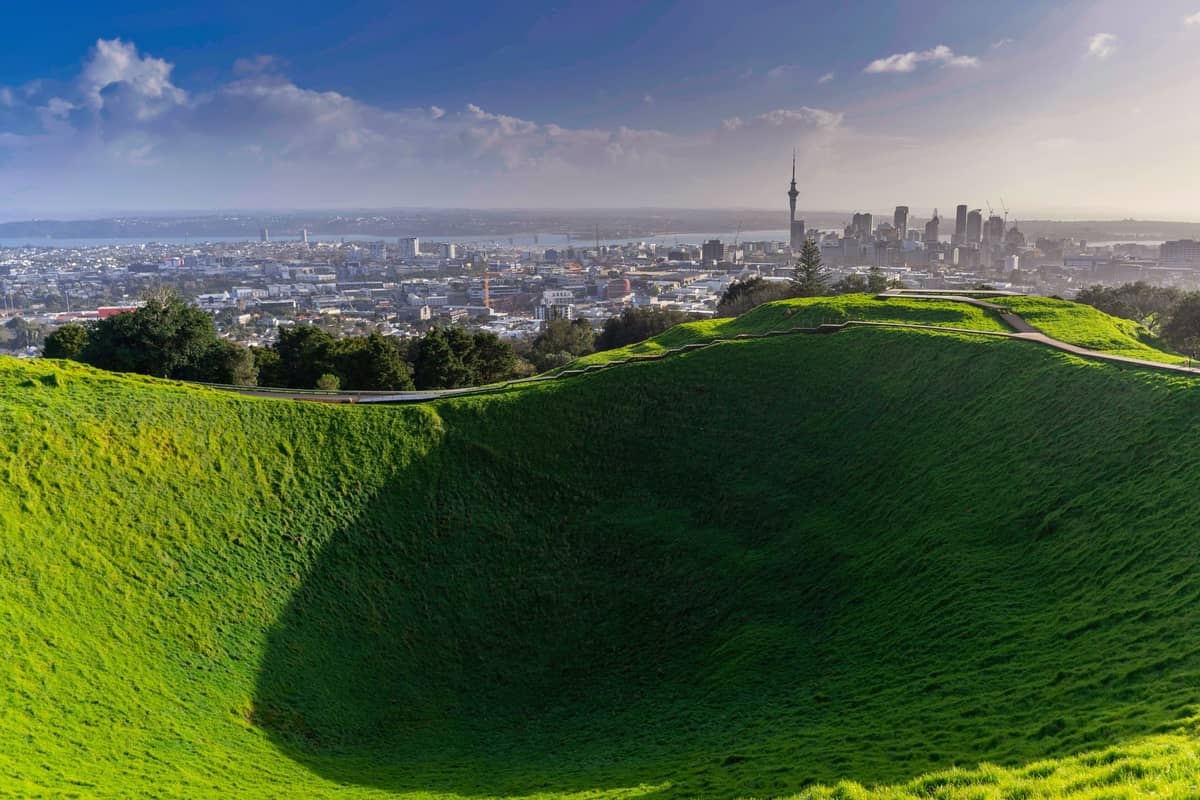
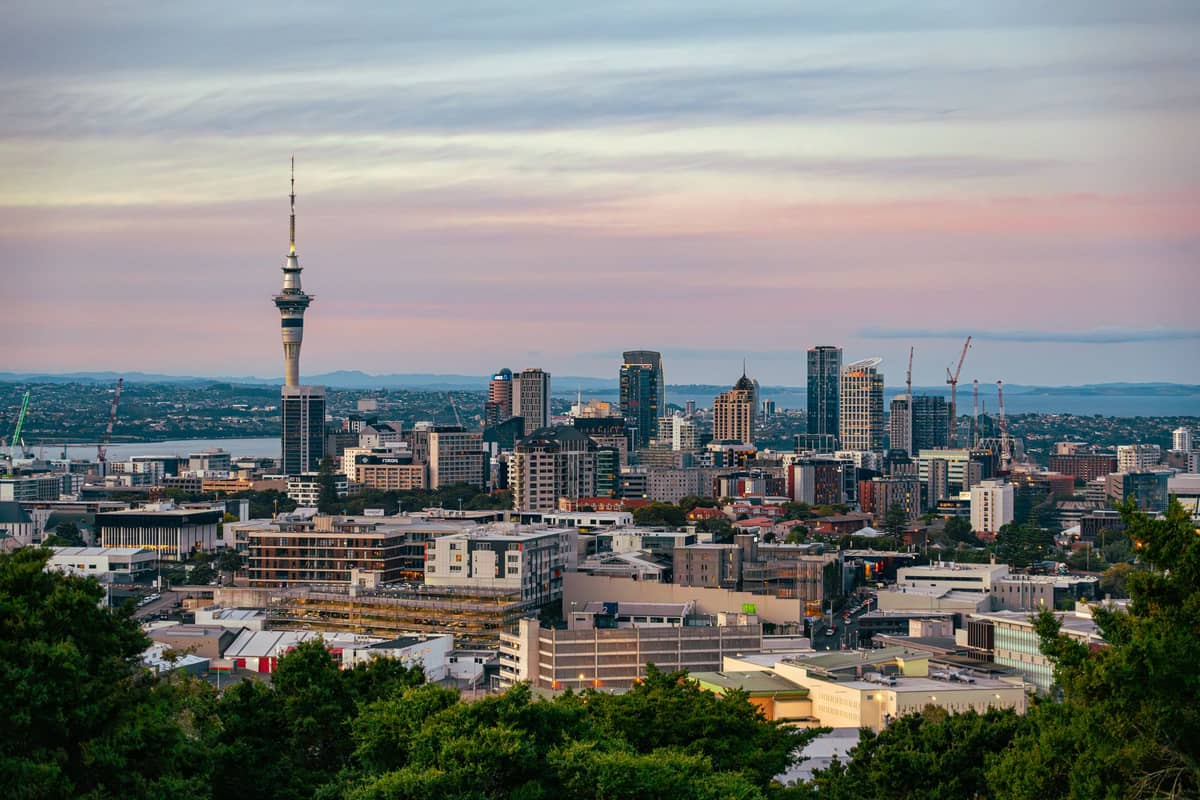
Auckland sits on a narrow isthmus between two harbours: the Waitematā to the east and the Manukau to the west. This geography shapes everything. The city is spread across hills formed by around 53 volcanic cones, is flanked by wild west-coast black-sand beaches, and opens onto the Hauraki Gulf with its scatter of islands. It is genuinely unlike any other city in the world in terms of physical setting, even if parts of the urban fabric feel unremarkable.
With 1,656,486 people recorded in the 2023 Census, Auckland holds roughly a third of New Zealand's entire population. That concentration brings world-class restaurants, diverse neighbourhoods, and strong arts institutions, including the Auckland Art Gallery and the Auckland War Memorial Museum. It also brings traffic congestion, high accommodation prices, and the suburban sprawl that frustrates visitors expecting a compact, walkable city.
The honest answer to whether Auckland is worth visiting depends almost entirely on what you do there. Spend your days in a hotel near the Sky Tower ticking off chain restaurants and airport souvenir shops, and you'll leave underwhelmed. Build an itinerary around the waterfront, the volcanic cones, and at least one ferry crossing to an island, and the city justifies every day you give it.
The Genuine Highlights: What Auckland Does Well
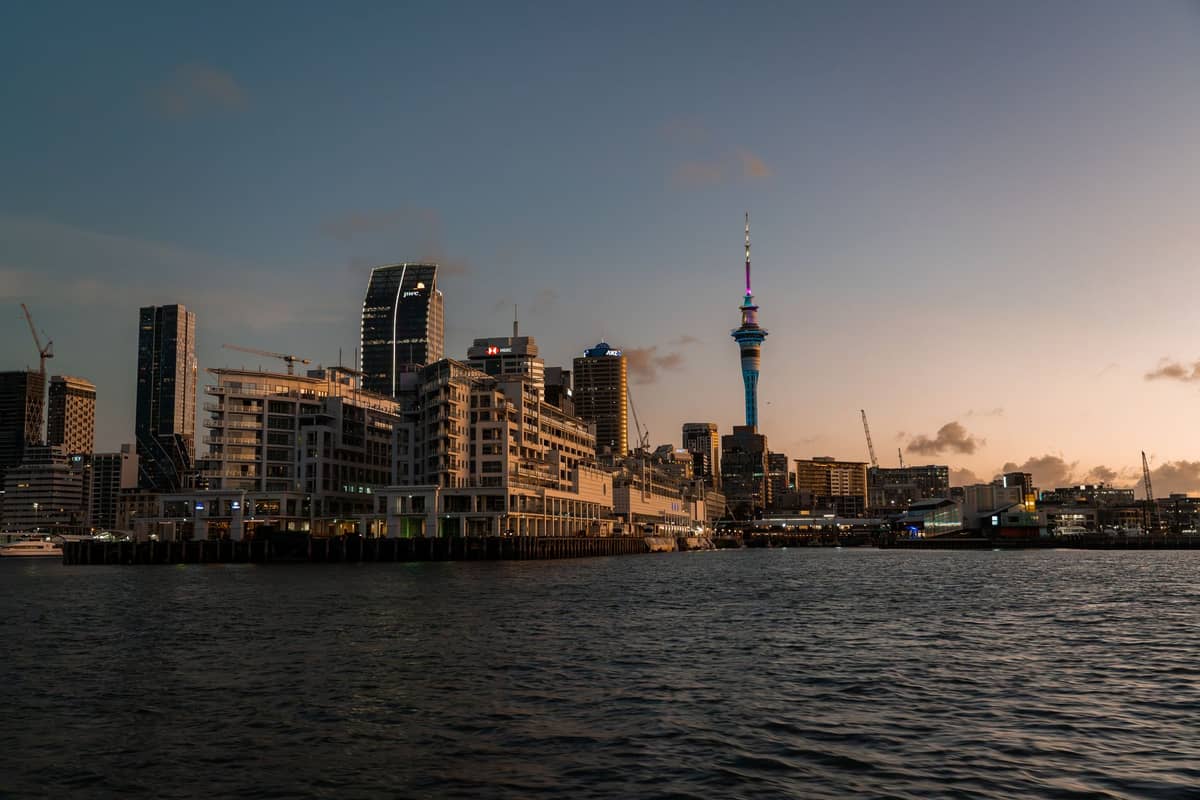
The waterfront precincts are Auckland's most immediately appealing asset. Wynyard Quarter and the Viaduct Harbour have been genuinely transformed in the past two decades: they now offer a walkable stretch of restaurants, bars, and public spaces with real harbour views rather than parking lots. On weekend mornings, the fish market end of the waterfront draws locals, not just tourists.
The volcanic cones are underrated by international visitors who skip them for more obvious landmarks. Climbing Mount Eden (Maungawhau) takes about 20 minutes from the suburb below and gives you a 360-degree view across the city, both harbours, and the gulf islands. It is free, genuinely impressive, and gives you a geographic understanding of the city that no amount of map-reading can replicate. For more, the guide to Auckland's volcanic cones covers all major summits with practical access details.
The island ferry network is where Auckland earns its most enthusiastic reviews. A 35-minute ferry from downtown drops you on Waiheke Island, where you can spend a day between vineyards, olive groves, and small beaches for a fraction of what a comparable wine-country experience would cost in Western Europe. Rangitoto Island is a different proposition entirely: a perfectly symmetrical volcanic cone rising from the gulf, with lava caves and a summit track that rewards the effort with extraordinary views.
✨ Pro tip
Book Waiheke ferry tickets in advance during summer (December to February) and school holiday periods. The ferry fills early on weekends, and standing on the return crossing after a long day at a winery is not the experience you want.
Auckland's food scene has matured considerably and reflects the city's Pacific and Asian demographics. Ponsonby and Karangahape Road (K Road) are the two streets worth walking for independent cafés, wine bars, and restaurants that aren't optimised for tourist turnover. Our Auckland food guide covers the best options by neighbourhood and budget.
What Auckland Doesn't Do Well: The Honest Drawbacks
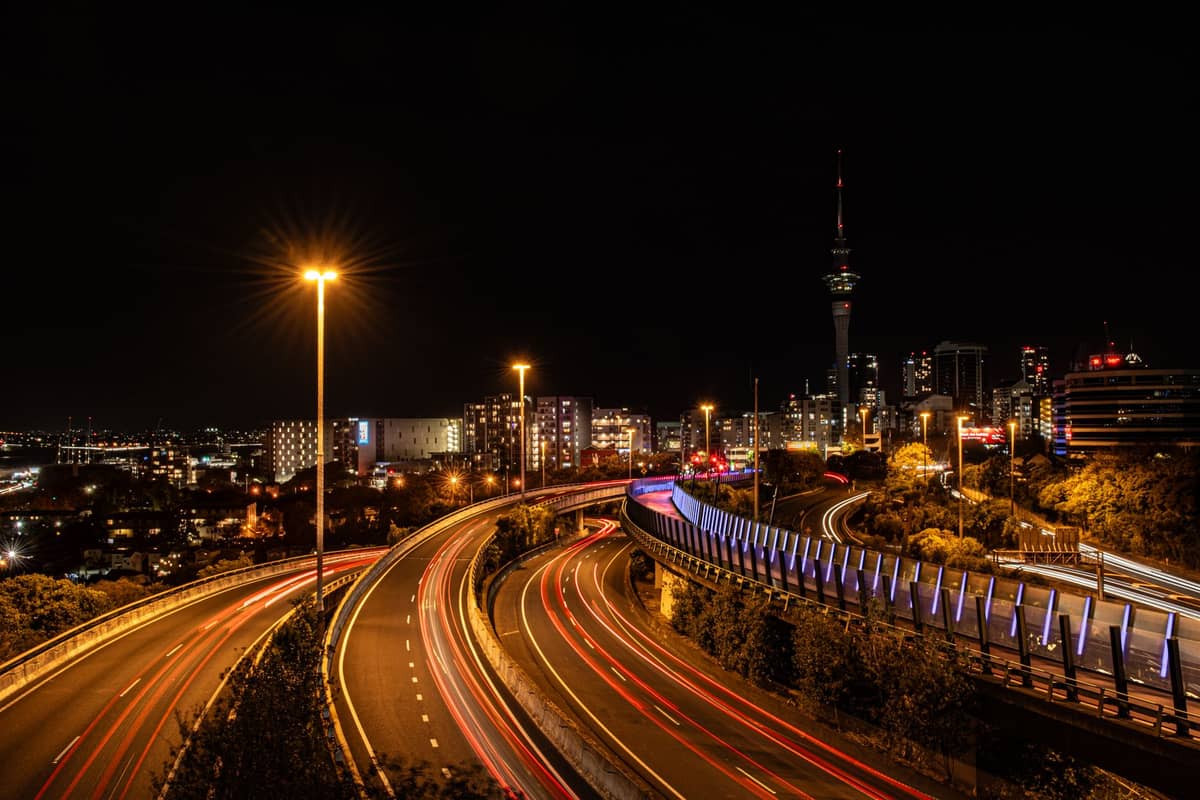
Auckland's public transport is improving but still limited by the standards of European or East Asian cities. The city was built around the car for decades, and the consequence is that many worthwhile destinations, particularly the west coast beaches and regional parks, are effectively inaccessible without a vehicle. If you plan to rely solely on buses and trains, your radius of exploration shrinks significantly.
Cost is a serious consideration. New Zealand is an expensive destination, and Auckland adds a city premium on top. Budget accommodation options exist but are limited in the central city, and dining out is noticeably more expensive than comparable cities in Southeast Asia or Southern Europe. Tipping is not customary or obligatory, but that saving is small relative to menu prices.
The weather is one of Auckland's most persistent misconceptions. The city sits in a temperate maritime climate: summer daytime temperatures average around 20 to 24°C, which is pleasant, but rain is possible in any month and changeable conditions within a single day are common. The west coast beaches, Piha in particular, are dramatically beautiful but frequently overcast. Plan outdoor activities with a backup option.
⚠️ What to skip
The Sky Tower observation deck is Auckland's most visited paid attraction, and it is genuinely overpriced for what it delivers compared to the free view from Mount Eden. Consider it only if you're interested in the SkyJump or SkyWalk experiences, which are harder to replicate elsewhere.
- Traffic and distances Auckland is sprawling. Allow far more time for road journeys than maps suggest, particularly during morning and evening peak hours.
- Waterfront tourist traps The stretch immediately around the Ferry Building has restaurants that trade on location rather than quality. Walk two blocks inland and prices and standards both improve.
- Seasonal crowding Christmas through late January brings domestic tourists in large numbers. Beaches, ferries, and popular hiking trails are significantly busier. Book accommodation well ahead.
- Limited late-night options outside the centre Auckland's nightlife is centralised. If you're staying in a suburban area, getting back from the city centre late at night without a car or a rideshare app is difficult.
Who Auckland Suits Best (and Who Should Reconsider)

Auckland works best for travellers who are curious about Māori culture and New Zealand's Polynesian communities, who enjoy urban exploration alongside natural landscapes, or who want a genuine city experience at the start or end of a broader New Zealand trip. It is a strong base for day trips: the Coromandel Peninsula, Northland, and even Hobbiton are all within striking distance.
Travellers whose primary interest is dramatic wilderness scenery, alpine environments, or adventure sports will find the South Island more consistently rewarding. Our guide to day trips from Auckland covers the best options for getting out of the city if you find yourself needing more landscape and less urban environment.
For families, Auckland has more to offer than its reputation suggests. Kelly Tarlton's Sea Life Aquarium and Auckland Zoo are solid options, and the harbour beaches along Tāmaki Drive are calm and swimmable in summer. See the dedicated guide to Auckland with kids for a fuller itinerary.
ℹ️ Good to know
New Zealand's official languages are English, te reo Māori, and New Zealand Sign Language. Auckland has significant Pacific Island and Asian communities, and Samoan, Hindi, and Mandarin are commonly heard across the city. This diversity is one of Auckland's genuine strengths and is most visible in its food markets and suburban neighbourhoods.
Practical Basics: Getting In, Getting Around, and What to Budget
Auckland Airport (AKL) is the main entry point, located about 21 km south of central Auckland in Māngere. The AirportLink bus connects to Puhinui Station, where you can transfer to the wider train network. The SkyDrive coach runs directly between the airport and SkyCity in the city centre. Rideshare and taxis are available from designated pickup zones. Travel time to the city varies considerably depending on traffic, and peak-hour journeys can take well over an hour by road.
Once in the city centre, buses, trains, and ferries cover most points of interest. Auckland Transport (AT) operates the network, and both contactless bank cards and AT HOP cards are accepted on most services. Fares and schedules change periodically, so check the AT journey planner before travelling rather than relying on published prices. For anything outside the central isthmus, a rental car gives you significantly more flexibility.
- Auckland is in the New Zealand Standard Time zone (UTC+12 in winter, UTC+13 during daylight saving)
- Currency is the New Zealand dollar (NZD); ATMs are widely available in central Auckland
- Electricity: 230V, 50Hz, Type I plugs — the same as Australia but different from the UK, US, and Europe
- Tap water is treated and safe to drink from the municipal supply
- Emergency number is 111 for police, fire, and ambulance
- Visa requirements vary by nationality; holders of many passports need an NZeTA before arrival — check Immigration New Zealand's official list
- Tipping is not expected but is accepted if you choose to leave one
How Much Time Do You Actually Need?
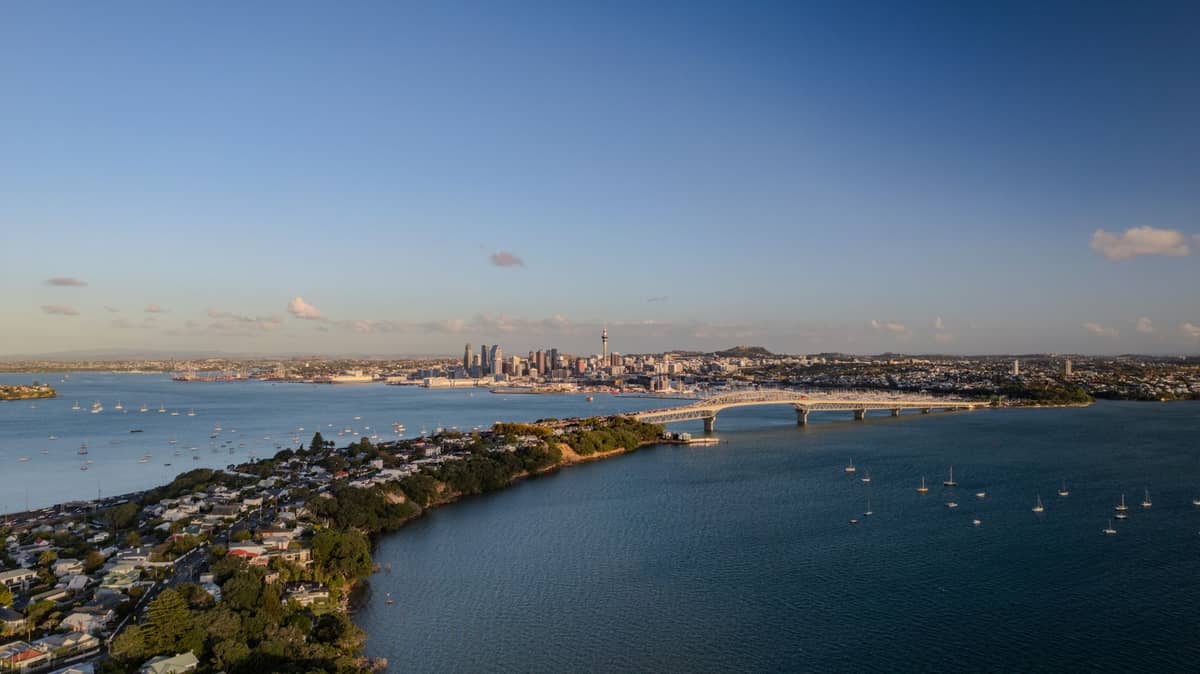
Three days is the realistic minimum to see Auckland properly. On that schedule you can cover the waterfront and central city on day one, a volcanic cone and inner suburbs on day two, and a full-day ferry trip to Waiheke or Rangitoto on day three. Our 3-day Auckland itinerary maps this out in detail with specific timings and transport options.
Five days allows you to add the west coast beaches, explore Devonport properly, and push into the wider Hauraki Gulf. Beyond five days, you'll likely want to leave Auckland and explore the North Island rather than staying in the city. The Northland coast, Coromandel, and Rotorua are all between two and three hours from central Auckland by car and each offers experiences the city cannot replicate.
The best time to visit depends on your priorities. December through February brings warmth and long days but also crowds and higher accommodation rates. March through May is often the most pleasant combination of good weather and thinner crowds. For full seasonal analysis, see the guide to the best time to visit Auckland.
FAQ
Is Auckland worth visiting for just one or two days?
One day is tight but workable if you focus: take the ferry to Devonport in the morning, walk up Mount Victoria for views, return to the waterfront for lunch, then explore the Viaduct and Wynyard Quarter in the afternoon. Two days allows you to add a volcanic cone and get a better feel for the city's neighbourhoods. Any less than that and you'll spend most of your time in transit.
Is Auckland safe for tourists?
Auckland is generally considered safe by international standards. Standard urban precautions apply in the CBD and around entertainment precincts late at night. The emergency number in New Zealand is 111.
Is Auckland expensive compared to other cities?
Yes, New Zealand is among the more expensive destinations in the Asia-Pacific region, and Auckland carries an additional city premium. Accommodation, dining out, and transport costs are noticeably higher than in Southeast Asian cities. Budget-conscious travellers should look at self-catering options, free attractions like the volcanic cones and coastal walks, and the city's food markets. The free things to do in Auckland guide covers the best no-cost options.
Should I visit Auckland or go straight to the South Island?
For first-time visitors to New Zealand, spending at least three days in Auckland before heading south gives you important context: Māori culture, Pacific communities, and the Hauraki Gulf experience are distinctly North Island. That said, if dramatic alpine scenery and adventure sports are your primary interest, the South Island will deliver more consistently and you should minimise time in Auckland.
What is the weather like in Auckland and does it affect travel plans?
Auckland's temperate maritime climate means mild, humid summers (averaging 20 to 24°C) and cool, damp winters (around 11 to 16°C). Rain can happen in any month, and conditions can shift quickly within a single day. Summer is generally drier and better for beaches and outdoor activities, but expect some overcast days. Always plan outdoor itineraries with a weather contingency.
Tickets & tours
Live prices and dates from our booking partner. If you book, we may earn a commission at no extra cost to you.
Planning a trip? Discover personalized activities with the Nomado app.