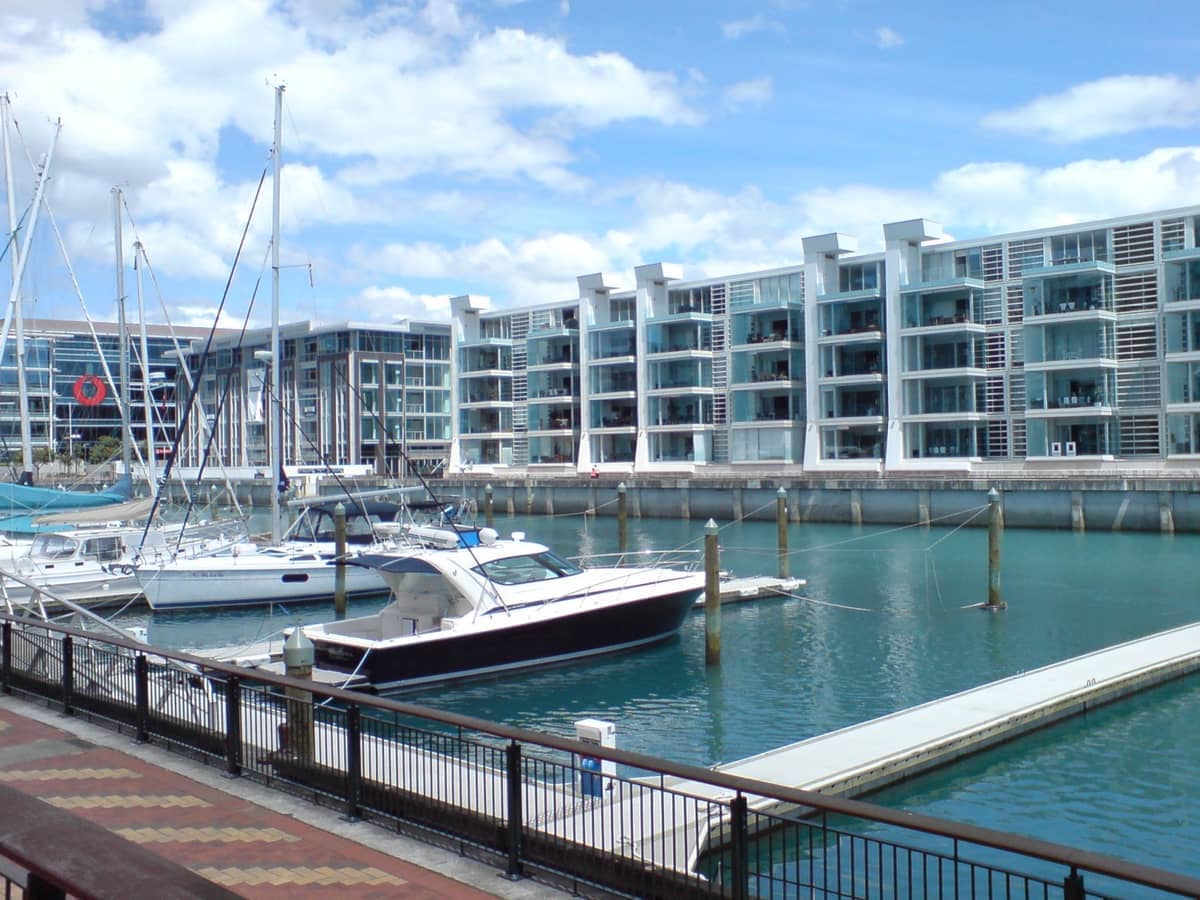
Wynyard Quarter is a redeveloped waterfront precinct on the western edge of Auckland's city centre, where converted industrial buildings now house restaurants, bars, and public green spaces facing the Waitematā Harbour. It sits between the Viaduct Harbour and the working fishing port, giving it a character that is polished without being sterile. For visitors who want harbour views, good food, and easy access to central Auckland without the noise of the CBD's main drag, it delivers.
Wynyard Quarter is Auckland's most ambitious waterfront transformation: a former fishing and petroleum industry hub turned into an open, pedestrian-friendly precinct with restaurants, parks, and unobstructed harbour views. It occupies the northwestern tip of the city centre, close enough to walk to Britomart and the CBD, yet distinctly calmer in pace. The quarter has a planned, spacious feel that sets it apart from the older, denser streets just inland.
Orientation
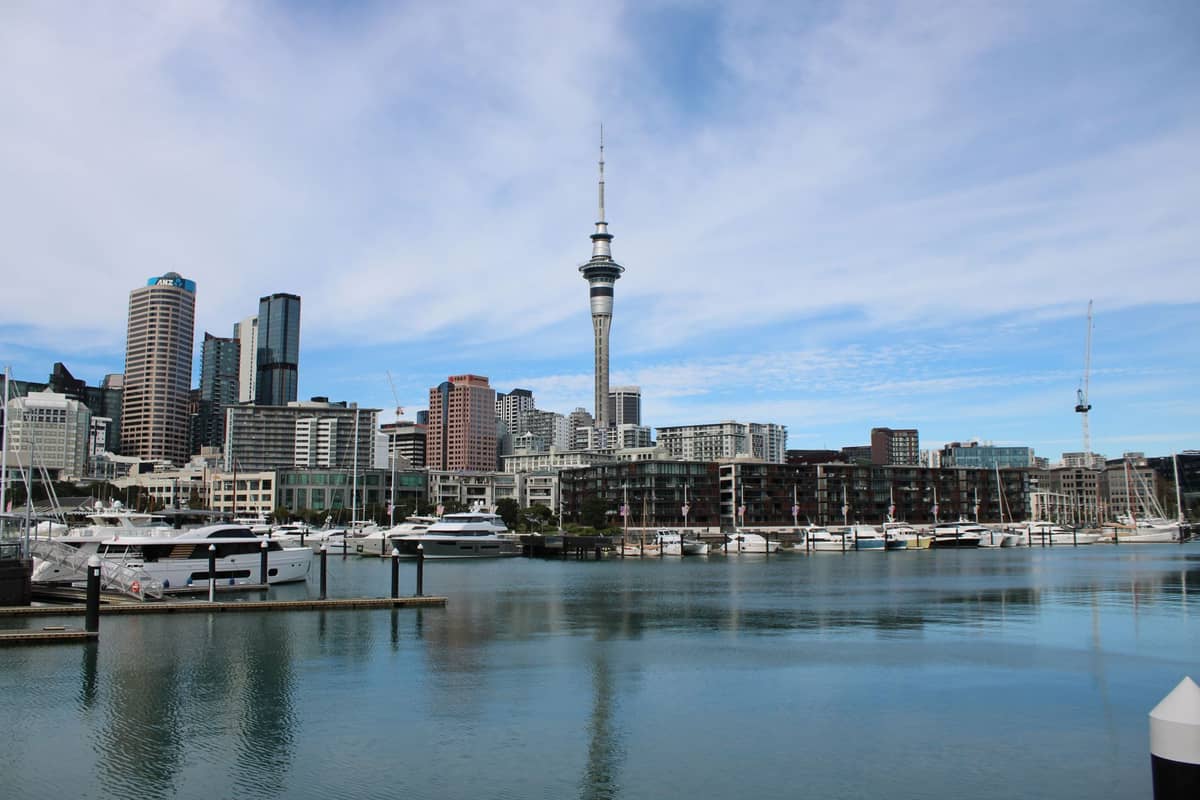
Wynyard Quarter sits at the northwestern edge of Auckland's central city, bordered to the east by the Viaduct Harbour and to the west by the working Waitematā fishing port. Fanshawe Street forms its main inland edge, separating the precinct from the CBD proper. From there, Halsey Street, Beaumont Street, and Daldy Street are the principal axes running north toward the water.
Getting your bearings is straightforward. Walking north along Halsey or Daldy Street from Fanshawe Street, the streets open up within a few hundred metres onto the water's edge. The precinct connects eastward via the Wynyard Crossing, a swing bridge over the marina channel, which brings you across to Te Wero Island and onward toward Britomart and the lower CBD. That 15-minute walk along the waterfront is one of the most pleasant route options in central Auckland, especially in the morning before foot traffic builds.
Wynyard Quarter is also the departure point for exploring the broader waterfront. Head east from the precinct and you pass through the Viaduct Harbour, then Queen's Wharf, then the ferry terminal at Quay Street. Head west and the character shifts quickly: the fishing co-operative and dry dock remind you that this part of the harbour is still working infrastructure, not just a leisure destination.
Character & Atmosphere
Wynyard Quarter was redeveloped in the years leading up to Auckland hosting the 2011 Rugby World Cup and has continued to evolve since. The planning is evident: wide pedestrian boulevards, generous public art installations, and buildings set back from the water to preserve sightlines across the harbour. On a clear day, looking north from the promenade, you can see across to the North Shore hills and out toward the islands of the Hauraki Gulf.
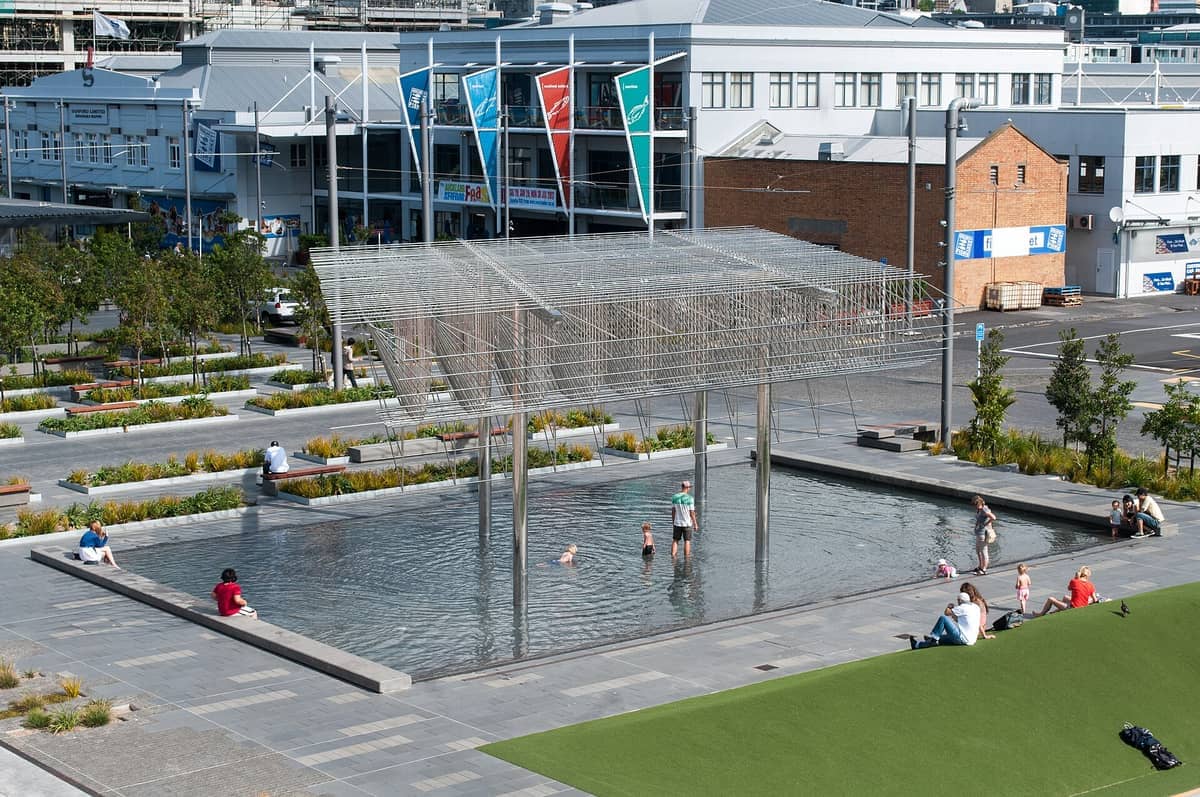
Weekend mornings are when the precinct feels most alive. Families gather at the playground beside Silo Park, cyclists cut through on the waterfront path, and the outdoor tables at the cafés along Daldy Street fill early with people nursing flat whites. The old concrete silos that give Silo Park its name are preserved as industrial sculpture, spray-painted and repurposed as a backdrop for the summer outdoor cinema and regular markets.
By early evening, the dynamic shifts toward the restaurants and bars. The precinct is quieter than the Viaduct Harbour next door, attracting a slightly older, more local crowd. There are no nightclubs here; the area winds down by midnight on most nights. That is a plus if you are staying nearby and a minus if you are after late-night energy. For that, Karangahape Road is a 20-minute walk southeast and operates on a completely different schedule.
Weekday afternoons have a different quality entirely. The lunch crowds from nearby offices thin out by 2pm, and the waterfront path becomes almost meditative: the sound of rigging on sailboats, the occasional fishing trawler heading out, and the light on the harbour turning silver in the hours before sunset. This is when the quarter shows its best side without requiring any effort.
💡 Local tip
The Wynyard Crossing swing bridge opens periodically to allow boats through the marina channel. If you see it rotating, it takes only a few minutes to complete. Check the movement schedule or simply allow extra time when walking between Wynyard Quarter and the Viaduct Harbour.
What to See & Do
The anchor public space is Silo Park, a converted industrial yard at the western end of the precinct. The six concrete silos, formerly used for petroleum storage, now anchor a grassy events space where Silo Cinema runs outdoor film screenings through the summer months (roughly November to March). On market weekends, the space fills with food and craft stalls drawing a broad cross-section of Auckland residents.
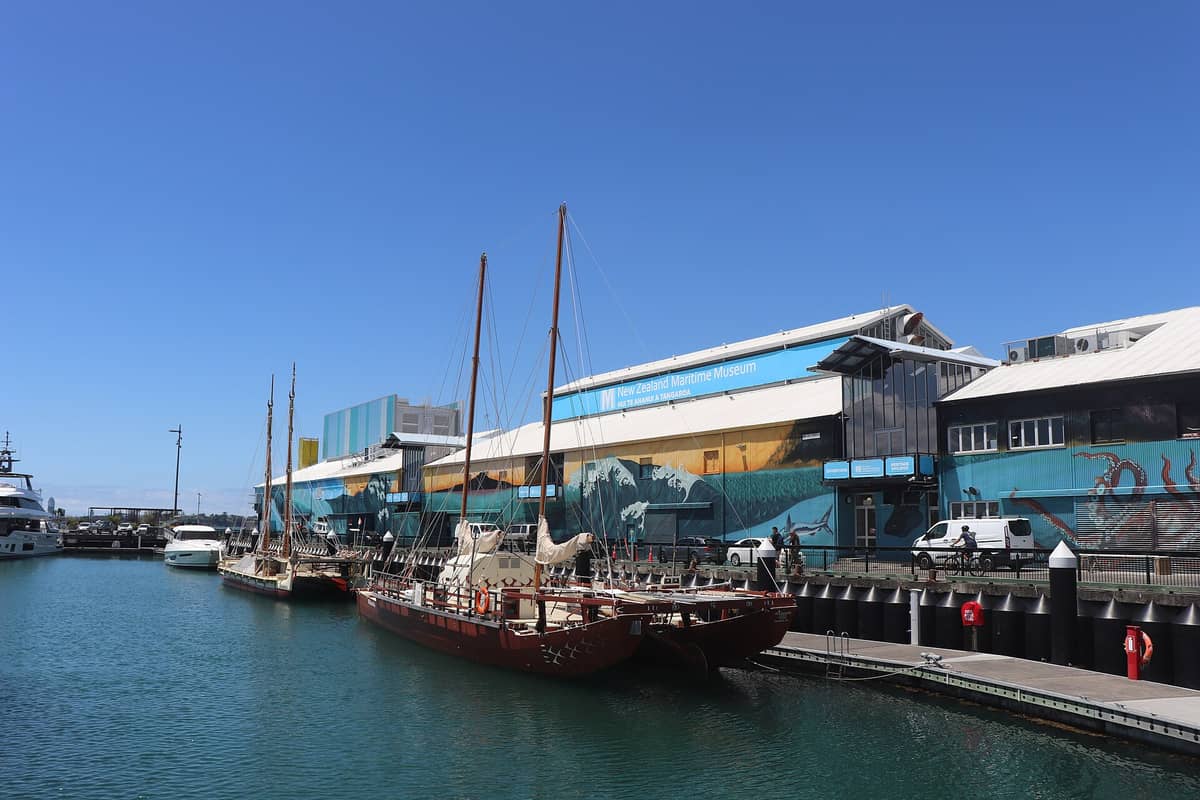
At the eastern edge of the quarter, the New Zealand Maritime Museum sits on the Viaduct Basin. It covers the country's seafaring history, from Polynesian voyaging to the America's Cup campaigns Auckland has hosted, and includes historic vessels moored at the adjacent wharf. It is a genuine museum, not a tourist shopfront, and deserves two to three hours if you have any interest in navigation, maritime technology, or New Zealand's relationship with the ocean.
The waterfront promenade itself is an attraction worth treating seriously. The path running from the fishing port in the west, through Wynyard Quarter, across Wynyard Crossing, and east to the Viaduct and Queens Wharf is a continuous, flat walking and cycling route. At low tide, you can see the wading birds on the rocky outcrops below the seawall. The Te Ara i Whiti cycleway connects the precinct to the wider city cycling network, making it a natural start or finish for a longer ride.
Silo Park: the precinct's main public space, best on market weekends and summer evenings
New Zealand Maritime Museum: detailed and well-curated, located on the Viaduct Basin boundary
Wynyard Crossing bridge: functional swing bridge, good photo opportunity, connects to the Viaduct Harbour
Waterfront promenade: flat walking path with harbour views, suitable for all fitness levels
Fishing port at the western end: working boats, early morning activity, a counterpoint to the polished dining strip
ℹ️ Good to know
Silo Cinema runs from around November to March. The programme changes annually. Check the Wynyard Quarter website or Auckland Council events listings before your visit to confirm screening dates and booking requirements.
Eating & Drinking
Wynyard Quarter has developed one of Auckland's more coherent waterfront dining scenes. The emphasis is on seafood and modern New Zealand cuisine, and the quality is generally high, though prices reflect the location. Most restaurants sit on or near the water along the northern edges of Halsey and Daldy streets. For a broader sense of where this fits in Auckland's food culture, the Auckland food guide covers the city's wider eating landscape.
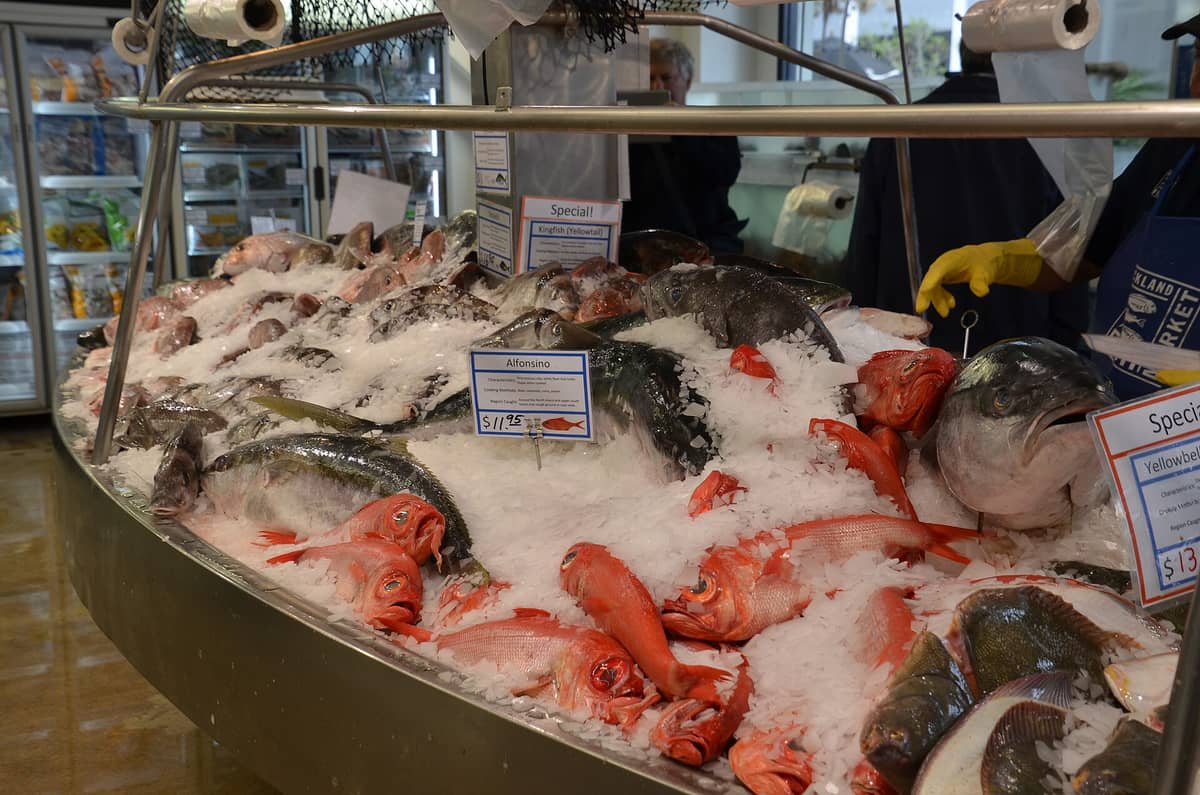
The fish market at the western end of the precinct is the most direct connection to the source: fresh catch sold directly off the boats and through the market facility nearby. It is not a tourist fish and chip setup; it is a functioning wholesale and retail operation that happens to be accessible to the public. Arriving early on weekday mornings gives you the clearest picture of what is actually in season and what the fishing fleet brought in overnight.
For something more structured, the Auckland Fish Market sits just west of the main dining strip and offers cooked seafood at various price points alongside the retail section. It is particularly good at lunch, when the turnover is high and the fried options are freshest. More polished restaurant dining lines the promenade itself, where venues focus on seasonal New Zealand produce, craft beer, and local wine lists.
Cafés cluster along Daldy Street and around the park areas, catering to the weekday office population and the weekend leisure crowd. Coffee quality is consistently good across the precinct; Auckland's café culture is well established, and Wynyard Quarter reflects it. On market days at Silo Park, food stalls cover a broader range of cuisines at lower price points than the sit-down restaurants, making it a good option if you want to eat well without committing to a full restaurant lunch.
Seafood: the dominant theme, from fried fish at the market to plated restaurant dishes on the promenade
Modern New Zealand cuisine: seasonal produce, often locally sourced, at mid-to-high price points
Craft beer and local wine: most bar-restaurants have decent New Zealand wine lists and tap selections
Market food stalls: available on Silo Park market weekends, broader variety and lower prices
Weekday café culture: strong along Daldy Street, best before 10am or after the lunch rush
⚠️ What to skip
Weekend evenings at the waterfront restaurants can book out well in advance, especially in summer. Walk-in tables are usually available at lunch on weekdays. If you plan to dine at one of the more popular spots on a Saturday night, book ahead.
Getting There & Around
Wynyard Quarter is well connected despite its position at the edge of the central city. The most straightforward public transport option is the CityLink bus, which runs frequently along the central spine between Britomart and the university precinct, with stops on Fanshawe Street within a short walk of Halsey Street. Routes 20 and 75 also serve the area. For full route and timetable information, the getting around Auckland guide is the best reference, alongside Auckland Transport's journey planner at at.govt.nz.
The nearest train stations are Waitematā (the main downtown station, formerly Britomart) and Te Waihorotiu, the new City Rail Link station in the central city. From Waitematā, connecting buses on Fanshawe Street get you to Wynyard Quarter in a few minutes; from Te Waihorotiu, you can walk or connect via central-city bus services. You can also walk 15 to 20 minutes along the waterfront via the Viaduct Harbour, which is a pleasant route in good weather.
From the North Shore, buses on the Northern Express network terminate at Fanshawe Street stops, making Wynyard Quarter one of the easier waterfront destinations to reach from across the harbour bridge. The ferry terminal at Quay Street, a 15-minute walk east along the waterfront, connects to Devonport, Waiheke Island, and several North Shore suburbs, making it straightforward to combine a Wynyard Quarter visit with a harbour crossing.
Within the precinct itself, walking is the only practical option: the streets are short, the layout is compact, and driving in circles looking for parking is not worth the frustration. If you are cycling, the Te Ara i Whiti Lightpath connects the precinct to the wider Auckland cycling network via Nelson Street, making it a natural anchor for a cycling day around the waterfront. Bike share options are also available in the central city.
Where to Stay
Accommodation within Wynyard Quarter itself is limited; the precinct is primarily a dining and public space destination rather than a hotel strip. The closest hotel cluster sits in the CBD immediately to the south and east, particularly around the Viaduct Harbour and the lower Queen Street corridor. Staying in that zone puts you within a 10-minute walk of Wynyard Quarter while also keeping you close to Britomart, the ferry terminal, and the broader Auckland CBD offer.
For travelers who want waterfront access without paying waterfront premiums, the inner suburbs of Ponsonby to the southwest offer a wider range of accommodation at varying price points, with a short bus or taxi ride to the quarter. The where to stay in Auckland guide maps out the tradeoffs across the central city neighbourhoods in more detail.
Wynyard Quarter suits travelers who want easy waterfront access, low noise levels at night, and good dining within walking distance. It is not well suited to travelers who want budget accommodation or late-night entertainment on their doorstep. Families with children will appreciate the public spaces and the flat, safe promenade for early morning or evening walks.
Honest Assessment
Wynyard Quarter is well executed as urban renewal projects go, but it is worth knowing what it is not. It is not a gritty neighbourhood with decades of layered history visible in the streetscape. It is not cheap. The restaurants are good but the prices are Auckland waterfront prices, which means they will feel steep if you have been spending time elsewhere in the country. The precinct can feel quiet to the point of emptiness on weekday evenings outside summer, when the office population has left and the tourist numbers are lower.
What it does well: open space, harbour access, consistent food quality, and a walkable waterfront connection to the rest of the city centre. On a clear summer evening, with the harbour lit and the Silo Park lawns occupied, it is one of the more genuinely enjoyable public spaces in Auckland. The key is matching your expectations to what the quarter is designed to deliver.
TL;DR
Wynyard Quarter is a planned waterfront precinct at the northwestern edge of Auckland's city centre, connected to the CBD by a 15-20 minute walk along the harbour.
Best for: seafood dining, waterfront walks, Silo Park events, and the New Zealand Maritime Museum.
Most enjoyable in summer (November to March) when outdoor events, markets, and evening dining are all active.
Not ideal for: budget travelers, late-night entertainment seekers, or visitors wanting an organic neighbourhood feel.
Transit: served by CityLink and other central bus routes from Fanshawe Street; walking distance from Waitematā and Te Waihorotiu train stations via the waterfront path.
Auckland delivers serious adventure on land, sea, and from the top of a 328-metre tower. This guide covers the best adventure activities in Auckland with real pricing, practical logistics, seasonal advice, and clear warnings about what to watch out for before you book.
Auckland Airport (AKL) sits 21 km south of the city centre in Māngere. This guide covers everything from navigating arrivals to choosing the right transport option, so you can get moving the moment you land.
Auckland's event calendar runs from summer beach festivals through winter film screenings to spring heritage tours. This guide covers the major annual events, what they cost, when crowds peak, and how to plan around them — with candid notes on what's worth your time.
Auckland's food scene reflects the city it sits in: diverse, seafood-forward, and shaped by Māori, Pacific, and Asian influences alongside a confident modern New Zealand kitchen. This guide breaks down what to eat, where to eat it, and which food experiences are genuinely worth your time.
Three days is enough time to get a genuine feel for Tāmaki Makaurau Auckland — its volcanic landscape, Māori heritage, waterfront culture, and island escapes. This itinerary cuts through the noise and tells you exactly where to go, when, and why.
Auckland sits on land with deep Māori roots. This guide covers the most meaningful cultural experiences in Tāmaki Makaurau, from museum performances and waterfront heritage spaces to guided tours led by descendants of the city's founding chief. Learn what to see, what to pay, and how to engage respectfully.
Auckland's market scene spans inner-city farmers' markets, rotating suburban night markets, and rural day trips worth planning your weekend around. This guide covers the best markets in Auckland by type, location, and what to expect when you arrive.
Auckland's nightlife is more compact than its size suggests, but the quality runs deep. From waterfront cocktail bars to Karangahape Road's late-night underground, this guide covers the key precincts, practical logistics, and what to realistically expect on a night out in Tāmaki Makaurau.
Auckland has a reputation for being expensive, and that reputation is partly earned. But the city also has a surprising number of genuinely free and low-cost experiences — volcanic walks, world-class beaches, free museum entry, and excellent public markets. This guide breaks down exactly how to visit Auckland without burning through your travel fund.
Auckland's shopping scene runs from polished waterfront precincts and heritage high streets to Saturday morning farmers markets and sprawling suburban malls. This guide breaks down where to shop, when to go, and what to skip, so you spend your time and money well.
Flying is the only practical way to travel from Auckland to Queenstown, and the route is well-served by two airlines year-round. This guide covers your transport options, realistic flight costs, seasonal disruptions, and how to get oriented once you land in Queenstown.
Auckland sits on one of the world's most unusual urban landscapes: a live volcanic field with over 50 cones scattered across the city. This guide covers the most significant maunga, their cultural importance, practical access details, and what to expect when you visit.
Auckland's west coast delivers something the sheltered harbour beaches simply cannot: raw, wind-scoured black-sand shorelines, serious surf, and dramatic coastal scenery within 45 minutes of the city. This guide covers every major beach, how to get there, when to go, and how to stay safe on some of New Zealand's most powerful surf.
Auckland sits within striking distance of three distinct wine regions, each with its own character, grape varieties, and logistical quirks. This guide covers what to expect at Waiheke Island, Kumeū, and Matakana — including real transport costs, how to structure a day trip, and which cellar doors are worth your time.
Auckland delivers a surprisingly rich range of experiences for families, from world-class wildlife encounters and hands-on museums to beach days and island adventures. This guide picks the best activities for kids of all ages, with practical tips on what to expect at each stop.
Auckland sits on an isthmus between two harbours, with the Tasman Sea to the west and the Hauraki Gulf to the east, giving the city an extraordinary range of beaches within an hour of the CBD. This guide covers the best of them, from dramatic west coast surf breaks to sheltered harbour swimming spots.
Auckland sits on a volcanic field, between two harbours, and beside one of New Zealand's great forested ranges. Whether you want a 30-minute summit stroll or a full-day coastal traverse, the city delivers. These are the walks worth lacing your boots for.
Auckland punches well above its weight for museum culture. Whether you're after Māori taonga, Pacific art, colonial history, or vintage technology, the city has a collection to match. This guide covers the best museums in Auckland across every interest and budget.
Auckland sits on an isthmus surrounded by two harbours, and its parks reflect that geography in remarkable variety. This guide covers the best parks in Auckland, from volcanic cones and ancient forest to coastal reserves and formal city gardens.
Auckland is a year-round destination, but the right time to visit depends entirely on what you want to do. This guide breaks down every season, covering weather patterns, crowd levels, major events, and the practical details that generic guides skip.
Auckland sits on an isthmus studded with volcanic cones, harbour headlands, and elevated parks, making it one of the world's most view-rich cities. This guide covers the finest viewpoints across the city, from the Sky Tower's observation deck to wild clifftop lookouts, with practical advice on how to reach each one.
Auckland sits at the centre of one of the most day-trip-rich regions in the Southern Hemisphere. Whether you want a 25-minute ferry to a volcanic island or a full-day drive to Hobbiton, this guide covers logistics, costs, and practical recommendations so you can pick the right trip for your time.
Auckland is one of the most naturally dramatic cities in the world, and a surprising amount of what makes it great costs nothing. From volcanic summit walks and black-sand beaches to free art galleries and gannet colonies, here are 20 genuinely rewarding free experiences across the city and region.
Auckland sprawls across an isthmus with two harbours, dozens of suburbs, and islands in the gulf. This guide breaks down every practical way to navigate the city, from AT HOP card fares to ferry routes, rental cars, and the airport transfer options that are actually worth your time.
The Hauraki Gulf holds more than 50 islands within reach of Auckland, but not all of them suit every traveller. This guide breaks down the four main options by experience, ferry logistics, cost, and what you actually get when you arrive — so you can choose without guessing.
Hobbiton is one of New Zealand's most popular attractions, and it makes for a very doable day trip from Auckland. This guide covers every practical detail: how to get there, which tour to book, what it costs, and how to make the most of your visit.
Auckland divides opinions: some travellers race through it en route to Queenstown or the Bay of Islands, others find it one of the most rewarding cities in the Southern Hemisphere. This guide cuts through the brochure language and gives you a clear-eyed picture of what Tāmaki Makaurau Auckland actually offers, who it suits best, and what genuinely isn't worth your time.
Auckland spans two harbours, 53 volcanic cones, and one of the Pacific's most diverse cities. This guide covers the best things to do in Auckland across nature, culture, food, and island escapes — including what is worth your time and what is not.
Waiheke Island is one of Auckland's most rewarding day trips, combining world-class vineyards, sheltered beaches, and easy ferry access into a single compact island. This guide covers everything you need to know: how to get there, where to eat and drink, how to get around, and when to go.
Choosing where to stay in Auckland shapes your entire trip. This area-by-area guide covers the CBD waterfront, Ponsonby, Parnell, Devonport, and beyond — with clear assessments of who each neighbourhood suits, what to budget, and how to get around once you're there.