Waiheke Island Day Trip from Auckland: The Complete Guide
Waiheke Island is one of Auckland's most rewarding day trips, combining world-class vineyards, sheltered beaches, and easy ferry access into a single compact island. This guide covers everything you need to know: how to get there, where to eat and drink, how to get around, and when to go.
Tickets & tours
Live prices and dates from our booking partner. If you book, we may earn a commission at no extra cost to you.
TL;DR
- Fullers360 ferries run from Auckland's Downtown Ferry Terminal to Matiatia Wharf in about 40 minutes; standard return fares start at NZ$65 per adult.
- Waiheke's vineyards are the main draw for most visitors — see our Auckland wine regions guide for broader context on New Zealand wine country.
- Arrive at the terminal at least one hour early on summer weekends and public holidays, or book a Reserve sailing to guarantee your seat.
- Public buses connect Matiatia with Oneroa, Ostend, Onetangi, and Kennedy Point — you don't need to hire a car for most itineraries.
- A Waiheke return ticket does not include a Devonport stopover — getting off there requires an additional fare.
Why Waiheke Makes Such a Good Day Trip
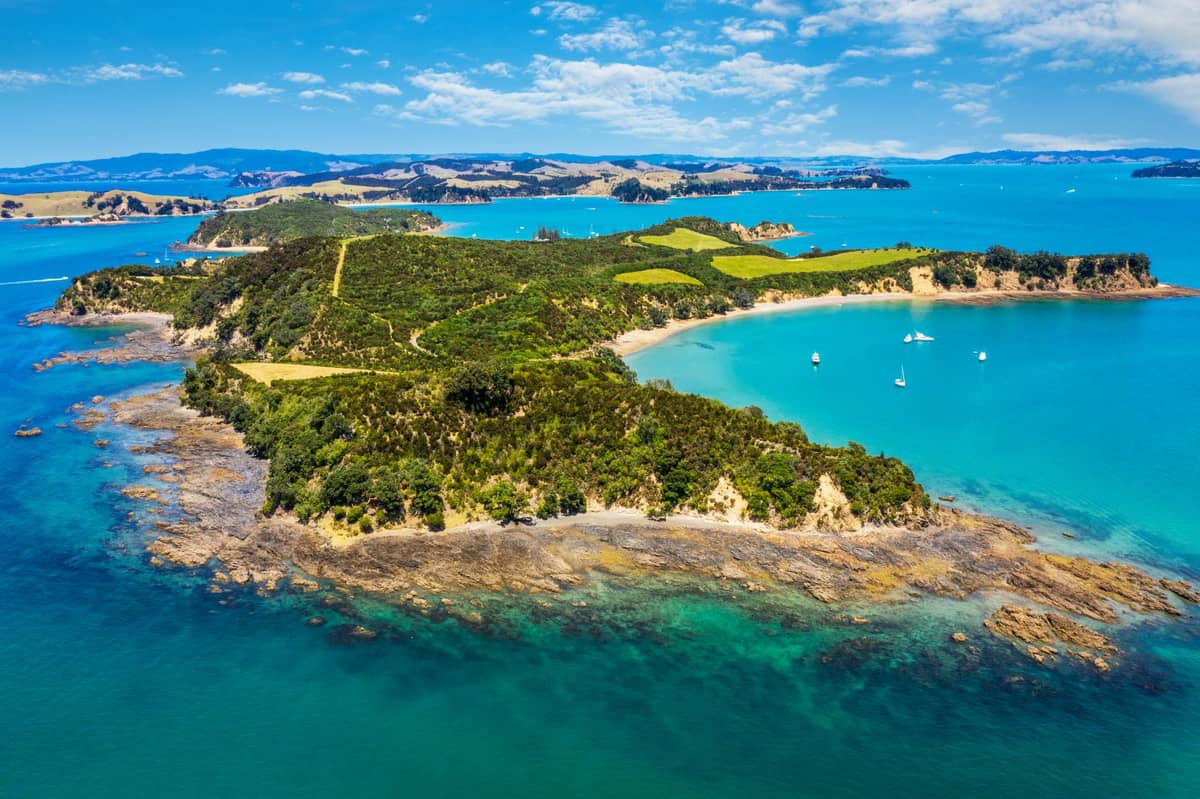
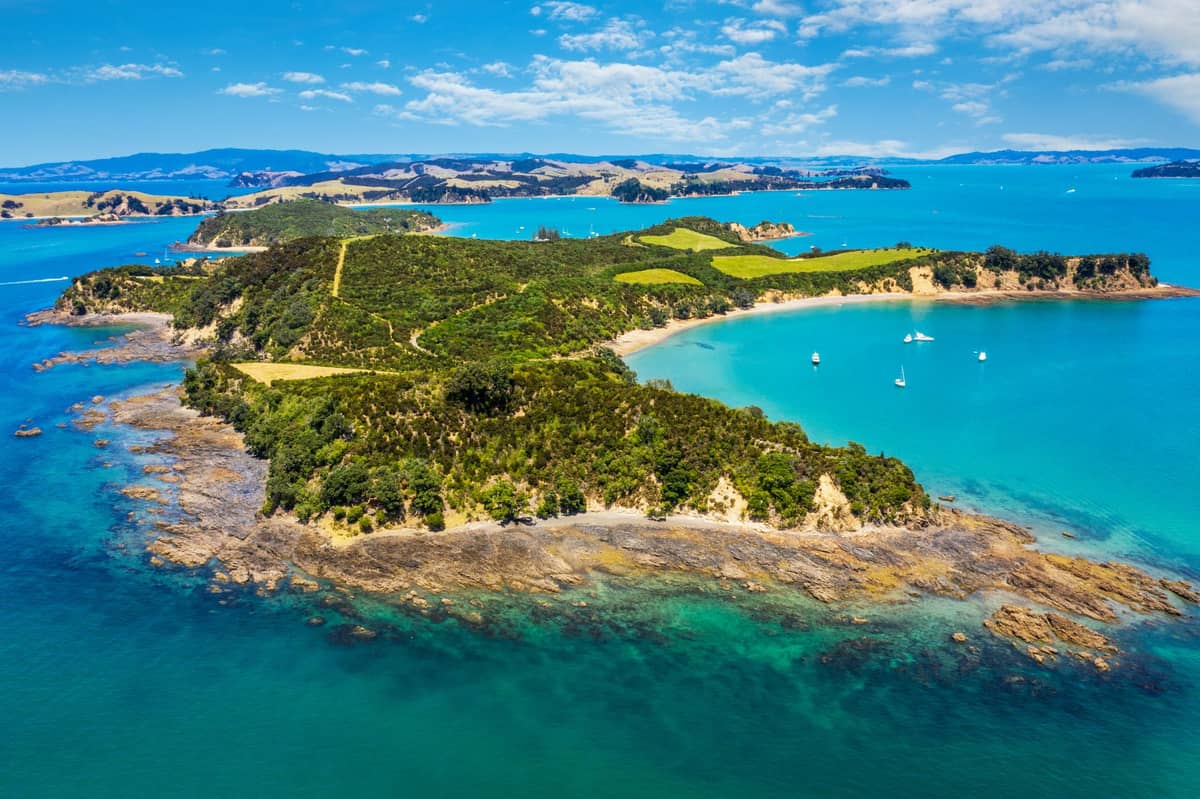
Waiheke Island sits in the Hauraki Gulf, roughly 19 kilometres from Auckland's downtown waterfront. That proximity is the whole point: you board a ferry in the middle of the city and, 40 minutes later, you're somewhere that feels meaningfully different. The island covers about 92 square kilometres, which is large enough to contain genuine variety — vineyard-covered ridgelines, north-facing sandy beaches, olive groves, galleries, and decent restaurants — but small enough to cover the highlights in a single day.
The island's reputation rests primarily on its wine. Waiheke has a notably drier, warmer microclimate than the Auckland mainland, and its thin clay-loam soils suit Bordeaux varieties particularly well. Cabernet Sauvignon, Merlot, and Syrah from producers like Stonyridge, Mudbrick, and Passage Rock have built a genuine international profile. But wine is not the only reason to come. Onetangi Beach is one of the finest swimming beaches within reach of Auckland, and the island's arts community sustains several worthwhile galleries and studios.
ℹ️ Good to know
Waiheke is not a 'quick look around' destination — it rewards a slower pace. If you try to squeeze in three vineyards, a beach, and a full lunch in five hours, you'll spend most of your time on a bus. Prioritise two or three things you genuinely want to do and treat the rest as a bonus.
Getting to Waiheke: Ferries, Fares, and Timing
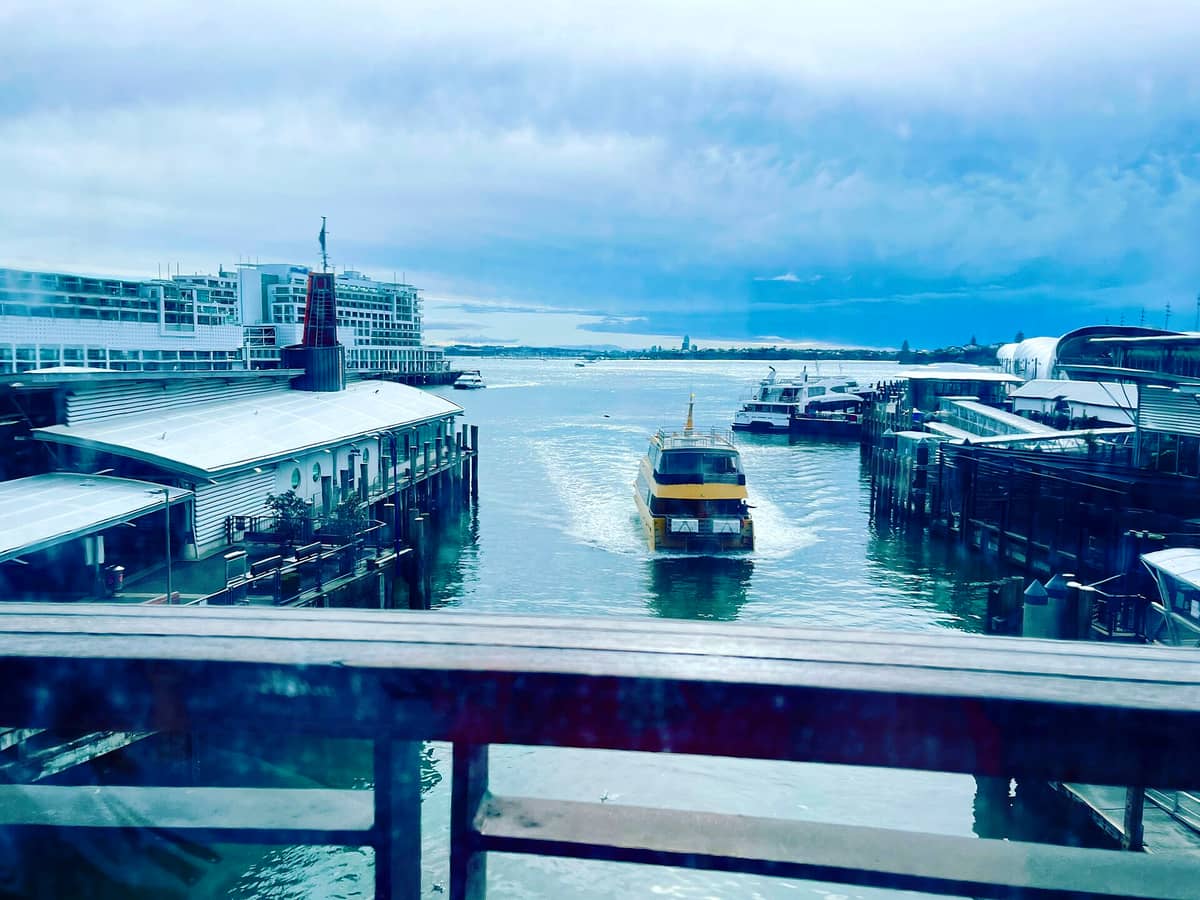
Fullers360 operates the main passenger ferry between Auckland's Downtown Ferry Terminal (at Quay Street, on the central waterfront) and Matiatia Wharf on Waiheke's western end. The crossing takes approximately 40 minutes in normal sea conditions. Ferries run throughout the day, with more frequent departures on weekday mornings and evenings around commuter hours, and additional services added during peak summer weekends.
- Standard Return (NZ$65 adult) Walk-up tickets valid on any sailing for one year. No seat guarantee on a specific departure. Fine for weekday visits or off-peak travel.
- Priority Return (NZ$75 adult) Walk-up ticket with priority boarding. Useful during busy periods when sailings fill quickly.
- Reserve Return (NZ$104 adult) Booked seat on a specific date and sailing. Worth it on summer weekends and public holidays when standard sailings can fill well before departure.
Prices listed are current at time of writing but can change. Confirm fares on the Fullers360 website before you travel. Children, seniors, and AT HOP cardholders may be eligible for different rates — check the operator's site for current concession details. On busy summer days and long weekends, Fullers360 recommends arriving at the terminal at least one hour before your intended sailing if you hold a standard walk-up ticket.
⚠️ What to skip
Some Waiheke sailings stop at Devonport on the way. A Waiheke return ticket does not entitle you to get off at Devonport and continue to Auckland separately — doing so requires an additional fare. Check the timetable carefully when choosing your return sailing.
If you want to bring a vehicle to the island, that is a separate operation entirely. SeaLink runs a car ferry service between Half Moon Bay (in Auckland's eastern suburbs) and Kennedy Point on Waiheke. Booking ahead is essential during summer. For most day-trippers, however, taking a car is unnecessary and adds complexity — the passenger ferry plus island buses or a rental bicycle covers the main sites efficiently.
Getting Around the Island
Auckland Transport's Waiheke bus network connects Matiatia Wharf with Oneroa (the main town), Ostend, Onetangi, and Kennedy Point. Buses are timed loosely around ferry arrivals and departures. You can pay with an AT HOP card or contactless payment on most services. The island also has taxis, rideshare options, and rental vehicles available near the wharf. For a practical overview of getting around Auckland more broadly, the getting around Auckland guide covers transport options across the region.
- Public buses: cheapest option, covers main settlements, infrequent in evenings
- Rental car or scooter: best for covering multiple vineyards in one day, but drink-driving laws apply — designate a non-drinking driver or skip the car
- Bicycle rental: suited to the coastal flats around Oneroa and Onetangi, but the island's interior roads are genuinely hilly
- Organised tours: wine and food tours depart from Matiatia and include transport between stops — practical if you plan to drink
✨ Pro tip
If wine tasting is your priority, book an organised tour rather than driving yourself. New Zealand's drink-drive limit is 50mg of alcohol per 100ml of blood for adults over 20 (lower for those under 20), and the island's narrow roads attract police attention during summer. Tour operators handle transport between vineyards, which means you can actually enjoy the tastings.
Wine Tasting on Waiheke: What to Know Before You Go
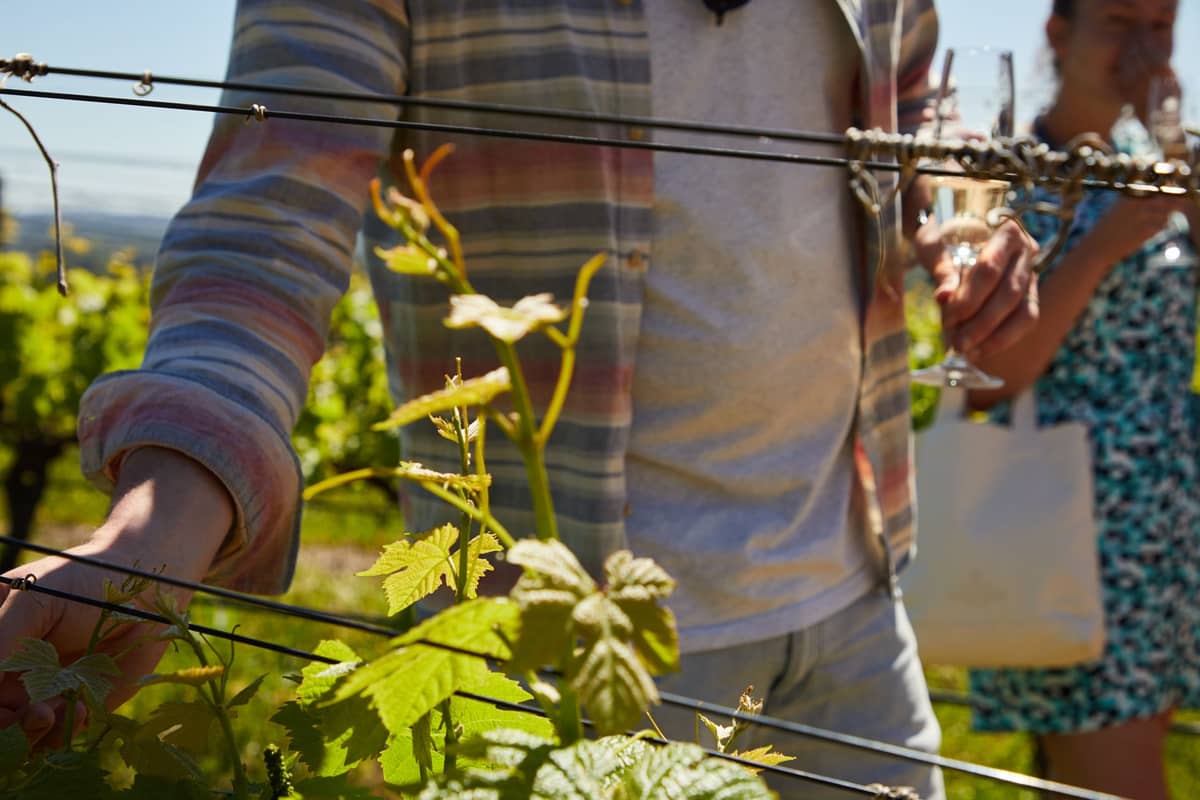
Waiheke has around 30 vineyards, of which perhaps a dozen have cellar doors open to visitors on a regular basis. The concentration of quality is high relative to the island's size, and the style is predominantly red — Bordeaux blends dominate, with Syrah becoming increasingly significant. Prices at cellar doors are not cheap: tasting fees typically range from around NZ$15 to NZ$40 per person, often redeemable against a purchase. Budget accordingly.
- Stonyridge Vineyard One of New Zealand's most celebrated small wineries. Known for its Larose Cabernets blend. The terrace cafe and garden setting are worth the visit even if you skip the wine. Book a tasting in advance.
- Mudbrick Vineyard & Restaurant Elevated position with views across the Hauraki Gulf toward Auckland. Strong on Bordeaux reds and Mediterranean-style food. More relaxed booking requirements for cellar door tastings than the restaurant.
- Man O'War Vineyards Located on the island's less-visited eastern side, a 30-40 minute drive from Matiatia. The bay setting and volcanic-soil whites are distinctive, but getting there requires a vehicle or tour. Often less crowded than the western vineyards.
- Cable Bay Vineyards Modern architecture and harbour views. Consistently good across whites and reds. The shared-plate menu pairs well with their Rosé on a summer afternoon.
Most cellar doors ask visitors to book ahead, particularly for weekend tastings during summer (roughly November through March). Walk-ins are sometimes accommodated, but groups of four or more should always reserve in advance. Tastings typically last 30-45 minutes. If you're visiting multiple vineyards, space them out — trying to hit three cellar doors plus lunch in a single afternoon is realistic only if you've planned the routing carefully.
Beaches, Walks, and Things Beyond the Vineyards
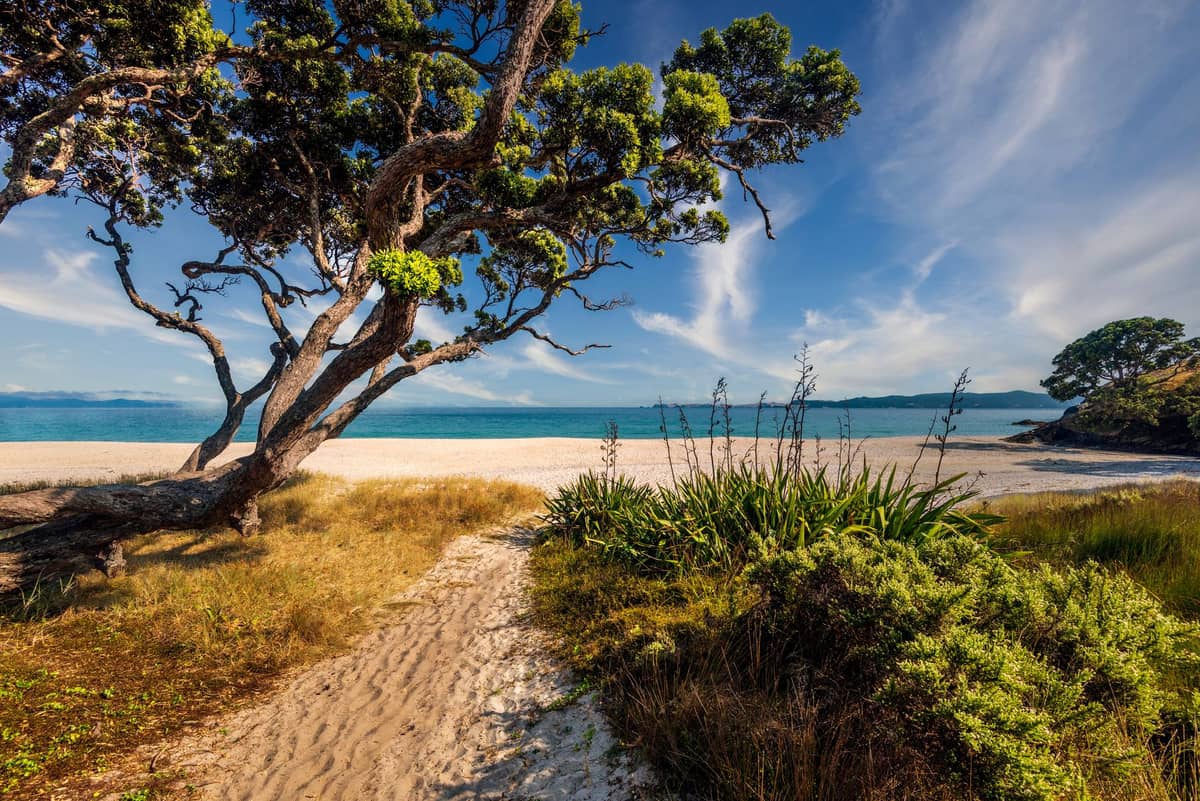
Onetangi Beach, on the island's north-facing coast, is the longest and most swimmable beach on Waiheke. The water is generally calmer than Auckland's west coast surf beaches, and the sand is coarse-grained and clean. It's about a 25-minute bus ride from Matiatia. Palm Beach is smaller, more sheltered, and slightly closer to the wharf — a reasonable alternative if you want to avoid the summer crowds that gather at Onetangi on weekends.
Walkers will find the Waiheke Coastal Walkway a rewarding half-day option: it runs from Onetangi Beach eastward and offers elevated views across the gulf toward Rangitoto Island and the mainland. The Te Ara Hura network also circles much of the island's coastline in sections — check the Auckland Council website for current track conditions and access points.
Oneroa, the island's main village, has a small but decent collection of independent shops, a Saturday market during warmer months, cafes, and galleries. It's the obvious place to base yourself for a morning coffee or a post-beach lunch. The village sits on a ridge with views over Little Oneroa Beach on one side and Blackpool on the other.
Practical Planning: When to Go and What to Budget
Waiheke is genuinely good year-round, but the experience varies significantly by season. Summer weekends (December through February) bring the largest crowds — ferries fill up, beach parking is chaotic, and vineyard restaurants require advance bookings weeks out. The island is at its most photogenic and warmest then, but it can feel overrun on Saturday afternoons. For more on Auckland's seasonal patterns, the best time to visit Auckland guide offers useful context.
Autumn (March to May) is often the best time to visit: harvest season brings energy to the vineyards, the crowds thin noticeably after Easter, and the weather stays mild. Winter visits are quieter still, with some cellar doors reducing hours or closing on weekdays — always call ahead between June and August. Spring (September to November) can be unsettled weather-wise, but the island is green and relatively crowd-free.
- Ferry return: NZ$65-$104 per adult, depending on ticket type
- Island bus day pass: check current AT pricing (often around NZ$10-15 for a day pass)
- Vineyard tasting fee: NZ$15-$40 per cellar door, sometimes redeemable on purchase
- Casual lunch at a vineyard bistro: NZ$30-$60 per person for food
- Organised wine tour (including ferry and island transport): NZ$150-$250+ per person
If budget is a consideration, Waiheke is still manageable without a tour or multiple cellar doors. The beaches are free, the walking tracks are free, and Oneroa's cafes are no more expensive than comparable spots in Ponsonby or Parnell. See our guide to visiting Auckland on a budget for strategies that extend to island day trips.
💡 Local tip
Pack a picnic from one of Auckland's weekend markets before you board the ferry. The Downtown Ferry Terminal is close enough to the waterfront that you can pick up supplies on arrival at the wharf. Eating your own food on the beach at Onetangi costs nothing and is often more relaxed than waiting for a table at a vineyard restaurant in peak season.
Combining Waiheke with Other Day Trips
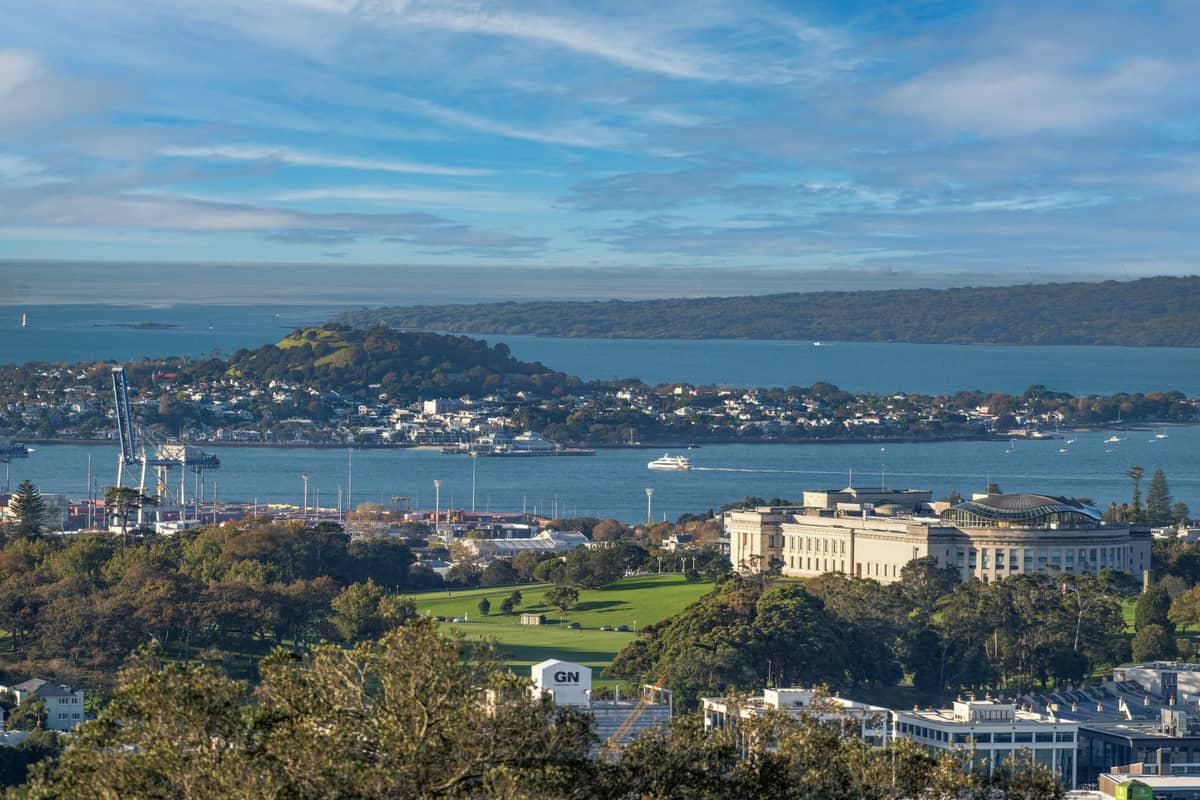
Waiheke is the easiest Hauraki Gulf island to visit on a day trip, but it is not the only one worth considering. Rangitoto Island is a better choice if hiking and volcanic landscape interest you more than wine — the Rangitoto summit track takes around 90 minutes return and offers panoramic views across the gulf. The two islands are not easily combined into a single day trip without an early start and careful timetable planning.
For a comparison of the best day excursions from the city, the day trips from Auckland guide covers options including the Coromandel Peninsula, Hobbiton, and the Waitākere Ranges. Waiheke sits near the top of that list for most visitors, particularly those making a first trip to New Zealand.
FAQ
How long does the ferry to Waiheke Island take from Auckland?
The Fullers360 passenger ferry from Auckland's Downtown Ferry Terminal to Matiatia Wharf on Waiheke takes approximately 40 minutes. Some sailings stop at Devonport en route, which extends the journey — check the timetable when booking.
How much does it cost to get to Waiheke Island?
Fullers360 standard return fares are NZ$65 per adult at time of writing. Priority returns are NZ$75 and Reserve returns are NZ$104 on a separate ferry service. Prices can change — confirm on the Fullers360 website before you travel. Children, seniors, and AT HOP cardholders may be eligible for concession rates.
Do I need to book the ferry to Waiheke in advance?
Standard tickets are walk-up and valid on any sailing. Priority tickets let you book a specific sailing time and board ahead of the Standard queue. Fullers360 advises arriving at the terminal at least one hour before departure during busy summer periods and public holidays, as sailings can fill. Reserve tickets book a specific date and departure time on a separate ferry service.
What is the best thing to do on Waiheke Island in one day?
For most visitors, the best combination is a morning vineyard tasting at one or two cellar doors, lunch at a vineyard restaurant or in Oneroa village, and an afternoon at Onetangi or Palm Beach. Trying to do more than this in a single day tends to feel rushed. If wine is not your priority, swap the vineyard time for the Waiheke Coastal Walkway.
Can I take my car to Waiheke Island?
Yes, but via a separate service. SeaLink operates a car ferry between Half Moon Bay in Auckland's eastern suburbs and Kennedy Point on Waiheke. This is entirely separate from the Fullers360 passenger ferry. Booking ahead is essential in summer. For most day-trippers, bringing a car is unnecessary — island buses and taxis cover the main sites.
Tickets & tours
Live prices and dates from our booking partner. If you book, we may earn a commission at no extra cost to you.
Planning a trip? Discover personalized activities with the Nomado app.