Auckland on a Budget: How to Visit for Less
Auckland has a reputation for being expensive, and that reputation is partly earned. But the city also has a surprising number of genuinely free and low-cost experiences — volcanic walks, world-class beaches, free museum entry, and excellent public markets. This guide breaks down exactly how to visit Auckland without burning through your travel fund.
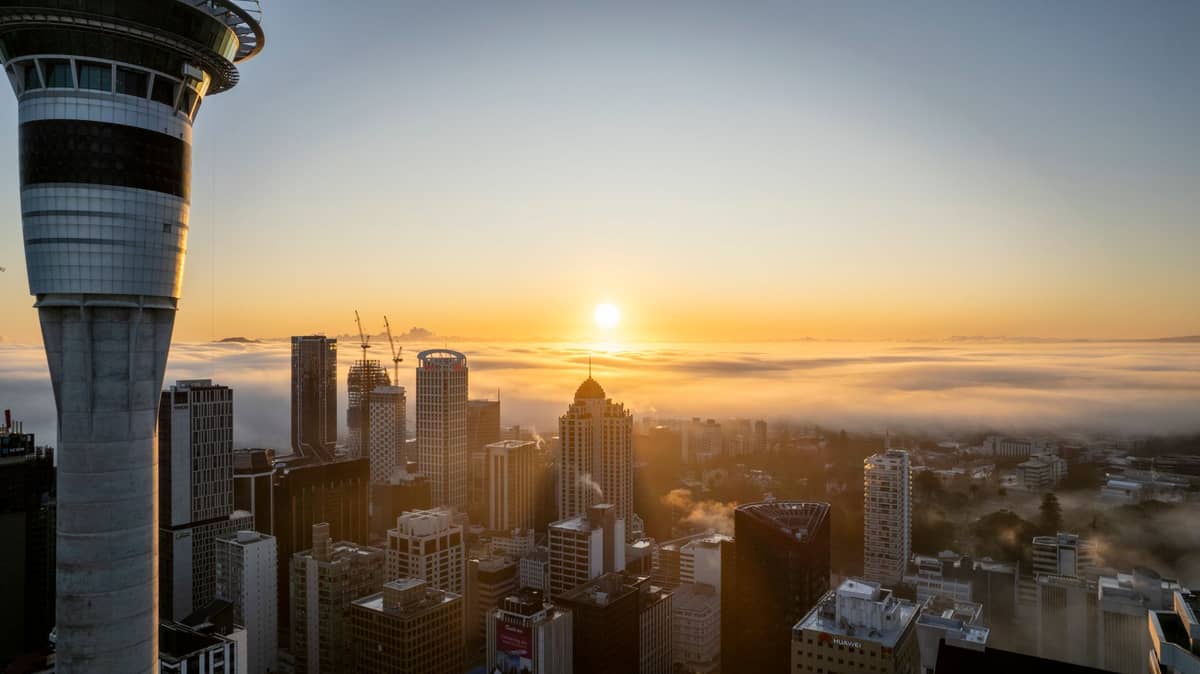
Tickets & tours
Live prices and dates from our booking partner. If you book, we may earn a commission at no extra cost to you.
TL;DR
- Auckland on a budget is very doable: many of the city's best experiences — volcanic summits, beaches, parks, and galleries — cost nothing at all.
- Get an AT HOP card for public transport — fares are capped at around NZ$50 per week for buses and trains. See getting around Auckland for the full breakdown.
- Auckland Art Gallery offers free general admission; the Auckland War Memorial Museum charges entry fees but is worth budgeting for.
- Avoid expensive tourist traps like Sky Tower dining. Instead, eat well at Auckland's food markets for a fraction of the price.
- Plan around shoulder seasons (March–May or September–November) for lower accommodation rates and thinner crowds.
What Auckland Actually Costs (And Where the Money Goes)
Auckland is one of the most expensive cities in the Southern Hemisphere, and accommodation is where most budgets take the biggest hit. A basic hostel dorm in the CBD runs around NZ$35–60 per night; a mid-range hotel starts around NZ$150–200. Food costs are manageable if you're strategic: a café lunch in Ponsonby or Parnell can easily reach NZ$25–35 per person, but a bowl of laksa at the Otara Flea Market might cost NZ$8–12. The gap between tourist-facing experiences and local ones is significant.
Transport is a recurring cost that adds up quickly if you're not paying attention. Taxis and rideshares from the airport into central Auckland typically cost NZ$60–90 depending on traffic and demand. The SkyDrive coach is a cheaper fixed-rate option operating between the airport terminals and SkyCity in the CBD, running seven days a week from around 5am to 10:30pm — check their website for current fares before you travel. For getting around the city day-to-day, public transport is your best tool.
💡 Local tip
Get an AT HOP card as soon as you arrive — available at AT Customer Service Centres and many convenience stores. Bus and train fares paid with an AT HOP card are capped at NZ$50 per 7-day period. Contactless card payments have a separate NZ$20 daily cap. Verify current fare caps at Auckland Transport (at.govt.nz) before travel, as fares are updated periodically.
Free Things to Do in Auckland That Are Actually Worth Your Time
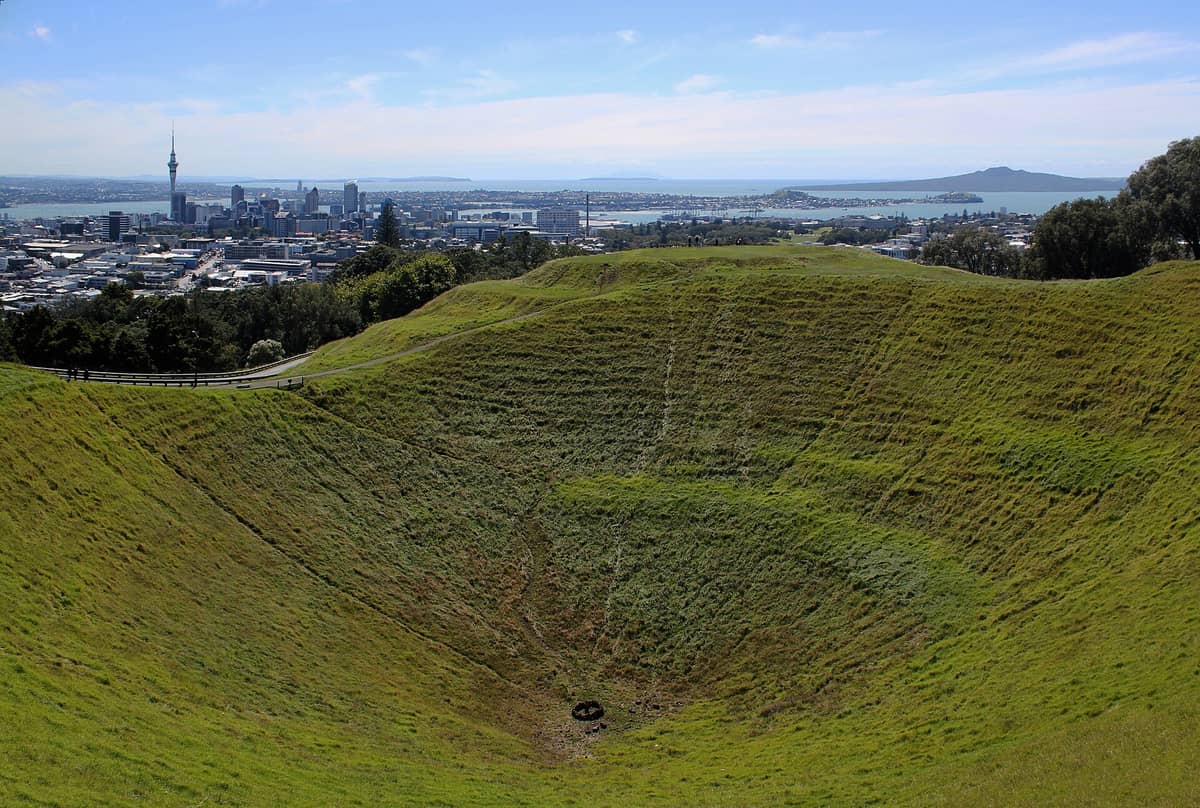
Auckland's geography does a lot of the budget traveller's heavy lifting. The city sits on a volcanic field with 53 individual volcanoes, and the summits of most are publicly accessible at no cost. Maungawhau (Mount Eden) is the highest volcanic cone in the Auckland urban area at 196 metres, offering clear views across the isthmus to both the Waitemata and Manukau harbours. Walk up in around 20 minutes from the village below. One Tree Hill (Maungakiekie) in Cornwall Park is another standout — combine it with a walk through the surrounding parkland and it's a solid two-hour outing.
The Auckland Art Gallery Toi o Tāmaki is one of the better free attractions in the Southern Hemisphere. General admission is free; only special ticketed exhibitions carry a charge. The permanent collection spans New Zealand and international works, including a strong representation of Māori and Pacific art. Plan for at least 90 minutes. For natural history, the Auckland War Memorial Museum charges admission but includes an exceptional Māori and Pacific collection — if you're only paying for one attraction, this is the one.
- Maungawhau / Mount Eden Free summit walk, panoramic city views, takes around 20–30 minutes return from the road end.
- Auckland Art Gallery Free general admission, world-class permanent collection, open daily.
- Tamaki Drive coastal walk The 10km foreshore road between the CBD and St Heliers passes Mission Bay, Kohimarama, and Okahu Bay — walk, cycle, or combine sections with a bus.
- Wynyard Quarter and Viaduct Harbour Free waterfront precinct with public art, open spaces, and harbour views. No entry fee, though eating and drinking adds up quickly.
- Auckland Domain and Wintergardens Auckland's oldest park is free to enter; the Wintergardens glasshouses are also free and make for a pleasant hour in any weather.
- Coast to Coast Walkway A marked 16km walking route crossing the Auckland isthmus from Manukau Harbour to the Waitemata — a genuine local route, not a polished tourist trail.
⚠️ What to skip
"Free things to do" doesn't mean zero cost. The volcanic cones, beaches, and parks are free to enter, but getting there may require a bus fare or bike rental. Factor transport costs into your planning, especially for attractions outside the CBD.
Budget Eating: Where to Eat Well Without Overspending
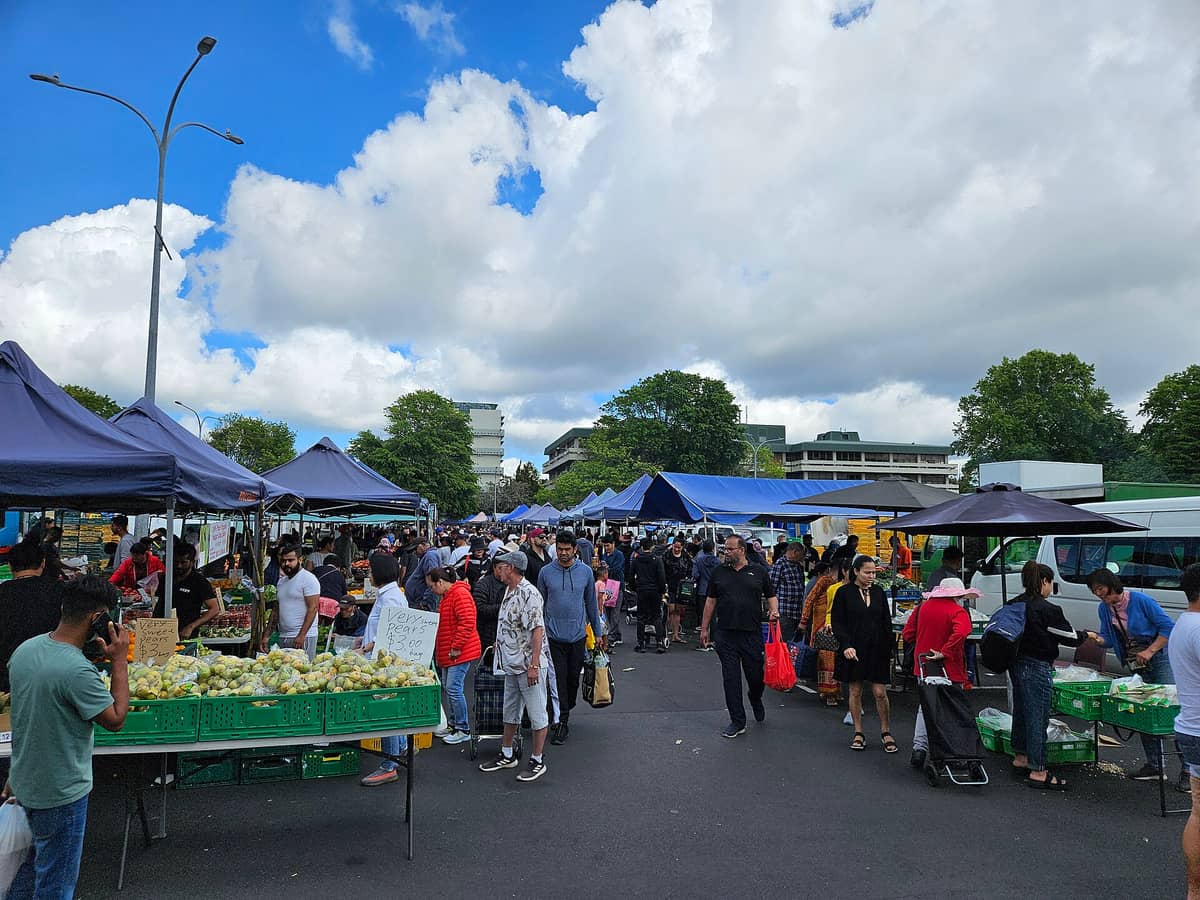
Auckland's food scene rewards curiosity. The city has significant Pacific, East Asian, South Asian, and Middle Eastern communities, and their local restaurants and food stalls consistently offer better value than tourist-facing cafés. The Otara Flea Market (Saturday mornings in South Auckland) is genuinely one of the best food markets in New Zealand — Pacific island food, fresh produce, and street eats at prices that reflect a local clientele, not a tourist premium. It takes about 30–40 minutes by bus from central Auckland.
In the central city, Karangahape Road (K' Road) has the widest range of affordable eating options — everything from Vietnamese bánh mì to Ethiopian injera, with most lunch options under NZ$15. Avoid eating at the Sky Tower observation deck restaurants and most Viaduct Harbour venues unless you're specifically there for the experience: you're paying a significant location premium. Supermarkets (Countdown, New World, Pak'nSave) are your best friend for breakfast and lunch supplies — Pak'nSave is consistently the cheapest of the major chains.
- Otara Flea Market: Saturday mornings, Newbury Street carpark — Pacific food, produce, NZ$8–15 per dish
- K' Road: Best concentration of affordable, independent restaurants in the central city
- Pak'nSave supermarkets: Cheapest major chain for self-catering supplies
- Night markets (Auckland has rotating weekly Asian night markets in various suburbs): typically NZ$8–12 per dish
- Food courts in Westfield malls (Newmarket, St Lukes): mid-range prices, good variety, useful in wet weather
Getting Around Auckland on a Budget
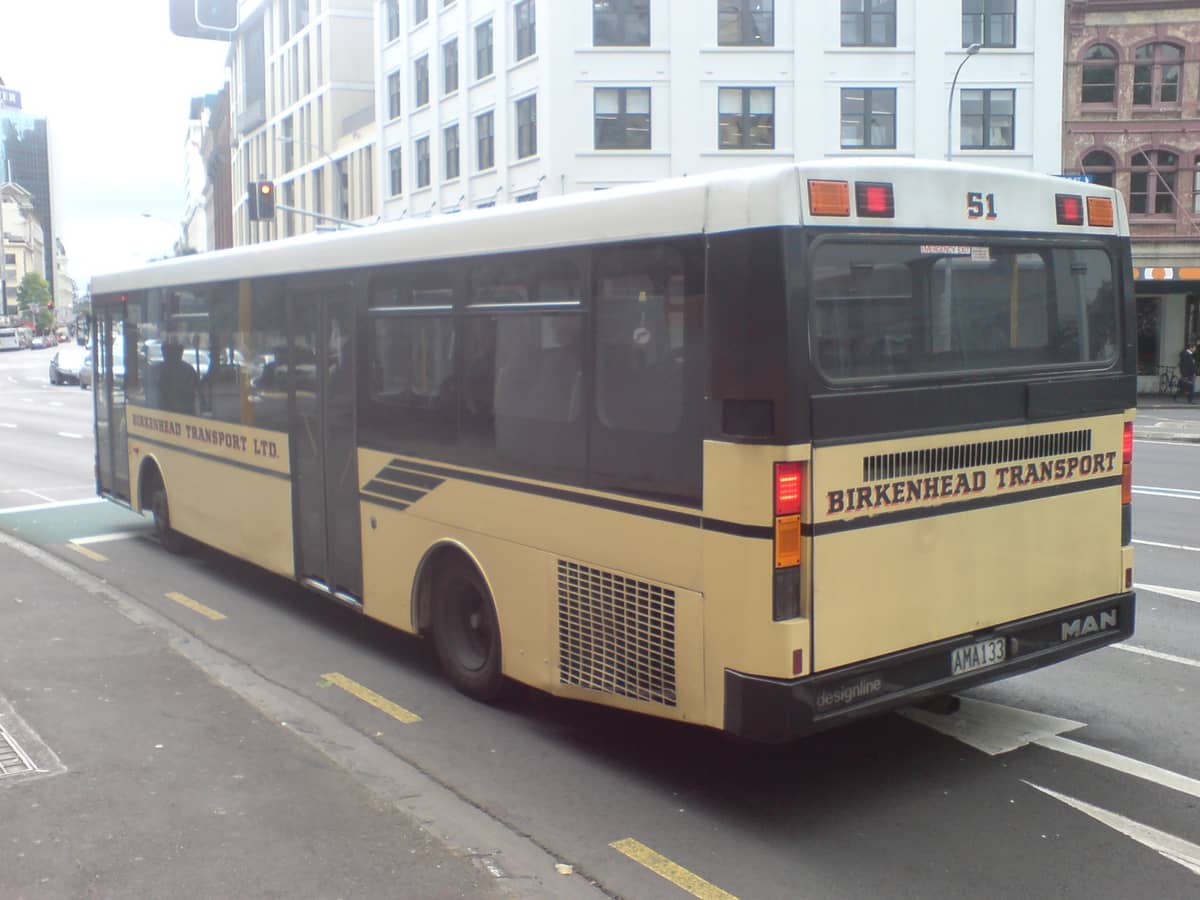
Auckland is a car-dominant city, which creates a real tension for budget travellers. Renting a car gives you maximum flexibility but adds daily hire costs, parking fees (NZ$3–8 per hour in the CBD), and fuel. For most visitors staying in the central city, public transport is sufficient for the major attractions and much cheaper. The AT HOP card is essential — it gives discounted fares versus cash or contactless on most services. Check how to get around Auckland for detailed route planning advice.
The ferry network is particularly useful and scenic. The Devonport ferry from the Downtown Ferry Terminal takes about 12 minutes and its eligible AT HOP fare counts toward the cap — it's one of the better-value short trips in the city. Waiheke Island ferries are more expensive (return fares around NZ$65 at the time of writing) and not covered by the standard AT HOP fare cap, so factor that in if you're planning a day trip. Rangitoto Island is similar — the ferry is an additional cost but the summit walk is free once you're there.
✨ Pro tip
Walking is genuinely underrated in Auckland's central areas. The CBD, Britomart, Viaduct Harbour, Wynyard Quarter, and the Domain are all within comfortable walking distance of each other. Combine walking with targeted bus or train trips rather than catching a bus for every short hop — you'll save money and often get there faster.
Budget Accommodation: What to Expect and Where to Look
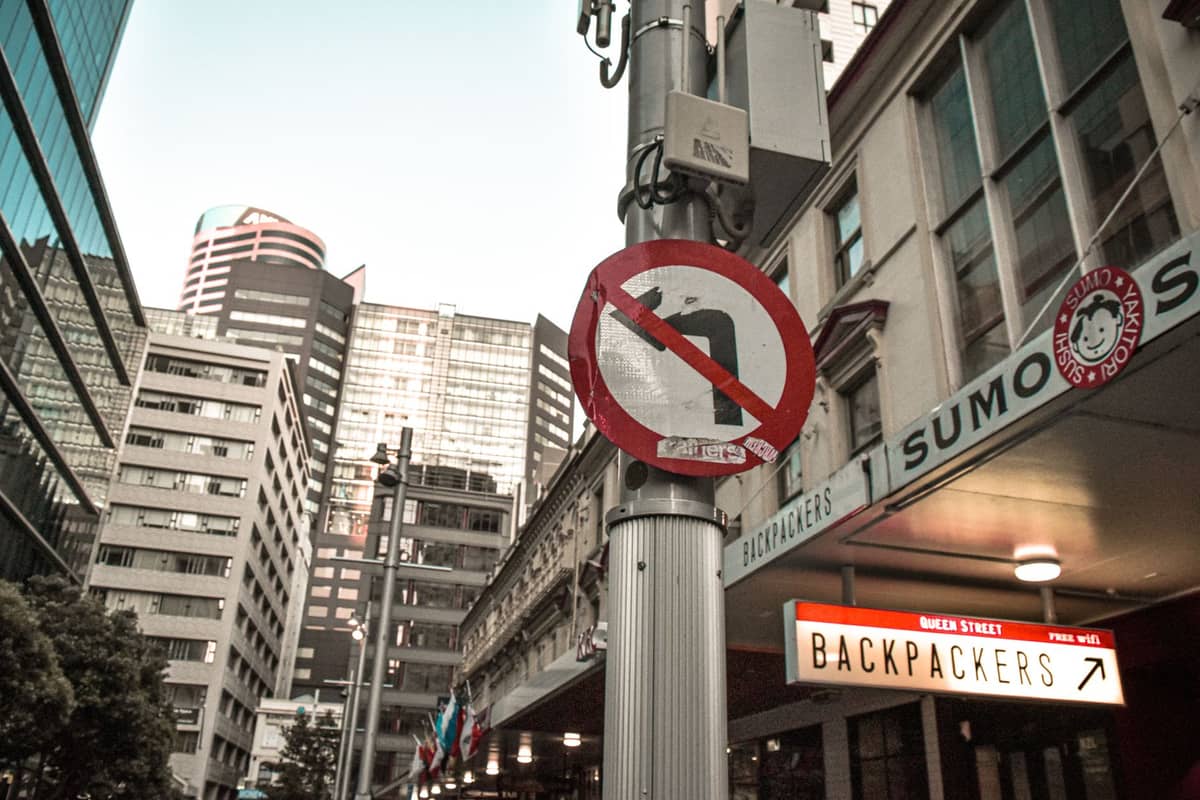
Auckland's hostel scene is decent for a city of its size. The highest concentration of budget accommodation is in the CBD around Queen Street, with a secondary cluster around Parnell and Mount Eden. Expect to pay NZ$35–60 for a hostel dorm, NZ$90–130 for a basic private room in a hostel or budget guesthouse. Prices rise significantly during major events at Eden Park (rugby and cricket internationals) and during the December–February summer peak. Book at least 2–3 weeks ahead for these periods.
Staying slightly outside the CBD in suburbs like Mount Eden, Grey Lynn, or Kingsland can reduce accommodation costs by 15–30% compared to central options, while still offering easy bus access to the city centre. If you're travelling in shoulder season (March–May or September–November are generally the best value months), you'll find meaningfully lower rates and fewer crowds at the major attractions.
Day Trips on a Budget: Where to Go and What It Really Costs
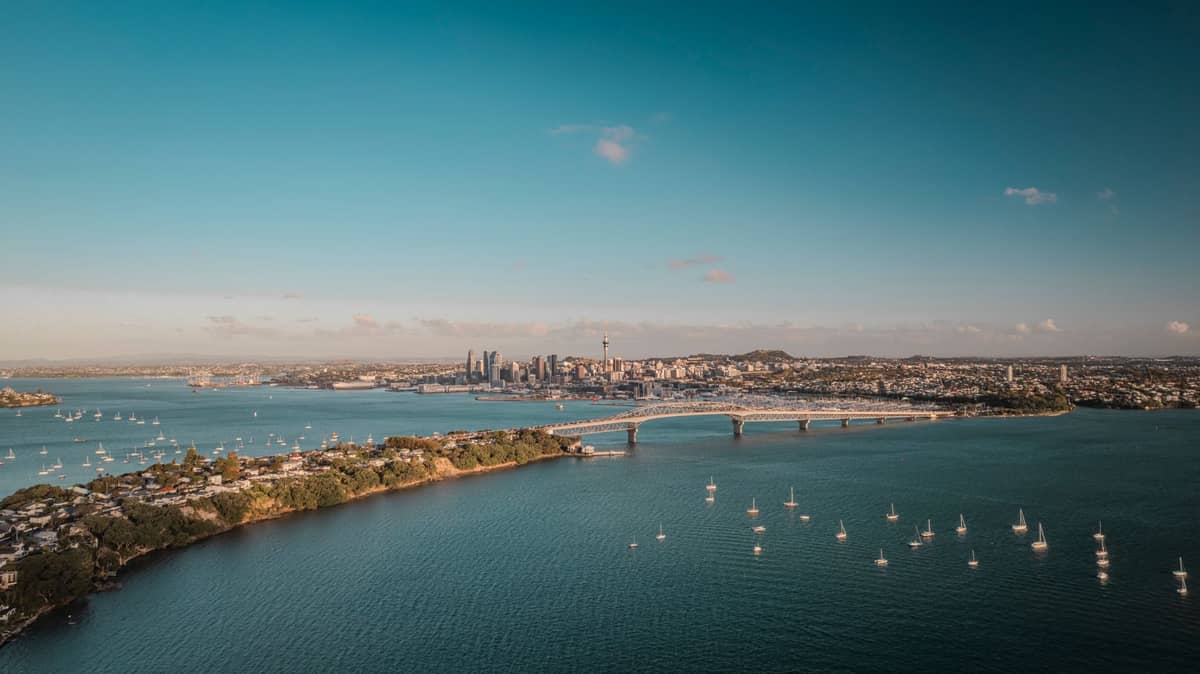
Several of Auckland's most popular day trips are affordable if you plan carefully. Devonport is one of the cheapest: the ferry is covered by AT HOP fares, and the main activities (walking up North Head and Mount Victoria, wandering the historic village streets) are free. Budget a few dollars for a coffee or ice cream and you've had a solid half-day out for under NZ$20.
Rangitoto Island is a worthwhile splurge. The return ferry costs NZ$63 per adult for a same-day Fullers360 ticket; once on the island, the Rangitoto summit walk is free and takes about 2 hours return. You can extend the day by exploring the lava caves near the summit. Waiheke Island is harder to do cheaply — ferry costs, plus wine tasting fees or restaurant meals, can push a day trip to NZ$100+ per person. If Waiheke is on your list, read our Waiheke Island day trip guide to understand where you can cut costs.
Auckland's west coast beaches are free to visit and genuinely spectacular. Piha Beach and Muriwai are both within the Waitākere Ranges regional park — no entry fee, though you'll need a car or to join a tour to get there. The beaches on the east coast (Mission Bay, Kohimarama) are bus-accessible and much easier to reach cheaply. Check the best beaches in Auckland guide to compare options by accessibility and cost.
FAQ
Is Auckland expensive for tourists?
Yes, Auckland is among the more expensive cities in the Asia-Pacific region, particularly for accommodation and eating out at mid-range restaurants. However, many of the city's best experiences — volcanic summit walks, beaches, parks, and the Auckland Art Gallery — are free. The key is separating the genuinely free experiences from tourist-priced ones, and using public transport rather than taxis.
What is the cheapest way to get from Auckland Airport to the city?
The cheapest option is public transport: take the AirportLink bus to Puhinui Station, then a train into the CBD. The fare depends on payment method and journey, and it takes around 45–60 minutes depending on connections. The SkyDrive coach is a step up in price but offers a direct, reliable connection to SkyCity. Taxis and rideshares are the most expensive option at typically NZ$60–90 and should be avoided unless you're sharing costs.
What free things are there to do in Auckland?
Genuinely free options include: walking the volcanic summits (Maungawhau/Mount Eden, One Tree Hill), visiting the Auckland Art Gallery (general admission free), walking the Tamaki Drive coastal route, exploring the Auckland Domain and Wintergardens, and walking sections of the Coast to Coast Walkway. Most of Auckland's beaches are also free to access. Transport to these places may cost money, so factor that in.
When is the cheapest time to visit Auckland?
Shoulder seasons — March to May and September to November — generally offer lower accommodation rates and fewer crowds than the December to February summer peak. Winter (June to August) is Auckland's cheapest period for accommodation, but comes with shorter days, more rain, and conditions that make some outdoor activities less appealing. For the best balance of cost and weather, April–May or October–November are the sweet spots.
Is the Auckland AT HOP card worth it for tourists?
Yes, for most visitors staying more than one or two days. The AT HOP card gives discounted fares on buses, trains, and eligible ferries compared to cash. The seven-day cap is NZ$50 for eligible services, including buses, trains, and inner-harbour ferries. Cards are available at AT Customer Service Centres and many convenience stores. Verify current pricing at at.govt.nz before you travel.
Tickets & tours
Live prices and dates from our booking partner. If you book, we may earn a commission at no extra cost to you.
Planning a trip? Discover personalized activities with the Nomado app.