Devonport sits at the southern tip of Auckland's North Shore, a short ferry ride across the Waitematā Harbour from the city centre. With Victorian and Edwardian buildings along Victoria Road, two volcanic headlands, and one of New Zealand's most scenic harbour approaches, it offers a complete change of pace from central Auckland without requiring a full day trip.
Devonport is the kind of place that makes you forget you're twelve minutes from a city of 1.6 million people. Its Victorian streetscape, twin volcanic cones, and working naval base give it a character that feels genuinely distinct, not manufactured for visitors.
Orientation
Devonport occupies the southernmost tip of the North Shore peninsula, pressing up against the Waitematā Harbour on its southern and eastern flanks. To the northwest lies Ngataringa Bay, and the neighbouring suburbs of Stanley Point, Narrow Neck, and Vauxhall wrap around the landward side. The suburb is not connected to central Auckland by road in any practical sense for visitors; the ferry is the logical way in, and understanding that shapes the entire experience.
Victoria Road is the spine of the neighbourhood. It runs from the ferry wharf directly into the village centre, lined with heritage buildings, independent shops, and cafés. Most of what a visitor wants to do or see sits within comfortable walking distance of that road. The two volcanic landmarks, Mount Victoria (Takarunga) to the west and North Head (Maungauika) to the east of the wharf, are both walkable from the ferry terminal, though North Head requires a slightly longer commitment.
Cheltenham Beach stretches along the northeastern edge of the suburb, a 15-minute walk from the wharf via King Edward Parade. Understanding this basic geography, the wharf at the bottom of Victoria Road, the village in the middle, and the two volcanic cones bookending it all, is enough to navigate Devonport without a map. For a broader sense of how Devonport fits into Auckland's North Shore, see the guide to Auckland's North Shore.
Character & Atmosphere
Devonport operates at a slower frequency than the central city, and that contrast is most obvious the moment you step off the ferry. The wharf opens onto a small promenade with views back across the harbour toward the Auckland skyline, and the pace shifts immediately. Weekday mornings belong mostly to locals: commuters heading the other direction across the water, dog walkers on the waterfront path, and café regulars claiming their seats before 8am.
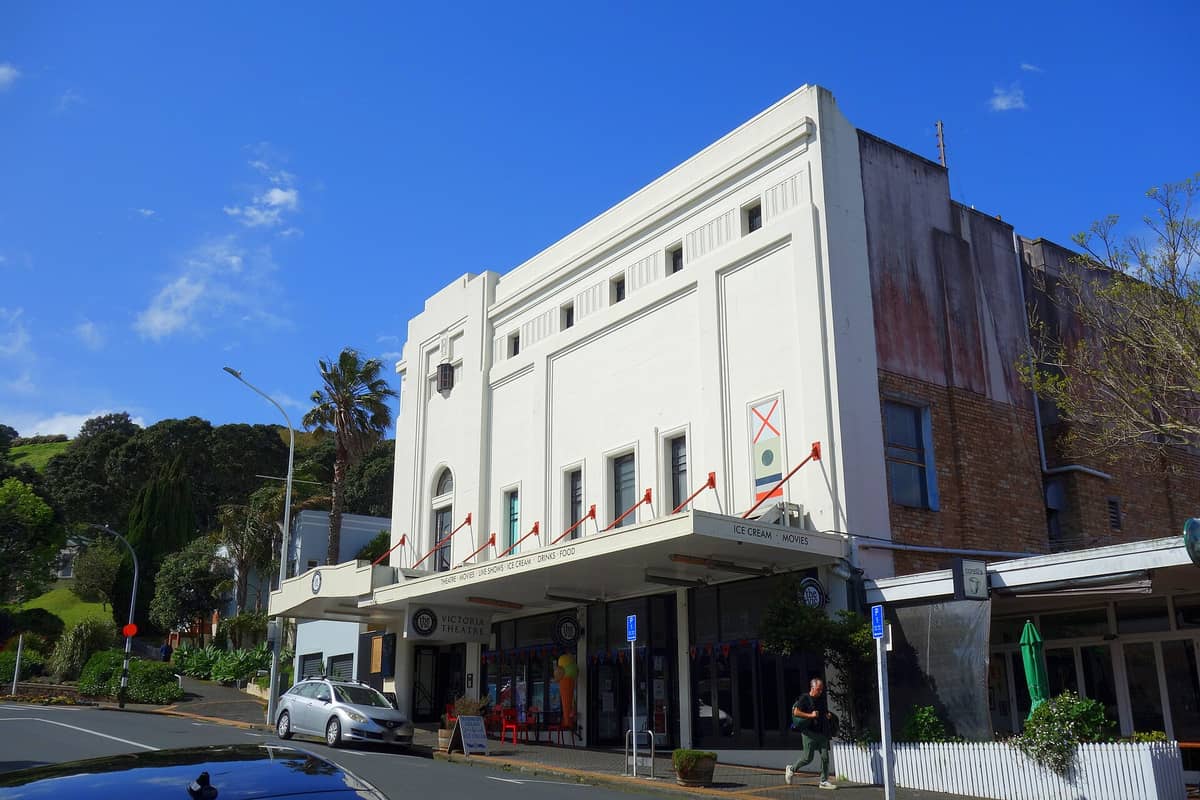
By mid-morning on weekends, the village takes on a different energy. Victoria Road fills with day-trippers drawn by the ferry's convenience, and the character becomes a mix of neighbourhood life and visitor activity. The heritage architecture helps anchor things; the buildings along Victoria Road are genuinely old, not restored to a theme-park standard, and the naval base at the eastern edge of the suburb is an active facility that has been here since the nineteenth century.
Afternoons are when the light does its best work on the harbour. From the waterfront between the ferry terminal and the base of North Head, the view back toward the Auckland CBD catches the afternoon sun from the west, and the city skyline acquires a clarity that is easy to photograph but better to just sit and watch. The Devonport foreshore path runs along this stretch and is popular with cyclists and walkers until early evening.
After dark, Devonport is quiet. There are a handful of restaurants and a bar or two along Victoria Road, but this is not a nightlife destination. The last ferries run in the late evening, and the village settles into a residential stillness well before midnight. Visitors staying the night, a small number of accommodation options exist here, will find the quiet a feature rather than a drawback.
ℹ️ Good to know
Devonport has a resident population with strong feelings about overdevelopment and parking. The suburb's manageable scale is partly protected by its geography. The ferry bottleneck means it never gets the kind of car-driven crowds that other Auckland coastal suburbs attract on summer weekends.
What to See & Do
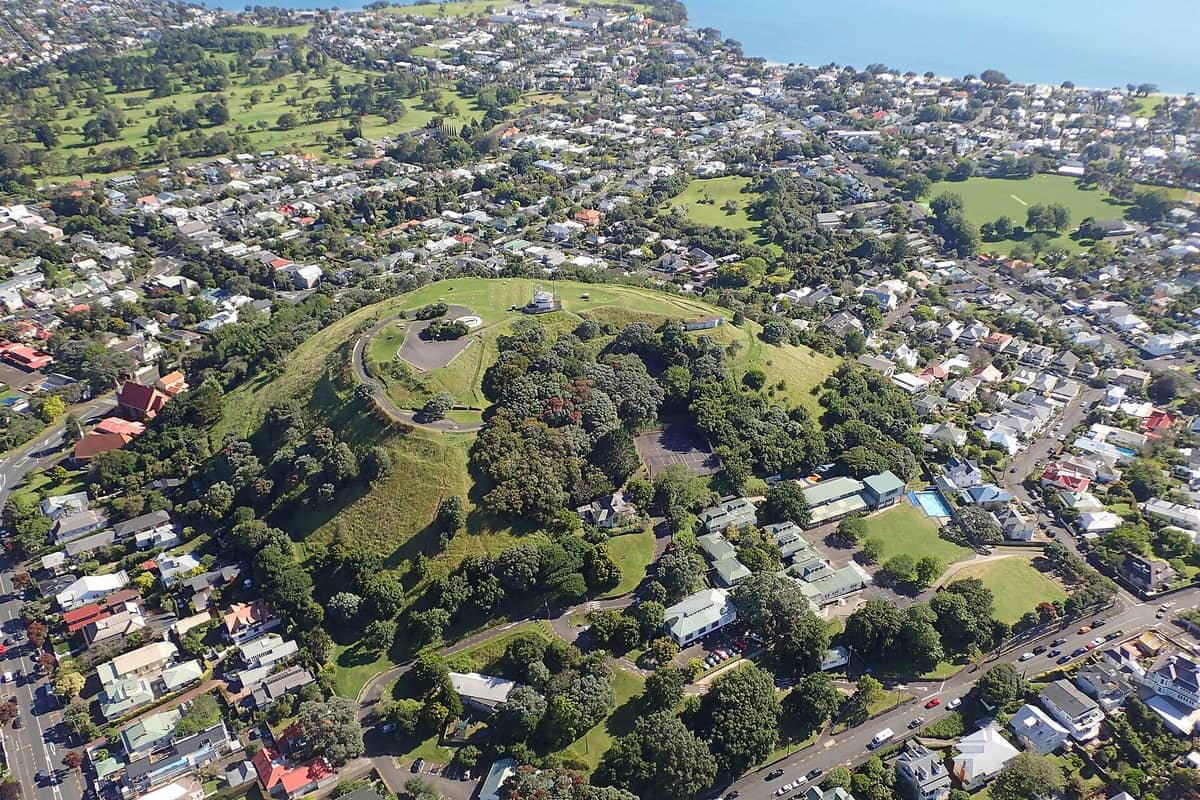
The two volcanic cones are the most significant things to do in Devonport, and both are free. Mount Victoria, known by its Māori name Takarunga, rises directly above the western side of the village. The walk from the ferry terminal to the summit takes around 20 minutes at a moderate pace, following paths through Windsor Reserve and then up the cone itself. The 360-degree views from the top are among the best in Auckland: the Waitematā Harbour in the foreground, Rangitoto Island to the northeast, and the city skyline to the south.
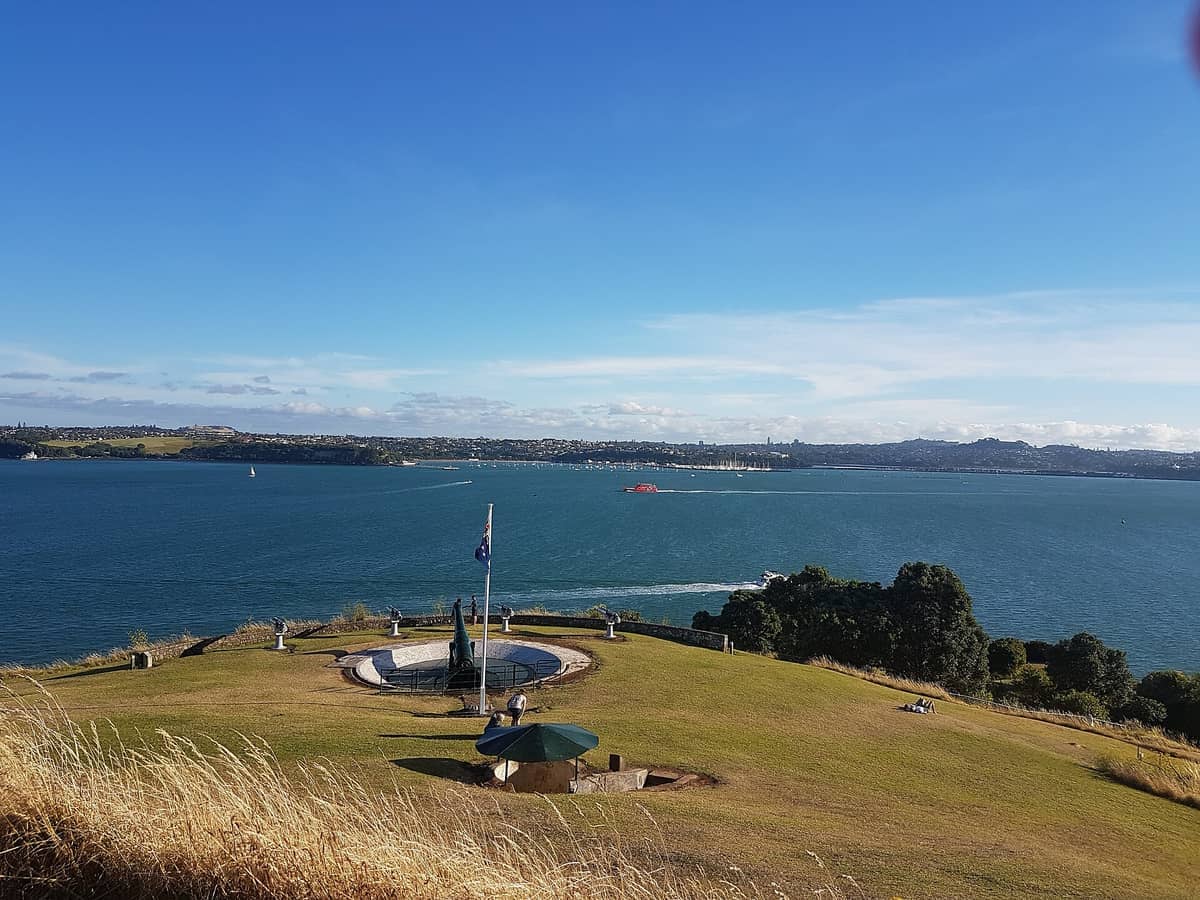
North Head, or Maungauika, sits at the eastern end of the Devonport foreshore and requires a 25-minute walk from the wharf along King Edward Parade. This historic reserve is managed by the Department of Conservation and contains a network of tunnels built in the late nineteenth century as part of Auckland's coastal defences. The tunnels are open to explore at no cost, and the headland's gun emplacements and strategic views across the Hauraki Gulf make for a genuinely interesting hour or two. For Auckland's wider network of volcanic cones and what makes them significant, the Auckland volcanic cones guide provides useful context.
The Torpedo Bay Navy Museum, located at the base of North Head on the eastern waterfront, covers New Zealand's naval history from early European contact to the present. Admission is free for New Zealand residents; international visitors aged 18 and over pay $15. The collection is more substantial than its size suggests. The displays on HMNZS ships, the role of the Devonport naval base during both world wars, and the torpedo technology exhibits appeal to visitors with no particular prior interest in naval history.
Cheltenham Beach on the northeastern side of the peninsula is a calmer alternative to the more exposed west coast beaches. The water here faces across toward Rangitoto Island, and on a still day the reflections on the harbour are exceptional. Swimming is possible but check current water quality advisories before entering, particularly after heavy rain.
Takarunga / Mount Victoria: 20-minute walk from the wharf, panoramic views, free
North Head / Maungauika Historic Reserve: tunnels, gun emplacements, DOC-managed, free
Torpedo Bay Navy Museum: Torpedo Bay Navy Museum: free entry for New Zealand residents; $15 for international visitors aged 18 and over
Cheltenham Beach: calm harbour beach, views toward Rangitoto
Victoria Road galleries and independent shops: art, crafts, and books
Victoria Theatre: heritage cinema, check current programme
💡 Local tip
Combine the North Head walk with a stop at Cheltenham Beach on the way back to the wharf. The loop takes around two to three hours at a relaxed pace and covers the best of Devonport without retracing your steps along the same street twice.
Eating & Drinking
The food scene in Devonport centres almost entirely on Victoria Road and the short streets immediately off it. The strip is not extensive, but the quality is generally solid and the range covers most needs: espresso cafés in the morning, lunch spots catering to the day-trip crowd, and a handful of dinner options in the evening.
Breakfast and brunch options along Victoria Road open early and do strong trade on weekend mornings. Expect well-made coffee, egg-based dishes, and baked goods in a café culture that mirrors what you find in Auckland's inner suburbs. Midday brings a broader choice: fish and chips near the waterfront, pizza and pasta in the village, and a few cafés that extend their morning menus into the afternoon.
Dinner is possible in Devonport but the choice narrows after 6pm. A handful of restaurants along Victoria Road serve through the evening, with seafood, modern New Zealand cuisine, and casual Italian all represented. The bars are relaxed and low-key; this is not a place for late-night drinking but suits a post-walk early evening drink with harbour views. Prices are comparable to Auckland's inner-city suburbs, slightly above the city average, reflecting the captive audience that the ferry creates.
Visitors who want a wider food experience before or after Devonport can connect it with a waterfront walk in central Auckland. The dining at Viaduct Harbour and the broader Auckland food scene are a short walk from the downtown ferry terminal.
Getting There & Around
The ferry is the correct way to reach Devonport from central Auckland. The crossing from the Downtown Ferry Terminal takes approximately 12 minutes The crossing from the Downtown Ferry Terminal takes approximately 12 minutes. Auckland Transport (AT) operates the service; payment can be made with an AT HOP card or a contactless debit or credit card. The terminal is located on Quay Street in central Auckland, a short walk from Britomart Transport Centre and the Commercial Bay precinct.
Check the AT journey planner before travel for current timetables, as frequency and last services change by day and season. The ferry is covered by the standard AT fare zones. For a full overview of how public transport connects across Auckland, the getting around Auckland guide covers buses, trains, ferries, and ticketing in detail.
Bus routes 806 and 807 serve the Devonport area; route 814 serves nearby areas including Narrow Neck and Belmont. Akoranga is a busway station, not a rail stop, and connects to rapid bus services running north toward Albany and south toward the city. Akoranga is a busway station, not a rail stop, but it connects to rapid bus services running north toward Albany and south toward the city. This matters if you are approaching from the North Shore rather than central Auckland.
Once in Devonport, the neighbourhood is navigable entirely on foot. The distances from the wharf to Mount Victoria, North Head, and Cheltenham Beach are all manageable without a car or bicycle. Victoria Road itself is flat; the climbs begin only if you head up the volcanic cones, and neither is strenuous.
⚠️ What to skip
Driving to Devonport from central Auckland involves crossing the Harbour Bridge and navigating North Shore roads. Parking in the village is limited and contested on weekends. The ferry is faster, easier, and avoids the parking problem entirely.
Where to Stay
Devonport is a day-trip destination for the majority of visitors, and most accommodation in the area consists of small boutique B&Bs, heritage guesthouses, and self-contained apartments rather than full-service hotels. The neighbourhood suits travellers who want a quieter base outside the central city and are comfortable relying on the ferry to access Auckland's main attractions.
Staying in Devonport makes most sense if the appeal is the slower pace itself, morning walks to the volcanic cones before the day-trip crowd arrives, evening quiet, and the pleasure of watching the Auckland skyline lit up across the harbour at dusk. Travellers who need frequent access to central Auckland's nightlife or who want walkable access to the CBD will find the ferry convenient during the day but limiting after late evening. For a broader comparison of Auckland's accommodation areas, the where to stay in Auckland guide covers the tradeoffs across neighbourhoods in detail.
The best position in Devonport for accommodation is within walking distance of the wharf and Victoria Road, which effectively means anywhere in the village core. There is no part of this small suburb that is inconveniently located relative to the ferry.
Practical Notes & Honest Assessment
Devonport rewards visitors who treat it as a half-day or full-day destination rather than a quick ferry ride and back. The volcanic cones, North Head tunnels, and Cheltenham Beach together fill three to four hours comfortably. Add a long lunch on Victoria Road and the afternoon views from the waterfront path, and a full day passes without any sense of having exhausted the place.
The suburb is not for travellers primarily seeking nightlife, shopping variety, or urban energy. The restaurant and bar scene is limited. The heritage architecture and maritime history that give Devonport its character can feel slight to visitors who are not already drawn to those things. On a grey winter day when the harbour is not doing its best work, the village is pretty but not compelling.
The swimming at Cheltenham Beach and around the foreshore is generally good in summer, but follow current water quality advice from LAWA and local signage, particularly in the two to three days after heavy or prolonged rainfall when runoff can affect harbour water quality. Devonport also makes a logical starting point for thinking about other Hauraki Gulf destinations: Waiheke Island and Rangitoto Island are both accessible by ferry from the same downtown terminal.
If you are planning a broader day out combining Devonport with other Auckland highlights, the three-day Auckland itinerary offers a useful framework, and the free things to do in Auckland guide is worth noting: both the volcanic cones and North Head cost nothing to visit.
TL;DR
Devonport is a 12-minute ferry ride from central Auckland: easy to reach, easy to understand, and genuinely different in character from the city across the water.
The twin volcanic cones, Takarunga and Maungauika, and the North Head tunnel network are the standout experiences. The twin volcanic cones, Takarunga and Maungauika, and the North Head tunnel network are the standout experiences. The cones and tunnels are free to visit and walkable from the wharf.
The food scene along Victoria Road covers breakfast, lunch, and early dinner well, but Devonport is not a nightlife destination.
Best suited to travellers who want a half-day or full-day excursion from central Auckland, or a quiet harbour-side base away from the CBD's noise.
Not ideal for visitors prioritising nightlife, shopping range, or constant access to central Auckland after late evening ferry services end.
Auckland delivers serious adventure on land, sea, and from the top of a 328-metre tower. This guide covers the best adventure activities in Auckland with real pricing, practical logistics, seasonal advice, and clear warnings about what to watch out for before you book.
Auckland Airport (AKL) sits 21 km south of the city centre in Māngere. This guide covers everything from navigating arrivals to choosing the right transport option, so you can get moving the moment you land.
Auckland's event calendar runs from summer beach festivals through winter film screenings to spring heritage tours. This guide covers the major annual events, what they cost, when crowds peak, and how to plan around them — with candid notes on what's worth your time.
Auckland's food scene reflects the city it sits in: diverse, seafood-forward, and shaped by Māori, Pacific, and Asian influences alongside a confident modern New Zealand kitchen. This guide breaks down what to eat, where to eat it, and which food experiences are genuinely worth your time.
Three days is enough time to get a genuine feel for Tāmaki Makaurau Auckland — its volcanic landscape, Māori heritage, waterfront culture, and island escapes. This itinerary cuts through the noise and tells you exactly where to go, when, and why.
Auckland sits on land with deep Māori roots. This guide covers the most meaningful cultural experiences in Tāmaki Makaurau, from museum performances and waterfront heritage spaces to guided tours led by descendants of the city's founding chief. Learn what to see, what to pay, and how to engage respectfully.
Auckland's market scene spans inner-city farmers' markets, rotating suburban night markets, and rural day trips worth planning your weekend around. This guide covers the best markets in Auckland by type, location, and what to expect when you arrive.
Auckland's nightlife is more compact than its size suggests, but the quality runs deep. From waterfront cocktail bars to Karangahape Road's late-night underground, this guide covers the key precincts, practical logistics, and what to realistically expect on a night out in Tāmaki Makaurau.
Auckland has a reputation for being expensive, and that reputation is partly earned. But the city also has a surprising number of genuinely free and low-cost experiences — volcanic walks, world-class beaches, free museum entry, and excellent public markets. This guide breaks down exactly how to visit Auckland without burning through your travel fund.
Auckland's shopping scene runs from polished waterfront precincts and heritage high streets to Saturday morning farmers markets and sprawling suburban malls. This guide breaks down where to shop, when to go, and what to skip, so you spend your time and money well.
Flying is the only practical way to travel from Auckland to Queenstown, and the route is well-served by two airlines year-round. This guide covers your transport options, realistic flight costs, seasonal disruptions, and how to get oriented once you land in Queenstown.
Auckland sits on one of the world's most unusual urban landscapes: a live volcanic field with over 50 cones scattered across the city. This guide covers the most significant maunga, their cultural importance, practical access details, and what to expect when you visit.
Auckland's west coast delivers something the sheltered harbour beaches simply cannot: raw, wind-scoured black-sand shorelines, serious surf, and dramatic coastal scenery within 45 minutes of the city. This guide covers every major beach, how to get there, when to go, and how to stay safe on some of New Zealand's most powerful surf.
Auckland sits within striking distance of three distinct wine regions, each with its own character, grape varieties, and logistical quirks. This guide covers what to expect at Waiheke Island, Kumeū, and Matakana — including real transport costs, how to structure a day trip, and which cellar doors are worth your time.
Auckland delivers a surprisingly rich range of experiences for families, from world-class wildlife encounters and hands-on museums to beach days and island adventures. This guide picks the best activities for kids of all ages, with practical tips on what to expect at each stop.
Auckland sits on an isthmus between two harbours, with the Tasman Sea to the west and the Hauraki Gulf to the east, giving the city an extraordinary range of beaches within an hour of the CBD. This guide covers the best of them, from dramatic west coast surf breaks to sheltered harbour swimming spots.
Auckland sits on a volcanic field, between two harbours, and beside one of New Zealand's great forested ranges. Whether you want a 30-minute summit stroll or a full-day coastal traverse, the city delivers. These are the walks worth lacing your boots for.
Auckland punches well above its weight for museum culture. Whether you're after Māori taonga, Pacific art, colonial history, or vintage technology, the city has a collection to match. This guide covers the best museums in Auckland across every interest and budget.
Auckland sits on an isthmus surrounded by two harbours, and its parks reflect that geography in remarkable variety. This guide covers the best parks in Auckland, from volcanic cones and ancient forest to coastal reserves and formal city gardens.
Auckland is a year-round destination, but the right time to visit depends entirely on what you want to do. This guide breaks down every season, covering weather patterns, crowd levels, major events, and the practical details that generic guides skip.
Auckland sits on an isthmus studded with volcanic cones, harbour headlands, and elevated parks, making it one of the world's most view-rich cities. This guide covers the finest viewpoints across the city, from the Sky Tower's observation deck to wild clifftop lookouts, with practical advice on how to reach each one.
Auckland sits at the centre of one of the most day-trip-rich regions in the Southern Hemisphere. Whether you want a 25-minute ferry to a volcanic island or a full-day drive to Hobbiton, this guide covers logistics, costs, and practical recommendations so you can pick the right trip for your time.
Auckland is one of the most naturally dramatic cities in the world, and a surprising amount of what makes it great costs nothing. From volcanic summit walks and black-sand beaches to free art galleries and gannet colonies, here are 20 genuinely rewarding free experiences across the city and region.
Auckland sprawls across an isthmus with two harbours, dozens of suburbs, and islands in the gulf. This guide breaks down every practical way to navigate the city, from AT HOP card fares to ferry routes, rental cars, and the airport transfer options that are actually worth your time.
The Hauraki Gulf holds more than 50 islands within reach of Auckland, but not all of them suit every traveller. This guide breaks down the four main options by experience, ferry logistics, cost, and what you actually get when you arrive — so you can choose without guessing.
Hobbiton is one of New Zealand's most popular attractions, and it makes for a very doable day trip from Auckland. This guide covers every practical detail: how to get there, which tour to book, what it costs, and how to make the most of your visit.
Auckland divides opinions: some travellers race through it en route to Queenstown or the Bay of Islands, others find it one of the most rewarding cities in the Southern Hemisphere. This guide cuts through the brochure language and gives you a clear-eyed picture of what Tāmaki Makaurau Auckland actually offers, who it suits best, and what genuinely isn't worth your time.
Auckland spans two harbours, 53 volcanic cones, and one of the Pacific's most diverse cities. This guide covers the best things to do in Auckland across nature, culture, food, and island escapes — including what is worth your time and what is not.
Waiheke Island is one of Auckland's most rewarding day trips, combining world-class vineyards, sheltered beaches, and easy ferry access into a single compact island. This guide covers everything you need to know: how to get there, where to eat and drink, how to get around, and when to go.
Choosing where to stay in Auckland shapes your entire trip. This area-by-area guide covers the CBD waterfront, Ponsonby, Parnell, Devonport, and beyond — with clear assessments of who each neighbourhood suits, what to budget, and how to get around once you're there.