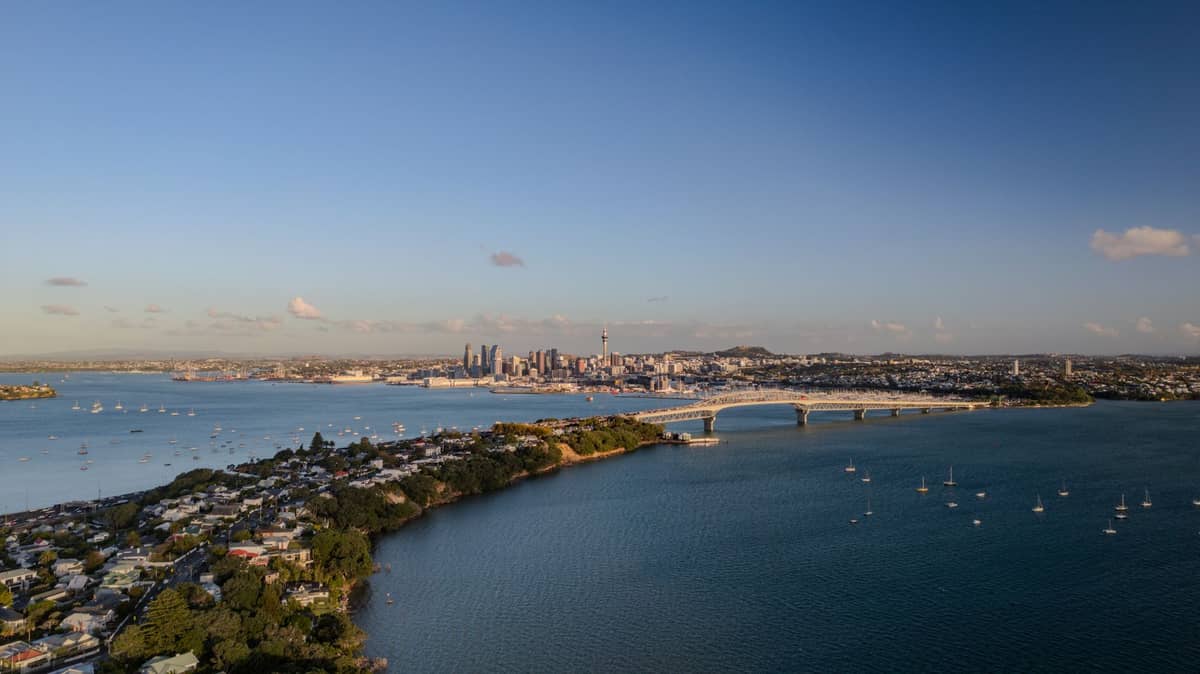
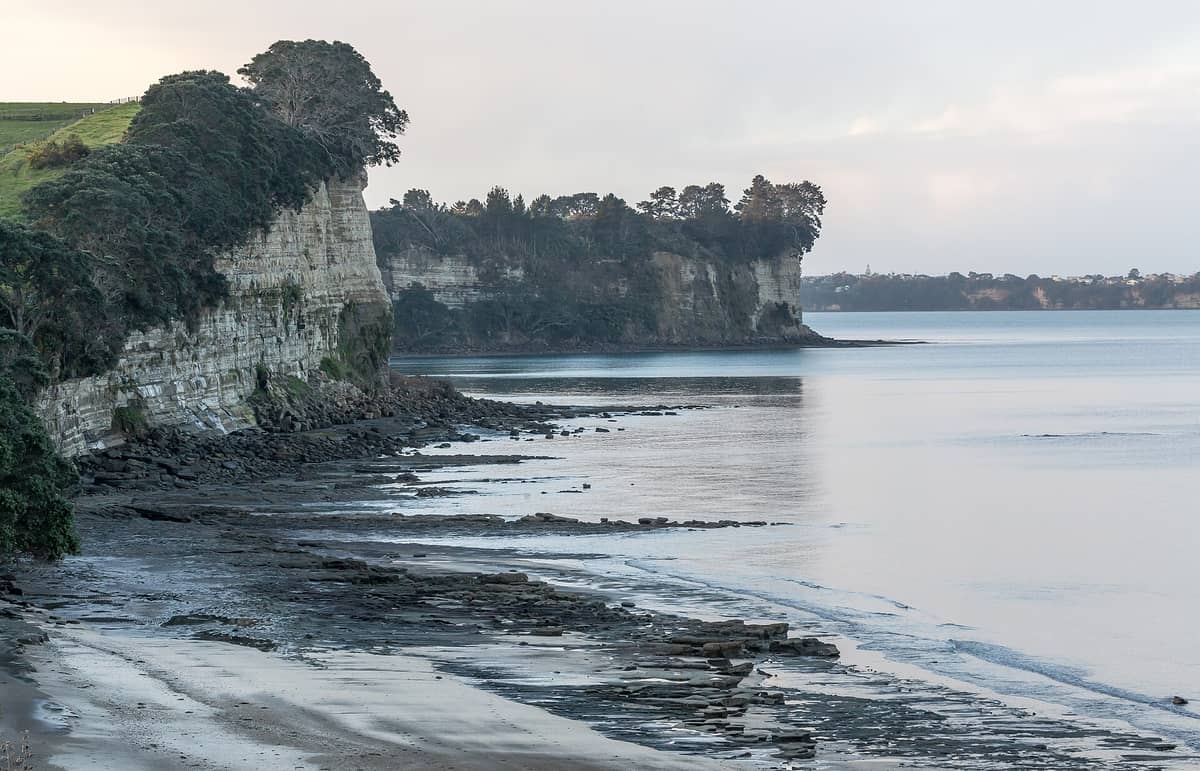
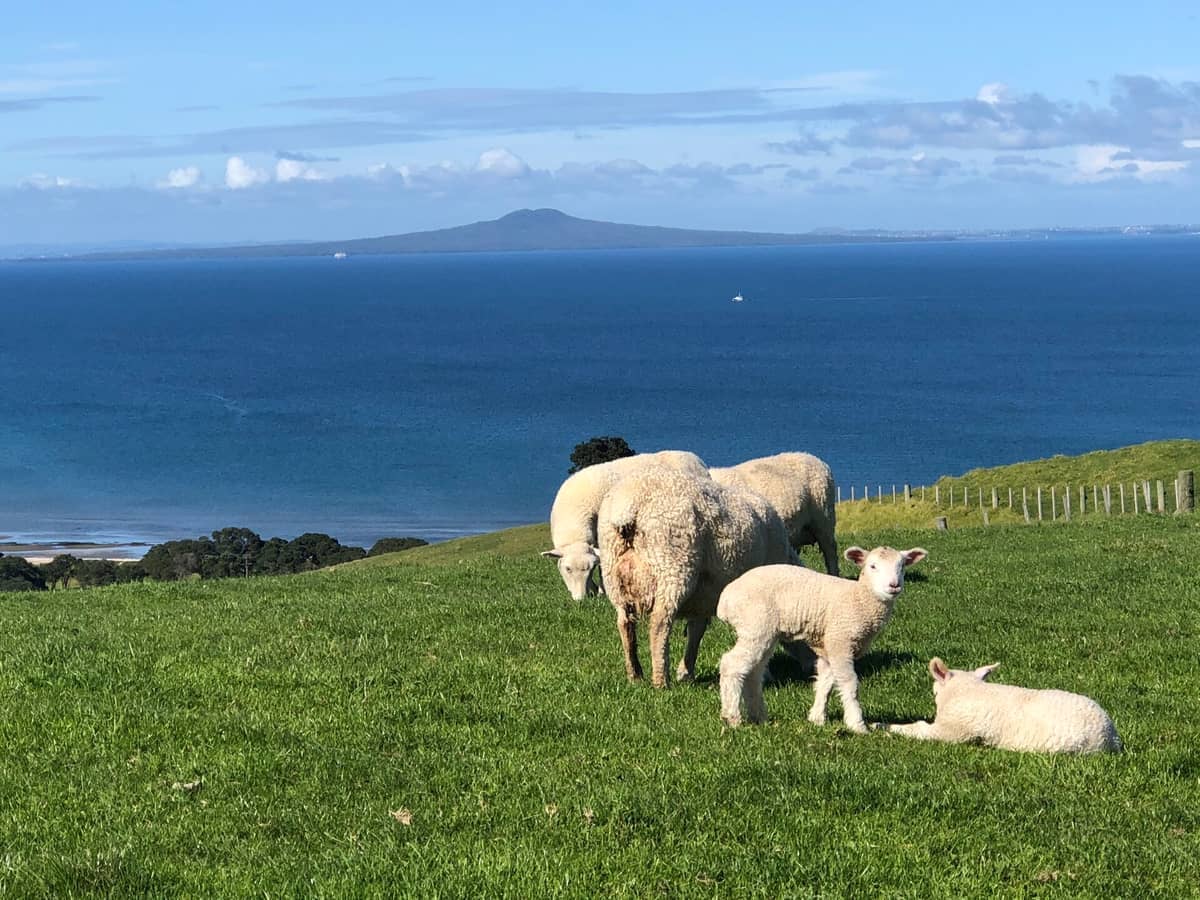
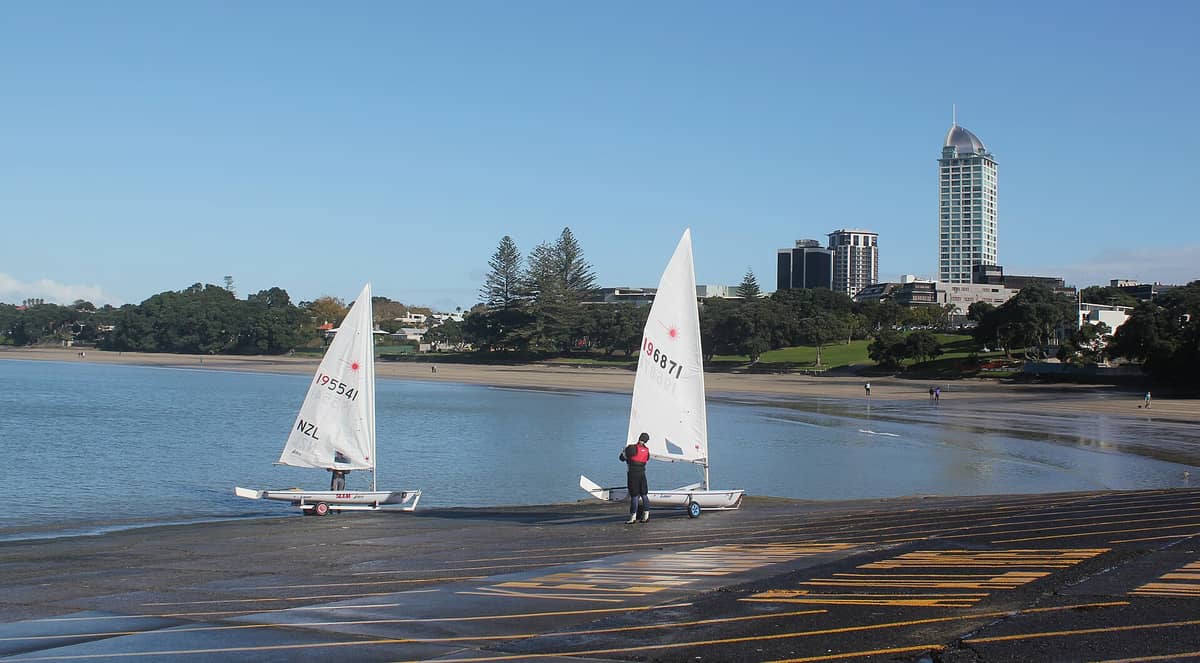
Auckland's North Shore stretches across the northern shore of Waitematā Harbour, encompassing a string of distinct suburbs from the heritage village of Devonport to the commercial hub of Takapuna and the sprawling reaches of Albany. It is less a single neighbourhood than a collection of places connected by water, bus, and a shared relationship with the harbour.
The North Shore is Auckland's other side of the harbour: a broad sweep of suburbs, beaches, and volcanic headlands that sits just across the water from the city centre but feels, in places, like a world apart. From the ferry-connected village of Devonport to the beach-lined streets of Takapuna and the big-box retail corridors near Albany, the North Shore rewards those who venture beyond the obvious downtown circuit.
Orientation
The North Shore is defined by its position north of Waitematā Harbour. It is not a single suburb or administrative unit but a large zone of the Auckland region that includes dozens of distinct communities. For practical purposes, most visitors engage with three main areas: Devonport at the southern tip (closest to central Auckland, reachable by ferry), Takapuna a few kilometres north (the North Shore's main commercial and beach hub), and the busway corridor that runs north through Akoranga, Smales Farm, Sunnynook, and Constellation before terminating at Albany.
The Auckland Harbour Bridge, carrying State Highway 1, is the primary road crossing between central Auckland and the North Shore. Without it, you would need to travel well inland to cross the Waitematā. This single connection shapes the rhythm of life here: peak-hour gridlock on the bridge is a daily reality, and many North Shore residents deliberately time their commutes or choose the Northern Busway to avoid it entirely.
East of Devonport, the coastline curves around to Cheltenham Beach and then north past Narrow Neck toward Takapuna, which sits on the shores of Lake Pupuke and faces out toward Rangitoto Island. Further north, the suburbs grow larger, leafier, and more car-dependent. Albany, near the northern end of the busway, functions as a regional retail and tertiary education hub anchored by Massey University's Albany campus. The Hibiscus Coast, even further north past Orewa, is technically North Shore in the broad sense but sits well outside what most visitors will explore.
ℹ️ Good to know
The North Shore is a large area. If you're planning a day trip, pick one focus: Devonport for history and harbour views, Takapuna for beach and café culture, or the busway corridor for efficient transit connections. Trying to cover all of it in a single day will leave you mostly in traffic.
Character & Atmosphere
The North Shore defies easy summary because it contains multitudes. Devonport has the feel of a heritage coastal village: narrow streets lined with Victorian and Edwardian villas, an easy pace, and a main strip of cafés and galleries that faces back toward the Auckland skyline across the water. On a clear morning, the view from Devonport Wharf of the CBD framed by Rangitoto Island is one of the better urban panoramas in New Zealand.
Takapuna reads differently: it is suburban prosperity made concrete, with a beach strip that draws swimmers and sunbathers in summer, a town centre of restaurants and bars around Hurstmere Road, and the shallow turquoise waters of Lake Pupuke providing an alternative to the salt. On Sunday mornings, Takapuna’s market draws visitors, and the café strip along the beachfront gets genuinely crowded by mid-morning. and the café strip along the beachfront gets genuinely crowded by mid-morning. The afternoon light off the water here is sharp and golden, and by early evening the restaurant precinct is lively without being aggressive about it.
Moving further north, the atmosphere shifts to something more residential and utilitarian. The busway corridor suburbs, Sunnynook, Constellation, and Albany, were built for the car and carry that logic in their wide roads and large-format retail. They are not destinations for visitors, but they are efficient transit hubs for anyone connecting northward. Albany has a functional commercial core around the Westfield shopping centre and the university, but it lacks the street-level texture of Takapuna or Devonport.
After dark, the North Shore is quieter than central Auckland. Devonport essentially closes for the evening outside of a handful of restaurants. Takapuna has a more active bar scene along Hurstmere Road that can extend late on weekends, but this is suburban nightlife, not the all-night energy of Karangahape Road. For visitors who prefer early mornings, easy beach access, and less noise, the North Shore's relative quiet is a feature, not a shortcoming.
What to See & Do
Devonport's two volcanic summits are the most compelling reason to come to the North Shore. Mount Victoria (Takarunga)Takarunga / Mount Victoria rises above the village to deliver 360-degree views of the harbour, central Auckland, and the gulf islands. It is a short, steep walk from the ferry terminal. North Head (Maungauika), a historic reserve on the eastern edge of Devonport, adds coastal fortifications and tunnel systems that date to New Zealand's colonial-era defence anxieties.
The North Head Historic Reserve deserves more time than most visitors give it. The tunnels carved into the hillside during the late 19th and early 20th centuries are open to explore, and the headland's clifftop walks offer views toward Rangitoto and back across the harbour mouth. Go in the late afternoon when the light hits the water at an angle and the city skyline behind you begins to catch the sun.
Takapuna Beach is one of Auckland's most accessible urban beaches: a long strip of sand facing northeast, sheltered enough for swimming on most days, and backed by pohutukawa trees and a café strip. It is not a wilderness beach, but for a morning swim before breakfast or a late-afternoon stretch in the sun it is hard to fault. Before heading to any North Shore beach, check Auckland Council's Safeswim service for current water quality and hazard alerts, including rip currents. For broader beach options across the wider Auckland region, the guide to Auckland's best beaches covers the full picture.
Mount Victoria (Takarunga) and North Head: volcanic summits with harbour views and historic fortifications, both walkable from Devonport Wharf
Takapuna Beach: long urban beach, good for morning swims, backed by cafés and pohutukawa
Lake Pupuke: volcanic crater lake in the heart of Takapuna, used by rowers and kayakers
Takapuna Sunday Market: fresh produce, street food, and local crafts at Waiwharariki Anzac Square
Devonport village galleries and antique shops: concentrated along Victoria Road and the cross streets around the wharf
The North Shore also serves as a staging point for further exploration. Ferries and ferries connect from Devonport toward the wider Hauraki Gulf, and the broader context of Auckland's volcanic landscape connects to the North Shore's summits. For those interested in the city's volcanic geography, the Auckland volcanic cones guide puts Takarunga and the North Shore peaks in their wider context.
Eating & Drinking
Takapuna is where the North Shore's food scene concentrates. Hurstmere Road and the streets around it carry a dense run of cafés, restaurants, and bars that ranges from neighbourhood brunch spots to more considered evening dining. The food culture here skews toward the relaxed and familiar: good flat whites, fresh seafood, and weekend brunch menus that stretch well into the afternoon. There is a solid Japanese and Korean dining presence reflecting the area's demographics, and several Thai and Southeast Asian restaurants sit alongside the more mainstream New Zealand café fare.
The beachfront cafés along Takapuna Beach Reserve are busy on weekend mornings to the point where queues form before 9am in summer. The trade-off for that crowd is direct beach access and views across to Rangitoto. If you want a quieter breakfast, the side streets one block back from the beach carry smaller spots with less competition for tables.
Devonport has a smaller, more curated eating scene. Victoria Road, the main street running from the wharf into the village, carries cafés and a handful of restaurants suited to a long lunch. The pace is slower here than Takapuna, and the crowd is more mixed between day-trippers arriving on the ferry and locals who live in the surrounding streets. There are not many options for late dining in Devonport, so if you plan to stay for dinner, check hours before committing.
💡 Local tip
For the Takapuna Sunday Market, arrive early if you want first pick of the produce stalls and a table at one of the beachfront cafés.
Further north, dining options in the busway-corridor suburbs tend toward chain restaurants and food courts within shopping centres. Albany has a broad range of mid-range international chains near Westfield Albany, which is functional rather than interesting. Visitors based in Takapuna or Devonport rarely need to travel north for food.
Getting There & Around
The most enjoyable way to reach Devonport is the ferry from the Downtown Ferry Terminal at Quay Street in central Auckland. Ferries run frequently throughout the day and the crossing takes around 12 minutes. The journey itself is worthwhile: you get the harbour crossing, Rangitoto framed ahead of you, and the Auckland skyline receding behind. Auckland Transport operates the service; check the AT journey planner for current timetables and fares, which can be paid by AT HOP card or contactless bank card. For broader context on getting around the city, the Auckland transport guide covers all modes in detail.
For Takapuna and the suburbs further north, the Northern Busway is the most efficient option. The busway runs dedicated bus-only lanes along the northern motorway corridor, largely bypassing the traffic that clogs the Auckland Harbour Bridge during peak hours. Key stations include Akoranga (closest to Takapuna, about a 15-minute walk or short bus connection to the beach), Smales Farm, Sunnynook, Constellation, and Albany at the northern terminus. Services run from Britomart and the Civic area in central Auckland. The busway makes the North Shore genuinely accessible without a car during daylight hours.
Devonport has a bus connection from Devonport Ferry Terminal to Takapuna and Akoranga Station, which links the ferry network with the busway. This means you can reach Devonport by ferry and then travel north to Takapuna by bus without returning to central Auckland, which is useful for anyone planning to cover both areas in a single day.
Driving to the North Shore is straightforward via State Highway 1 across the Auckland Harbour Bridge, but parking in Takapuna and Devonport on weekends requires patience. Devonport in particular has limited street parking near the wharf and village. The ferry or bus combination is genuinely preferable for most day-trippers.
⚠️ What to skip
The Auckland Harbour Bridge is a consistent congestion point during weekday morning and evening peaks. If you are driving to or from the North Shore between 7–9am or 4–6pm on weekdays, allow significantly extra time or choose the Northern Busway instead.
Where to Stay
The North Shore is not a primary accommodation hub for visitors to Auckland, but it suits certain travellers well. Those who want proximity to beaches, a quieter pace, and are comfortable using the ferry or busway to access the city centre will find Takapuna and Devonport practical bases. Takapuna has the widest selection of accommodation, from mid-range hotels and apartment-style stays to smaller boutique properties within walking distance of the beach and the restaurant strip. For an overview of how the North Shore compares to other areas as a base, the where to stay in Auckland guide maps out the options across the city.
Devonport accommodation is smaller in scale and quicker to fill, particularly on weekends and during summer. Heritage bed and breakfast properties in the Victorian and Edwardian villas near the village are the most characterful options, but availability is limited. Staying in Devonport means accepting that the last ferry back from central Auckland runs at a reasonable but not late hour, so late nights in the city require checking return times in advance.
Albany and the northern busway suburbs have chain hotels and motel-style accommodation that serves travellers in transit or those visiting Massey University, but these areas hold little appeal for leisure visitors. If you are staying on the North Shore for the beaches and the harbour character, concentrate your search in Takapuna or Devonport.
Honest Assessment: Who the North Shore Is For
The North Shore works best as a day trip from central Auckland, with Devonport being the single most rewarding half-day from the city. The ferry crossing, the volcanic summits, and the village pace make it the kind of place that consistently over-delivers on modest expectations. Takapuna is worth the busway ride for its beach and café culture, particularly on a summer morning. Neither area should be the primary reason you fly to Auckland, but both make excellent additions to a longer itinerary. For ideas on building a broader Auckland trip, the 3-day Auckland itinerary is a useful starting point.
The North Shore is not the right base for visitors who want to walk to major central Auckland attractions, experience the city's art and culture scene at Auckland Art Gallery, or access Karangahape Road's nightlife easily. The ferry and busway are good, but they add time and complexity that some travellers would rather avoid. If you want to be walking distance from the Sky Tower, the waterfront, and the main museum, stay in the city centre or inner suburbs.
What the North Shore does offer, honestly, is breathing room. The beaches are real, the views across to central Auckland are excellent, and the sense that you have stepped slightly outside the city's gravitational pull is genuine. For families, for anyone who wants to run on a beach in the morning, or for travellers who find the city centre too compressed, the North Shore earns its place in the Auckland conversation.
TL;DR
Best accessed by ferry to Devonport (12 minutes from Downtown Ferry Terminal) or Northern Busway to Takapuna and beyond; both are efficient options that bypass road traffic
Devonport is the standout destination: volcanic summits, historic fortifications at North Head, a relaxed village, and one of Auckland's best harbour views, all within easy reach of the ferry wharf
Takapuna is the North Shore's commercial and beach hub, with a Sunday market, good café and restaurant strip along Hurstmere Road, and a long beach facing Rangitoto
Better suited to day trips than overnight stays for most visitors, though Takapuna and Devonport have genuine accommodation options for those who prefer beach proximity to city-centre access
Not the right base for those wanting walkable access to major central Auckland attractions; the transit connections are good but add travel time to everything
Auckland delivers serious adventure on land, sea, and from the top of a 328-metre tower. This guide covers the best adventure activities in Auckland with real pricing, practical logistics, seasonal advice, and clear warnings about what to watch out for before you book.
Auckland Airport (AKL) sits 21 km south of the city centre in Māngere. This guide covers everything from navigating arrivals to choosing the right transport option, so you can get moving the moment you land.
Auckland's event calendar runs from summer beach festivals through winter film screenings to spring heritage tours. This guide covers the major annual events, what they cost, when crowds peak, and how to plan around them — with candid notes on what's worth your time.
Auckland's food scene reflects the city it sits in: diverse, seafood-forward, and shaped by Māori, Pacific, and Asian influences alongside a confident modern New Zealand kitchen. This guide breaks down what to eat, where to eat it, and which food experiences are genuinely worth your time.
Three days is enough time to get a genuine feel for Tāmaki Makaurau Auckland — its volcanic landscape, Māori heritage, waterfront culture, and island escapes. This itinerary cuts through the noise and tells you exactly where to go, when, and why.
Auckland sits on land with deep Māori roots. This guide covers the most meaningful cultural experiences in Tāmaki Makaurau, from museum performances and waterfront heritage spaces to guided tours led by descendants of the city's founding chief. Learn what to see, what to pay, and how to engage respectfully.
Auckland's market scene spans inner-city farmers' markets, rotating suburban night markets, and rural day trips worth planning your weekend around. This guide covers the best markets in Auckland by type, location, and what to expect when you arrive.
Auckland's nightlife is more compact than its size suggests, but the quality runs deep. From waterfront cocktail bars to Karangahape Road's late-night underground, this guide covers the key precincts, practical logistics, and what to realistically expect on a night out in Tāmaki Makaurau.
Auckland has a reputation for being expensive, and that reputation is partly earned. But the city also has a surprising number of genuinely free and low-cost experiences — volcanic walks, world-class beaches, free museum entry, and excellent public markets. This guide breaks down exactly how to visit Auckland without burning through your travel fund.
Auckland's shopping scene runs from polished waterfront precincts and heritage high streets to Saturday morning farmers markets and sprawling suburban malls. This guide breaks down where to shop, when to go, and what to skip, so you spend your time and money well.
Flying is the only practical way to travel from Auckland to Queenstown, and the route is well-served by two airlines year-round. This guide covers your transport options, realistic flight costs, seasonal disruptions, and how to get oriented once you land in Queenstown.
Auckland sits on one of the world's most unusual urban landscapes: a live volcanic field with over 50 cones scattered across the city. This guide covers the most significant maunga, their cultural importance, practical access details, and what to expect when you visit.
Auckland's west coast delivers something the sheltered harbour beaches simply cannot: raw, wind-scoured black-sand shorelines, serious surf, and dramatic coastal scenery within 45 minutes of the city. This guide covers every major beach, how to get there, when to go, and how to stay safe on some of New Zealand's most powerful surf.
Auckland sits within striking distance of three distinct wine regions, each with its own character, grape varieties, and logistical quirks. This guide covers what to expect at Waiheke Island, Kumeū, and Matakana — including real transport costs, how to structure a day trip, and which cellar doors are worth your time.
Auckland delivers a surprisingly rich range of experiences for families, from world-class wildlife encounters and hands-on museums to beach days and island adventures. This guide picks the best activities for kids of all ages, with practical tips on what to expect at each stop.
Auckland sits on an isthmus between two harbours, with the Tasman Sea to the west and the Hauraki Gulf to the east, giving the city an extraordinary range of beaches within an hour of the CBD. This guide covers the best of them, from dramatic west coast surf breaks to sheltered harbour swimming spots.
Auckland sits on a volcanic field, between two harbours, and beside one of New Zealand's great forested ranges. Whether you want a 30-minute summit stroll or a full-day coastal traverse, the city delivers. These are the walks worth lacing your boots for.
Auckland punches well above its weight for museum culture. Whether you're after Māori taonga, Pacific art, colonial history, or vintage technology, the city has a collection to match. This guide covers the best museums in Auckland across every interest and budget.
Auckland sits on an isthmus surrounded by two harbours, and its parks reflect that geography in remarkable variety. This guide covers the best parks in Auckland, from volcanic cones and ancient forest to coastal reserves and formal city gardens.
Auckland is a year-round destination, but the right time to visit depends entirely on what you want to do. This guide breaks down every season, covering weather patterns, crowd levels, major events, and the practical details that generic guides skip.
Auckland sits on an isthmus studded with volcanic cones, harbour headlands, and elevated parks, making it one of the world's most view-rich cities. This guide covers the finest viewpoints across the city, from the Sky Tower's observation deck to wild clifftop lookouts, with practical advice on how to reach each one.
Auckland sits at the centre of one of the most day-trip-rich regions in the Southern Hemisphere. Whether you want a 25-minute ferry to a volcanic island or a full-day drive to Hobbiton, this guide covers logistics, costs, and practical recommendations so you can pick the right trip for your time.
Auckland is one of the most naturally dramatic cities in the world, and a surprising amount of what makes it great costs nothing. From volcanic summit walks and black-sand beaches to free art galleries and gannet colonies, here are 20 genuinely rewarding free experiences across the city and region.
Auckland sprawls across an isthmus with two harbours, dozens of suburbs, and islands in the gulf. This guide breaks down every practical way to navigate the city, from AT HOP card fares to ferry routes, rental cars, and the airport transfer options that are actually worth your time.
The Hauraki Gulf holds more than 50 islands within reach of Auckland, but not all of them suit every traveller. This guide breaks down the four main options by experience, ferry logistics, cost, and what you actually get when you arrive — so you can choose without guessing.
Hobbiton is one of New Zealand's most popular attractions, and it makes for a very doable day trip from Auckland. This guide covers every practical detail: how to get there, which tour to book, what it costs, and how to make the most of your visit.
Auckland divides opinions: some travellers race through it en route to Queenstown or the Bay of Islands, others find it one of the most rewarding cities in the Southern Hemisphere. This guide cuts through the brochure language and gives you a clear-eyed picture of what Tāmaki Makaurau Auckland actually offers, who it suits best, and what genuinely isn't worth your time.
Auckland spans two harbours, 53 volcanic cones, and one of the Pacific's most diverse cities. This guide covers the best things to do in Auckland across nature, culture, food, and island escapes — including what is worth your time and what is not.
Waiheke Island is one of Auckland's most rewarding day trips, combining world-class vineyards, sheltered beaches, and easy ferry access into a single compact island. This guide covers everything you need to know: how to get there, where to eat and drink, how to get around, and when to go.
Choosing where to stay in Auckland shapes your entire trip. This area-by-area guide covers the CBD waterfront, Ponsonby, Parnell, Devonport, and beyond — with clear assessments of who each neighbourhood suits, what to budget, and how to get around once you're there.