What to Eat in Auckland: A Food Lover's Guide
Auckland's food scene reflects the city it sits in: diverse, seafood-forward, and shaped by Māori, Pacific, and Asian influences alongside a confident modern New Zealand kitchen. This guide breaks down what to eat, where to eat it, and which food experiences are genuinely worth your time.
Tickets & tours
Live prices and dates from our booking partner. If you book, we may earn a commission at no extra cost to you.
TL;DR
- Auckland restaurants range from cheap Pacific food courts to world-class fine dining, with most mid-range meals costing NZD $25–45 per main.
- Ponsonby Road and Karangahape Road are the two best streets for eating well without a reservation — explore both on the same evening.
- Seafood is a standout: green-lipped mussels, Bluff oysters (in season), and snapper are fresher and cheaper here than almost anywhere in the world.
- Tipping is not expected at Auckland restaurants — service charges are rarely added either, so the price on the menu is what you pay.
- For a broader picture of the city's food culture, the Auckland markets guide covers the best weekend food markets worth building a morning around.
Why Auckland's Food Scene Is Worth Taking Seriously
Auckland sits at the intersection of Polynesia, East Asia, and a southern-hemisphere growing calendar that produces exceptional ingredients year-round. The Auckland region's 1.6 million residents represent one of the most ethnically diverse populations in the Southern Hemisphere, and that shows directly on the plate. You can eat South Korean barbecue in Albany, Tongan-style ota ika in Māngere, hand-pulled Lanzhou noodles in the CBD, and a Māori-influenced tasting menu in Parnell, all within a single day. What makes this city different from Sydney or Melbourne is the Pacific dimension: Sāmoan, Tongan, Fijian, and Cook Islands food traditions are genuinely represented here, not just as novelty, but as part of everyday eating.
The cooking philosophy that has emerged from this mix, often called 'modern New Zealand cuisine', leans heavily on local protein, Māori techniques like hāngī (earth oven cooking), and flavour frameworks borrowed from Asia and the Pacific. The result is something that does not have a clean international equivalent. It is worth eating with curiosity rather than trying to map it onto what you already know.
Dishes and Ingredients You Should Actually Try
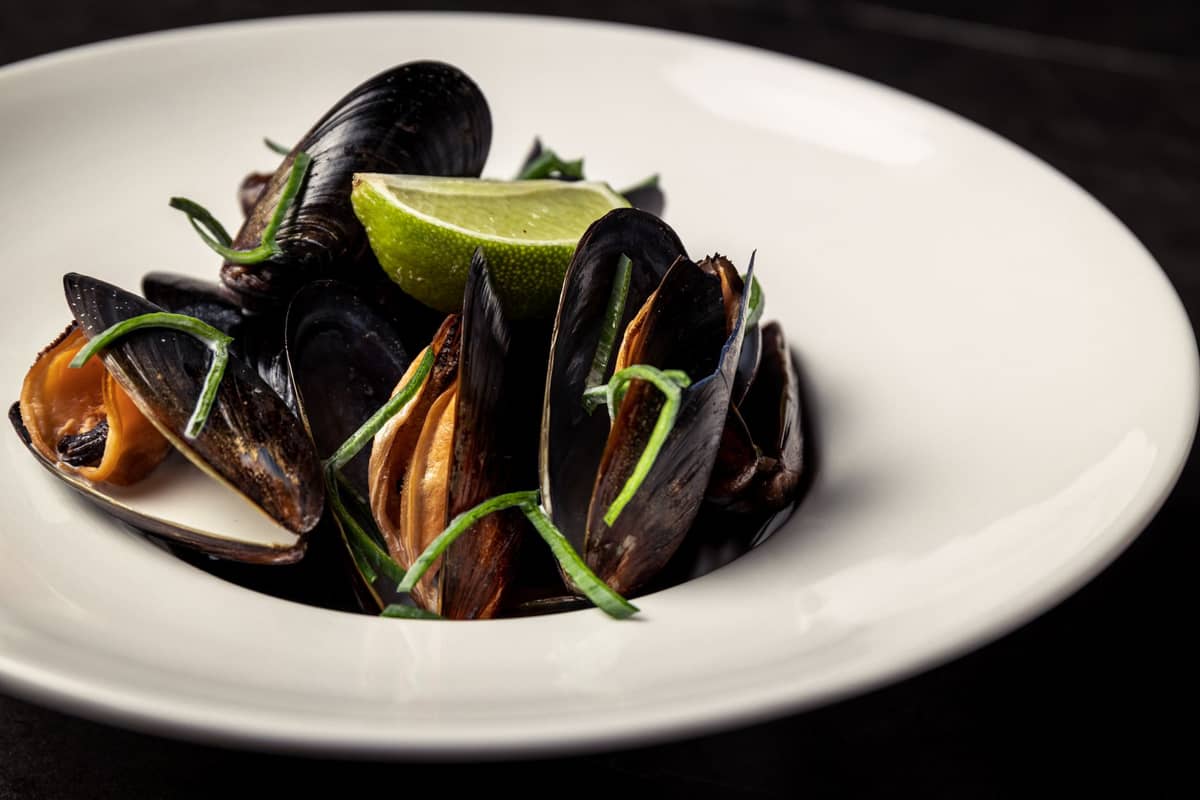
Green-lipped mussels are the single best food argument for visiting New Zealand, and Auckland is where you eat them closest to source. Farmed in the Hauraki Gulf and the Marlborough Sounds, they are larger, meatier, and sweeter than most mussels sold internationally. A pot of them with white wine, garlic, and cream at any decent waterfront restaurant will cost around NZD $20–28 and feed two people as a starter.
- Green-lipped mussels New Zealand's signature shellfish, available at nearly every seafood restaurant. Best eaten steamed or grilled with simple accompaniments that do not compete with the flavour.
- Bluff oysters Harvested from Foveaux Strait near Bluff, these are only available from around March to August. They are richer and more complex than Pacific oysters and worth seeking out when in season.
- Hāngī Traditional Māori earth oven cooking, producing slow-cooked pork, lamb, chicken, and kumara with a distinctive smoky flavour. Available at Māori cultural events and some restaurants year-round.
- Whitebait fritters A New Zealand institution: tiny juvenile fish bound with egg and pan-fried. The season runs roughly August to November on the West Coast. Expect to pay NZD $20–30 for a fritter at a good cafe.
- Pāua New Zealand abalone, with striking blue-black flesh. Eaten as fritters or raw slices, with a stronger flavour than most shellfish. Do not order it well-done — it toughens badly.
- Kumara New Zealand sweet potato, denser and less sweet than the orange variety most visitors know. Roasted, mashed, or in salads, it appears on almost every modern New Zealand menu.
ℹ️ Good to know
Tipping is not customary at Auckland restaurants. Service charges are rarely added to bills. The price listed on the menu is what you pay, including GST. You will not be judged for not tipping, even at high-end venues.
Where to Eat by Neighbourhood
The geography of eating in Auckland matters. Ponsonby is the neighbourhood with the highest concentration of quality restaurants per block: the main strip runs along Ponsonby Road and is strongest for brunch, modern New Zealand, and Middle Eastern food. Expect NZD $20–30 for a good brunch with coffee. It is walkable, well-served by buses from the CBD, and busy on weekend mornings, so arriving before 9:30am avoids queues at popular spots.
Karangahape Road (K Road) is where Auckland's food scene gets more experimental and less polished in the best sense. The stretch between Pitt Street and Symonds Street has Korean fried chicken shops, a long-running Ethiopian restaurant, late-night ramen, and some of the city's best natural wine bars. It is cheaper than Ponsonby and tends to draw a younger, more local crowd. If you are visiting the Auckland Art Gallery or coming from the CBD, K Road is a 15-minute walk uphill and a natural place to end the day.
The waterfront precincts around Wynyard Quarter and the Viaduct Harbour have strong brunch options and good seafood, but they are also where tourist pricing is most evident. You will pay more for the harbour view. That is a reasonable trade on a summer evening, less so for a quick lunch. The Auckland Fish Market at Wynyard Quarter is the best place to buy seafood to cook yourself, and it also has a food hall where you can eat fresh fish and chips or a seafood platter for considerably less than a sit-down restaurant.
For Asian food specifically, the CBD's upper Queen Street, the Balmoral strip on Dominion Road, and the suburb of Botany in the east cover the widest range. Dominion Road in particular is worth knowing: it runs through several suburbs south of the CBD and has some of Auckland's best and most consistent Chinese, Korean, and Malaysian restaurants, with main courses typically in the NZD $15–22 range. Parnell is stronger for European-influenced fine dining and upmarket cafes, with Parnell Village offering a more relaxed pace than the CBD.
⚠️ What to skip
The Viaduct Harbour and Queens Wharf areas look appealing but several restaurants here trade heavily on location. Always check recent reviews before booking waterfront dining — quality and value vary significantly between venues, and some are clearly aimed at visitors who will not return.
Breakfast and Brunch: Auckland's Strongest Meal
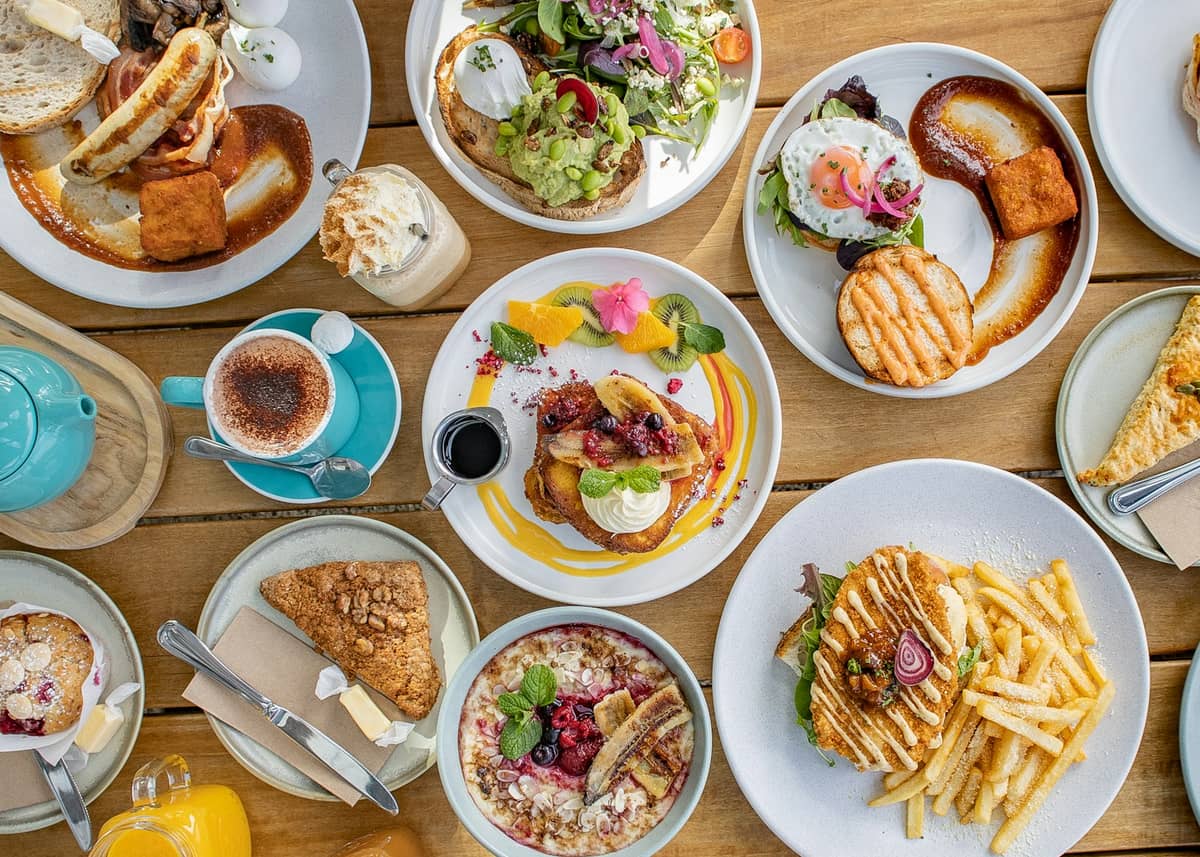
Auckland takes brunch seriously, probably more seriously than any other meal. The cafe culture here is genuinely excellent: flat whites are strong and well-made, eggs benedict is treated as a craft dish rather than a default option, and most good cafes source their bread from local artisan bakeries. Budget NZD $25–35 for a full brunch with coffee at a decent spot.
The strongest brunch neighbourhoods are Ponsonby, Grey Lynn, Kingsland, and Mount Eden. On weekends, popular spots fill up by 9:30am and do not take reservations, so either arrive early or accept a wait. Weekday brunch is easier and often served until 3pm at most cafes. If you are heading to a weekend farmers market, the Parnell Farmers Market (Saturday, 8am–noon) and Matakana Village Farmers Market (Saturday, 8am–1pm) both have good food stalls where you can eat while you browse, which makes for a more efficient morning.
Food Markets and Fresh Produce Worth Visiting
Auckland's weekend farmers markets serve a double function: they are where locals buy quality produce, and they are genuinely interesting places to eat. The Ōtara Flea Market in South Auckland is the most culturally distinctive, running Saturday mornings and specialising in Pacific food including Sāmoan chop suey, Tongan lo'i, fresh coconut, and deep-fried breadfruit. Prices are very low by Auckland standards and the atmosphere is unlike anything in the inner suburbs. It is easily the best food market in the city if you want to eat something genuinely unfamiliar.
The Parnell Farmers Market (Saturday, 8am–noon) is more conventional: local cheeses, organic vegetables, artisan bread, and free-range eggs. It suits people self-catering or buying provisions. Clevedon Village Farmers Market (Sunday, 8am–1pm) is further afield, about 40 minutes south of the CBD, but is known for locally sourced meat, fish, and dairy that is harder to find at inner-city markets. Matakana Village Farmers Market (Saturday, 8am–1pm) runs year-round and is worth combining with a drive through the Matakana wine region. Confirm hours before visiting, as these markets can adjust seasonally.
✨ Pro tip
Food tours of Auckland typically cost NZD $130–225 per person and usually concentrate on Ponsonby, the CBD, or a combination of neighbourhoods. They are most useful if you have limited time and want a structured introduction to local producers and restaurants. Book in advance, particularly for weekend tours in summer (December to February), when availability is tightest.
Wine, Beer, and What to Drink
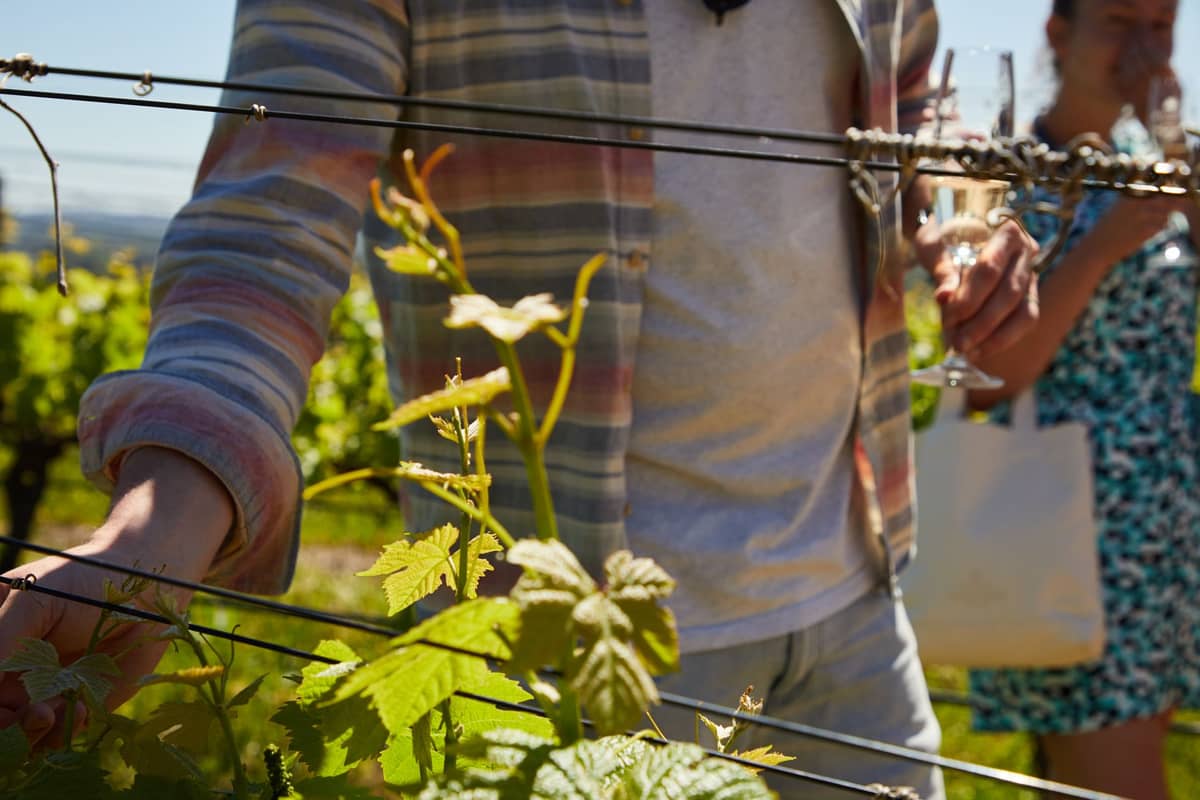
Auckland sits within reach of some of New Zealand's best wine regions. Waiheke Island and the wider Auckland wine regions produce Bordeaux-style reds and Syrah that have attracted serious international attention. A glass of local wine at a good restaurant will cost NZD $14–22, and bottles on wine lists are typically priced at NZD $55–120 for quality regional wines. If you want to taste without spending, a day trip to Waiheke Island includes winery visits and is one of the more enjoyable ways to spend NZD $80–150 including the ferry.
Auckland's craft beer scene has expanded significantly in the past decade. Breweries with taprooms operate in Wynyard Quarter, Kingsland, and Henderson, and most serve food alongside their beers. Garage Project, while Wellington-based, has wide distribution here. Local Auckland breweries worth trying include 8 Wired and Sawmill. Pints typically cost NZD $12–16 at taprooms. For something local and non-alcoholic, L&P (Lemon and Paeroa) is a New Zealand soft drink worth trying at least once — sweet, lightly fizzy, and unavoidably nostalgic for anyone who grew up here.
- Flat white: New Zealand's contribution to coffee culture, stronger and less milky than a latte. Costs NZD $5–6 at most cafes.
- Marlborough Sauvignon Blanc: widely available, reliably good, and very well-priced by international standards.
- Waiheke Syrah and Bordeaux blends: a step up in complexity and worth ordering by the glass at a good restaurant.
- Green-lipped mussel paired with local Chardonnay: the most defensible food-and-wine match on any Auckland menu.
- Manuka honey in desserts: distinct floral flavour from New Zealand's native manuka bush — worth trying in ice cream or with cheese.
FAQ
What is the typical cost of eating out at Auckland restaurants?
A main course at a mid-range Auckland restaurant costs NZD $25–45. A full sit-down dinner for two with drinks at a good but not extravagant restaurant typically runs NZD $100–160. Fine dining tasting menus start at around NZD $120–180 per person before wine. Budget eating, including food courts, Asian noodle shops, and takeaways, is very achievable at NZD $10–18 per meal.
Where can I find authentic Māori food in Auckland?
Hāngī is the most accessible Māori food experience and is served at cultural events and some restaurants. Several restaurants incorporate Māori ingredients and techniques into modern New Zealand menus, using pāua, huhu grubs, kawakawa, and kumara. For a structured cultural and food experience, Māori cultural tours often include a hāngī meal. Check the Auckland Māori culture guide for current operators and venues.
What food should I try first when visiting Auckland?
Green-lipped mussels are the highest-value introduction to New Zealand food: inexpensive, unique to the region, and available everywhere. After that, a flat white from a Ponsonby or K Road cafe is essential context for understanding New Zealand coffee culture. If whitebait is in season (roughly September to October), a whitebait fritter is worth ordering at a good cafe.
Are there good vegetarian and vegan options at Auckland restaurants?
Yes, Auckland restaurants have improved substantially on this front in the past five years. Ponsonby, Grey Lynn, and K Road have the highest concentration of vegetarian-friendly and fully plant-based options. Most modern New Zealand restaurants include at least two or three serious vegetarian dishes rather than tokenistic salads. Dedicated vegan restaurants operate in the CBD and inner suburbs.
When is the best time of year to eat in Auckland?
Late summer (February to March) is when local stone fruit, tomatoes, and sweetcorn peak. Bluff oyster season runs roughly March to August. Whitebait season is August to November. Summer (December to February) brings the widest range of outdoor dining and food events. Auckland restaurants operate year-round, but some waterfront and rooftop venues reduce hours or close in winter (June to August).
Tickets & tours
Live prices and dates from our booking partner. If you book, we may earn a commission at no extra cost to you.
Planning a trip? Discover personalized activities with the Nomado app.