Auckland Wine Regions: Waiheke Island, Kumeū & Matakana Explained
Auckland sits within striking distance of three distinct wine regions, each with its own character, grape varieties, and logistical quirks. This guide covers what to expect at Waiheke Island, Kumeū, and Matakana — including real transport costs, how to structure a day trip, and which cellar doors are worth your time.
Tickets & tours
Live prices and dates from our booking partner. If you book, we may earn a commission at no extra cost to you.
TL;DR
- Auckland has three accessible wine regions: Waiheke Island (ferry, 40-45 min), Kumeū (drive, ~30 min northwest), and Matakana (drive, ~60-75 min north).
- Waiheke is the most famous and most expensive option — ferry return fares alone run NZ$65–$104 per adult before you've bought a single glass.
- Kumeū suits self-drivers who want serious, affordable tasting without the logistical overhead of a ferry crossing.
- Matakana pairs well with a broader Northland day trip; confirm winery hours directly before you go, as schedules vary widely.
- Guided wine tours exist for all three regions — worth considering for Waiheke in particular, where getting between vineyards without a car is otherwise awkward. See our Waiheke Island day trip guide for full logistics.
Why Auckland Punches Above Its Weight for Wine
New Zealand's wine reputation leans heavily on Marlborough Sauvignon Blanc and Central Otago Pinot Noir, so Auckland sometimes gets overlooked as a wine destination. That's a mistake. The greater Auckland region produces some of New Zealand's most distinctive whites, particularly Chardonnay and Bordeaux-style reds, grown across three geographically separate sub-regions within an hour or two of the city centre. The combination of a maritime climate, volcanic soils, and serious winemaking investment means these aren't novelty tourist pours — they're wines that compete nationally and internationally.
The three regions also suit very different types of visitors. Waiheke Island is a full lifestyle experience wrapped around wine: beaches, coastal views, restaurant dining, and a ferry crossing that feels like an event in itself. Kumeū is understated, family-run, and rooted in craft rather than spectacle. Matakana blends wine with a farmers' market culture and easy connections to the Tāwharanui and Leigh coastline. Knowing which one fits your trip is half the planning job.
Waiheke Island: The Wine Region Most Visitors Choose First
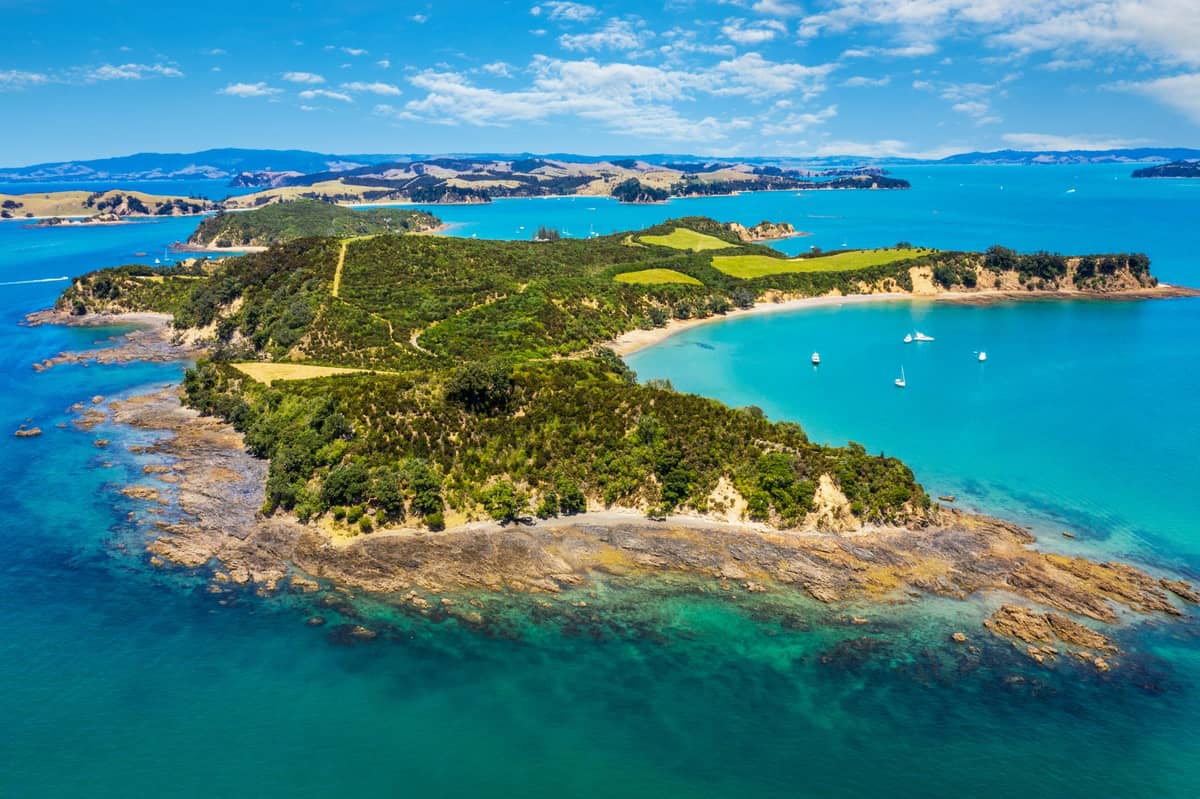
Waiheke Island sits in the Hauraki Gulf, about 17 km from Auckland's downtown ferry terminal. The crossing with Fullers360 takes 40–45 minutes and deposits you at Matiatia Wharf, on the island's western tip. From there, buses connect to the main township of Oneroa and loop routes reach further into the island, but the bus network alone won't get you efficiently between multiple wineries. Most serious wine visitors either book a guided tour or rent a car on the island. See the Waiheke Island day trip guide for a full breakdown of how to structure your time.
The island's wine style is warm and concentrated. Bordeaux varieties — Cabernet Sauvignon, Merlot, Malbec, and Cabernet Franc — thrive on the north-facing slopes, and several producers make Syrah of genuine quality. Whites are more mixed in reputation, though Rosé and textural Chardonnay from the better estates are worth seeking out. The island hosts around 30 vineyards, of which perhaps 15–20 have cellar doors open to visitors at any given time.
- Stonyridge Vineyard One of New Zealand's most decorated producers. Famous for Larose, a Bordeaux-style red that sells out annually. Cellar door experience is premium; expect matching premium pricing.
- Mudbrick Vineyard & Restaurant Spectacular harbour views, a full restaurant, and cellar door tastings. Works well as a lunch destination anchored to a tasting. Book ahead for dining.
- Te Motu Vineyard Family-owned, lower-key atmosphere than the big names, and consistently good Cabernet-dominant blends. A good counter to the tourist-circuit heaviness of some other stops.
- Cable Bay Vineyards Versatile option with both fine dining and a more casual terrace. Wider variety of wine styles than most Waiheke producers.
⚠️ What to skip
The ferry return fare is NZ$65 (Standard), NZ$75 (Priority), or NZ$104 (Reserve) per adult as listed by Fullers360 — before you've paid for tastings, food, or transport on the island. A full Waiheke wine day for two can easily reach NZ$400–600+. If budget is a concern, Kumeū delivers comparable wine quality at a fraction of the cost.
Summer weekends (December through February) see Waiheke at its most crowded and most expensive. Cellar doors fill up, ferry sailings book out, and the island's roads get genuinely congested. If you're visiting in peak season, pre-book everything: the ferry (including the Reserve sailing if you want guaranteed seating), your wine tour if using one, and any restaurant meals. Shoulder seasons — March to May and September to November — offer the same wines with dramatically less competition for tables and ferry space.
⚠️ What to skip
Don't assume a Waiheke return ferry ticket lets you stop at Devonport on the way back. Disembarking at Devonport requires an additional fare to continue to Auckland. Plan your return route before boarding.
Kumeū: Auckland's Underrated Wine Country
Kumeū (also spelled Kumeu) sits about 25–30 km northwest of Auckland's CBD, roughly a 30–40 minute drive on State Highway 16. It is not well served by public transport, so a rental car, rideshare, or guided tour is effectively required. The trade-off is that Kumeū delivers a more grounded wine experience than Waiheke — less scenery-focused, more craft-focused, and noticeably less expensive from start to finish.
The region's signature grape is Chardonnay, and Kumeu River is the name that underpins its international reputation. Winemaker Michael Brajkovich MW produces Burgundy-benchmarked Chardonnays that regularly appear in international wine press. The cellar door is at 550 Highway 16, Kumeū, The cellar door is at 550 Highway 16, Kumeū, with hours running Monday to Friday 9am–4pm and Saturday 11am–4:30pm. The cellar door is closed Sundays and on public holidays — confirm hours before visiting, as they can change around public holidays. Other producers in the Kumeū district worth visiting include Soljans Estate, which has a longer history in the region, and West Brook Winery.
💡 Local tip
Kumeū works well as a half-day trip paired with a drive out to the Waitākere Ranges or the West Auckland coast. The wineries close by mid-afternoon, so plan tastings for the morning and save the afternoon for the beach or the ranges.
For the driving route and what to combine with a Kumeū visit, the Auckland west coast beaches guide covers the full stretch from Kumeū through Muriwai to Piha. It's a logical pairing: mornings among the vines, afternoons on black sand.
Matakana: Wine With a Farmers' Market Mindset
Matakana sits about 60–75 km north of central Auckland, generally 60–90 minutes by car depending on traffic through the northern motorway corridor. Like Kumeū, it requires a car. Unlike Kumeū, it's rarely done as a standalone wine trip — most visitors combine it with the Matakana Farmers' Market (Saturday mornings), a drive to Tāwharanui Regional Park, or a stop at Goat Island Marine Reserve near Leigh.
The wine style in Matakana leans toward Bordeaux varieties and increasingly toward Rosé, which suits the relaxed, long-lunch culture of the village. The climate here is marginally cooler and wetter than Waiheke, which softens the tannin profile of the reds and adds freshness to the whites. Producers including Ascension Wine Estate and Brick Bay Wines have cellar doors with views and food options. That said, opening hours across the region are less standardised than Waiheke or Kumeū — contact individual wineries directly to confirm before building an itinerary around them.
✨ Pro tip
If you're driving to Matakana on a Saturday, arrive at the Matakana Farmers' Market before 10am for the best produce selection. Pair that with a late-morning cellar door visit, and you have a full half-day without needing to rush. Combine with Tāwharanui Regional Park in the afternoon for one of Auckland's best full-day drives.
Guided Wine Tours vs Self-Guided: Which Works Better
The guided versus self-guided question has a cleaner answer for Auckland wine regions than most destinations. On Waiheke, a guided wine tour is genuinely the more practical option for most visitors: the operator handles ferry logistics, island transport between cellar doors, and often negotiates inclusive tastings or lunches. Without a guide, you're either limited to the bus network (slow, with gaps between winery opening times and bus schedules) or paying for a rental car on top of the ferry. Guided tours typically run NZ$150–250 per person for a full day including ferry, and the efficiency gain is real.
For Kumeū and Matakana, self-driving is the more natural approach. The cellar doors are close to the main road, distances between producers are short, and the experience is low-key enough that you don't need a host to contextualise it. The main constraint is the driver: if you're planning to actually taste (not just sip and spit), designate a non-drinking driver or build the day around one or two stops rather than four.
- Book guided Waiheke tours at least 48 hours in advance in peak season — some operators sell out a week ahead on holiday weekends.
- Waiheke ferry sailings, especially Reserve class, should be booked before your tour to avoid conflicts with departure times.
- For Kumeū and Matakana, call ahead to cellar doors if visiting in a group larger than four — some producers prefer advance notice for tastings.
- NZD is the only currency accepted at cellar doors; card payment is standard, but some smaller producers prefer or require cash for tasting fees.
- Tipping is not expected at New Zealand cellar doors, though it is appreciated if staff spend significant time on an educational tasting.
Planning Your Wine Region Visit: Practical Logistics
All three regions are day trips from Auckland, though Waiheke is occasionally used for overnight stays. For context on where to base yourself in the city, the where to stay in Auckland guide covers the neighbourhoods closest to both the Waiheke ferry terminal and the northwestern motorway toward Kumeū.
Waiheke ferry services depart from the downtown Auckland Ferry Terminal near Queens Wharf. Fullers360 operates multiple sailings daily; the first morning services are around 6am and the last return from Waiheke runs late evening, though exact schedules change seasonally. Check the Fullers360 timetable directly before booking. Waiheke's winery cellar doors typically open between 10am and 11am, so catching a 9am or earlier ferry gives you a comfortable arrival window before the day crowds build.
For Kumeū and Matakana, SH16 northwest and SH1 north respectively are the main routes. Both require navigating Auckland's motorway network, which can be slow during morning peak hours (7–9am) and afternoon peak hours (4–6:30pm). Allow extra buffer time if returning to the city during those windows. If you're planning a broader Northland itinerary, Matakana fits logically into a route covered in the day trips from Auckland guide.
- Best for first-timers Waiheke Island — the ferry experience, scenery, and wine quality make it the most complete introduction to Auckland wine culture.
- Best for wine-focused travellers Kumeū — closer to Burgundy-influenced winemaking than anywhere else in the Auckland region, without the tourist infrastructure markup.
- Best for a full day out Matakana — combines wine with a farmers' market, coastal parks, and Goat Island, giving non-wine drinkers in your group something equally worthwhile.
- Best value overall Kumeū self-drive — no ferry, no tour markup, world-class Chardonnay at cellar door prices.
Timing your visit around Auckland's food and drink calendar can add extra value. The Auckland events and festivals guide lists seasonal wine and food events, some of which include special Waiheke access or discounted cellar door experiences. Waiheke in particular runs wine and food festivals in late summer and autumn that attract serious producers and visiting chefs.
FAQ
How do I get to Waiheke Island wineries without a car?
The simplest option is a guided wine tour that includes ferry transfers and island transport — most depart from downtown Auckland and handle the logistics end-to-end. Alternatively, island buses from Matiatia Wharf serve some winery areas, but routes and timing don't align perfectly with cellar door hours, so you'll spend more time waiting than tasting. Taxis and rideshare options exist on the island but can be slow to respond outside peak times.
Is it worth visiting Waiheke Island just for wine?
Yes, if you factor in the full-day experience rather than just the wine: the ferry crossing, coastal scenery, beaches, and restaurant dining make Waiheke a complete day out. If you're only interested in the wine itself and want maximum value, Kumeū produces comparable or superior Chardonnay at significantly lower cost and without the ferry overhead.
What's the best time of year to visit Auckland wine regions?
Harvest season (February to April) is the most atmospheric time to visit — especially Waiheke, where you may encounter harvest activity at working vineyards. Shoulder season (March–May, September–November) offers the best balance of good weather, open cellar doors, and manageable crowds. Summer weekends are the busiest and most expensive period across all three regions.
Can I visit Kumeū wineries by public transport?
Not practically. While Auckland Transport buses serve the Kumeū township, the frequency and stop locations don't align well with cellar door hours or locations. A rental car, rideshare, or organised tour is the realistic option. Driving from central Auckland takes around 30–40 minutes on State Highway 16.
Do I need to book cellar door tastings in advance?
For Waiheke, yes — particularly in summer. Popular cellar doors fill tasting slots quickly, and some require reservations for groups of any size. For Kumeū and Matakana, advance booking is less critical for individuals or couples but recommended for groups. Always call ahead to confirm current opening hours, especially in Matakana where schedules vary by producer and season.
Tickets & tours
Live prices and dates from our booking partner. If you book, we may earn a commission at no extra cost to you.
Planning a trip? Discover personalized activities with the Nomado app.