Auckland Events & Festivals: The Complete Annual Calendar
Auckland's event calendar runs from summer beach festivals through winter film screenings to spring heritage tours. This guide covers the major annual events, what they cost, when crowds peak, and how to plan around them — with candid notes on what's worth your time.
Tickets & tours
Live prices and dates from our booking partner. If you book, we may earn a commission at no extra cost to you.
TL;DR
- Auckland's festival calendar is genuinely year-round — confirmed 2026 events span February through November, not just summer.
- A significant portion of events are free or low-cost, including the Auckland Spring Festival Fair and much of the Auckland Heritage Festival.
- ASB Polyfest is one of the largest Polynesian cultural festivals in the world and a highlight of the Māori and Pacific cultural calendar.
- Dates and ticket prices shift each year — always verify on the official event listing or Auckland Council's OurAuckland calendar before booking.
- If you're timing a trip around events, cross-reference with the best time to visit Auckland guide for weather and crowd context.
How Auckland's Festival Year Is Structured
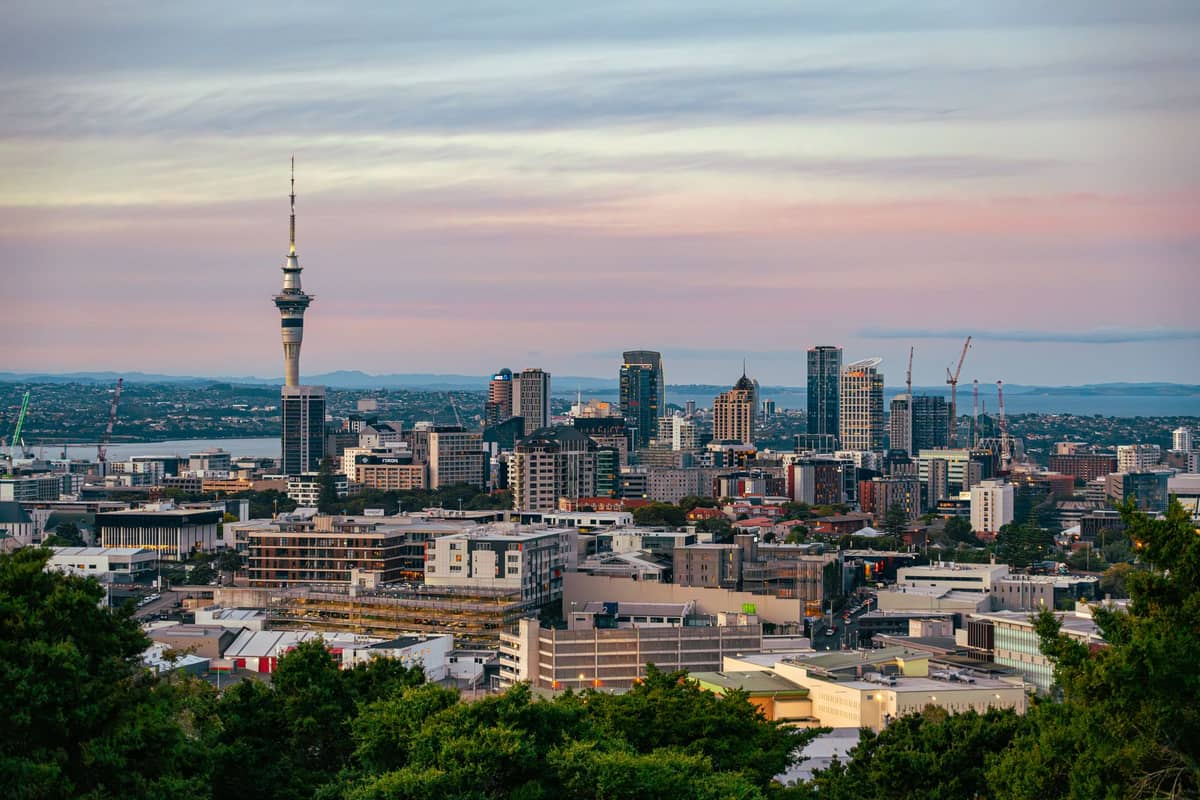
Auckland's event calendar does not follow a simple summer-peak model. While outdoor festivals and music events cluster in the warmer months (roughly November through April), the city runs a credible programme through winter and spring too. The New Zealand International Film Festival, for instance, is a July-August institution, and the Auckland Heritage Festival typically runs through late September and October. Travellers who assume nothing happens outside summer are missing some of the most distinctive events on the calendar.
Auckland's population of over 1.6 million in the region, combined with its position as New Zealand's largest city, means it attracts events that smaller New Zealand centres cannot sustain. It is also a Pacific city in a meaningful demographic and cultural sense: roughly 15 percent of the Auckland region identifies as Pacific peoples, which shapes the character of events like ASB Polyfest in ways that go well beyond a typical multicultural food fair.
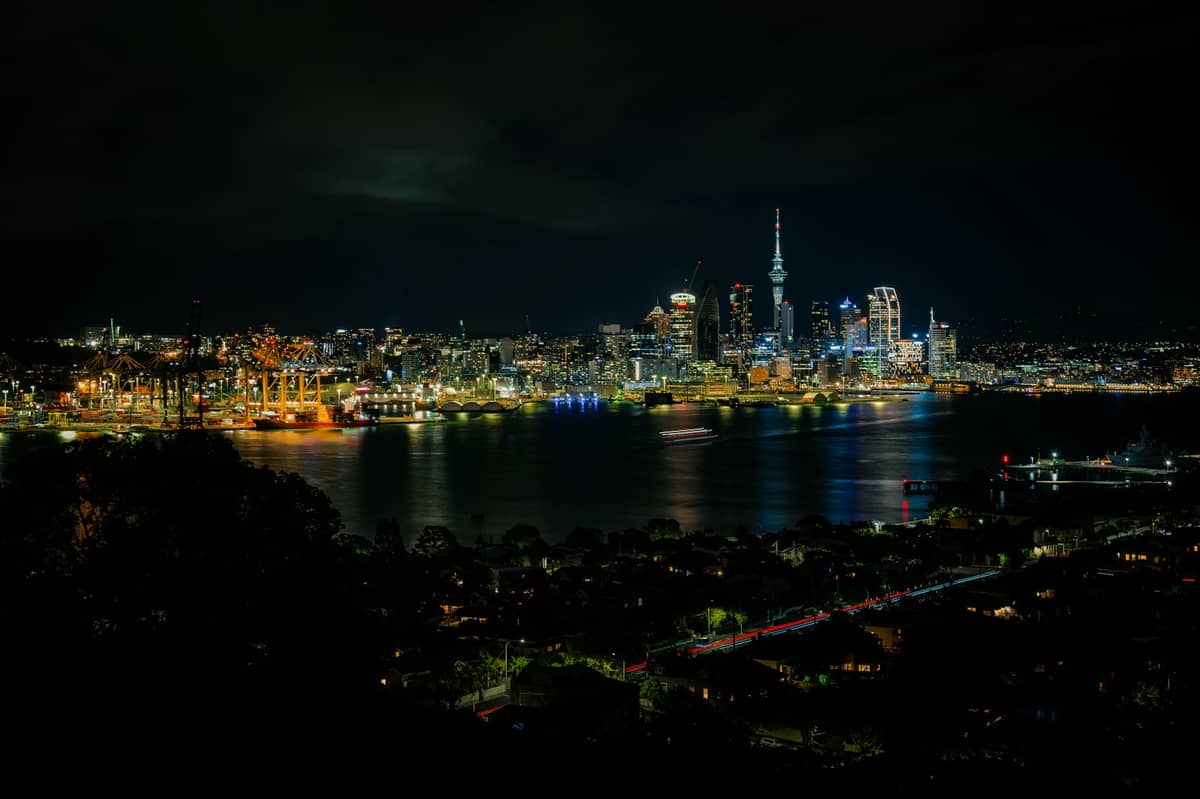
Events are spread across a wide range of venues and neighbourhoods. The waterfront precincts at Wynyard Quarter and Viaduct Harbour host outdoor markets and concerts. Albert Park in the CBD is used for ticketed live events. Suburban venues like Manukau Sports Bowl and Due Drop Events Centre serve the south Auckland community. Don't assume every event happens in the city centre.
ℹ️ Good to know
All dates and ticket prices in this guide reflect confirmed 2026 listings. Festival schedules shift annually — sometimes by weeks. Use the Auckland Council OurAuckland events calendar (ourauckland.aucklandcouncil.govt.nz/events) and each event's official ticketing page as your primary sources before booking travel or accommodation.
Summer and Late Summer Events (February – March)
February and March represent the densest stretch of Auckland's event calendar. The weather runs at its warmest (average daytime temperatures around 20-24°C), daylight hours are long, and outdoor gatherings are practical. This is when you'll find the largest free community events alongside major ticketed arts programming.
- Auckland Spring Festival Fair (February) The 2026 edition ran 6-8 February, 2-10 pm, at North Harbour Stadium in Albany. Entry was free, with a fireworks display on the final evening. The event typically features food stalls, cultural performances, and family activities. Free admission makes this one of the more accessible large-scale events on the calendar — no booking required, though parking at North Harbour Stadium can be tight on busy evenings.
- Auckland Arts Festival (March) The 2026 festival ran 5-22 March, spanning theatre, dance, music, and visual arts across multiple city venues. The Auckland Arts Festival is the city's flagship performing arts event, with a mix of international touring productions and New Zealand commissions. Some events are free; major productions require tickets purchased in advance. Programming tends to skew toward contemporary and experimental work rather than mainstream entertainment.
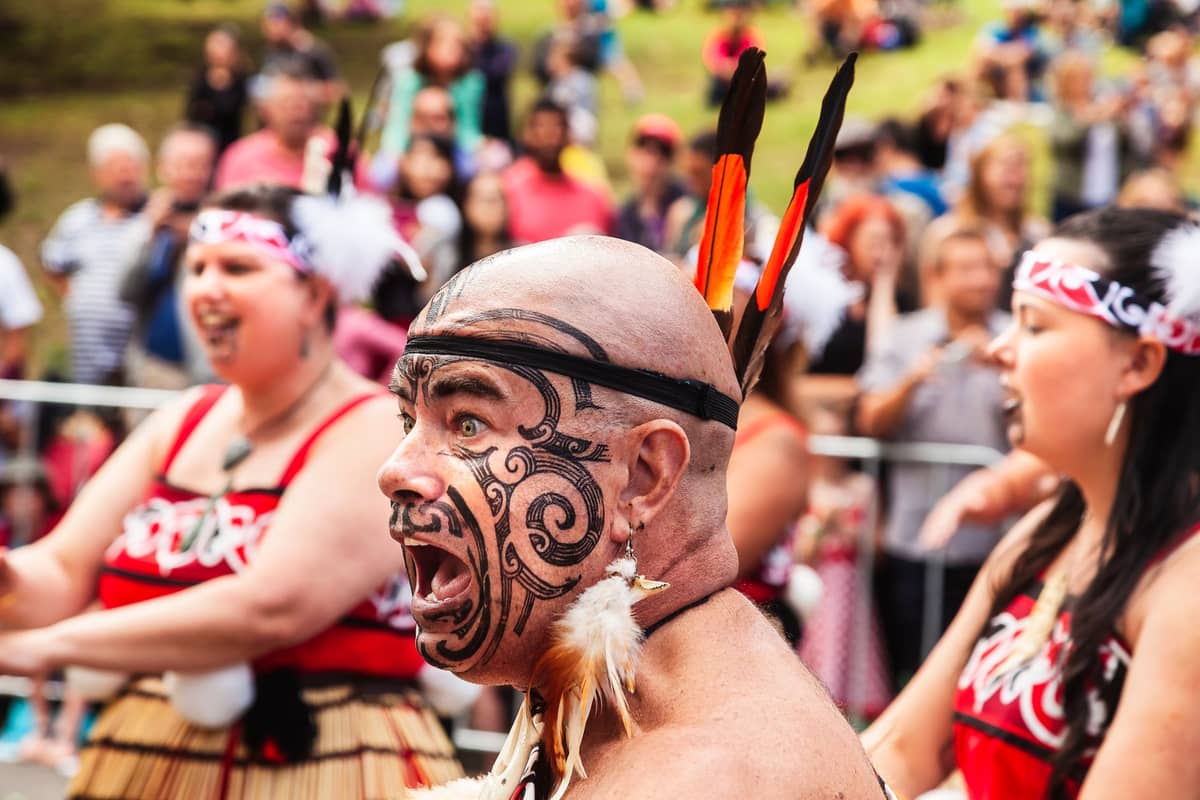
- ASB Polyfest (March – April) The 2026 schedule had Pacific and diversity stages at Manukau Sports Bowl on 18-21 March (online tickets listed at NZ$10, children five and under free), with the Māori Stage at Due Drop Events Centre on 30 March through 2 April. Polyfest is primarily a secondary schools cultural competition — groups of students perform kapa haka, Samoan siva, Tongan, Cook Islands, and other Pacific art forms. It draws enormous crowds from across the Pacific community and is genuinely unlike any other event in the country. This is not a tourist-oriented production; it is a competition that happens to welcome the public.
💡 Local tip
For ASB Polyfest, arrive early for the most competitive groups — the final sessions of each stage day tend to feature top-ranked schools and draw the largest crowds. Manukau is about 25-30 minutes south of central Auckland by train; check Auckland Transport's journey planner for connections from Britomart.
Winter Events (July – August)
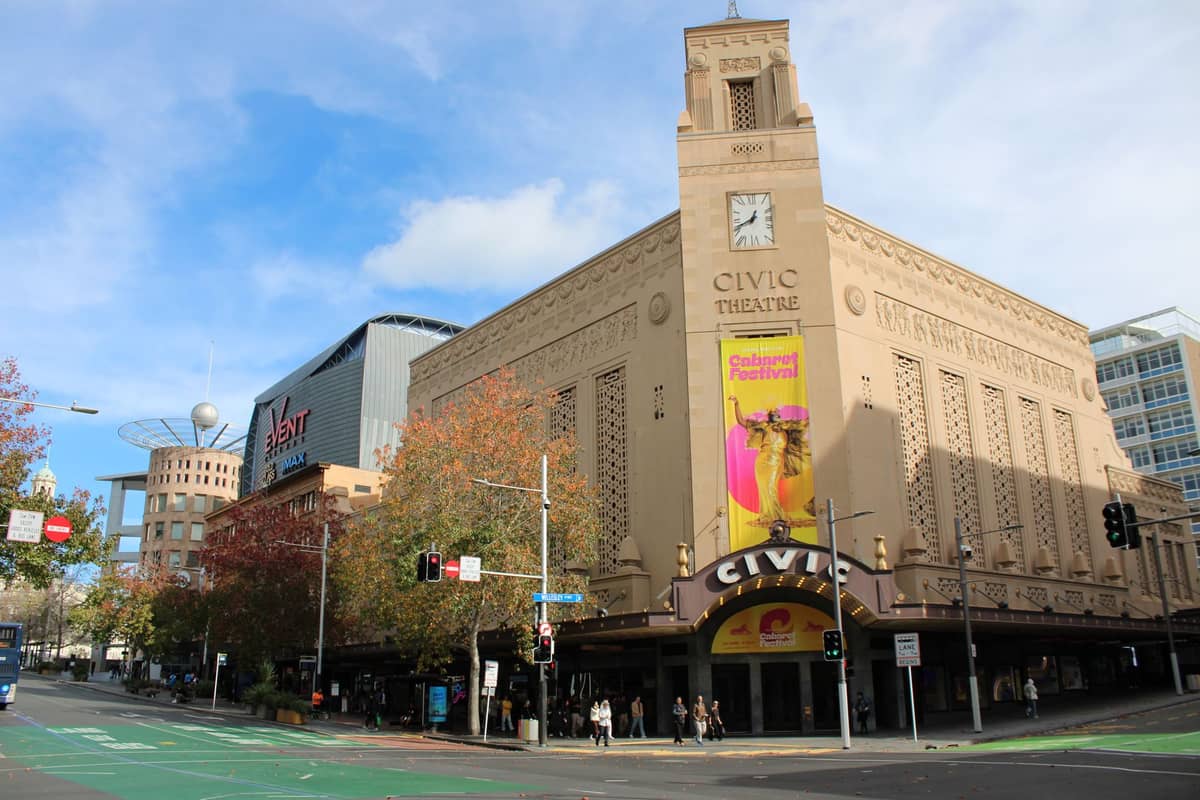
Auckland winters are mild by most standards — average daytime temperatures sit around 11-16°C — but wet enough that outdoor festival attendance drops significantly. The events that thrive in winter are largely indoor: film, theatre, and gallery programming. This actually makes winter a reasonable time to visit for culture-focused travellers, when accommodation is cheaper and the city is quieter.
The New Zealand International Film Festival (NZIFF) anchors the winter calendar. The 2026 Auckland season was scheduled for 29 July through 9 August, with tickets going on sale 9 July through Ticketmaster. The Auckland run is the largest of the NZIFF's multi-city programme. It screens across central city cinemas and typically includes New Zealand premieres, retrospectives, and documentary programming alongside international art-house releases. For film-focused travellers, timing a visit around NZIFF is worth doing — Auckland's cinema infrastructure handles it well, and the programming is genuinely curated rather than commercially driven.
✨ Pro tip
NZIFF tickets sell quickly for high-profile screenings and New Zealand premiere films. If you're planning specifically around the festival, set a calendar reminder for the ticket on-sale date and buy as soon as the programme is announced — usually a week or two before sales open.
Spring Events (September – November)
Spring brings a second wave of outdoor activity as temperatures climb back toward comfortable levels. The volcanic cones and parks fill up on weekends, and the events calendar transitions from indoor programming back to outdoor gatherings. September through November is also one of the better windows for day trips — the Waiheke Island wine and festival calendar picks up, and the Hauraki Gulf becomes more inviting.
- Auckland Heritage Festival (Late September – October) The 2026 festival was scheduled for 26 September through 11 October. This is a sprawling, largely free programme of guided walks, talks, building open days, exhibitions, and performances focused on Auckland's built and cultural heritage. Many events require pre-registration even when free. The range is wide: from architectural tours of CBD buildings to visits to historic homesteads in outer suburbs. It rewards forward planning — the most popular tours book out weeks in advance.
- Parklands Festival (November) The 2026 edition was scheduled for 14 November, 2-10 pm, at Albert Park in the CBD. Tickets were listed at NZ$129-149 and the event is R18 (restricted to adults 18 and over). This is a ticketed outdoor music festival — a very different proposition from the free community events earlier in the year. Albert Park is a compact venue, so capacity is limited and tickets tend to sell before the date. Not for those without a specific interest in the lineup.
Spring is also when Auckland's outdoor dining and market culture returns to full pace. The Auckland markets guide covers the best recurring weekend markets, which complement the festival calendar well for a longer stay.
Practical Planning: Tickets, Costs, and Logistics
Auckland's festival costs vary enormously. The Auckland Spring Festival Fair and most Auckland Heritage Festival events are free. ASB Polyfest tickets start around NZ$10. The Auckland Arts Festival spans free outdoor events through to major productions that can cost NZ$50-100 or more per ticket. Parklands Festival sits at the expensive end at NZ$129-149, while NZIFF tickets are typically in the NZ$15-25 range per screening. Budget travellers can build a meaningful events itinerary entirely around free and low-cost options.
- Book accommodation early if you're visiting during a major festival — the Auckland Arts Festival in March and NZIFF in late July both coincide with periods of above-average hotel demand in central Auckland.
- Many ticketed events use Ticketmaster or Humanitix for Auckland; create an account in advance so you're not creating one under pressure when popular sessions go on sale.
- Public transport is the practical choice for most event venues in the central city and inner suburbs; parking near Albert Park, Manukau Sports Bowl, and waterfront venues is limited and often expensive on event days.
- The Heritage Festival and Arts Festival both publish their full programmes several weeks before they begin — download or bookmark the programme PDF and plan your attendance before the most popular events sell out.
- Check whether an event is all-ages or R18 before buying tickets. Parklands Festival is strictly adults-only; ASB Polyfest and the Heritage Festival welcome families.
⚠️ What to skip
Event dates, venues, and ticket prices change year to year. The specific 2026 dates cited in this guide are accurate at time of writing but should not be treated as fixed for future years. Always confirm on the official event website or the Auckland Council OurAuckland events calendar before booking flights or accommodation.
Events Worth Building a Trip Around
Not every event on Auckland's calendar justifies planning a trip specifically to attend. Some are genuinely exceptional; others are enjoyable but wouldn't be a reason to visit in themselves. Here is an honest assessment of which events are worth anchoring travel plans around.
ASB Polyfest is the clearest case of an event that is both culturally significant and hard to replicate elsewhere. If you have any interest in Pacific cultures, this is worth timing a visit around — particularly the Māori Stage at Due Drop Events Centre, which features some of the most technically demanding kapa haka performances in the country. For broader cultural context before or after, the Auckland War Memorial Museum has substantial Māori and Pacific galleries that add depth to the experience.
The Auckland Arts Festival in March is worth timing around if you're interested in theatre or contemporary performance, but check the programme first — quality and interest level varies by year and individual taste. The Auckland Heritage Festival is underrated as a visitor experience: it provides structured access to places and perspectives that are not available the rest of the year, and the combination of free entry and expert-led tours makes it excellent value.
For travellers less focused on specific events, Auckland's calendar integrates well with broader itinerary planning. A three-day Auckland itinerary can absorb a Polyfest day or a Heritage Festival tour without requiring the whole trip to revolve around it. Similarly, day trips from Auckland to the Hauraki Gulf or Waitākere Ranges pair naturally with spring and summer festival weekends.
FAQ
What is the biggest free festival in Auckland?
The Auckland Spring Festival Fair (held in February) and the Auckland Heritage Festival (late September to October) are the largest free events on the calendar. The Heritage Festival alone runs for over two weeks with dozens of free events across the city. The Spring Festival Fair is a single free outdoor event at North Harbour Stadium with a fireworks finale. ASB Polyfest has low-cost paid admission but is essentially accessible to all.
When is ASB Polyfest 2026?
For 2026, the Pacific and diversity stages were scheduled for 18-21 March at Manukau Sports Bowl, with online tickets listed at NZ$10 (children five and under free). The Māori Stage was scheduled at Due Drop Events Centre from 30 March through 2 April. Dates and venues can shift between years, so confirm on the official ASB Polyfest listing or AucklandNZ events calendar before purchasing tickets.
Does Auckland have events in winter?
Yes. The New Zealand International Film Festival is the anchor winter event, with the 2026 Auckland season running 29 July through 9 August. Auckland winters are mild but wet, so indoor events dominate this period. Theatre, gallery openings, and music venues remain active throughout winter, even when outdoor festivals are largely absent from the calendar.
How do I find a complete list of current Auckland events?
The two most reliable sources are the Auckland Council's OurAuckland events calendar (ourauckland.aucklandcouncil.govt.nz/events) and the official AucklandNZ events section (aucklandnz.com/events). Both are updated regularly and include ticketing links to official sources. For individual events, go directly to the organiser's website for the most current pricing and schedule information.
Is the Auckland Heritage Festival suitable for visitors, or is it mainly for locals?
It is genuinely useful for visitors, particularly those with an interest in architecture, history, or New Zealand culture. The festival includes guided tours of heritage buildings, volcanic landscape walks, and exhibitions that are not available outside the festival period. Many events are free and run by knowledgeable guides. The main practical note is that popular tours pre-book quickly — browse the programme online and register for your preferred events as soon as the schedule is released.
Tickets & tours
Live prices and dates from our booking partner. If you book, we may earn a commission at no extra cost to you.
Planning a trip? Discover personalized activities with the Nomado app.