3 Days in Auckland: The Perfect Itinerary
Three days is enough time to get a genuine feel for Tāmaki Makaurau Auckland — its volcanic landscape, Māori heritage, waterfront culture, and island escapes. This itinerary cuts through the noise and tells you exactly where to go, when, and why.
Tickets & tours
Live prices and dates from our booking partner. If you book, we may earn a commission at no extra cost to you.
TL;DR
- Three days gives you enough time to cover central Auckland, reach Waiheke Island, and explore at least one volcanic cone without feeling rushed.
- Day 1 focuses on the city centre: Sky Tower, the waterfront, and the Auckland War Memorial Museum.
- Day 2 is best spent on Waiheke Island — book your Fullers360 ferry tickets in advance (adult return from NZ$65).
- Day 3 covers Devonport, Ponsonby, and Karangahape Road — the neighbourhoods that reveal Auckland's genuine character.
- Tipping is not expected, tap water is safe to drink, and check the getting around Auckland guide before navigating the city's buses, trains, and ferries.
Before You Arrive: Logistics Worth Sorting in Advance
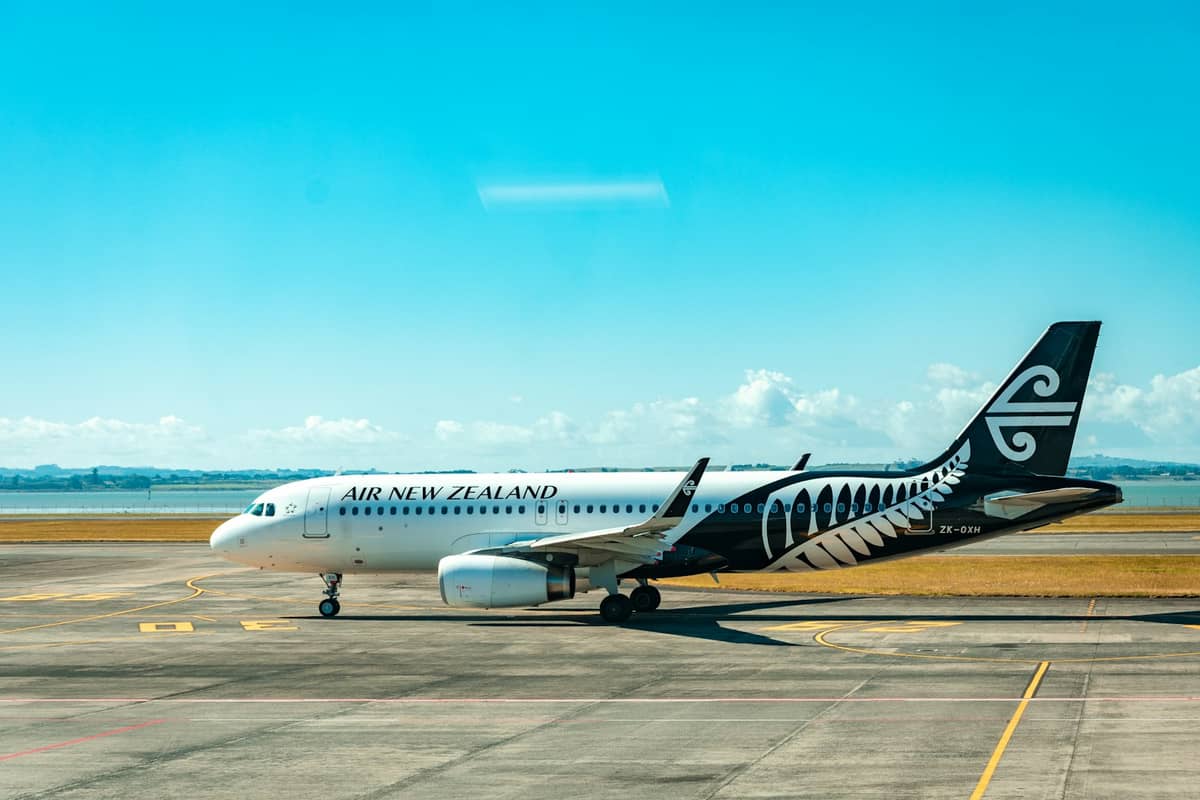
Auckland Airport (AKL) sits around 21 km south of the city centre in Māngere. Travel time varies significantly with traffic, and peak-hour journeys on the Southern Motorway can stretch considerably. The SkyDrive express coach connects the airport to SkyCity in the CBD and is a straightforward, fixed-cost option. Alternatively, the AirportLink bus runs to Puhinui Station for a train connection into the city. Rideshares and taxis are available from designated pick-up areas. AT HOP cards and contactless bank cards are accepted on buses and trains, though contactless is not accepted on Fullers360 Waiheke ferry services, so factor that in if you plan to visit the island.
ℹ️ Good to know
New Zealand uses 230V/50Hz electricity with Type I plugs. The emergency number is 111. Visa requirements vary by nationality — some travellers need an NZeTA even if visa-free entry applies. Check Immigration New Zealand's official list before travel.
Auckland's climate is temperate and maritime, meaning rain can appear without much warning at any time of year. Summer (December to February) offers average daytime temperatures around 20–24°C and the best beach conditions. If you're visiting for the first time, Auckland's best travel seasons break down the trade-offs in more detail. Pack a light rain layer regardless of when you arrive.
Day 1: The City Centre, Its History, and the Waterfront
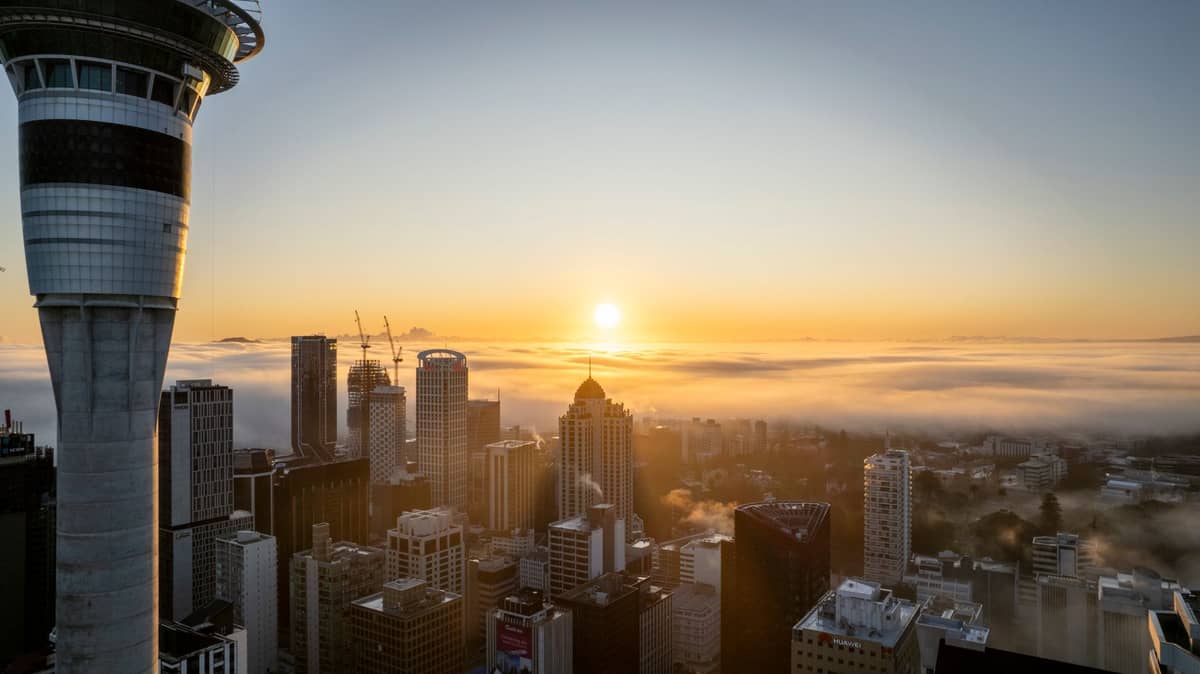
Start at the Sky Tower when it opens. Adult admission is NZ$47 (ages 15+), with reduced rates for younger visitors. The views over the isthmus and out to the Hauraki Gulf are genuinely useful for orientation — you can see the volcanic cones, the harbour bridge, and on clear days, Rangitoto Island. Hours change seasonally and adverse weather can affect access, so confirm on the day via SkyCity's website rather than assuming fixed times.
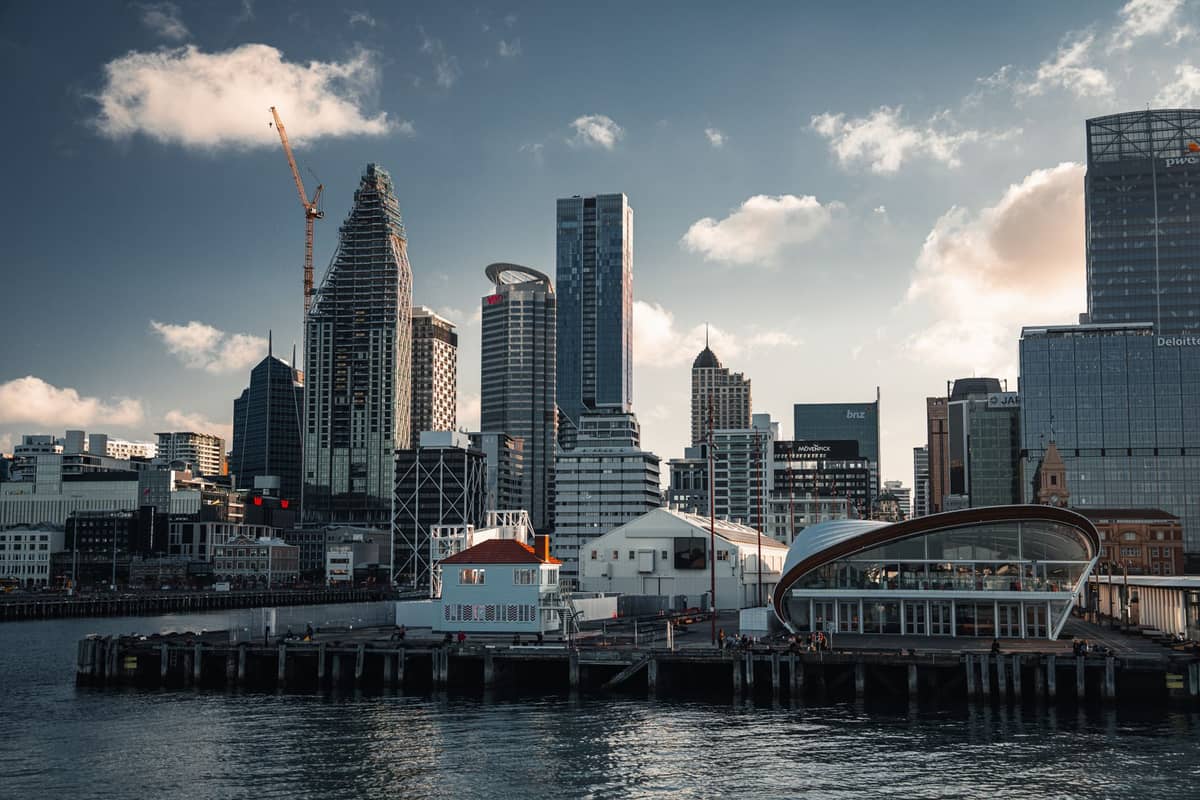
Walk down to the waterfront from SkyCity and make your way along Viaduct Harbour toward Wynyard Quarter. The Viaduct is popular for coffee and breakfast; the food options are decent but lean toward the tourist end of the price scale. Wynyard Quarter is the more interesting area to explore — the public spaces are well-designed and there's more variety. The Auckland Fish Market is nearby and worth a look if you want fresh seafood for a casual lunch.
Spend the afternoon at the Auckland War Memorial Museum in the Auckland Domain. International visitors pay NZ$32 for adults and NZ$16 for children aged 5–15; Auckland residents enter free with proof of address. The Māori and Pacific collections are the strongest parts of the museum — detailed, well-curated, and significant. Budget two to three hours. The museum is open daily except Christmas Day. From here, it's a short walk or cheap rideshare into Parnell for dinner, where heritage buildings house some of the city's better restaurants.
💡 Local tip
The Auckland Domain is free to walk through and sits on the slopes of a former volcanic crater. If you arrive at the museum with energy to spare, loop around the domain before heading inside — the size of the parkland surprises most first-time visitors.
Day 2: Waiheke Island — Beaches, Wine, and a Slower Pace
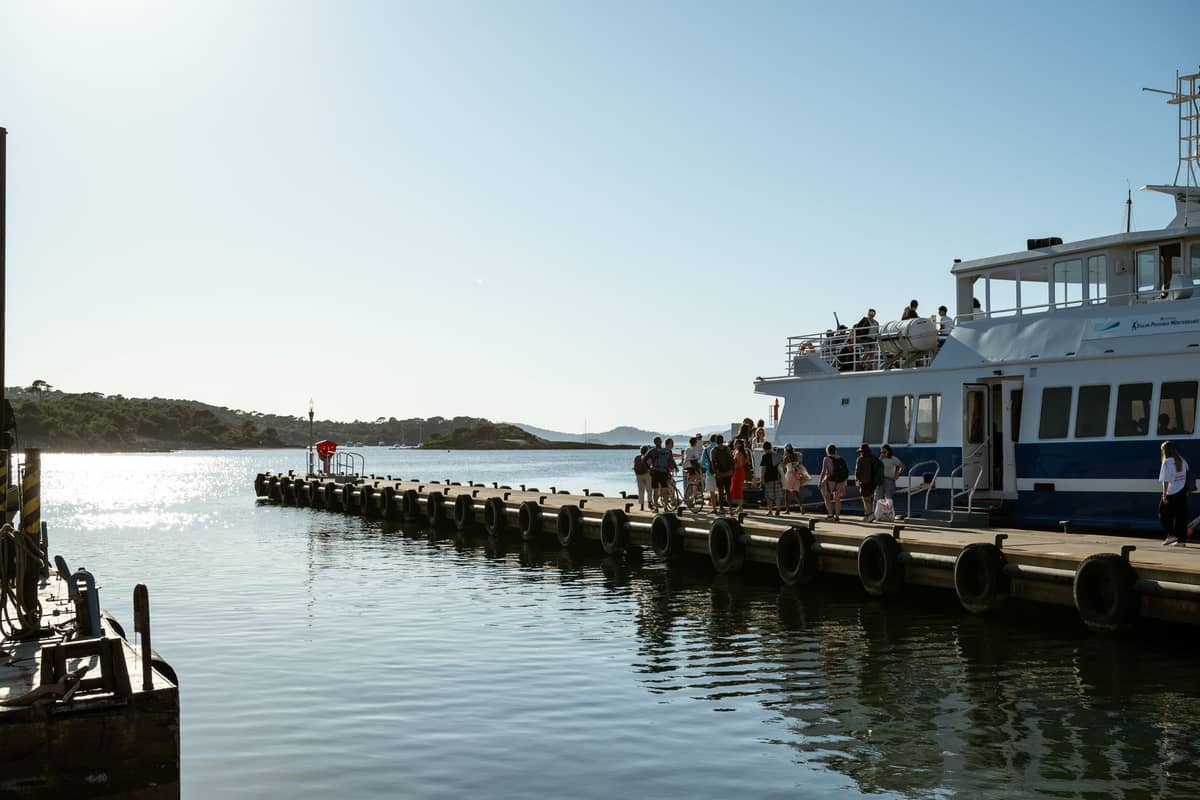
Devote your second full day to Waiheke Island. This is the single best day trip available from Auckland's city centre, and it works for most travellers regardless of whether wine is their priority. Ferries depart from the Downtown Ferry Terminal, and the Fullers360 crossing to Matiatia takes around 40 minutes. Standard adult return tickets are NZ$65; priority and reserve options are available at higher prices. Book ahead during weekends, public holidays, and summer — capacity is limited and popular sailings fill up.
⚠️ What to skip
A Waiheke return ticket does not permit a stop in Devonport on the way back. If you leave the ferry at Devonport, you'll need an additional fare to return to Auckland. AT HOP cards are accepted on this service, but contactless bank cards are not — check your payment method before travelling.
On the island, a local bus network covers the main beaches and settlements. Oneroa is the largest village and a good base for coffee and supplies. Onetangi Beach is the longest stretch of sand and works well for a swim or a walk. For the wine angle, several of Waiheke's vineyard restaurants are worth a long lunch — book in advance, because walk-ins are rarely accommodated on busy days. For a full breakdown of what to do on the island, the Waiheke Island day trip guide covers transport, beaches, and dining in detail.
Day 3: Devonport, Volcanic Cones, and the Real Neighbourhoods
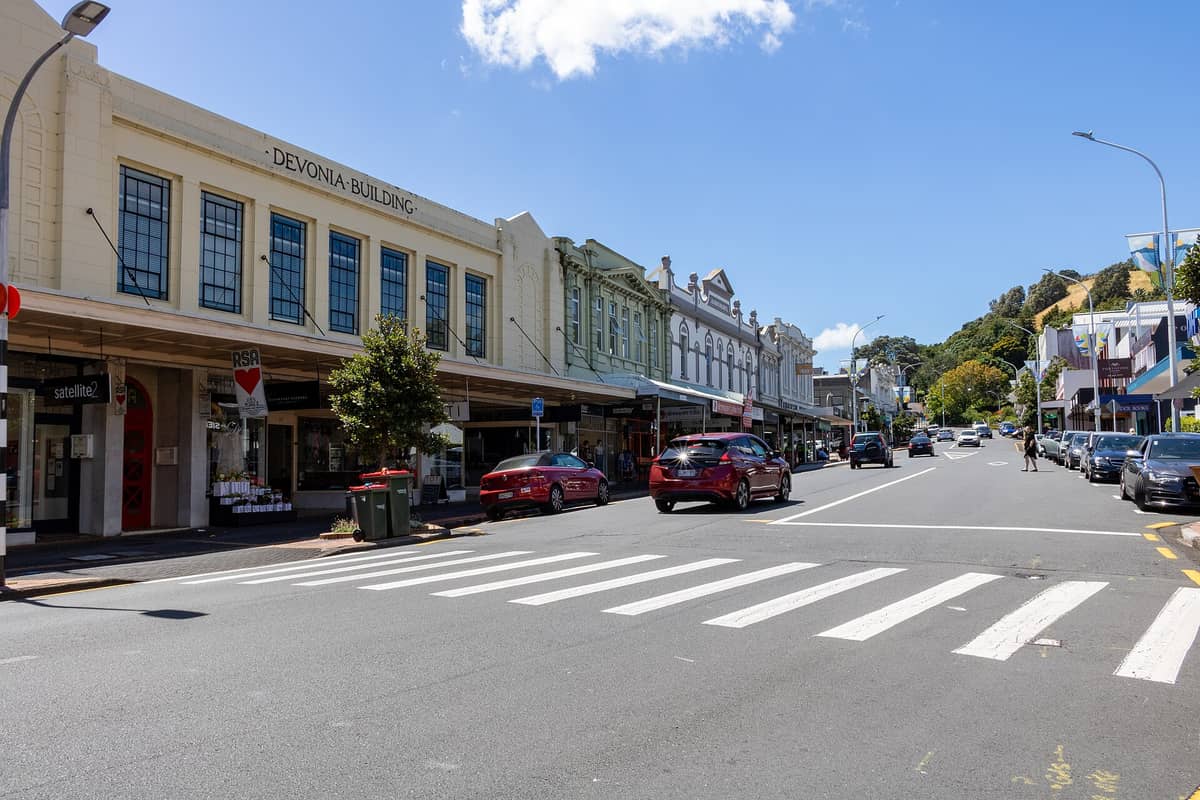
Take the morning ferry to Devonport — the crossing takes around 15 minutes from the Downtown Ferry Terminal and runs frequently. Devonport is a quieter, heritage-flavoured suburb on the North Shore with good cafés, independent shops, and two volcanic headlands. Climb Mount Victoria (Takarunga) for views back over the harbour and city. North Head Historic Reserve is a few minutes' walk away and worth exploring for its tunnels and coastal outlook.
Return by ferry to the city by early afternoon and head to Mount Eden (Maungawhau) — Auckland's highest volcanic cone, with 360-degree views across the isthmus. The summit area is a significant Māori heritage site, and the crater is not open for walking into; treat it with appropriate respect. Take the time to read the interpretation panels at the summit — they provide useful context about Auckland's volcanic field and the significance of the site to mana whenua.
Spend your final evening on Karangahape Road (K'Road) or in Ponsonby. These two streets, separated by about 10 minutes on foot, contain the most concentrated version of Auckland's food and bar culture. K'Road has more edge and diversity; Ponsonby runs slightly more polished. Both are far more representative of the city than the Viaduct or SkyCity precinct. The Auckland food guide has specific restaurant picks across both areas.
What to Skip and What's Overrated
Auckland's waterfront restaurants around Viaduct Harbour are convenient but generally not worth seeking out purely for food. The menus are solid and the settings are attractive, but prices run high and the cooking rarely matches the ambience. For a genuinely good meal, you're better served moving slightly inland to Parnell, Ponsonby, or K'Road.
- Sky Tower bungee jump Genuinely thrilling for those who want it, but at significant cost and not necessary for the view — the observation deck alone delivers the orientation value.
- Viaduct Harbour dining Fine for a drink with harbour views, but overpay-per-plate territory for dinner. Walk ten minutes to get better food at better prices.
- Hobbiton as a day trip Worth doing if it's a priority, but it's roughly 2 hours south of Auckland in the Waikato region and eats a full day. A tight 3-day Auckland itinerary doesn't have room for it unless you sacrifice the island.
- Cramming both Waiheke and Rangitoto into one day Both islands deserve proper time. Rangitoto's summit track is around 2.5 hours return; combining it with Waiheke means doing neither well.
Practical Tips for Getting the Most from 3 Days
- Load an AT HOP card for buses and trains — it's cheaper than paying cash fares and accepted across most of the public transport network.
- Book your Waiheke ferry tickets online before the trip, particularly if you're visiting on a weekend or during December to February.
- Auckland Museum is closed on Christmas Day. If your trip falls around then, plan accordingly.
- Sky Tower hours vary by season and can be affected by private events or weather. Check SkyCity's website the evening before.
- Tipping is not expected in New Zealand. You won't cause offence by not tipping, and you won't gain significantly better service by doing so.
- Auckland's public transport coverage is reasonable within the central suburbs but thins out quickly in outer areas. For Waitākere Ranges or west coast beaches, a rental car or shuttle is practical.
- Maungawhau (Mount Eden) summit parking is limited and sometimes restricted. Walking up from Dominion Road or the surrounding streets takes 15–20 minutes and avoids the hassle.
✨ Pro tip
If you can be flexible on Day 1 timing, visit the Auckland Museum in the morning when it opens rather than the afternoon. Tour groups arrive from late morning onward, particularly in summer, and the Māori and Pacific galleries are significantly more enjoyable without crowds.
If three days feels too short after reading this, it's because it is — Auckland rewards slower travel. The full Auckland things to do guide covers everything from the west coast beaches to the Hauraki Gulf islands in more depth, and there's a dedicated Auckland on a budget guide if cost is a factor in how you're planning your time.
FAQ
Is 3 days enough time to see Auckland properly?
Three days is enough to cover the essential experiences: the city centre, at least one island or significant natural area, and a handful of genuine neighbourhoods. You won't exhaust the city, but you'll leave with a real sense of what makes Auckland distinctive. If you have a fourth day, Rangitoto Island or the Waitākere Ranges are the most rewarding additions.
How do I get from Auckland Airport to the city centre?
The main options are the SkyDrive express coach (to SkyCity in the CBD), the AirportLink bus to Puhinui Station followed by a train, taxis, rideshares from designated pick-up areas, and rental cars. Travel time from the airport is around 30–60 minutes depending on traffic and route. Verify current fares with operators before travel as they change.
Do I need to book the Waiheke ferry in advance?
Yes, particularly for weekends, public holidays, and the summer period from December through February. Fullers360 services have capacity limits and popular sailings fill early. Book through the Fullers360 website. Remember that AT HOP cards are accepted but contactless bank cards are not on this route.
What is the best neighbourhood to stay in for this itinerary?
The CBD puts you within walking distance of the waterfront and Sky Tower, and gives easy ferry access for Day 2. Ponsonby is a better base if you prefer a local feel and don't mind a short bus or rideshare to the ferry terminal. Parnell is convenient for the Auckland Domain and Museum but quieter at night. For a full breakdown, the where to stay in Auckland guide covers the trade-offs by area.
Can I do Hobbiton as a day trip during a 3-day Auckland visit?
Technically yes, but it consumes almost an entire day. Hobbiton is roughly 2 hours south of Auckland near Matamata in the Waikato region. Fitting it into a 3-day Auckland itinerary means sacrificing either the island day or significant city time. It works better if you're extending to 4 or 5 days, or as a stop on the way to Rotorua or the South Island.
Tickets & tours
Live prices and dates from our booking partner. If you book, we may earn a commission at no extra cost to you.
Planning a trip? Discover personalized activities with the Nomado app.