Māori Culture in Auckland: Experiences & Heritage Sites
Auckland sits on land with deep Māori roots. This guide covers the most meaningful cultural experiences in Tāmaki Makaurau, from museum performances and waterfront heritage spaces to guided tours led by descendants of the city's founding chief. Learn what to see, what to pay, and how to engage respectfully.
Tickets & tours
Live prices and dates from our booking partner. If you book, we may earn a commission at no extra cost to you.
TL;DR
- Auckland's full name, Tāmaki Makaurau, is Māori, and its mana whenua (people of the land) are Ngāti Whātua Ōrākei, among other iwi, so cultural context is woven into the city itself.
- The Auckland War Memorial Museum's Māori Cultural Experience runs twice daily at 11am and 1:30pm; tickets cost NZ$35 per adult, separate from general museum admission (NZ$32 for international visitors).
- Te Wharekura on Quay Street is a free, publicly accessible Ngāti Whātua Ōrākei heritage space with pou, artwork, and interactive displays.
- For depth beyond the museum, guided cultural tours led by mana whenua descendants offer access to sites and stories that visitor centres cannot replicate.
- Check gallery access at Auckland Museum before visiting — the Māori Court and Pacific galleries have been temporarily closed during works, though other galleries remain open.
Understanding Tāmaki Makaurau: The Māori Name and Its Meaning
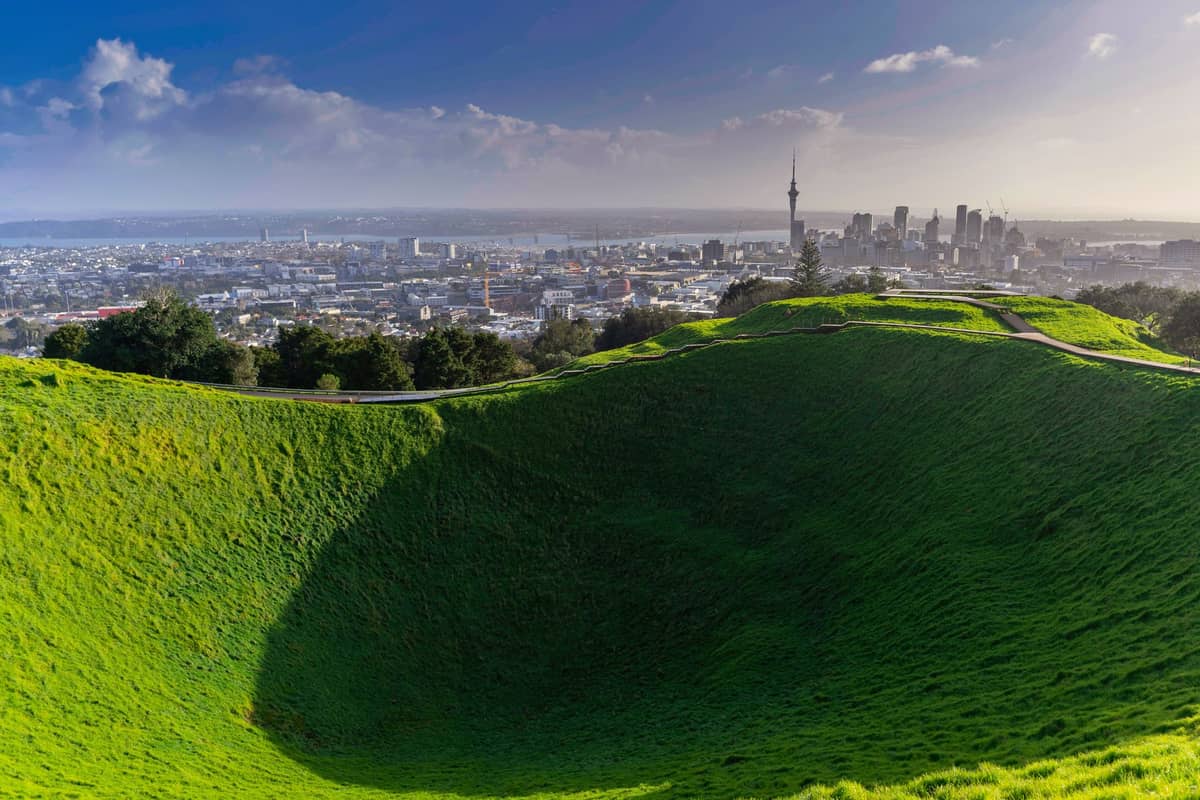
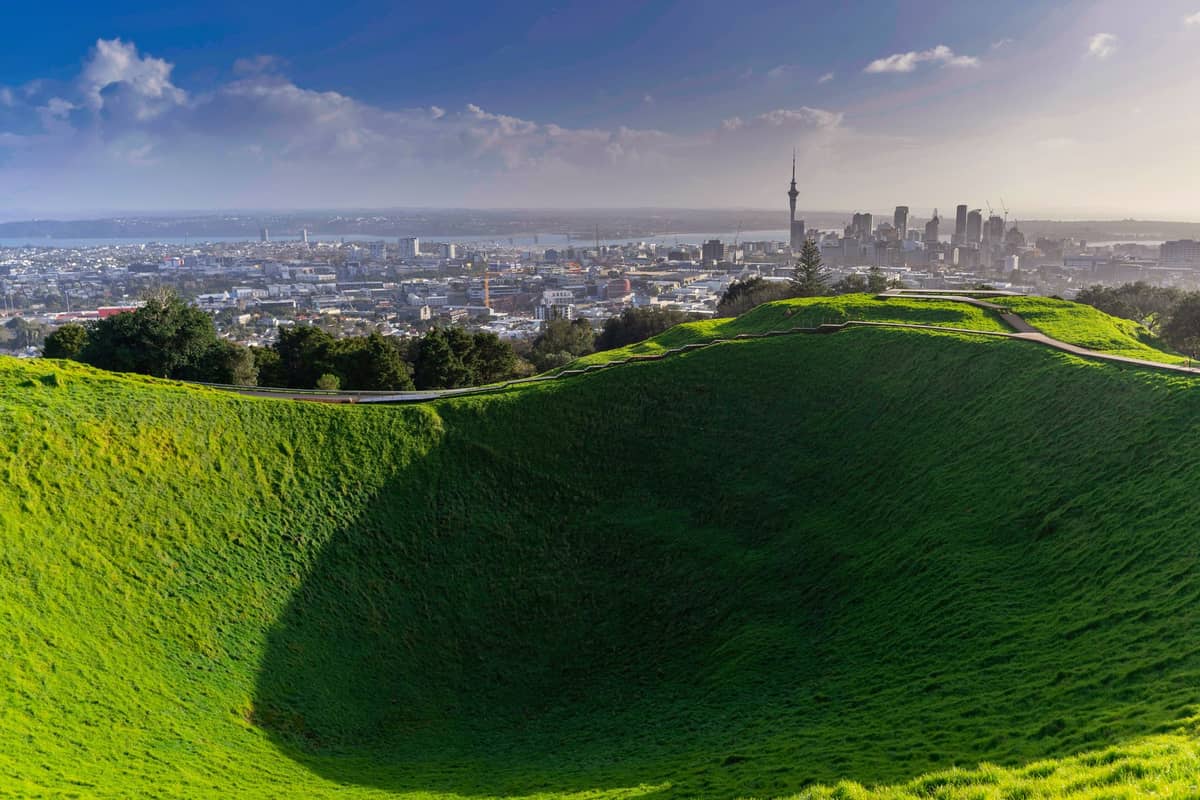
Auckland is officially styled Tāmaki Makaurau Auckland. The Māori name, Tāmaki Makaurau, translates roughly as 'Tāmaki desired by many' — a reference to the isthmus's extraordinary strategic value. Flanked by two harbours (Waitematā to the north and Manukau to the south) and studded with volcanic cones that served as pā (fortified settlements), this strip of land was one of the most fought-over and settled areas in pre-colonial Aotearoa New Zealand.
Ngāti Whātua Ōrākei are the tangata whenua (people of the land) of central Tāmaki Makaurau. As described by Auckland Museum, they hold mana whenua status over much of the central city. Other iwi and hapū also hold associations with different parts of the wider Auckland region. Understanding this layered connection to place — not just its colonial history but its deeper Māori political and spiritual geography — makes experiences like the museum's cultural performance and the guided tours far more meaningful.
ℹ️ Good to know
Te reo Māori is one of New Zealand's three official languages, alongside English and New Zealand Sign Language. You'll encounter it on street signs, government buildings, and public transport throughout Auckland. Taking a moment to learn a few words — 'kia ora' (hello), 'tēnā koe' (greetings), 'ngā mihi' (thanks/greetings) — is genuinely appreciated.
Auckland War Memorial Museum: The Cultural Experience Explained
The Auckland War Memorial Museum holds one of the world's finest collections of Māori taonga (treasures), including carved waka taua (war canoes), intricate wharenui (meeting houses), and tāonga pūoro (traditional instruments). For visitors with limited time, the Māori Cultural Experience is the most efficient way to engage with living culture rather than static display.
- Performance times Daily at 11am and 1:30pm. Check the museum's current schedule before visiting, as times can shift during school holidays or special events.
- Ticket prices NZ$35 per adult, NZ$17.50 per child (aged 5–15), NZ$94 for a family. These are in addition to general museum admission.
- General admission (international visitors) NZ$32 per adult, NZ$16 per child. Auckland residents enter free with proof of address; other New Zealand residents are invited to donate.
- Gallery access caveat The Māori Court and Pacific galleries are temporarily closed during works at time of writing. Confirm current access on the museum's website before your visit.
- Location The museum sits within Auckland Domain, about 1.5 km east of the CBD — a pleasant walk through Parnell or a short taxi ride.
⚠️ What to skip
A Māori Cultural Experience ticket does NOT include museum admission. You need to purchase both separately. A Māori Cultural Experience ticket does NOT include museum admission. You need to purchase both separately. Budget at least NZ$62 per adult for the combined visit. The museum is open daily except Christmas Day.
The performance itself typically includes haka, poi, waiata (song), and explanations of tikanga (customs). Performers are Māori, and the experience is designed to be educational rather than purely theatrical. It is a good starting point, but it is a performance setting — if you want deeper engagement with living culture, you will want to supplement this with a guided tour or an off-site experience.
Te Wharekura: Free Waterfront Heritage Access
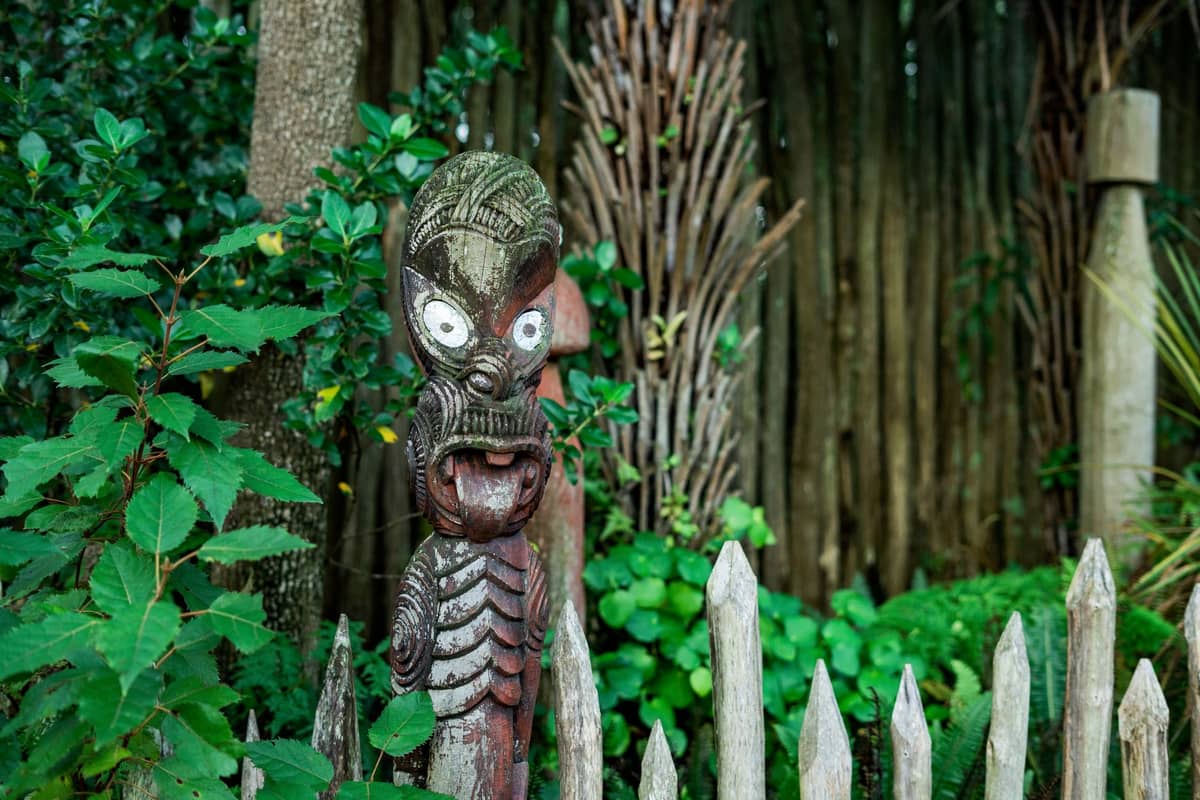
One of Auckland's most underused cultural stops is Te Wharekura, located at Ferry Basin on Quay Street, steps from the main ferry terminal in the CBD. This is a Ngāti Whātua Ōrākei cultural and environmental heritage space featuring pou (carved posts), artwork, and interactive displays. Entry is completely free, and the space is publicly accessible Thursday to Saturday, 10am to 4pm.
Te Wharekura works well as either a standalone stop or as part of a broader waterfront walk past Queens Wharf and Viaduct Harbour. The pou and display panels explain Ngāti Whātua Ōrākei's relationship with the harbour and the wider Tāmaki Makaurau landscape. It is a rare example of mana whenua heritage occupying prominent public space in the city centre.
Guided Cultural Experiences: Going Beyond the Museum
Te Manu Taupua offers guided cultural experiences led by descendants of Auckland's founding chief. This is not a museum performance or a packaged tour designed for mass groups. The experiences take visitors to culturally significant sites across Tāmaki Makaurau and provide historical and spiritual context that is impossible to replicate in an indoor setting. Prices and availability change, so contact the operator directly before planning around this experience.
Guided experiences like these are particularly valuable at volcanic cones with deep Māori significance. Sites like Maungawhau (Mount Eden) and Maungakiekie (One Tree Hill) have visible terracing from ancient pā sites, but the earthworks can be difficult to read without context. A knowledgeable guide transforms what looks like a grassy hillside into a legible settlement with defensive logic and communal life. Our guide to Auckland's volcanic cones covers the landscape side in more detail.
✨ Pro tip
Book guided cultural experiences at least a few days in advance, especially during peak summer months (December to February) and school holidays. Small-group operators often have limited capacity, and last-minute bookings are frequently unavailable.
Other Places Where Māori Culture Is Visible in Auckland
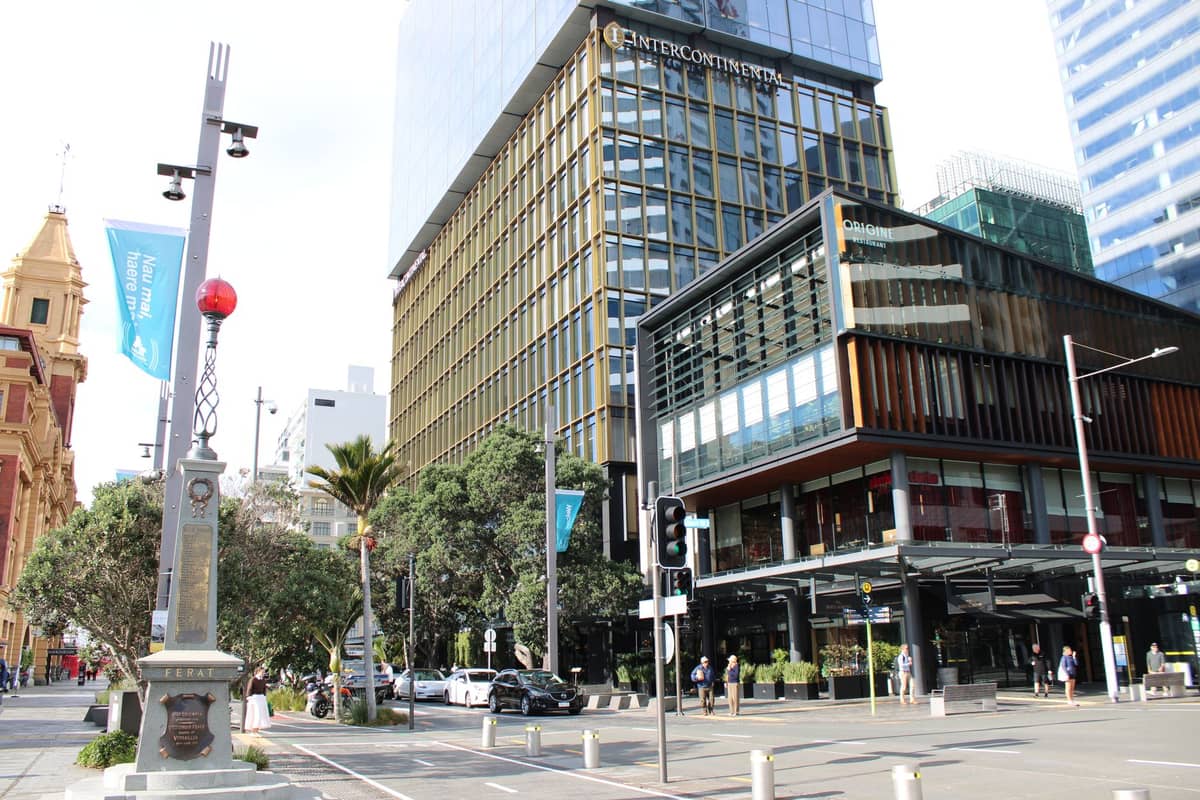
Māori cultural presence in Auckland is not confined to dedicated heritage sites. Public art, place names, and architectural elements carry cultural meaning across the city. Here is where to look beyond the obvious.
- Bastion Point (Takaparawhau) This headland in Ōrākei was the site of a significant 1977–78 land occupation by Ngāti Whātua Ōrākei. The landscape and small memorial convey an important chapter in modern Māori political history. The views across the Waitematā Harbour are also exceptional.
- Auckland Domain and Pukekawa The domain itself sits on volcanic land with Māori history. The museum within it houses the most significant Māori collection in Auckland.
- Te Ara i Whiti (Lightpath) While primarily a cycling and walking route, this bright-pink repurposed motorway off-ramp near the city is an example of how te reo Māori naming now extends to contemporary urban infrastructure.
- Hauraki Gulf islands Rangitoto, Motutapu, and Tiritiri Mātangi have Māori histories that predate European contact by centuries. Ferry-accessible and rewarding, these islands add geographic depth to the cultural picture.
- Otara and Māngere South Auckland, particularly Otara and Māngere, has a large Māori and Pacific Islander population. The Otara Flea Market on Saturday mornings is one of the most culturally authentic and affordable places to experience Māori and Pasifika kai (food) and goods.
For islands with deep Māori significance and wildlife restoration, Tiritiri Mātangi Island is worth a day trip. It operates as an open sanctuary and has both ecological and cultural layers worth exploring. See the broader Hauraki Gulf Islands guide for logistics.
Practical Advice: How to Engage Respectfully
Māori culture is a living culture, not a historical relic. The protocols around certain sites, objects, and ceremonies exist for reasons that are spiritual and relational, not simply traditional. A few principles help:
- Always follow instructions given by cultural guides or on-site signage, particularly around photography near taonga, sacred sites, or during formal performances.
- At marae (meeting grounds), wait to be welcomed before entering. Visitors are not free to walk onto a marae without invitation or formal welcome.
- Use correct pronunciation for Māori place names where possible. Resources from Auckland Council and Te Aka Māori Dictionary are freely available online.
- Eating and drinking are often not permitted in certain ceremonial or tapu (sacred) spaces. This is usually signposted, but if uncertain, ask.
- Purchasing arts and crafts directly from Māori artists and collectives, rather than from generic souvenir shops, is the most direct way to support cultural sustainability.
💡 Local tip
If you want to learn more before your trip, Te Papa Tongarewa in Wellington has the country's largest national Māori collection and is free to enter. Many Auckland visitors combine a short Wellington leg into their New Zealand itinerary. Arriving in Auckland with some context makes local experiences considerably richer.
For broader trip planning, the Auckland 3-day itinerary includes cultural stops alongside the city's other highlights. If you are focused on free or low-cost options, the free things to do in Auckland guide covers accessible heritage experiences that don't require booking fees.
FAQ
What is the best Māori cultural experience in Auckland for first-time visitors?
The Māori Cultural Experience at Auckland War Memorial Museum is the most accessible starting point. It runs twice daily, requires no advance booking beyond purchasing tickets, and provides a structured introduction to haka, waiata, and tikanga. Budget for both the cultural experience ticket (NZ$35 per adult) and museum admission (NZ$32 for international visitors), as they are sold separately.
Are there free Māori cultural experiences in Auckland?
Yes. Te Wharekura at Ferry Basin on Quay Street is free to enter Thursday to Saturday, 10am to 4pm, and features Ngāti Whātua Ōrākei artwork, pou, and interactive heritage displays. Several of Auckland's volcanic cones, including Maungawhau (Mount Eden) and Maungakiekie (One Tree Hill), have visible pā terracing and can be visited for free, though interpretation boards are limited. The Otara Flea Market on Saturday mornings is also a culturally rich, free-to-browse experience.
Which iwi are the tangata whenua of Auckland?
Ngāti Whātua Ōrākei are the tangata whenua of central Tāmaki Makaurau, as described by Auckland Museum. The wider Auckland region encompasses the territories of multiple iwi and hapū, each with their own distinct histories and relationships to the land. Auckland Council's website provides further detail on mana whenua across the region.
Is the Auckland Museum's Māori Court currently open?
At the time of writing, the Māori Court and Pacific galleries at Auckland War Memorial Museum are temporarily closed during refurbishment works. Other galleries and the Māori Cultural Experience performances remain available. Always check the museum's website for current gallery access before your visit.
Can I visit a marae in Auckland as a tourist?
Marae are community spaces, not tourist attractions, and access is by invitation or as part of an organised cultural group. Some operators, including Te Manu Taupua, can arrange appropriate visits with proper welcome protocols. Turning up unannounced is not appropriate. If a marae visit is important to your trip, book through a reputable operator well in advance.
Tickets & tours
Live prices and dates from our booking partner. If you book, we may earn a commission at no extra cost to you.
Planning a trip? Discover personalized activities with the Nomado app.