Hauraki Gulf Islands: Which One Should You Visit?
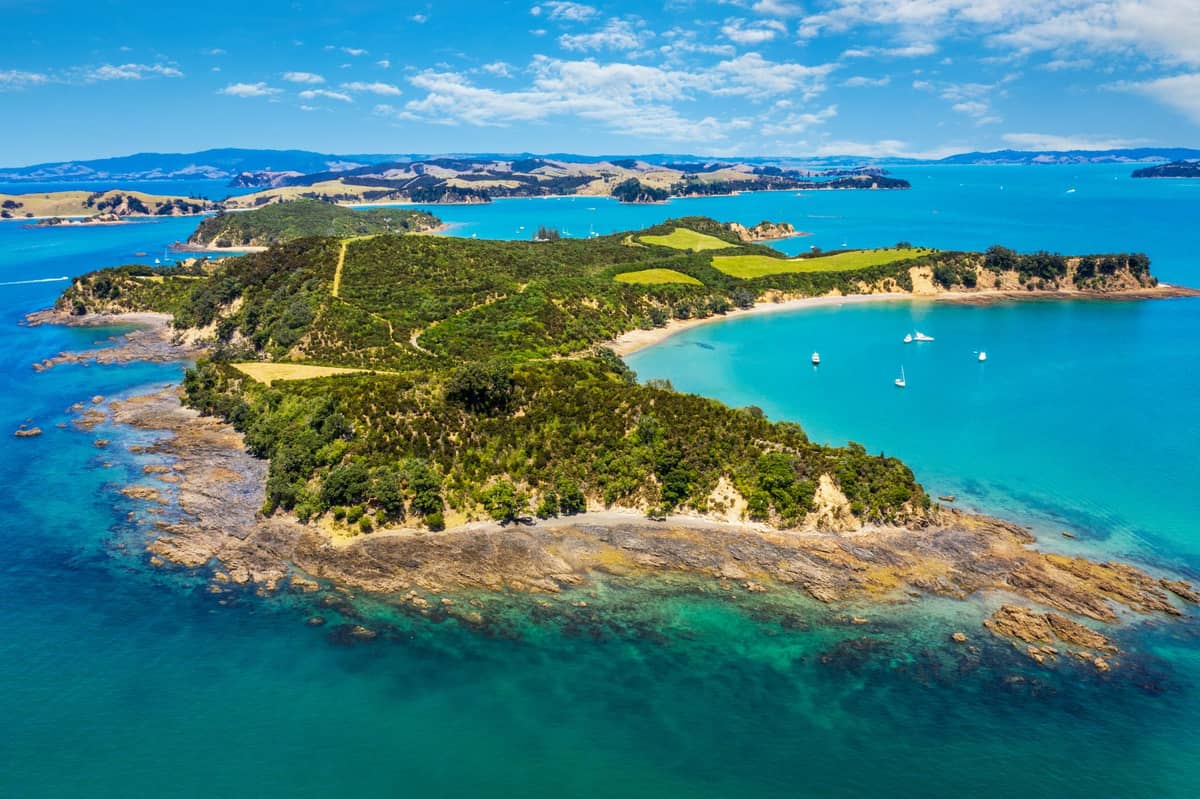
The Hauraki Gulf holds more than 50 islands within reach of Auckland, but not all of them suit every traveller. This guide breaks down the four main options by experience, ferry logistics, cost, and what you actually get when you arrive — so you can choose without guessing.
Tickets & tours
Live prices and dates from our booking partner. If you book, we may earn a commission at no extra cost to you.
TL;DR
- Waiheke Island is the most-visited option: 40–45 minutes by ferry, with beaches, restaurants, and a thriving wine scene — but it is pricier than the others.
- Rangitoto is the best pick for first-time day trippers who want a clear, achievable hike and dramatic volcanic scenery with no overnight crowds.
- Tiritiri Matangi is New Zealand's best open wildlife sanctuary and the top choice for birdwatchers — but ferries are limited, so book ahead. See Tiritiri Matangi Island for details.
- Great Barrier Island (Aotea / Great Barrier Island) is for travellers who want real wilderness — think no supermarkets, limited mobile coverage, and several days to do it justice.
- Ferry pricing has island-specific rules: child weekend discounts and senior concessions do not apply on several island routes, including Waiheke and Rangitoto. Always verify fares with the operator before you go.
Understanding the Hauraki Gulf
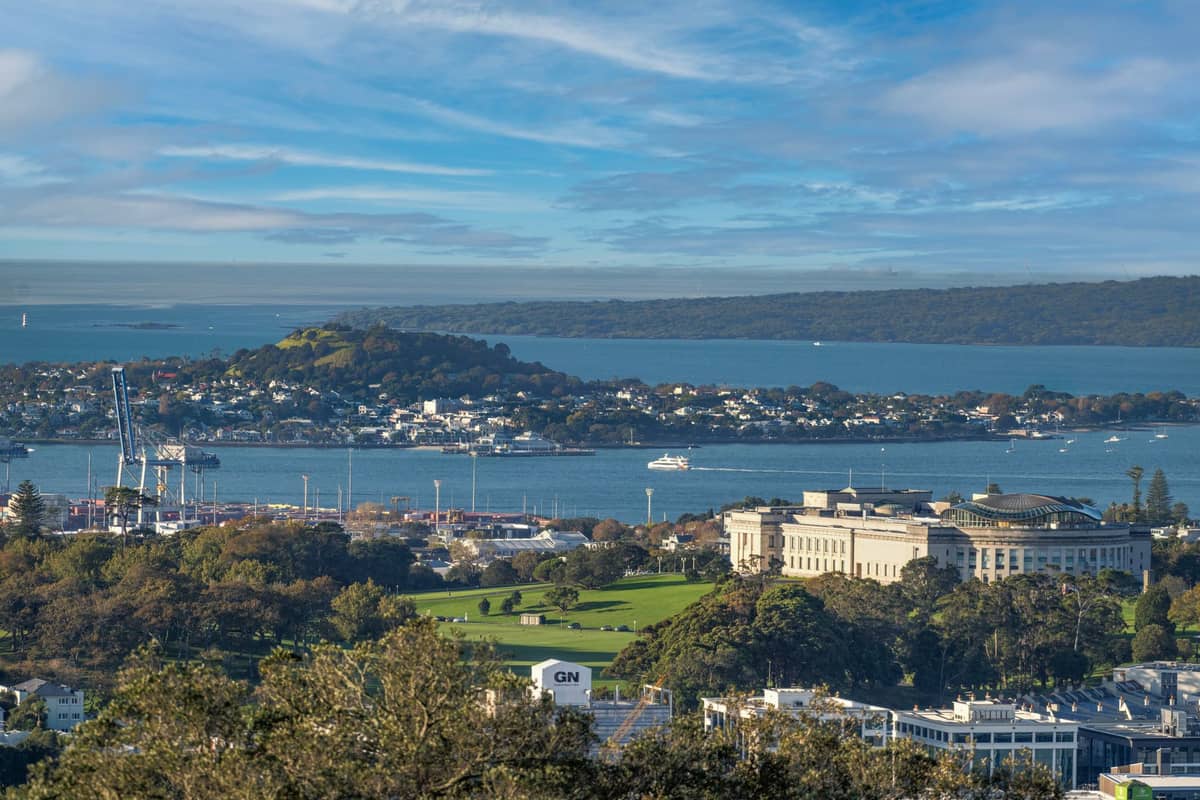
The Hauraki Gulf (Te Moana-nui-a-Toi) stretches east of Auckland, covering roughly 1.2 million hectares of ocean dotted with islands, headlands, and marine reserves. It sits at Auckland's front door: the ferry terminal at Queens Wharf and the Downtown Ferry Terminal are the main departure points, putting several islands within 45 minutes of the city centre.
The Gulf's islands fall broadly into two categories: easily accessible day trip destinations with established infrastructure, and remote outer islands that require planning, sometimes a flight, and a genuine commitment to being off-grid. Most visitors focus on the first category, and most of those end up on Waiheke or Rangitoto. The question is whether those are actually the right fit.
ℹ️ Good to know
Ferry services to most islands are operated by Fullers360, with some routes served by other operators. Auckland Transport (AT) HOP cards and child or senior concessions do not apply on all island routes — check the specific route’s fare rules. Check current fares and conditions directly with the ferry operator before booking.
Waiheke Island: Beaches, Wine, and a Price Tag to Match
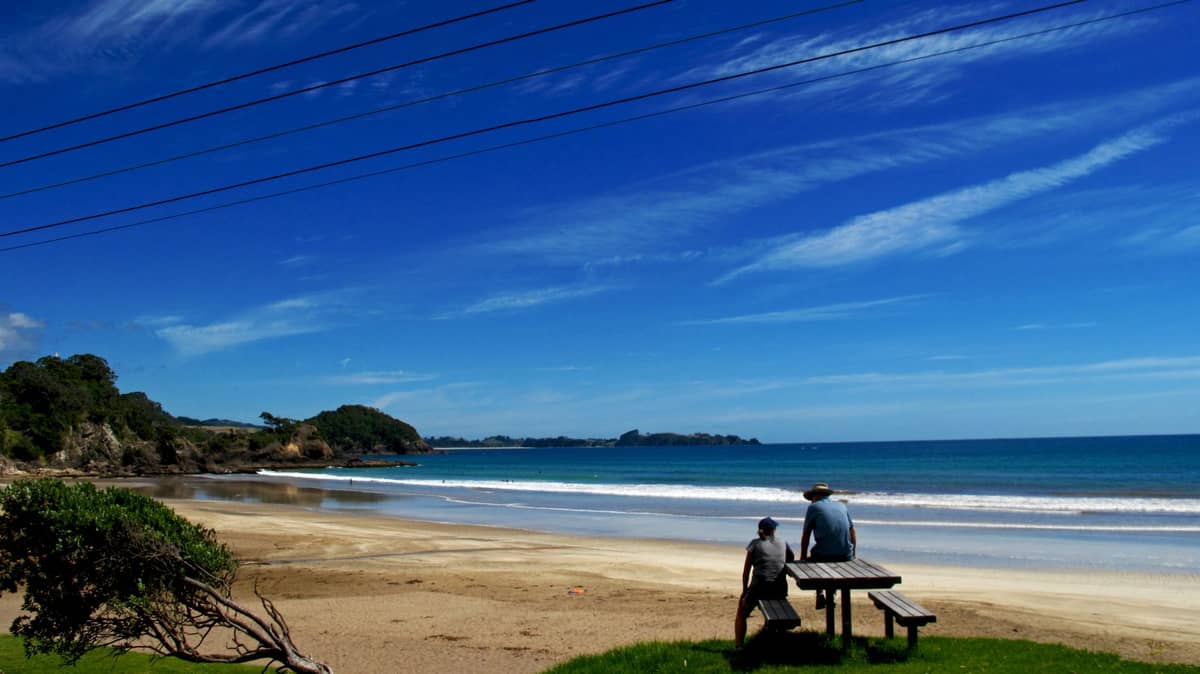
Waiheke is the Gulf's most popular island, and it earns that status. The ferry from downtown Auckland takes around 40–45 minutes and drops you at Matiatia Wharf, from where local buses connect to Oneroa village, Onetangi Beach, and the main vineyard belt. The island has a year-round residential population and proper amenities: cafés, restaurants, galleries, and rental bikes. A dedicated Waiheke Island day trip guide covers logistics in full.
The wine scene is the main draw for many visitors. Waiheke produces some of New Zealand's best Bordeaux-style red blends and Syrah, grown on north-facing slopes with excellent sun exposure. A wine tour here is not cheap — guided experiences typically run NZ$100-200+ per person depending on inclusions — but the quality is genuine and the vineyard settings are impressive. If you want a wine tour without spending heavily, it is worth noting that most cellar doors charge tasting fees that add up fast.
Onetangi and Palm Beach are the best swimming beaches on the island, with calmer water than Auckland's west coast surf beaches. In summer (December to February), the island gets crowded, particularly on weekends. The 8:30am and 9:00am ferries are noticeably busier than mid-morning departures. The Fullers360 adult return fare is listed at around NZ$65 for a standard walk-up ticket as of the time of writing, but prices change and should be confirmed before travel. Note that children's weekend free travel does not apply on Waiheke routes.
⚠️ What to skip
Waiheke is not a budget destination. Once you factor in the ferry, transport around the island, food, and a winery visit or two, a day trip for two people can easily reach NZ$300-400. If cost is a priority, Rangitoto gives you a more memorable physical experience for considerably less money.
Rangitoto Island: The Volcanic Day Hike
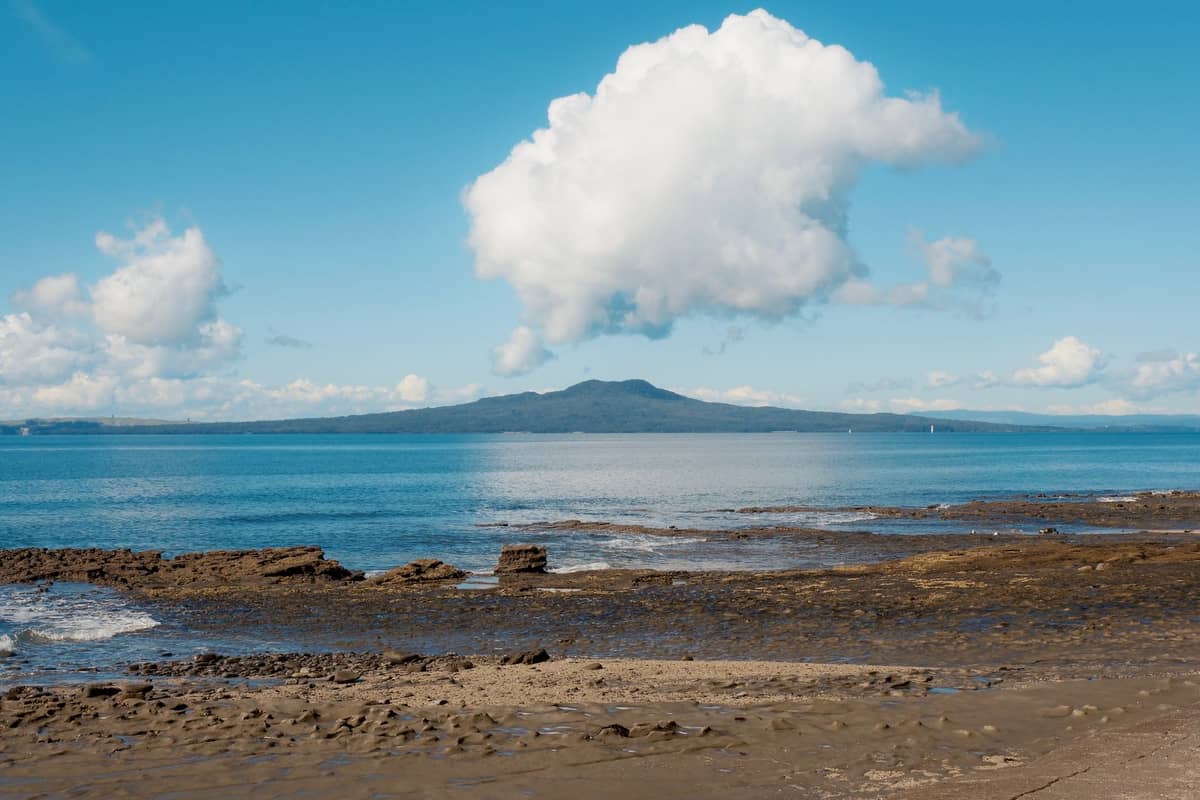
Rangitoto is Auckland's most recognisable landmark, visible from much of the city's eastern shore and waterfront. The island is a scoria shield volcano that emerged from the sea around 600 years ago, making it the youngest and largest of Auckland's volcanic field. The Rangitoto Summit Track is a 2–3 hour return walk that gains around 260 metres in elevation, passing through lava fields and pohutukawa forest before delivering panoramic views of the Gulf and city.
Below the summit, the Rangitoto lava caves are a short detour worth taking — a short, otherworldly tunnel through hardened lava that most visitors walk past. The island has no permanent residents and no cafés, so bring your own water and food. Fullers360 operates the ferry service; AT HOP cards are not accepted on this route, and senior concessions are excluded. The return crossing takes around 25 minutes each way on direct sailings from downtown Auckland; some services travel via Devonport.
Rangitoto is the most straightforward day trip in the Gulf: arrive, hike, return. There are no distractions, no decisions about which restaurant to pick, and no transport connections to arrange on the island. It suits physically active travellers who want a clear goal. The summit view on a clear day, with the Waitematā Harbour and city spread below you, is as good as anything you will get from a lookout on the mainland. The best months for the hike are October through April when the days are longer and the weather more settled.
💡 Local tip
Take the first or second morning ferry to Rangitoto to reach the summit before midday heat and before the main crowd arrives. The lava fields have almost no shade, so a hat and sunscreen are essential even in cooler months. Bring at least 1.5 litres of water per person.
Tiritiri Matangi: New Zealand's Best Open Sanctuary
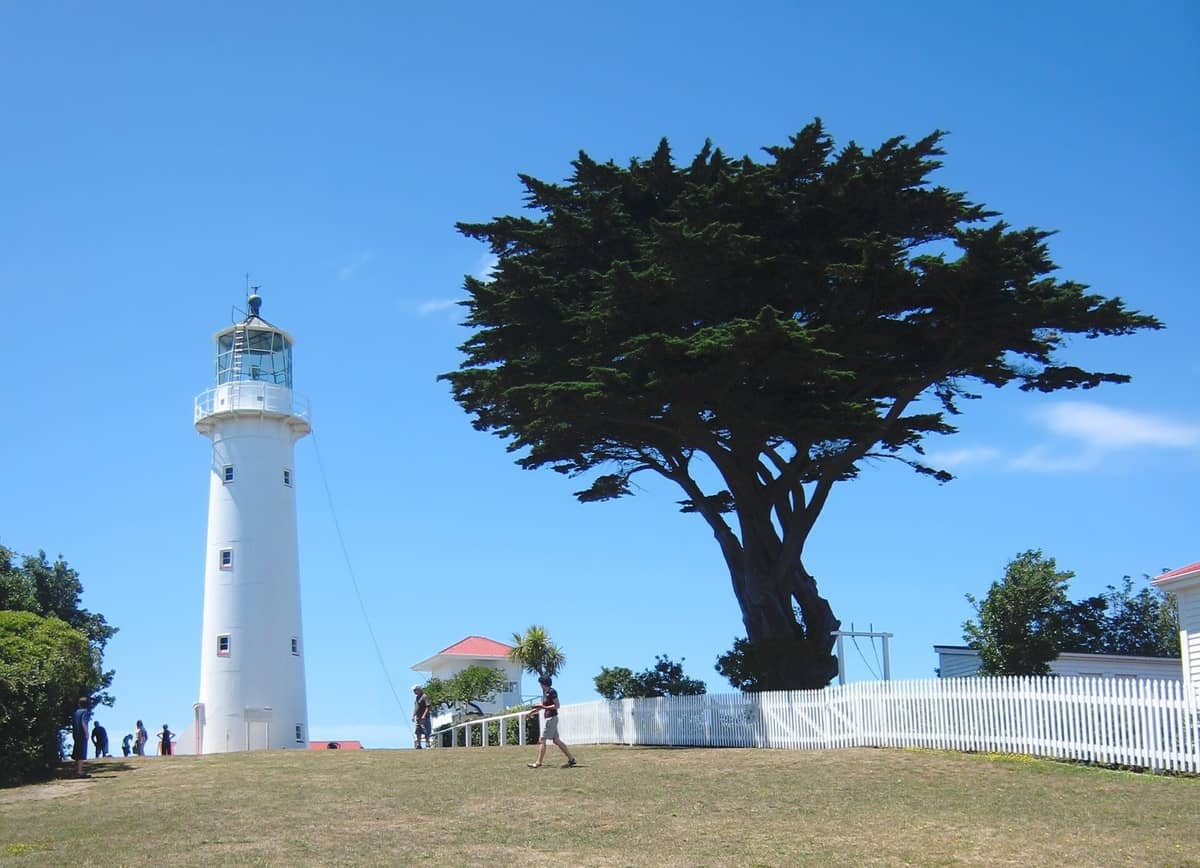
Tiritiri Matangi is an open wildlife sanctuary about 30 km north of Auckland, managed by the Department of Conservation (DOC) with significant volunteer and community involvement. The island has been intensively revegetated and predator-controlled since the 1980s, and the result is extraordinary: you can hear and see endangered native birds within minutes of stepping off the ferry. Kōkako, takahē, little spotted kiwi, tīeke (saddleback), and tuatara all live here. For most international visitors, this is their best realistic chance of seeing several of these species in a natural setting. See also our broader guide on Māori culture and nature in Auckland for context on the significance of these species.
The ferry departs from Gulf Harbour (on the Whangaparāoa Peninsula, about an hour from central Auckland by car or bus) and Central Auckland. Sailings are limited and require advance booking. Auckland Transport notes that SuperGold concessions do not apply on Tiritiri Matangi ferry routes. The island's guided walks, run by knowledgeable volunteers, are available for an additional fee — the guide's local knowledge significantly improves the birdwatching experience.
Tiritiri Matangi is not the right choice if you want beaches or a relaxed social experience. It is a working conservation island with basic facilities, and the emphasis is entirely on wildlife. It is, however, the most genuinely remarkable natural experience within reach of Auckland, and it is underrated precisely because it requires slightly more planning than Waiheke or Rangitoto.
Great Barrier Island: The Off-Grid Option
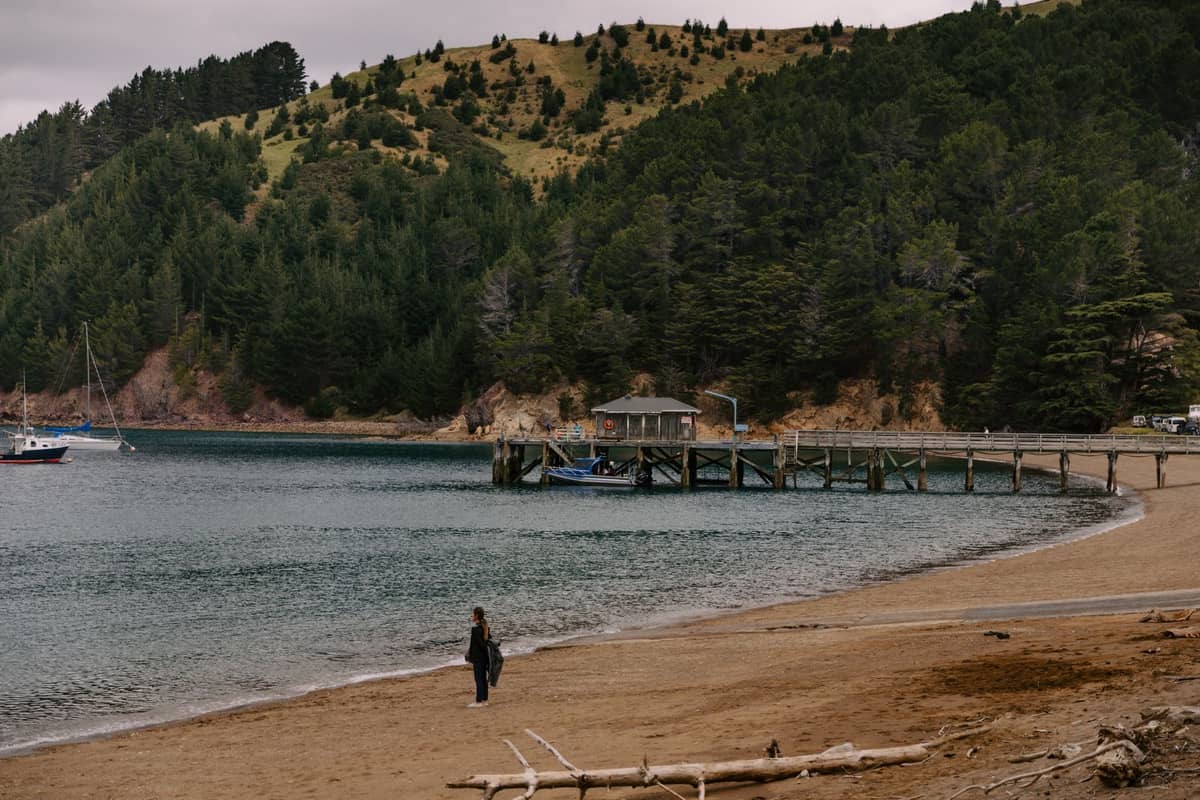
Aotea / Great Barrier Island sits about 90 km northeast of Auckland and operates on a fundamentally different scale from the other islands. There is no reticulated electricity grid and no town water supply. Fuel costs significantly more than the mainland, credit card facilities are limited, and mobile coverage is patchy. This is not a drawback — it is the point.
Getting there requires either a roughly four-hour ferry crossing (Sealink, infrequent and weather-dependent) or a short flight from Auckland Airport, with services from operators including Barrier Air and FlyMySky. A day trip is technically possible by air but genuinely poor value: the island rewards time, not rushing. Two to four nights is a more realistic minimum. The island has excellent multi-day tramping tracks, hot springs, surf beaches, and some of the clearest dark skies in the Auckland region.
Great Barrier is genuinely remote by New Zealand standards. If your trip to Auckland is five days or fewer, it is probably not the right call. If you have the time and the appetite for real wilderness, it is outstanding.
Side-by-Side: Which Island Fits Your Trip?
- Waiheke Island Best for: wine touring, beach days, good food, a social atmosphere. Ferry: 40–45 min from downtown. Budget: NZ$65+ return ferry, then NZ$50–200+ on island. Crowds: high in summer. Not ideal for: budget travellers, those expecting untouched nature.
- Rangitoto Island Best for: active day trippers, volcanic landscape, easy first island visit. Ferry: ~25 min from downtown. Budget: lower ferry cost than Waiheke; bring your own food. Crowds: moderate, concentrated around ferry times. Not ideal for: visitors who can't walk on uneven terrain.
- Tiritiri Matangi Island Best for: birdwatching, conservation, seeing rare native species. Ferry: departs Gulf Harbour (requires transport from Auckland). Budget: moderate ferry cost; book well ahead. Crowds: low, controlled by ferry capacity. Not ideal for: beach seekers, spontaneous travellers.
- Great Barrier Island (Aotea) Best for: multi-day wilderness trips, dark skies, tramping, surf. Access: flight (~30 min) or ferry (~4.5 hours). Budget: higher overall due to flight and self-catering. Crowds: very low. Not ideal for: day trips, those on tight schedules.
Practical Logistics: Ferries, Fares, and Timing
Most island-bound ferries depart from the Downtown Ferry Terminal, adjacent to Queens Wharf in central Auckland. Fullers360 is the primary operator for Waiheke and Rangitoto; Explore operates the Tiritiri Matangi service. Ferry schedules vary by season, and some routes operate significantly fewer sailings outside summer. Always check the operator's live timetable rather than relying on general advice.
- Book Tiritiri Matangi ferry tickets well in advance — sailings are limited and sell out, especially on summer weekends.
- Waiheke and Rangitoto ferries run multiple times daily in peak season; mid-week departures are noticeably quieter.
- AT HOP card discounts and senior SuperGold concessions do not apply on Rangitoto or Tiritiri Matangi routes. Check current child fare and promotional terms for Waiheke and Rakino.
- Great Barrier Island ferry sailings are infrequent and subject to weather cancellations. Flights are more reliable but require booking ahead.
- Ferry capacity can be limited on public holidays. Service alerts are issued by operators and Auckland Transport — check these the day before travel.
If you are working through a broader Auckland itinerary, the islands integrate best as a dedicated day. Combining an island visit with other Auckland activities on the same day is rarely satisfying — the ferries take time, and the islands deserve more than a rushed two hours. For a structured approach to your time in the city, the 3-day Auckland itinerary recommends keeping island days standalone.
✨ Pro tip
If you are visiting in summer and want to do both Rangitoto and Waiheke, do Rangitoto on a weekday (quieter, easier parking at the terminal if you are driving) and Waiheke on a different day. Doing both back-to-back is exhausting and you end up not doing justice to either.
FAQ
Which Hauraki Gulf island is best for a first-time visitor to Auckland?
Rangitoto for an active, scenic experience with minimal planning; Waiheke if you want more comfort, dining options, and a full social day. Rangitoto is cheaper and the hike gives you a clearer sense of Auckland's volcanic geography. Waiheke requires more budget but offers more choice once you arrive.
Can you do a day trip to Great Barrier Island from Auckland?
Technically yes by flight (around 30 minutes each way), but the island's scale and pace mean a day trip does not do it justice. Most travellers who fly in for a day feel rushed. Two nights minimum is widely recommended by those who know the island well.
How much does the Waiheke Island ferry cost from Auckland?
Fullers360 lists the standard adult return fare at around NZ$65 as of current pricing, but fares are subject to change and vary by ticket type. Always check the Fullers360 website for current prices before booking. Note that Auckland Transport concessions do not apply on this route.
Do I need to book Tiritiri Matangi ferry tickets in advance?
Yes. Tiritiri Matangi sailings are limited and fill up, particularly in summer and on weekends. The island's conservation management means visitor numbers are controlled. Book directly with the ferry operator and confirm the current departure point, as services operate from Central Auckland and Gulf Harbour.
Are the Hauraki Gulf islands accessible without a car?
Waiheke and Rangitoto are fully accessible by public transport from central Auckland — ferries from the Downtown Ferry Terminal and local buses on Waiheke. Tiritiri Matangi requires getting to Gulf Harbour first, which is possible by bus but takes planning. Great Barrier Island is accessible by ferry or flight from Auckland Airport, with no car needed if you stay in one area.
Tickets & tours
Live prices and dates from our booking partner. If you book, we may earn a commission at no extra cost to you.
Planning a trip? Discover personalized activities with the Nomado app.