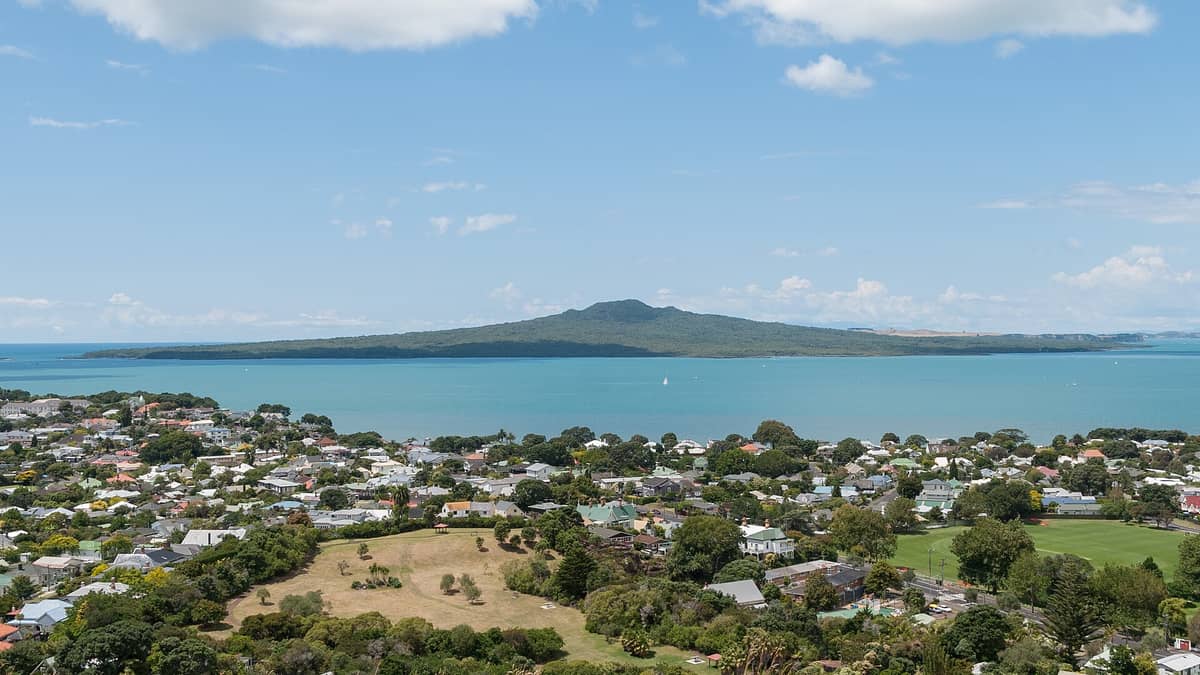
Rangitoto Island is Auckland's most recognizable landmark: a near-perfect volcanic cone rising from the Hauraki Gulf, visible from the waterfront and reachable in 25 minutes by ferry. The island is a scenic reserve managed by the Department of Conservation, covered in ancient lava fields and the world's largest pōhutukawa forest, with a summit track and lava caves that reward visitors willing to work for their views.
Rangitoto is not a neighborhood in any conventional sense. There are no streets, no cafés, no hotels, and no residents. What it is, however, is the single most distinctive feature of Auckland's skyline and one of the most rewarding half-day experiences the city offers: a dormant volcanic island, 8 km from the CBD, that looks almost exactly as it did when it last erupted roughly 600 years ago.
Orientation
Rangitoto sits in the Hauraki Gulf, approximately 8 km northeast of downtown Auckland. From the city's waterfront, its symmetrical cone is a constant presence: from Viaduct Harbour, from Queens Wharf, and from almost any elevated point in the central city, Rangitoto's profile defines the eastern horizon.
The island covers approximately 2,311 hectares and its summit rises about 250 metres above the wharf. A causeway at its southern end connects Rangitoto to the adjacent Motutapu Island, which has a very different character: rolling farmland rather than raw lava. Both islands are managed by the Department of Conservation as scenic and nature reserves. A causeway at its southern end connects Rangitoto to the adjacent Motutapu Island, which has a very different character: rolling farmland rather than raw lava. Both islands are managed by the Department of Conservation as scenic and nature reserves.
There are no roads or addresses on Rangitoto. Navigation is by marked track only, and all access points radiate from Rangitoto Wharf, the single point of arrival on the island's southern shore. Visitors arriving by ferry disembark at the wharf, from which all walks and activities begin.
ℹ️ Good to know
Rangitoto is a day-trip destination only. There is no overnight accommodation on the island, no café, no shop, and no drinking water supply. Everything you need for the day must come with you on the ferry.
Character & Atmosphere
Stepping off the ferry at Rangitoto Wharf is a quiet corrective to the pace of Auckland's waterfront. The wharf itself is a weathered timber structure, and the first thing most visitors notice is the silence and the smell of salt and sun-warmed stone. The island is almost entirely covered in native bush and lava rock, and the absence of roads, cars, and commercial activity is immediately striking.
In the early morning, particularly on weekdays, the island belongs almost entirely to the birds. Tūī and kererū move through the pōhutukawa canopy, and fantails follow walkers along the lower tracks. The light through the lava fields has a particular quality in the morning hours: the dark basalt absorbs heat quickly and gives the forest floor an otherworldly quality, with ferns and mosses emerging from cracks in the rock as if the land is slowly, patiently reclaiming itself.
By mid-morning, particularly on fine weekends, the mood shifts. Ferry groups arrive and the main track to the summit becomes busy with families, guided tour groups, and day-trippers. The summit track is wide and well-maintained for most of its length, but there is no way to escape the social dimension of a popular island on a sunny Saturday. If a solitary experience matters to you, the early morning ferry on a weekday is the answer.
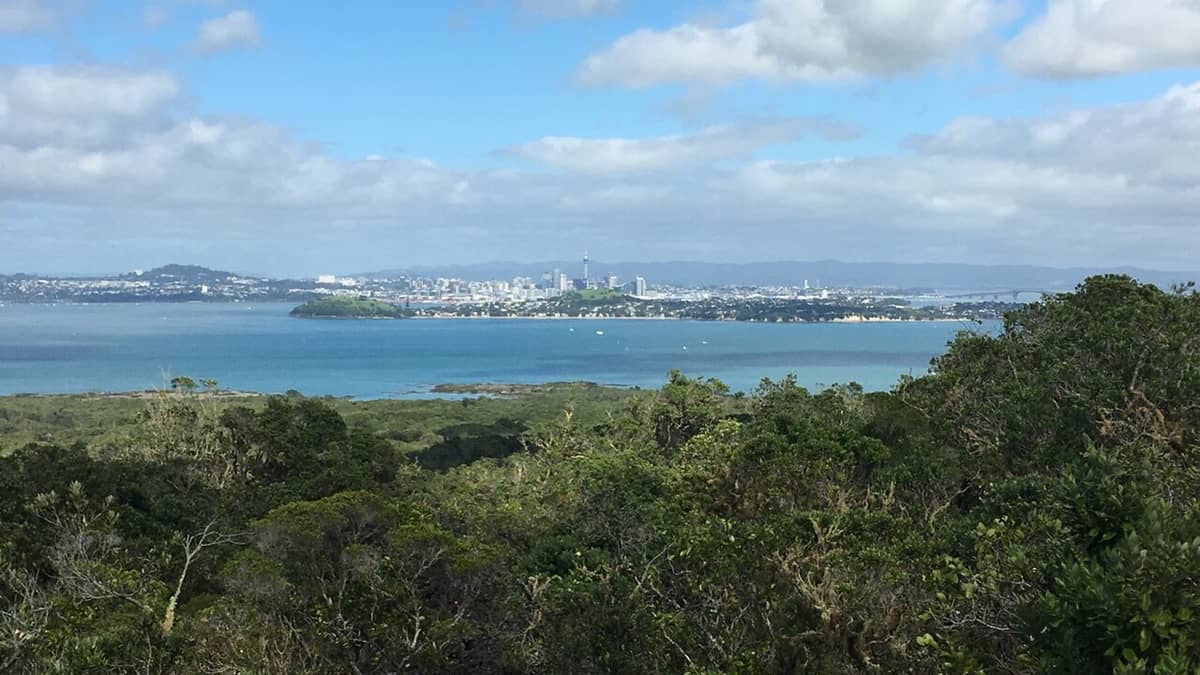
By early afternoon, the lava fields that make up so much of the island's surface can become genuinely hot underfoot. The pōhutukawa canopy provides cover along many sections of the track, but the summit area is exposed. At this time of day the views are sharpest: Auckland's CBD stretches to the west, the Coromandel Peninsula lies to the southeast, and on very clear days, the Northland hills are visible to the north. The return ferry in the late afternoon carries visitors who have earned the view.
History & Geology
Rangitoto is geologically young. Eruptions began approximately 600 years ago, making it the youngest and largest of the roughly 50 volcanoes in the Auckland Volcanic Field. Unlike older cones such as Maungawhau (Mount Eden) or One Tree Hill, which have been reshaped by centuries of human use and farming, Rangitoto's surface remains largely as the lava left it: a raw, uneven terrain of basalt rock that has been only slowly colonised by vegetation.
The island is classified as dormant rather than extinct, which is a meaningful distinction in the context of the Auckland Volcanic Field. Māori witnessed the eruptions and the island appears in oral traditions. Early European settlers were drawn to its dramatic profile and later used the island for a variety of purposes including quarrying, defence installations, and conservation. The historic holiday baches near the wharf and Flax Point are a remnant of a period when Aucklanders camped and holidayed on the island. For more on Auckland's volcanic landscape, the Auckland volcanic cones guide provides useful context.
The pōhutukawa forest that covers much of the island is ecologically significant: it is the largest pōhutukawa forest in the world, thriving in the lava soils that would defeat most other trees. Conservation work on the island has focused on removing introduced predators and pests, and bird populations have responded. The island is part of an ongoing predator-free programme that has made meaningful progress in recent years.
What to See & Do
The primary draw is the Rangitoto Summit Track. The walk from the wharf to the summit and back takes approximately 2 hours at a moderate pace, covering around 7 km return with 250 metres of elevation gain. The track begins on a wide, gravelled path and becomes rockier as it approaches the summit. The final section crosses raw lava with some scrambling required. At the summit, a viewing platform overlooks the crater, and the panoramic views of the Hauraki Gulf and Auckland city are among the best in the region.
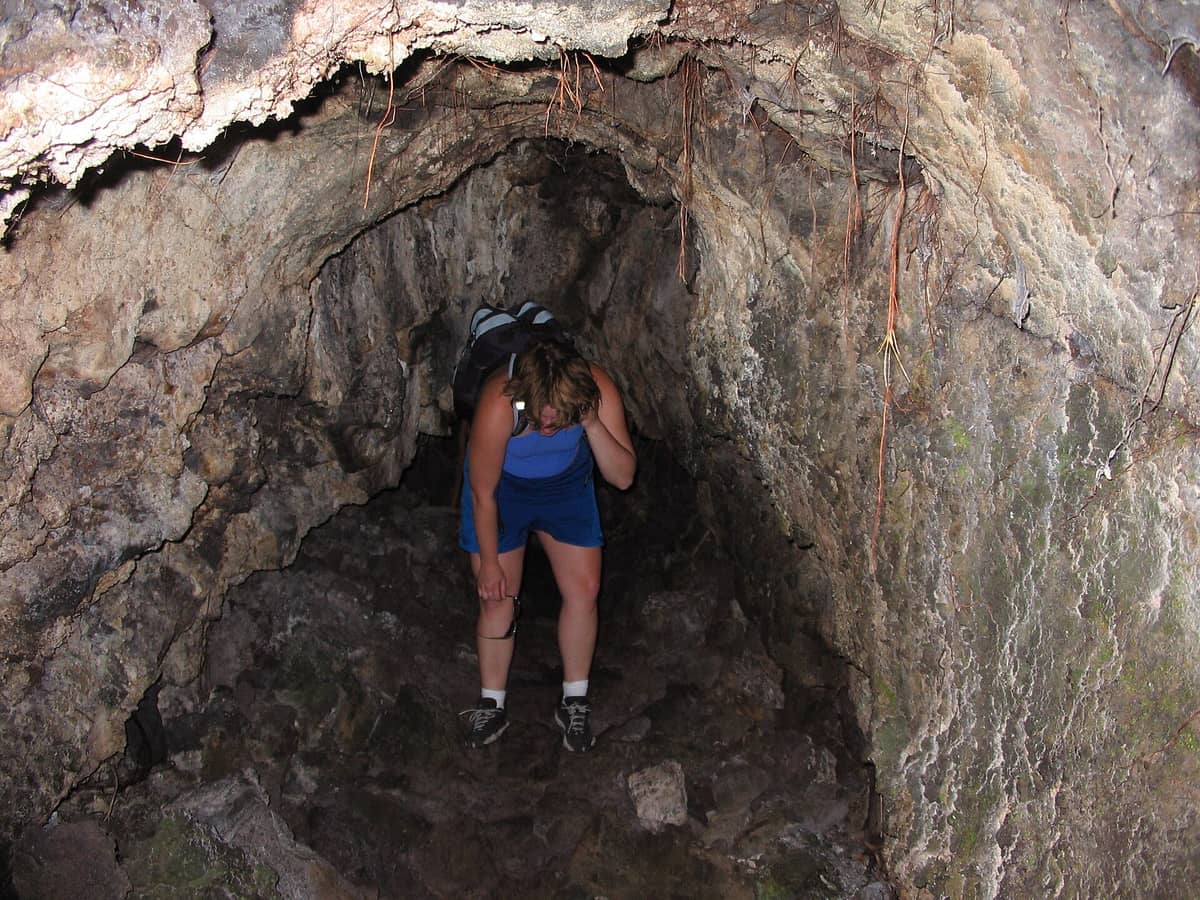
The lava caves are a secondary attraction that many visitors miss. Located on the Wilson Park track, a short detour from the main summit route, the caves are natural tunnels formed by cooling lava. They are unlit, have low ceilings, and the floor is extremely uneven. A torch is essential, and anyone with mobility concerns should skip them. The caves are short but genuinely atmospheric: cold air flows from them even on a hot day, and the silence inside is complete. These are also featured in the Rangitoto lava caves attraction listing for more detail.
Near the wharf, a cluster of historic baches (New Zealand English for holiday cottages) have been preserved and are worth a brief look before beginning the main walk. These small wooden structures, built by families who camped and holidayed on the island in the early to mid 20th century, give a sense of Auckland's relationship with Rangitoto before it became a formal scenic reserve.
Rangitoto Summit Track: the main walk, 7 km return, 2 hours, easy to intermediate
Lava caves: short detour via Wilson Park track, torch required
Historic baches near the wharf: preserved holiday cottages, open to view
Motutapu Island: accessible via the causeway for those wanting a longer day with very different scenery
Coastline and rock pools at low tide near the wharf
Birdwatching: tūī, kererū, fantail, and introduced species management zones
⚠️ What to skip
Dogs are prohibited on Rangitoto and Motutapu Islands. There is a total fire ban on the island at all times. Tracks cross rough lava and loose gravel: closed-toe, sturdy footwear is essential. The summit is exposed; bring sun protection and layers, as weather can change quickly in the gulf.
Eating & Drinking
There is nothing to buy on Rangitoto. No café, no food vendor, no vending machine, and no drinking water supply. This is not an oversight or a temporary situation: the island is a protected scenic reserve and the absence of commercial facilities is deliberate policy.
Bring everything you need for the day: water (at least 1.5 litres per person on a warm day), food, snacks, and any medication. On a hot summer day, the walk to the summit and back is more demanding than it looks, and dehydration is a genuine concern. For those planning a longer day that extends to Motutapu, pack accordingly. If you want to eat well before or after your ferry crossing, the waterfront area around Britomart and Queens Wharf has a solid range of cafés and quick-service options within walking distance of the ferry terminal.
Some tour operators who run guided trips to Rangitoto include basic refreshments as part of their package. Check with individual operators when booking, but do not assume this is standard. Carrying your own supplies is always the right approach.
Getting There & Around
Fullers360 operates public ferries from Queens Wharf in downtown Auckland to Rangitoto Wharf. The crossing takes approximately 25 minutes. Ferry services run multiple times daily, though the schedule varies by season and day of week. Check the current timetable at the Fullers360 website or Auckland Transport before your visit, as departure times change and the last ferry back has a firm departure that waits for nobody.
Queens Wharf is a short walk from the Britomart transport hub, which connects to Auckland's train and bus network. If you are arriving by train, Britomart Station is the terminal, and the wharf is a 5-10 minute walk north. For full transit planning across the city, the getting around Auckland guide covers all options in detail.
Private water taxis and guided kayak tours also operate to Rangitoto, with various operators running trips from Auckland's waterfront. Kayaking across is a significant undertaking and recommended only for experienced paddlers: the crossing involves open water, variable conditions, and the return trip must be timed carefully. Commercial kayak tours that cross to the island include guiding and safety support.
Once on the island, navigation is on foot only. The main track network is well-signed from the wharf. Distances are short but the terrain can be slow going on lava sections: allow more time than the distances suggest, particularly with children or anyone less confident on uneven ground.
💡 Local tip
Book your return ferry before you leave Auckland, especially in summer and on weekends. Services can fill up, and missing the last ferry leaves you with no options on an island with no facilities. Carry your booking confirmation on your phone.
Where to Stay
There is no accommodation on Rangitoto Island. The island is a day-trip destination for all visitors. The closest overnight options are in Auckland's CBD, which puts you within easy reach of the ferry terminal at Queens Wharf.
For those planning a multi-day Hauraki Gulf exploration that might include both Rangitoto and Waiheke Island, basing yourself in central Auckland allows easy ferry access to both. The where to stay in Auckland guide covers the CBD, Britomart, and waterfront precinct options in detail. Staying near the waterfront means the walk to the ferry terminal is genuinely short, which matters when catching an early morning departure.
Practical Tips & What to Bring
Rangitoto rewards preparation and punishes the under-prepared more than most Auckland day trips. The island looks close and benign from the waterfront, and the ferry crossing is short, but the conditions on the lava fields are unforgiving: the rock surface is uneven and can be loose, the sun reflects off dark stone, and there is no shade at the summit.
Sturdy closed-toe footwear, ideally with ankle support: sandals and flat sneakers are genuinely inadequate on lava
Minimum 1.5 litres of water per person; more in summer
Sun protection: hat, sunscreen, and sunglasses
A torch or phone torch app if visiting the lava caves
Food and snacks for the full day
Layers: the summit is exposed and the weather can change
Cash or card for the ferry, booked in advance
Rangitoto pairs well with other Hauraki Gulf experiences. The Hauraki Gulf Islands guide gives an overview of what the wider island group offers, which helps with planning if you have more than one day for Gulf exploration.
TL;DR
Rangitoto is Auckland's most iconic volcanic island: a dormant cone in the Hauraki Gulf, 25 minutes by ferry from Queens Wharf, with a summit track, lava caves, and pōhutukawa forest.
Best for: active day-trippers, hikers, nature and geology enthusiasts, birdwatchers, and anyone who wants a complete contrast to the city within an hour of the CBD.
Not suited to: visitors looking for dining, shopping, overnight stays, or easy flat terrain. The island has no facilities and rough surfaces on key tracks.
Key planning points: book your return ferry in advance, bring all food and water, wear proper footwear, and carry a torch if visiting the lava caves.
The early morning weekday ferry is the best option for a quieter experience; summer weekends bring larger crowds on the summit track.
Auckland delivers serious adventure on land, sea, and from the top of a 328-metre tower. This guide covers the best adventure activities in Auckland with real pricing, practical logistics, seasonal advice, and clear warnings about what to watch out for before you book.
Auckland Airport (AKL) sits 21 km south of the city centre in Māngere. This guide covers everything from navigating arrivals to choosing the right transport option, so you can get moving the moment you land.
Auckland's event calendar runs from summer beach festivals through winter film screenings to spring heritage tours. This guide covers the major annual events, what they cost, when crowds peak, and how to plan around them — with candid notes on what's worth your time.
Auckland's food scene reflects the city it sits in: diverse, seafood-forward, and shaped by Māori, Pacific, and Asian influences alongside a confident modern New Zealand kitchen. This guide breaks down what to eat, where to eat it, and which food experiences are genuinely worth your time.
Three days is enough time to get a genuine feel for Tāmaki Makaurau Auckland — its volcanic landscape, Māori heritage, waterfront culture, and island escapes. This itinerary cuts through the noise and tells you exactly where to go, when, and why.
Auckland sits on land with deep Māori roots. This guide covers the most meaningful cultural experiences in Tāmaki Makaurau, from museum performances and waterfront heritage spaces to guided tours led by descendants of the city's founding chief. Learn what to see, what to pay, and how to engage respectfully.
Auckland's market scene spans inner-city farmers' markets, rotating suburban night markets, and rural day trips worth planning your weekend around. This guide covers the best markets in Auckland by type, location, and what to expect when you arrive.
Auckland's nightlife is more compact than its size suggests, but the quality runs deep. From waterfront cocktail bars to Karangahape Road's late-night underground, this guide covers the key precincts, practical logistics, and what to realistically expect on a night out in Tāmaki Makaurau.
Auckland has a reputation for being expensive, and that reputation is partly earned. But the city also has a surprising number of genuinely free and low-cost experiences — volcanic walks, world-class beaches, free museum entry, and excellent public markets. This guide breaks down exactly how to visit Auckland without burning through your travel fund.
Auckland's shopping scene runs from polished waterfront precincts and heritage high streets to Saturday morning farmers markets and sprawling suburban malls. This guide breaks down where to shop, when to go, and what to skip, so you spend your time and money well.
Flying is the only practical way to travel from Auckland to Queenstown, and the route is well-served by two airlines year-round. This guide covers your transport options, realistic flight costs, seasonal disruptions, and how to get oriented once you land in Queenstown.
Auckland sits on one of the world's most unusual urban landscapes: a live volcanic field with over 50 cones scattered across the city. This guide covers the most significant maunga, their cultural importance, practical access details, and what to expect when you visit.
Auckland's west coast delivers something the sheltered harbour beaches simply cannot: raw, wind-scoured black-sand shorelines, serious surf, and dramatic coastal scenery within 45 minutes of the city. This guide covers every major beach, how to get there, when to go, and how to stay safe on some of New Zealand's most powerful surf.
Auckland sits within striking distance of three distinct wine regions, each with its own character, grape varieties, and logistical quirks. This guide covers what to expect at Waiheke Island, Kumeū, and Matakana — including real transport costs, how to structure a day trip, and which cellar doors are worth your time.
Auckland delivers a surprisingly rich range of experiences for families, from world-class wildlife encounters and hands-on museums to beach days and island adventures. This guide picks the best activities for kids of all ages, with practical tips on what to expect at each stop.
Auckland sits on an isthmus between two harbours, with the Tasman Sea to the west and the Hauraki Gulf to the east, giving the city an extraordinary range of beaches within an hour of the CBD. This guide covers the best of them, from dramatic west coast surf breaks to sheltered harbour swimming spots.
Auckland sits on a volcanic field, between two harbours, and beside one of New Zealand's great forested ranges. Whether you want a 30-minute summit stroll or a full-day coastal traverse, the city delivers. These are the walks worth lacing your boots for.
Auckland punches well above its weight for museum culture. Whether you're after Māori taonga, Pacific art, colonial history, or vintage technology, the city has a collection to match. This guide covers the best museums in Auckland across every interest and budget.
Auckland sits on an isthmus surrounded by two harbours, and its parks reflect that geography in remarkable variety. This guide covers the best parks in Auckland, from volcanic cones and ancient forest to coastal reserves and formal city gardens.
Auckland is a year-round destination, but the right time to visit depends entirely on what you want to do. This guide breaks down every season, covering weather patterns, crowd levels, major events, and the practical details that generic guides skip.
Auckland sits on an isthmus studded with volcanic cones, harbour headlands, and elevated parks, making it one of the world's most view-rich cities. This guide covers the finest viewpoints across the city, from the Sky Tower's observation deck to wild clifftop lookouts, with practical advice on how to reach each one.
Auckland sits at the centre of one of the most day-trip-rich regions in the Southern Hemisphere. Whether you want a 25-minute ferry to a volcanic island or a full-day drive to Hobbiton, this guide covers logistics, costs, and practical recommendations so you can pick the right trip for your time.
Auckland is one of the most naturally dramatic cities in the world, and a surprising amount of what makes it great costs nothing. From volcanic summit walks and black-sand beaches to free art galleries and gannet colonies, here are 20 genuinely rewarding free experiences across the city and region.
Auckland sprawls across an isthmus with two harbours, dozens of suburbs, and islands in the gulf. This guide breaks down every practical way to navigate the city, from AT HOP card fares to ferry routes, rental cars, and the airport transfer options that are actually worth your time.
The Hauraki Gulf holds more than 50 islands within reach of Auckland, but not all of them suit every traveller. This guide breaks down the four main options by experience, ferry logistics, cost, and what you actually get when you arrive — so you can choose without guessing.
Hobbiton is one of New Zealand's most popular attractions, and it makes for a very doable day trip from Auckland. This guide covers every practical detail: how to get there, which tour to book, what it costs, and how to make the most of your visit.
Auckland divides opinions: some travellers race through it en route to Queenstown or the Bay of Islands, others find it one of the most rewarding cities in the Southern Hemisphere. This guide cuts through the brochure language and gives you a clear-eyed picture of what Tāmaki Makaurau Auckland actually offers, who it suits best, and what genuinely isn't worth your time.
Auckland spans two harbours, 53 volcanic cones, and one of the Pacific's most diverse cities. This guide covers the best things to do in Auckland across nature, culture, food, and island escapes — including what is worth your time and what is not.
Waiheke Island is one of Auckland's most rewarding day trips, combining world-class vineyards, sheltered beaches, and easy ferry access into a single compact island. This guide covers everything you need to know: how to get there, where to eat and drink, how to get around, and when to go.
Choosing where to stay in Auckland shapes your entire trip. This area-by-area guide covers the CBD waterfront, Ponsonby, Parnell, Devonport, and beyond — with clear assessments of who each neighbourhood suits, what to budget, and how to get around once you're there.