Auckland Zoo: What to Expect, What to Skip, and How to Make the Most of It
Auckland Zoo has been part of the city's fabric since 1922, sitting in the Western Springs precinct with a collection that spans native New Zealand wildlife and international species. This guide covers everything from ticket prices and transit options to the best time of day to arrive and which exhibits deliver the most.
Quick Facts
- Location
- 99 Motions Road, Western Springs, Auckland
- Getting There
- Bus routes 18, 11T, 11W, 195, or 65 to Great North Road, then a 10-min walk. On-site paid parking also available.
- Time Needed
- 2.5 to 4 hours for a thorough visit
- Cost
- Non-residents: NZD $39 adult / $22 child (4–14) / free under 4. Auckland residents pay less with pre-booking. Prices verified Oct 2026.
- Best for
- Families with children, wildlife enthusiasts, first-time Auckland visitors
- Official website
- www.aucklandzoo.co.nz
What Auckland Zoo Actually Is
Auckland Zoo is a 17-hectare zoological park in the Western Springs area, about 4 kilometres west of the city centre. It opened in 1922, making it one of New Zealand's oldest zoos, and over the past century it has evolved from a modest municipal collection into a conservation-focused institution that plays an active role in breeding programmes for endangered species, including several that are unique to New Zealand.
The zoo's layout is relatively intuitive: a central spine runs through the grounds with themed zones branching off it. The Te Wao Nui zone, dedicated to New Zealand native wildlife, is consistently the most compelling section. Kiwi, tuatara, kea, and other species that visitors have no chance of seeing in the wild get a proper showcase here in low-light or naturalistic enclosures. If you have limited time, prioritise this area.
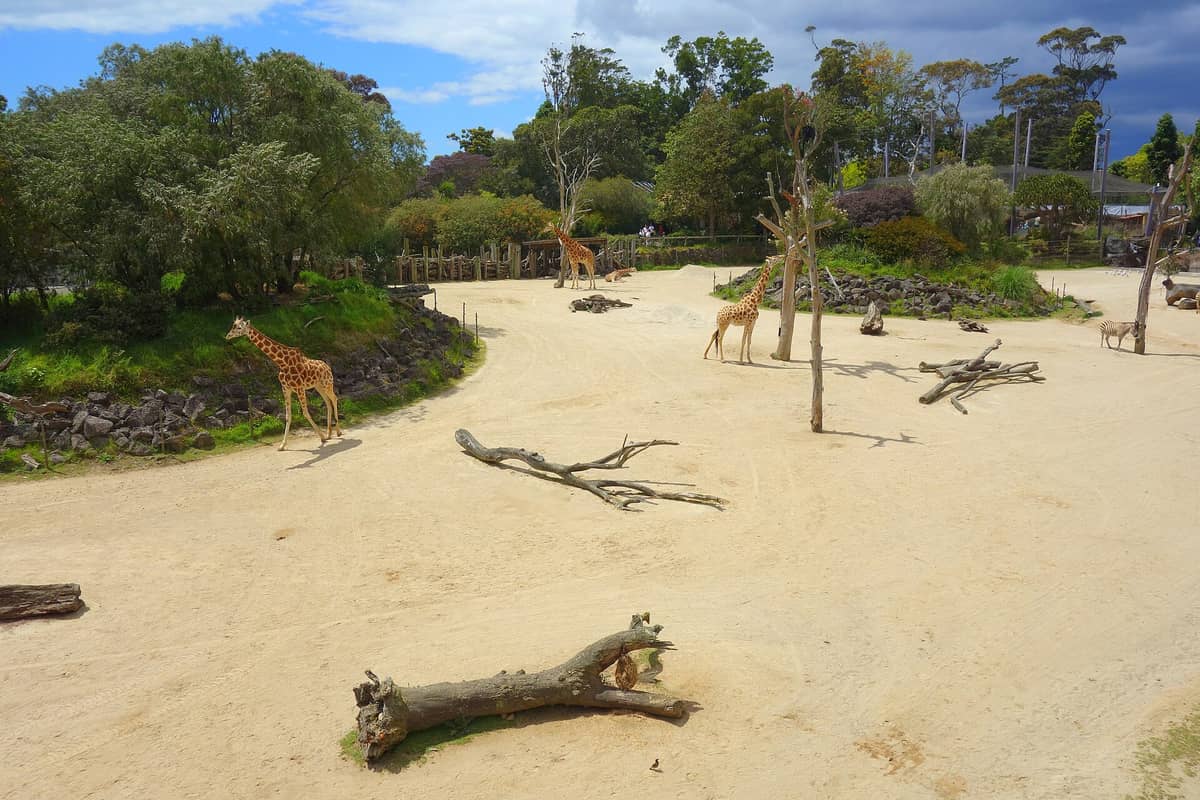
Beyond the native section, the zoo holds a wide international collection spanning primates, big cats, giraffes, and a South American precinct. The quality and size of enclosures varies across the grounds, as you'd expect in any institution with over a century of infrastructure layered on top of itself. Some enclosures are generously proportioned and naturalistic; others feel more dated.
ℹ️ Good to know
Auckland Zoo is closed on Christmas Day. Summer hours (late October to late April) run 9:30 a.m. to 5:30 p.m., last entry 4:30 p.m. Winter hours (late April to late October) run 9:30 a.m. to 4:30 p.m., last entry 3:30 p.m. Always confirm current hours on the official website before visiting.
How the Experience Changes Through the Day
Arriving at opening time, around 9:30 a.m., is the single most effective strategy for getting more out of the zoo. Animals are generally more active in the cooler morning hours, keepers are often conducting feeding rounds, and the crowds from school groups and family outings have not yet arrived in force. The grounds feel quieter, paths are easier to navigate, and you get longer, less interrupted views at most enclosures.
By 11:00 a.m. on weekends and during school holidays, the main pathways fill significantly. The area around the African savannah tends to attract the densest clusters of visitors through midday. If you start in the Te Wao Nui native wildlife zone at opening, you can work your way through the international sections as crowds build, ending with the less-trafficked southern areas of the park in the early afternoon.
On hot summer days, many larger animals retreat to shaded areas or off-exhibit spaces from roughly midday onward. This is worth knowing if you're planning a visit specifically to see certain species. In winter, the zoo is considerably quieter overall, but the reduced daylight and shorter operating hours mean you should plan your route in advance to avoid rushing.
💡 Local tip
Weekday mornings outside of school holidays are the least crowded times to visit. If you're visiting with young children who tire easily, arriving at 9:30 a.m. and leaving before noon gives you the best combination of animal activity and manageable crowd levels.
Tickets & tours
Live prices and dates from our booking partner. If you book, we may earn a commission at no extra cost to you.
Luggage Storage in Auckland
From 5 €Instant confirmationFree cancellation13,000ft skydiving experience in Auckland
From 195 €Instant confirmationFree cancellationDiscover Auckland City Tour
From 88 €Instant confirmationFree cancellationAuckland to Rotorua via Hobbiton movie set tour
From 205 €Instant confirmationFree cancellation
The Native Wildlife Section: The Real Reason to Come
Te Wao Nui is the section that separates Auckland Zoo from most international equivalents. The focus on New Zealand's own extraordinary and highly threatened fauna, species that evolved in near-total isolation for millions of years, gives the zoo a specific cultural and conservation weight that is easy to overlook if you rush past it.
The kiwi enclosure uses a reversed-lighting setup so that the birds are active during visiting hours. Kiwi are nocturnal, and getting a meaningful view of one in the wild is genuinely difficult even for experienced New Zealand trampers. The zoo's setup, while artificial, provides real and prolonged observation opportunities that most visitors will not get anywhere else.
Tuatara, the reptile that is the sole surviving member of an ancient lineage that coexisted with dinosaurs, are displayed in the reptile house alongside other native lizards. They look unhurried and ancient, which is precisely what they are. The kea enclosure, housing New Zealand's famously intelligent alpine parrot, is one of the liveliest spots in this zone.
If this section sparks a deeper interest in New Zealand's natural heritage, the Tiritiri Matangi Island sanctuary in the Hauraki Gulf offers a genuine wild encounter with many of the same species in a predator-free island environment.
Getting There: Transit and Parking
Auckland Zoo sits on Motions Road in Western Springs. Bus routes 18, 11T, 11W, 195, and 65 all stop on Great North Road, from which the zoo entrance is approximately a 10-minute walk. The Auckland Transport journey planner at at.govt.nz is the most reliable tool for checking current schedules and connections from wherever you are staying. Payment on Auckland buses accepts AT HOP cards and contactless debit or credit cards.
On-site paid parking is available, but spaces fill quickly on weekends and during school holidays. If you are driving, arriving before 10:00 a.m. is advisable. The Western Springs precinct also includes the Museum of Transport and Technology (MOTAT), so the wider area tends to draw multiple visitor groups simultaneously on busy days.
If you are using public transport from central Auckland and want to understand the broader network, the guide to getting around Auckland covers routes, payment options, and practical transport advice for visitors.
Tickets and Pricing
For visitors from outside Auckland, the flexible ticket costs NZD $39 for adults (15 and over) and NZD $22 for children aged 4 to 14. Children aged 0 to 3 enter free. Auckland residents pay reduced rates with pre-booking and proof of Auckland residency. off-peak tickets run NZD $19 for adults and NZD $11 for children; peak pre-booked tickets are NZD $24 and NZD $14 respectively. Resident concessions and eligibility conditions apply. All prices listed are as verified in October 2026 and should be confirmed at aucklandzoo.co.nz before purchasing.
Booking online before arrival is advisable, particularly on weekends and during New Zealand school holiday periods (which fall roughly in April, July, September to October, and December to January). Walk-up availability is generally not an issue on quieter weekdays, but prices and terms can differ between ticket types.
💡 Local tip
If you are on a tight budget, Auckland Zoo represents one of the more substantial paid family attractions in the city. For free outdoor alternatives that also showcase native ecosystems, consider the Waitākere Ranges or regional parks. The guide to free things to do in Auckland covers these options in detail.
Accessibility and Practical Logistics
Accessibility at Auckland Zoo is genuinely good. Over 95 percent of the zoo's grounds are accessible by wheelchair, mobility scooter, and pram. Accessible parking spaces are available on-site, and accessible bathroom facilities are distributed across the grounds. Wheelchair hire is free of charge, and mobility scooters are available for hire at a fee. If you have specific accessibility requirements, the zoo's official accessibility page at aucklandzoo.co.nz provides current details on available equipment and any areas that may have limited access.
Pram and stroller navigation is straightforward on the main paths. A handful of minor side trails have slightly uneven surfaces, but the primary circuit covering all major enclosures is smooth and well-maintained. Families with infants or visitors using mobility aids can complete a full visit without significant difficulty.
Food options within the zoo include a main café and several kiosk-style outlets. Prices are typical of a large tourist attraction. Bringing your own snacks and a refillable water bottle is worth doing, particularly for longer visits with children. Auckland's tap water is safe to drink, and water refill points are available on-site.
Photography Tips and What to Bring
The Te Wao Nui section is lit for animal welfare rather than photography, so the kiwi and tuatara enclosures require patience and a camera or phone with reasonable low-light capability. Avoid using flash, which disrupts the animals. For the open outdoor enclosures, morning light from the east works well for the African savannah section, and midday light tends to flatten contrast on large open paddocks.
Wear comfortable, closed-toe walking shoes. The zoo grounds are mostly flat but you will cover 2 to 4 kilometres depending on your route and backtracking. Auckland weather changes quickly year-round, so a light waterproof layer is useful regardless of the forecast. In summer, sun protection is important as several sections of the zoo offer limited shade.
Who Should Think Twice
Visitors with a strong philosophical objection to animals in captivity will find aspects of the zoo uncomfortable, and it would be misleading to suggest otherwise. Some of the older enclosures are smaller than modern zoo standards, and the institution, like all zoos, involves compromises between conservation value and individual animal welfare.
Solo travellers or couples without children who are primarily interested in wildlife may find the experience better suited to a nature reserve or island sanctuary. The zoo is well-designed, but its primary audience is families, and the atmosphere on busy days reflects that. If your goal is genuine wildlife immersion, the Hauraki Gulf islands offer experiences that are harder to replicate anywhere else.
For genuinely wild encounters with New Zealand's native species in their natural habitat, the Hauraki Gulf Islands guide covers ferry-accessible options including Tiritiri Matangi and Rangitoto.
Insider Tips
- Arrive at 9:30 a.m. on a weekday and head directly to Te Wao Nui. You will have the kiwi enclosure largely to yourself for the first 20 to 30 minutes, which makes an enormous difference to the quality of observation.
- Check the zoo's website or social media for keeper talk schedules before your visit. These short sessions at specific enclosures happen at set times throughout the day and significantly improve the experience for both adults and children.
- Auckland residents get substantially discounted entry with pre-booking. If you have any documentation of Auckland residency, the savings are meaningful, particularly for families.
- The Western Springs lake and parkland immediately adjacent to the zoo is free to access and makes a good spot for a picnic lunch before or after your zoo visit. It adds a relaxed outdoor element without any extra cost.
- MOTAT, the Museum of Transport and Technology, is directly next to the zoo and shares the Western Springs precinct. Combining both in a single day is feasible, but tiring for young children. Plan for one or the other unless you have a full day and high-energy kids.
Who Is Auckland Zoo For?
- Families with children aged 3 to 12 who want structured, engaging wildlife content in a walkable setting
- First-time visitors to New Zealand who want an accessible introduction to native species like kiwi, tuatara, and kea before venturing into the wild
- Visitors with mobility considerations who want a high-accessibility outdoor attraction with more than 95 percent of grounds reachable by wheelchair or pram
- Travellers on a half-day timeline who want a contained, self-guided experience that does not require transport to remote areas
- Wildlife enthusiasts with a specific interest in New Zealand conservation biology and endemic species
Nearby Attractions
Combine your visit with:
- Auckland Botanic Gardens
Spread across 64 hectares in Manurewa, the Auckland Botanic Gardens offer free entry every day of the year, with themed garden collections, 10 hectares of native forest, and a visitor centre on site. It sits south of the city centre and rewards a longer visit than most people initially plan for.
- Bastion Point (Takaparawhau)
Takaparawhau, known widely as Bastion Point, is a grassy headland in Ōrākei where Māori history, colonial conflict, and sweeping Waitematā Harbour views converge. It costs nothing to visit, carries centuries of significance, and rewards visitors who take time to understand what they are standing on.
- Bethells Beach (Te Henga)
Bethells Beach, officially Te Henga (Bethells Beach), is a raw, dramatic stretch of black-sand coastline about 45 minutes west of central Auckland. With rolling dunes, a freshwater lagoon, strong surf, and zero phone coverage, it delivers a genuine wilderness experience rare for a city of 1.6 million people.
- Coast to Coast Walkway
The Coast to Coast Walkway stretches 16 km across the Auckland isthmus, linking Waitematā Harbour in the north to Manukau Harbour in the south. Free to walk and open every day, this route passes volcanic cones, historic parks, and inner-city neighbourhoods that most visitors never see.
Planning a trip? Discover personalized activities with the Nomado app.