Bethells Beach (Te Henga): Auckland's Wild West Coast
Bethells Beach, officially Te Henga (Bethells Beach), is a raw, dramatic stretch of black-sand coastline about 45 minutes west of central Auckland. With rolling dunes, a freshwater lagoon, strong surf, and zero phone coverage, it delivers a genuine wilderness experience rare for a city of 1.6 million people.
Quick Facts
- Location
- 257 Bethells Road, Bethells Beach, Auckland (Waitākere Ranges area)
- Getting There
- No direct public transport; car or rideshare required. Approx. 45 min drive from central Auckland via SH16 and Waitākere Road
- Time Needed
- 2–5 hours depending on whether you swim, walk the dunes, or hike nearby tracks
- Cost
- Free entry; no admission fee listed by Auckland Council
- Best for
- Surfers, photographers, nature walkers, those wanting to escape city crowds
What Te Henga (Bethells Beach) Actually Is
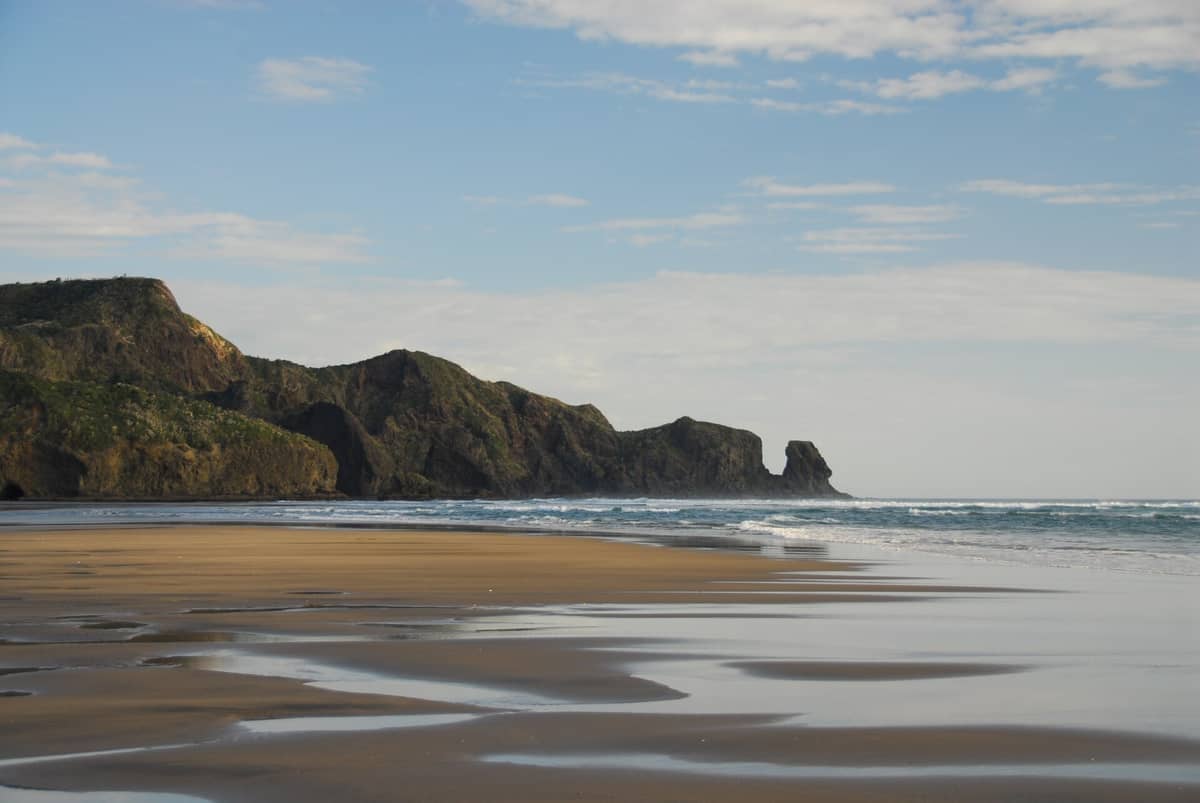
Te Henga (Bethells Beach) is not a manicured seaside resort. It is a long arc of dark, volcanic sand tucked at the base of the Waitākere Ranges, where the Tasman Sea meets a coastline that feels genuinely untouched. The beach is known as Te Henga, with Bethells Beach also used as its English name; the name Bethells is associated with the Bethell family, who have long lived in the area.
The defining features are the black sand, the large dunes that frame the southern end of the beach, and the freshwater Lake Wainamu sitting just inland. The water at Te Henga is cold, the waves are powerful, and the rips can be serious. This is one of those beaches that rewards preparation and punishes complacency.
⚠️ What to skip
There is no mobile phone coverage at Bethells Beach. Tell someone your plans before you go, check surf and weather conditions in advance, and confirm there are no track or park closures via Auckland Council's website before setting out.
How the Beach Changes Through the Day
Early morning at Te Henga is the closest Auckland gets to solitude on a coastline. Before 9 am on weekdays, the carpark is nearly empty and the only sounds are the surf and the birds working the dune grasses. The light at this hour is exceptional for photography: the dark sand absorbs the low sun differently from pale beaches, creating strong tonal contrast between wet and dry sand, and the Waitākere hillsides behind glow green.
By mid-morning on weekends, especially in summer (December through February), the carpark begins to fill. The beach draws surfers throughout the day, and the dunes attract families and walkers. Late afternoon brings a second wave of visitors looking to catch the sunset, which over the Tasman Sea can be spectacular when skies are clear. Clouds over the Waitākere Ranges diffuse light in unpredictable ways, so even overcast late afternoons produce moody, photogenic conditions.
Winter visits (June through August) are quieter and often dramatic. Swells increase, the landscape is greener from higher rainfall, and you may have long stretches of the beach entirely to yourself. Temperatures drop to around 11–16°C, so bring layers. The beach is accessible year-round, but winter swimming is inadvisable without surf experience.
Tickets & tours
Live prices and dates from our booking partner. If you book, we may earn a commission at no extra cost to you.
Luggage Storage in Auckland
From 5 €Instant confirmationFree cancellationNew Zealand West Coast discovery tour
From 100 €Instant confirmationFree cancellation13,000ft skydiving experience in Auckland
From 195 €Instant confirmationFree cancellationDiscover Auckland City Tour
From 88 €Instant confirmationFree cancellation
The Dunes, the Lake, and the Landscape
The sand dunes at the southern end of Bethells Beach are among the most accessible significant coastal dunes in the Auckland region. They rise steeply enough to offer proper elevation and views over the beach and ocean. Walking them requires some effort, your feet sinking with each step into fine, dark sand, but the payoff at the top is a panoramic sight of the Tasman Sea to the west and the forested Waitākere hills inland.
Just behind the dunes, Lake Wainamu is a freshwater dune lake dammed by ironsand dunes, creating a quiet, reed-edged body of water that contrasts with the raw energy of the beach on the other side. On calm days the lake surface mirrors the surrounding vegetation. Swimming is possible in the lake, a popular alternative to the rough west coast surf; check conditions and supervise swimmers carefully.
A loop track connects the beach carpark, the dunes, and Lake Wainamu, and is detailed alongside other Waitākere Ranges walks in the best hikes in Auckland guide. The track is generally walkable in around one to two hours at a relaxed pace, though the dune section demands more energy than the distance suggests.
Swimming and Surf Conditions
The surf at Te Henga is real surf. It breaks powerfully and inconsistently, and the beach is not patrolled by lifeguards year-round. Surf Life Saving New Zealand patrols operate seasonally, typically over summer weekends and public holidays, but you should not assume patrol flags will be present. Check Surf Life Saving NZ's beach patrol schedule before swimming with children or non-swimmers.
Rip currents are a genuine hazard. The dark sand makes it harder to read water movement compared with lighter-coloured beaches. If you choose to swim, Lake Wainamu is an alternative to the surf, but assess conditions and your ability before entering the water.
💡 Local tip
Surfers: the beach produces solid beach breaks, and the consistent west-facing swell exposure means it works on swells that leave the more sheltered east-coast beaches flat. Morning is typically cleaner before onshore winds develop.
Getting There and Parking
Te Henga (Bethells Beach) is reached via 257 Bethells Road. From central Auckland, the most direct route follows SH16 west and then heads through Waitākere township and along Bethells Road. The drive is approximately 45 minutes in normal traffic, though weekend afternoons and summer holiday periods can extend this considerably through the Waitākere township stretch.
Auckland Council notes that vehicle access and parking at the beach are limited. The carpark can be busy on summer weekends, so consider arriving early. If the carpark is full, do not park on the roadside in a way that blocks access or endangers other vehicles. Some visitors choose to arrive mid-afternoon when earlier arrivals begin leaving.
There is no regular public transport to Bethells Beach. A private vehicle or a rideshare booking is required. If you are visiting without a car, coordinate a rideshare drop-off and collection in advance, noting that mobile coverage is unavailable at the beach itself, so all communication must be arranged before you leave the main road.
If you are basing yourself in the city and planning a day trip, the Auckland west coast beaches guide covers Bethells alongside Piha and Muriwai, which can be combined into a logical loop if you have a full day and a car.
What to Bring and How to Prepare
The absence of phone coverage shapes everything about how you should prepare. Download offline maps before leaving the city. The Google Maps or Maps.me offline Auckland region download will cover the road in, but the dune and lake tracks are better served by the Auckland Council track maps, available on their park page and worth printing or screenshotting.
Sun protection is essential even on overcast days. Auckland sits at about 37 degrees south, which brings high UV levels. Bring water and supplies for your visit. A hat, reef-safe sunscreen, and solid footwear for the dune track are the minimum.
ℹ️ Good to know
The sand at Te Henga stains towels and lighter gear a grey-black colour that is difficult to remove. Pack dark towels or ones you do not mind marking.
Photography equipment benefits from protection here. Salt spray carries inland even on moderate surf days, and fine black sand gets into everything. A bag or case for your camera body between shots is good practice.
Who This Beach Is Not For
Bethells Beach is not appropriate for anyone expecting beach-resort infrastructure. There are no cafes, lifeguards do not operate year-round, and mobile coverage is unavailable. Visitors who require facilities, accessibility infrastructure, or the reassurance of a busy patrolled beach will have a better experience at Mission Bay or Takapuna Beach on the city's eastern and northern coastlines.
Families with very young children should factor in the surf hazard carefully. The dune walk to Lake Wainamu is manageable for older children with good walking shoes, but the terrain is sandy and tiring. If you are travelling with young kids and want a safer west coast option with more infrastructure, check the advice in the Auckland with kids guide before committing to Te Henga.
Visitors without a car face a logistical barrier that is worth taking seriously. Unlike Piha Beach, which occasionally has organised transport options, Bethells has no scheduled services. Plan accordingly.
Insider Tips
- Download Auckland Council's offline park map and screenshot the dune lake track before you leave the city. Once you arrive, there is no signal to load anything.
- The lake is a freshwater swimming alternative to the ocean in summer. If you want to swim but the surf looks intimidating, check conditions at the lake before entering.
- Weekday mornings between 7 and 9 am offer the clearest parking, quietest conditions, and best light for photography. Saturday afternoons in January are the worst time to arrive.
- Bring footwear for walking from the carpark to the water, especially in direct summer sun.
- Check the Surf Life Saving NZ patrol schedule (surflifesaving.org.nz) before swimming with children. Patrol flags are not a permanent feature here.
Who Is Bethells Beach (Te Henga) For?
- Surfers seeking consistent beach breaks on west-facing Tasman swells
- Photographers wanting dramatic coastal light, dark sand contrasts, and green Waitākere hillscapes
- Hikers combining the dune walk with the Lake Wainamu loop track
- Travelers wanting a genuine wilderness beach experience within an hour of Auckland's city centre
- West coast day-trippers with a car who want to escape the more crowded Piha and Muriwai car parks on summer weekends
Nearby Attractions
Combine your visit with:
- Auckland Botanic Gardens
Spread across 64 hectares in Manurewa, the Auckland Botanic Gardens offer free entry every day of the year, with themed garden collections, 10 hectares of native forest, and a visitor centre on site. It sits south of the city centre and rewards a longer visit than most people initially plan for.
- Auckland Zoo
Auckland Zoo has been part of the city's fabric since 1922, sitting in the Western Springs precinct with a collection that spans native New Zealand wildlife and international species. This guide covers everything from ticket prices and transit options to the best time of day to arrive and which exhibits deliver the most.
- Bastion Point (Takaparawhau)
Takaparawhau, known widely as Bastion Point, is a grassy headland in Ōrākei where Māori history, colonial conflict, and sweeping Waitematā Harbour views converge. It costs nothing to visit, carries centuries of significance, and rewards visitors who take time to understand what they are standing on.
- Coast to Coast Walkway
The Coast to Coast Walkway stretches 16 km across the Auckland isthmus, linking Waitematā Harbour in the north to Manukau Harbour in the south. Free to walk and open every day, this route passes volcanic cones, historic parks, and inner-city neighbourhoods that most visitors never see.
Planning a trip? Discover personalized activities with the Nomado app.