Best Things to Do in Split, Croatia: The Definitive Guide
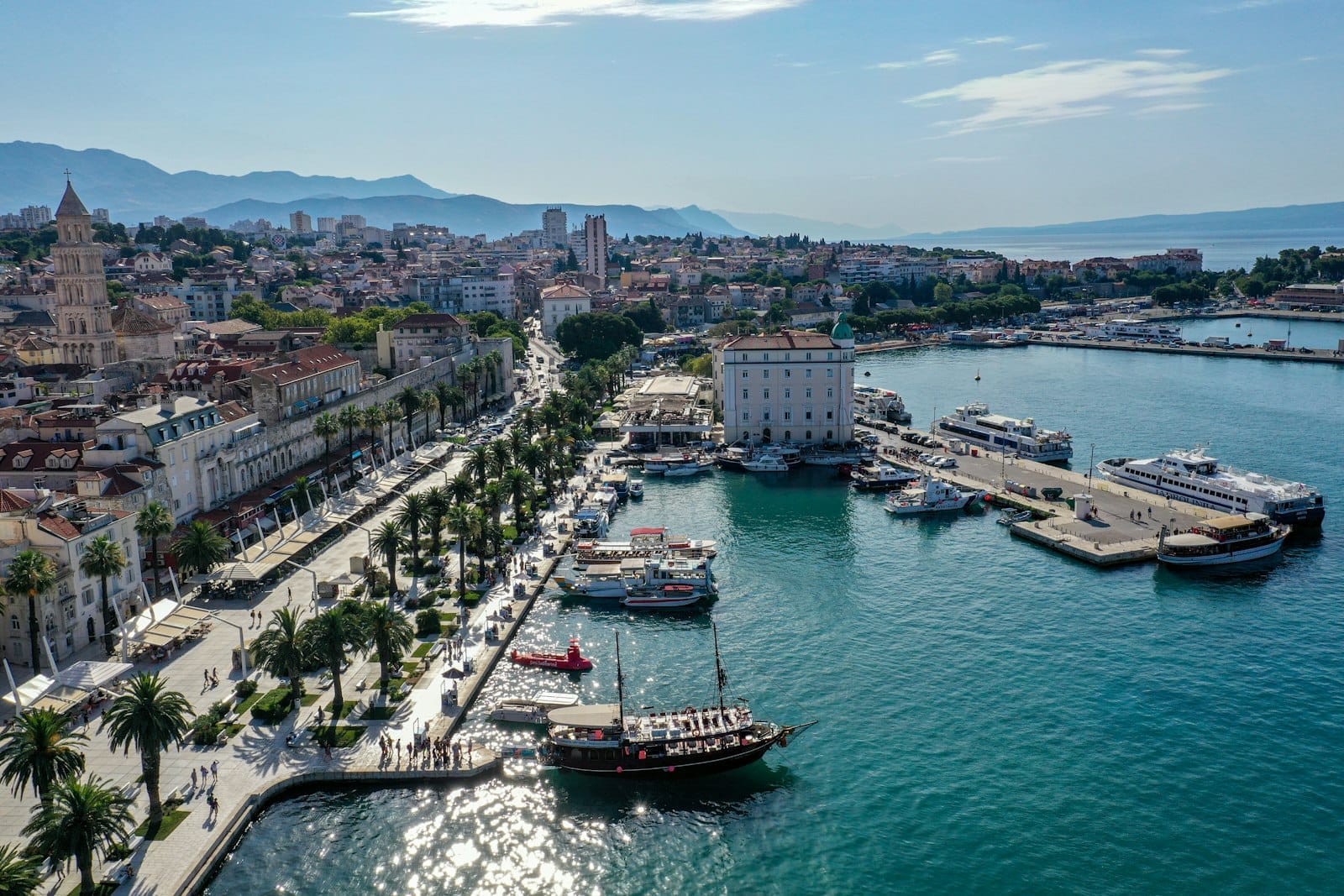
Split is one of the Mediterranean's most layered cities: a Roman palace you can sleep inside, a hill park above a working harbor, and ferry connections to some of Croatia's finest islands. This guide covers the best things to do in Split, from UNESCO-listed history to practical day-trip logistics, with honest advice on what to skip.
Plan and book this trip
Tools from our partner Travelpayouts help you compare flights and hotels. If you book through them, we may earn a commission at no extra cost to you.
Flights
Hotels map
TL;DR
- Diocletian's Palace is the non-negotiable starting point: 3,000 people live inside a Roman emperor's retirement home. Read our Split walking tour guide to cover it efficiently.
- Marjan Hill gives you Split's best views for free — combine it with Sustipan Park for a half-day that most visitors skip.
- The islands are the real draw for many travelers: Hvar, Brač, and Vis are all under 90 minutes by ferry. See our island hopping guide for schedules and logistics.
- Avoid peak hours (10am–2pm, July–August) at the Palace. Visit at night instead — the illuminated limestone walls are worth it.
- Split works well as a base: Krka National Park, Trogir, and the Cetina Canyon are all under an hour away.
Diocletian's Palace: What You Actually Need to Know
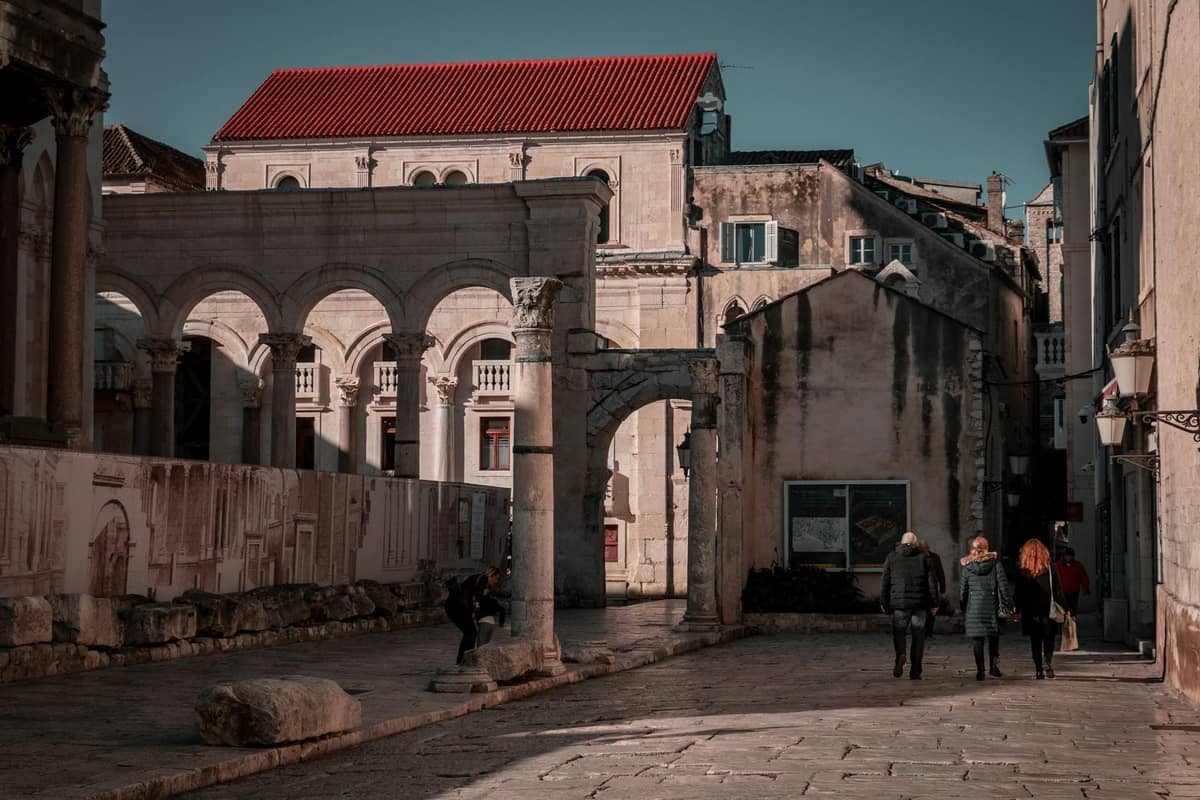
Built at the turn of the 4th century AD as Roman Emperor Diocletian's retirement complex, Diocletian's Palace is the anchor of everything in Split, Croatia. It was inscribed as a UNESCO World Heritage Site in 1979, and roughly 3,000 residents still live inside its walls today. That's not a marketing line — it means you'll find laundry drying between ancient columns and local teenagers on scooters cutting through a Roman peristyle.
The Palace is not a museum in the traditional sense. There is no single entrance, no ticket for the whole complex, and no guided route you're forced to follow. You walk in through one of four gates: the Golden Gate (north), Silver Gate (east), Iron Gate (west), or Bronze Gate (south, facing the sea). Each opens into a different character of the old town, so entering through all four across a visit gives you the clearest picture of the space.
The two paid highlights inside the Palace are Diocletian's Cellars and the Cathedral of Saint Domnius with its bell tower. The cellars (around 8 EUR, verify locally) form the original basement of the palace and give you a sense of its original scale. The cathedral was converted from Diocletian's mausoleum, which makes it one of the oldest cathedral buildings in the world. The combined ticket for the cathedral treasury, crypt, and bell tower historically cost around 45 HRK (before Croatia adopted the euro in 2023) — confirm current pricing at the tourist office on the peristyle square.
⚠️ What to skip
The cathedral bell tower has low handrails and partially open walls on the upper sections. It's physically demanding and not suitable for young children or anyone with a fear of heights. That said, the panoramic view over the old town rooftops and harbor is the best elevated vantage point within the city center.
For a free experience that most visitors miss: return to the Palace after 9pm. The limestone walls glow under artificial light, the day-tripper crowds have gone, and the bars inside the peristyle shift from overcrowded to genuinely atmospheric. If you want a structured route, the Split walking tour covers the Palace gates, the peristyle, and the surrounding old town in around two hours.
Marjan Hill and the Waterfront: Split's Outdoor Circuit
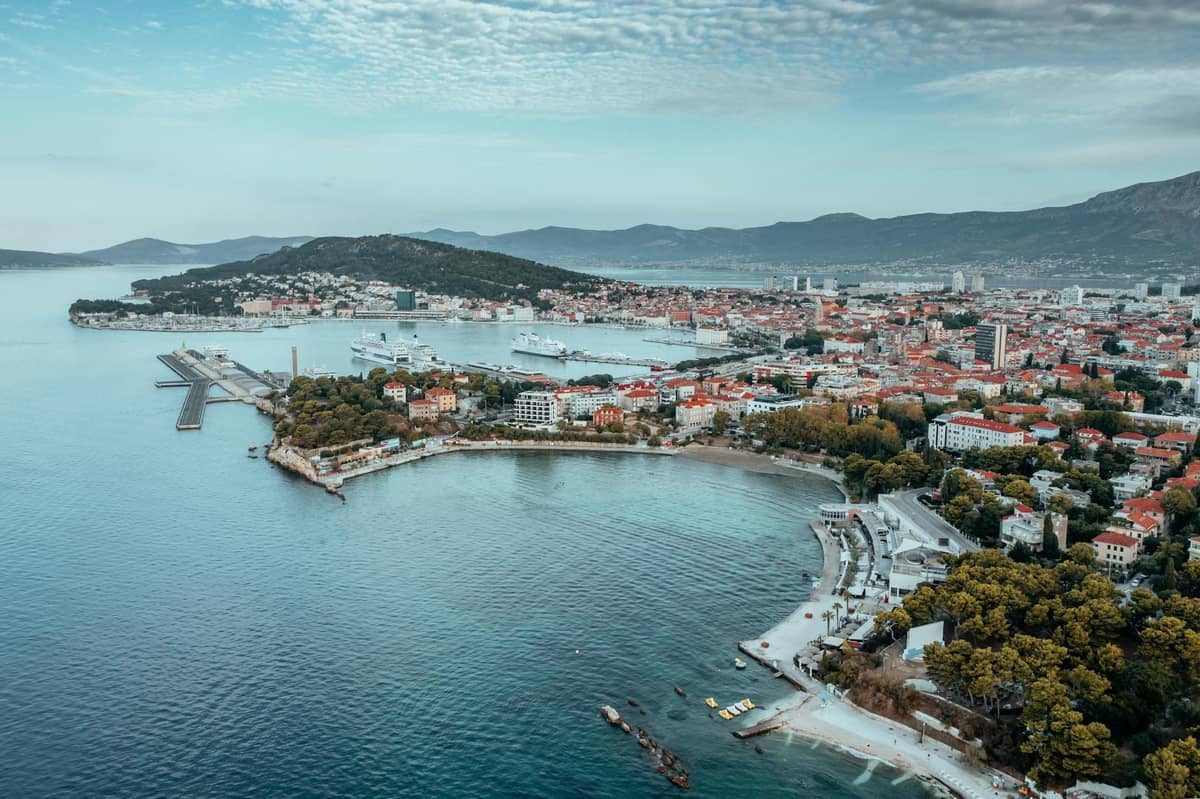
Marjan Hill is Split's forested peninsula, rising above the western edge of the city. The main trailhead is marked as 'Marjan Hill Stairs' on Google Maps, located next to Pizzeria Bokamorra in the Veli Varoš neighborhood. From there, it's about a 20-minute walk to the main viewpoint terrace (the “Prva vidilica”), with several lookout points along the way. The views take in the harbor, the old town, the outer islands, and on clear days, the mountains of the Dinaric Alps.
En route, you'll pass the Oratory of Sv. Cyriaka, a medieval hermitage carved into the rock face — easy to miss, worth finding. On the western slope of Marjan, Sustipan Park occupies the site of a medieval Benedictine monastery and offers quieter Adriatic views than the busier summit lookouts. Most visitors don't make it this far, which is exactly why it's worth the extra 15 minutes.
Along the waterfront, the Riva Promenade runs the full length of the old town's southern face. It functions as Split's social center: locals take their morning coffee here, tourists photograph the yachts, and street musicians appear from late afternoon. Gelato stands, café terraces, and ferry ticket booths line the Riva. It's also where you'll catch ferries to the islands, making it a practical daily reference point regardless of what you're doing.
💡 Local tip
Marjan Hill is busiest on weekend mornings when locals jog the trails. For the clearest views and quietest experience, aim for a weekday afternoon in late September or early October, when the light is golden and the summer crowds have thinned.
Culture and Museums Worth Your Time
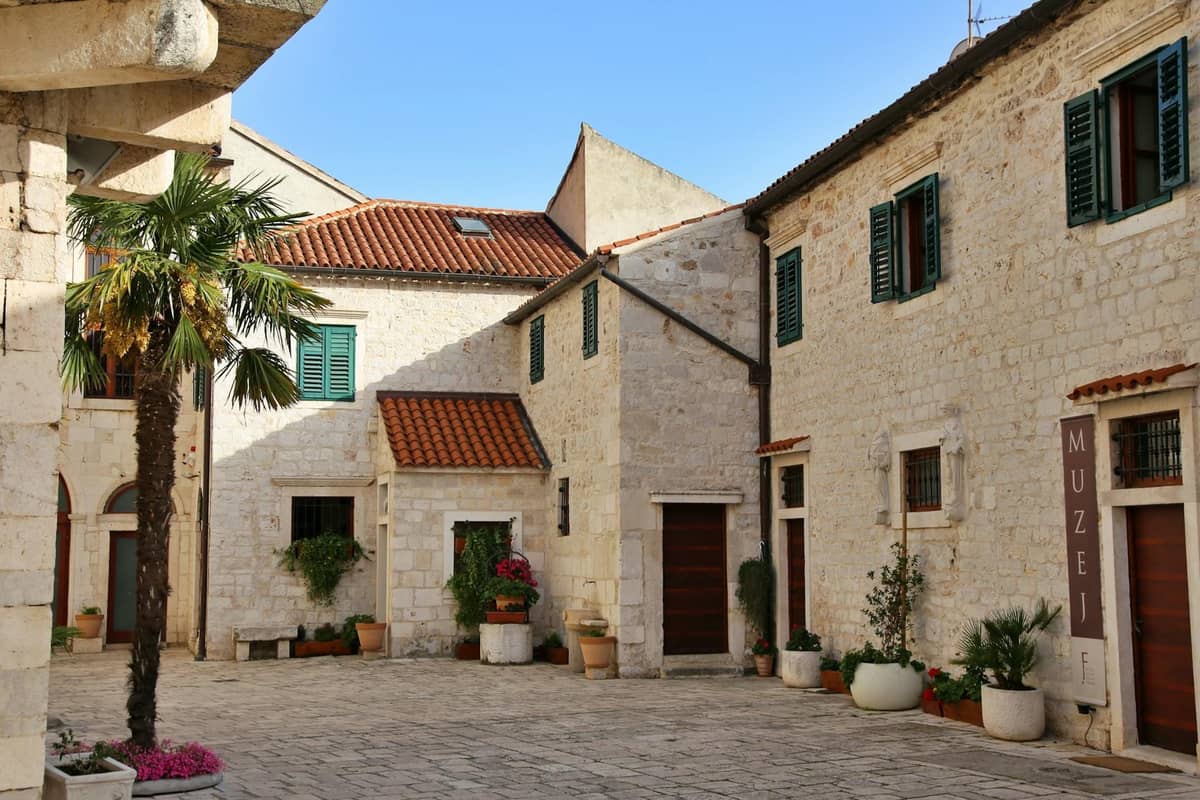
Split has several strong museums, but quality varies. The Archaeological Museum Split is Croatia's oldest museum, founded in 1820, and the courtyard collection alone justifies a visit: sarcophagi, Roman jewelry, and early Christian artifacts arranged with surprisingly good context. Note that exhibition captions are often in Croatian only, so a guidebook or audio guide helps significantly.
The Meštrović Gallery sits on the western seafront road, about 2km from the old town. Ivan Meštrović was Croatia's most celebrated 20th-century sculptor, and he designed this villa himself as a showcase for his work. The building and garden are as much the attraction as the sculptures inside. Check opening hours before visiting, as seasonal closures apply.
For something lighter, the Museum of Illusions Split works well for families or a rainy-day hour. It won't satisfy serious culture-seekers, but it's well-executed for what it is. The Game of Thrones Museum Split is pitched at fans of the show — Diocletian's cellars doubled as the dungeons of Meereen, and the museum contextualizes those filming locations with props and behind-the-scenes material.
- Archaeological Museum Split Croatia's oldest museum. Strong courtyard collection; interior captions mostly in Croatian. Budget 45-60 minutes.
- Meštrović Gallery World-class sculpture collection in a villa designed by the artist himself. Quieter than the old town attractions.
- Diocletian's Cellars The basement of the original palace. More atmospheric than educational, but essential for understanding the palace's scale.
- Game of Thrones Museum Niche but well-done. Only relevant if you know the show. Located inside the old town.
- Museum of Illusions Good for families or a quick break. Around 1 hour, no deep cultural value but genuinely fun.
Day Trips From Split: Where to Go and How Long to Allow
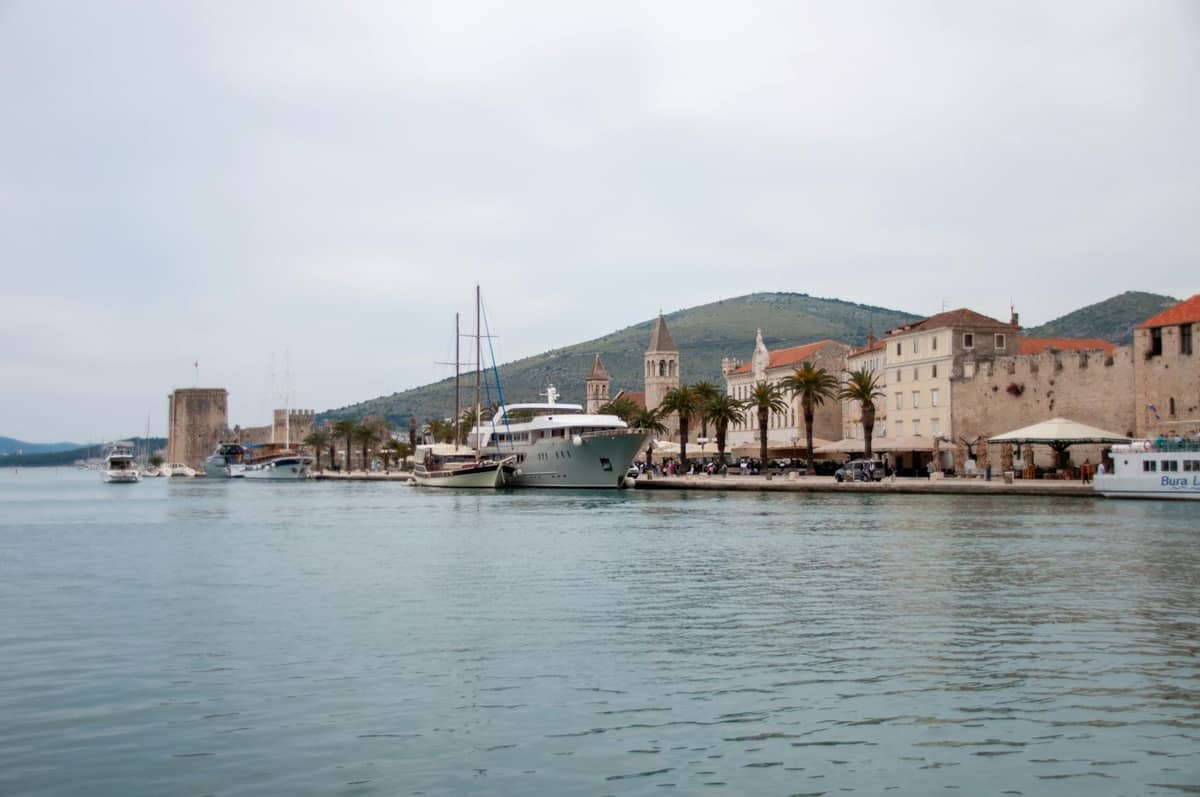
Split's ferry port and bus station make it one of the best-connected cities on the Adriatic coast. The most popular day trips from Split cover a wide range: ancient ruins, national parks, and island beaches. TrogirTrogir is the easiest option: about 30–40 minutes by bus (around 4–5 EUR), and the old town is another UNESCO-listed site with a cathedral that rivals anything in Split itself. It's compact enough to cover in 2-3 hours.
Salona's Roman ruins are often overlooked in favor of the Palace, which is a mistake. Salona was the regional capital before Split existed — its forum, amphitheater, and early Christian basilicas predate Diocletian's complex by centuries. It's about 6km northeast of central Split and easily reached by local bus. Combine it with a visit to Klis Fortress above (another Game of Thrones location, and genuinely impressive for its medieval military architecture) for a strong half-day.
For national parks, Krka National Park is around 90 minutes by bus and far easier to reach from Split than Plitvice. The waterfalls are impressive, and swimming is permitted at certain points — check current rules, as they change seasonally. Plitvice LakesPlitvice Lakes National Park requires a longer day (around 3–4 hours each way by bus), but the scale of the park justifies it if you have the time. See the dedicated day trips from Split guide for full logistics on both.
Island Trips and Water Activities
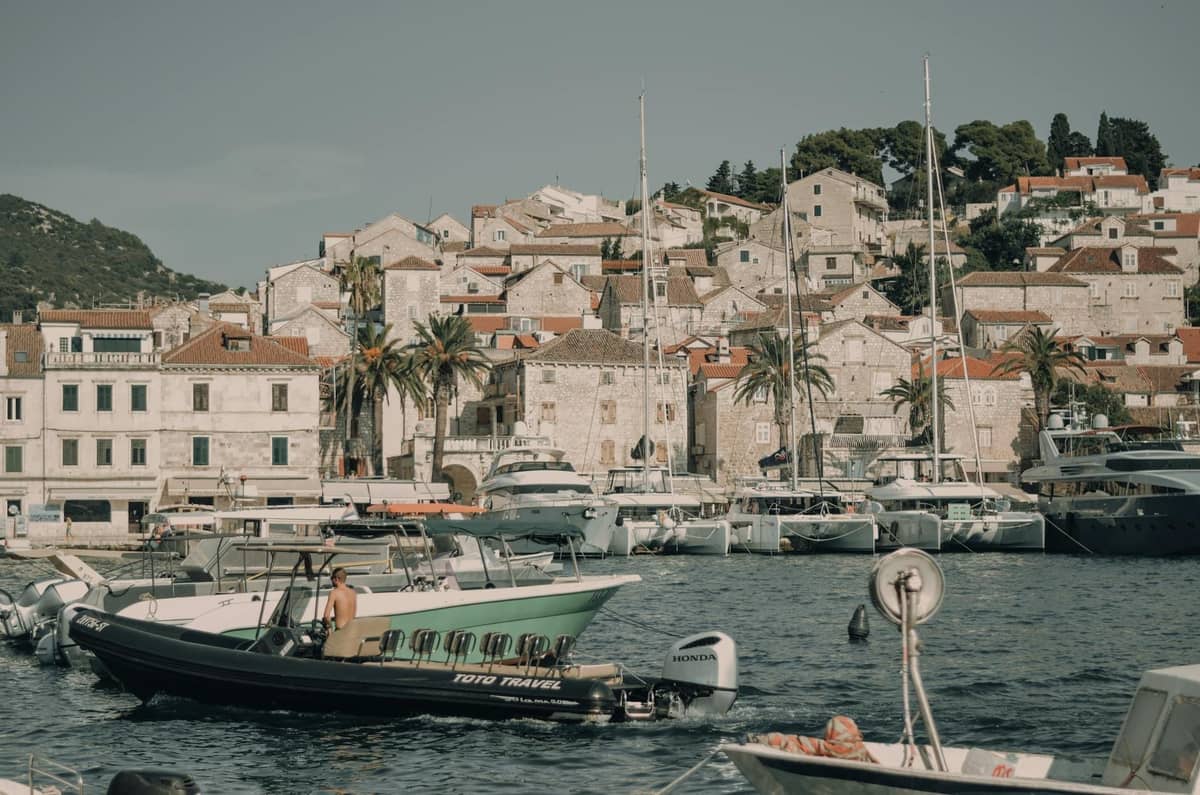
The islands accessible from Split are among the best in Croatia. Hvar Island is the most visited: lavender fields, a hilltop fortress, and a town center that gets genuinely crowded in July and August. The catamaran from Split to Hvar Town takes around 1 hour to 1 hour 5 minutes. Brač IslandBrač is closer (around 50–60 minutes by ferry to Supetar) and home to Zlatni Rat, the beach famous for its shifting shingle spit. Both work as day trips, but Hvar especially benefits from an overnight stay to experience it before and after the day crowds.
Vis IslandVis is the furthest from Split (around 1 hour 20 minutes to 2 hours 20 minutes by ferry, depending on fast or car ferry) and the least touristed of the three, which is precisely its appeal. The island only began to open to foreign tourism around 1989 after long use as a Yugoslav military base, and that relative isolation preserved both its architecture and its slower pace. The Blue Cave on nearby Biševo island is reached via Vis: the sea inside glows a metallic blue from sunlight refracted through an underwater entrance. Tours run from Split directly but book out fast in summer.
✨ Pro tip
Blue Cave tours from Split combine multiple stops: typically the Blue Cave, Green Cave, Hvar, Pakleni Islands, and Vis. They run around 8–10 hours and cost roughly 90–150 EUR per person. Book at least 48 hours ahead in peak season. The cave itself allows only a brief visit (10-15 minutes) because boat traffic is controlled, so manage expectations accordingly.
Practical Tips: Timing, Crowds, and Getting Around
Many travelers find the best months to visit Split, Croatia are May, June, and September. Temperatures are warm (mid-20s Celsius), the sea is swimmable, and the crowds are manageable. July and August bring extreme density: accommodation prices spike, the Palace fills with day-trippers by mid-morning, and restaurant queues extend onto the Riva. If you're visiting in summer, read our dedicated guide to Split in summer for crowd-management strategies.
Split's old town is entirely walkable. The Palace walls enclose an area roughly 215m by 180m, and most sights within the old town are within a 10-minute walk of the Peristyle. For Marjan Hill, Meštrović Gallery, and the beaches east of the city like Bačvice Beach, city buses are cheap (around 1.50–2.50 EUR per ride, depending on zone and ticket type) and reliable. Taxis and ride-hailing are available but not necessary for the core sights. The full picture on getting around is in our guide to getting around Split.
- Visit the Palace peristyle and bell tower before 10am or after 7pm to avoid peak crowding.
- The Pazar Market (Green Market, east of the Silver Gate) operates daily in the mornings and is the best place to buy local produce, olive oil, and lavender products at non-tourist prices.
- Bačvice Beach is the city's most accessible urban beach, about 10 minutes walk from the ferry port. It's known as the home of picigin, a traditional ball-in-water game played in the shallows.
- Local buses to Trogir depart from the main bus station next to the ferry terminal. No pre-booking required.
- The Gregorius of Nin statue outside the Golden Gate is a tourist focal point — rubbing the toe is the tradition. Worth a look, easy to combine with the northern palace approach.
- Split's nightlife concentrates around the Bačvice area and the streets just outside the Iron Gate. The old town itself quiets down significantly after midnight.
FAQ
How many days do you need in Split, Croatia?
Two full days covers the main sights: Diocletian's Palace, Marjan Hill, the Riva, and at least one museum. Three days allows for a day trip to a national park or island. If you're using Split as a base for island hopping, plan for 4-5 days minimum.
Is Split worth visiting, or is it just a transit hub?
Split is genuinely worth at least two days as a destination in its own right. The Palace alone is one of Europe's most remarkable ancient sites. That said, many visitors stay longer than planned purely because of access to the islands and national parks — the city and its surroundings are complementary, not competing.
What is there to do in Split at night?
The old town is at its best after dark: the Palace illuminates well, the bars inside the Peristyle area are atmospheric, and the crowds have thinned. The Bačvice area has the highest concentration of bars and clubs for late-night options. In summer, check whether any events are running as part of the Split Summer Festival, which typically runs from mid-July to mid-August.
What are the best free things to do in Split?
Walking through Diocletian's Palace (excluding paid sites within it), hiking Marjan Hill, strolling the Riva, visiting Sustipan Park, and exploring the Pazar Market are all free. The Gregorius of Nin statue and Golden Gate are also no-cost. A full breakdown is in our guide to free things to do in Split.
When is the best time to visit Split?
May, June, and September offer the best combination of weather, crowd levels, and accommodation prices. July and August are peak season: expect higher prices, full beaches, and crowded old town streets. Winter (November to March) is quiet, many restaurants reduce hours, but the city remains functional and genuinely local in feel.