Museum of Illusions Split: What to Expect Before You Go
The Museum of Illusions Split sits steps from the ancient walls of Diocletian's Palace, offering optical puzzles, perception-bending installations, and interactive exhibits across a compact indoor space. It works best as a rainy-day activity or a fun detour for families and curious travelers, though those seeking deep cultural immersion should set expectations accordingly.
Quick Facts
- Location
- Ulica Andrije Kačića Miošića 2, 21000 Split — just behind Diocletian's Palace and Josip Juraj Strossmayer Park
- Getting There
- Walkable from the Riva promenade and Diocletian's Palace in under 10 minutes; no special transit needed
- Time Needed
- 45–90 minutes for most visitors
- Cost
- Paid admission with student and senior discounts available; verify current prices at the official website before visiting
- Best for
- Families with children, rainy days, groups looking for a playful and social experience
- Official website
- split.muzejiluzija.com/en
What the Museum of Illusions Actually Is
The Museum of Illusions Split is part of an international franchise that has grown from its first location in Zagreb in 2015 to over 60 venues across 27 countries. The Split outpost opened in May 2020, making it one of the early Croatian locations after Zagreb and Zadar. It is operated by Mariolica d.o.o. and occupies an indoor space in the heart of Split's old town district, just behind the northern edge of Diocletian's Palace, by Josip Juraj Strossmayer Park.
The concept is straightforward: a curated collection of optical illusions, holograms, stereograms, perception games, and interactive brain-teaser installations. Nothing here is ancient or locally specific. This is a globally standardized attraction that could exist in any city, and visitors should understand that before buying a ticket. That is not a dismissal. It is useful context.
ℹ️ Good to know
The museum is indoors and climate-controlled, making it one of the better choices on a hot summer afternoon or a rainy day when outdoor sightseeing becomes uncomfortable.
Location and Arrival: Easier Than You'd Expect
The address, Ulica Andrije Kačića Miošića 2, places the museum within the dense urban fabric just south of Diocletian's Palace and the old town. If you arrive by ferry or bus, the entrance is reachable in under a minute on foot. If you are already wandering the palace lanes, it is a short detour south through one of the gate passages.
The surrounding streets are narrow and moderately busy during peak tourist hours, particularly between late morning and early afternoon in summer. There is no dedicated parking at or near the museum, but this is a walking city and a short taxi or rideshare from any Split neighborhood is a practical option.
💡 Local tip
The entrance can be easy to walk past if you are not looking for it. Check the address in Google Maps before heading out, especially in the maze of streets around the palace's south side.
Tickets & tours
Hand-picked options from our booking partner. Prices are indicative; availability and final rates are confirmed when you complete your booking.
Blue Cave and Hvar 5 islands tour from Split
From 145 €Instant confirmationFree cancellationKrka national park tour from Split
From 27 €Instant confirmationFree cancellationAll-inclusive Blue Lagoon tour from Split with three islands visit
From 68 €Instant confirmationFree cancellationGuided kayaking tour with snorkeling stops from Split
From 50 €Instant confirmationFree cancellation
Inside the Museum: What You Will Encounter
The experience begins the moment you step inside. The reception area is bright and the staff are generally multilingual, reflecting the heavily international visitor base that passes through Split each summer. You receive no audio guide or paper map. The layout is intuitive enough that most visitors navigate it independently.
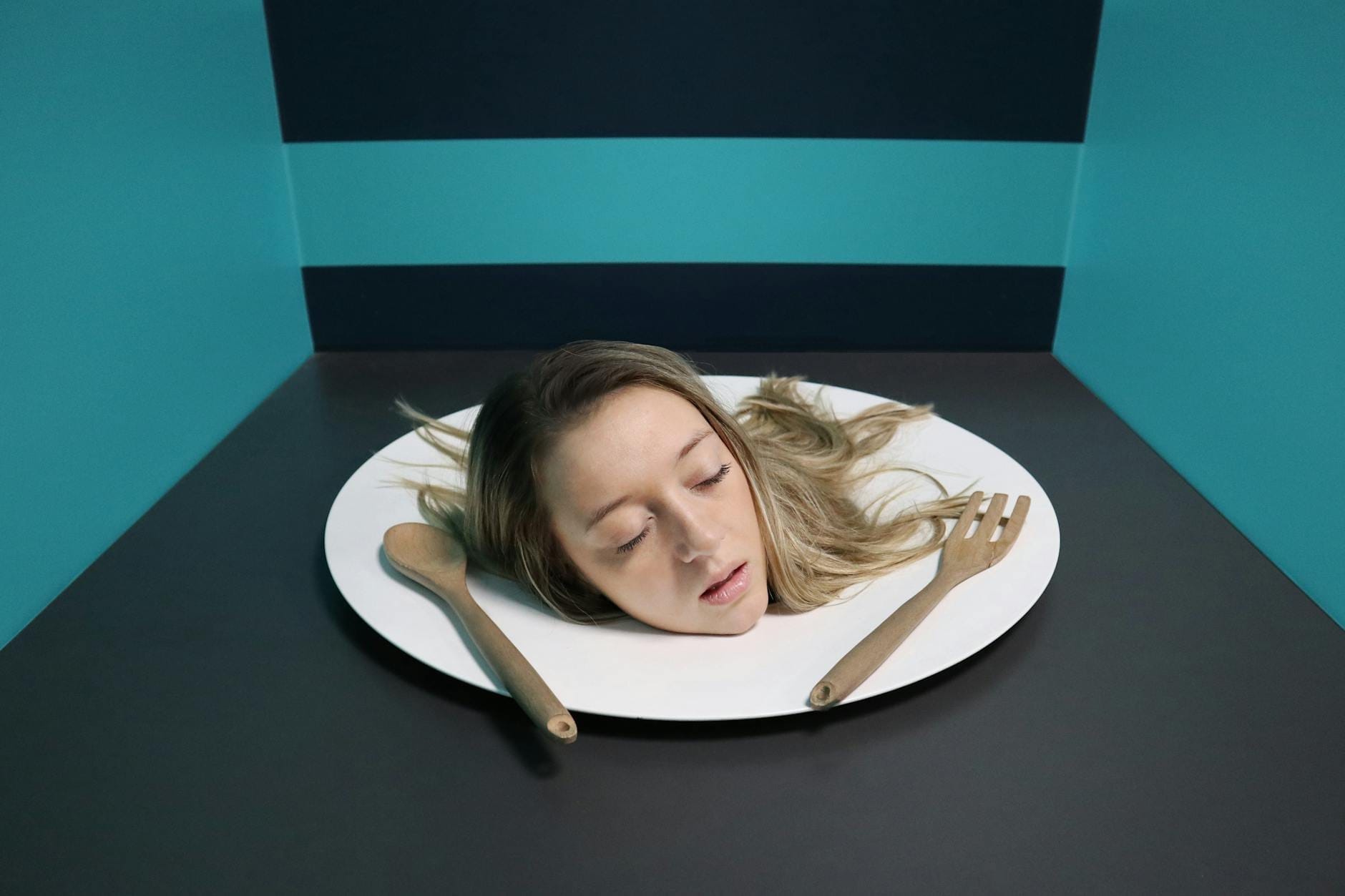
The rooms cycle through different categories of illusion. Some involve forced perspective, where the architecture of a specially built room makes two people of equal height appear drastically different in size. Others use mirror configurations, rotating tunnels, or two-dimensional artworks designed to appear three-dimensional when viewed from a specific angle. The holograms section tends to generate the most lingering, with visitors doubling back to look again from different positions.
The exhibits are tactile and participatory. You are expected to sit in the tilted room, stand in the Ames room, and pose for photographs. This is not a museum where you observe quietly from behind barriers. The noise level inside is consistently high, particularly when groups of teenagers or families with young children are present, which is most of the time during peak season.
💡 Local tip
Photography is not just allowed but actively encouraged. Bring a travel companion if you can — the best exhibit moments require two people to work properly, and going solo means relying on strangers or staff to photograph you in the illusion rooms.
Best and Worst Times to Visit
Summer hours (01.06.–30.09.) currently run from 9am to 9pm daily; in the shoulder periods (01.04.–31.05. and 01.10.–31.10.) hours are 10am to 8pm; and in winter (01.11.–31.03.) the museum is open from 10am to 4pm. These hours are verified at time of writing but should be confirmed on the official website before your visit, as seasonal adjustments do happen.
The museum's indoor format means weather affects demand rather than the experience itself. On a hot, cloudless July afternoon, visitor numbers spike sharply as people seek air-conditioned alternatives to the Riva or the city walls. Arriving before 11am or after 5pm in summer results in a noticeably quieter experience.
If your main focus is outdoor Split, including the Riva promenade and the palace's Roman architecture, the museum pairs well as a late-afternoon wind-down when the sun is still strong but you have already covered the main sights.
Historical and Cultural Context
To be precise about what this attraction is not: it has no connection to Split's exceptionally rich Roman and medieval history. The city's genuine historical depth is concentrated in places like Diocletian's Palace, the Cathedral of Saint Domnius, and the underground cellars beneath the palace. The Museum of Illusions is a modern, commercial attraction with no roots in local history or Croatian culture specifically.
That said, the franchise itself has a legitimate Croatian origin story. It was founded in Zagreb in 2015 and expanded rapidly, reaching over 60 locations worldwide by 2023. The Split branch is part of that expansion, and for visitors who enjoy the concept, the city-center location makes it a convenient stop rather than a dedicated trip.
Honest Assessment: Who Gets the Most From This
The museum earns its highest marks from families with children roughly aged 6 and up, who respond strongly to the perception tricks and the freedom to interact physically with exhibits. It also suits couples or friend groups who want a lighthearted, photogenic activity without the commitment of a longer cultural tour.
Travelers on a tight schedule who are prioritizing Split's Roman heritage, Adriatic beaches, or day trips to the islands may find the museum a lower-priority stop. It does not add cultural context about Croatia or Split specifically. Adults traveling solo and seeking a contemplative or educational experience may also find the loud, group-oriented atmosphere less appealing than the franchise's marketing suggests.
If you are comparing it against other Split activities, it sits in a different category than the Archaeological Museum or a day trip to Krka National Park. It is closer in spirit to an amusement attraction than a museum in the traditional sense.
⚠️ What to skip
The space can become crowded and loud quickly during peak summer hours. If you or your travel companions are sensitive to noise or congestion, aim for the first hour after opening or the final 90 minutes before closing.
Insider Tips
- Arrive within the first 30 minutes of opening for the quietest conditions. The museum fills quickly once tour groups begin arriving, usually by mid-morning in summer.
- Wear solid-colored clothing in contrasting tones if you plan to photograph the Ames room and forced-perspective exhibits. Patterns and stripes can interfere with the optical effect in photos.
- The museum is entirely indoors with controlled lighting, so no particular gear is needed. Your smartphone camera is sufficient for all exhibits.
- Ticket prices and occasional promotions are best checked directly on the official website at split.muzejiluzija.com, as third-party resellers sometimes charge booking fees on top of the standard admission.
- Combine the visit with the nearby bus station area if you are arriving or departing Split by bus. The museum is literally steps away from the Split3 city bus station, making it a practical use of time while waiting for a local connection.
Who Is Museum of Illusions Split For?
- Families with children aged 6 and up looking for an interactive, hands-on activity
- Couples or friend groups wanting a social, photogenic experience on a hot or rainy day
- Travelers who have already covered the main historical sights and want something lighter
- First-time visitors to Split who want a compact, easy activity near the city center
- Anyone with a tight midday window while waiting for a bus or ferry connection
Nearby Attractions
Other things to see while in Diocletian's Palace & Old Town:
- Cathedral of Saint Domnius
The Cathedral of Saint Domnius began its life as the mausoleum of Emperor Diocletian around AD 305 and was converted into a Christian cathedral in the 7th century, making it the oldest Catholic cathedral in continuous use within its original structure. Rising above the Peristyle at the heart of Diocletian's Palace, it remains an active place of worship, a climb-worthy bell tower, and one of the most layered architectural sites in Europe.
- Diocletian's Cellars (Peristyle Substructure)
Beneath the streets of Split's old town, the Cellars of Diocletian's Palace preserve one of the most complete Roman substructures anywhere in the world. Built around the turn of the 4th century AD to support the emperor's private apartments, these vast underground halls cover over one hectare and feel unlike any museum. This is the actual Roman foundation, open to walk through.
- Diocletian's Palace
Diocletian's Palace is not a museum. It is a functioning neighborhood built inside a Roman emperor's retirement complex, where cafes, apartments, and a cathedral occupy spaces once designed for imperial ceremony. This guide covers what to see, when to go, and how to make sense of one of Europe's most extraordinary living monuments.
- Game of Thrones Museum Split
Tucked into the Old Town at Bosanska ulica 9, the Game of Thrones Museum Split offers five themed rooms filled with props, costumes, and life-size character statues. It's a compact, fan-focused stop that makes most sense when paired with a walk through the very palace walls that stood in for Meereen on screen.